Social Media: The Impact on Mental Health

Social Media: The Impact on Mental Health

By: Maria Koutsothanasis


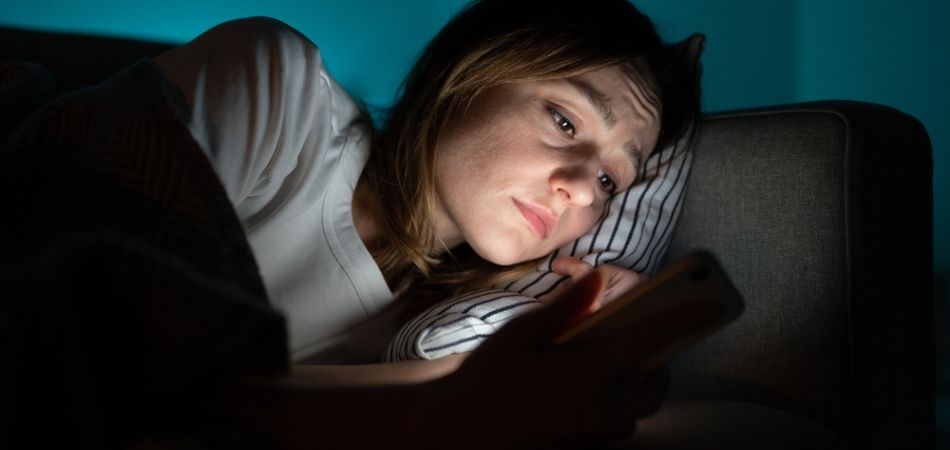
Social media plays a significant role in shaping how we connect, communicate, and even view ourselves. While social media has its benefits, it can also have a detrimental impact on mental health. Social media can negatively affect our mental well-being through constant comparisons, unrealistic expectations, and exposure to harmful content. By being intentional about what we engage with, we can use social media as a tool to enhance our lives and protect our mental well-being.

One of the main drawbacks of social media is the tendency to compare ourselves to others. Platforms such as Instagram and TikTok are often filled with images of people’s “perfect” lives, highlighting their achievements, beauty, and happiness. This can lead to feelings of inadequacy and low self-esteem, especially when we find ourselves measuring our lives against these unrealistic portrayals. Social media comparison can lead to symptoms of anxiety, depression, and even body image issues. The more we focus on the idealized versions of others’ lives, the more likely we are to forget that what we see online isn’t always an accurate reflection of reality.

The positive aspect is that we can decide what content we engage with. By intentionally following accounts that promote positivity, self-love, and well-being, we can counteract the negative effects. Following fitness influencers who focus on health rather than body perfection, or mental health advocates who offer advice and share stories of resilience, can create a more positive environment. By engaging with content that aligns with our values, we can shift our mindset toward growth and self-empowerment.

Social media often highlights negativity, which can significantly affect our mental well-being. Platforms frequently highlight drama, conflicts, and extreme opinions, contributing to constant criticism and judgment. Posts that focus on problems, such as failed relationships, mental health struggles, or societal issues, can evoke anxiety or feelings of hopelessness. Viral content that spreads negativity, such as gossip or inflammatory comments, often gains attention, while positive messages may not receive the same recognition. This constant exposure to pessimism can leave individuals feeling overwhelmed and disconnected from the positive aspects of life.

While social media has its negative aspects, it’s possible to transform how we interact with it to protect our mental health. By being mindful of the content we consume and consciously seeking out positive, uplifting posts, we can create an online environment that nurtures our well-being. Social media can be a powerful tool for connection, education, and personal growth if used intentionally. Ultimately, it is important to remember that we control our social media environment and can shape it to support our mental health.

If you or someone you love is struggling with depression or anxiety, please contact our psychotherapy offices in New York or New Jersey to talk to one of our licensed professional psychologists, psychiatrists, psychiatric nurse practitioners, or psychotherapists at Arista Counseling and Psychotherapy. Contact our Paramus, NJ or Manhattan, NY offices respectively, at (201) 368-3700 or (212) 722-1920 to set up an appointment. For more information, please visit http://www.counselingpsychotherapynjny.com/. 


UC Davis Health. (2024, November 27). Social Media’s impact on our mental health and tips to use it safely. health. https://health.ucdavis.edu/blog/cultivating-health/social-medias-impact-our-mental-health-and-tips-to-use-it-safely/2024/05

Social Anxiety: How Bullying Affects The Disorder

Social Anxiety: How Bullying affects the disorder

By, Maro Mikhaeil

Do you find yourself seeking the approval of people yet being bullied in return?  Often, we feel the need to be liked by others and we find ourselves changing who we are. When you are continuously attempting to impress others by pretending to be someone you are not or hiding your genuine self, you are manifesting a fear of rejection. Unfortunately, others may be able to notice your fears and use them against you since you are trying too hard to “fit in”.

Emotional abuse is real, and it may be just as harmful as physical abuse. Emotional abuse creates distress in the individual’s emotional or psychological state. Kids can be harsh, and the Pew Research Center reports that at least 59% of kids in the United States have been bullied. Bullying can lead to low self-esteem and increased self-consciousness. This creates a negative feedback loop in which bullied people are more inclined to suffer from social anxiety, and vice versa. Bullying can potentially escalate into physical violence, resulting in pain on both fronts.

But what is Social Anxiety?

According to the DSM-IV, Social Anxiety is defined as feeling frightened or worried in social situations, which may lead to the desire to avoid social encounters altogether. Unfortunately, bullying does not help; instead, it can worsen symptoms as anxiety sets in, when anything one does is criticized and, as a result, is emotionally abused.

What can you do about it?

First and foremost, in dealing with the disorder, you must not feed the desire to avoid social interactions. The more we care about what others think, the more we lose ourselves and suppress our genuine identities. It is crucial to remember that bullying occurs more frequently than you think and if you allow it to disrupt your life, you are merely hurting yourself.

If you or someone you know is a victim of bullying and/or experiencing social anxiety, please contact our psychotherapy offices in New York or New Jersey to talk to one of our licensed professional psychologists, psychiatrists, psychiatric nurse practitioners, or psychotherapists at Arista Counseling & Psychotherapy. Contact our Paramus, NJ or Manhattan, NY offices respectively at  (212) 722-1920 or (201) 368-3700 to set up an appointment. For more information, please visit https://www.counselingpsychotherapynjny.com

Sources:

https://www.verywellfamily.com/bullying-and-anxiety-connection-460631#:~:text=It%20is%20not%20surprising%20that,them%20over%20and%20over%20again.

 https://www.brosix.com/blog/cyberbullying-statistic/

Self-Diagnosing: Why it’s bad to do it

Self-Diagnosing: Why it’s bad to do it

By Erika Ortiz

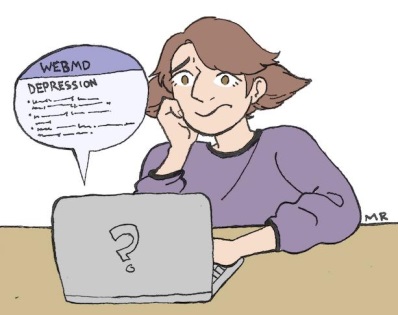
You feel an itchy throat, sneezing, coughing here and there, body feels a bit sore. You wonder what it can be so you look it up. Dr. Google says you’re dying and Dr. TikTok says you’re terminal! Now you’re stressing out thinking your cold turned out to be something fatal. We are all guilty of self-diagnosing. However, as innocent as it may seem, it can lead to a lot of serious issues down the road. Essentially, self-diagnosing is the process of giving yourself a medical condition based on what you know or searched, without any real credentials.

               Recently, on the social media app called “TikTok”, many creators post videos claiming, “Signs that you have depression”, or, “You have OCD if you do these things”. Although this is a great way to normalize mental health and eliminate the negative stigma around it, people are naturally easily influenced beings that want to relate to others whether it is negative or positive. However, self-diagnosing based on what you see on the web is usually not the best course of action to take when searching for real help. One issue with self-diagnosing is that it is over-simplified. Diagnosing someone is an extremely complicated process that needs to be met with certain criteria and even the specifics of the diagnosis varies immensely based on specific symptoms. It really isn’t “cut and dry”, it is a much layered process. In addition, this can lead to getting improper and ineffective medical attention or a treatment plan you may not need which can delay any potential, real help you  actually need. The information you may see online can be well-intentioned, however, it can still be misinformation which can be misread and misunderstood.

               Self-diagnosing creates a feeling of validation and security for people who may feel uncertain or confused as to why they are feeling a certain way. It is perfectly fine to do your own research, in fact it is encouraged. Being self-aware is important; however, it is also important to understand the differences between the traits you may exhibit and actual symptoms you read or see online that can pertain to a certain disorder. Before you self-diagnose based on information on Google, ask questions such as, “Is this person a professional?”, “Is the creator posting this to get paid or is it well-intention?”, or, “Does this actually apply to me specifically or generally?”  In conclusion, it’s better to try and avoid the self-diagnosis and to seek qualified professional help.

If you or someone you know wants diagnosis on mental health please contact our psychotherapy offices in New York or New Jersey to talk to one of our licensed professional psychologists, psychiatrists, psychiatric nurse practitioners, or psychotherapists at Arista Counseling & Psychotherapy. Contact our Paramus, NJ or Manhattan, NY offices respectively at (201) 368-3700 or (212) 722-1920 to set up an appointment. For more information, please visit https://www.counselingpsychotherapynjny.com

Sources:

https://www.everydayhealth.com/emotional-health/young-people-are-using-tiktok-to-diagnose-themselves-with-serious-mental-health-disorders/

https://news.harvard.edu/gazette/story/2015/07/self-diagnosis-on-internet-not-good-practice/

https://ct.counseling.org/2022/03/self-diagnosis-in-a-digital-world/#

Social Media: How Social Media Use Impacts Mental Health

Social Media: How Social Media Use Impacts Mental Health

By Celine Bennion

As you scroll through Instagram, Snapchat, Twitter, or LinkedIn, it may seem as though everyone you know uses at least one popular social media platform to share and connect with others. Social interaction is a key element for proper functioning and survival of humans. With modern technology, people can stay connected even when separated by physical distance, especially through social media. Despite their ability to maintain vital connections, social media platforms are known to engender mental health issues such as depression and anxiety, as well as overall negative feelings in users.

As social media has gained popularity, more individuals find themselves bypassing face-to-face social interactions and scrolling through social media profiles instead. This lack of genuine social connection can create feelings of loneliness, increasing the likelihood of users developing mental health issues. Additionally, social media platforms can harm one’s self identity, creating pressure to live up to others’ expectations or perceptions.

Social media is a stage for constant comparison to others. Whether it is related to appearance, materialistic items, or personal accomplishments, users can easily find themselves longing for what others possess. Modern editing software that enables users to easily distort their features in photos creates an unrealistic basis of comparison for those who believe this appearance is natural. Additionally, it is very uncommon for users to post about negative events in their lives, creating a false perception of a “perfect life” as others view their profile.

If social media is often causing individuals to feel bad, why do they continue using it? A major contributor to continued social media usage is the fear of missing out, or FOMO. FOMO occurs when individuals feel that they may miss out on connections such as jokes, invitations, and connections. This fear can cause significant anxiety, especially for those who thrive off of connection with others. Additionally, biological implications are involved in users’ attraction to social media platforms. The continuous presentation of novel content triggers the release of dopamine in the brain, a neurotransmitter that elicits feelings of pleasure. This fluctuation in dopamine levels leaves users craving the pleasurable feelings associated with scrolling, giving social media an addictive nature.

As you scroll through social media platforms, it is important to be mindful of the content you are consuming and discontinue interaction with content that causes negative feelings to arise.

If you or someone you know is seeking therapy, please contact our psychotherapy offices in New York or New Jersey to talk to one of our licensed professional psychologists, psychiatrists, psychiatric nurse practitioners, or psychotherapists at Arista Counseling & Psychotherapy. Contact our Paramus, NJ or Manhattan, NY offices respectively, at (201) 368-3700 or (212) 722-1920 to set up an appointment. For more information, please visit http://www.counselingpsychotherapynjny.com/

Sources:

https://www.mcleanhospital.org/essential/it-or-not-social-medias-affecting-your-mental-health

https://www.ncbi.nlm.nih.gov/pmc/articles/PMC7364393/

https://lancastergeneralhealth.org/health-hub-home/2021/september/the-effects-of-social-media-on-mental-health

https://www.timesrecordnews.com/story/news/2021/10/15/challenge-offers-2-500-stay-off-social-media/8469387002/ (photo)

How Social Media Affects Mental Health

By Jillian Hoff

In a world where most individuals are obsessively using social media, it can be detrimental to a person’s mental health.  Some of the most common symptoms that come from excessive use of social media include an increase in anxiety, depression, isolation, and fear of missing out (FOMO). Humans need social interaction, which can be given through social media but only to an extent. Humans need an in person social interaction with the people around them to feel connected. There is a reliance on social media to be able to connect with others now, especially during the pandemic. The convenience that comes from using social media may seem like it is beneficial but it the overuse of it can be the reason for your decline in mental health.

How to know when social media is affecting your mental health:

  • You start spending more time on social media than with your friends in person.
  • You compare yourself to others on social media.
  • You find yourself being distracted while you are at work or school.
  • Using social media is disrupting you sleep.

Ways to improve on mental health after a social media addiction:

  • Turn off your phone at certain times of the day.
  • Keep your phone or tablet in a different room when you are completing a task or going to bed.
  • Use social media in an active way instead of passively. This means you are using social media for a purpose.
  • Take on a new hobby or adventure to new places as a means of meeting new people and getting off of your phone.
  • Interact with others when you go somewhere instead of sitting on your phone.

Know when to put down your phone, it will make all the difference in your mental health!

If you or someone you know is seeking therapy, please contact our psychotherapy offices in New York or New Jersey to talk to one of our licensed professional psychologists, psychiatrists, psychiatric nurse practitioners, or psychotherapists at Arista Counseling & Psychotherapy. Contact our Paramus, NJ or Manhattan, NY offices respectively, at (201) 368-3700 or (212) 722-1920 to set up an appointment. For more information, please visit http://www.counselingpsychotherapynjny.com/

Sources

https://www.riseservices.org/the-impact-of-social-media-on-mental-health/

https://www.helpguide.org/articles/mental-health/social-media-and-mental-health.htm

The Effect of Social Media and Eating Disorders

By: Sarah Cohen

Eating disorders are extremely serious and often deadly illnesses that include severe disturbances in eating behaviors and related thoughts and emotions. There have been numerous studies in which mass media consumption of the “thin ideal body” has been linked to eating disorders among women. Pressure from media has led to women and men internalizing the “thin ideal body” and led to extreme body dissatisfaction which can then lead to eating disorders. While the effect is smaller among men, they are still being subjected to pressure.

Studies have shown “significant change in the weight and size of female and male models portrayed throughout the media in western society and the concept of the ‘perfect or ideal body’.” This explains “why many adolescents are preoccupied with their bodies and dissatisfied with their body image and are willing to try a variety of dangerous weight-loss practices in their quest for the perfect body.”

Most people are usually not aware the amount of manipulation and digital editing done in the fashion industry to create ‘ideal’ female and male bodies. These false images encourage unrealistic and unhealthy standards that are impossible to attain. One study focused on body concerns in girls 16 years old and tried to understand the underlying motivations to be skinny. The element that exerted the largest pressure to be smaller was the media. Another study measured indicators of eating disorders in a population of young Fijian girls after the addition of Western television to their routine. The indicators of eating disorders were exceptionally more prevalent after extended television viewing, demonstrating a negative impact of media. A large component of the data recorded was the theme of subjects describing a new interest in weight loss as a method of modelling themselves after the television characters they viewed.

In order to prevent the effect of social media on disordered eating, here are three tips: choose what media you view and participate in carefully, limit the amount of exposure you have, and test each media’s message for body positivity by asking critical questions about what information they are attempting to spread.

If you or someone you know needs support with their marriage, please contact our psychotherapy offices in New York or New Jersey to talk to one of our licensed professional psychologists, psychiatrists, psychiatric nurse practitioners, or psychotherapists at Arista Counseling & Psychotherapy. Contact our Paramus, NJ or Manhattan, NY offices respectively, at (201) 368-3700 or (212) 722-1920 to set up an appointment. For more information, please visit http://www.counselingpsychotherapynjny.com/ .

https://www.nimh.nih.gov/health/topics/eating-disorders/index.shtml

https://www.ncbi.nlm.nih.gov/pmc/articles/PMC2792687/

https://www.ncbi.nlm.nih.gov/pmc/articles/PMC2792687/

https://www.nationaleatingdisorders.org/media-eating-disorders

Tiggemann M, Gardiner M, Slater A. “I would rather be size 10 than have straight A’s”: A focus group study of adolescent girls’ wish to be thinner. J Adolesc. 2000;23:645–59.

Becker AE, Burwell RA, Gilman SE, Herzog DB, Hamburg P. Eating behaviours and attitudes following exposure to television among ethnic Fijian adolescent girls. Br J Psychiatry. 2002;180:509–14.