Personality Psychology: The Big Five O.C.E.A.N.

Personality Psychology: The Big Five O.C.E.A.N.

By Crystal Tsui

You may have seen quizzes online that can help determine your personality. Most of the quizzes online revolve around the basis of five core personality traits. Fiske, Norman, Smith, Goldberg, and McCrae & Costa were the leading researchers that brought evidence of the big five traits. The five traits are scaled on a spectrum, for example if a person was rated low in Neuroticism; they were rated high in Emotional Stability. The five traits are categorized as:

  • Openness: high levels of imagination, insight, tend to be adventurous, creative
  • Conscientiousness: high levels of thoughtfulness, goal-directed behaviors, good impulse controls, and organized
  • Extroversion: high levels of excitability, sociability, talkativeness, assertiveness, and high amounts of emotional expressiveness.
  • Agreeableness: high levels of trust, altruism, kindness, affection, and other prosocial behaviors
  • Neuroticism: high levels of sadness, moodiness, and emotional instability. They tend not to handle stress well.

These five traits have been found to be universal. One study showed that people in more than 50 different cultures found that the five dimensions could be accurately used to describe personality. Also, the five dimensions have biological and environmental origins that can influence the change of personality.

Another study showed that our five factors change over time. It showed that agreeableness and conscientiousness increased, but extroversion, neuroticism, and openness generally decrease as a person ages. Sex also contributes to the five factors as well. Women tend to score higher in both agreeableness and neuroticism. Even though sex differences have been found, it does not, by itself, demonstrate that the sexes are innately different in personality, although that is a possibility.

Frank Sulloway, a psychologist who focused on birth order, found that personality traits correlate with the order of individuals’ birth. He found that firstborns are statistically more conscientious, more socially dominant, less agreeable, and less open to new ideas compared to those born later. This could be due to firstborns caring for their younger siblings at a young age.

The Big Five is not based on any underlying theory; it is merely an empirical finding, meaning that the underlying causes behind them are unknown.

If you or someone you know is dealing with borderline personality disorder, dissociative identity disorder or any other personality disorders, please contact our psychotherapy offices in New York or New Jersey to talk to one of our licensed professional psychologists, psychiatrists, psychiatric nurse practitioners, or psychotherapists at Arista Counseling & Psychotherapy. Contact our Paramus, NJ or Manhattan, NY offices respectively, at (201) 368-3700 or (212) 722-1920 to set up an appointment. For more information, please visit http://www.counselingpsychotherapynjny.com/ .

Sources:

https://www.verywellmind.com/the-big-five-personality-dimensions-2795422

https://www.mentalhelp.net/psychological-testing/big-five-personality-traits/

https://blog.adioma.com/wp-content/uploads/2018/11/big-five-personality-traits-infographic.png

Relationships: The Impact of Attachment Styles

Relationships: The Impact of Attachment Styles

Relationships: The Impact of Attachment Styles

By: Julia Keys

Did you know that the way one develops an attachment to their mother as an infant has a profound effect on their adult relationships? Attachment styles were first studied in detail by the developmental psychologist Mary Ainsworth in her experiment called “the strange situation”. In the strange situation, Ainsworth had a mother and a child play together for about three minutes and then the mother left the room. Next, a stranger would enter the room and play with the child for about three minutes and then they would leave. Finally, the child’s mother would re-enter the room and resume playing with their child. Ainsworth was most interested in observing the child’s behavior when their mother re-entered the room.

Upon careful examination, Ainsworth found three distinct patterns of behavior in infants when their mothers re-entered the room. If the child was upset, but then easily soothed by their mother upon re-entry, Ainsworth deemed them as having a secure attachment style. If the child was indifferent to their mother upon re-entry, Ainsworth would label them with an insecure avoidant attachment style. Finally, if the infant shows conflicting behavior upon the mother’s re-entry such as clinginess and then subsequent rejections of affection, Ainsworth would say they had an insecure ambivalent attachment style. Insecure ambivalent children are unpredictable in terms of their parental reactivity.

Ainsworth hypothesized that children’s reactions were a result of how their parents responded to their needs. Hypothetically, infants with secure attachment styles have their basic needs met consistently by their parents. This leads the secure infant to show a healthy dependence on their parents. Infants with an insecure avoidant attachment have their needs minimally met by their parents, which leads them to be independent and self-soothing. Infants with insecure ambivalent attachment styles have their needs met inconsistently from their caregivers, which results in confusion and conflicting behaviors.

So how does this “strange situation” relate to people later on in life? Researchers have found that attachment styles follow infants into adulthood and impact their behavior in relationships. While the behavior infants exhibited in the experiment relied on whether or not basic needs such as food, water, or comfort were met, attachments styles in adults tend to manifest themselves in more complicated ways.  Secure adults tend to have healthy and satisfying relationships where they can receive and offer support as needed.  Avoidant adults seek independence in relationships and oftentimes can appear a bit callous to their own emotions. Avoidant adults aren’t likely to offer support to their partners because they rarely depend on it themselves. Finally, ambivalent adults fear being either too close or too far from their partner, causing them to feel confused by their feelings and act in unpredictable ways in the relationship.

Although attachment styles are habits that people have probably been practicing subconsciously for all their lives, they are not permanent. Individual or couples therapy can help those struggling with their own emotions or communication skills.

If you or someone you know is struggling in a relationship, please contact our psychotherapy offices in New York or New Jersey to talk to one of our licensed professional psychologists, psychiatrists, psychiatric nurse practitioners, or psychotherapists at Arista Counseling & Psychotherapy. Contact our Paramus, NJ or Manhattan, NY offices respectively, at (201) 368-3700 or (212) 722-1920 to set up an appointment. For more information, please visit http://www.counselingpsychotherapynjny.com/ .

Sources:

https://www.simplypsychology.org/mary-ainsworth.html

https://www.psychologytoday.com/us/blog/compassion-matters/201307/how-your-attachment-style-impacts-your-relationship

Source for Picture:

https://www.bing.com/images/search?view=detailV2&id=DF3FB2F4C4A9AF591D1BF6EA44071E6C780F6937&thid=OIP.P_BQQ_87MEADJ_8AobvpHQHaE8&mediaurl=https%3A%2F%2Fcarehere.com%2Fwp-content%2Fuploads%2F2016%2F07%2Fcouple_walking.jpg&exph=1280&expw=1920&q=couple+on+a+walk&selectedindex=6&ajaxhist=0&vt=0&eim=1,2,6


Am I Too Sensitive?

Am I Too Sensitive

Am I Too Sensitive?

By Julia Keys

Has anyone ever said to you in passing, “you’re so sensitive”? Our society seems to shun sensitivity without truly understanding or appreciating it. Stereotypically, a “sensitive person” is portrayed as irrationally emotional or ready to cry at any moment. In reality, sensitivity is defined by psychologists as the amount someone reacts physically, emotionally, or mentally to external and internal stimuli. Researchers have actually coined a term for someone you may describe as “sensitive”: the Highly Sensitive Person (HSP).

Highly Sensitive People, (HSP), process their external and internal environments with more attention than typical people. About 20% of the population are estimated to be a HSP. Some evolutionary psychologists suggest that HSP evolved from people that needed to be hyper vigilant in their environments to survive. Nowadays, we do not need as much extra attention to survive, but HSP are still affected by their high level of sensitivity.

It is easy to think that HSP and introversion are interchangeable traits, however there are some key differences between the two that are important to understand. HSP are not always introverts, they may like being around other people, but certain social environments can be overwhelming to their senses. Also, introversion refers to one’s preference for spending time alone versus spending time with others while sensitivity is how one processes sensory input. Although some HSP are introverted, there are definitely a fair amount that are extroverted as well.

Signs of a Highly Sensitive Person

  • Easily overwhelmed by such things as bright lights, strong smells, coarse fabrics, or sirens nearby
  • Gets more anxious than typical people when there a lot to do in a short amount of time
  • Easily disturbed by violence or graphic images
  • Feels the need to withdraw during busy days, into bed or a darkened room or some other place where they can have relief from overstimulating environments
  • Makes it a high priority to arrange their life to avoid upsetting or overwhelming situations
  •  Notices or enjoys delicate or fine scents, tastes, sounds, or works of art
  • Has a rich and complex inner life
  • Was shy or sensitive as a small child

Being an HSP can sometimes cause distress. HSP can have feelings of anxiety or stress when they are in environments that are overstimulating. Certain environments that may be enjoyable for neurotypical people such as parties, outside markets, or concerts may present too much sensory input for an HSP to enjoy. As a result, some HSP may struggle with isolation or loneliness.

On the other hand, the Highly Sensitive Person can also benefit from their heightened sensitivities to stimuli. HSP tend to be observant and perceptive, picking up on small details that others would not. As a result, many HSP are highly creative and innovative. HSP are also naturally empathetic, making them sensitive to others’ emotions and needs. HSP that balance their attention between a healthy internal and external environment reach their highest potential.

If you or someone you know is struggling with the stress being a HSP may bring, and are seeking stress management, please contact our psychotherapy offices in New York or New Jersey to talk to one of our licensed professional psychologists, psychiatrists, psychiatric nurse practitioners, or psychotherapists at Arista Counseling & Psychotherapy. Contact our Paramus, NJ or Manhattan, NY offices respectively, at (201) 368-3700 or (212) 722-1920 to set up an appointment. For more information, please visit http://www.counselingpsychotherapynjny.com/ .

Sources:

https://www.psychologytoday.com/us/blog/live-life-creatively/201906/the-creative-power-the-highly-sensitive-person

https://hsperson.com/


Source for Picture:

https://www.google.com/search?q=ripple+in+a+lake&source=lnms&tbm=isch&sa=X&ved=0ahUKEwibsYD2ztDiAhXymOAKHRgYCNoQ_AUIECgB&biw=1280&bih=561#imgrc=q1KPhEKi3gC5dM:


Depression and Logotherapy

Depression and Logotherapy

Depression and Logotherapy

By: Julia Keys

The struggle to find the meaning of life is a classic human dilemma. One may be content with their every day activities such as going to work, spending time at home, or eating, but they might still wonder “what is my real purpose?”.  People with psychological disorders such as depression, anxiety, post-traumatic stress disorder, and substance and alcohol abuse disorders are especially prone to being plagued with this kind of existential anxiety. A study by Alimujiang, et al. (2019) found that a sense of purpose greatly improves one’s physical, mental, and emotional health as well as overall life satisfaction. There is a specific type of psychotherapy called logotherapy (logo being derived from the Greek word for meaning), that is designed to help individuals find their true purpose in life.

Logotherapy was developed by a psychologist named Victor Frankl in the 1950s. Frankl drew upon his experiences during the Holocaust to develop logotherapy. Frankl was one of the millions of people that suffered the horrors of concentration camps. While imprisoned, Frankl noticed that those who mentally and physically survived the camp, usually found meaning in their lives there. After the camps were liberated, Frankl resumed his work with neurology and psychology and subsequently developed logotherapy.

There are three main principles of logotherapy:

  • every person has a healthy core
  • internal resources are more helpful in therapy than external resources
  • while life offers you meaning or purpose, it is one’s responsibility to explore that meaning to become happy or fulfilled

Frankl suggests that there are three main ways to reap the benefits of life:

  • by creating a work or accomplishing some task
  • by experiencing something fully or loving someone fully
  • by adopting an attitude that is at peace with the unavoidable suffering life may present

Logotherapy is used to treat depression, anxiety, post-traumatic stress disorder, and substance and alcohol abuse. Logotherapy is a great choice for patients that want to find their own personal meaning of life. Focusing on one’s purpose in life can help people live their most fulfilling and happy lives.

If you or someone you know is struggling to find a meaning in life or is suffering from anxiety, PTSD, depression or substance or alcohol abuse issues, please contact our psychotherapy offices in New York or New Jersey to talk to one of our licensed professional psychologists, psychiatrists, psychiatric nurse practitioners, or psychotherapists at Arista Counseling & Psychotherapy. Contact our Paramus, NJ or Manhattan, NY offices respectively, at (201) 368-3700 or (212) 722-1920 to set up an appointment. For more information, please visit http://www.counselingpsychotherapynjny.com/ .


Sources:

https://www.goodtherapy.org/learn-about-therapy/types/logotherapy

https://www.psychologytoday.com/us/blog/flourish-and-thrive/201906/the-importance-having-sense-purpose

Source for Picture:

https://www.google.com/search?biw=1280&bih=610&tbm=isch&sa=1&ei=WcD3XMGcCaixggfh9LPQDQ&q=person+standing+under+the+milky+way&oq=person+standing+under+the+milky+way&gs_l=img.3…54323.63817..64673…6.0..0.99.2982.39……0….1..gws-wiz-img…….35i39j0j0i67j0i8i30j0i30.wKMqUIxiiq8#imgdii=qz4eZgN11zBgHM:&imgrc=QRGiH9Pd8HzBrM:

Am I Too Sensitive?

Am I Too Sensitive? 

Am I Too Sensitive?

By: Julia Keys

Has anyone ever said to you in passing, “you’re so sensitive”? Our society seems to shun sensitivity without truly understanding or appreciating it. Stereotypically, a “sensitive person” is portrayed as irrationally emotional or ready to cry at any moment. In reality, sensitivity is defined by psychologists as the amount someone reacts physically, emotionally, or mentally to external and internal stimuli. Researchers have actually coined a term for someone you may describe as “sensitive”: the Highly Sensitive Person (HSP).

Highly Sensitive People, (HSP), process their external and internal environments with more attention than typical people. About 20% of the population are estimated to be an HSP. Some evolutionary psychologists suggest that HSP evolved from people that needed to be hyper vigilant in their environments to survive. Nowadays, we do not need as much extra attention to survive, but HSP are still affected by their high level of sensitivity.

It is easy to think that HSP and introversion are interchangeable traits, however there are some key differences between the two that are important to understand. HSP are not always introverts, they may like being around other people, but certain social environments can be overwhelming to their senses. Also, introversion refers to one’s preference for spending time alone versus spending time with others while sensitivity is how one processes sensory input. Although some HSP are introverted, there are definitely a fair amount that are extroverted as well.

Signs of a Highly Sensitive Person

  • Easily overwhelmed by such things as bright lights, strong smells, coarse fabrics, or sirens nearby
  • Gets more anxious than typical people when there a lot to do in a short amount of time
  • Easily disturbed by violence or graphic images
  • Feels the need to withdraw during busy days, into bed or a darkened room or some other place where they can have relief from overstimulating environments
  • Makes it a high priority to arrange their life to avoid upsetting or overwhelming situations
  •  Notices or enjoys delicate or fine scents, tastes, sounds, or works of art
  • Has a rich and complex inner life
  • Was shy or sensitive as a small child

Being an HSP can sometimes cause distress. HSP can have feelings of anxiety or stress when they are in environments that are overstimulating. Certain environments that may be enjoyable for neurotypical people such as parties, outside markets, or concerts may present too much sensory input for an HSP to enjoy. As a result, some HSP may struggle with isolation or loneliness.

On the other hand, the Highly Sensitive Person can also benefit from their heightened sensitivities to stimuli. HSP tend to be observant and perceptive, picking up on small details that others would not. As a result, many HSP are highly creative and innovative. HSP are also naturally empathetic, making them sensitive to others’ emotions and needs. HSP that balance their attention between a healthy internal and external environment reach their highest potential.

If you or someone you know is struggling with the stress being a HSP may bring, and are seeking stress management, please contact our psychotherapy offices in New York or New Jersey to talk to one of our licensed professional psychologists, psychiatrists, psychiatric nurse practitioners, or psychotherapists at Arista Counseling & Psychotherapy. Contact our Paramus, NJ or Manhattan, NY offices respectively, at (201) 368-3700 or (212) 722-1920 to set up an appointment. For more information, please visit http://www.counselingpsychotherapynjny.com/ .


Sources:

https://www.psychologytoday.com/us/blog/live-life-creatively/201906/the-creative-power-the-highly-sensitive-person

https://hsperson.com/

Source for Picture:

https://www.google.com/search?q=ripple+in+a+lake&source=lnms&tbm=isch&sa=X&ved=0ahUKEwibsYD2ztDiAhXymOAKHRgYCNoQ_AUIECgB&biw=1280&bih=561#imgrc=q1KPhEKi3gC5dM:

Eating Disorders: Disordered Eating Habits

Eating Disorders: Disordered Eating Habits

Image result for disordered eating habits

Eating Disorders: Disordered Eating Habits

By: Julia Keys

Our culture is obsessed with weight, thinness, exercise, and beauty. Studies show that women under the age of 19 are particularly vulnerable to the problematic effects of social media; about 60% of girls have a desire to lose weight even though they are within the healthy weight range ( Morris & Katzman, 2003). As a result, many people have developed unhealthy ways of eating and exercising for dealing with the pressure to look a certain way. These habits can seem minor at first, but can quickly develop into an eating disorder. While disordered eating habits do not meet the clinical criteria for an eating disorder, they are still unhealthy and potentially damaging.

Signs of Disordered Eating Habits:

  • Self-worth or self-esteem based highly or even exclusively on body shape and weight
  • A disturbance in the way one experiences their body i.e. a person who falls in a healthy weight range, but continues to feel that they are overweight
  • Excessive or rigid exercise routine
  • Obsessive calorie counting
  • Anxiety about certain foods or food groups
  • A rigid approach to eating, such as only eating certain foods, inflexible meal times, refusal to eat in restaurants or outside of one’s own home

It is important to recognize the signs of disordered eating and try to eradicate them before they become potentially harmful. Clinicians advise to quit fad diets because they are extremely restrictive and often result in binge eating. Obsessive exercise focused on “fat-burning” or “calorie-burning” should also be avoided and replaced with physical activity that is more focused on enjoyment. Another tip psychologists give is to avoid weighing yourself every single day. Weight can fluctuate about 2-5 lbs. a day, so fixating on a specific number in order to be healthy isn’t helpful. If disordered eating habits suddenly get worse, or start to impact one’s daily functioning, one should seek help.

If you or someone you know is struggling with an eating disorder, please contact our psychotherapy offices in New York or New Jersey to talk to one of our licensed professional psychologists, psychiatrists, psychiatric nurse practitioners, or psychotherapists at Arista Counseling & Psychotherapy. Contact our Paramus, NJ or Manhattan, NY offices respectively, at (201) 368-3700 or (212) 722-1920 to set up an appointment. For more information, please visit http://www.counselingpsychotherapynjny.com/ .

Sources:

https://www.psychologytoday.com/us/blog/contemporary-psychoanalysis-in-action/201402/disordered-eating-or-eating-disorder-what-s-the

https://www.ncbi.nlm.nih.gov/pmc/articles/PMC2792687/

Source for Picture:

https://www.google.com/search?tbm=isch&source=hp&biw=692&bih=584&ei=4UvtXJSbA-Spgge30qyABA&q=disordered+eating+habits&oq=disordered+eating+habits&gs_l=img.3..0i24.1459.6057..6251…1.0..0.178.1809.22j3……0….1..gws-wiz-img…..0..0j0i8i30j0i30.GFcmoKIva3A#imgrc=skxxnYifexcxWM:&spf=1559055335909


Bulimia Nervosa

Bulimia Nervosa

By: Lauren Hernandez

Bulimia Nervosa is an eating disorder known for episodes of out of control eating and subsequent self-induced methods of purging in order to prevent weight gain. Binging is considered an irresistible compulsion and on average happens about once a week, but can also occur several times a week. Bulimia is most common in women and typically begins in their teens to early 20s. The cultural obsession with a perfect body image, fueled by social media models with unattainable body “goals”, is harmful to young people’s self-esteem and body image. Social media perpetuates a cultural and social expectation of women needing to be thin in order to be beautiful, and this negatively impacts our younger generations.

Signs of Bulimia include:

  • Yellow teeth, erosion of dental enamel
  • Gastrointestinal problems
  • Unexpected weight gain
  • Hair loss
  • Lack of bowel movements
  • Lack of energy
  • Dehydration
  • Red, blistered, or scabbed knuckles

Some typical purging methods include:

  • Vomiting
  • Taking laxatives or diuretics
  • Excessive exercise

Some typical restrictive eating symptoms include:

  • Fasting
  • Disordered Eating

Research has shown that people with Bulimia Nervosa have comorbid mental illnesses such as anxiety, depression, or substance use disorder. Bulimia is also related to personality disorders which effect one’s social, personal, behavioral, and emotional interactions. Bulimia is best treated through a primary care physician, a nutritionist, and a mental health clinician. Cognitive behavioral therapy as well as antidepressants are extremely helpful for those recovering from Bulimia. It is important that schools address eating disorders at an early age in order to educate and bring awareness to young people.


If you or someone you know is struggling with an eating disorder, please contact our psychotherapy offices in New York or New Jersey to talk to one of our licensed professional psychologists, psychiatrists, psychiatric nurse practitioners, or psychotherapists at Arista Counseling & Psychotherapy. Contact our Paramus, NJ or Manhattan, NY offices respectively, at (201) 368-3700 or (212) 722-1920 to set up an appointment. For more information, please visit http://www.counselingpsychotherapynjny.com/ .


Source: https://www.psychologytoday.com/us/blog/inside-out-outside-in/201703/what-is-bulimia-nervosa

Image source: https://www.bing.com/images/search?view=detailV2&id=3DDA12C2C015D07EED4E8521F677C3692EB5A34B&thid=OIP.5ljFRAgr8tpAQ_TSuNjlVgHaE7&mediaurl=https%3A%2F%2Fwww.seasonsmedical.com%2Fwp-content%2Fuploads%2FBulimia-Nervosa-100.jpg&exph=524&expw=788&q=bulimia+nervosa&selectedindex=53&ajaxhist=0&vt=0&eim=1,2,6

Depression: Burning Out

Depression: Burning Out

By Toniann Seals

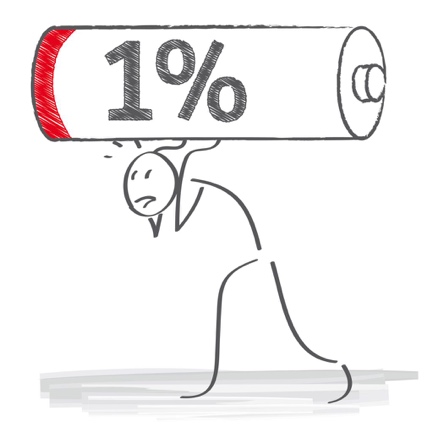
While living in a face paced society burn out is typically inevitable. Maybe you have a stressful job, heavy course load at school or personal/family issues going on. These problems you may face in your lifetime could bring excessive stress and lead to burn out.

Signs of Burn Out:

  • Excessive or too little sleep
  • Not making time for your hobbies
  • Dreading the next day/negative thoughts
  • Overworking

After burn out occurs many people find themselves stuck at a standstill. They are not able to move forward in their work or complete simple daily tasks. Once you notice the signs above, take action immediately to help yourself.

Effects:

  • Lowered Self Esteem
  • Less productivity
  • Feelings of not being enough
  • Lack of happiness

If you or someone you know is suffering from burn out speak with one of our licensed professional psychologists, psychiatrists, psychiatric nurse practitioners, and psychotherapists. Contact us at our Paramus, NJ or Manhattan, NY offices at (201) 368-3700 or (212) 722-1920 respectively to set up an appointment. For more information, visit http://www.counselingpsychotherapynjny.com/.

Image:

http://www.gotoppm.com/stress-burnout-and-saying-no/

Ever Feel Like a Fraud?

By: Stephanie Osuba

Despite your degrees, acclaims, and accomplishments, do you ever sometimes feel like you are an imposter? That you’ve been getting lucky or that you’re a fake in your profession and one day people are going to find you out? As it turns out, you aren’t alone. Many successful people feel this way and often have to step back and remember all the things they have achieved – Maya Angelou and Albert Einstein among these people! While there is no diagnosis or even proper name for this feeling in the DSM-5, there are countless of reports of this in psychology and psychotherapy literature. In fact, the first time the term “imposter syndrome” was used was in an article in 1978 by Drs Pauline R. Clance and Suzanne A. Imes who – after studying 150 educated, established, and highly respected women – found that they didn’t have an internal sense of success and found themselves to be “imposters.”

So what causes this “imposter syndrome” that befalls so many successful people? One reason could be that there is no real measure to success. There is always something more that you can do and regardless of how much success you’ve already had and you think you are content with, self-doubt can always creep in and say you haven’t done enough. Another reason could be “pluralistic ignorance,” which is believing something to be true without being able to prove or disprove it – usually involving unspoken or false beliefs about other people. For example, research has shown that all college students feel anxiety about school but the actual students think they are the only ones who feel that way and other people are having no trouble adjusting to college life. And lastly, talent can make us believe that we haven’t worked hard enough and don’t deserve the praise or success of what comes naturally to us.

Source: https://www.psychologytoday.com/us/blog/the-couch/201811/do-you-ever-feel-fraud 

If you or someone you know appears to be having issues with self-esteem or is suffering from anxiety, the licensed psychologists, psychiatrists, psychiatric nurse practitioners, and psychotherapists at Arista Counseling & Psychotherapy can assist you. Contact our Paramus, NJ or Manhattan, NY offices respectively, at (201) 368-3700 or (212) 722-1920 to set up an appointment. For more information, visit http://www.counselingpsychotherapynjny.com/

Anorexia and Amenorrhea: How Anorexia can be the Reason for Losing your Period

By: Sanjita Ekhelikar

Eating disorders are ruthless mental illnesses which severely impact on one’s mental and physical well-being. One such eating disorder is Anorexia Nervosa. This ailment is characterized by a severely distorted body image, a fear of gaining weight, extreme starvation and restriction of food intake, and a very low body weight. This deprivation of food and nutrients can have detrimental effects to the body. Anorexia Nervosa is primarily prevalent among younger females, although impacting males as well. One side effect of this eating disorder in females is amenorrhea, or losing one’s menstrual cycle.

Amenorrhea can be classified into two forms: primary and secondary. Primary amenorrhea occurs when a female does not begin her menstrual cycle by sixteen years of age. Secondary amenorrhea, loss of the menstrual cycle after it has already begun, is prevalent in many females with anorexia nervosa. The loss of one’s period can be attributed to low body weight, extreme amounts of exercise, and greater stress levels. The loss of such a regulated bodily cycle in a female’s body is dangerous, and can indicate the severity of and impairment caused by anorexia nervosa.

If amenorrhea and the underlying causes of its occurrence are not addressed, women are at risk of becoming infertile. In addition, the levels of estrogen decrease in the female body, leading to the development of pre-menopausal symptoms including loss of sleep, night sweats, and irritable moods. Finally, amenorrhea and the resulting reduction in estrogen can deplete amounts of calcium, thus making bones brittle and more susceptible to breakage. This can even occur in younger women with anorexia who are struggling through amenorrhea.

It is imperative that one seeks treatment if they are struggling with Anorexia Nervosa, and especially if one is also experiencing amenorrhea. Therapy and medication can be of assistance in overcoming this disorder, and in restoring one’s menstrual and mental well-being.

If you or someone you know is dealing with Anorexia Nervosa and/or amenorrhea, please contact our psychotherapy/psychiatry offices in New York or New Jersey to talk to one of our licensed professional psychologists, psychiatrists, psychiatric nurse practitioners, or psychotherapists at Arista Counseling & Psychotherapy. Contact our Paramus, NJ or Manhattan, NY offices respectively, at (201) 368-3700 or (212) 722-1920 to set up an appointment. For more information, please visit http://www.counselingpsychotherapynjny.com/.