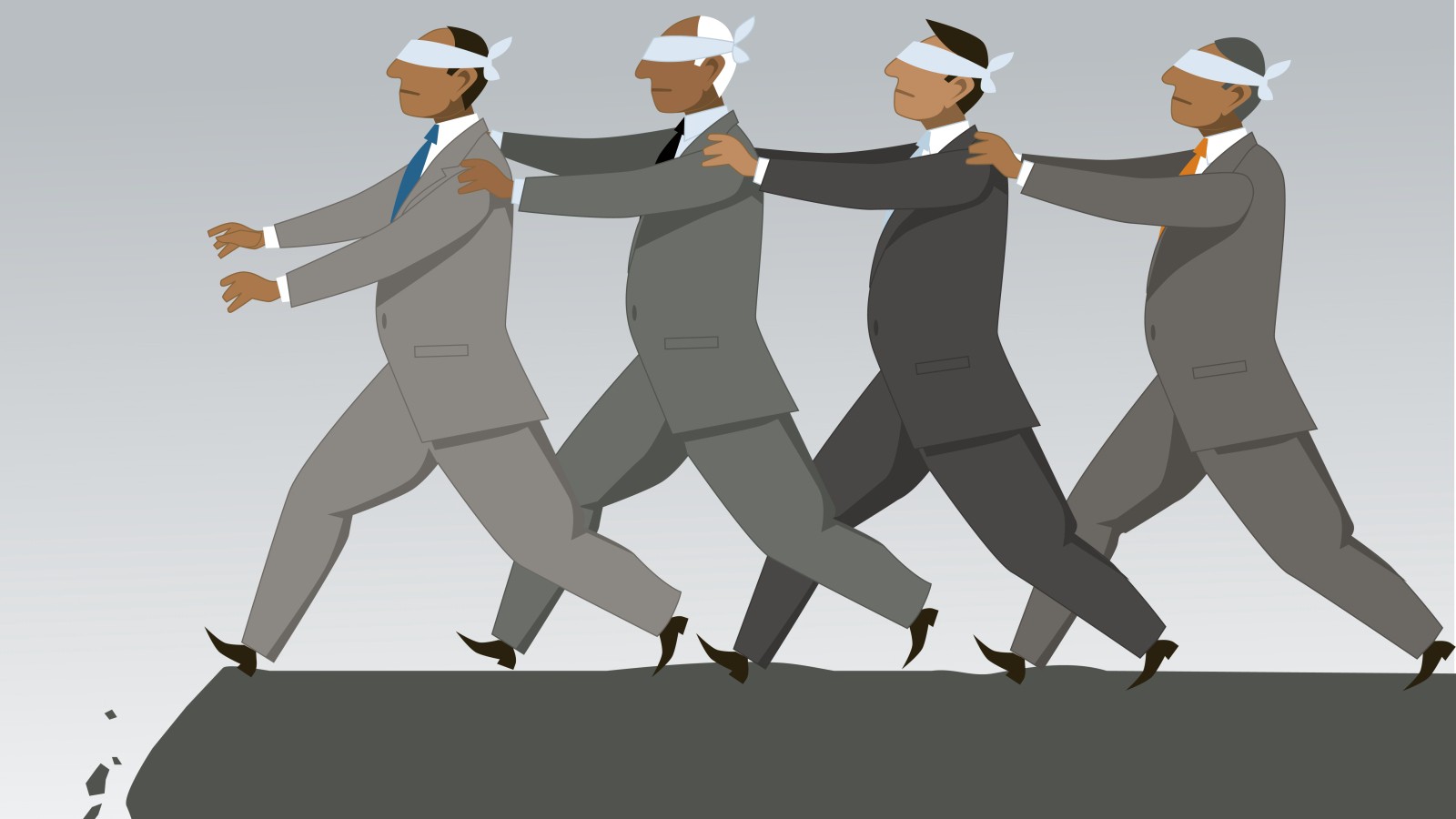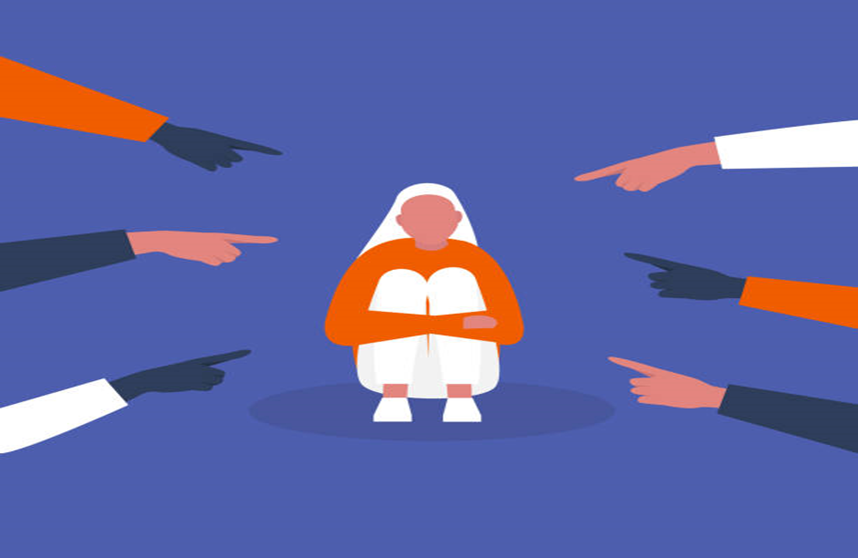
Stigma Surrounding Therapy

Stigma Surrounding Therapy

By: Maria Koutsothanasis

Therapy is a tool that supports individuals struggling with mental health and different aspects of their lives. Despite the growing conversations about mental health, there continues to be stigma surrounding it. Due to the stigma, individuals find it difficult to seek support through therapy due to fear of judgment, shame, or cultural expectations.

Common Misconceptions about Therapy

  1. Therapy is only for “crazy” people.
    Many people still associate therapy with severe mental illness and believe it’s only for those experiencing extreme mental health conditions. Therapy can benefit any individual, regardless of the severity of their situation. Therapy is about growth, coping with life’s challenges, and improving overall mental well-being.
  2. Therapy takes too long or is not effective.
    Some fear that therapy is a lengthy process that will not have results. While the length of therapy depends on the individual’s needs, many individuals find that even a few sessions can lead to meaningful improvements. Therapy is not a quick fix, but it is an investment in long-term mental health.
  3. Only “weak” people need therapy.
    A common misconception is that seeking therapy is a sign of personal weakness. On the contrary, therapy is a sign of strength and courage. Therapy helps individuals confront their emotions and commit to bettering themselves. Many individuals believe therapy to be an invaluable tool for growth; instead, it promotes emotional resilience.

Breaking the Stigma

Breaking the stigma surrounding therapy is essential for creating a more supportive and open environment for society. The idea of seeking therapy can still feel uncomfortable for many individuals due to the misconceptions that treatment is only for those facing serious mental health issues, with therapy often viewed as something reserved for those with severe problems. These misconceptions prevent many from seeking the help they need. By normalizing therapy and highlighting its benefits, an environment can be created where mental health care is as accessible and accepted as physical health care.

If you or someone you know is seeking support, please contact our psychotherapy offices in New York or New Jersey to talk to one of our licensed professional psychologists, psychiatrists, psychiatric nurse practitioners, or psychotherapists at Arista Counseling & Psychiatric Services. Contact our Paramus, NJ or Manhattan, NY offices respectively, at (201) 368-3700 or (212) 722-1920 to set up an appointment. For more information, please visit http://www.counselingpsychotherapynjny.com/

Mayo Foundation for Medical Education and Research. (2017, May 24). Mental health: Overcoming the stigma of mental illness. Mayo Clinic. https://www.mayoclinic.org/diseases-conditions/mental-illness/in-depth/mental-health/art-20046477

Saporito, J. M., Ryan, C., & Teachman, B. A. (2011). Reducing stigma toward seeking mental health treatment among adolescents. Stigma research and action. https://pmc.ncbi.nlm.nih.gov/articles/PMC3839682/

Stigma, prejudice and discrimination against people with mental illness. Psychiatry.org – Stigma, Prejudice and Discrimination Against People with Mental Illness. (n.d.). https://www.psychiatry.org/patients-families/stigma-and-discrimination

Toxic Relationships and their effects on Mental Health

      Mental Health/ Toxic Relationships

By: Ingrid Guevara

A relationship where the behaviors of one person in the relationship are emotionally and, in some cases physically damaging to the other, is what is defined as a toxic relationship. In a toxic relationship you see behaviors like: constant belittlement, guilt-tripping, extreme jealousy, blaming and using manipulation to fulfill personal desires. Such behaviors take a tremendous toll on a person’s mental health. Toxic relationships lead to decline in self-esteem, energy levels and your overall happiness. Being in a toxic relationship creates feelings of insecurities and self -doubt which also leads the person to live in extreme caution while in the relationship. Realizing that a relationship is toxic is a crucial step in prioritizing and protecting your mental health. Then comes taking steps to setting boundaries, seeking support from loved ones or professionals and engaging in activities that bring you joy, all things that promote healing and personal growth. Always keep in mind that everyone deserves a nurturing and healthy relationship. It is okay to step away from relationships that negatively affect your mental health because your mental health is crucial and should always be put first.

If you or someone you know is struggling with their mental health, please contact our psychotherapy offices in New York or New Jersey to talk to one of our licensed professional psychologists, psychiatrists, psychiatric nurse practitioners, or psychotherapists at Arista Counseling & Psychotherapy. Contact our Paramus, NJ or Manhattan, NY offices respectively, at (201) 368-3700 or (212) 722-1920 to set up an appointment. For more information, please visit http://www.counselingpsychotherapynjny.com/

References:

Eating Disorders: How To Catch Them in Your Loved Ones

Eating Disorders: How To Catch Them in Your Loved Ones

By Emily Ferrer

Eating disorders are characterized by severe and persistent troubles related to eating behaviors, food, and weight[1]. There are many different types of eating disorders; however, the most common are anorexia nervosa, bulimia nervosa, and binge eating disorder. Nine percent of the entire population suffers from an eating disorder and 10,200 deaths are recorded each year due to an eating disorder[2]. After reading about how common they are, I am sure you are wondering, “How do I know if I or someone I know has an eating disorder?” There are many signs and symptoms associated with eating disorders[3]:

Anorexia Nervosa:

  • Extreme weight loss
  • Muscle weakness
  • Bone weakness
  • Amenorrhea
  • Brittle hair/nails
  • Always feeling cold
  • Obsession with food
  • Depression

Bulimia Nervosa:

  • Frequent trips to the bathroom after a meal
  • Chronic sore throat
  • Dental decay
  • Laxative/diuretic misuse
  • Large amounts of food disappearing
  • Fainting from excessive purging

Binge-Eating Disorder:

  • Weight gain
  • Eating very rapidly
  • Eating until very full
  • Eating even when not hungry
  • Hiding large amounts of food
  • Eating alone on purpose
  • Feeling guilty after eating large amounts of food

Eating disorders can be extremely serious if not treated. It is important to stay informed about the signs and symptoms of different eating disorders so you can find help for you or someone you know as soon as possible. Other general signs of eating disorders to look out for are a sudden obsession with food (cooking it, eating it, watching cooking shows/videos), social withdrawal, drastic changes in mood, new attitudes towards food, new dieting habits, self-harm, excessive exercise, obsession with calorie and step count, repeatedly weighing themselves, and body dysmorphia[4]

If you or someone you know is struggling with an eating disorder, please contact our psychotherapy offices in New York or New Jersey to talk to one of our licensed professional psychologists, psychiatrists, psychiatric nurse practitioners, or psychotherapists at Arista Counseling & Psychotherapy. Contact our Paramus, NJ or Manhattan, NY offices respectively, at (201) 368-3700 or (212) 722-1920 to set up an appointment. For more information, please visit http://www.counselingpsychotherapynjny.com


Sources:

[1] https://psychiatry.org/patients-families/eating-disorders/what-are-eating-disorders

[2] https://anad.org/eating-disorders-statistics/

[3] https://psychiatry.org/patients-families/eating-disorders/what-are-eating-disorders

[4] https://www.lifeworkscommunity.com/eating-disorders-treatment/how-to-recognise-the-early-signs-of-an-eating-disorder

Body Image: The Role of Body Dissatisfaction on Self-Esteem

Body Image: The Role of Body Dissatisfaction on Self-Esteem

By Kim Simone

Body dissatisfaction is characterized by an individual’s persistent negative thoughts and feelings about his or her body. It is commonly influenced by external factors such as societal norms and perceived pressure from other individuals. High levels of body dissatisfaction can lead to low self-esteem and ultimately lead to harmful eating and exercising behaviors.

On the contrary, having a positive body image is associated with self-acceptance, higher self-esteem, and having healthier practices in regards to eating and exercising.

The Four Primary Elements of Body Image:

  1. Perceptual body image:  the way you see your body
  2. Cognitive body image:  the way you think about your body
  3. Affective body image: the way you feel about your body (often characterized by satisfaction or dissatisfaction)
  4. Behavioral body image: the behaviors you engage in as a result of your body image (may include unhealthy eating behaviors and exercising habits)

Body dissatisfaction fluctuates throughout the lifespan and is correlated with lower levels of self-esteem. These concerns are linked with poor self-concept, which not only affects physical and mental health, but also impacts individuals socially and academically. Since body dissatisfaction often leads to low self-esteem, individuals may be at risk for developing more serious disorders. A poor self-concept, and consequently a poor body image, may influence eating behaviors, making individuals more at risk for developing an eating disorder.

Given that the chance for recovery from an eating disorder increases the earlier it is detected, diagnosed, and treated, it is important to seek help as soon as warning signs appear. Cognitive Behavioral Therapy (CBT) is a commonly used psychotherapeutic approach for eating disorder treatment. The approach emphasizes having the individual understand the interaction and inter relatedness between his or her thoughts, feelings, and behaviors. This therapy focuses on shifting negative thoughts and behaviors to more positive thoughts and healthier alternatives. Furthermore, a mental health care provider can screen and treat for other underlying issues, such as anxiety and depression, as these can influence treatment outcomes.  

If you or someone you know is struggling with body dissatisfaction, self-esteem, and/or eating disorders, please contact our psychotherapy offices in New York or New Jersey to talk to one of our licensed professional psychologists, psychiatrists, psychiatric nurse practitioners, or psychotherapists at Arista Counseling & Psychotherapy. Contact our Paramus, NJ or Manhattan, NY offices respectively, at (201) 368-3700 or (212) 722-1920 to set up an appointment. For more information, please visit http://www.counselingpsychotherapynjny.com/

Sources:

https://nedc.com.au/eating-disorders/eating-disorders-explained/body-image/

https://psycnet.apa.org/record/2012-14627-021

https://www.waldenu.edu/online-masters-programs/ms-in-clinical-mental-health-counseling/resource/what-is-body-dissatisfaction-and-how-does-it-lead-to-eating-disorders

Image Source:

https://img.huffingtonpost.com/asset/5bb5f917210000d501c88483.jpeg?ops=scalefit_720_noupscale&format=webp

Body Image: The Negative Effects of Zoom

By: Lauren Zoneraich

Due to the transfer of meetings, classes, and other events from in-person to Zoom, people are experiencing an increase in self-consciousness from looking at their faces on a screen. In normal interactions, we do not need to confront our own image, but on Zoom we constantly face it. During Zoom meetings, it may be difficult to avoid focusing on how we look when we listen, talk, and emote. Continually staring at our own image can bring our insecurities to the forefront of our minds. In fact, our perception of our image may become distorted the longer we look at ourselves.

Zoom meetings may be especially difficult for people who already struggle with body dissatisfaction, or its more severe form, body dysmorphia. Body dysmorphic disorder is a preoccupation with one’s appearance, especially minor aspects of appearance which one perceives as a defect or flaw. People with body dysmorphia may have low self-esteem and believe that the perceived defect in their appearance makes them ugly or deformed. The preoccupation with the perceived flaw may cause anxiety in social situations. People with body dysmorphia may frequently check their image or groom themselves as a means to “fix” their perceived flaws. Features on technology, such as the “selfie camera” on the iPhone, serve as mirrors that enable people to repetitively perform these checking behaviors. The selfie camera also promotes preoccupation with one’s appearance. The Zoom screen is a permanent, overstimulating mirror.

A survey of a class at Cornell University revealed that the main reason students do not keep their cameras on during Zoom classes is due to insecurities about how they look. Zoom has implemented some features to combat these body image issues. Users can choose to “Hide Self View” so that they cannot see their own image on the Zoom call. Still, although they cannot see themselves, people may still worry about how others see them. If one is constantly staring at oneself or worrying about how one looks, one may not be able to focus on the content of the meeting.  Mind-wandering may decrease the level of happiness one feels while participating in a certain activity. Thus, eliminating distractions may make classes and meetings more enjoyable for participants.

If you or someone you know is struggling with body image or body dysmorphia, please contact our psychotherapy offices in New York or New Jersey to talk to one of our licensed professional psychologists, psychiatrists, psychiatric nurse practitioners, or psychotherapists at Arista Counseling & Psychotherapy. Contact our Paramus, NJ or Manhattan, NY offices respectively, at (201) 368-3700 or (212) 722-1920 to set up an appointment. For more information, please visit http://www.counselingpsychotherapynjny.com/

Sources:

Zoom Classes Heighten Self-Consciousness, Introducing New Classroom Distraction

https://www.vogue.com/article/body-dysmorphia-zoom-face

https://www.mayoclinic.org/diseases-conditions/body-dysmorphic-disorder/symptoms-causes/syc-20353938#:~:text=Body%20dysmorphic%20disorder%20is%20a,may%20avoid%20many%20social%20situations.

https://greatergood.berkeley.edu/article/item/does_mind_wandering_make_you_unhappy

Image Source:

https://www.pcmag.com/how-to/how-to-prevent-zoom-bombing

The Effect of Social Media and Eating Disorders

By: Sarah Cohen

Eating disorders are extremely serious and often deadly illnesses that include severe disturbances in eating behaviors and related thoughts and emotions. There have been numerous studies in which mass media consumption of the “thin ideal body” has been linked to eating disorders among women. Pressure from media has led to women and men internalizing the “thin ideal body” and led to extreme body dissatisfaction which can then lead to eating disorders. While the effect is smaller among men, they are still being subjected to pressure.

Studies have shown “significant change in the weight and size of female and male models portrayed throughout the media in western society and the concept of the ‘perfect or ideal body’.” This explains “why many adolescents are preoccupied with their bodies and dissatisfied with their body image and are willing to try a variety of dangerous weight-loss practices in their quest for the perfect body.”

Most people are usually not aware the amount of manipulation and digital editing done in the fashion industry to create ‘ideal’ female and male bodies. These false images encourage unrealistic and unhealthy standards that are impossible to attain. One study focused on body concerns in girls 16 years old and tried to understand the underlying motivations to be skinny. The element that exerted the largest pressure to be smaller was the media. Another study measured indicators of eating disorders in a population of young Fijian girls after the addition of Western television to their routine. The indicators of eating disorders were exceptionally more prevalent after extended television viewing, demonstrating a negative impact of media. A large component of the data recorded was the theme of subjects describing a new interest in weight loss as a method of modelling themselves after the television characters they viewed.

In order to prevent the effect of social media on disordered eating, here are three tips: choose what media you view and participate in carefully, limit the amount of exposure you have, and test each media’s message for body positivity by asking critical questions about what information they are attempting to spread.

If you or someone you know needs support with their marriage, please contact our psychotherapy offices in New York or New Jersey to talk to one of our licensed professional psychologists, psychiatrists, psychiatric nurse practitioners, or psychotherapists at Arista Counseling & Psychotherapy. Contact our Paramus, NJ or Manhattan, NY offices respectively, at (201) 368-3700 or (212) 722-1920 to set up an appointment. For more information, please visit http://www.counselingpsychotherapynjny.com/ .

https://www.nimh.nih.gov/health/topics/eating-disorders/index.shtml

https://www.ncbi.nlm.nih.gov/pmc/articles/PMC2792687/

https://www.ncbi.nlm.nih.gov/pmc/articles/PMC2792687/

https://www.nationaleatingdisorders.org/media-eating-disorders

Tiggemann M, Gardiner M, Slater A. “I would rather be size 10 than have straight A’s”: A focus group study of adolescent girls’ wish to be thinner. J Adolesc. 2000;23:645–59.

Becker AE, Burwell RA, Gilman SE, Herzog DB, Hamburg P. Eating behaviours and attitudes following exposure to television among ethnic Fijian adolescent girls. Br J Psychiatry. 2002;180:509–14.

Social Anxiety Disorder: More Than Just Being Shy

By: Gabriella Phillip

Social Anxiety Disorder, also known as social phobia, is a mental health condition involving an intense, persistent fear of being watched or judged by others. The fear that people with social anxiety experience in social situations is so strong that they often feel as though it is beyond their control. Social Anxiety Disorder affects around 15 million American adults and is the second most commonly diagnosed anxiety disorder following specific phobia.

Common symptoms for people with social phobia include

  • being extremely anxious around other people,
  • being self-conscious in front of others,
  • being very afraid of being embarrassed in front of other people
  • being the focus of other people’s judgment
  • worrying for days or weeks before a social event
  • having a difficult time cultivating friendships
  • avoiding places where other people will be present

Bodily symptoms for people with social anxiety include

  • heavy sweating
  • trembling
  • nausea
  • blushing
  • having difficulty speaking

Social phobia sometimes runs in families, but no one knows for sure why some people have it, while others don’t. When chemicals in the brain are not at a certain level it can cause a person to have social phobia. Social anxiety usually begins during childhood/ teenage years, typically around age 13. A doctor can tell if the person has this disorder if symptoms are present for at least 6 months. This disorder should be treated in a timely manner to help spare those diagnosed from years of unpleasant feelings and anxiety.

Treatment can help people with social phobia feel less anxious and fearful. Two types of treatments used for Social Anxiety Disorder are psychotherapy, or talk therapy, and medication that’s safe and effective, often used in combination. Cognitive behavior therapy is an effective type of psychotherapy used for anxiety related disorders. Medication used to treat Social phobia include selective reuptake inhibitors (SSRIs), antidepressants, anti-anxiety medicines, and beta blockers. It’s important to choose a method of treatment that is best suited towards your individual needs.

If you or someone you know is struggling with Social Anxiety Disorder, Arista Counseling and Psychotherapy can help. Please contact our psychotherapy offices in New York or New Jersey to talk to one of our licensed professional psychologists, psychiatrists, psychiatric nurse practitioners, or psychotherapists. Contact our Paramus, NJ or Manhattan, NY offices respectively, at (201) 368-3700 or (212) 722-1920 to set up an appointment. For more information, please visit http://www.counselingpsychotherapynjny.com/ .


Sources

https://www.nimh.nih.gov/health/publications/social-anxiety-disorder-more-than-just-shyness/index.shtml

https://www.verywellmind.com/difference-between-shyness-and-social-anxiety-disorder-3024431


Shopping Addiction

By: Deanna Damaso

Shopping Addiction is a behavioral addiction where a person buys items compulsively or a specific item repeatedly as an attempt to relieve stress. Those suffering with a shopping addiction spend more time shopping than doing other activities because of their uncontrollable urges to spend money.

The joy of shopping has a direct effect on the brain’s pleasure centers by flooding the brain with endorphins and dopamine. The buyer gets a short-lived “shopping high” from making frequent shopping trips, buying large items, or expensive purchases. However, after a couple hours, the dopamine recedes and the shopper is left with an empty, unsatisfied feeling. This can lead to hoarding, depression, anxiety, and low self-esteem. If left untreated, compulsive buyers could go deeper into debt and turn to stealing.

Some signs of a shopping addiction often include:

  • Spending more money than anticipated
  • Compulsive purchases
  • Chronic spending when angry, anxious, or depressed
  • Lying about the problem
  • Broken relationships
  • Ignoring the consequences of spending money

Financial therapy is effective in teaching how to manage finances and shop more responsibly. Cognitive and behavioral therapies are effective treatments that identify and improve the negative thoughts and behaviors surrounding the addiction. Medications can be prescribed to those who struggle with both the addiction and other mental health issues. This combination treatment helps relieve symptoms to assist in recovery.

If you or someone you know is struggling with a shopping addiction, Arista Counseling & Psychotherapy can assist you. Contact us in Paramus, NJ at 201-368-3700 or in Manhattan, NY at 212-996-3939 to arrange an appointment. For more information about our services, please visit http://www.counselingpsychotherapynjny.com/


Sources:

https://www.healthline.com/health/addiction/shopping

https://www.psychologytoday.com/us/articles/200603/doped-shopping

Body Dysmorphic Disorder

By Gabriella Phillip

Body Dysmorphic disorder, or BDD, is a psychiatric disorder in which a person is preoccupied with an imagined or minor physical defect that other people usually don’t notice. BDD has various features that are similar to that of obsessive-compulsive disorders and eating disorders. Patients diagnosed with obsessive-compulsive disorder, or OCD, have distressing thoughts and images that they aren’t able to control. Emotional distress that can result from this can cause a person to perform particular rituals or compulsions. Regarding BDD, the person’s persistent preoccupation with his/her perceived physical defect can lead to ritualistic behaviors including constantly looking in the mirror or skin picking. Similarly to eating disorders, like anorexia nervosa and bulimia nervosa, Body Dysmorphic Disorder involves a concern with body image. However, while eating disorder patients are concerned with body weight, those diagnosed with BDD are worried about a specific area or part of the body.

Body Dysmorphia affects approximately 2% of the general population; however, BDD usually goes undiagnosed so the number of people who actually have the disorder could potentially be much greater. Those with body dysmorphia oftentimes feel a significant amount of shame regarding their perceived flaws which may hinder them from seeking treatment. BDD prevalence differs by gender, as women are reported to have higher rates of this disorder than men. Factors such as living with a pre-existing mental condition like depression or anxiety or experiencing bullying or abuse during childhood or adolescence can increase the risk of Body Dysmorphic Disorder. The typical onset for BDD is between the ages twelve and seventeen, around the time when adolescents go through puberty and certain bodily changes.

Social media platforms like Instagram oftentimes feed us an interminable supply of filtered and unrealistic depictions of different people and their lives. It’s easy to compare yourself to well edited pictures of models, celebrities, and even friends online, making you feel as though you don’t measure up as you are. Also, various forms of bullying like body shaming or slut shaming can occur online and can easily result in distorted body image and low self-esteem. Those with BDD sometimes choose to socially isolate themselves due to high level of shame related to their bodily appearance. While social media doesn’t necessarily cause body dysmorphia, it can serve as a trigger for those already predisposed to the disorder, or could possibly worsen existing symptoms. The main treatments used for BDD are cognitive behavioral therapy (CBT) and antidepressant medication, specifically serotonin reuptake inhibitors (SSRIs). Many patients use therapy and medication simultaneously. These treatments are meant to help reduce obsessive compulsive behaviors, improve stress level management involved in these behaviors, and aid patients in viewing themselves in a more loving and less judgmental light.

If you or someone you know is struggling with Body Dysmorphic Disorder, Arista Counseling and Psychotherapy can help. Please contact our psychotherapy offices in New York or New Jersey to talk to one of our licensed professional psychologists, psychiatrists, psychiatric nurse practitioners, or psychotherapists at Arista Counseling & Psychotherapy. Contact our Paramus, NJ or Manhattan, NY offices respectively, at (201) 368-3700 or (212) 722-1920 to set up an appointment. For more information, please visit http://www.counselingpsychotherapynjny.com/ .


Groupthink and Conformity

Groupthink and Conformity

By Crystal Tsui

Have you ever been in a group and did not agree with the group’s decision, but had to agree because they would reject your idea?  Irving Janis, a social psychologist, first coined the term groupthink to describe this situation. His main aim was to understand how a group of individuals collectively come up with excellent decisions one time and fail at other times. Groupthink happens when a group of people with good intentions, but they make irrational decisions that are spurred by the urge to conform. Group members value harmony and coherence above rational thinking and refrain from expressing doubts and judgements or disagreeing with the consensus.

Irving Janis observed the following eight patterns of groupthink:

  1. Illusions of Invulnerability: when the group displays excessive optimism and takes big risks, the members of the group feel that anything they do will turn out to be successful.
  2. Collective Rationalization: when the group rationalizes thoughts or suggestions that challenge what the majority is thinking
  3. Belief in Inherent Morality of the Group: the belief that whatever the group does will be right. This causes the group members to overlook the consequences of what they decide.
  4. Out Group stereotypes: is the belief that those who disagree are opposing just to oppose the group
  5. Direct Pressure on Dissenters: the majority directly threatens the opposing group member by telling them that they can always leave the group if they don’t agree.
  6. Self-Censorship: the opposing individual believes that if they are the only odd one out then they must be the one who is wrong.
  7. Illusions of Unanimity: Silence from some is considered acceptance of the majority’s decision
  8. Self-Appointed Mind Guards: Members of the group who take it upon themselves to discourage alternative ideas from being expressed in the group.

There are numerous studies supporting the fundamentals of groupthink and conformity. One famous study was the Asch Conformity experiment. Solomon Asch gathered his participants to take a vision test where three lines at varied lengths were compared to one other; which was longer. The participants were asked to identify the lines with matching lengths. Ninety-five percent of participants answered every question correctly. Then Asch placed actors in the groups, who confidently volunteered the same incorrect answer. The accuracy dropped to 25 percent, indicating that 75 percent of the participants went along with the group’s incorrect answer for at least one question.

An Emory University neuroscientist, Gregory Berns, found that when we take a stance different from the group, we activate the amygdala, a small region in the brain associated with the fear. We don’t like to be rejected so we refrain from speaking up against the group, which supports Janis’ pattern of groupthink: Direct Pressure on Dissenters. Professor Berns defined this situation as “the pain of independence.” Many government decisions are cited as a result of groupthink, such as the Vietnam War or the invasion of Iraq.

Groupthink also fosters a strong “us vs. them” mentality that prompts members to accept group perspectives in the heat of the moment, where there is also a strong pressure from the outside to make a good decision. An example in literature is George Orwell’s Animal Farm, where the animals make a nonunanimous decision to rid the farm of humans. There were animals there that quite adored being loved and owned by a human, however, those animals had to agree because the leader of the animals would punish them otherwise.

After periodically experiencing groupthink, an individual may become shy and become more introverted. They may be afraid to speak and include their own ideas in fear of the group rejecting their idea.

If you or someone you know have social anxiety and fear of speaking up, please contact our psychotherapy offices in New York or New Jersey to talk to one of our licensed professional psychologists, psychiatrists, psychiatric nurse practitioners, or psychotherapists at Arista Counseling & Psychotherapy. Contact our Paramus, NJ or Manhattan, NY offices respectively, at (201) 368-3700 or (212) 722-1920 to set up an appointment. For more information, please visit http://www.counselingpsychotherapynjny.com/ .

Sources:

https://www.psychologytoday.com/us/basics/groupthink

https://www.communicationtheory.org/groupthink/

https://www.capitalideasonline.com/wordpress/the-pain-of-independence/

https://counselingrx.com/wp-content/uploads/2019/07/f74c8-1d9gxs1dxyteswk7e7zgd2q.jpeg