Body Image: The Negative Effects of Zoom

By: Lauren Zoneraich

Due to the transfer of meetings, classes, and other events from in-person to Zoom, people are experiencing an increase in self-consciousness from looking at their faces on a screen. In normal interactions, we do not need to confront our own image, but on Zoom we constantly face it. During Zoom meetings, it may be difficult to avoid focusing on how we look when we listen, talk, and emote. Continually staring at our own image can bring our insecurities to the forefront of our minds. In fact, our perception of our image may become distorted the longer we look at ourselves.

Zoom meetings may be especially difficult for people who already struggle with body dissatisfaction, or its more severe form, body dysmorphia. Body dysmorphic disorder is a preoccupation with one’s appearance, especially minor aspects of appearance which one perceives as a defect or flaw. People with body dysmorphia may have low self-esteem and believe that the perceived defect in their appearance makes them ugly or deformed. The preoccupation with the perceived flaw may cause anxiety in social situations. People with body dysmorphia may frequently check their image or groom themselves as a means to “fix” their perceived flaws. Features on technology, such as the “selfie camera” on the iPhone, serve as mirrors that enable people to repetitively perform these checking behaviors. The selfie camera also promotes preoccupation with one’s appearance. The Zoom screen is a permanent, overstimulating mirror.

A survey of a class at Cornell University revealed that the main reason students do not keep their cameras on during Zoom classes is due to insecurities about how they look. Zoom has implemented some features to combat these body image issues. Users can choose to “Hide Self View” so that they cannot see their own image on the Zoom call. Still, although they cannot see themselves, people may still worry about how others see them. If one is constantly staring at oneself or worrying about how one looks, one may not be able to focus on the content of the meeting.  Mind-wandering may decrease the level of happiness one feels while participating in a certain activity. Thus, eliminating distractions may make classes and meetings more enjoyable for participants.

If you or someone you know is struggling with body image or body dysmorphia, please contact our psychotherapy offices in New York or New Jersey to talk to one of our licensed professional psychologists, psychiatrists, psychiatric nurse practitioners, or psychotherapists at Arista Counseling & Psychotherapy. Contact our Paramus, NJ or Manhattan, NY offices respectively, at (201) 368-3700 or (212) 722-1920 to set up an appointment. For more information, please visit http://www.counselingpsychotherapynjny.com/

Sources:

Zoom Classes Heighten Self-Consciousness, Introducing New Classroom Distraction

https://www.vogue.com/article/body-dysmorphia-zoom-face

https://www.mayoclinic.org/diseases-conditions/body-dysmorphic-disorder/symptoms-causes/syc-20353938#:~:text=Body%20dysmorphic%20disorder%20is%20a,may%20avoid%20many%20social%20situations.

https://greatergood.berkeley.edu/article/item/does_mind_wandering_make_you_unhappy

Image Source:

https://www.pcmag.com/how-to/how-to-prevent-zoom-bombing

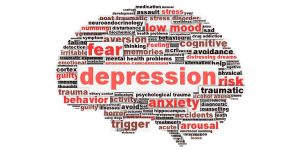
Depression: Living with Major Depressive Disorder

Depression: Living with Major Depressive Disorder

By: Zoe Alekel

Have you been experiencing persistent sadness, anxiety, or feelings of emptiness? Even hopelessness, irritability, guilt, worthlessness, loss of interest or pleasure in activities or hobbies—these are all symptoms of Major Depressive Disorder (MDD). More commonly, MDD is known as depression. Dealing with this diagnosis is not easy because of how long these symptoms can last and how invasive they feel.

The Mayo Clinic defines MDD as “A mood disorder that causes a persistent feeling of sadness and loss of interest. Also called major depressive disorder or clinical depression, it affects how you feel, think and behave and can lead to a variety of emotional and physical problems. You may have trouble doing normal day-to-day activities, and sometimes you may feel as if life isn’t worth living” (Mayo Clinic). It is important to consider contacting a doctor or a therapist to discuss these symptoms, as they can become more severe and invasive with time.

Some ways you can reach help are:

  • Call a local counseling or psychological center.
  • Call a psychiatrist in your area that can help provide medication if needed.
  • Reach out to a close friend or loved one for support.

The National Institute of Mental Health suggests that the earlier the treatment begins with a therapist or a psychiatrist, the more effective it can be. Depression can be treated with psychotherapy, medication, or a combination. Additionally, meditation and mindfulness can help develop coping skills for those experiencing depression. If you are experiencing depression, it is important to remember that there is hope and there is a way out of the darkness you are experiencing.

If you or someone you know needs support with depression, please contact our psychotherapy office in New York or New Jersey to talk to one of our licensed professional psychologists, psychiatrists, psychiatric nurse practitioners, or psychotherapists at Arista Counseling & Psychotherapy. Contact our Paramus, NJ or Manhattan, NY offices respectively at (201) 368-3700 or (212) 722 – 1920 to set up an appointment. For more information, please visit http://www.counselingpsychotherapynjny.com/

Sources:
https://www.mayoclinic.org/diseases-conditions/depression/symptoms-causes/syc-20356007
https://www.nimh.nih.gov/health/topics/depression/index.shtml

Image Source:
http://metamedianews.com/2018/06/mdd-major-depressive-disorder/

The Effect of Social Media and Eating Disorders

By: Sarah Cohen

Eating disorders are extremely serious and often deadly illnesses that include severe disturbances in eating behaviors and related thoughts and emotions. There have been numerous studies in which mass media consumption of the “thin ideal body” has been linked to eating disorders among women. Pressure from media has led to women and men internalizing the “thin ideal body” and led to extreme body dissatisfaction which can then lead to eating disorders. While the effect is smaller among men, they are still being subjected to pressure.

Studies have shown “significant change in the weight and size of female and male models portrayed throughout the media in western society and the concept of the ‘perfect or ideal body’.” This explains “why many adolescents are preoccupied with their bodies and dissatisfied with their body image and are willing to try a variety of dangerous weight-loss practices in their quest for the perfect body.”

Most people are usually not aware the amount of manipulation and digital editing done in the fashion industry to create ‘ideal’ female and male bodies. These false images encourage unrealistic and unhealthy standards that are impossible to attain. One study focused on body concerns in girls 16 years old and tried to understand the underlying motivations to be skinny. The element that exerted the largest pressure to be smaller was the media. Another study measured indicators of eating disorders in a population of young Fijian girls after the addition of Western television to their routine. The indicators of eating disorders were exceptionally more prevalent after extended television viewing, demonstrating a negative impact of media. A large component of the data recorded was the theme of subjects describing a new interest in weight loss as a method of modelling themselves after the television characters they viewed.

In order to prevent the effect of social media on disordered eating, here are three tips: choose what media you view and participate in carefully, limit the amount of exposure you have, and test each media’s message for body positivity by asking critical questions about what information they are attempting to spread.

If you or someone you know needs support with their marriage, please contact our psychotherapy offices in New York or New Jersey to talk to one of our licensed professional psychologists, psychiatrists, psychiatric nurse practitioners, or psychotherapists at Arista Counseling & Psychotherapy. Contact our Paramus, NJ or Manhattan, NY offices respectively, at (201) 368-3700 or (212) 722-1920 to set up an appointment. For more information, please visit http://www.counselingpsychotherapynjny.com/ .

https://www.nimh.nih.gov/health/topics/eating-disorders/index.shtml

https://www.ncbi.nlm.nih.gov/pmc/articles/PMC2792687/

https://www.ncbi.nlm.nih.gov/pmc/articles/PMC2792687/

https://www.nationaleatingdisorders.org/media-eating-disorders

Tiggemann M, Gardiner M, Slater A. “I would rather be size 10 than have straight A’s”: A focus group study of adolescent girls’ wish to be thinner. J Adolesc. 2000;23:645–59.

Becker AE, Burwell RA, Gilman SE, Herzog DB, Hamburg P. Eating behaviours and attitudes following exposure to television among ethnic Fijian adolescent girls. Br J Psychiatry. 2002;180:509–14.

Shopping Addiction

By: Deanna Damaso

Shopping Addiction is a behavioral addiction where a person buys items compulsively or a specific item repeatedly as an attempt to relieve stress. Those suffering with a shopping addiction spend more time shopping than doing other activities because of their uncontrollable urges to spend money.

The joy of shopping has a direct effect on the brain’s pleasure centers by flooding the brain with endorphins and dopamine. The buyer gets a short-lived “shopping high” from making frequent shopping trips, buying large items, or expensive purchases. However, after a couple hours, the dopamine recedes and the shopper is left with an empty, unsatisfied feeling. This can lead to hoarding, depression, anxiety, and low self-esteem. If left untreated, compulsive buyers could go deeper into debt and turn to stealing.

Some signs of a shopping addiction often include:

  • Spending more money than anticipated
  • Compulsive purchases
  • Chronic spending when angry, anxious, or depressed
  • Lying about the problem
  • Broken relationships
  • Ignoring the consequences of spending money

Financial therapy is effective in teaching how to manage finances and shop more responsibly. Cognitive and behavioral therapies are effective treatments that identify and improve the negative thoughts and behaviors surrounding the addiction. Medications can be prescribed to those who struggle with both the addiction and other mental health issues. This combination treatment helps relieve symptoms to assist in recovery.

If you or someone you know is struggling with a shopping addiction, Arista Counseling & Psychotherapy can assist you. Contact us in Paramus, NJ at 201-368-3700 or in Manhattan, NY at 212-996-3939 to arrange an appointment. For more information about our services, please visit http://www.counselingpsychotherapynjny.com/


Sources:

https://www.healthline.com/health/addiction/shopping

https://www.psychologytoday.com/us/articles/200603/doped-shopping