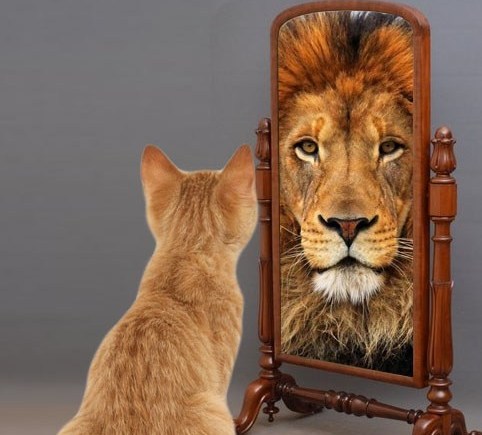
Eating Disorders: Disordered Eating Habits

Eating Disorders: Disordered Eating Habits

Image result for disordered eating habits

Eating Disorders: Disordered Eating Habits

By: Julia Keys

Our culture is obsessed with weight, thinness, exercise, and beauty. Studies show that women under the age of 19 are particularly vulnerable to the problematic effects of social media; about 60% of girls have a desire to lose weight even though they are within the healthy weight range ( Morris & Katzman, 2003). As a result, many people have developed unhealthy ways of eating and exercising for dealing with the pressure to look a certain way. These habits can seem minor at first, but can quickly develop into an eating disorder. While disordered eating habits do not meet the clinical criteria for an eating disorder, they are still unhealthy and potentially damaging.

Signs of Disordered Eating Habits:

  • Self-worth or self-esteem based highly or even exclusively on body shape and weight
  • A disturbance in the way one experiences their body i.e. a person who falls in a healthy weight range, but continues to feel that they are overweight
  • Excessive or rigid exercise routine
  • Obsessive calorie counting
  • Anxiety about certain foods or food groups
  • A rigid approach to eating, such as only eating certain foods, inflexible meal times, refusal to eat in restaurants or outside of one’s own home

It is important to recognize the signs of disordered eating and try to eradicate them before they become potentially harmful. Clinicians advise to quit fad diets because they are extremely restrictive and often result in binge eating. Obsessive exercise focused on “fat-burning” or “calorie-burning” should also be avoided and replaced with physical activity that is more focused on enjoyment. Another tip psychologists give is to avoid weighing yourself every single day. Weight can fluctuate about 2-5 lbs. a day, so fixating on a specific number in order to be healthy isn’t helpful. If disordered eating habits suddenly get worse, or start to impact one’s daily functioning, one should seek help.

If you or someone you know is struggling with an eating disorder, please contact our psychotherapy offices in New York or New Jersey to talk to one of our licensed professional psychologists, psychiatrists, psychiatric nurse practitioners, or psychotherapists at Arista Counseling & Psychotherapy. Contact our Paramus, NJ or Manhattan, NY offices respectively, at (201) 368-3700 or (212) 722-1920 to set up an appointment. For more information, please visit http://www.counselingpsychotherapynjny.com/ .

Sources:

https://www.psychologytoday.com/us/blog/contemporary-psychoanalysis-in-action/201402/disordered-eating-or-eating-disorder-what-s-the

https://www.ncbi.nlm.nih.gov/pmc/articles/PMC2792687/

Source for Picture:

https://www.google.com/search?tbm=isch&source=hp&biw=692&bih=584&ei=4UvtXJSbA-Spgge30qyABA&q=disordered+eating+habits&oq=disordered+eating+habits&gs_l=img.3..0i24.1459.6057..6251…1.0..0.178.1809.22j3……0….1..gws-wiz-img…..0..0j0i8i30j0i30.GFcmoKIva3A#imgrc=skxxnYifexcxWM:&spf=1559055335909


Bulimia Nervosa

Bulimia Nervosa

By: Lauren Hernandez

Bulimia Nervosa is an eating disorder known for episodes of out of control eating and subsequent self-induced methods of purging in order to prevent weight gain. Binging is considered an irresistible compulsion and on average happens about once a week, but can also occur several times a week. Bulimia is most common in women and typically begins in their teens to early 20s. The cultural obsession with a perfect body image, fueled by social media models with unattainable body “goals”, is harmful to young people’s self-esteem and body image. Social media perpetuates a cultural and social expectation of women needing to be thin in order to be beautiful, and this negatively impacts our younger generations.

Signs of Bulimia include:

  • Yellow teeth, erosion of dental enamel
  • Gastrointestinal problems
  • Unexpected weight gain
  • Hair loss
  • Lack of bowel movements
  • Lack of energy
  • Dehydration
  • Red, blistered, or scabbed knuckles

Some typical purging methods include:

  • Vomiting
  • Taking laxatives or diuretics
  • Excessive exercise

Some typical restrictive eating symptoms include:

  • Fasting
  • Disordered Eating

Research has shown that people with Bulimia Nervosa have comorbid mental illnesses such as anxiety, depression, or substance use disorder. Bulimia is also related to personality disorders which effect one’s social, personal, behavioral, and emotional interactions. Bulimia is best treated through a primary care physician, a nutritionist, and a mental health clinician. Cognitive behavioral therapy as well as antidepressants are extremely helpful for those recovering from Bulimia. It is important that schools address eating disorders at an early age in order to educate and bring awareness to young people.


If you or someone you know is struggling with an eating disorder, please contact our psychotherapy offices in New York or New Jersey to talk to one of our licensed professional psychologists, psychiatrists, psychiatric nurse practitioners, or psychotherapists at Arista Counseling & Psychotherapy. Contact our Paramus, NJ or Manhattan, NY offices respectively, at (201) 368-3700 or (212) 722-1920 to set up an appointment. For more information, please visit http://www.counselingpsychotherapynjny.com/ .


Source: https://www.psychologytoday.com/us/blog/inside-out-outside-in/201703/what-is-bulimia-nervosa

Image source: https://www.bing.com/images/search?view=detailV2&id=3DDA12C2C015D07EED4E8521F677C3692EB5A34B&thid=OIP.5ljFRAgr8tpAQ_TSuNjlVgHaE7&mediaurl=https%3A%2F%2Fwww.seasonsmedical.com%2Fwp-content%2Fuploads%2FBulimia-Nervosa-100.jpg&exph=524&expw=788&q=bulimia+nervosa&selectedindex=53&ajaxhist=0&vt=0&eim=1,2,6

Depression and Empty Nest Syndrome

Depression and Empty Nest Syndrome

Depression and Empty Nest Syndrome

By: Lauren Hernandez

                It’s about time that college students may return back to their parent’s home for the summer. At first, many parents are excited for their children to go to college or begin their professional career, however, it is common for parents to feel sad, lonely, and experience grief when their children leave their childhood home. Typically women will struggle more than men during these times, especially when women were full-time mothers. It is important to know that Empty Nest Syndrome is a transitional period in life rather than a clinical disorder or diagnosis. Although the change brings about conflicting emotions, parents are encouraged to support their children in the gradual process towards adulthood.

Symptoms of Empty Nest Syndrome:

  • Sadness
  • Excessive crying
  • Loss
  • Depression
  • Loneliness
  • Distress
  • A loss of purpose and meaning in life


If you or someone you know is experiencing the feelings associated with Empty Nest Syndrome, it is important to refocus your lifestyle and relationships with those living with you. Ways to cope with Empty Nest symptoms include starting new hobbies such as reading, golfing, listening to podcasts, or starting yoga classes. Activities like these may force you to leave the house and engage in a stimulating action which can relieve depressive symptoms and allow you to find something new to put your energy into.

If you or someone you know is struggling with Empty Nest Syndrome, please contact our psychotherapy offices in New York or New Jersey to talk to one of our licensed professional psychologists, psychiatrists, psychiatric nurse practitioners, or psychotherapists at Arista Counseling & Psychotherapy. Contact our Paramus, NJ or Manhattan, NY offices respectively, at (201) 368-3700 or (212) 722-1920 to set up an appointment. For more information, please visit http://www.counselingpsychotherapynjny.com/ .


Sources:

https://www.psychologytoday.com/us/conditions/empty-nest-syndrome


Image Source:

https://www.bing.com/images/search?view=detailV2&id=6506DC3576B86ABB469D5EF9E40198007E7F0D0C&thid=OIP.M_L_B_dbI0s1-1RXN8nDQgHaKg&mediaurl=http%3A%2F%2Fstatic.oprah.com%2Fimages%2F200906%2Fomag%2F200906-omag-empty-nest-220×312.jpg&exph=312&expw=220&q=empty+nest+syndrome&selectedindex=8&ajaxhist=0&vt=0&eim=1,2,6


Video Games – Advantages and Disadvantages

By Dara Kushnir

Ever since its creation, people have debated whether video games are a help, a hindrance, or useful in moderation. Below presents evidence from the most disputed aspects of this argument as well as additional factors to consider:

Content. Countless studies show that violence in video games diminishes empathy and exacerbates behavioral problems. After playing even 30 minutes, less activation was found in the prefrontal portion of the brain (involved in concentration, inhibition, and self-control) and more in the amygdala (emotional arousal)1. People who play violent video games may expect others to be hostile, influencing how aggressively they themselves react in the future2.
Conversely, prosocial, nonviolent video games can promote empathy and helpful behaviors, even teaching empathy3, asthma management, rehabilitating stroke patients, learning resiliency from failures4, and being a therapy tool in moderating certain phobias5. Preschool children have also shown improved motor development and cognitive behavior5.  Children who play cooperative video games display fewer emotional problems and problems with peers whereas those who play solitary games do well academically6.

Time. Despite the noteworthy benefits, it is crucial to understand that these benefits apply to those who play for less than or equal to an hour. Excessive time is linked with behavioral problems, poorer social skills, and peer conflicts. A recent study revealed that playing for less than an hour reduces ADHD symptoms, has a calming effect, and is not associated with delinquency7 8. Less than one hour of gaming strengthens motor skills and leads to higher achievement scores. However, playing more than one hour increases ADHD symptoms and lowers grades, which means the difference between a “B” and an “A” grade9.

Motivation. One . One study argues that people play video games to meet their motivational needs rather than for the content itself10. Those who are more aggressive play violent video games rather than cause aggression. Violent video games were not associated with aggressive behavior. Those who play for enjoyment or catharsis (releasing anger) play violent video games, although it is unclear if playing actually helps. The researchers suggested that people seek out video games to meet their motivational needs rather than the violent content itself. More research is still needed.

Personality. People with certain personality traits can be predisposed to aggression after playing violent video games. One study states that the “perfect storm” of personality traits using the Five-Factor Model is high neuroticism (easily upset and angry), low agreeableness (little concern for others and their feelings), and low conscientiousness (act without thinking)11. These traits make individuals more susceptible to violent games and media.

Player abilities. Another study argues that regardless of video games’ content, frustration from failing sparks aggression12. When a person’s competency or ego is questioned, through a challenging game or failing to master the controls, they enjoy the game less and react with more aggression. This reaction is not limited to video games; people react with frustrated aggression playing sports and other activities, especially if they lose or play poorly.


Source:
(image) http://guides.library.ucla.edu/videogames
All articles are sourced in text.

If you or someone you know appears to be suffering from a video game addiction, please contact our psychotherapy offices in New York or New Jersey to talk to one of our licensed professional psychologists, psychiatrists, psychiatric nurse practitioners, or psychotherapists at Arista Counseling & Psychotherapy. Contact our Paramus, NJ or Manhattan, NY offices respectively, at (201) 368-3700 or (212) 722-1920 to set up an appointment. For more information, please visit http://www.counselingpsychotherapynjny.com/.

Ever Feel Like a Fraud?

By: Stephanie Osuba

Despite your degrees, acclaims, and accomplishments, do you ever sometimes feel like you are an imposter? That you’ve been getting lucky or that you’re a fake in your profession and one day people are going to find you out? As it turns out, you aren’t alone. Many successful people feel this way and often have to step back and remember all the things they have achieved – Maya Angelou and Albert Einstein among these people! While there is no diagnosis or even proper name for this feeling in the DSM-5, there are countless of reports of this in psychology and psychotherapy literature. In fact, the first time the term “imposter syndrome” was used was in an article in 1978 by Drs Pauline R. Clance and Suzanne A. Imes who – after studying 150 educated, established, and highly respected women – found that they didn’t have an internal sense of success and found themselves to be “imposters.”

So what causes this “imposter syndrome” that befalls so many successful people? One reason could be that there is no real measure to success. There is always something more that you can do and regardless of how much success you’ve already had and you think you are content with, self-doubt can always creep in and say you haven’t done enough. Another reason could be “pluralistic ignorance,” which is believing something to be true without being able to prove or disprove it – usually involving unspoken or false beliefs about other people. For example, research has shown that all college students feel anxiety about school but the actual students think they are the only ones who feel that way and other people are having no trouble adjusting to college life. And lastly, talent can make us believe that we haven’t worked hard enough and don’t deserve the praise or success of what comes naturally to us.

Source: https://www.psychologytoday.com/us/blog/the-couch/201811/do-you-ever-feel-fraud 

If you or someone you know appears to be having issues with self-esteem or is suffering from anxiety, the licensed psychologists, psychiatrists, psychiatric nurse practitioners, and psychotherapists at Arista Counseling & Psychotherapy can assist you. Contact our Paramus, NJ or Manhattan, NY offices respectively, at (201) 368-3700 or (212) 722-1920 to set up an appointment. For more information, visit http://www.counselingpsychotherapynjny.com/

Body Image: Body Dysmorphic Disorder Treatment

By Samantha Glosser

Body dysmorphic disorder, sometimes referred to as body dysmorphia or BDD, is a mental disorder characterized by preoccupation with imagined or markedly exaggerated imperfections or defects in one’s physical appearance. Those suffering from body dysmorphic disorder spend a significant amount of time every day obsessing over their appearance and engaging in repetitive compulsive behaviors in an attempt to avoid anxiety, distress, and hide their imperfections. Signs and symptoms include constantly checking one’s appearance, excessive grooming, over-exercising, picking skin, pulling hair, using makeup or clothing to camouflage one’s appearance, or even getting plastic surgery. Body dysmorphic disorder leads to significant impairment in daily functioning and quality of life. However, there are treatment options available.

Cognitive-behavioral therapy (CBT). CBT is short-term, goal-oriented therapy. In body dysmorphic disorder, CBT is used to decrease compulsive behaviors and the negative thoughts about one’s appearance. This is achieved through techniques such as cognitive restructuring and mind reading. Cognitive restructuring teaches the patient to challenge irrational thoughts about their bodies and replace them with more realistic and adaptive thoughts. In addition to their own negative thoughts, individuals diagnosed with body dysmorphic disorder also believe others hold the same negative thoughts about them. Mind reading allows patients to understand that other people do not share these thoughts about them and provides realistic alternatives. For example, that person staring at them at the mall was probably admiring their outfit. Another frequently used technique is exposure therapy. This requires patients to create a hierarchy of anxiety-provoking situations which they are then exposed to in order to overcome anxiety and distress.

Psychiatric medications. Research has also shown that antidepressant medications are an effective treatment for body dysmorphic disorder, specifically selective serotonin reuptake inhibitors (SSRI’s). SSRI’s that are commonly used for the treatment of body dysmorphic disorder include Lexapro, Prozac, Paxil, and Zoloft, among others. SSRI’s help to reduce obsessional thinking, compulsive behaviors, and depression, a common comorbid disorder among individuals diagnosed with body dysmorphic disorder.

If you or someone you know appears to be suffering from body dysmorphic disorder, or other problems associated with negative body image, the licensed psychologists, psychiatrists, psychiatric nurse practitioners, and psychotherapists at Arista Counseling & Psychotherapy can assist you. Contact our Paramus, NJ or Manhattan, NY offices respectively, at (201) 368-3700 or (212) 722-1920 to set up an appointment. For more information, visit http://www.counselingpsychotherapynjny.com/


Source: Tartakovsky, M. (2016, July 17). Demystifying treatment for body dysmorphic disorder. Retrieved from https://psychcentral.com/lib/demystifying-treatment-for-body-dysmorphic-disorder/

Self-Esteem and Shaming Parents

By Stephanie Osuba

We have all felt, in one way or another, like we weren’t good enough or even felt embarrassed after making a mistake at work. This is healthy in that we are expressing sadness or just reflecting on a situation that could have been handled differently, but we move on and eventually feel valued and confident again. However, for some, that feeling of shame and guilt never goes away. Some believe they are inherently flawed, worthless, and inferior to everyone else. These negative emotions and lack of self-esteem are largely rooted in repeated childhood and adolescence trauma that is often left unprocessed. Internalization of this emotional abuse leads to a conditioning of sort, usually by the primary caregiver, that the negative emotions constantly felt reflect who one is as a person. This person comes to genuinely believe that he or she is a bad person, unlovable, never good enough, and deserves to be treated with disrespect.

The constant shame is also accompanied by a constant feeling of guilt. Everything is his or her fault, regardless of the context. There is a sense of unjust responsibility for other people’s emotions and the outcome of all situations. Its no wonder why low self-esteem can manifest itself in anxiety, self-harm or poor self-care, or on the other extreme, narcissism and antisocial tendencies. Here are some behaviors that can be a manifestation of low self-esteem:

  • Lack of healthy self-love: poor self-care, self-harm, lack of empathy, and inadequate social skills
  • Emptiness: loneliness, lack of motivation, and finding distractions from emotions
  • Perfectionism: this is often a behavior that manifests as adults because of the unrealistic standards these children were held to by their parents and were punished for not meeting
  • Narcissism: grandiose fantasies of who they want others to perceive them to be; even if they do succeed however, this protective personality doesn’t numb the negative emotions they truly feel.
  • Unhealthy relationships: people with low self-esteem are incapable of building and maintaining a relationship with others, largely because they don’t know what a healthy relationship looks like. Both parties are usually extremely dependent.
  • Susceptibility to manipulation: the constant self-doubt, shame and guilt make it too easy to bend a person with low self-esteem to an experienced manipulator’s will.

Source: Cikanavicius, D. (2018, September 03). A Brief Guide to Unprocessed Childhood Toxic Shame. Retrieved from https://blogs.psychcentral.com/psychology-self/2018/09/childhood-toxic-shame/ 

If you or someone you know is struggling with self-esteem, the licensed psychologists, psychiatrists, psychiatric nurse practitioners, and psychotherapists at Arista Counseling & Psychotherapy can assist you. Contact our Paramus, NJ or Manhattan, NY offices respectively, at (201) 368-3700 or (212) 722-1920 to set up an appointment. For more information, visit http://www.counselingpsychotherapynjny.com/

Self-esteem

By: Charleene Polanco

Have you ever experienced a time in your life when you felt that, “you weren’t good enough?” If you have, self-esteem is at the core of this feeling, because it involves perceptions one has of oneself. These perceptions eventually become beliefs about self-worth and value. That is why self-esteem is so important in a person’s life, because how people think of themselves, is what drives them towards or away from certain actions. High self-esteem is often associated with multiple accomplishments in life. This is because people with high self-esteem, believe that they are worthy of the opportunities they get, and, therefore, make the most out of them. One the other hand, those with low self-esteem, constantly believe that they are not good enough. When an opportunity presents itself to them, people with low self-esteem feel like they do not deserve it, and do not perform their best. This is why low self-esteem is associated with depression and anxiety. If you are suffering from low self-esteem, here are a couple of tips available to raise self-esteem:

  • Identify triggers of low self-esteem: if you are able to recognize the places or people that lower your self-esteem, you are able to avoid or prepare for them. This way, learning experiences come from each event.
  • Avoid negative self-talk: if you do not think negatively about yourself, you are able to feel better and attempt things you would normally avoid.
  • Connect with loved ones: family members and friends can be great emotional support because people who care about you, will also make you feel loved and wanted. Nurture these feelings so that eventually you are able to see yourself as they do, and will slowly learn how to love yourself a little more each day.

If you or someone you know is suffering from low self-esteem, please contact our psychotherapy offices in New York or New Jersey to talk to one of our licensed professional psychologists, psychiatrists, psychiatric nurse practitioners, or psychotherapists at Arista Counseling & Psychotherapy. Contact our Paramus, NJ or Manhattan, NY offices respectively, at (201) 368-3700 or (212) 722-1920 to set up an appointment. For more information, please visit http://www.counselingpsychotherapynjny.com/.

Sources:

Gross, S. J. (2016, July 17). How To Raise Your Self-Esteem. Retrieved October 8, 2018, from https://psychcentral.com/lib/how-to-raise-your-self-esteem/

Mind for Better Mental Health. (2013). How to increase your Self-esteem. Retrieved October 8, 2018, from https://www.mind.org.uk/information-support/types-of-mental-health-problems/self-esteem/#.W9cKgY2WyM8


Isolation vs. Loneliness: How They Both Affect Your Mental Health

By Stephanie Osuba

People are constantly throwing around the terms introvert or extrovert to describe their personalities. For example, a common thing for an introvert to do would be to cancel plans and spend the night alone, and chalk it up to being an introvert. Not that there is anything wrong with some people thriving without the company of others or needing some time to recharge alone. However, when does isolation become dangerous for your mental health? How often is it okay? And how is it related to feelings of loneliness?

The difference between isolation and loneliness is a physical one. To isolate yourself would be to physically separate yourself from the company of other people, intentionally or not. Loneliness is the internal feeling of being alone. That’s why when people are isolated, they don’t necessarily feel alone and in the same way, people who are constantly surrounded by others, like celebrities, can feel incredibly lonely. A recent study in the journal Health Psychology has found a relationship between isolation and loneliness: when one is more physically isolated, it produces more feelings of loneliness and vice versa. Both of these finding have been related to a higher risk of depression and mortality.

Tips on how to enjoy your “me time,” and also protect your mental health:

  • Set a Time Frame: How many times do you want to socialize a week? Or a month? Everyone’s answer to this is different, but try to stick to your number. It’s important to know what your social boundaries are, but also not to fall into a pattern of isolation.
  • Talk to Your Closest Friends: Your friends can often be the people who help you navigate social situations and hold you to social commitments. They are also the people that won’t overstep your social boundaries and to whom you can talk about anything with.
  • Volunteer or Join Clubs: Get out in the community and get to know the people in your neighborhood. Volunteer for a cause you believe in or join a local club that tailors to your interests. It’s a great way to meet new people and can help fill your “social quota” for the month.

If you or someone you know is experiencing mental health issues due to isolation or loneliness, please contact our psychotherapy offices in New York or New Jersey to talk to one of our licensed professional psychologists, psychiatrists, psychiatric nurse practitioners, or psychotherapists at Arista Counseling & Psychotherapy. Contact our Paramus, NJ or Manhattan, NY offices respectively, at (201) 368-3700 or (212) 722-1920 to set up an appointment. For more information, please visit http://www.counselingpsychotherapynjny.com/.

Source: Plata, M., Psy D. (2018, August 29). When Isolating Yourself Becomes Dangerous. Retrieved from https://www.psychologytoday.com/us/blog/the-gen-y-psy/201808/when-isolating-yourself-becomes-dangerous.

Perfectionism: How Striving to be the Best can Leave us at our Worst

By: Sanjita Ekhelikar

We are commonly told that no one in the world is “perfect”, and that there is no such thing as “perfection”. Or so they say. Then why do so many people around the world still try to aim for this standard of “perfect” in what they do in life?

Perfectionists are individuals who strive for flawlessness. They set very high standards and expectations for themselves, have a set way of wanting to do things, and take time to be truly satisfied with their work. Aiming for perfectionism definitely has benefits. We all know that one person from school or work who would be the “perfectionist”: they would be the most successful, put out high quality work, and constantly keep pushing boundaries so that their final products are amazing.

However, being a perfectionist has its disadvantages and dangers. Individuals who seek to be “perfect” set extremely high standards for themselves, which results in their being very critical of themselves. Perfectionists tend to notice and fixate on all of their flaws, as they wish to not only produce “perfect” work but also to be “perfect” people. Whenever a perfectionist make mistakes, as does everyone in the world, he or she is unable to look past the “failure” and thus feel extreme guilt, shame, and sadness.

Perfectionistic thinking underlies several mental illnesses, such as depression, anxiety, OCD, and eating disorders. It can even lead to suicidal thoughts. Perfectionists’ inability to accept failure, constant self-criticism, and desire to act, be, and look perfect, drives them towards unhealthy behaviors and thinking. They are constantly hard on themselves for not achieving “perfect,” which is inevitable because there is no such thing as perfect! These patterns of thinking and negative behaviors need to be monitored for the risks they present in causing mental illness.

Instead of striving for “perfection,” we should be encouraging others and ourselves to be the best versions of who we are. Remind people that there is in fact a beauty in accepting yourself and your positive attributes, and in being kind to yourself. Encourage people to accept themselves, make mistakes, and to strive to not look perfect. We should truly appreciate ourselves and accept BOTH the good and the imperfect. By addressing and changing the perfectionist way of thinking, we can better prevent, understand, and heal many mental illnesses.

If you or someone you know is suffering from any of the aforementioned symptoms, please contact our psychotherapy offices in New York or New Jersey to talk to one of our licensed professional psychologists, psychiatrists, psychiatric nurse practitioners, or psychotherapists at Arista Counseling & Psychotherapy. Contact our Paramus, NJ or Manhattan, NY offices respectively, at (201) 368-3700 or (212) 722-1920 to set up an appointment. For more information, please visit http://www.counselingpsychotherapynjny.com/.