Hypnotherapy: What is it?

Hypnotherapy: What is it?

By Emily Ferrer

Hypnotherapy helps clients gain control over unfavorable behaviors, cope with anxiety or pain, or alter their ideas about a certain idea or image. Hypnosis involves a trained psychologist and entails placing the patient into a trance-like state that can make you feel extremely calm, focused, and open to suggestions[1]. Over many years, hypnosis has been found to help many people with issues such as pain control, chemotherapy, hot flashes, behavioral changes, anxiety, depression, sleep disturbances, Irritable Bowel Syndrome (IBS), addiction, weight loss, and more[2]! In fact, a study done in 1970 found that hypnotherapy has a 93% success rate in less sessions compared to other forms of therapy[3]. The average amount of hypnotherapy sessions needed to see results can be as little as 4 and as much as 15[4]. This is much less than the average number of sessions needed for other forms of therapy, which are usually around 20 or more until you start to see results[5].

You are probably curious what exactly to expect in a hypnotherapy session and how to prepare. There is no preparation needed on your end before your first hypnotherapy session other than an open mind and a willingness to change your behaviors or ideas. The first session will usually not involve any hypnotism, however, the therapist may use this session as an opportunity to get to know you, the problems you are facing, and what you want to change. The second session is usually when your hypnotherapy begins. Your therapist will always explain the process to you and begin by talking in a soothing and gentle voice. The therapist may also start to describe very vivid images to you to create a sense of relaxation and security. Once you are in a relaxed state, your therapist may begin suggesting ways to work towards your goal that you wanted to work on, such as fear, pain, addiction, anxiety, sleep disturbances, etc. This will help you visualize your path to success and believe in your ability to accomplish your goals[6]. Eventually, your therapist will guide you out of your state of relaxation and the hypnosis session will end. Hypnosis can be extremely helpful to those it does work for but suicide/suicidal thoughts is not guaranteed.

If you or someone you know is interested in trying hypnotherapy, please contact our psychotherapy offices in New York or New Jersey to talk to one of our licensed professional psychologists, psychiatrists, psychiatric nurse practitioners, or psychotherapists certified in hypnotherapy at Arista Counseling & Psychotherapy. Contact our Paramus, NJ or Manhattan, NY offices respectively, at (201) 368-3700 or (212) 722-1920 to set up an appointment. For more information, please visit http://www.counselingpsychotherapynjny.com/ .


Sources:

[1] https://www.mayoclinic.org/tests-procedures/hypnosis/about/pac-20394405#:~:text=Hypnosis%2C%20also%20referred%20to%20as,verbal%20repetition%20and%20mental%20images.

[2] https://www.pennmedicine.org/updates/blogs/health-and-wellness/2019/january/hypnosis

[3] Barrios, A. A. (1970). Hypnotherapy: A reappraisal. Psychotherapy: Theory, Research & Practice, 7(1), 2–7. https://doi.org/10.1037/h0086544

[4] https://thehypnosisclinic.com/blog/how-many-sessions-do-i-need/

https://www.mayoclinic.org/tests-procedures/cognitive-behavioral-therapy/about/pac-20384610#:~:text=Length%20of%20therapy,Type%20of%20disorder%20or%20situation

[6] https://www.mayoclinic.org/tests-procedures/hypnosis/about/pac-20394405#:~:text=Hypnosis%2C%20also%20referred%20to%20as,verbal%20repetition%20and%20mental%20images.

Kratom Craze

By Charlotte Arehart

If something is legal, that must mean that it’s safe, right? While this would be great to believe, unfortunately it is not true.  An example of something that is not illegal yet but is still unsafe is the drug kratom. Although banned in 6 states, kratom is still legal in the United States. It can easily be purchased at drug stores and even online. Kratom, a psychoactive plant, comes from the leaves of kratom trees that grow in Southeast Asia, where it has traditionally been used for teas and medicines. Only recently has kratom been used frequently in Western societies. Many people praise kratom for alleviating their pain from headaches or even bad knees. However, kratom comes with some not-so-great side effects, and some that are quite aversive.

Low doses of kratom seem very beneficial. Users may experience increased energy, lower pain levels, and feelings of relaxation. However, continued consistent use of kratom or large doses of kratom pose some serious side effects. And since kratom is so addictive, it is easy for users to work their way up to this point. Users may begin to hallucinate, become depressed, have seizures, enter comas, or even die when mixing kratom with other substances. There have been many deaths recorded because of kratom usage with other substances like alcohol. One user on WebMD begs others to be wary of kratom, stating that their family member died from a third seizure caused by the drug. Another user warned of the addictive effects of the drug, saying that kratom advocates downplay the withdrawal symptoms to be similar to caffeine withdrawal when in reality it is more like “full on opioid withdrawal” symptoms. Since kratom has a very similar chemical reaction in the body as opioid drugs, it makes sense that the withdrawal symptoms would be very similar. Other users have stated that while the drug may be efficient in alleviating pain, the dependency that comes with the drug is not worth it.

Even though kratom is not illegal, there is no such thing as a “good” addiction. If you or someone you know is facing a kratom addiction, there are ways to get help. It is important that anyone who is facing a kratom addiction seeks therapy as soon as possible, before it is too late.

If you or someone you know needs substance abuse support, please contact our psychotherapy offices in New York or New Jersey to talk to one of our licensed professional psychologists, psychiatrists, psychiatric nurse practitioners, or psychotherapists at Arista Counseling & Psychotherapy. Contact our Paramus, NJ or Manhattan, NY offices respectively, at (201) 368-3700 or (212) 722-1920 to set up an appointment. For more information, please visit http://www.counselingpsychotherapynjny.com/

Sources:

https://www.mayoclinic.org/healthy-lifestyle/consumer-health/in-depth/kratom/art-20402171

https://www.healthline.com/health/kratom-and-alcohol#effects

https://www.ncbi.nlm.nih.gov/pmc/articles/PMC4657101/

Image Source: https://www.healthline.com/health/kratom-and-alcohol

Pain: Chronic Pain is a Fundamental Health Issue

By Gabriella Phillip

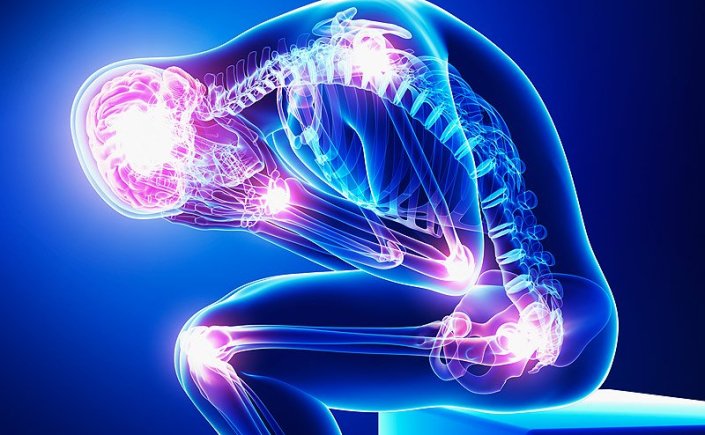
According to The International Association for the Study of Pain, pain is an unpleasant sensory and emotional experience associated with actual or potential tissue damage. When someone is injured, pain sensors immediately send signals to the brain. Although regular pain, like cramps or a headache, can be relieved in a rather short period of time, chronic pain involves the brain receiving pain signals a while after the onset of pain or the original injury.

One in five people live with chronic pain and the frequency of chronic pain increases as we get older. Many elderly people are experiencing pain that oftentimes goes undiagnosed. In addition, research shows that patients with dementia are being severely untreated for their experience with pain. Even though it’s a fundamental human right to have proper access to pain management, most elderly people are receiving quite inadequate care from health facilities, making it harder for them to cope and go about their daily lives with severe chronic pain.

Chronic pain can strongly impact or contribute to the formation of serious mental health issues including anxiety and depression. Current research from Neuroscience Research Australia shows that patients living with chronic pain have lower levels of glutamate, a significant chemical messenger that aids emotional regulation. Therefore, it’s possible for people with chronic pain to undergo certain personality changes like being more tired than usual, feeling unmotivated, or worrying on a more frequent basis than before. Around half of people suffering from chronic pain also have mental health conditions. The daily demands of learning to live with chronic pain can help generate anxiety, depression and other mood disorders.

If you or someone you know is struggling with Chronic Pain and its mental health effects, Arista Counseling and Psychotherapy can help. Please contact our psychotherapy offices in New York or New Jersey to talk to one of our licensed professional psychologists, psychiatrists, psychiatric nurse practitioners, or psychotherapists at Arista Counseling & Psychotherapy. Contact our Paramus, NJ or Manhattan, NY offices respectively, at (201) 368-3700 or (212) 722-1920 to set up an appointment. For more information, please visit http://www.counselingpsychotherapynjny.com/ .