Stress: Types of Stress and What it’s All About

Stress: Types of Stress and What it’s All About

By Crystal Tsui

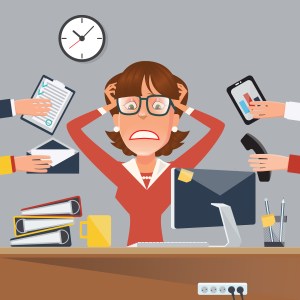
In our everyday lives, we deal with all different kinds of stress, whether it’s from danger, work, family, financial, or education. Here are some of the different types of stress:

  • Acute
  • Chronic
  • Eustress
  • Distress

Acute stress is our fight-or flight response where we are on high alert on our surroundings, usually lasting only 90 mins. Chronic stress is our daily stress that we typically deal with, such as bills, kids, and work. This is the kind of daily stress we tend to ignore. Eustress is our daily positive stress that motivates us to be productive such as having a baby, graduation, or meeting new friends. But the complete opposite would be distress. Distress is the daily negative stress like financial problems, work difficulties, or divorce. Most of the time we can manage our stress by exercising, mediating, or even taking time to talk to family and friends.

However, if stress is not managed properly, stress can affect your body and your immune system. Some symptoms of prolonged stress include:

  • Headaches
  • Increase likelihood of depression (such as lack of motivation)
  • Insomnia
  • Anxiety
  • Irritability

Some biological symptoms of prolonged stress include:

  • Hypertension
  • Increased risk of Diabetes Mellitus Type II
  • Increased changes in acid reflux
  • Increases risk of contracting H. Pylori (bacterium that causes gastric ulcers)
  • Erectile Dysfunction or heavier, painful menses
  • Decrease body’s response to fight off viruses, infections, and the common cold

If you or someone you know is suffering from chronic stress and are seeking stress management, please contact our psychotherapy offices in New York or New Jersey to talk to one of our licensed professional psychologists, psychiatrists, psychiatric nurse practitioners, or psychotherapists at Arista Counseling & Psychotherapy. Contact our Paramus, NJ or Manhattan, NY offices respectively, at (201) 368-3700 or (212) 722-1920 to set up an appointment. For more information, please visit http://www.counselingpsychotherapynjny.com/ .

Citations:

https://imagesvc.timeincapp.com/v3/mm/image?url=https%3A%2F%2Ftimedotcom.files.wordpress.com%2F2018%2F11%2Fstress-benefits.jpg&w=663&c=sc&poi=face&q=85

https://thehealthedge.com/wp-content/uploads/2019/02/Managing-Work-Related-Stress.jpg

https://www.stress.org/daily-life

Sleep Disorder: Narcolepsy

Sleep Disorder: Narcolepsy

By Crystal Tsui

Narcolepsy is a chronic sleep disorder that affects daytime activities. It is characterized by overwhelming drowsiness and sudden attacks of sleep. Narcolepsy affects both men and women equally in roughly 1 in 2,000 people and can be passed down genetically, but the risk of a parent passing this disorder to a child is very low. Symptoms usually start to develop between the ages of 10- 30 years old and worsen for the first few years. The symptoms of narcolepsy will remain constant throughout life.

Some symptoms of narcolepsy include:

  • Excessive sleepiness
  • Sleep paralysis
  • Hallucinations
  • Episodes of cataplexy (partial or total loss of muscle control that is often triggered by strong emotions such as laughter and joy)

Other symptoms include:

  • Transition to REM sleep is quick, usually 15 minutes
  • Insomnia
  • Restless leg syndrome
  • Sleep apnea
  • Automatic behavior (falling asleep while doing an automatic task, like driving, and continue performing task after falling asleep. When waking up and not remembering what they did)

Narcolepsy is a sleep disorder that seriously disrupts everyday life. Most common being:

  • Stigma of the condition- others might view individuals with this disorder as lazy or lethargic
  • Physical harm- increased risk of being in a car accident if a sleep attack occurs when driving
  • Low metabolism- individuals may be more likely to be overweight

Unfortunately, the exact cause is still unknown and there is no cure for narcolepsy. However, medications (stimulants), lifestyle changes, and support from others can help manage symptoms. 

If you or someone you know is suffering from narcolepsy and need help adjusting, please contact our psychotherapy offices in New York or New Jersey to talk to one of our licensed professional psychologists, psychiatrists, psychiatric nurse practitioners, or psychotherapists at Arista Counseling & Psychotherapy. Contact our Paramus, NJ or Manhattan, NY offices respectively, at (201) 368-3700 or (212) 722-1920 to set up an appointment. For more information, please visit http://www.counselingpsychotherapynjny.com/ .

Sources:

https://www.sleepfoundation.org/articles/narcolepsy

https://www.mayoclinic.org/diseases-conditions/narcolepsy/symptoms-causes/syc-20375497

https://www.o2pulmonary.com/wp-content/uploads/2016/02/narcolepsy-300×194.jpg


Mental Health Awareness

Mental Health Awareness

By Lauren Hernandez

               It is important to recognize how mental illness affects many people’s lives. Mental health awareness promotes the understanding and respect towards those who suffer from mental illnesses. It is important that we make attempts to normalize and destigmatize those struggling with mental illness. If you know of someone struggling with mental health issues, there are a multitude of resources that can help.

Available resources:

National Alliance on Mental Illness (NAMI): www.nami.org

NAMI StigmaBusters is “a network of dedicated advocates across the country and around the world who seek to fight inaccurate and hurtful representations of mental illness”. NAMI StigmaBusters

Suicide.org – Suicide prevention, awareness, and support: www.suicide.org

National Institute of Mental Health (NIMH): www.nimh.nih.gov

Substance Abuse and Mental Health Services Administration (SAMHSA): www.samhsa.gov

National Suicide Prevention Lifeline: 1-800-273-TALK (8255) www.suicidepreventionlifeline.org

Children and Adults with Attention Deficit Hyperactivity Disorder (CHADD): www.chadd.org

Child and Adolescent Bipolar Foundation: www.bpkids.org

The Trevor Project (LGBT mental health/suicide prevention): www.trevorproject.org

Anxiety Disorders Association of America: www.adaa.org

National Eating Disorders Association: www.nationaleatingdisorders.org

Alcoholics Anonymous: www.aa.org

Narcotics Anonymous: www.na.org

Gamblers Anonymous: www.gamblersanonymous.org

Alzheimer’s Association: www.alz.org

Depression and Bipolar Support Alliance: www.dbsalliance.org

National Autism Association: www.nationalautismassociation.org

Veterans Crisis Line (U.S. Department of Veterans Affairs): 1-800-273-8255 (press 1)

U.S. Department of Veterans Affairs – Mental Health: www.mentalhealth.va.gov

Mental Health America: www.mentalhealthamerica.net

If you or someone you know is struggling with any type of mental illness, please contact our psychotherapy offices in New York or New Jersey to talk to one of our licensed professional psychologists, psychiatrists, psychiatric nurse practitioners, or psychotherapists at Arista Counseling & Psychotherapy. Contact our Paramus, NJ or Manhattan, NY offices respectively, at (201) 368-3700 or (212) 722-1920 to set up an appointment. For more information, please visit http://www.counselingpsychotherapynjny.com/ .


Sources:

https://www.psychologytoday.com/us/blog/here-there-and-everywhere/201105/mental-health-awareness-month-resources

https://www.psychologytoday.com/us/blog/when-your-adult-child-breaks-your-heart/201705/mental-health-awareness-month

Image Source: https://www.bing.com/images/search?view=detailV2&id=9714F039483EC40A08B372F59E3C5D5C556378C8&thid=OIP.ex7QOQol-OoPT6G8NSkiUgFZC1&mediaurl=https%3A%2F%2Fnamibv.org%2Fwp-content%2Fuploads%2Fsites%2F21%2F2018%2F03%2Fmay-mental-health.png&exph=630&expw=1200&q=mental+health+awareness+month&selectedindex=3&ajaxhist=0&vt=0&eim=1,2,6


Stress: Caregiver Stress

Stress: Caregiver Stress

By Lauren Hernandez

Caregiving is the responsibility to provide unpaid care for an adult or child which may involve shopping, housekeeping, toilet assistance, bathing, coordinating medical treatments, and managing a person’s finances. One of the main struggles a caregiver must learn to cope with is that caregiving is a 24/7 job, in addition to any other professional or personal endeavors that person is pursuing. While the patient is most commonly a loved one and family member, the caregiver must remember to take care of themselves. Additionally, a caregivers’ own health and daily needs are oftentimes neglected and this can be detrimental to that individual’s well-being. “Caregiver stress” is when caregiving becomes too overwhelming.

The most common feelings associated with caregiver stress include:

  • Exhaustion
  • Frustration
  • Loneliness
  • Guilt
  • Anger
  • Burden, feeling of weight on your shoulders
  • Anxiety

It is important to remind a caregiver to set aside time for themselves, to focus on their own mental and physical health, as well as other pressing needs. Meditation, reading, and yoga are a few ways in which a caregiver can relax. It would also be helpful to seek other forms of aid for that patient, whether that be the help of other family members, daily visits from nurses, or considering putting your loved one into a nursing or residential assisted living home so they can be cared for 24/7 by professionals. However, if you or someone you know is struggling due to being a caregiver, consider reaching out to a mental health professional for some coping mechanisms.


If you or someone you know is struggling with the stress of caregiving, please contact our psychotherapy offices in New York or New Jersey to talk to one of our licensed professional psychologists, psychiatrists, psychiatric nurse practitioners, or psychotherapists at Arista Counseling & Psychotherapy. Contact our Paramus, NJ or Manhattan, NY offices respectively, at (201) 368-3700 or (212) 722-1920 to set up an appointment. For more information, please visit http://www.counselingpsychotherapynjny.com/ .


Sources: https://www.psychologytoday.com/us/basics/caregiving

https://www.psychologytoday.com/us/blog/adventures-in-old-age/200904/caregiver-stress-would-you-some-angst-sandwich-generation

Image Source:

https://www.google.com/search?q=caregiver&source=lnms&tbm=isch&sa=X&ved=0ahUKEwiPjOaH377iAhWsd98KHfgiBJoQ_AUIDygC&biw=923&bih=593#imgrc=B7y7k09NCUD7IM:

Depression and Empty Nest Syndrome

Depression and Empty Nest Syndrome

Depression and Empty Nest Syndrome

By: Lauren Hernandez

                It’s about time that college students may return back to their parent’s home for the summer. At first, many parents are excited for their children to go to college or begin their professional career, however, it is common for parents to feel sad, lonely, and experience grief when their children leave their childhood home. Typically women will struggle more than men during these times, especially when women were full-time mothers. It is important to know that Empty Nest Syndrome is a transitional period in life rather than a clinical disorder or diagnosis. Although the change brings about conflicting emotions, parents are encouraged to support their children in the gradual process towards adulthood.

Symptoms of Empty Nest Syndrome:

  • Sadness
  • Excessive crying
  • Loss
  • Depression
  • Loneliness
  • Distress
  • A loss of purpose and meaning in life


If you or someone you know is experiencing the feelings associated with Empty Nest Syndrome, it is important to refocus your lifestyle and relationships with those living with you. Ways to cope with Empty Nest symptoms include starting new hobbies such as reading, golfing, listening to podcasts, or starting yoga classes. Activities like these may force you to leave the house and engage in a stimulating action which can relieve depressive symptoms and allow you to find something new to put your energy into.

If you or someone you know is struggling with Empty Nest Syndrome, please contact our psychotherapy offices in New York or New Jersey to talk to one of our licensed professional psychologists, psychiatrists, psychiatric nurse practitioners, or psychotherapists at Arista Counseling & Psychotherapy. Contact our Paramus, NJ or Manhattan, NY offices respectively, at (201) 368-3700 or (212) 722-1920 to set up an appointment. For more information, please visit http://www.counselingpsychotherapynjny.com/ .


Sources:

https://www.psychologytoday.com/us/conditions/empty-nest-syndrome


Image Source:

https://www.bing.com/images/search?view=detailV2&id=6506DC3576B86ABB469D5EF9E40198007E7F0D0C&thid=OIP.M_L_B_dbI0s1-1RXN8nDQgHaKg&mediaurl=http%3A%2F%2Fstatic.oprah.com%2Fimages%2F200906%2Fomag%2F200906-omag-empty-nest-220×312.jpg&exph=312&expw=220&q=empty+nest+syndrome&selectedindex=8&ajaxhist=0&vt=0&eim=1,2,6


Screen Time & Technology: How Exposure Affects Long Term Mental and Visual Health

Screen Time & Technology: How Exposure Affects Long Term Mental and Visual Health
By Crystal Tsui

We are privileged to live in the digital world. We can go on-line and check on with friends who are thousands of miles away or go shopping on our device during our lunch break. Everything is just a touch away and has become so accessible, but all of this comes with a price. We are exposing our children to electronic screens at such a young age, even as early as two months. Although it may be easy for busy parents to calm their child with an iPad, the harm may be greater than the immediate good. During the time we are exposing our young children to screens, their brains are still developing.

There is a period, which psychologists call the Critical Period, when children need exposure to outside stimuli from the environment around them. This is when they learn to distinguish facial expressions, social cues, and even tone of voice. If they are not exposed to the environment around them, their development could be stunted.

Prolonged screen time can affect their neurodevelopment, learning, and can result in behavioral disorders. Parents try to utilize digital screens for the purpose of education in most cases. Since digital is instant, the technology is thinking for the children. Not only that, but screens shift the nervous system into fight-or-flight mode which can cause self-regulation and stress management to be less efficient. If stress management is less efficient, children might not be able to handle daily stressors when they grow up.

Apart from mental health deficits, early screen time can cause visual deficits in children. Dr. Rahul Bhola, pediatric ophthalmologist, states that in the past few decades there has been an increase in myopia or near-sightedness. Not only has myopia been increasing, but a study found that children who were exposed to digital screens at a very young age, developed acute onset esotropia or crossing of the eyes. Many children had to have surgery to correct their eyes. However, if children must use screens (school related or not) try to limit their time and encourage outdoor activities as well as breaks from the digital world.

If you or someone you know has behavioral or attention disorders, please contact our psychotherapy offices in New York or New Jersey to talk to one of our licensed professional psychologists, psychiatrists, psychiatric nurse practitioners, or psychotherapists at Arista Counseling & Psychotherapy. Contact our Paramus, NJ or Manhattan, NY offices respectively, at (201) 368-3700 or (212) 722-1920 to set up an appointment. For more information, please visit http://www.counselingpsychotherapynjny.com/ .

Citations:

https://blog.chocchildrens.org/effects-of-screen-time-on-childrens-vision/

https://www.psychologytoday.com/us/blog/behind-online-behavior/201604/what-screen-time-can-really-do-kids-brains

https://www.psychologytoday.com/us/blog/mental-wealth/201207/electronic-screen-syndrome-unrecognized-disorder

https://cdn.psychologytoday.com/sites/default/files/styles/article-inline-half/public/field_blog_entry_images/shutterstock_232911301.jpg?itok=d2s4ve_t

School Counselors: The Front Line of Help

School Counselors: The Front Line of Help

By: Elizabeth Lynch

School counselors have very few regulations mandating the ratio of students per counselor and the positions are often funded out of a school district’s budget. This means that the district governing board is responsible for the decisions about how many counselors are really “needed” and should be hired. Unfortunately, there are many students that tend to fall off the radar and do not receive the proper attention that they require because a school counselors’ position is overlooked and not considered a necessity by the district.

This is a major issue for student’s mental health concerns as school counselors are the first respondents to a child’s behavioral and educational changes. When counselors are given a manageable number of students, they are able to take more time getting to know them. This bond can help school councilors recognize when something is wrong with a student and provide the proper care; whether that’s through simple one on one chats, contacting parents, teachers, or furthering their help by recommending them to a professional. Obtaining the proper care can be vital to a student’s mental health and can help reduce the number of students with low self-esteem, depression, anxiety as well as reduce the number of dropouts; in some extreme cases the proper attention and help can prevent suicide and school shootings. Children are the future leaders of this country so it is extremely important that their mental health is taken seriously. School counselors are the first in line in the prevention of mental health issues and should be recognized for their importance to a child’s life.

          If your child’s school counselor is reporting concerns to you or you yourself have concerns regarding your child’s mental health it is important that you take them seriously for your child’s wellbeing. If you wish to further your child’s mental health past the school walls the licensed psychologists, psychiatrists, psychiatric nurse practitioners, and psychotherapists at Arista Counseling & Psychotherapy can assist you. Contact our Paramus, NJ or Manhattan, NY offices respectively, at (201) 368-3700 or (212) 722-1920 to set up an appointment. For more information, visit http://www.counselingpsychotherapynjny.com/

Sources:

https://www.schoolcouncelor.org

http://www.qcsd.org


Sleep Difficulties? Here are 5 questions that will Help You Figure Out Why.

By Sally Santos

We all have gone through this. We have had a long day and we can’t wait to get in to bed to rest. But the moment you rest your head on the pillow you find yourself wide awake and staring at the ceiling. So then you ask yourself “why can’t I fall asleep?” Consider these 5 questions:

Do you take your phone to bed?

  • We spend all day with our phones tending to every notification that we receive. That can become a habit. So when you bring your phone to bed and you see your phones light up you are going to want to see what it is. So every night before you go to bed try to keep your phone away from your bed or at least set it on Do Not Disturb Mode. This ensures that your phone won’t ring for every notification

How much caffeine are you drinking?

  • If you are someone who consumes a lot of caffeine during the day and find yourself not being able to sleep at night consider consuming less caffeine or stop completely.

What do you do during the evening?

  • Avoid having a late meal. If you eat right before you go to bed that might keep you awake because your body is working on digesting your food.
  • If you are someone who works out try working out earlier because after you work out you may have increased energy and that may prevent you from sleeping at night.
  • If possible try avoiding difficult conversations before bed.

How are you using your bed?

  • If you are someone who works or studies in bed, you may be confusing your body. Instead of your body associating your bed as a place for rest it is associating it as a place of work.

Is there something specific that you are worried about?

  • Maybe you are going through a stressful situation and the thought of it is keeping you up at night. Try learning a relaxation method such as breathing gently or meditation.
  • If the situation is serious seek professional help you problem-solve the situation. You might be helped by relaxation techniques, hypnosis or sleep medication.

Source:

https://www.psychologytoday.com/us/blog/prescriptions-life/201901/how-calm-your-racing-mind-so-you-can-sleep

Image:

https://www.tumblr.com/tagged/no-sleep

If you or someone you know is having sleep issues, speak with one of our licensed professional psychologists, psychiatrists, psychiatric nurse practitioners, and psychotherapists. Contact us at our Paramus, NJ or Manhattan, NY offices at (201) 368-3700 or (212) 722-1920 respectively to set up an appointment. For more information, visit http://www.counselingpsychotherapynjny.com/.

Video Games – Advantages and Disadvantages

By Dara Kushnir

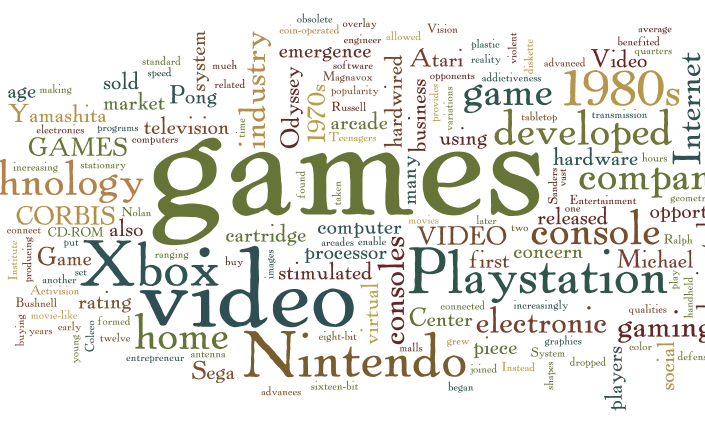
Ever since its creation, people have debated whether video games are a help, a hindrance, or useful in moderation. Below presents evidence from the most disputed aspects of this argument as well as additional factors to consider:

Content. Countless studies show that violence in video games diminishes empathy and exacerbates behavioral problems. After playing even 30 minutes, less activation was found in the prefrontal portion of the brain (involved in concentration, inhibition, and self-control) and more in the amygdala (emotional arousal)1. People who play violent video games may expect others to be hostile, influencing how aggressively they themselves react in the future2.
Conversely, prosocial, nonviolent video games can promote empathy and helpful behaviors, even teaching empathy3, asthma management, rehabilitating stroke patients, learning resiliency from failures4, and being a therapy tool in moderating certain phobias5. Preschool children have also shown improved motor development and cognitive behavior5.  Children who play cooperative video games display fewer emotional problems and problems with peers whereas those who play solitary games do well academically6.

Time. Despite the noteworthy benefits, it is crucial to understand that these benefits apply to those who play for less than or equal to an hour. Excessive time is linked with behavioral problems, poorer social skills, and peer conflicts. A recent study revealed that playing for less than an hour reduces ADHD symptoms, has a calming effect, and is not associated with delinquency7 8. Less than one hour of gaming strengthens motor skills and leads to higher achievement scores. However, playing more than one hour increases ADHD symptoms and lowers grades, which means the difference between a “B” and an “A” grade9.

Motivation. One . One study argues that people play video games to meet their motivational needs rather than for the content itself10. Those who are more aggressive play violent video games rather than cause aggression. Violent video games were not associated with aggressive behavior. Those who play for enjoyment or catharsis (releasing anger) play violent video games, although it is unclear if playing actually helps. The researchers suggested that people seek out video games to meet their motivational needs rather than the violent content itself. More research is still needed.

Personality. People with certain personality traits can be predisposed to aggression after playing violent video games. One study states that the “perfect storm” of personality traits using the Five-Factor Model is high neuroticism (easily upset and angry), low agreeableness (little concern for others and their feelings), and low conscientiousness (act without thinking)11. These traits make individuals more susceptible to violent games and media.

Player abilities. Another study argues that regardless of video games’ content, frustration from failing sparks aggression12. When a person’s competency or ego is questioned, through a challenging game or failing to master the controls, they enjoy the game less and react with more aggression. This reaction is not limited to video games; people react with frustrated aggression playing sports and other activities, especially if they lose or play poorly.


Source:
(image) http://guides.library.ucla.edu/videogames
All articles are sourced in text.

If you or someone you know appears to be suffering from a video game addiction, please contact our psychotherapy offices in New York or New Jersey to talk to one of our licensed professional psychologists, psychiatrists, psychiatric nurse practitioners, or psychotherapists at Arista Counseling & Psychotherapy. Contact our Paramus, NJ or Manhattan, NY offices respectively, at (201) 368-3700 or (212) 722-1920 to set up an appointment. For more information, please visit http://www.counselingpsychotherapynjny.com/.

Depression in Children: What are the Signs?

By: Sally Santos

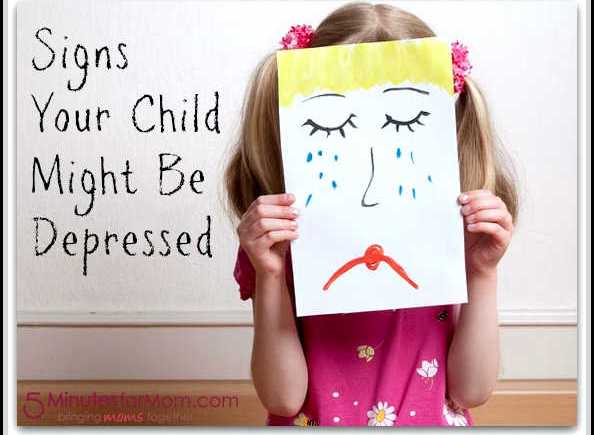
In children the most common mental health disorder is depression. When a child is going through depression it may affect their mental and physical health. As mentioned in a Psychology Today article the symptoms “must also interfere with the child’s functioning in normal daily activities.” Since children are still young they are not able to communicate their feelings well to others. Children with depression can be helped that’s why it is important for parents, caregivers and teachers to recognize the signs of depression. Some of the symptoms are:

  • Angry outburst
  • Anxiety
  • Decreased in energy
  • Feelings of hopelessness
  • Lack of concentration
  • Weight loss
  • Insomnia
  • Refusal to go to school

According to the National Alliance of Mental Health “Once a young person has experienced a major depression, he or she is at risk of developing another depression within the next five years.”

Sources:

https://www.psychologytoday.com/us/blog/alphabet-kids/201009/20-signs-and-symptoms-childhoodteen-depression

https://www.psychologytoday.com/us/blog/alphabet-kids/201009/depressing-news-about-childhood-and-adolescent-depression

Image:

https://www.anxietymedications.net/childhood-depression-symptoms-and-signs-to-diagnose-stress-on-kids/

If you are a parent and are concerned about your child having depression call the licensed psychologists, psychiatrists, psychiatric nurse practitioners, and psychotherapists at Arista Counseling & Psychotherapy can assist you. Contact our Paramus, NJ or Manhattan, NY offices respectively, at (201) 368-3700 or (212) 722-1920 to set up an appointment. For more information, visit http://www.counselingpsychotherapynjny.com/