Anxiety: Why Do Negative Things Happen To Me?

Anxiety: The Locus of Control

By Lauren Hernandez

            It is easy to assign blame when something unfortunate happens in life. The locus of control is the perception an individual has regarding their sense of control in life. The way in which an individual perceives a negative event to happen is dependent upon their internal or external locus of control.

An internal locus of control is when an individual believes that the things that happen to them are a product of their own actions or mistakes. An individual with an external locus of control believes random occurrences, environmental factors, or other people are more responsible for events that occur in their life.

Studies have shown that people of high socioeconomic status typically demonstrate an internal locus of control due to their financial stability. Those of low socioeconomic background blame their environment and have an external locus of control. Children typically have an external locus of control because they lack maturity and control of their emotions. As we age, our locus of control develops internally because we are aware of the consequences of our actions. However, some adults continue to demonstrate the external locus of control and blame outside factors. This continuation of external locus of control into adulthood is thought to be caused by lack of maturity, and lack of guidance throughout childhood. It is possible that genetic factors may play a role in an individual’s locus of control in addition to their childhood experiences and their caregivers.

Studies have shown that individuals who have an internal locus of control are more successful in their personal, financial, and social lives compared to people with an external locus of control. An internal locus of control is typically associated with higher rates of health and happiness. An external locus of control may lead to anxiety, depression, and learned helplessness, causing a person distress or other mental health issues.

If you think you might have an external locus of control and believe that this perception is causing you distress or symptoms of depression and anxiety, it is important to reach out to a professional such as a psychologist or psychiatric nurse practitioner. A provider will help you to learn coping skills and how to handle difficult obstacles in life, as well as they will be able to treat your depression or anxiety in the process.

If you or someone you know who may be suffering from depression or anxiety, please contact our psychotherapy offices in New York or New Jersey to talk to one of our licensed professional psychologists, psychiatrists, psychiatric nurse practitioners, or psychotherapists at Arista Counseling & Psychotherapy. Contact our Paramus, NJ or Manhattan, NY offices respectively, at (201) 368-3700 or (212) 722-1920 to set up an appointment. For more information, please visit http://www.counselingpsychotherapynjny.com/ .


Sources:

https://www.psychologytoday.com/us/blog/darwins-subterranean-world/201803/florida-teens-and-the-let-me-talk-the-manager-effect

https://www.psychologytoday.com/us/basics/locus-control

https://www.psychologytoday.com/us/blog/handy-hints-humans/201608/take-back-control-and-reach-the-stars

https://www.psychologytoday.com/us/blog/your-personal-renaissance/201404/how-much-control-do-you-have-in-your-life

Image Source:

https://www.bing.com/images/search?view=detailV2&id=008E323C4EFEF360AB625614E1241444185F12AF&thid=OIP.2bm4WsM3cgl3QRoZzPJanQHaFj&mediaurl=https%3A%2F%2Fwww.cedarcolorado.org%2Fwp-content%2Fuploads%2F2018%2F03%2FCeDAR-Psychotherapy-Locus-of-Control-image-01.jpg&exph=450&expw=600&q=locus+of+control&selectedindex=33&ajaxhist=0&vt=0


Passive Aggressiveness: Origins and How to Respond

Passive Aggressiveness: Origins and How to Respond

By Crystal Tsui

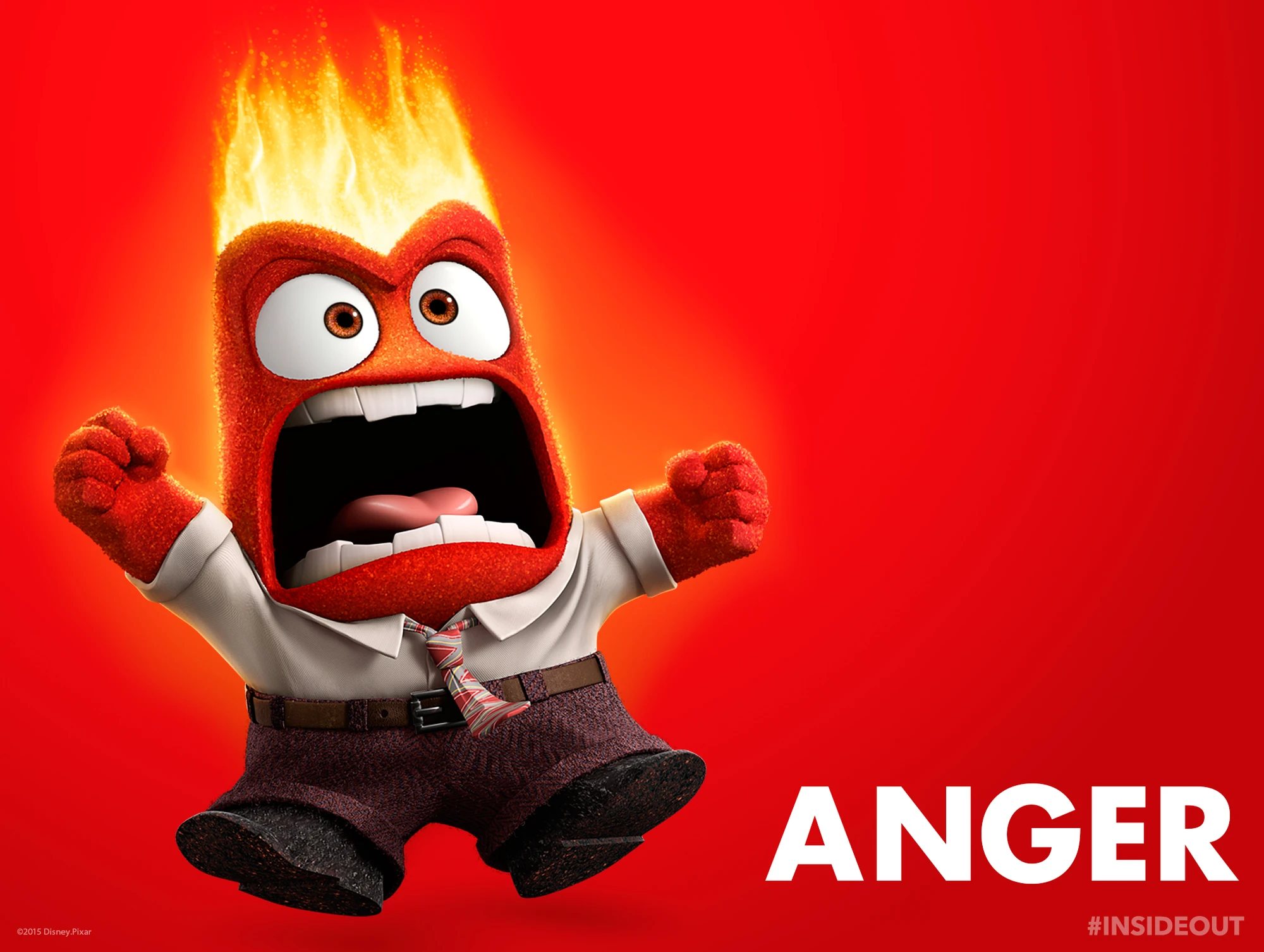
At one point or another, we have all seen or engaged in passive aggressive behaviors, whether it’s giving the silent treatment, making subtle insults, or sending one of those “as per my last email” emails. We do this because we are suppressing our anger or frustration from someone or something. Fear and anger are controlled by a region in the brain called the amygdala. Passive aggressiveness stems from that basic emotion of anger.

Anger is neither good nor bad. It is a basic, spontaneous, neurophysiological part of human emotion. As children, we were often scolded or punished for expressing anger. For example, throwing a temper tantrum is considered unacceptable. So at a young age, we started to perceive anger as taboo. As a result, we learned to suppress our feelings and engage in an indirect expression of hostility through subtle acts.

Children are most likely to act in a passive aggressive manner. Nonetheless, children are the most susceptible to change. Teaching our children that anger is just like every other emotion and directing their anger towards a positive, productive activity will help the child grow into an adult knowing how to manage their emotions properly. Some positive activities may include writing, exercising, drawing, meditating, and listening to music. These activities provide a form of distraction that can alleviate one’s mood, by stimulating another part of the brain that is not associated with the amygdala.

However, adults act this way as well because it’s easier to be passive than to be assertive and emotionally open. When children are taught to suppress their anger and they mature into an adult, it’s harder for them to stand up for themselves and to confront their source of anger.

It is best to avoid raising your voice, lecturing, or knee-jerk consequences that can exacerbate the situation. If an individual is trying to express their anger through communication, it is best to listen instead of reprimanding them for being angry.

When someone is passive-aggressive towards you, fight the urge to mirror their behavior. Instead confront the behavior because when passive-aggressive behavior is confronted directly and assertively, the hidden anger is weakened. Assertive communication and being emotionally open, no matter how hard it is, is the most effective way to acknowledge and accept anger. This builds a foundation for lifelong emotional intelligence and strong, secure relationships.

If you or someone you know has difficulty managing their anger, please contact our psychotherapy offices in New York or New Jersey to talk to one of our licensed professional psychologists, psychiatrists, psychiatric nurse practitioners, or psychotherapists at Arista Counseling & Psychotherapy. Contact our Paramus, NJ or Manhattan, NY offices respectively, at (201) 368-3700 or (212) 722-1920 to set up an appointment. For more information, please visit http://www.counselingpsychotherapynjny.com/ .

Sources:

https://www.psychologytoday.com/us/blog/passive-aggressive-diaries/201712/the-angry-smile-responding-passive-aggressive-behavior

https://www.psychologytoday.com/us/blog/passive-aggressive-diaries/201709/how-respond-effectively-young-persons-anger

https://www.verywellmind.com/what-is-passive-aggressive-behavior-2795481

https://vignette.wikia.nocookie.net/pixar/images/7/7a/Io_Anger_standard2.jpg/revision/latest/scale-to-width-down/2000?cb=20150425021210

Suicide Prevention: What Can You Do to Help?

Suicide Prevention: What Can You Do to Help?

By Lauren Hernandez

                If someone you care about has recently expressed suicidal thoughts or has told you they have attempted suicide, it is important to offer support to that person and to seek professional help. Suicide attempts are often triggered when a person cannot handle the certain stressors and do not have stable coping mechanisms to overcome these obstacles. People considering suicide typically struggle with other mental illnesses such as depression, anxiety disorders, mood disorders, Borderline Personality Disorder, or Post Traumatic Stress Disorder as well as a variety of other conditions. If someone has shared their suicidal thoughts with you, provide them with close comfort by staying with them. Even if you are unsure of what to say, it is important for that person to know that they are not alone.

It is important to make a plan, that encourages at risk individuals to see a provider such as a psychologist or psychiatric nurse practitioner who can offer professional help. If they are overwhelmed by their workload, perhaps try to ease their worries by offering to help them complete specific burdening tasks. It is important to offer them a way in which they can surround themselves with supportive people, perhaps invite them to a relaxing and judgement free space with a few friends. Additionally, help them to find ways in which they can practice self-care, healthy eating, exercise, and sleep, as well as listening to music and other activities that help to boost mood.

It is important to recognize that although you are trying to help a loved one to the best of your ability, the person struggling with suicidal thoughts needs professional care and therapy. There is only so much you can do to help and that is why reaching out to safety networks is essential. Other resources you should find in your area include mental health providers such as a psychologist or psychiatric nurse practitioner who can work with the patient to create a plan and prescribe medication. If you or someone you know is in immediate danger, call 9-1-1 to request immediate assistance and hospitalization to prevent self-harm or a possible suicide from happening. The National Suicide Prevention Lifeline is a 24/7 confidential Lifeline which is available at any time for anyone in the United States to get support if you or a loved one is in crisis. The National Suicide Prevention Lifeline’s number is 1-800-273-8255. To find more information on how to help yourself or someone in crisis can be found on these websites:

https://suicidepreventionlifeline.org/help-yourself/

https://afsp.org/find-support/my-loved-one-made-attempt/loved-one-made-attempt/.

If you or a loved one is suffering from suicidal thoughts please contact Arista Counseling & Psychotherapy, located in New York and New Jersey to speak to licensed professional psychologists, psychiatrists, psychiatric nurse practitioners or psychotherapists. To contact the office in Paramus NJ, call (201) 368-3700. To contact the office in Manhattan, call (212) 722-1920. For more information, please visit http://www.counselingpsychotherapynjny.com/ .


Sources:

https://suicidepreventionlifeline.org/help-yourself/

https://afsp.org/find-support/my-loved-one-made-attempt/loved-one-made-attempt/.

Image Source:

https://www.google.com/search?q=suicide+help&source=lnms&tbm=isch&sa=X&ved=0ahUKEwjjk_Kx9PXiAhWIMd8KHewwDtcQ_AUIECgB&biw=643&bih=603&dpr=1.5#imgrc=EHtMpuR0bLfVHM:


Hypnosis: The Basics!

Hypnosis: The Basics!

By Lauren Hernandez

            In today’s fast paced, technology filled world, it is important to take care of your mental health and address stress and anxiety with a mental health professional. There are various methods of treating anxiety, stress, and depression, and one of those methods is Hypnosis. According to PsychologyToday, hypnosis is the technique of “putting someone into a state of heightened concentration where they are more suggestible”. Hypnosis is achieved through soothing verbal repetition which relaxes a patient into a trance-like state, allowing the patient to be more open minded to transformative messages. Hypnosis allows a patient to be guided through relaxation, while still being in control. Hypnosis is utilized in accordance with other treatments to help patients overcome mental health issues. Hypnosis is ineffective as a sole treatment method, but is beneficial to a patient when used with other methods of therapy.

Hypnosis can help treat:

  • Bad habits such as smoking
  • Stress, anxiety, and depression
  • Pain, pain associated with autoimmune diseases
  • Fatigue
  • Mood disorders
  • Insomnia
  • Specific phobias

If you are interested in trying another method to treat your anxiety, depression, or any other mental health issues, it is important to reach out to a licensed psychotherapist who can safely and effectively assist you with the use of hypnosis.


Sources:

https://www.psychologytoday.com/us/basics/hypnosis

https://www.psychologytoday.com/us/blog/life-without-anxiety/201706/hypnotherapy-and-its-benefits-autoimmune-disease

Image Source:

https://www.bing.com/images/search?view=detailV2&id=8D025584803526770A48CA5EEC0B18B1B5C9F019&thid=OIP.y6nddEUu23PK3TscNApqDAHaEK&mediaurl=https%3A%2F%2Fi.ytimg.com%2Fvi%2Fyf42hiij63U%2Fmaxresdefault.jpg&exph=720&expw=1280&q=hypnosis&selectedindex=4&ajaxhist=0&vt=0&eim=1,2,6

Persuasion

Persuasion

By Crystal Tsui

Persuasion is the action or fact of convincing someone to do or believe something. It is used every day by individuals and even big corporations, whether it’s big adverts or a friend trying to get you to go see a concert with them. Persuasion and deception are often blurred; however, deception is the intent to “trick” someone into doing or believing something.

Some ways people persuade others are:

  • The authority bias: influenced by opinion or actions of people in a position of power.
  • Social proof: decide on how to behave by looking to what others are doing
  • Door-in-the-face technique: persuader begins with a large request and they will expect to be rejected. The persuader will ask for a smaller request (their intended goal) and rely on guilt for the victim to accept

Persuasion is used daily even if you are not aware of it. Adverts and sales people use persuasion for their job. However, you are the one doing the persuading and want to improve your skills; all you have to do is listen. Listening to the other person and always be on their side is the most important aspect of persuasion. Here are other ways to improve your persuading techniques:

  1. Be open to the recipient of the person you are trying to persuade. You want them to be relaxed
  2. Mirror their response. This gives the impression that their viewpoint has been fully received
  3. Understand their viewpoint on the subject
  4. Like the previous step, be more agreeable. People like agreeable people and they will be more willing to be accepting.
  5. Don’t use the word “but.” It negates all the previous effort on trying to be agreeable and open to their viewpoint.

Sources:

https://www.psychologytoday.com/us/blog/the-new-teen-age/201905/psychological-persuasion-techniques-used-sexual-predators

https://www.psychologytoday.com/us/blog/resolution-not-conflict/201310/want-be-more-persuasive-use-the-right-body-part-first

https://www.masscommunicationtalk.com/wp-content/uploads/2013/02/Persuasion-Its-Components-Principles-and-Techniques.jpg


Autism vs. Disruptive Mood Dysregulation Disorder (DMDD)

Autism vs. Disruptive Mood Dysregulation Disorder (DMDD)

By Crystal Tsui

Autism and Disruptive Mood Dysregulation disorder are often diagnosed together. However, DMDD is a fairly new diagnosis that first appeared in the DSM-V in 2013. As per DSM-V, DMDD is typically diagnosed between the ages of 6 and 18 years old, but symptoms can begin before the age of 10. Before the child is diagnosed, symptoms should last about a year. DMDD goes even further than childhood “moodiness.” It can cause functional and emotional impairment.

Symptoms of DMDD include:

  • Irritability or angry most of the day, almost every day
  • Severe, explosive temper (verbal or behavioral) an average of 3x or more per week, not related to a situation and child’s developmental level
  • Trouble functioning in more than one place (e.g. home, school, and/or with friends)Autism Spectrum is a group of neurodevelopmental disorders. It has been categorized by patterns of repetitive behavior and difficulties with social interactions. Symptoms tend to be present in early childhood and affects daily life and functioning.

Symptoms of autism include:

  • Avoiding eye contact
  • Isolation
  • Obsessive interests
  • Resistance to physical contact
  • Word repetition
  • Little danger awareness

Individuals with these symptoms are not guaranteed to be autistic. Since autism is a spectrum disorder, each individual has their own strengths and challenges. Early intervention has shown to lead to positive outcomes later in life for individuals with autism.

Because both of these disorders are usually diagnosed together, there are no set ways to treat either disorder. If a parent or guardian is concerned about diagnosis or treatment plans, always feel free to get a second opinion.

If you or someone you know who may have Autism and/or DMDD, please contact our psychotherapy offices in New York or New Jersey to talk to one of our licensed professional psychologists, psychiatrists, psychiatric nurse practitioners, or psychotherapists at Arista Counseling & Psychotherapy. Contact our Paramus, NJ or Manhattan, NY offices respectively, at (201) 368-3700 or (212) 722-1920 to set up an appointment. For more information, please visit http://www.counselingpsychotherapynjny.com/ .

Citations:

https://www.autismspeaks.org/what-autism

https://www.aacap.org/AACAP/Families_and_Youth/Facts_for_Families/FFF-Guide/Disruptive-Mood-Dysregulation-Disorder-_DMDD_-110.aspx

https://www.nimh.nih.gov/health/topics/disruptive-mood-dysregulation-disorder-dmdd/disruptive-mood-dysregulation-disorder.shtml

https://www.healthyplace.com/parenting/dmdd/dmdd-and-autism-how-are-the-two-related

Image:

https://www.healthyplace.com/sites/default/files/styles/related_articles_tile/public/2018-07/Challenges_of_Parenting_a_Child_with_DMDD.jpg?itok=sueCdX4V

Hoarding

Hoarding

By Lauren Hernandez

                Hoarding is a disorder characterized by the continuous inability to get rid of belongings that have no significant value. While Hollywood has made hoarding a spectacle for consumers, hoarding is a serious condition which threatens the safety and livelihood of many people around the world. People with hoarding disorder will accumulate random items they believe they have an emotional attachment to or because they think they might need the item in the future.

Typically hoarding begins in adolescence and the severity of the condition worsens over time. The cause is still unknown, however hoarding disorder can be prompted by experience of a traumatic event, if a family member has had the disorder, or if a person has difficulty making decisions. People who hoard may suffer from depression, anxiety, or obsessive compulsive disorder. If a hoarder continuously refuses to throw items away, their home will be covered in growing piles of random objects. This poses a serious threat to their health and to the health of the people around them. The clutter inside a home often deems the house unlivable, and there is a greater risk for falling and tripping over items. In addition, there is an increased risk of fires, and mold due to rotting food and other items that are wasting away. People who hoard also typically struggle with personal hygiene which can be associated with other mental illnesses such as depression and anxiety.

According to DSM-5, the following symptoms are diagnostic of hoarding disorder:

  • Persistent difficulty discarding or parting with possessions, regardless of their value or lack thereof
  • The difficulty in discarding possession is due to distress associated with getting rid of them
  • The difficulty in discarding possession leads to clutter of living spaces and compromises the use of living spaces
  • The hoarding creates clinically significant distress or impairment in functioning, including the ability to maintain a safe space

A person who hoards is unable to recognize that their hoarding activity is problematic and dangerous. If you or someone you know might have hoarding tendencies perhaps attempt to either clean the space, if it does not cause too much distress, or leave it. If attempting to clean causes too much distress, seek professional help. “The primary treatments used to relieve symptoms of hoarding disorder include cognitive-behavioral therapy and antidepressant medication, such as selective serotonin reuptake inhibitors (SSRIs). One or the other, or both, may be employed” (PsychologyToday).

If you or someone you know is engaging in hoarding activities, please contact our psychotherapy offices in New York or New Jersey to talk to one of our licensed professional psychologists, psychiatrists, psychiatric nurse practitioners, or psychotherapists at Arista Counseling & Psychotherapy. Contact our Paramus, NJ or Manhattan, NY offices respectively, at (201) 368-3700 or (212) 722-1920 to set up an appointment. For more information, please visit http://www.counselingpsychotherapynjny.com/ .


Sources: https://www.psychologytoday.com/us/conditions/hoarding-disorder

Image Source:

https://www.bing.com/images/search?view=detailV2&id=39261EB37504F116457B197FA206B36E38D082FD&thid=OIP._Fyir4F8p4hBOh6TS6Yy-QHaHa&mediaurl=http%3A%2F%2Fwww.choosehelp.com%2Ftopics%2Fanxiety%2Fcompulsive-hoarding%2Fimage&exph=1024&expw=1024&q=hoarding&selectedindex=31&ajaxhist=0&vt=0&eim=1,2,6

Am I Too Sensitive?

Am I Too Sensitive

Am I Too Sensitive?

By Julia Keys

Has anyone ever said to you in passing, “you’re so sensitive”? Our society seems to shun sensitivity without truly understanding or appreciating it. Stereotypically, a “sensitive person” is portrayed as irrationally emotional or ready to cry at any moment. In reality, sensitivity is defined by psychologists as the amount someone reacts physically, emotionally, or mentally to external and internal stimuli. Researchers have actually coined a term for someone you may describe as “sensitive”: the Highly Sensitive Person (HSP).

Highly Sensitive People, (HSP), process their external and internal environments with more attention than typical people. About 20% of the population are estimated to be a HSP. Some evolutionary psychologists suggest that HSP evolved from people that needed to be hyper vigilant in their environments to survive. Nowadays, we do not need as much extra attention to survive, but HSP are still affected by their high level of sensitivity.

It is easy to think that HSP and introversion are interchangeable traits, however there are some key differences between the two that are important to understand. HSP are not always introverts, they may like being around other people, but certain social environments can be overwhelming to their senses. Also, introversion refers to one’s preference for spending time alone versus spending time with others while sensitivity is how one processes sensory input. Although some HSP are introverted, there are definitely a fair amount that are extroverted as well.

Signs of a Highly Sensitive Person

  • Easily overwhelmed by such things as bright lights, strong smells, coarse fabrics, or sirens nearby
  • Gets more anxious than typical people when there a lot to do in a short amount of time
  • Easily disturbed by violence or graphic images
  • Feels the need to withdraw during busy days, into bed or a darkened room or some other place where they can have relief from overstimulating environments
  • Makes it a high priority to arrange their life to avoid upsetting or overwhelming situations
  •  Notices or enjoys delicate or fine scents, tastes, sounds, or works of art
  • Has a rich and complex inner life
  • Was shy or sensitive as a small child

Being an HSP can sometimes cause distress. HSP can have feelings of anxiety or stress when they are in environments that are overstimulating. Certain environments that may be enjoyable for neurotypical people such as parties, outside markets, or concerts may present too much sensory input for an HSP to enjoy. As a result, some HSP may struggle with isolation or loneliness.

On the other hand, the Highly Sensitive Person can also benefit from their heightened sensitivities to stimuli. HSP tend to be observant and perceptive, picking up on small details that others would not. As a result, many HSP are highly creative and innovative. HSP are also naturally empathetic, making them sensitive to others’ emotions and needs. HSP that balance their attention between a healthy internal and external environment reach their highest potential.

If you or someone you know is struggling with the stress being a HSP may bring, and are seeking stress management, please contact our psychotherapy offices in New York or New Jersey to talk to one of our licensed professional psychologists, psychiatrists, psychiatric nurse practitioners, or psychotherapists at Arista Counseling & Psychotherapy. Contact our Paramus, NJ or Manhattan, NY offices respectively, at (201) 368-3700 or (212) 722-1920 to set up an appointment. For more information, please visit http://www.counselingpsychotherapynjny.com/ .

Sources:

https://www.psychologytoday.com/us/blog/live-life-creatively/201906/the-creative-power-the-highly-sensitive-person

https://hsperson.com/


Source for Picture:

https://www.google.com/search?q=ripple+in+a+lake&source=lnms&tbm=isch&sa=X&ved=0ahUKEwibsYD2ztDiAhXymOAKHRgYCNoQ_AUIECgB&biw=1280&bih=561#imgrc=q1KPhEKi3gC5dM:


Childhood Trauma: Effects on Adult Wellbeing

Childhood Trauma: Effects on Adult Wellbeing

Childhood Trauma: Effects on Adult Wellbeing

By: Julia Keys

The child brain grows and makes connections at a rapid rate and is extremely emotionally sensitive. Unfortunately, children that experience some sort of major trauma such as emotional, physical, or sexual abuse, neglect, war, poverty, or unsafe living conditions can be greatly negatively impacted later on in life.

Children who have parents that are for some reason unwilling or unable to provide the love and care they need oftentimes blame themselves for the lack of parental attention. In response to this lack of care, children may start to act in ways in which they feel would help the parents love them more. As the child grows up, they can become detached from their own needs because they are so focused on the love they receive from others.

Another effect of childhood trauma is victimhood thinking. Although a child may have been helpless when they were raised, self-victimization does not help an adult in the long run because it robs them of the self-empowerment they need to change their lives in the ways they desire.

Children growing up in environments where anger is expressed violently may begin to learn that anger is dangerous and therefore should be avoided. However, suppressing emotional expression is unhealthy and can cause individuals to be passive aggressive, which is an ineffective way to communicate. The most damaging effect of childhood trauma can have on an adult is the development of psychological disorders such as depression, anxiety, or post-traumatic stress disorder.

If you or someone you love is struggling with the effects of childhood trauma, please contact our psychotherapy offices in New York or New Jersey to talk to one of our licensed professional psychologists, psychiatrists, psychiatric nurse practitioners, or psychotherapists at Arista Counseling and Psychotherapy. Contact our Paramus, NJ or Manhattan, NY offices respectively, at (201) 368-3700 or (212) 722-1920 to set up an appointment. For more information, please visit http://www.counselingpsychotherapynjny.com/. 

Why Is Sleep So Important?

Why is Sleep So Important?

By: Lauren Hernandez

            Sleep is one of the most important lifestyle choices besides nutrition and exercise. In order to gain the benefits of sleep, one must complete the 5 stages of the sleep/ rest cycle that occurs at night. It is essential that you strive to sleep the appropriate amount of hours necessary to maintaining a healthy lifestyle- physically and mentally.

These are the nightly sleep recommendations per age:

  • Infants four to 12 months should sleep 12 to 16 hours per 24 hours (including naps).
  • Children one to two years of age should sleep 11 to 14 hours (including naps).
  • Children three to five years of age should sleep 10 to 13 hours per 24 hours (including naps).
  • Children six to 12 years of age should sleep nine to 12 hours per 24 hours.
  • Teenagers 13 to 18 years of age should sleep eight to 10 hours per 24 hours

Lack of sleep causes negative mental and physical effects such as:

  • Weight gain
  • Likelihood of infections
  • Chronic diseases
  • Type-2 diabetes
  • Heart Disease
  • Increased chances of anxiety
  • Increased chances of depression
  • Forgetfulness

If you or someone you know has a sleep disorder, please contact our psychotherapy offices in New York or New Jersey to talk to one of our licensed professional psychologists, psychiatrists, psychiatric nurse practitioners, or psychotherapists at Arista Counseling & Psychotherapy. Contact our Paramus, NJ or Manhattan, NY offices respectively, at (201) 368-3700 or (212) 722-1920 to set up an appointment. For more information, please visit http://www.counselingpsychotherapynjny.com/ .


Sources:

https://www.psychologytoday.com/us/blog/the-athletes-way/201606/how-much-sleep-is-required-optimal-health-age-matters


https://www.psychologytoday.com/us/blog/the-resilient-brain/201704/restorative-sleep-is-vital-brain-health


Image Source:

https://www.bing.com/images/search?view=detailV2&id=1F061362E6736BEE768453D8F06FC5E18FE558C8&thid=OIP.cd4G3Nnr5OOPsYw1086naQHaFb&mediaurl=http%3A%2F%2Fs3.amazonaws.com%2Fetntmedia%2Fmedia%2Fimages%2Fext%2F930991728%2Fwoman-sleeping.jpg&exph=750&expw=1024&q=sleep&selectedindex=12&ajaxhist=0&vt=0&eim=1,2,6