Throwing Up: The Fear of Throw Up

By Caroline Buchanan

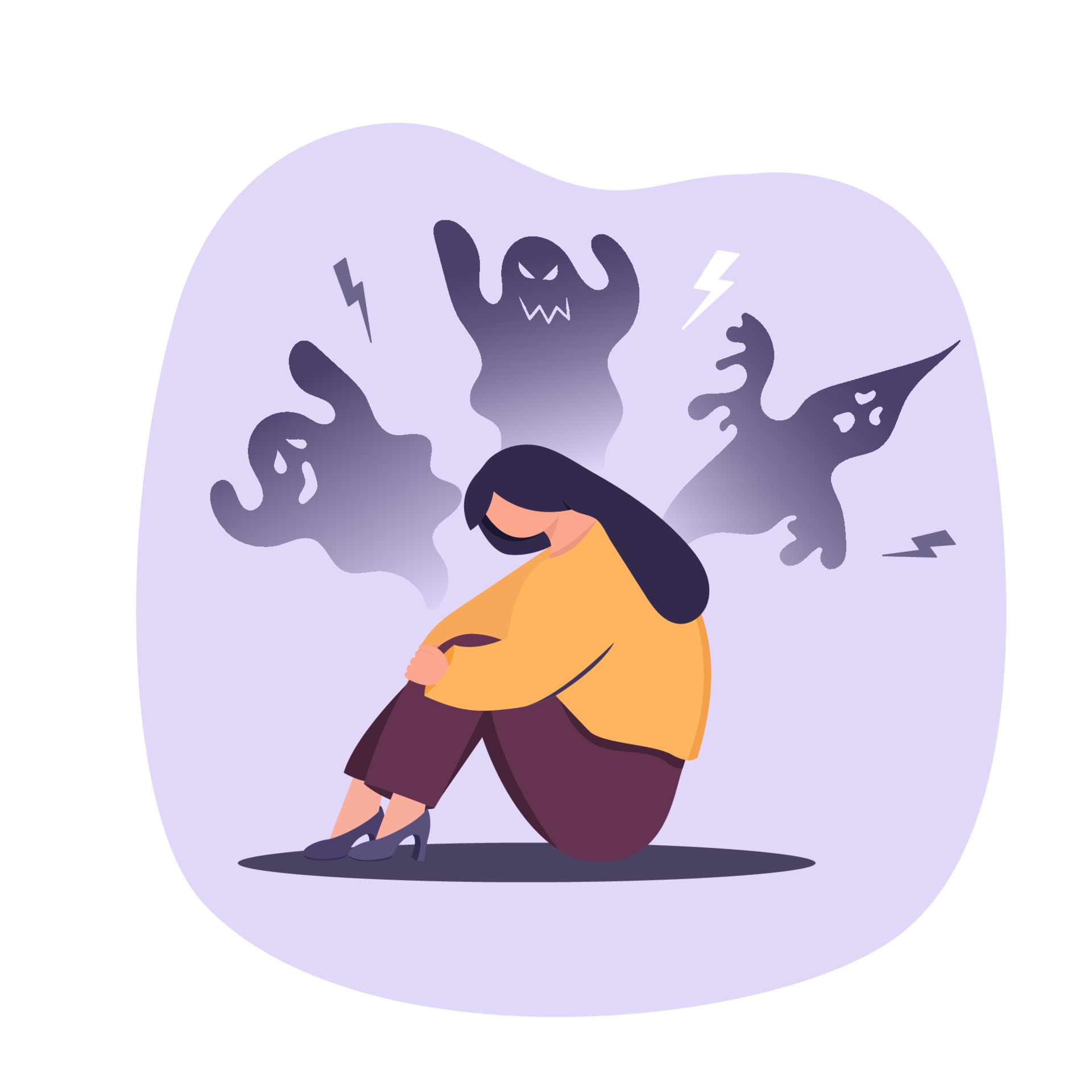
The fear of throw up, also referred to as emetophobia, is a specific phobia that revolves around the fear of vomiting, seeing vomit, watching other people vomit, or feeling sick. Emetophobia tends to leave people in a state of anxiety, overtaking their thoughts and engaging in behaviors that impact their everyday life. For example, you may avoid crowded places, traveling, eating out, or closely monitor your own health in an attempt to reduce the distress you may feel. While this anxiety can feel overwhelming and unbearable at times, this condition can be managed by a therapist.

What causes emetophobia?

Specific phobias tend to develop after a specific incident. As a result of this incident, an association is created between a thing – an object, situation, or an event – and a fear (Psych Central). Specifically in the context of emetophobia, this could involve getting sick in public, someone vomiting on you, having a bad case of food poisoning, or seeing someone else throw up. Emetophobia can also develop without a clear cause, causing experts to believe that genetics and the environment play a role. Regardless of whether you can pinpoint an incident or not, this anxiety can still be managed.

How can emetophobia be managed?

Exposure therapy is considered to be one of the most effective treatments. In this type of therapy, your therapist will expose you to your fear at a slow rate. This could involve trying a new food at a restaurant or spinning around until you feel nauseous. With these actions, you will be provided with techniques to help you cope with these feelings of anxiety. The goal is that the more you are exposed to your fear, the more you feel comfortable with it. Talk therapy and cognitive behavioral therapy (CBT)can also be used to help learn how to identify and challenge negative thought patterns in your anxiety. While it may take some time to find the right therapist and techniques for you, it is worth it to alleviate the distress in your life.

If you or someone you know is suffering from emetophobia, please contact our psychotherapy offices in New York or New Jersey to talk to one of our licensed professional psychologists, psychiatrists, psychiatric nurse practitioners, or psychotherapists at Arista Counseling & Psychotherapy. Contact our Paramus, NJ or Manhattan, NY offices respectively, at (201) 368-3700 or (212) 722-1920 to set up an appointment. For more information, please visit http://www.counselingpsychotherapynjny.com/

https://www.healthline.com/health/emetophobia#outlook

Relationships & Long Distance: Strategies to Succeed

Relationships & Long Distance: Strategies to Succeed

By Caroline Buchanan

One of the ultimate tests for a romantic relationship is maintaining the relationship despite the distance. As a result, this could lead to distinct challenges and obstacles. While research from 2018 suggests that couples who live farther than an hour apart tend to break up, at least 60% of partnerships still make their long distance relationship succeed. What are these people probably doing to make it work? The best answer seems to be making the distance work for your relationship, and not working around it (Psych Central). There are strategies that can be implemented to help manage and avoid these common roadblocks.

Strategies:

  • Communication

Your communication method may be the key difference in whether your relationship lasts or falls apart. Phone calls or video calls should be used for heartfelt conversations or heavier discussions. Arguments in text based conversations can lead to misinterpreting the intention behind a message. Use texting mainly for casual contact such as “good morning” and “enjoy your day” type messages.           

  • Acknowledging Fear-based behaviors

 Long distance relationships tend to bring out fears: Fear that the other partner doesn’t care anymore or is going to leave you for someone else. While it’s not uncommon to feel these fears, it is important to recognize these negative thinking patterns. If you are open and clear in your communication with your partner, this may help prevent or subside fears. Let your partner clarify situations that may be bothersome to you.

  • Intimacy

 If you both are comfortable in your relationship, you could imitate the physical connection and enjoy pleasure together by trying erotic conversations, video sex, or phone sex. Make sure you are open and honest about your expectations in engaging in these activities.

While it requires intent and effort, maintaining love in a long-distance relationship is possible. Take the time to think about seeking the help of a mental health professional if you’re experiencing challenges or feeling anxiety in your relationship. This would help you develop specific skills to be able to establish secure bonds.

If you or someone you know is struggling in a long distance relationship, please contact our psychotherapy offices in New York or New Jersey to talk to one of our licensed professional psychologists, psychiatrists, psychiatric nurse practitioners, or psychotherapists at Arista Counseling & Psychotherapy. Contact our Paramus, NJ or Manhattan, NY offices respectively, at (201) 368-3700 or (212) 722-1920 to set up an appointment. For more information, please visit http://www.counselingpsychotherapynjny.com/

https://psychcentral.com/lib/how-to-make-long-distance-relationships-work

ADHD in Women and Girls                                         

By: Nicole Sanchez

ADHD In Women and Girls  By: Nicole Sanchez

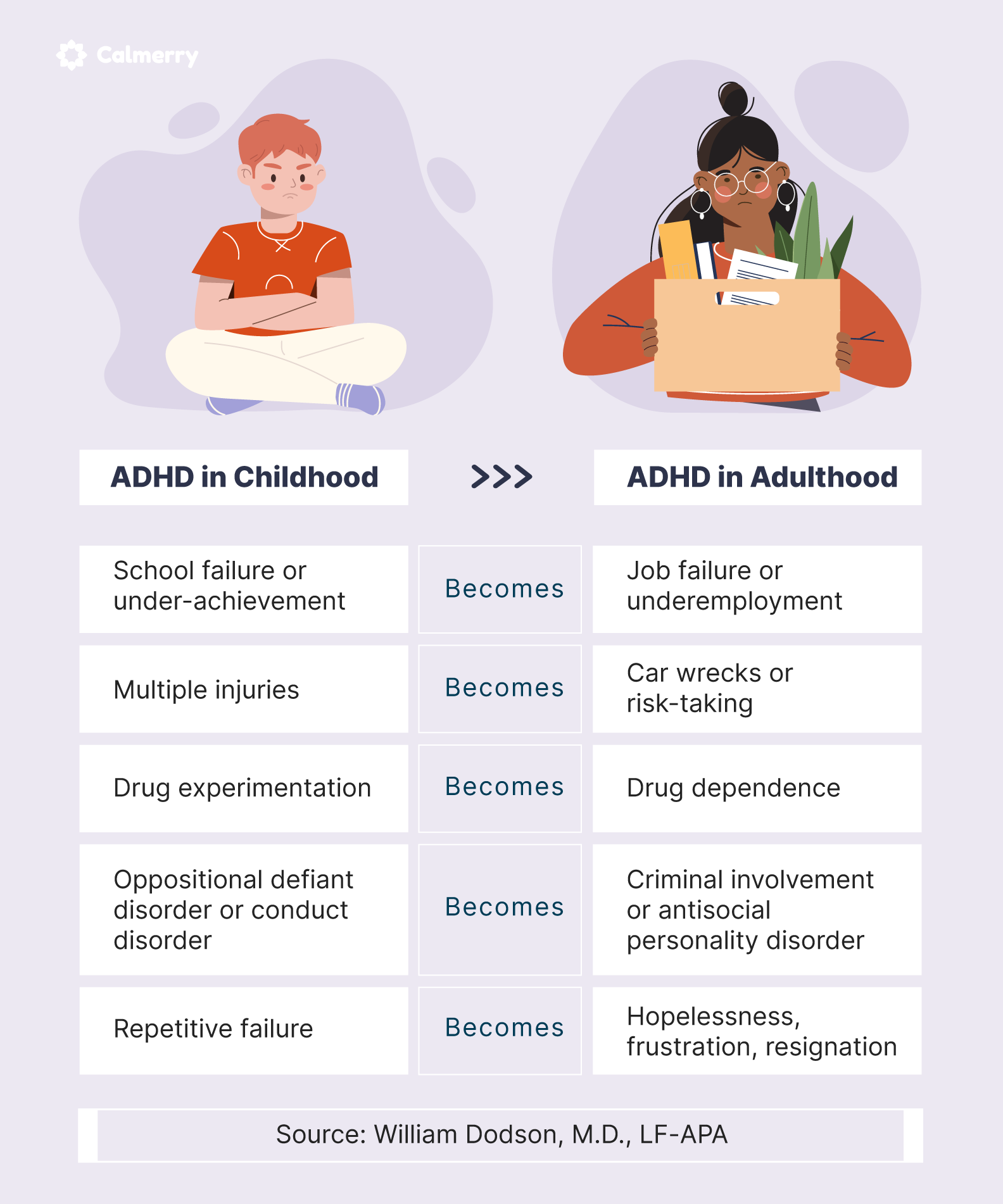
Attention-deficit/hyperactivity disorder (ADHD) is considered a chronic disorder and is known to impact the individual in many aspects of their life including interpersonal relationships, academic and professional achievements, and daily functioning. Symptoms of ADHD include inattention, hyperactivity and impulsivity. ADHD can lead to lowered self-esteem and social function in children when not appropriately treated. Adults with ADHD may experience poor self-worth, sensitivity towards criticism, and increased self-criticism possibly stemming from higher levels of criticism throughout life.

Women and girls experience the same general symptoms as boys and men, but the way they express the symptoms can appear different. This difference in expression has historically been one of the reasons girls and women are underdiagnosed. Often when diagnosing, clinicians look for the male model of ADHD symptoms that focuses on impulsiveness. It is important to note that girls and women often demonstrate symptoms of inattention, overly sociable behavior, forgetfulness, talkativeness, or even difficulties with time management.

Cognitive behavioral therapy (CBT) is a talking therapy that is able to help individuals struggling with ADHD manage their problems by changing the way they think and behave. This treatment tries to reconstruct how someone feels about a situation, which would in turn potentially change their behavior and mitigate these ADHD symptoms. Often the therapist works with the parent of an ADHd child to help them improve his or her behavior.

If you or someone you know is having mental health difficulties and/ or experiencing symptoms of ADHD, please contact our psychotherapy offices in New Jersey to talk to one of our licensed professional psychologists, psychiatrists, psychiatric nurse practitioners, or psychotherapists at Arista Counseling & Psychotherapy. Contact our offices at (201) 368-3700 or (212) 722-1920 to set up an appointment. For more information, please visit http://www.counselingpsychotherapynjny.com/

https://www.columbiadoctors.org/news/adhd-different-women

https://www.webmd.com/add-adhd/ss/slideshow-adhd-women-girls

Autism: Benefits of Early Intervention

Autism: Benefits of Early Intervention

By, Maro Mikhaeil

According to the Centers for Disease Control and Prevention (CDC), 1 in 36 children and 1 in 45 adults are found to have autism in the U.S.

What is autism?

Autism Spectrum Disorder is characterized as a neurodevelopmental condition where challenges with social skills, repetitive behaviors, speech, and nonverbal communication may occur. The CDC says that autism can be detected as early as 18 months and may even go undiagnosed until years later. The earlier the diagnosis, the better, as early intervention is crucial for speech, communication, motor skills, and many more.

What is early intervention?

Early intervention is described as therapeutic services for young children and babies with developmental disabilities. There are many types of early intervention services used, such as speech therapy, applied behavioral analysis, occupational therapy, and more. Early intervention is found to be very beneficial as it addresses many life skills, which in turn makes so much progress for children with ASD in the long run.

It can be difficult to see a loved one struggle with autism spectrum disorder. If you or a family member is struggling with mental health, please contact our psychotherapy offices in New York or New Jersey to talk to one of our licensed professional psychologists, psychiatrists,
psychiatric nurse practitioners, or psychotherapists at Arista Counseling &
Psychotherapy. Contact our Paramus, NJ or Manhattan, NY offices respectively,
at (201) 368-3700 or (212) 722-1920 to set up an appointment. For more
information, please visit
 http://www.counselingpsychotherapynjny.com/

Sources:

https://www.autismspeaks.org/autism-statistics-asd#:~:text=1%20in%2036%20children%20in,diagnosed%20with%20autism%20than%20girls.

https://www.autismspeaks.org/what-autism

https://learning.nspcc.org.uk/safeguarding-child-protection/early-help-and-early-intervention#:~:text=Why%20are%20early%20help%20and,impacting%20a%20child’s%20life%20negatively.

https://behavioral-innovations.com/blog/critical-early-intervention-children-autism-spectrum-disorder/           

ADHD: What Symptoms Should You Look for?

ADHD: What Symptoms should you look for?

By: Diane Ulloa

For many people who have ADHD it is difficult for them to pinpoint a specific action or reaction that is attributed to their neurodivergent mind. For many, ADHD comes with difficulty towards staying focused or forgetfulness. For others, it can be expressed differently. Sometimes it is shown in how one manages their money or perhaps one’s emotions in a traffic jam or impatience waiting in line. There are many symptoms that can be explained by ADHD diagnosis. If someone is struggling with ADHD but is unaware of how to identify it, they can look for these symptoms:

  • Impulsiveness
  • Disorganization
  • Problems prioritizing
  • Poor time management skills
  • Problems focusing on a task
  • Trouble multitasking
  • Excessive activity or restlessness
  • Poor planning
  • Low frustration tolerance
  • Frequent moodswings
  • Problems following through and completing tasks
  • Hot temper
  • Trouble coping with stress

Although it may feel like everyone and anyone has these symptoms, ADHD is diagnosed when the symptoms are severe and interfere with everyday activities.

Patients with ADHD generally also have another mental health disorder such as depression or anxiety. Psychotherapy helps people manage these symptoms and uses Cognitive-behavioral therapy [CBT] which is one of the most commonly used treatments for patients with ADHD. CBT is also considered to be the most effective psychotherapy. CBT for ADHD involves changing people’s thoughts, attitudes, and behaviors to better deal with everyday situations. Psychotherapy gives people with ADHD tailored support and advice, and improved communication skills, along with the opportunity to develop coping skills for stress and many situations that will occur in daily life.

If you or someone you know is struggling with mental health please contact our psychotherapy offices in New Jersey to talk to one of our licensed professional psychologists, psychiatrists, psychiatric nurse practitioners, or psychotherapists at Arista Psychotherapy & Psychiatric Services. Contact our NJ offices respectively at (201)368-3700 to set up an appointment. For more information, please visit https://counselingpsychotherapynjny.com

Sources: https://www.mayoclinic.org/diseases-conditions/adult-adhd/symptoms-causes/syc-20350878

https://www.nytimes.com/2023/08/30/business/women-adhd-money.htmlhttps://www.medicalnewstoday.com/articles/adhd-psychotherapy#Types

Single Parenting Stress

Single Parenting Stress

By: Mercedes Renter

Raising children on your own can result in an overwhelming amount of stress and pressure into parenting. Aside from the financial obligations of raising a family and maintaining a roof over your head with food on the table, single parenting comes with more obstacles than one may think. Emotionally, a single parent must take on the role of both parents at once which leaves them to be both “bad” and “good” cop all at once. This can allow one to feel lonely and isolated when it comes to decision making because they often feel lost without another opinion. Guilt will arise from these situations but your own well-being it is better to focus on any accomplishments.

There are many ways to reduce the stress and attempt to live in a calmer environment. One thing that can be done is to set up a support system. All parents need a little help here and there so do not feel ashamed to ask for it. Maintaining a daily routine can allow you to find yourself with more time to relax. For example, set up a schedule for meals, chores, bedtimes and anything else that is included in your day to day routine. Treat your children like children; although the other parent is absent you should not rely too heavily on the child. A way to notice if you are relying on them too much is if your frustration is being shown more on them than in any other aspect of your life. Lastly, stay positive and take time for yourself.

If you or someone you know is struggling with single parenting stress contact our psychotherapy offices in New York or New Jersey to talk to one of our licensed professional psychologists, psychiatric, psychiatric nurse practitioners, or psychotherapists at Arista Psychotherapy & Psychiatric Services. Contact our Manhattan, NY, or Paramus,NJ offices respectively at (201) 368-3700 or (212) 722-1920 to set up an appointment. For more information please visit https://counselingpsychotherapynjny.com

References: https://www.healthychildren.org/English/family-life/family-dynamics/types-of-families/Pages/Stresses-of-Single-Parenting.aspx

https://www.parents.com/parenting/dynamics/single-parenting/10-ways-to-reduce-single-parent-stress/

Shopping Addiction? Can’t Save Money? That May Be A Real Issue

Shopping Addiction? Can’t Save Money? That May Be A Real Issue

By Erika Ortiz

             Most people like to spend and buy things, but some take that splurging a bit to the max and do it any opportunity possible. Shopping makes some feel good, however; some get this “high” feeling since the brain releases endorphins and dopamine as they shop. It’s one thing to shop while on a budget, while it’s another to shop with no budget in mind. All of the spending, unnecessary buying, and accumulation of debt is an actual issue called shopping addiction. It is imperative to break down shopping addiction and the different types. First, there is impulse buying which is buying something you did not plan on purchasing in the first place. It can range from buying a chocolate bar from the grocery store while waiting in line or buying your 50th pair of shoes. Compulsive buying is when you plan your shopping, but to an extreme and on unnecessary items. Compulsive buying is usually where the shopping addiction behavior occurs most. For example, say you did not do so well on an exam or had a bad day at work, your immediate solution is to go shopping afterward to make yourself feel better. Another type is bargain shoppers who think they are getting a steal price or great deal. They are still spending a lot instead of saving. Finally, there is bulimic shopping or circular shopping. These people buy and return just for fun; even though they are staying within their budget, they are wasting a lot of time and energy.

           Shopping addiction can be due to stress, loneliness, sadness, the need to fill a void, lack of control, avoidance of reality, depression, anxiety, etc. Nonetheless, this is a severe problem that needs an urgent solution because shopping addiction can lead to issues in relationships, growing debt, constant overspending, and even lying about spending. One way to help with this issue is to create a budget and try sticking with it. There are many resources online that can be great budgeting tools. It is critical to immediately get help if you have a very severe case of shopping addiction. Seek a mental health professional who can help you get to the root of the issue and understand what you are going through. Remember that there is hope and you can get through this.

If you or someone you know is struggling with a shopping addiction please contact our psychotherapy offices in New York or New Jersey to talk to one of our licensed professional psychologists, psychiatrists, psychiatric nurse practitioners, or psychotherapists at Arista Counseling & Psychotherapy. Contact our Paramus, NJ or Manhattan, NY offices respectively at (201) 368-3700 or (212) 722-1920 to set up an appointment. For more information, please visit https://www.counselingpsychotherapynjny.com

Sources

https://www.ramseysolutions.com/budgeting/shopping-addiction

Emotionally Abusive Relationship: How to Spot the Signs

Emotionally Abusive Relationship: How to Spot the Signs

By Erika Ortiz

Abuse of any kind must never be tolerated. Whether it is from your boss, spouse, family member, or friend, it should not be taken lightly and must be acted upon quickly before it can escalate to serious issues. However, some forms of abuse are difficult to distinguish and can be especially hard to come to terms with when the abuser is a significant other such as a spouse or boyfriend/girlfriend. Physical abuse is a well-known form of abuse; however, emotional abuse has a subtle component, making it very tricky to catch. Here are some signs that you are in an emotionally abusive relationship:

Controlling and manipulative- Your partner may make you feel bad for going out or give you a curfew when you’re out with friends.

Gaslighting- Your partner can make you believe points in their arguments or things you have “said” that never happened.

Humiliation and embarrassment- They may insult you, make fun, and make you feel bad about yourself in front of others.

Silent treatment/Stonewalling- After an argument, they may “shut down” to make you feel abandoned and cut communication.

Threats- They may flat-out threaten you in any way, shape, or form possible.

There is quite a lengthy list of signs of emotional abuse. However, it is crucial to be proactive and seek help. These issues can cause or result in depression, anxiety, suicide, and PTSD. It can even lead to physical abuse if it hasn’t already occurred. Please seek professional help immediately if you see any signs of abuse or feel unsafe or unwell.

If you or someone you know is experiencing an emotionally abusive relationship or signs of it, please contact our psychotherapy offices in New York or New Jersey to talk to one of our licensed professional psychologists, psychiatrists, psychiatric nurse practitioners, or psychotherapists at Arista Counseling & Psychotherapy. Contact our Paramus, NJ or Manhattan, NY offices respectively at (201) 368-3700 or (212) 722-1920 to set up an appointment. For more information, please visit https://www.counselingpsychotherapynjny.com

 Sources

https://www.webmd.com/sex-relationships/signs-emotionally-abusive-relationship

https://www.healthline.com/health/signs-of-mental-abuse#control-and-shame

Hypnotherapy: What is it?

Hypnotherapy: What is it?

By Emily Ferrer

Hypnotherapy helps clients gain control over unfavorable behaviors, cope with anxiety or pain, or alter their ideas about a certain idea or image. Hypnosis involves a trained psychologist and entails placing the patient into a trance-like state that can make you feel extremely calm, focused, and open to suggestions[1]. Over many years, hypnosis has been found to help many people with issues such as pain control, chemotherapy, hot flashes, behavioral changes, anxiety, depression, sleep disturbances, Irritable Bowel Syndrome (IBS), addiction, weight loss, and more[2]! In fact, a study done in 1970 found that hypnotherapy has a 93% success rate in less sessions compared to other forms of therapy[3]. The average amount of hypnotherapy sessions needed to see results can be as little as 4 and as much as 15[4]. This is much less than the average number of sessions needed for other forms of therapy, which are usually around 20 or more until you start to see results[5].

You are probably curious what exactly to expect in a hypnotherapy session and how to prepare. There is no preparation needed on your end before your first hypnotherapy session other than an open mind and a willingness to change your behaviors or ideas. The first session will usually not involve any hypnotism, however, the therapist may use this session as an opportunity to get to know you, the problems you are facing, and what you want to change. The second session is usually when your hypnotherapy begins. Your therapist will always explain the process to you and begin by talking in a soothing and gentle voice. The therapist may also start to describe very vivid images to you to create a sense of relaxation and security. Once you are in a relaxed state, your therapist may begin suggesting ways to work towards your goal that you wanted to work on, such as fear, pain, addiction, anxiety, sleep disturbances, etc. This will help you visualize your path to success and believe in your ability to accomplish your goals[6]. Eventually, your therapist will guide you out of your state of relaxation and the hypnosis session will end. Hypnosis can be extremely helpful to those it does work for but suicide/suicidal thoughts is not guaranteed.

If you or someone you know is interested in trying hypnotherapy, please contact our psychotherapy offices in New York or New Jersey to talk to one of our licensed professional psychologists, psychiatrists, psychiatric nurse practitioners, or psychotherapists certified in hypnotherapy at Arista Counseling & Psychotherapy. Contact our Paramus, NJ or Manhattan, NY offices respectively, at (201) 368-3700 or (212) 722-1920 to set up an appointment. For more information, please visit http://www.counselingpsychotherapynjny.com/ .


Sources:

[1] https://www.mayoclinic.org/tests-procedures/hypnosis/about/pac-20394405#:~:text=Hypnosis%2C%20also%20referred%20to%20as,verbal%20repetition%20and%20mental%20images.

[2] https://www.pennmedicine.org/updates/blogs/health-and-wellness/2019/january/hypnosis

[3] Barrios, A. A. (1970). Hypnotherapy: A reappraisal. Psychotherapy: Theory, Research & Practice, 7(1), 2–7. https://doi.org/10.1037/h0086544

[4] https://thehypnosisclinic.com/blog/how-many-sessions-do-i-need/

https://www.mayoclinic.org/tests-procedures/cognitive-behavioral-therapy/about/pac-20384610#:~:text=Length%20of%20therapy,Type%20of%20disorder%20or%20situation

[6] https://www.mayoclinic.org/tests-procedures/hypnosis/about/pac-20394405#:~:text=Hypnosis%2C%20also%20referred%20to%20as,verbal%20repetition%20and%20mental%20images.

Eating Disorders: How To Catch Them in Your Loved Ones

Eating Disorders: How To Catch Them in Your Loved Ones

By Emily Ferrer

Eating disorders are characterized by severe and persistent troubles related to eating behaviors, food, and weight[1]. There are many different types of eating disorders; however, the most common are anorexia nervosa, bulimia nervosa, and binge eating disorder. Nine percent of the entire population suffers from an eating disorder and 10,200 deaths are recorded each year due to an eating disorder[2]. After reading about how common they are, I am sure you are wondering, “How do I know if I or someone I know has an eating disorder?” There are many signs and symptoms associated with eating disorders[3]:

Anorexia Nervosa:

  • Extreme weight loss
  • Muscle weakness
  • Bone weakness
  • Amenorrhea
  • Brittle hair/nails
  • Always feeling cold
  • Obsession with food
  • Depression

Bulimia Nervosa:

  • Frequent trips to the bathroom after a meal
  • Chronic sore throat
  • Dental decay
  • Laxative/diuretic misuse
  • Large amounts of food disappearing
  • Fainting from excessive purging

Binge-Eating Disorder:

  • Weight gain
  • Eating very rapidly
  • Eating until very full
  • Eating even when not hungry
  • Hiding large amounts of food
  • Eating alone on purpose
  • Feeling guilty after eating large amounts of food

Eating disorders can be extremely serious if not treated. It is important to stay informed about the signs and symptoms of different eating disorders so you can find help for you or someone you know as soon as possible. Other general signs of eating disorders to look out for are a sudden obsession with food (cooking it, eating it, watching cooking shows/videos), social withdrawal, drastic changes in mood, new attitudes towards food, new dieting habits, self-harm, excessive exercise, obsession with calorie and step count, repeatedly weighing themselves, and body dysmorphia[4]

If you or someone you know is struggling with an eating disorder, please contact our psychotherapy offices in New York or New Jersey to talk to one of our licensed professional psychologists, psychiatrists, psychiatric nurse practitioners, or psychotherapists at Arista Counseling & Psychotherapy. Contact our Paramus, NJ or Manhattan, NY offices respectively, at (201) 368-3700 or (212) 722-1920 to set up an appointment. For more information, please visit http://www.counselingpsychotherapynjny.com


Sources:

[1] https://psychiatry.org/patients-families/eating-disorders/what-are-eating-disorders

[2] https://anad.org/eating-disorders-statistics/

[3] https://psychiatry.org/patients-families/eating-disorders/what-are-eating-disorders

[4] https://www.lifeworkscommunity.com/eating-disorders-treatment/how-to-recognise-the-early-signs-of-an-eating-disorder