Shyness and Introversion

Shyness and Introversion

By Crystal Tsui

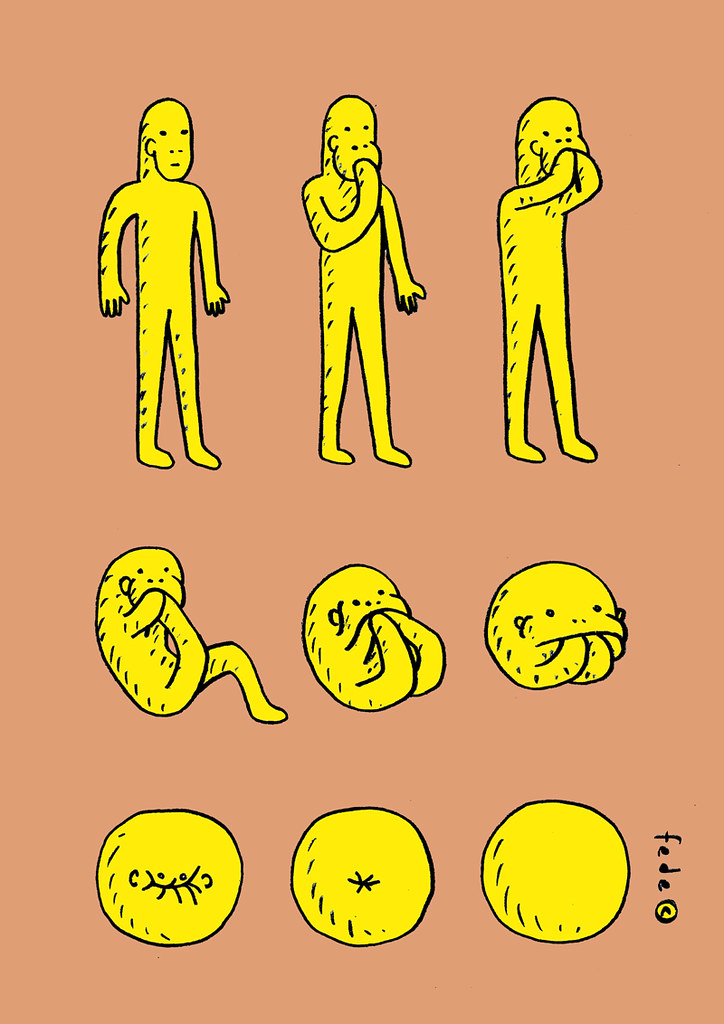
We all know someone who prefers to stay in rather than go out and party or someone who barely talk in a group setting. We may call them shy, quiet, or maybe socially awkward. But they may just be an introvert. Introversion and shyness are often times used together. However, shyness revolves around the fear of negative judgment while introversion is the preference for quiet, minimally stimulating environments. So it is possible for a person to be a shy extrovert, where the individual is afraid to speak up, fearing negative judgment, more so than exhausted in a certain social situation.

Despite the difference, there is also an overlap between shyness and introversion, e.i. many shy people are introverted. Some people are born with “high-reactive” temperaments that predispose them to both shyness and introversion. A shy person may become more introverted over time, motivated to discover the pleasures of solitude, other minimally stimulating social environments, and to move away from judgments. On the other hand, an introvert may become shy after continually receiving the message that there’s something wrong with them.

There’s a shared bias in our society against both shyness and introversion. Neither trait is welcomed in our society because studies have shown that we rank the fast and frequent talkers as more competent, likeable, and even smarter than slow and quiet talkers.

Here are 5 ways introverts can spend time that is deeply fulfilling and socially connected:

  1. Reading. Books transcend time and place. Studies have shown that reading fiction increases empathy and social skills.
  2. Enter a state of “flow” by doing work or a hobby that you love. Flow is the transcendent state of being, in which you feel totally engaged in an activity. People in flow don’t tend to wear the broad smiles of enthusiasm. When you watch them in action, the words “joy” and “excitement” don’t come to mind. But the words “engagement,” “absorption,” and “curiosity” do.
  3. Keep an informal quota system of how many times per week/month/year you plan to go out to social events and how often you get to stay home. This way you can plan which parties or get-togethers you can truly enjoy and which you don’t. So you are less likely to drive yourself mad thinking you should’ve stayed home.
  4. Have meaningful conversations.
  5. Spend time and show affection to the ones you love, whose company is so dear and comfortable that you feel neither over-stimulated nor anxious in their presence.

If you or someone you know is dealing with social anxiety or suffering from a disruption of their social life, please contact our psychotherapy offices in New York or New Jersey to talk to one of our licensed professional psychologists, psychiatrists, psychiatric nurse practitioners, or psychotherapists at Arista Counseling & Psychotherapy. Contact our Paramus, NJ or Manhattan, NY offices respectively, at (201) 368-3700 or (212) 722-1920 to set up an appointment. For more information, please visit http://www.counselingpsychotherapynjny.com/ .

Sources:

https://www.quietrev.com/wp-content/uploads/2015/05/QR_ebookMay8-2015.pdf

https://www.nytimes.com/2012/01/15/opinion/sunday/the-rise-of-the-new-groupthink.html?_r=0

https://live.staticflickr.com/627/21427437162_910d54e08e_b.jpg

Persuasion

Persuasion

By Crystal Tsui

Persuasion is the action or fact of convincing someone to do or believe something. It is used every day by individuals and even big corporations, whether it’s big adverts or a friend trying to get you to go see a concert with them. Persuasion and deception are often blurred; however, deception is the intent to “trick” someone into doing or believing something.

Some ways people persuade others are:

  • The authority bias: influenced by opinion or actions of people in a position of power.
  • Social proof: decide on how to behave by looking to what others are doing
  • Door-in-the-face technique: persuader begins with a large request and they will expect to be rejected. The persuader will ask for a smaller request (their intended goal) and rely on guilt for the victim to accept

Persuasion is used daily even if you are not aware of it. Adverts and sales people use persuasion for their job. However, you are the one doing the persuading and want to improve your skills; all you have to do is listen. Listening to the other person and always be on their side is the most important aspect of persuasion. Here are other ways to improve your persuading techniques:

  1. Be open to the recipient of the person you are trying to persuade. You want them to be relaxed
  2. Mirror their response. This gives the impression that their viewpoint has been fully received
  3. Understand their viewpoint on the subject
  4. Like the previous step, be more agreeable. People like agreeable people and they will be more willing to be accepting.
  5. Don’t use the word “but.” It negates all the previous effort on trying to be agreeable and open to their viewpoint.

Sources:

https://www.psychologytoday.com/us/blog/the-new-teen-age/201905/psychological-persuasion-techniques-used-sexual-predators

https://www.psychologytoday.com/us/blog/resolution-not-conflict/201310/want-be-more-persuasive-use-the-right-body-part-first

https://www.masscommunicationtalk.com/wp-content/uploads/2013/02/Persuasion-Its-Components-Principles-and-Techniques.jpg


Sleep: The Different Stages of Sleep

Sleep: The Different Stages of Sleep
By Crystal Tsui

Have you ever wondered why at certain times of the night you tend to be more alert and other times you dream, unaware of your surroundings? That’s because there are different stages of sleep, more specifically five stages.

  • Stage 1
  • Stage 2
  • Stage 3
  • Stage 4
  • REM (rapid eye movement)

How do we determine what stage is what? Sleep researchers use an electroencephalogram (EEG), is a method used to monitor and record electric cortical brain activity, and other instruments to help determine the stages.

In Stage 1, researchers found that this cycle is the lightest sleep. On the EEG, the frequency is slower than when we are awake. Physically, our muscles relax and our breathing occurs at a regular rate.

In Stage 2, we are less likely to be awakened. Our heart rate and temperature decreases as our body is preparing to go into a deep sleep.

In Stage 3 and 4, we begin our deep sleep. It’s harder to be awakened because at this point our body becomes less responsive to outside stimuli. In these stages, our body starts to restore itself, stimulate growth and development, boosts immune function, and builds energy for the next day.

In REM, dreaming occurs, our eyes quickly jerk in different directions, heart rate and blood pressure increase, and our breathing become fast and shallow. This stage generally lasts up to an hour and begins about 90 mins after you initially fall asleep. This is an important stage because our brain starts to consolidate all the information we have learned during the day into our long-term memory.

In children, one cycle can last up to 50-60 mins and increases to 1-1.5 hours in adults. It is advised:

  • Babies (0 months – 11 months) get 14-18 hours
  • Toddlers (1-5 yrs) get 12-13 hours
  • Children (6-10 yrs) get 8.5- 11 hours
  • Pre-teens and teenagers (11-17) get 8-10 hours
  • Adults (18-65+) get 7-9 hours of sleep

If you or someone you know has trouble sleeping, please contact our psychotherapy offices in New York or New Jersey to talk to one of our licensed professional psychologists, psychiatrists, psychiatric nurse practitioners, or psychotherapists at Arista Counseling & Psychotherapy. Contact our Paramus, NJ or Manhattan, NY offices respectively, at (201) 368-3700 or (212) 722-1920 to set up an appointment. For more information, please visit http://www.counselingpsychotherapynjny.com/ .

Citation:

https://img.timesnownews.com/story/1535107553-sleep.PNG?d=600×450

https://www.sleepassociation.org/about-sleep/stages-of-sleep/

https://www.sleep.org/articles/what-happens-during-sleep/

Am I Too Sensitive?

Am I Too Sensitive

Am I Too Sensitive?

By Julia Keys

Has anyone ever said to you in passing, “you’re so sensitive”? Our society seems to shun sensitivity without truly understanding or appreciating it. Stereotypically, a “sensitive person” is portrayed as irrationally emotional or ready to cry at any moment. In reality, sensitivity is defined by psychologists as the amount someone reacts physically, emotionally, or mentally to external and internal stimuli. Researchers have actually coined a term for someone you may describe as “sensitive”: the Highly Sensitive Person (HSP).

Highly Sensitive People, (HSP), process their external and internal environments with more attention than typical people. About 20% of the population are estimated to be a HSP. Some evolutionary psychologists suggest that HSP evolved from people that needed to be hyper vigilant in their environments to survive. Nowadays, we do not need as much extra attention to survive, but HSP are still affected by their high level of sensitivity.

It is easy to think that HSP and introversion are interchangeable traits, however there are some key differences between the two that are important to understand. HSP are not always introverts, they may like being around other people, but certain social environments can be overwhelming to their senses. Also, introversion refers to one’s preference for spending time alone versus spending time with others while sensitivity is how one processes sensory input. Although some HSP are introverted, there are definitely a fair amount that are extroverted as well.

Signs of a Highly Sensitive Person

  • Easily overwhelmed by such things as bright lights, strong smells, coarse fabrics, or sirens nearby
  • Gets more anxious than typical people when there a lot to do in a short amount of time
  • Easily disturbed by violence or graphic images
  • Feels the need to withdraw during busy days, into bed or a darkened room or some other place where they can have relief from overstimulating environments
  • Makes it a high priority to arrange their life to avoid upsetting or overwhelming situations
  •  Notices or enjoys delicate or fine scents, tastes, sounds, or works of art
  • Has a rich and complex inner life
  • Was shy or sensitive as a small child

Being an HSP can sometimes cause distress. HSP can have feelings of anxiety or stress when they are in environments that are overstimulating. Certain environments that may be enjoyable for neurotypical people such as parties, outside markets, or concerts may present too much sensory input for an HSP to enjoy. As a result, some HSP may struggle with isolation or loneliness.

On the other hand, the Highly Sensitive Person can also benefit from their heightened sensitivities to stimuli. HSP tend to be observant and perceptive, picking up on small details that others would not. As a result, many HSP are highly creative and innovative. HSP are also naturally empathetic, making them sensitive to others’ emotions and needs. HSP that balance their attention between a healthy internal and external environment reach their highest potential.

If you or someone you know is struggling with the stress being a HSP may bring, and are seeking stress management, please contact our psychotherapy offices in New York or New Jersey to talk to one of our licensed professional psychologists, psychiatrists, psychiatric nurse practitioners, or psychotherapists at Arista Counseling & Psychotherapy. Contact our Paramus, NJ or Manhattan, NY offices respectively, at (201) 368-3700 or (212) 722-1920 to set up an appointment. For more information, please visit http://www.counselingpsychotherapynjny.com/ .

Sources:

https://www.psychologytoday.com/us/blog/live-life-creatively/201906/the-creative-power-the-highly-sensitive-person

https://hsperson.com/


Source for Picture:

https://www.google.com/search?q=ripple+in+a+lake&source=lnms&tbm=isch&sa=X&ved=0ahUKEwibsYD2ztDiAhXymOAKHRgYCNoQ_AUIECgB&biw=1280&bih=561#imgrc=q1KPhEKi3gC5dM:


Narcissism

Narcissism 

Narcissism

By: Julia Keys

It is common in today’s world to call someone who is very clean “OCD”, or someone who is very active “ADHD”, or someone who is overly confident a “narcissist”.  What many people do not know is that narcissism is not an adjective to describe someone’s personality, but a real psychiatric diagnosis. The DSM IV identifies narcissism as a personality disorder. Personality disorders are characterized by a set of rigid traits, thoughts, and behaviors that are unhealthy and inflexible. Narcissistic personality disorder or (NPD) is characterized by an overinflated sense of self, preoccupation with personal success, and apathy for other’s emotions.

Signs of narcissistic personality disorder:

  • Grandiose sense of self-importance
  • Preoccupation with fantasies of success, power, brilliance, beauty.
  • Belief that one is unusually special or unique
  • Need for excessive admiration
  • Strong sense of entitlement
  • Exploitative of others
  • Lacks empathy
  • Is often envious of others or believes that others are envious of them
  • Frequent display of arrogant or haughty behavior

Although people with NPD display an arrogant and larger-than-life picture to the outside world, they can also suffer from low self-esteem internally. The constant need for approval and obsession with success can be stressful because in reality, one will never gain approval from everyone and one will never achieve everything they want.  Trouble with interpersonal relationships often results from the exploitative and apathetic behaviors that people with NPD believe will help them achieve their goals.

People with NPD can look like the perfect partner upon first meeting. They are often charismatic and appear to be very put together. However, being in a relationship with a person with NPD can be complicated and stressful. People with NPD lie frequently to get what they want, which can cause a breach of trust in a serious relationship. People with NPD rarely apologize because they lack the empathy to understand the point of view of their partners. Additionally, people with NPD think that they are perfect and will dismiss others who have opinions contrary to theirs. Although people with NPD can be extremely difficult to live with, they can still be a loved one that you care about.

If you or someone you love has narcissistic personality disorder and is struggling with the symptoms, please contact our psychotherapy offices in New York or New Jersey to talk to one of our licensed professional psychologists, psychiatrists, psychiatric nurse practitioners, or psychotherapists at Arista Counseling & Psychotherapy. Contact our Paramus, NJ or Manhattan, NY offices respectively, at (201) 368-3700 or (212) 722-1920 to set up an appointment. For more information, please visit http://www.counselingpsychotherapynjny.com/ 

Sources:

https://psychcentral.com/disorders/narcissistic-personality-disorder/

https://www.psychologytoday.com/us/blog/mind-games/201905/five-narcissistic-traits-harm-intimate-partner

Source for Picture:

https://www.google.com/search?biw=1391&bih=654&tbm=isch&sa=1&ei=UenvXLaCJeWJggeP6ZHYAw&q=narcissus+myth&oq=narcissus+&gs_l=img.1.1.0j0i67l3j0j0i67l2j0j0i67l2.620.620..2327…0.0..0.69.69.1……0….1..gws-wiz-img.eaqpLt3PV-c#imgrc=fUnycKFz1Mb7jM:&spf=1559226710308

Childhood Trauma: Effects on Adult Wellbeing

Childhood Trauma: Effects on Adult Wellbeing

Childhood Trauma: Effects on Adult Wellbeing

By: Julia Keys

The child brain grows and makes connections at a rapid rate and is extremely emotionally sensitive. Unfortunately, children that experience some sort of major trauma such as emotional, physical, or sexual abuse, neglect, war, poverty, or unsafe living conditions can be greatly negatively impacted later on in life.

Children who have parents that are for some reason unwilling or unable to provide the love and care they need oftentimes blame themselves for the lack of parental attention. In response to this lack of care, children may start to act in ways in which they feel would help the parents love them more. As the child grows up, they can become detached from their own needs because they are so focused on the love they receive from others.

Another effect of childhood trauma is victimhood thinking. Although a child may have been helpless when they were raised, self-victimization does not help an adult in the long run because it robs them of the self-empowerment they need to change their lives in the ways they desire.

Children growing up in environments where anger is expressed violently may begin to learn that anger is dangerous and therefore should be avoided. However, suppressing emotional expression is unhealthy and can cause individuals to be passive aggressive, which is an ineffective way to communicate. The most damaging effect of childhood trauma can have on an adult is the development of psychological disorders such as depression, anxiety, or post-traumatic stress disorder.

If you or someone you love is struggling with the effects of childhood trauma, please contact our psychotherapy offices in New York or New Jersey to talk to one of our licensed professional psychologists, psychiatrists, psychiatric nurse practitioners, or psychotherapists at Arista Counseling and Psychotherapy. Contact our Paramus, NJ or Manhattan, NY offices respectively, at (201) 368-3700 or (212) 722-1920 to set up an appointment. For more information, please visit http://www.counselingpsychotherapynjny.com/. 

Am I Too Sensitive?

Am I Too Sensitive? 

Am I Too Sensitive?

By: Julia Keys

Has anyone ever said to you in passing, “you’re so sensitive”? Our society seems to shun sensitivity without truly understanding or appreciating it. Stereotypically, a “sensitive person” is portrayed as irrationally emotional or ready to cry at any moment. In reality, sensitivity is defined by psychologists as the amount someone reacts physically, emotionally, or mentally to external and internal stimuli. Researchers have actually coined a term for someone you may describe as “sensitive”: the Highly Sensitive Person (HSP).

Highly Sensitive People, (HSP), process their external and internal environments with more attention than typical people. About 20% of the population are estimated to be an HSP. Some evolutionary psychologists suggest that HSP evolved from people that needed to be hyper vigilant in their environments to survive. Nowadays, we do not need as much extra attention to survive, but HSP are still affected by their high level of sensitivity.

It is easy to think that HSP and introversion are interchangeable traits, however there are some key differences between the two that are important to understand. HSP are not always introverts, they may like being around other people, but certain social environments can be overwhelming to their senses. Also, introversion refers to one’s preference for spending time alone versus spending time with others while sensitivity is how one processes sensory input. Although some HSP are introverted, there are definitely a fair amount that are extroverted as well.

Signs of a Highly Sensitive Person

  • Easily overwhelmed by such things as bright lights, strong smells, coarse fabrics, or sirens nearby
  • Gets more anxious than typical people when there a lot to do in a short amount of time
  • Easily disturbed by violence or graphic images
  • Feels the need to withdraw during busy days, into bed or a darkened room or some other place where they can have relief from overstimulating environments
  • Makes it a high priority to arrange their life to avoid upsetting or overwhelming situations
  •  Notices or enjoys delicate or fine scents, tastes, sounds, or works of art
  • Has a rich and complex inner life
  • Was shy or sensitive as a small child

Being an HSP can sometimes cause distress. HSP can have feelings of anxiety or stress when they are in environments that are overstimulating. Certain environments that may be enjoyable for neurotypical people such as parties, outside markets, or concerts may present too much sensory input for an HSP to enjoy. As a result, some HSP may struggle with isolation or loneliness.

On the other hand, the Highly Sensitive Person can also benefit from their heightened sensitivities to stimuli. HSP tend to be observant and perceptive, picking up on small details that others would not. As a result, many HSP are highly creative and innovative. HSP are also naturally empathetic, making them sensitive to others’ emotions and needs. HSP that balance their attention between a healthy internal and external environment reach their highest potential.

If you or someone you know is struggling with the stress being a HSP may bring, and are seeking stress management, please contact our psychotherapy offices in New York or New Jersey to talk to one of our licensed professional psychologists, psychiatrists, psychiatric nurse practitioners, or psychotherapists at Arista Counseling & Psychotherapy. Contact our Paramus, NJ or Manhattan, NY offices respectively, at (201) 368-3700 or (212) 722-1920 to set up an appointment. For more information, please visit http://www.counselingpsychotherapynjny.com/ .


Sources:

https://www.psychologytoday.com/us/blog/live-life-creatively/201906/the-creative-power-the-highly-sensitive-person

https://hsperson.com/

Source for Picture:

https://www.google.com/search?q=ripple+in+a+lake&source=lnms&tbm=isch&sa=X&ved=0ahUKEwibsYD2ztDiAhXymOAKHRgYCNoQ_AUIECgB&biw=1280&bih=561#imgrc=q1KPhEKi3gC5dM:

Stress: Types of Stress and What it’s All About

Stress: Types of Stress and What it’s All About

By Crystal Tsui

In our everyday lives, we deal with all different kinds of stress, whether it’s from danger, work, family, financial, or education. Here are some of the different types of stress:

  • Acute
  • Chronic
  • Eustress
  • Distress

Acute stress is our fight-or flight response where we are on high alert on our surroundings, usually lasting only 90 mins. Chronic stress is our daily stress that we typically deal with, such as bills, kids, and work. This is the kind of daily stress we tend to ignore. Eustress is our daily positive stress that motivates us to be productive such as having a baby, graduation, or meeting new friends. But the complete opposite would be distress. Distress is the daily negative stress like financial problems, work difficulties, or divorce. Most of the time we can manage our stress by exercising, mediating, or even taking time to talk to family and friends.

However, if stress is not managed properly, stress can affect your body and your immune system. Some symptoms of prolonged stress include:

  • Headaches
  • Increase likelihood of depression (such as lack of motivation)
  • Insomnia
  • Anxiety
  • Irritability

Some biological symptoms of prolonged stress include:

  • Hypertension
  • Increased risk of Diabetes Mellitus Type II
  • Increased changes in acid reflux
  • Increases risk of contracting H. Pylori (bacterium that causes gastric ulcers)
  • Erectile Dysfunction or heavier, painful menses
  • Decrease body’s response to fight off viruses, infections, and the common cold

If you or someone you know is suffering from chronic stress and are seeking stress management, please contact our psychotherapy offices in New York or New Jersey to talk to one of our licensed professional psychologists, psychiatrists, psychiatric nurse practitioners, or psychotherapists at Arista Counseling & Psychotherapy. Contact our Paramus, NJ or Manhattan, NY offices respectively, at (201) 368-3700 or (212) 722-1920 to set up an appointment. For more information, please visit http://www.counselingpsychotherapynjny.com/ .

Citations:

https://imagesvc.timeincapp.com/v3/mm/image?url=https%3A%2F%2Ftimedotcom.files.wordpress.com%2F2018%2F11%2Fstress-benefits.jpg&w=663&c=sc&poi=face&q=85

https://thehealthedge.com/wp-content/uploads/2019/02/Managing-Work-Related-Stress.jpg

https://www.stress.org/daily-life

Sleep Disorder: Narcolepsy

Sleep Disorder: Narcolepsy

By Crystal Tsui

Narcolepsy is a chronic sleep disorder that affects daytime activities. It is characterized by overwhelming drowsiness and sudden attacks of sleep. Narcolepsy affects both men and women equally in roughly 1 in 2,000 people and can be passed down genetically, but the risk of a parent passing this disorder to a child is very low. Symptoms usually start to develop between the ages of 10- 30 years old and worsen for the first few years. The symptoms of narcolepsy will remain constant throughout life.

Some symptoms of narcolepsy include:

  • Excessive sleepiness
  • Sleep paralysis
  • Hallucinations
  • Episodes of cataplexy (partial or total loss of muscle control that is often triggered by strong emotions such as laughter and joy)

Other symptoms include:

  • Transition to REM sleep is quick, usually 15 minutes
  • Insomnia
  • Restless leg syndrome
  • Sleep apnea
  • Automatic behavior (falling asleep while doing an automatic task, like driving, and continue performing task after falling asleep. When waking up and not remembering what they did)

Narcolepsy is a sleep disorder that seriously disrupts everyday life. Most common being:

  • Stigma of the condition- others might view individuals with this disorder as lazy or lethargic
  • Physical harm- increased risk of being in a car accident if a sleep attack occurs when driving
  • Low metabolism- individuals may be more likely to be overweight

Unfortunately, the exact cause is still unknown and there is no cure for narcolepsy. However, medications (stimulants), lifestyle changes, and support from others can help manage symptoms. 

If you or someone you know is suffering from narcolepsy and need help adjusting, please contact our psychotherapy offices in New York or New Jersey to talk to one of our licensed professional psychologists, psychiatrists, psychiatric nurse practitioners, or psychotherapists at Arista Counseling & Psychotherapy. Contact our Paramus, NJ or Manhattan, NY offices respectively, at (201) 368-3700 or (212) 722-1920 to set up an appointment. For more information, please visit http://www.counselingpsychotherapynjny.com/ .

Sources:

https://www.sleepfoundation.org/articles/narcolepsy

https://www.mayoclinic.org/diseases-conditions/narcolepsy/symptoms-causes/syc-20375497

https://www.o2pulmonary.com/wp-content/uploads/2016/02/narcolepsy-300×194.jpg