The History of Hypnotherapy

By Jennifer Guzman

Have you ever “zoned out” while driving and found yourself driving from one location to another without realizing how you got there? This is like how hypnosis feels, and is actually something we call “highway hypnosis”, in which you are in a natural hypnotic state.

Hypnosis is a technique that is increasingly being sought-after and used in today’s clinical practices, but little do people know that hypnosis is a technique that has been used for centuries, dating to as far back as the 4th and 5th centuries B.C. in Ancient Egypt! However, much credit is given to 18th century German physician, Frank Mesmer, who coined the term, “mesmerism” in reference to what we now call “hypnosis” and is the first dated medical practitioner to practice hypnosis for therapy. Mesmer utilized suggestion for his patients in order to cure their illness. One of the first patients with whom Mesmer used hypnosis had consisted of placing a magnet on her head in order to revitalize blood flow in her brain, which was believed to be the cause of her tooth and headaches. The magnet, coupled with Mesmer’s theatrical hand gestures had allowed the patient to believe that the fluids in her brain were stabilizing, when truly, the magnet and hand gestures had done nothing. In reality, the suggestions he was giving her were easing her aches. This discovery opened up a wide array of questions about hypnosis and brought about a new treatment to the field of psychology.

Following Mesmer was James Braid, who is regarded as the “Father of Hypnosis”. Braid delved into why hypnosis was effective during therapy session. He also conducted intensive research to identify key methods that could put someone into a trance state through analysis of the physiological components of hypnosis. Braid was the figure who coined the term, “Hypnosis”.
Much credit to modern day hypnotherapy must be attributed to 20th century psychologist, Milton H. Erickson, who created a multitude of hypnotherapy methods that are currently being used in today’s clinical practices. Erickson places great emphasis on language in order to tap into the unconscious mind. He also emphasizes the importance of allowing the patient to feel positive feelings with his aid. The methods help the patient heal through their own willpower.

Even Sigmund Freud, founder of psychoanalysis, utilized hypnosis in his therapy, although he did not inherently acknowledge that what he sometimes performed on his patients was hypnotherapy. However, Freud discarded the use of hypnosis in his practice because his techniques did not work on his patients. In order to be properly hypnotized, the hypnotist should be a licensed mental health professional, such as the psychiatrists, psychologists, and social workers at Arista Counseling & Psychotherapy.

Contrary to the popular belief that when someone is under hypnosis, they are not in control of their own bodies—this is a myth. When under hypnosis, you are free to intervene and break out of your trance state if you feel uncomfortable or become distracted; however, doing so will decrease the effectiveness of the session. In order to go through successful hypnosis, one must be willing to be hypnotized, open to suggestion, and trust the hypnotherapist.

Hypnotherapy is typically used to successfully treat issues such as Depression, Anxiety, Attention Deficit Hyperactivity Disorder (ADHD), Obsessive Compulsive Disorder (OCD), weight gain or weight loss, Insomnia, smoking cessation, and more.

If you or someone you know is interested in hypnosis or psychotherapy, please contact our offices in New York or New Jersey to make an appointment with one of the licensed professional psychologists, psychiatrists, psychiatric nurse practitioners, or psychotherapists at Arista Counseling & Psychotherapy. For hypnotherapy, please ask to make an appointment with one of our hypnotherapists at Arista Counseling & Psychotherapy. Contact our Paramus, NJ or Manhattan, NY offices respectively, at (201) 368-3700 or (212) 722-1920 to set up an appointment. For more information on our services, please visit http://www.counselingpsychotherapynjny.com/ If you or someone you know is in a crisis, please call 1-800-273-8255.

References:

Retrieved March 23, 2018, from http://www.historyofhypnosis.org/
Hammer, G.A. Orne, M.T. Hypnosis. Retrieved March 32, 2018, from https://www.britannica.com/science/hypnosis

BED: Symptoms, Statistics, and Risks

By: Cassie Sieradzky

Binge eating disorder is characterized by episodes of ingesting large quantities of food to the point of feeling sick, feeling a loss of control during the episodes, guilt and or shame following the binge, and a lack of compensatory behaviors, like purging. Binge eating disorder is the most common eating disorder in America. The recurrent episodes of binging are done within a discrete period of time and can be associated with eating faster than usual, eating until uncomfortably full, eating when not hungry, eating in private due to shame, and feeling guilty and depressed following the binge. To merit a diagnosis, binging episodes must occur at least one a week for 3 months.

Binge eating disorder is 3x more common than anorexia and bulimia combined, with a lifetime prevalence of 3.5% for women and 2% for men. BED is most prevalent in the late teens or early 20s; however it is also reported in young children and adults. About 40% of individuals diagnosed with BED are male and 3 out of 10 individuals seeking weight loss treatments show signs of this disorder.

Psychotherapy is an important part of the treatment. Psychotherapy helps the individual address and work through the emotional problems associated with BED. Individuals with this disorder are at an increased risk of developing another psychiatric disorder such as substance abuse, bulimia, or anorexia. People with BED are also at risk of engaging in self-injurious behavior, suicidal thoughts, and suicidal actions. Along with the emotional problems associated with BED, individuals with this disorder are at an increased risk for developing diabetes, abnormal cholesterol, and high blood pressure.

If you or a loved one appears to be suffering from binge-eating disorder, licensed psychologists, psychiatrists, psychiatric nurse practitioners, and psychotherapists at Arista Counseling & Psychotherapy can assist you. Contact our Paramus, NJ or Manhattan, NY offices respectively, at (201) 368-3700 or (212) 722-1920 to set up an appointment. For more information, visit http://www.counselingpsychotherapynjny.com/

Dryden-Edwards, M. R. (n.d.). Binge Eating Disorder Treatment, Symptoms & Causes. Retrieved January
23, 2018, from https://www.medicinenet.com/binge_eating_disorder/article.htm
Overview and Statistics. (n.d.). Retrieved January 23, 2018, from

Binge Eating Disorder (BED)

Seasonal Affective Disorder: What is it?

Seasonal Affective Disorder

Written by: Jinal Kapadia

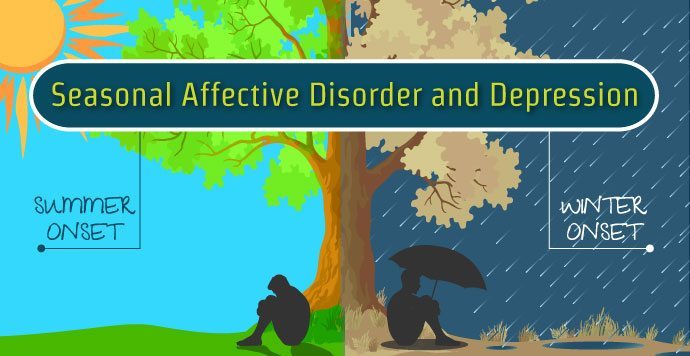
Seasonal Affective Disorder (SAD) is a peculiar disorder. In fact in is not a disorder at all. It is actually a type of depression displayed in a recurring seasonal pattern. In order to be diagnosed with Seasonal Affective Disorder, the patient must meet the full criteria for major depression coinciding with specific seasons (appearing in the winter or summer months) for at least 2 years.

Some general symptoms include feeling depressed most of the day nearly every day, feeling hopeless or worthless, losing interest in activities that were once enjoyed, having difficulty concentrating, and/or having thoughts of death or suicide. There are also specific symptoms that vary based on either the winter or summer seasons. In the winter, a person with Seasonal Affective Disorder may experience low energy, hypersomnia, overeating, weight gain, cravings for carbohydrates, and social withdrawal (feel like “hibernating”). Although, summer seasonal affective disorder is less frequent, the specific symptoms for this season include poor appetite, weight loss, insomnia, agitation, restlessness, anxiety, and episodes of violent behavior. Forms of treatment for Seasonal Affective Disorder include medication, Psychotherapy (cognitive behavioral therapy and behavioral activation), and Vitamin D supplementation.

If you or someone you know has Seasonal Affective Disorder or seems to have the symptoms of SAD, and needs help, please contact our psychotherapy offices in New York or New Jersey to talk to one of our licensed professional psychologists, psychiatrists, psychiatric nurse practitioners, or psychotherapists at Arista Counseling & Psychotherapy. Contact our Paramus, NJ or Manhattan, NY offices respectively, at (201) 368-3700 or (212) 722-1920 to set up an appointment. For more information, please visit http://www.counselingpsychotherapynjny.com/.

Source: Seasonal Affective Disorder. (2016, March). Retrieved January 09, 2018, from https://www.nimh.nih.gov/health/topics/seasonal-affective-disorder/index.shtml