Prescription Drugs and Side Effects

Prescription Drugs and their Side Effects

Emily Ramos

The truth of the matter is that many prescription drugs contain side effects. It is hard to predict whether or not an individual will experience side effects, it depends on how their body reacts to the drug. The good thing is that there are steps an individual can take to reduce the risks. If the side effects persist you can speak with your doctor who can prescribe a lower dosage or a different medication. DO NOT stop taking medication if you experience a side effect, always speak with your doctor. They might have to wean you off of the drug instead of stopping all together. Here’s how you can learn about possible side effects and how to avoid them:

  • Before getting prescribed medicine, ask your doctor about possible side effects that may occur. For example, if nausea is a side effect your doctor may recommend that you eat or drink before taking the medication.
  • Once you start taking medication take note of any symptoms that arise and tell your doctor about them. This will give your doctor a better understanding.
  • Other ways to prevent side effects are to make appropriate lifestyle changes. For example: if a medication causes you to gain weight you will have to pay more attention to your nutrition and incorporate exercise plans.

It may take a few trial and errors before your doctor is able to find a medication that works best for you. That is why it is crucial to be honest with your doctor before and after he or she prescribes medication.

If you or a person you know is struggling with medication, it may be beneficial to contact a mental health professional and receive therapy. The psychologists, psychiatrists, and therapists at Arista Counseling and Psychiatric Services can help. Contact the Bergen County, NJ or Manhattan offices at (201) 368-3700 or (212) 722-1920. Visit http://www.acenterfortherapy.com for more information.


Cause of ADHD

Isabelle Kreydin

ADHD stands for attention deficit hyperactive disorder. It’s typical symptoms are easily distracted, has trouble organizing tasks, is forgetful, fidgets, squirms, or is restless, talks excessively or has trouble staying quit, always seems on the go, and sometimes can be impulsive and act without thinking or interrupt.

It’s really important to educate oneself about this disability because despite hard work and great efforts, it may be hard to stay focused on a certain goal and it may be difficult to be around students and coworkers whom can function normally without their body and brain working in a different function to distract them.

ADHD is frequently confused for being caused by external environments. However, it is the result of low or imbalance levels of chemicals in the brain, specifically neurotransmitters. The two specific neurotransmitters that are implicated in ADHD are dopamine, and norepinephrine. These specific chemicals that carry messages in the brain are related to hyperactivity, inattention and impulsiveness.

Fortunately, there has been medications made that are known to work to avoid consequences associated with the symptoms of ADHD, such as poor academic performance, difficulty in academic performance, trouble in peer relationships, low self-esteem, etc.

These medications target these neurotransmitters and allow ones to control their symptoms better throughout the duration of the day. They are best combined with learning strategies and behavior modification, in the school, home, and academic environments. It’s important to try the medicines and see which one is best to help, since everybody’s chemical makeup is different and has a different reaction to certain medicines. Examples of these are Adderall and Mydais.

If you or a person you know is struggling with a narcissistic personality disorder, or any personality disorder, it may be beneficial to have them contact a mental health professional and receive therapy for their illnesses. The psychologists, psychiatrists, and therapists at Arista Counseling and Psychiatric Services can help.  Contact the Bergen County, NJ or Manhattan offices at (201) 368-3700 or (212) 722-1920.  Visit http://www.acenterfortherapy.com for more information.

Gambling Addiction

By: Heather Kaplan

Gambling is defined as playing games for a chance to either win or lose money. One who is a compulsive gambler is someone who is unable to resist their impulses to gamble. This leads to severe disturbances in their personal and social lives. The urge to gamble becomes so great that this tension can only be relieved by more gambling. One who exhibit such behavior can be classified to have a gambling addiction. Unfortunately, many gambling addicts are not aware that they have a problem. They only begin to realize the severity of the issue when they hit ‘rock bottom’.

There are various symptoms that indicate that someone is a compulsive gambler. One who has a gambling addiction usually progresses form occasional to habitual gambling. He begins to risk more and more money, which can lead to both financial and personal instability. Someone is said to have a gambling addiction if four (or more) of the following have been demonstrated in the last twelve months:

1. Needing to gamble progressively larger amounts of money to feel the same (or more) excitement

2. Having made many unsuccessful attempts to cut back or quit gambling

3. Feeling restless or irritable when trying to cut back or quit gambling

4. Preoccupation or excessive thoughts (planning next gambling venture, thinking of ways to get more money to gamble with)

5. If the person is using gambling to escape problems of distress, sadness or anxiety

6. Gambling larger amounts to try to recoup previous losses

7. Lying about the amount of time and money spent gambling

8. Relying on others to borrow money due to significant gambling losses

Gambling addiction is a significant problem in the United States, impacting 1-3% of adults, men more often than women. Various complications can arise from having a gambling addiction. Those with such gambling behavior often have problems with alcohol and other substances. These people also tend to have financial, social, and legal problems. Those with gambling addictions are also at higher risk for considering or attempting suicide.

If you or a loved one is exhibiting any of the eight behaviors listed above, you may be at risk for developing a gambling addiction. The licensed psychologists, psychiatric nurse practitioners and psychotherapists at Arista Counseling & Psychotherapy are here to help. Contact our Paramus, NJ or Manhattan, NY offices respectively at (201)-368-3700 or (212)-722-1920 to set up an appointment. For more information, visit http://www.counselingpsychotherapynjny.com/


Narcissistic Personality Disorder

Isabelle Kreydin

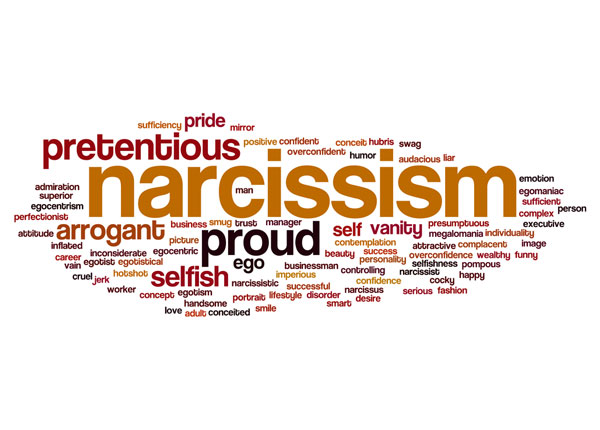
You’ve heard about bipolar personality obsessive-compulsive disorder, paranoia disorder, and probably a handful of other ones. One of the less uncommon and less discussed one is narcissistic personality disorder. This is a mental condition in which a person has an inflated sense of their own importance, a deep need for excessive attention and admiration, troubled relationships, and a lack of empathy for others.

What lies behind the disorder? Behind the mask of extreme confidence, arrogance and/or pompousness there is a fragile self-esteem that’s vulnerable to the slightest criticism, insult, or contempt. They may find their relationships unfulfilling, and others may not enjoy being around them when they feel the persons need for superiority which can lead to actions and words of disrespect.

Why does this disorder get diagnosed? Most believe that the causes are due to genetics as well as social factors, and the person’s early development such as family, personal temperament, school system, and learned coping skills to deal with stress.

What are some more possible symptoms? It’s their way or the highway, they won’t ever be wrong in situations, and if they admit to be wrong, they will put another down just in order to convince themselves that they are in the right, they can have ease lying; they can charm, falsely accuse, mooch, betray, mirror, compete, destroy, and manipulate easily. They are known also to commonly abuse drugs, alcohol or nicotine.

What problems does this disorder cause? It causes unstable and trouble in relationships, work, school or financial affairs. People with narcissistic personality disorder may be generally unhappy, and may take this out on another human and gain the personality trait that is sadistic.

How can we help the issue? After acceptance, treatment of this personality disorder typically involves long-term therapy, possible medication, and continuing to relate better with others in relationships, working towards empathy, understanding the cause of ones emotions and what drives one to compete and distrust, practicing tolerance, and trying to release ones desire for unattainable goals and ideal conditions.If you or a person you know is struggling with a narcissistic personality disorder, or any personality disorder, it may be beneficial to have them contact a mental health professional and receive therapy for their illnesses. The psychologists, psychiatrists, and therapists at Arista Counseling and Psychiatric Services can help.  Contact the Bergen County, NJ or Manhattan offices at (201) 368-3700 or (212) 722-1920.  Visit http://www.acenterfortherapy.com for more information.

To find out more information, visit: https://www.mayoclinic.org/diseases-conditions/narcissistic-personality-disorder/symptoms-causes/syc-20366662