Borderline Personality Disorder (BPD): A Simple Guide

Premium Vector | Personality disorder concept

Borderline Personality Disorder (BPD): A Simple Guide

By: Katerina Kostadimas

Borderline Personality Disorder (BPD) is a mental health condition that affects the way a person thinks, feels, and interacts with others. People with BPD often struggle with intense emotions, unstable relationships, and a strong fear of abandonment.

What Are The Symptoms of BPD?

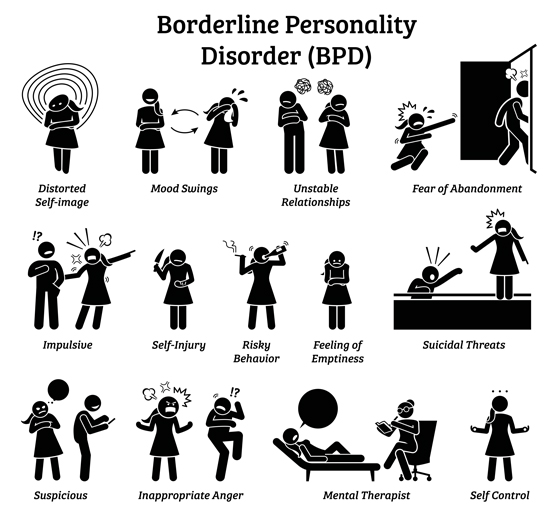
BPD symptoms are different for everyone, but common signs include:

  1. Emotional Instability
  2. Fear of abandonment
  3. Unstable Relationships
  4. Impulsive Behaviors
  5. Self-harm or Suicidal Thoughts
  6. Identity Issues
  7. Chronic Feelings of Emptiness
  8. Intense Anger
  9. Paranoia or Dissociation

What Causes BPD?

There is no single cause of BPD, but factors that may contribute include:

  • Genetics
  • Brain Differences
  • Trauma or Childhood

How Is BPD Treated?

BPD is treatable, and many people learn to manage their symptoms with the right help. Some common treatments include:

  • Therapy—Dialectical Behavior Therapy (DBT) has been said to be the most effective treatment. It teaches skills to manage emotions, build healthy relationships, and reduce impulsive behaviors.
  • Medication- While there is no specific medication for borderline personality disorder, some people benefit from antidepressants, mood stabilizers, or antipsychotic medications to manage symptoms.
  • Support System- Having understanding friends, family, or support groups can make a big difference in managing BPD.

If you or someone you love has BPD, know that recovery is possible. With the right treatment and support, people can build stable relationships, manage emotions, and lead fulfilling lives. 

If you or someone you know is struggling with borderline personality disorder, please contact our psychotherapy offices in New York or New Jersey to talk to one of our licensed professional psychologists, psychiatrists, psychiatric nurse practitioners, or psychotherapists at Arista Counseling and Psychotherapy. Contact our Paramus, NJ, or Manhattan, NY offices respectively, at (201) – 368-3700 or (212)-722-1920 to set up an appointment. For more information, please visit https://www.counselingpsychotherapynjny.com/

Reference:

https://www.mayoclinic.org/diseases-conditions/borderline-personality-disorder/symptoms-causes/syc-20370237

Emotional Dysregulation Disorder: What is it?

Emotional Dysregulation Disorder: What is it?

By Sherry Yang

Emotional dysregulation disorder (EDD), also known as borderline personality disorder, is a mental illness that is characterized by severe emotional instability. Those with EDD are constantly changing their feelings about themselves and others, and only feel emotions on extreme levels. EDD significantly affects impulsivity, self-image, and relationships. It can be caused by family history, brain structure, or environmental factors such as trauma. Symptoms may include:

  • A pattern of unstable relationships with loved ones
  • Distorted and unstable sense of self
  • Impulsive and possibly dangerous behaviors
  • Self-harming or suicidal thoughts
  • Difficulties controlling anger
  • Feelings of dissociation
  • Intense and unstable moods and emotional episodes
  • Problems with real or perceived abandonment

Although EDD may appear similar to another mental illness, bipolar disorder, these two are notably different. Bipolar disorder causes extreme mood swings with emotional highs and lows; the highs are feelings of mania and the lows are feelings of depression. This disorder does not have as much emphasis on relationships and self-image, which are key to EDD.

If you or someone you know is struggling with emotional dysregulation disorder, please contact our psychotherapy offices in New York or New Jersey to talk to one of our licensed professional psychologists, psychiatrists, psychiatric nurse practitioners, or psychotherapists at Arista Counseling and Psychotherapy. Contact our Paramus, NJ or Manhattan, NY offices respectively at (201)-368-3700 or (212)-722-1920 to set up an appointment. For more information, please visit https://www.counselingpsychotherapynjny.com

References:

https://www.nimh.nih.gov/health/publications/borderline-personality-disorder

https://www.mayoclinic.org/diseases-conditions/bipolar-disorder/symptoms-causes/syc-20355955

Intergenerational Trauma: What is it?

Intergenerational Trauma: What is it?

By Erika Ortiz

            Intergenerational trauma is a term used to describe the difficulties or challenges a family has experienced for generations. Intergenerational trauma can inflict negative feelings and experiences through either an individual or the family as a whole. It usually starts with one family member who has had a traumatic experience. The family members then goes on to either repeat the action that traumatized them or project their feelings onto family members, continuing the cycle of trauma. Historical trauma can catalyze intergenerational trauma. For example, a great-grandmother survived the Holocaust; however, she now behaves in a very reserved and cold manner, so she struggles to express emotions such as love and compassion. Since she raised her children in such a manner, they may grow and have children and display that same type of avoidant relationship. Another example can be that a mother was sexually abused when she was younger, her daughter was also sexually abused, and her granddaughter suffered from that experience. The individual who suffers the trauma can pass down and then project the feelings that were felt at the time of the incident. Since they most likely did not receive the proper care and treatment to manage the mental health issues that they were experiencing, they relayed that same traumatic feeling to the next generation of their family. Hence, it is critical to seek professional help. Here are some ways to cope/deal with inter-generational trauma:

  • Break the cycle- interrupt and prevent the repetition of trauma
  • Hear each other out- although this can be difficult, listening is key to fixing
  • Get the professionals involved- the best way to cope with any mental health issue or fragmented relationship is to get a qualified professional’s help


Source:

https://www.choosingtherapy.com/intergenerational-trauma/

If you or someone you know is experiencing intergenerational trauma or other traumas, please contact our psychotherapy offices in New York or New Jersey to talk to one of our licensed professional psychologists, psychiatrists, psychiatric nurse practitioners, or psychotherapists at Arista Counseling & Psychotherapy. Contact our Paramus, NJ or Manhattan, NY offices respectively at (201) 368-3700 or (212) 722-1920 to set up an appointment. For more information, please visit https://www.counselingpsychotherapynjny.com

Borderline Personality Disorder in Men

Borderline Personality Disorder in Men

By Jenn Peraza

Borderline Personality Disorder (also known as BPD) is a personality disorder that is categorized in the DSM-V by intense fears of abandonment, emotional instability in everyday life and relationships, and a distorted sense of self. Studies have found that while BPD is equally as prevalent in men as it is in woman, statistically speaking, seventy-five percent of people with BPD are female. So why are females most likely to get diagnosed with BPD?

While the criteria for men and women with BPD are the same, men and women are more likely to exhibit different maladaptive behaviors. Women will most likely self-harm through eating disorders and cutting while men will more likely self-harm using substances and head banging. Due to this, men are more likely to end up in prison for violent behavior while women are more likely to seek mental health resources to deal with their self-harm.

There’s also a societal stigma around men receiving mental health help. While women are seen as emotional creatures, men are seen as unemotional and are told to “suck it up” or “man up” when they’re upset. Another factor is that the maladaptive behaviors of BPD are discouraged in women and encouraged in men. Men who have tumultuous relationships, aggressive behavior, and exert violent behavior are more likely praised in society than women who express the same symptoms.
Despite this, it is necessary to clear one’s mind of what is seen as typical behavior for men and to encourage the men in your lives to seek mental health help. By overcoming stigmas, more men can receive the necessary help for BPD and live fulfilling lives.

If you or someone you know is seeking therapy for a personality disorder, please contact our psychotherapy offices in New York or New Jersey to talk to one of our licensed professional psychologists, psychiatrists, psychiatric nurse practitioners, or psychotherapists at Arista Counseling & Psychotherapy. Contact our Paramus, NJ or Manhattan, NY offices respectively, at (201) 368-3700 or (212) 722-1920 to set up an appointment. For more information, please visit http://www.counselingpsychotherapynjny.com/

SOURCE:  https://www.verywellhealth.com/borderline-personality-disorder-in-men-5096081

Borderline Personality Disorder: A Battle Within The Mind

Borderline Personality Disorder: A Battle Within The Mind

By: Arianna DiRaggio

Personality disorders can often go unnoticed. This is because they are typically difficult to spot and hard to treat. It is very easy to dismiss or look past one’s behavior and simply label it as their personality, never looking more into it. Since it is so difficult to spot, it is important for these individuals to seek help for themselves when the symptoms may be atypical or cause distress.

Borderline personality disorder, also known as BPD, is a mental health disorder characterized by instability and impulsivity. This instability and impulsivity often makes it difficult to function in everyday life.

Symptoms of BPD:

  • Efforts to avoid real or imagined abandonment
  • A pattern of unstable and intense interpersonal relationships
  • Persistent and unstable sense of self
  • Impulsive behaviors
  • Self-harming behavior
  • Rapidly changing mood swings
  • Feeling like they are “losing touch with reality”
  • Difficulty regulating emotional reactions

About 2% of adults are affected by BPD and 75% of those affected are women. Luckily, considerable amounts of research on BPD have been done over the years, allowing us to further understand and assist those struggling with BPD. Different forms of therapy, medications and holistic treatments have all shown positive effects in helping to suppress symptoms. 

If you or a loved one is suffering from Borderline Personality Disorder, please contact Arista Counseling & Psychotherapy, located in New York and New Jersey to speak to licensed professional psychologists, psychiatrists, psychiatric nurse practitioners or psychotherapists. To contact the office in Paramus NJ, call (201) 368-3700. To contact the office in Manhattan, call (212) 722-1920. For more information, please visit http://www.counselingpsychotherapynjny.com/ .

Sources: 

https://www.psychologytoday.com/us/basics/borderline-personality-disorder

https://www.mayoclinic.org/diseases-conditions/borderline-personality-disorder/symptoms-causes/syc-20370237

https://www.dummies.com/health/mental-health/borderline-personality-disorder-for-dummies-cheat-sheet/

Borderline Personality Disorder and Bipolar Disorder; Distinguishing Between the Two

Borderline Personality Disorder and Bipolar Disorder; Distinguishing Between the Two

By: Stacey Rodriguez

Borderline Personality Disorder (BPD) and Bipolar Disorder (BD) have many overlapping symptoms, causing them to manifest similarly. BPD is characterized by a pattern of unstable emotion, behavior and self-image. Similarly, BD is marked by unusual and extreme shifts in energy and mood.

Mood swings in the context of BPD are more frequent, shorter lived, and triggered by situational factors; they are largely a product of a distorted perception of reality fueled by dysfunctional core beliefs. Contrastingly, manic and depressive episodes experienced by those with BD are not directly induced by external stimuli, but rather a result of chemical imbalances. These episodes last for a minimum of 7 days and can be intersected by symptom free periods. While impulsivity is a key marker in both, it is important to note that in bipolar disorder it occurs most frequently during periods of mania, whereas it is unrelated to mania in BPD.

A common correlation between the two disorders is family history. Though, history of trauma seems to be a distinguishing factor as it is most particular to BPD, whereas genetics seem to play a larger part in BP.

Though BPD and BD are distinctly separate, in some cases, they can co-occur. While being informed on the nature of these two disorders is beneficial, it is essential for an individual to seek help from a mental health specialist if either seem to be present.

If you or someone you know is seeking therapy for Bipolar Disorder or Borderline Personality Disorder, please contact our psychotherapy offices in New York or New Jersey to talk to one of our licensed professional psychologists, psychiatrists, psychiatric nurse practitioners, or psychotherapists at Arista Counseling & Psychotherapy. Contact our Paramus, NJ or Manhattan, NY offices respectively, at (201) 368-3700 or (212) 722-1920 to set up an appointment. For more information, please visit http://www.counselingpsychotherapynjny.com/

Sources: https://www.nami.org/Blogs/NAMI-Blog/June-2017/Borderline-Personality-Disorder-and-Bipolar-Disord

https://www.medicalnewstoday.com/articles/324375#diagnosis

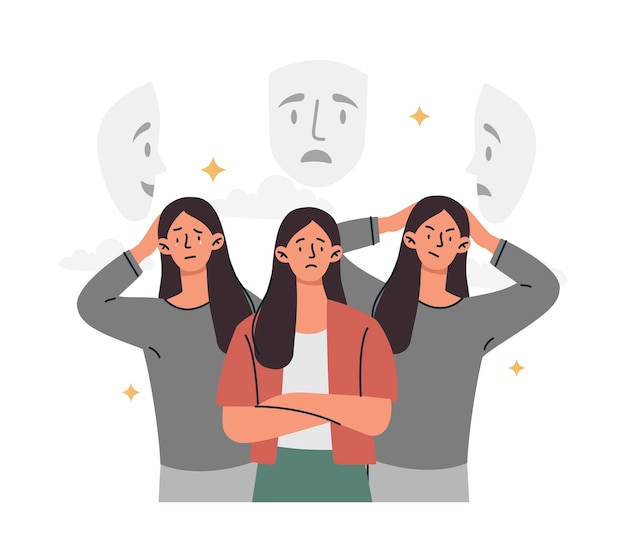
Image Source: https://ibpf.org/how-to-know-if-you-have-bipolar-disorder-adhd-or-borderline-personality-disorder/

Borderline Personality Disorder (BPD): Understanding BPD and how to Appropriately Respond to Provocations as a Loved One

Living with Borderline Personality Disorder (BPD) not only affects the individual, but those with whom they have formed a relationship. Relationships are present and strong, but experience more turbulence due to key symptoms of BPD such as: intense reactions, self- doubt, extreme idolization or devaluation, fear of abandonment, mood swings, risky behaviors, etc. There is no one “cause” of a personality disorder like BPD, but studies show that patients with BPD come from families of severe pathology leading to their provocative behavior patterns.

People with BPD engage in provocative behaviors like making wild accusations, over- the- top demands, threatening suicide, etc., all with the intention of being invalidated by their counterparts as they have been their whole life. They feel invalidated (which fuels self- doubts) when they evoke one of three reactions from their counterpart: anxious helplessness, anxious guilt, or overt hostility. If these reactions are displayed, their poor behavior is rewarded and will continue, and feelings of self- doubt are reaffirmed.

When someone with BPD makes a wild accusation, resist invalidating them while disagreeing with the accusation. If they say, for example, “I can tell you hate me,” you can reply with, “I’m sorry you feel that way. I wish there was something I could do that would convince you I love you.” Here, you are disagreeing with the accusation while validating their feelings, and not showing one of the craved reactions. Their poor behaviors are thus not rewarded and feelings of self- doubt are not reaffirmed. Further, simply listen and be attentive. People with BPD most likely grew up being invalidated so they want to feel cared about. When talking to someone with BPD, incorporate the counseling technique “reflection of feelings”. This is defined by interpreting one’s feelings based on their verbal and nonverbal cues. When you’re able to interpret someone’s feelings, it demonstrates that you are paying attention and care, which is of utmost importance to someone with BPD.

If you or someone you know is seeking therapy for a codependent relationship, please contact our psychotherapy offices in New York or New Jersey to talk to one of our licensed professional psychologists, psychiatrists, psychiatric nurse practitioners, or psychotherapists at Arista Counseling & Psychotherapy. Contact our Paramus, NJ or Manhattan, NY offices respectively, at (201) 368-3700 or (212) 722-1920 to set up an appointment. For more information, please visit http://www.counselingpsychotherapynjny.com/

Sources:

https://www.nami.org/Personal-Stories/What-Is-BPD

https://www.psycom.net/personality-disorders/bpd-and-relationships/

https://www.psychologytoday.com/us/blog/matter-personality/201401/responding-borderline-provocations-part-iii

https://www.psychologytoday.com/us/blog/matter-personality/201403/responding-borderline-provocations-part-iv

https://www.psychologytoday.com/us/blog/matter-personality/201403/responding-borderline-provocations-part-v

https://www.psychologytoday.com/us/blog/matter-personality/201405/responding-borderline-provocations-part-vi

Borderline Personality Disorder: Helping Yourself and Your Family

By Argie Dabrowski

Borderline personality disorder (BPD) is a Cluster B personality disorder. Like other disorders in this category, including histrionic, narcissistic, and antisocial personality disorder, BPD is characterized by unpredictable, dramatic, and overly-emotional behavior and thoughts. Specific to borderline patients is a persistent fear of abandonment by others, which leads to unstable relationships, suicidal gestures, self-damaging behavior, anger and emptiness, and even dissociative symptoms. For those with this condition, their symptoms not only interfere with their daily functioning but can also strain their closest personal relationships. Having a family member that suffers from a personality disorder can be a difficult and distressing experience. When it comes to coping with borderline personality disorder in family members, steps can be taken to help both them and yourself.

First of all, it is important to remember that it is not your job to treat and constantly provide reassurance for a borderline family member. You can still show that you love and care about them, but not to the point that it affects your own mental health. It may be difficult, but you should not put your own life on hold for someone else or be their punching bag, verbally or physically. At that point, it is imperative to step away from the situation and allow the person to seek help on their own. Professional help is available to them in the form of medication and therapy.

Although there are no BPD-specific drugs, medications can be used if the patient is experiencing symptoms of other disorders with their BPD. For example, some people with borderline personality disorder experience depressive episodes so they may be prescribed antidepressants, such as escitalopram or fluoxetine. Mood-stabilizers can also be used and if a patient also has psychotic features, they may be treated with antipsychotics.

Besides medication, there are also multiple types of therapy that can be used to treat borderline personality disorder. Dialectical behavior therapy is a treatment that is available and is used to treat BPD specifically. Through this therapy, patients work on their ability to cope with their intense emotional responses and learn the skills needed to deal with crises and other distress in a healthy manner. It is easy to be overwhelmed when faced with borderline personality disorder in family members, but help is out there.

If you or someone you know is struggling with borderline personality disorder, please contact our psychotherapy offices in New York or New Jersey to talk to one of our licensed professional psychologists, psychiatrists, psychiatric nurse practitioners, or psychotherapists at Arista Counseling & Psychotherapy. Contact our Paramus, NJ or Manhattan, NY offices respectively, at (201) 368-3700 or (212) 722-1920 to set up an appointment. For more information, please visit http://www.counselingpsychotherapynjny.com/

Sources:
mayoclinic.org/diseases-conditions/personality-disorders/symptoms-causes/syc-20354463
psychologytoday.com/us/blog/matter-personality/201312/borderline-provocations-part-ii-how-not-respond
mayoclinic.org/diseases-conditions/borderline-personality-disorder/diagnosis-treatment/drc-20370242
psychcentral.com/lib/an-overview-of-dialectical-behavior-therapy/

Image Source:
pathwaysreallife.com/borderline-personality-disorder-treatment/

Anxiety, Depression, Eating Disorders, ADHD, Et al: How to Support a Friend with Mental Illness

By: Sarah Cohen

When helping a friend with a mental illness, the first step should be assessment of their symptoms. Sometimes they just might be going through a difficult time, but if certain common symptoms associated with mental health issues persist it is imperative to respond sensitively. Majority of the time, friends will just want to know they have your support and that you care about them. A good way to show your support is by talking to them. If you provide a non-judgmental space for them to speak about their issues it will help encourage them to be open with their problems. Let them lead the conversation and don’t pressure them to reveal information. It can be incredibly difficult and painful to speak about these issues and they might not be ready to share everything. If you aren’t their therapist do not diagnose them or make assumptions about how they are feeling, just listen and show you understand. If someone doesn’t want to speak with you, don’t take it personally, just continue to show them you care about their wellbeing and want to help as much as possible. Just knowing they have support can give them the strength they need to contact someone who can help them.

If a friend is having a crisis, such as a panic attack or suicidal thoughts, you must stay calm. Try not to overwhelm them by asking a lot of questions and confronting them in a public setting. Ask them gently what would be helpful to them right now or reassure them. If they hurt themselves, get first aid as soon as possible. If someone is suicidal, contact the suicide hotline at 800-237-8255 immediately.

The best way to help someone is by connecting them to professional help. By expressing your concern and support you can show them that they can get help and their mental health problems can be treated.

If you or someone you know needs support with their mental illness, please contact our psychotherapy offices in New York or New Jersey to talk to one of our licensed professional psychologists, psychiatrists, psychiatric nurse practitioners, or psychotherapists at Arista Counseling & Psychotherapy. Contact our Paramus, NJ or Manhattan, NY offices respectively, at (201) 368-3700 or (212) 722-1920 to set up an appointment. For more information, please visit http://www.counselingpsychotherapynjny.com/

https://www.mentalhealth.org.uk/publications/supporting-someone-mental-health-problem

https://www.mentalhealth.gov/talk/friends-family-members

CBT & DBT

Image result for cbt and dbt therapy

CBT & DBT

By: Vanessa Munera

When it comes to psychotherapy, there are different types. Psychotherapy is also known as “talk therapy”. According to the American Psychiatric Association, “Psychotherapy is a way to help people with a broad variety of mental illnesses and emotional difficulties”. This is when an individual speaks with a therapist or psychologist in a safe and confidential environment. During these talk sessions, you are able to explore and understand your feelings and behaviors, and develop coping skills. In fact, research studies have found that individual psychotherapy can be effective at improving symptoms in a wide array of mental illnesses, making it both popular and versatile treatment. There are different types of psychotherapy that can assist people. The most common types of psychotherapy are Cognitive Behavioral Therapy (CBT) and Dialectical Behavioral Therapy (DBT).

Cognitive Behavioral Therapy or CBT, is a form of therapy that consists of focusing on exploring relationships among a person’s thoughts, feelings and behaviors. This type of therapy helps patients gain control over and accept unwanted thoughts and feelings so that they can better manage harmful or unwanted behaviors. CBT is usually used to treat conditions related to anxiety, depression, substance abuse, eating disorders, and social skills. As a matter of fact, Cognitive Behavioral Therapy has been shown to be an effective treatment for these conditions, as well as improving brain functioning. CBT can benefit people at any age, such as a child, adolescent, and adult.

Dialectical Behavioral Therapy, or DBT, is a type of therapy that was originally designed to help individuals with borderline personality disorder (BPD). Over time, this type of therapy has been adapted to help treat people with multiple different mental illnesses, but it is mostly used to treat patients who have BPD as a primary diagnosis. Although DBT is a form of CBT, it has one big exception: it emphasizes validation and accepting uncomfortable thoughts, feelings and behaviors instead of struggling with them. DBT allows patients to come in terms with their troubling thoughts, emotions, or behaviors that they have been struggling with. Studies of Dialectical Behavior Therapy have shown effective long-term improvements for those suffering from mental illness. DBT also helps lower the frequency and severity of dangerous behaviors, utilizes positive reinforcement to promote change, and helps individuals translate what they learned in therapy to everyday life.


References:

https://www.nami.org/learn-more/treatment/psychotherapy

https://manhattanpsychologygroup.com/difference-dbt-cbt-therapies/

https://www.psychiatry.org/patients-families/psychotherapy