Relationships: The Impact of Attachment Styles

Relationships: The Impact of Attachment Styles

Relationships: The Impact of Attachment Styles

By: Julia Keys

Did you know that the way one develops an attachment to their mother as an infant has a profound effect on their adult relationships? Attachment styles were first studied in detail by the developmental psychologist Mary Ainsworth in her experiment called “the strange situation”. In the strange situation, Ainsworth had a mother and a child play together for about three minutes and then the mother left the room. Next, a stranger would enter the room and play with the child for about three minutes and then they would leave. Finally, the child’s mother would re-enter the room and resume playing with their child. Ainsworth was most interested in observing the child’s behavior when their mother re-entered the room.

Upon careful examination, Ainsworth found three distinct patterns of behavior in infants when their mothers re-entered the room. If the child was upset, but then easily soothed by their mother upon re-entry, Ainsworth deemed them as having a secure attachment style. If the child was indifferent to their mother upon re-entry, Ainsworth would label them with an insecure avoidant attachment style. Finally, if the infant shows conflicting behavior upon the mother’s re-entry such as clinginess and then subsequent rejections of affection, Ainsworth would say they had an insecure ambivalent attachment style. Insecure ambivalent children are unpredictable in terms of their parental reactivity.

Ainsworth hypothesized that children’s reactions were a result of how their parents responded to their needs. Hypothetically, infants with secure attachment styles have their basic needs met consistently by their parents. This leads the secure infant to show a healthy dependence on their parents. Infants with an insecure avoidant attachment have their needs minimally met by their parents, which leads them to be independent and self-soothing. Infants with insecure ambivalent attachment styles have their needs met inconsistently from their caregivers, which results in confusion and conflicting behaviors.

So how does this “strange situation” relate to people later on in life? Researchers have found that attachment styles follow infants into adulthood and impact their behavior in relationships. While the behavior infants exhibited in the experiment relied on whether or not basic needs such as food, water, or comfort were met, attachments styles in adults tend to manifest themselves in more complicated ways.  Secure adults tend to have healthy and satisfying relationships where they can receive and offer support as needed.  Avoidant adults seek independence in relationships and oftentimes can appear a bit callous to their own emotions. Avoidant adults aren’t likely to offer support to their partners because they rarely depend on it themselves. Finally, ambivalent adults fear being either too close or too far from their partner, causing them to feel confused by their feelings and act in unpredictable ways in the relationship.

Although attachment styles are habits that people have probably been practicing subconsciously for all their lives, they are not permanent. Individual or couples therapy can help those struggling with their own emotions or communication skills.

If you or someone you know is struggling in a relationship, please contact our psychotherapy offices in New York or New Jersey to talk to one of our licensed professional psychologists, psychiatrists, psychiatric nurse practitioners, or psychotherapists at Arista Counseling & Psychotherapy. Contact our Paramus, NJ or Manhattan, NY offices respectively, at (201) 368-3700 or (212) 722-1920 to set up an appointment. For more information, please visit http://www.counselingpsychotherapynjny.com/ .

Sources:

https://www.simplypsychology.org/mary-ainsworth.html

https://www.psychologytoday.com/us/blog/compassion-matters/201307/how-your-attachment-style-impacts-your-relationship

Source for Picture:

https://www.bing.com/images/search?view=detailV2&id=DF3FB2F4C4A9AF591D1BF6EA44071E6C780F6937&thid=OIP.P_BQQ_87MEADJ_8AobvpHQHaE8&mediaurl=https%3A%2F%2Fcarehere.com%2Fwp-content%2Fuploads%2F2016%2F07%2Fcouple_walking.jpg&exph=1280&expw=1920&q=couple+on+a+walk&selectedindex=6&ajaxhist=0&vt=0&eim=1,2,6


Healthy ways to get over a break-up

1

By: Jasmine Coe


A “break-up”, a phrase we are all familiar with and dread when it comes. The pain of a break-up is always the worst, having to create new daily routines, keeping the other person out of your mind, and not having everything remind you of your relationship. Physical pain doesn’t even hurt as much as the emotional and mental anguish that we deal with every day after a break-up, but why keep putting ourselves through that? Why keep allowing ourselves to drown in sorrow instead of putting up a fight and not letting our past conquer our future. Well, I have good news for you, TODAY is the day that all ends.

Here are a few things that we tend to do, but should be avoided:

  1. Speaking negative about yourself
  2. Ruminating on your mistakes
  3. Idealizing your significant other
  4. Avoiding relationships
  5. Dodging activities you enjoy
  6. Shunning loved ones
  7. Keeping reminders of them

Don’t deter yourself from starting the next chapter in your life. Look for these signs and go out of your way to escape them.


Source:

https://www.psychologytoday.com/us/blog/the-squeaky-wheel/201501/7-mistakes-you-need-avoid-after-breakup

Image:

http://www.newspatrolling.com/why-people-break-up/


If you or someone you know needs help coping with a break-up or relationship issues, please contact our psychotherapy offices in New York or New Jersey to talk to one of our licensed professional psychologists, psychiatrists, psychiatric nurse practitioners, or psychotherapists at Arista Counseling & Psychotherapy. Contact our Paramus, NJ or Manhattan, NY offices respectively, at (201) 368-3700 or (212) 722-1920 to set up an appointment. For more information, please visit http://www.counselingpsychotherapynjny.com/.


Stress

By: Estephani Diaz 

At some point in time, we have all dealt with stress. Whether it’s from finances, school, or a major life change, such as moving, we all go through it. It is the way our body responses to any demand or threat, leading to the terms, “fight or flight.” Since everyone reacts to stress differently, there are various coping strategies for handling stress.

Some stress relievers would be:

  • Exercise
  • Yoga
  • Mediation
  • Healthy diet
  • Get 8 hours of sleep
  • Taking time to oneself
  • Taking a personal day off from work or school
  • Laugh
  • Spend time with family and friends
  • Listen to music

If stress is not managed, it could also lead to serious short term and long term health problems such as:

Short Term Effects:                                                           Long Term Effects:

  • Headache                                                                        – Depression
  • Muscle Ache                                                                   – Anxiety
  • Rapid Breathing                                                            –  Insomnia
  • Chest Pain                                                                       – Heart Problems
  • Rapid Heartbeat                                                            – Weight Gain
  • Sleep Problems                                                              – Memory Impairment

If you or someone you know is dealing with stress, please contact our psychotherapy offices in New York or New Jersey to talk to one of our licensed professional psychologists, psychiatrists, psychiatric nurse practitioners, or psychotherapists at Arista Counseling & Psychotherapy. Contact our Paramus, NJ or Manhattan, NY offices respectively, at (201) 368-3700 or (212) 722-1920 to set up an appointment. For more information, please visit http://www.counselingpsychotherapynjny.com/.

Communication Differences Between Genders


By: Dianna Gomez

Where would the world be without communication? Whether it be conscious or unconscious, we communicate in one way or another with those around us every minute of every day. We communicate in the work place, in relationships, with our friends and family – sometimes even when passing by strangers walking down the street. You would think that with the amount of communicating we do as a human species on a daily basis, we would have it all down to a “ T ” by now but that is far from the truth. Every once in a while we experience miscommunication and other frustrations related to interacting with the people around us. In order to improve the quality of communication in one’s own life, it is important to begin by understanding the different methods of communication between each gender. There are so many fundamental differences regarding the way in which men and women behave and think when it comes to communication. On average, women tend to speak more than men and when each gender is communicating, they do so for different reasons and from different perspectives.

Here is a list of these differences:

  1. Reasons For Talking
  • Men believe that communication should always have a clear purpose. Whether there is a problem in need of a solution or a specific question needing an answer, men use communication to get to the bottom of any topic of conversation in the most efficient way possible. On the other hand, a woman views communication as a way to discover how she may feel about something. Women like to lay all the potential pros and cons out on the table and discuss each more thoroughly. When it comes to relationships, communication is a way in which women increase intimacy with their significant others. They share their thoughts to rid themselves of any negative feelings they may be having.

2. How Much Should Be Said

  • Similarly to the first point, men always put productivity and efficiency at the very top of their lists. When telling a story, men only share the details that are absolutely necessary to get to the point. Women tend to share as much detail as possible, even if it isn’t necessarily needed. This is often times why men may interrupt women half way through an explanation when they have already received the point that is ultimately trying to be made.

3. What Does It Mean To “Listen?

  • When a woman first initiates a conversation with a man, she assumes they are doing so to obtain some type of advice or assistance. They automatically think to themselves “what can we actually do about this?” From the woman’s perspective, having the conversation all on it’s own is a way of finding a solution to any problem. Women just want to feel like they are being heard and understood, and if they feel this is happening any problem will already feel partially solved.

Communication is so important in every aspect of our lives. Especially when it comes to having relationships with significant others, if these fundamental differences aren’t already understood, there will be many disagreements and arguments about things that there wouldn’t be otherwise. Regardless of what gender you are, the next time you find yourself feeling frustrated when communicating with the opposite sex, take a step back and try to see the situation from their point of view. If this is done over a long enough period of time, you will find that life will soon go a lot smoother in all areas of your life.


If you or anybody you know may be having trouble with communication or may be having relationship problems they can’t seem to resolve, the licensed psychologists, psychiatrists, psychiatric nurse practitioners, and psychotherapists at Arista Counseling & Psychotherapy can assist you. Contact our Paramus, NJ or Manhattan, NY offices respectively, at (201) 368-3700 or (212) 722-1920 to set up an appointment. For more information, visit us at http://www.counselingpsychotherapynjny.com/.

Leaving an Abusive Relationship

By: Emily Ramos

Note: Abuse is not sex-linked. Just as men can abuse women, women can abuse males, and vice-versa. This article applies to everyone who is a victim of abuse.

Why do people stay in abusive relationships if they are unhappy? It is easy to put the blame on victims for choosing to remain with their abuser when you don’t know the extent of what they are going through.  Many times they worry their attacker will do one of the following if they end up leaving:

  • stalk and harass them
  • kill them
  • hold their children hostage
  • kill their pets
  • threaten to commit suicide

It would be easier for someone to leave if they were guaranteed protection from their assailant like a witness protection program. Luckily there are restraining orders that can be filed on behalf of the victim and their loved ones. Here are some helpful tips if you or someone you know is in an abusive relationship:

  1. Make sure you have a strong support system. The more people you have to provide moral and emotional support the more likely you are to follow through with leaving.
  2. Pack your things. Actions speak louder than words, saying you plan to leave is not the same as actually leaving. If you continue to hold off, the situation will only get worse. Abusive relationships never get better and, in some instances, end in death. Taking steps now will improve your chances of being able to escape. If you don’t already have one, open a savings account in your name. Start to put together personal items and important documents that you can leave with a trusted friend and make sure these items won’t get noticed it’s missing.
  3. IF you decide to end the relationship in person, make sure it is done in a public setting. Let your friends know where you are meeting and have someone close by waiting to make sure it all goes according to plan. Also, bring your cellphone and have the number of a local domestic violence shelter on speed dial in case of an emergency.
  4. DO NOT STAY IN CONTACT. Any attempt on the part of your abuser to reach out to you is just their way of manipulating you into taking them back. Agreeing to meet in person is very dangerous.
  5. NEVER assume you’re safe just because you successfully left. Make sure you have a backup plan for every possible scenario that may arise. Avoid participating in the same routines as previously or going to places you previously frequented. Make sure you never do things alone and switch all your social media to private (tell your family and friends to do so as well).
  6. Instead of changing your number, get an alternate number and only give it out to people you trust. Keep your old one and let all calls go straight to voicemail; this will give your abuser the impression that it is still your current number. Save any threatening e-mails, texts, or letters as evidence in case you need to get a restraining order in the future.

By taking the right precautionary steps, you can safely leave your relationship and live a better life.

If you or a person you know is struggling with an abusive relationship, it may be beneficial to have them contact a mental health professional and receive therapy for their illnesses. The psychologists, psychiatrists, and therapists at Arista Counseling and Psychiatric Services can help.  Contact the Bergen County, NJ or Manhattan offices at (201) 368-3700 or (212) 722-1920.  Visit http://www.acenterfortherapy.com for more information.

Nicotine Addictions

Isabelle Kreydin

People living with mental illness have a high rate of tobacco addiction. In America, 44.3% of all cigarettes are consumed by individuals who live with mental illness and substance abuse disorders. What’s it mean to be addicted? You might have problems paying attention, trouble sleeping, appetite change, and/or powerful cravings for tobacco at least once a day.

The nicotine in any tobacco product absorbs into ones blood when a person uses it. Upon entering the blood, nicotine stimulates the adrenal glands to release the hormone epinephrine, otherwise known as adrenaline. Nicotine increases levels of the chemical dopamine, which affects parts of the brain that control reward and pleasure. Those who suffer from mental illnesses such as depression, anxiety, schizophrenia, etc. commonly lack a consistent flow of dopamine (as well as other neurotransmitters), and the nicotine can therefore be a sort of temporary enhancer and mood booster.

The addiction itself however, is more about the lies one feeds to himself, the subconscious thought that the cigarettes, e-cigarette or other drug will truly fill a void in the addict’s mind or body. Those struggling with addiction have something in common: an ache that they believe can be dimmed. Whether it’s simply a drug to relieve temptation, or tension in the mind or of thoughts, it’s still an unhealthy coping mechanism.

Like most drug addictions, nicotine only provides one with temporary relief or a brief time away from reality. Every year, smoking kills about 200,000 people who live with mental illness. Please do not be one of those statistics.

Smoking is known to cause heart disease, stroke and lung disease, among other medical problems. Second-generation atypical antipsychotic medications (SGAs) cause an increased risk of heart disease, so it’s important that individuals living with mental illness quit smoking. Like an e-cigarette, smokeless tobacco products contain 3 to 4 times more nicotine than cigarettes and contain substances that increase risk of oral and oropharyngeal cancer. If you ever wanted to quit your addiction in the future, it would only be more difficult, as your body becomes dependent on the chemicals and drugs you chose to feed it. Recovery is a long process, however very possible.

If you are struggling with substance abuse or any other kind of addiction, the psychologists, psychiatrists, and therapists at Arista Counseling and Psychiatric Services can help.  Contact the Bergen County, NJ or Manhattan offices at (201) 368-3700 or (212) 722-1920.  Visit http://www.acenterfortherapy.com for more information.


Narcissistic Personality Disorder

Isabelle Kreydin

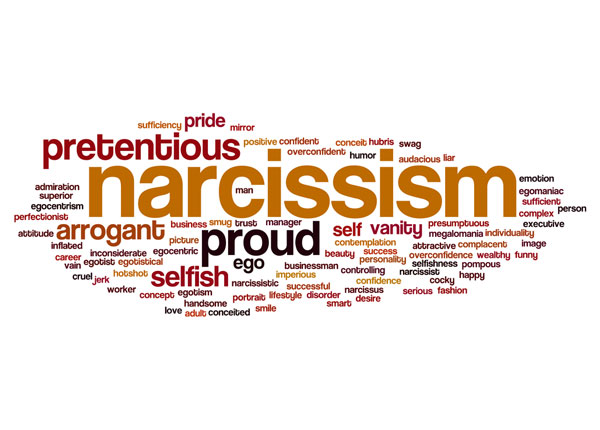
You’ve heard about bipolar personality obsessive-compulsive disorder, paranoia disorder, and probably a handful of other ones. One of the less uncommon and less discussed one is narcissistic personality disorder. This is a mental condition in which a person has an inflated sense of their own importance, a deep need for excessive attention and admiration, troubled relationships, and a lack of empathy for others.

What lies behind the disorder? Behind the mask of extreme confidence, arrogance and/or pompousness there is a fragile self-esteem that’s vulnerable to the slightest criticism, insult, or contempt. They may find their relationships unfulfilling, and others may not enjoy being around them when they feel the persons need for superiority which can lead to actions and words of disrespect.

Why does this disorder get diagnosed? Most believe that the causes are due to genetics as well as social factors, and the person’s early development such as family, personal temperament, school system, and learned coping skills to deal with stress.

What are some more possible symptoms? It’s their way or the highway, they won’t ever be wrong in situations, and if they admit to be wrong, they will put another down just in order to convince themselves that they are in the right, they can have ease lying; they can charm, falsely accuse, mooch, betray, mirror, compete, destroy, and manipulate easily. They are known also to commonly abuse drugs, alcohol or nicotine.

What problems does this disorder cause? It causes unstable and trouble in relationships, work, school or financial affairs. People with narcissistic personality disorder may be generally unhappy, and may take this out on another human and gain the personality trait that is sadistic.

How can we help the issue? After acceptance, treatment of this personality disorder typically involves long-term therapy, possible medication, and continuing to relate better with others in relationships, working towards empathy, understanding the cause of ones emotions and what drives one to compete and distrust, practicing tolerance, and trying to release ones desire for unattainable goals and ideal conditions.If you or a person you know is struggling with a narcissistic personality disorder, or any personality disorder, it may be beneficial to have them contact a mental health professional and receive therapy for their illnesses. The psychologists, psychiatrists, and therapists at Arista Counseling and Psychiatric Services can help.  Contact the Bergen County, NJ or Manhattan offices at (201) 368-3700 or (212) 722-1920.  Visit http://www.acenterfortherapy.com for more information.

To find out more information, visit: https://www.mayoclinic.org/diseases-conditions/narcissistic-personality-disorder/symptoms-causes/syc-20366662