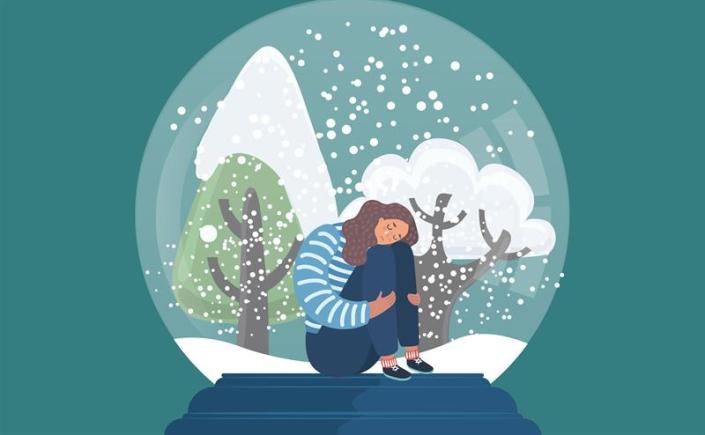
Mental Illness: How to Support a Spouse with Mental Illness

Mental Illness: How to Support a Spouse with Mental Illness
By: Isabelle Siegel

Every relationship has challenges, but relationships in which one partner has a mental illness can be even more challenging. The presence of mental illness in a relationship can leave both individuals feeling alone and helpless. However, it is not impossible to be in a happy, healthy, and successful relationship with someone with a mental illness. If you are wondering how to support your partner/spouse with mental illness, know that it is possible. Although your partner’s/spouse’s mental illness may at times feel all-consuming, certain steps can ultimately help manage the overwhelming ups and downs.

Develop an understanding of your partner’s/spouse’s diagnosis. It can be helpful to research the symptoms of your partner’s/spouse’s disorder in order to better recognize and label them as they arise. Having a basic understanding of what your partner/spouse is experiencing can help you to put yourself in his/her shoes and to gain insight into his/her struggles.

Just be there. Having a mental illness oftentimes makes people feel alone and as though they are a burden to their loved ones. The single most powerful way you can support your partner/spouse with a mental illness is to be there for him/her. Communicate that you are there for the highs and lows, and be ready to love your partner/spouse through them.

Do not let mental illness take over your entire relationship. Although it is important to communicate, try to keep your relationship balanced by limiting discussions about mental illness. Even when your partner’s/spouse’s mental illness feels all-consuming, continue to engage in activities that pull you and your partner away from thinking about his/her diagnosis and struggles.

Communicate openly how you feel. Regardless of a mental illness diagnosis, open communication is a critical component of any relationship. Be honest with your partner/spouse about how you feel, communicating any emotions with the goal of productively working through them.

Understand that your partner/spouse is trying the best he/she can. It can be easy to assume that a person with mental illness would feel better if only he/she tried harder. Oftentimes, people with mental illness are coping with their struggles in the best way they can.

Accept that it will be challenging at times. Being in a relationship with someone with a mental illness is going to pose challenges. It can arouse difficult emotions such as frustration, anger, resentment, sadness, etc. Allow yourself to feel these emotions and be willing to communicate them with your partner.

Most importantly, take care of yourself. It is important to understand that your partner/spouse is not the only one who needs support. Never feel guilty for prioritizing your own needs, and consider seeking therapy or other support in order to take care of your own mental health.

If you or a loved one needs support, the licensed psychologists, psychiatrists, psychiatric nurse practitioners, and psychotherapists at Arista Counseling & Psychotherapy can assist you. Contact our Paramus, NJ or Manhattan, NY offices respectively, at (201) 368-3700 or (212) 722-1920 to set up an appointment. For more information, visit http://www.counselingpsychotherapynjny.com/

Sources:
https://www.nami.org/Blogs/NAMI-Blog/November-2018/How-to-Be-Supportive-of-Your-Partner-with-Mental-I
https://www.nami.org/Personal-Stories/How-To-Love-Someone-With-A-Mental-Illness
https://www.verywellmind.com/coping-with-a-mentally-ill-spouse-2302988

Image Source: https://images.app.goo.gl/1XXGCnGttHazLixy5

Therapy: Reasons Not To Delay Mental Health Treatment

Therapy: Reasons Not To Delay Mental Health Treatment
By: Isabelle Siegel

The median delay between onset of mental illness symptoms and treatment-seeking is a shocking ten years. In other words, people are suffering silently and without help for nearly a decade before they even speak to a professional. Before choosing to delay treatment, it is important to consider the many benefits of seeking therapy sooner rather than later.

Seeking therapy earlier decreases the likelihood that symptoms will worsen. Among those who chose to delay treatment, 37% reported that their symptoms worsened. This can in turn make treatment more difficult when it is finally sought out and, overall, can complicate the therapeutic process.

Seeking therapy earlier decreases the likelihood that physical symptoms will develop. Unaddressed mental illness symptoms can lead to physical consequences including obesity, heart attack, stroke, gastrointestinal issues, and general increased risk for disease.

Seeking therapy earlier decreases the degree to which symptoms interfere with one’s life and relationships. A hallmark of mental illness is interference with quality of life and relationships. People who choose to delay mental health treatment are more likely to lose their jobs, drop out of school, experience financial troubles, and get divorced.

Seeking therapy earlier decreases the risk of comorbid disorders. People with untreated mental illness are more likely to develop comorbid disorders. Comorbid substance use disorders are particularly likely to arise as a result of people self-medicating with alcohol and/or drugs. These comorbid disorders further complicate treatment when it is finally sought.

Seeking therapy earlier decreases mortality rates. Neglecting mental health problems increases one’s risk for self-harm, suicide, and accidents (e.g., overdose, car accidents). In fact, the majority of suicide attempts are due to untreated mental illness.

Seek treatment now. If you or a loved one needs support, the licensed psychologists, psychiatrists, psychiatric nurse practitioners, and psychotherapists at Arista Counseling & Psychotherapy can assist you. Contact our Paramus, NJ or Manhattan, NY offices respectively, at (201) 368-3700 or (212) 722-1920 to set up an appointment. For more information, visit http://www.counselingpsychotherapynjny.com/

Sources:
https://www.ncbi.nlm.nih.gov/pmc/articles/PMC1361004/
https://deserthopetreatment.com/co-occurring-disorders/going-untreated/
https://www.theguardian.com/society/2018/oct/09/mental-health-patients-waiting-nhs-treatment-delays

Image Source: https://www.news-medical.net/health/Cognitive-Behavioral-Therapy-for-Anxiety.aspx

Shopping Addiction

By: Deanna Damaso

Shopping Addiction is a behavioral addiction where a person buys items compulsively or a specific item repeatedly as an attempt to relieve stress. Those suffering with a shopping addiction spend more time shopping than doing other activities because of their uncontrollable urges to spend money.

The joy of shopping has a direct effect on the brain’s pleasure centers by flooding the brain with endorphins and dopamine. The buyer gets a short-lived “shopping high” from making frequent shopping trips, buying large items, or expensive purchases. However, after a couple hours, the dopamine recedes and the shopper is left with an empty, unsatisfied feeling. This can lead to hoarding, depression, anxiety, and low self-esteem. If left untreated, compulsive buyers could go deeper into debt and turn to stealing.

Some signs of a shopping addiction often include:

  • Spending more money than anticipated
  • Compulsive purchases
  • Chronic spending when angry, anxious, or depressed
  • Lying about the problem
  • Broken relationships
  • Ignoring the consequences of spending money

Financial therapy is effective in teaching how to manage finances and shop more responsibly. Cognitive and behavioral therapies are effective treatments that identify and improve the negative thoughts and behaviors surrounding the addiction. Medications can be prescribed to those who struggle with both the addiction and other mental health issues. This combination treatment helps relieve symptoms to assist in recovery.

If you or someone you know is struggling with a shopping addiction, Arista Counseling & Psychotherapy can assist you. Contact us in Paramus, NJ at 201-368-3700 or in Manhattan, NY at 212-996-3939 to arrange an appointment. For more information about our services, please visit http://www.counselingpsychotherapynjny.com/


Sources:

https://www.healthline.com/health/addiction/shopping

https://www.psychologytoday.com/us/articles/200603/doped-shopping

Depression: Have a Case of the Winter Blues? Understanding Seasonal Affective Disorder


By: Keely Fell

Can’t seem to shake the winter blues? Nearly five percent of adults are experiencing symptoms that align with major depressive disorder with recurring seasonal pattern, which is more commonly known as Seasonal Affective Disorder. According to the Diagnostic and Statistical Manual of Mental Disorders, Fifth Edition (DSM-V), an individual who is experiencing “two major depressive episodes in the last two years” that show relations to the time of year, and experience full remissions at other times they may be experiencing Seasonal Affective Disorder (SAD).

It is also important to understand what is happening in the body and why an individual is experiencing such symptoms. When an individual is experiencing these symptoms, often it can be as a result of the lack of natural light due to the shorter periods of daylight during the winter season. With the lack of light, the human brain slows down the production of serotonin, and increases the production of melatonin which leaves individuals feeling drowsy. Melatonin production increase is caused by darkness, which is why we get sleepy when the sun goes down. The regulation of these chemicals is what helps create your body’s specific circadian rhythm. When this system is affected it can cause a feeling of lethargy and or restlessness.

Here are some tips and tricks to shaking those winter blues:

  1. Take a few minutes during your day to get outside Whether that’s during your lunch break or walking to pick up the mail, going outside during daylight will increase the serotonin production in your brain.
  2. Light Therapy During the dark winter months, if these symptoms are taking over you can try light therapy. Light therapy allows for the brain to think it’s being exposed to sunlight. People who use light therapy typically invest in a light box (if interested Harvard Health has many they recommend) which delivers around 10,000 lux, compared to a standard sunny day that ranges 50,000 lux or above. They recommend that, you sit in front of the light box for no more than 30 minutes a day. This allows for the brain to regulate its circadian rhythms by allowing the retinas to be stimulated. Light therapy does not work for everyone.
  3. Talk Therapy If these symptoms persist and are affecting your day talk therapy is also affective. Reaching out to a psychologist, psychiatrist, psychiatric nurse practitioner, or psychotherapist to come up with symptom relief is another big way to combat these symptoms. Symptom relief may include the use of antidepressants, or various therapeutic methods.


If you or someone you know has Seasonal Affective Disorder or seems to have the symptoms of SAD, and needs help, please contact our psychotherapy offices in New York or New Jersey to talk to one of our licensed professional psychologists, psychiatrists, psychiatric nurse practitioners, or psychotherapists at Arista Counseling & Psychotherapy. Contact our Paramus, NJ or Manhattan, NY offices respectively, at (201) 368-3700 or (212) 722-1920 to set up an appointment. For more information, please visit http://www.counselingpsychotherapynjny.com/ .

Sources:

https://www.nimh.nih.gov/health/topics/seasonal-affective-disorder/index.shtml

https://www.health.harvard.edu/blog/seasonal-affective-disorder-bring-on-the-light-201212215663

https://www.psychiatry.org/patients-families/depression/seasonal-affective-disorder


Body Dysmorphic Disorder

By Gabriella Phillip

Body Dysmorphic disorder, or BDD, is a psychiatric disorder in which a person is preoccupied with an imagined or minor physical defect that other people usually don’t notice. BDD has various features that are similar to that of obsessive-compulsive disorders and eating disorders. Patients diagnosed with obsessive-compulsive disorder, or OCD, have distressing thoughts and images that they aren’t able to control. Emotional distress that can result from this can cause a person to perform particular rituals or compulsions. Regarding BDD, the person’s persistent preoccupation with his/her perceived physical defect can lead to ritualistic behaviors including constantly looking in the mirror or skin picking. Similarly to eating disorders, like anorexia nervosa and bulimia nervosa, Body Dysmorphic Disorder involves a concern with body image. However, while eating disorder patients are concerned with body weight, those diagnosed with BDD are worried about a specific area or part of the body.

Body Dysmorphia affects approximately 2% of the general population; however, BDD usually goes undiagnosed so the number of people who actually have the disorder could potentially be much greater. Those with body dysmorphia oftentimes feel a significant amount of shame regarding their perceived flaws which may hinder them from seeking treatment. BDD prevalence differs by gender, as women are reported to have higher rates of this disorder than men. Factors such as living with a pre-existing mental condition like depression or anxiety or experiencing bullying or abuse during childhood or adolescence can increase the risk of Body Dysmorphic Disorder. The typical onset for BDD is between the ages twelve and seventeen, around the time when adolescents go through puberty and certain bodily changes.

Social media platforms like Instagram oftentimes feed us an interminable supply of filtered and unrealistic depictions of different people and their lives. It’s easy to compare yourself to well edited pictures of models, celebrities, and even friends online, making you feel as though you don’t measure up as you are. Also, various forms of bullying like body shaming or slut shaming can occur online and can easily result in distorted body image and low self-esteem. Those with BDD sometimes choose to socially isolate themselves due to high level of shame related to their bodily appearance. While social media doesn’t necessarily cause body dysmorphia, it can serve as a trigger for those already predisposed to the disorder, or could possibly worsen existing symptoms. The main treatments used for BDD are cognitive behavioral therapy (CBT) and antidepressant medication, specifically serotonin reuptake inhibitors (SSRIs). Many patients use therapy and medication simultaneously. These treatments are meant to help reduce obsessive compulsive behaviors, improve stress level management involved in these behaviors, and aid patients in viewing themselves in a more loving and less judgmental light.

If you or someone you know is struggling with Body Dysmorphic Disorder, Arista Counseling and Psychotherapy can help. Please contact our psychotherapy offices in New York or New Jersey to talk to one of our licensed professional psychologists, psychiatrists, psychiatric nurse practitioners, or psychotherapists at Arista Counseling & Psychotherapy. Contact our Paramus, NJ or Manhattan, NY offices respectively, at (201) 368-3700 or (212) 722-1920 to set up an appointment. For more information, please visit http://www.counselingpsychotherapynjny.com/ .


Anxiety and Bullying

Image result for anxiety and bullying


Anxiety and Bullying

By: Vanessa Munera

Being bullied is not an easy thing to handle. It can be a traumatic experience for teens that are being targeted. Those who are bullied experience impacts in their lives such as feeling lonely, anxious, isolated, and vulnerable. Unfortunately, when a bully moves on to the next target, these consequences of bullying linger longer for the victim. After prolonged exposure, victims of bullying can develop adverse effects. These victims will experience depression, eating disorders, and thoughts of suicide. In addition, victims of bullying can develop some sort of anxiety disorder. The top four major anxiety disorders victims of bullying can experience are Post-Traumatic Stress Disorder (PTSD), generalized anxiety disorder (GAD), panic attacks and social anxiety disorder.

  1. Post-Traumatic Stress Disorder (PTSD): this occurs after a traumatic or life-threatening event. PTSD can develop due to events such as a car accidents or losing a close relative. This disorder can also show up after repeated abuse or even bullying. Children who are bullied may experience nightmares, flashbacks, withdraw from others, or are easily startled. Kids, who undergo long term and abusive bullying, have increased chances of developing PTSD.

2. Generalized Anxiety Disorder (GAD): Kids with GAD are often tormented with worries and fear that distract them for their daily life activities. Those with generalized anxiety have a constant feeling that something bad is going to happen. This is not uncommon with victims of bullying. With GAD, physical symptoms may appear such as insomnia, stomachaches, fatigue, and restlessness.

3. Panic Attacks: Those who suffer from panic disorders must deal with unpredictable and repeated attacks. When suffering from a panic attack, the attack is usually with no warning and can cause physically symptoms. These symptoms include sweating, chest pain, and rapid or irregular heartbeats. In fact, a part of the brain called the amygdala plays a pivotal role in panic attacks. When left untreated, the sufferer will begin to avoid going out or things they once enjoyed, in order to prevent another panic attack.

4. Social Anxiety Disorder: People who suffer from social anxiety fear being humiliated or seen negatively by others. Those with this disorder often worry that the way they look or act cause others to mock them. This can cause sufferers to avoid social gatherings to avoid being humiliated. In fact victims of bullying often develop social anxiety due to the repeated shame and public humiliation they experienced.

If you or a loved one appears to be suffering from an Anxiety Disorder, the licensed psychologists, psychiatrists, psychiatric nurse practitioners, and psychotherapists at Arista Counseling & Psychotherapy can assist you. Contact our Paramus, NJ or Manhattan, NY offices respectively, at (201) 368-3700 or (212) 722-1920 to set up an appointment. For more information, visit http://www.counselingpsychotherapynjny.com/


References:

https://www.verywellfamily.com/bullying-and-anxiety-connection-460631

https://www.stopbullying.gov/blog


Drug Abuse: Preventing Teen Drug Abuse

By: Toni Wright

Many teens are curious and experiment with drugs, whether due to peer pressure, stress at home, or just curiosity. According to Drugrehab.com in 2016 about 1.9 million youths ages 12 to 17 used an illicit drug in the past month. In addition to that, in 2016 1.4 million teens needed treatment for an illicit drug abuse problem. What many young teens don’t know in hindsight, or thoroughly think about, is that trying those drugs can have lasting long term effects that can change their lives forever.

Warning Signs:

  1. Changes in choice of dress
  2. Loss of interest in what they enjoyed (hobbies or activities)
  3. Decline in academic performance (failing classes, poor grades, skipping class, etc.)
  4. Recurring arguments, unexpected mood changes, and unspecified violent actions.

Family Influence

Parents, prevention can start within the household:

  1. Ask your teens perspective on drugs – Don’t lecture. Actively listen to your teens views on drugs. Reassure them that they can be open and honest with you.
  2. Discuss the negative impact drugs use can have – Emphasize how drugs can impact the things your teen cares about. For instance, health, appearance, school performance, etc.
  3. Go over ways to not give into peer pressure – Come up with different ways your teen can say “no” to drugs.

Overall, parents, you play a crucial role in your teen’s life. Provide support for your teen. Having a solid foundation between you and your teen may make them less likely to use drugs.

If you or a teen you know abuses drugs, please contact our psychotherapy offices in New York or New Jersey to talk to one of our licensed professional psychologists, psychiatrists, psychiatric nurse practitioners, or psychotherapists at Arista Counseling & Psychotherapy. Contact our Paramus, NJ or Manhattan, NY offices respectively, at (201) 368-3700 or (212) 722-1920 to set up an appointment. For more information, please visit http://www.counselingpsychotherapynjny.com/.

Sources:

https://www.centeronaddiction.org/addiction-prevention/teenage-addiction

https://www.drugrehab.com/teens/

https://www.mayoclinic.org/healthy-lifestyle/tween-and-teen-health/in-depth/teen-drug-abuse/art-20045921

Image Source:

https://www.palmerlakerecovery.com/blog/signs-of-drug-abuse-in-teenagers/

A Substance Abuse Guide for Parents


Grieving Vs Persistent Complex Bereavement Disorder

loneliness

Grieving Vs Persistent Complex Bereavement Disorder

By: Karime Herrera

Coping with grief can be difficult. You are in complete disbelief that your loved one, family or friend is no longer a phone call away. When grief begins to drastically disrupt your life, it is best to seek professional help.However, some people might not know when it is necessary to seek help. At what point does grief turn into persistent complex bereavement disorder? Persistent complex bereavement disorder is when an individual has been experiencing severe grief symptoms for over twelve months. Some symptoms that a person with PCBD encounters are trusting people, hallucinations of the person who has passed away, suicidal thoughts, loss of interest in preforming daily tasks, and constant feelings of sadness. If you are experiencing these symptoms for an extreme period of time it is best to see a psychologist in order to help you cope with your loss. A licensed practitioner can treat PCBD with cognitive therapy, mindfulness, psychotherapy or a combination.  Mediation might be helpful in relieving the symptoms and often helps individuals suffering from PCBD continue with their daily lives.

Healthy Communication Skills

By: Toni Wright

Oftentimes when we’re communicating it’s just to respond and we’re not actually actively listening. Communication needs to not only be about active listening, but about listening to understand and comprehend. There are numerous ways to improve one’s communication skills with others, whether it is familial, platonic, or romantic.

1) Speak face to face – Texting is not beneficial when it comes to trying to communicate effectively. Pick a time where both parties are able to meet face to face. This way both parties are directly focused on one another and things are less likely to get misconstrued as they might through text.

2) Use “I” statements – When issues occur using “I” statements help the person feel less attacked. An alternative to saying, “YOU made me angry when…” is “I was feeling angry when THIS happened.”

3) Don’t interrupt or try to redirect the conversation to your worries – For instance, “If you think your day was bad, let me tell you about mine.” Actively listening and waiting to speak is not the same thing. One cannot actively listen and also think about what they’re going to say next when the other person is done speaking. The speaker will be able to tell that you are not giving them your full attention.

4) Look for compromise – Instead of focusing on who’s right or wrong or “winning” an argument try to settle in a place where both parties are happy. Whether it’s through compromise or finding an entirely new solution, it is important that both parties feel that they are getting what they want.

5) If you need help reach out for it – Sometimes communicating isn’t easy and during conflict it may be even more difficult to try and stay respectful or if the conflict doesn’t seem to be improving with solely just the two parties involved, it may be beneficial to see a therapist. Therapy can help one find new strategies to use when communicating that can be used to avoid future conflict.

If you or someone you know has trouble communicating and/or resolving conflict, please contact our psychotherapy offices in New York or New Jersey to talk to one of our licensed professional psychologists, psychiatrists, psychiatric nurse practitioners, or psychotherapists at Arista Counseling & Psychotherapy. Contact our Paramus, NJ or Manhattan, NY offices respectively, at (201) 368-3700 or (212) 722-1920 to set up an appointment. For more information, please visit http://www.counselingpsychotherapynjny.com/.

Sources:

https://www.marriage.com/advice/relationship/effective-relationship-communication-skills/bb

https://www.helpguide.org/articles/relationships-communication/effective-communication.html

https://www.verywellmind.com/managing-conflict-in-relationships-communication-tips-3144967

Image Source: https://www.marriage.com/advice/communication/communication-with-partner/


Seasonal Affective Disorder

Seasonal Affective Disorder (S.A.D)

By Tatyana A. Reed

As the weather seems to slow down and we shift from bright sunny days to cold winter nights, some of us may notice a sudden change of mood that comes with this weather shift. This change of mood is called Seasonal Affective Disorder (S.A.D). According to National Institute of Mental Health (NIMH), “S.A.D is a type of depression that comes and goes with the seasons, typically starting in the late fall and early winter and going away during the spring and summer. Depressive episodes linked to the summer can occur, but are much less common than winter episodes of SAD.”

Signs & Symptoms

  • Feeling depressed most of the day, nearly every day
  • Feeling hopeless or worthless
  • Having low energy
  • Losing interest in activities you once enjoyed
  • Having problems with sleep
  • Experiencing changes in your appetite or weight
  • Feeling sluggish or agitated
  • Having difficulty concentrating
  • Having frequent thoughts of death or suicide.

Causes

  • People with SAD may have trouble regulating seratonin, which is one of the key neurotransmitters involved in mood.
  • People with SAD may overproduce the hormone melatonin.
  • People with SAD also may produce less Vitamin D.


Getting Treated

  • Medication: if someone suffers from S.A.D they can be helped by taking Selective Serotonin Reuptake Inhibitors (SSRIs). However, like all medication there are side effects, make sure to speak with your doctor about this first.
  • Light therapy: the feelings of S.A.D can be lessoned by sitting in front of a light box that emits 10,000 lux of cool- white- fluorescent light for 20-60 minutes. The light is said to replace the loss of light from daylight savings
  • Therapy: it is best to talk with a psychologist, counselor, or someone in the mental health field when feeling different types of emotions that may be negative such as sadness or anger. Seeking help is the first step to eliminating S.A.D.

If you or a person you know is struggling with S.A.D, it may be beneficial to contact a mental health professional and receive therapy. The psychologists, psychiatrists, and therapists at Arista Counseling and Psychiatric Services can help.  Contact the Bergen County, NJ or Manhattan offices at (201) 368-3700 or (212) 722-1920.  Visit http://www.acenterfortherapy.com for more information.

References:

Koblenz, Jessica. “11 Things About Seasonal Affective Disorder That Psychologists Wish You Knew.” Reader’s Digest, www.readersdigest.ca/health/conditions/seasonal-affective-disorder-facts/. (PHOTO)

National Mental Health Institute. “Seasonal Affective Disorder.” National Institute of Mental Health, U.S. Department of Health and Human Services, http://www.nimh.nih.gov/health/topics/seasonal-affective-disorder/index.shtml.