School Shootings: How to Help Your Child’s Anxiety Following Tragedy

School Shootings: How to Help Your Child’s Anxiety Following Tragedy

By Kim Simone

In times of uncertainty and fear, children will often turn to those who bring them certainty and calm. Unfortunately, in the aftermath of a school shooting, parents may not be able to give their children the answers they need to alleviate their anxiety. Even when a child is far removed from the setting of a school shooting, being in a school setting can induce anxiety. It is important that parents recognize signs of distress and anxiety exhibited by their child following a tragedy.

Elementary school students will likely have questions that have no definitive answers, such as the motives behind a school shooting. Parents need to be prepared to answer their child with caution as children may not be emotionally prepared to hear explicit details. Furthermore, children may be concerned with how the shooting may have impacted them, or rather, how a shooting may impact them in the future. Questions such as “Could this happen to me?” or “Could this happen at my school?” show how uncertainty can lead to excessive levels of anxiety in a child. 

Symptoms of anxiety in children can include unexplained stomachaches, headaches, and changes in sleeping and eating behaviors. It is also important to note any changes in academic and social behavior in school, as anxiety may be heightened in this environment.

If your child is experiencing excessive worry and anxiety as a result of tragedy, consider having them speak to a child psychologist. Prolonged anxiety can harm a student academically, socially, and emotionally. Building a support system for children who are overcome by distress and anxiety is crucial in bringing a sense of calm to their environment in a time of uncertainty.

If you or someone you know is struggling with anxiety after a tragedy, please contact our psychotherapy offices in New York or New Jersey to talk to one of our licensed professional psychologists, psychiatrists, psychiatric nurse practitioners, or psychotherapists at Arista Counseling & Psychotherapy. Contact our Paramus, NJ or Manhattan, NY offices respectively, at (201) 368-3700 or (212) 722-1920 to set up an appointment. For more information, please visit http://www.counselingpsychotherapynjny.com/

Sources:

https://childmind.org/article/anxiety-school-shooting/

https://www.usnews.com/education/k12/articles/school-shootings-how-to-help-kids-cope

Image Source:

The Link between Alcoholism and Depression

By Jenna Chiavelli

Alcoholism and Depression

Alcohol Use Disorder is characterized by disordered drinking that leads to significant distress and changes in behavior. One of the strongest predictors of alcoholism is family history, as genetics can attribute to one’s predisposition to alcoholism. Underlying psychological disorders contribute to alcoholism as well as people turn to substances to numb pain. Socially speaking, one’s environment can lead to alcoholism if the environment favors a culture of drinking.

Addiction is a controlling disease and when mixed with depression, treatment can become even more complex. Depression is a common co-occurring disorder with at least 30%-40% of alcoholics experiencing a depressive disorder. Depression is a mood disorder which can generate persistent feelings of sadness, worthlessness, and pessimism, disrupting everyday life. The combination of addiction and depression is especially harmful as the conditions fuel each other.

Depression Contributing to Alcoholism

Substances like alcohol can be appealing to those suffering from depression, as alcohol’s sedating effects offer an escape from overwhelming feelings of sadness. This form of self-medication can temporarily relieve depressive symptoms, but this is not a permanent solution. Over time, the feelings of sadness linger despite the sedating effects of alcohol, leading those struggling with depression to increase their alcohol intake to suppress the pain. This dangerous cycle contributes to a substance abuse disorder.

Alcoholism Contributing to Depression

Alcohol releases neurotransmitters in the brain, resulting in the euphoric feeling of being drunk. As alcohol users consistently chase this high, the copious amount of alcohol is simultaneously limiting the brain’s ability to sustain neurotransmitters at normal levels. This disruption in the nervous system impacts one’s mood; therefore, when there is a reduction of neurotransmitters a person may feel symptoms of depression. Additionally, alcohol increases the duration and severity of depressive episodes and increases the likelihood of suicidal thoughts. 

Drinking alcohol also alters behavior and fuels acts of impulse. The consequences of one’s drunken actions may be overwhelming leading to feelings of sadness and shame. Heavy drinking can disrupt relationships and interfere with work, damaging one’s social sphere. The constant ramifications from drinking can easily contribute to depression as well.

Treatment for Co-Disorders

In some cases, removing alcohol from the equation is enough to relieve symptoms of depression. In other cases, therapy, rehabilitation, and medications may be necessary. It is important to note that medication alone will not effectively treat co-occurring depression and addiction. Therapy is required in order to understand what originally contributed to one’s depression/addiction. Gaining a deeper understanding to one’s emotions and history could help prevent a relapse in the future. Additionally, confiding in others and sharing stories of similar nature reminds people that they are not alone in their struggles, fostering a sense of community. With a little bit of help, it is possible to break the dangerous cycle of alcohol and depression.

If you or someone you know is seeking therapy for depression and/or addiction, please contact our psychotherapy offices in New York or New Jersey to talk to one of our licensed professional psychologists, psychiatrists, psychiatric nurse practitioners, or psychotherapists at Arista Counseling & Psychotherapy. Contact our Paramus, NJ or Manhattan, NY offices respectively, at (201) 368-3700 or (212) 722-1920 to set up an appointment. For more information, please visit http://www.counselingpsychotherapynjny.com/

Sources

https://www.addictioncenter.com/alcohol/alcohol-depression/#:~:text=At%20least%2030%25%2D40,of%20the%20symptoms%20of%20depression.

https://www.psychologytoday.com/us/blog/addiction-recovery/202102/healing-depression-and-addiction

https://www.psychologytoday.com/us/basics/alcohol

Image

Anxiety in Elementary School Students

Anxiety in Elementary School Students

By Kim Simone

Symptoms of Anxiety

Elementary school students may present with different symptoms of anxiety each day before, during, and after school. Physical manifestations of anxiety may include stomachaches, restlessness, heart palpitations, and complaints of not feeling well enough to attend school. These children often have difficulty falling and staying asleep and may refuse to attend school in the morning. While in the classroom, these students may show difficulty concentrating, show excessive preoccupation with performance, or may perform poorly as a result of excess worry.

Types of Anxiety Presented

Separation anxiety is characterized by excessive worry about being separated from caregivers and commonly affects students of young ages. Social anxiety is another disorder that can be found in children, impacting their ability to participate in the classroom and socialize with their classmates. Another disorder is generalized anxiety disorder (GAD) which affects students who worry about a wide variety of school issues. For instance, students with GAD may struggle with academic perfectionism. Although typically harder to identify in a school setting at a young age, young students may present with symptoms of obsessive-compulsive disorder. Students with this disorder may perform compulsive rituals or behaviors to ease their anxiety. Other anxiety disorders that may affect a student are selective mutism and specific phobias. These often impact academic and social performance.

Treatment Options

Psychotherapy can help children struggling with anxiety. Cognitive behavioral therapy (CBT) is the most commonly used treatment option. This therapy focuses on negative patterns of thoughts and addresses how thoughts affect the way the child feels. Parents of children with anxiety disorders can benefit from speaking to a child psychologist about how they can help. Medications may also be used to ease symptoms for a wide-variety of anxiety disorders. Treatment for anxiety disorders can be done through in-person services and virtual options, which can provide the necessary help to improve daily functioning.

If you or someone you know is struggling with anxiety, please contact our psychotherapy offices in New York or New Jersey to talk to one of our licensed professional psychologists, psychiatrists, psychiatric nurse practitioners, or psychotherapists at Arista Counseling & Psychotherapy. Contact our Paramus, NJ or Manhattan, NY offices respectively, at (201) 368-3700 or (212) 722-1920 to set up an appointment. For more information, please visit http://www.counselingpsychotherapynjny.com/

Sources:

https://childmind.org/article/classroom-anxiety-in-children/

Therapy for Anxiety Disorders

https://www.psychologytoday.com/us/basics/anxiety/children-and-anxiety#:~:text=They%20may%20be%20overly%20or,enough%20to%20go%20to%20school.

Image Source:

Managing Countertransference in Mental Health Professionals

Managing Countertransference in Mental Health Professionals

By Fiona McDermut

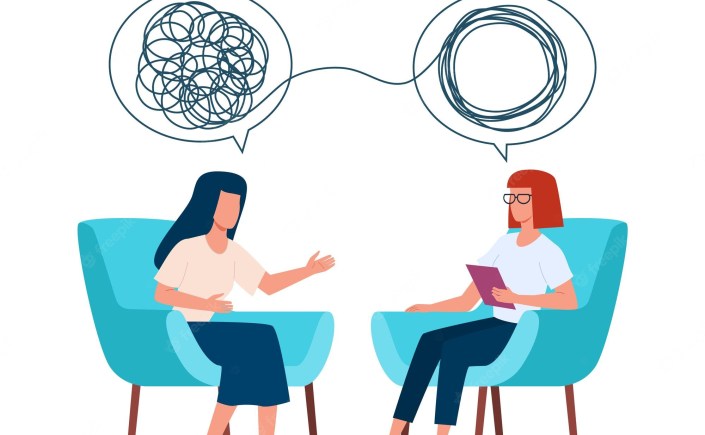
            Although mental health professionals are trained to treat a variety of disorders and psychological distress, we cannot discount their own psychological reactions. Therapists are human too, and they experience similar ups and downs to the people seeking their help. Additionally, many therapists feel a secondary wave of emotions when they can strongly identify with a client’s obstacles. For many people, it is difficult to react to others without involving personal emotions—it is no different for psychologists. In the world of mental health, this reaction based on personal mentality is known as countertransference.

            A therapist’s ability to work objectively with a client is dependent on the management of their own countertransference. Although therapists may develop strong emotional opinions about situations in their clients’ lives, it is important to always decide what is in the best interest of the clients.

Some examples of countertransference in practice include:

  • Disclosing too much personal information to a patient
  • Having unclear boundaries in the patient-doctor relationship
  • Being overly supportive or critical of the client
  • Any other actions in which the therapist allows their personal emotions to interfere with providing proper treatment

            Identifying with a patient’s strife is not necessarily a bad thing. It is important for mental health professionals to feel empathy, and to fully understand a client’s situation in order to develop a comforting therapeutic environment. However, this becomes unproductive when this empathy turns into extreme distress in the therapist and/or interferes with providing high quality care.

Luckily, there are two main ways in which mental health professionals regularly work on managing countertransference:

  • Participating in individual or group supervision or consultation with other therapists
  • Seeking therapy of their own which provides an outlet to discuss and handle personal emotional needs without projecting it onto the patient.

The role of the therapist is ultimately to help the patient, not create more stressors in the client’s life. If the therapist or patient feels that this cannot be done successfully, it may become necessary to terminate the relationship and pursue treatment with a new therapist.

If you or someone you know is experiencing countertransference, please contact our psychotherapy offices in New York or New Jersey to talk to one of our licensed professional psychologists, psychiatrists, psychiatric nurse practitioners, or psychotherapists at Arista Counseling & Psychotherapy. Contact our Paramus, NJ or Manhattan, NY offices respectively, at (201) 368-3700 or (212) 722-1920 to set up an appointment. For more information, please visit http://www.counselingpsychotherapynjny.com/

Source:

https://psychcentral.com/health/countertransference#overview

Image source:

https://www.freepik.com/premium-vector/psychotherapy-concept-psychologist-patient-with-tangled-untangled-mind-metaphor-doctor-solving-psychological-problems-couch-consultation-mental-health-treatment-flat-vector-illustration_19960102.htm

Body Dysmorphic Disorder-Beautiful In Your Own Skin Month

Body Dysmorphic Disorder-Beautiful In Your Own Skin Month

By Fiona McDermut

            In light of the start of “beautiful in your own skin” month, it is important to recognize that many struggle with body image satisfaction. Not all people look in the mirror and feel content with what they see. Even if those around you do not understand your body-related concerns, your feelings are totally valid and can be helped with treatment.

            Body dysmorphic disorder (body dysmorphia) is a mental illness characterized by a hyper fixation on perceived defects in one’s appearance. This interferes with day-to-day life because one may spend a large amount of time worrying or attempting to adjust the perceived flaw. These behaviors usually result in obsessive body comparison to others, avoidance of social interaction, and frequent negative body-checking (looking in the mirror repeatedly at disliked body parts). Unfortunately, many have associated their own happiness with how closely their bodies align with current beauty standards portrayed in the media. As one lets these thoughts progress, they can worsen, and possibly be a precursor to an eating disorder or other disorders associated with body dissatisfaction such as depression and obsessive compulsive disorder.

            While many believe that cosmetic surgery will fix their perceived flaws, research has shown that such surgeries do not improve psychological symptoms of body dysmorphic disorder. The first step to resolving the issue is recognizing that you have a warped view of what you look like. If you or someone you know experiences this, it can be very beneficial to seek psychological/psychiatric assistance. Professionals in the field will be able to decide the best way to treat these disordered thoughts. The most common treatment for body dysmorphia is cognitive behavioral therapy (CBT). Other possible treatments include hypnotherapy, exposure therapy, acceptance and commitment therapy (ACT), and the prescription of antidepressant medication in order to decrease the feelings of dissatisfaction.

            Working with a professional is important in situations like these, but it is still important to remind yourself that your perceived flaws are only noticed by you, and likely not those around you. Nobody is perfect, but with the constant pressure of modern media to be thin, our flaws often appear to be more apparent to ourselves than they are to others. The practice of mindfulness exercises may also help to focus your mind on what you have learned to love about yourself, and of course, do not be afraid to seek help when necessary.

If you or someone you know is struggling with body dysmorphic disorder, please contact our psychotherapy offices in New York or New Jersey to talk to one of our licensed professional psychologists, psychiatrists, psychiatric nurse practitioners, or psychotherapists at Arista Counseling & Psychotherapy. Contact our Paramus, NJ or Manhattan, NY offices respectively, at (201) 368-3700 or (212) 722-1920 to set up an appointment. For more information, please visit http://www.counselingpsychotherapynjny.com/

Sources:

https://www.psychologytoday.com/us/blog/the-couch/201507/whats-the-best-way-deal-negative-body-image

https://www.psychologytoday.com/us/blog/shrink/201409/how-stop-hating-your-body

https://www.sciencedirect.com/science/article/abs/pii/S1740144507000988

Image source: https://www.additudemag.com/adhd-related-body-dysmorphic-disorder/

Psychotherapy: Benefits of Rational Emotive Behavior Therapy (REBT)

By: Jasmyn Cuate

Rational emotive behavior therapy (REBT) is a type of cognitive behavioral therapy (CBT) that focuses on helping people recognize and change negative thinking patterns into positive, healthier ones. This method is an action-oriented approach helping to overcome any psychological problems or mental distress. The goal of REBT is to help people respond rationally to situations that would cause stress, depression, or other negative feelings. How does it work?

The ABC model is one concept of REBT. The model suggests that we may blame external situations for our unhappiness and it is our interpretation of these situations that truly causes the psychological distress. ABC stands for:

  • A: Activating event, when something happens in your environment
  • B: Belief, describes your thoughts about the situation
  • C: Consequence, which is your emotional response to your belief

With REBT, your therapist will help you learn how to apply the ABC model in your daily life. Your therapist may help you identify the activating event before encouraging you to figure out which belief led you to your negative feelings. Once you’ve identify the underlying issue, your therapist will work with you to change those beliefs and your emotional response towards the issue. Before changing your belief, a process called disputation takes place where your therapist will challenge your irrational beliefs using direct methods such as asking questions which causes you to re-think or have you imagine another point of view that you may have not considered before. REBT can help with Anxiety, Social anxiety disorder, distress, Depression, Disruptive behavior in children, Obsessive-compulsive disorder (OCD) and Psychotic symptoms.

Benefits of REBT:

  • Reduce feelings of anger, depression, anxiety, and distress
  • Improves health and quality of life
  • Better social skills and school performance

REBT helps you understand that you are worthy of self-acceptance no matter what even if you or others are struggling; there is no need for shame or guilt because everyone makes mistakes and it’s normal to feel some discomfort. REBT gives insight that others are also worthy of acceptance even if their behavior involves something you don’t like. Overall, REBT helps you have a healthy emotional response on learning from a situation and moving on. This allows you to understand that negative things will sometimes happen in life therefore there is no rational reason to always expect it to be positive when faced with a situation.

If you or someone you know is seeking for cognitive behavioral therapy or rational emotive behavior therapy, please contact our psychotherapy offices in New York or New Jersey to talk to one of our licensed professional psychologists, psychiatrists, psychiatric nurse practitioners, or psychotherapists at Arista Counseling & Psychotherapy. Contact our Paramus, NJ or Manhattan, NY offices respectively, at (201) 368-3700 or (212) 722-1920 to set up an appointment. For more information, please visit http://www.counselingpsychotherapynjny.com/

Source: https://www.verywellmind.com/rational-emotive-behavior-therapy-2796000

Anxiety: Generalized Anxiety Disorder (GAD): Signs, Symptoms, and Treatment

Anxiety: Generalized Anxiety Disorder (GAD): Signs, Symptoms, and Treatment

By Celine Bennion

Generalized Anxiety Disorder (GAD) is a common anxiety disorder in the United States, currently impacting 3.1% of the population; as many as 5.7% of U.S. adults report experiencing this disorder at some point in their lives. GAD is characterized by feelings of excessive worry which have no particular trigger. This anxiety can be felt about school, work, social interactions, or even common, everyday events. These behavior patterns and cognitive issues become disordered when they begin to disrupt normal functioning.

Symptoms of GAD include the following: restlessness, being wound-up or on-edge, fatigue, trouble concentrating, irritability, muscle tension, and sleeping problems including difficulty falling/staying asleep or unsatisfying sleep. At least three of these symptoms must be present for at least six months for a patient to be diagnosed with GAD.

Treatment:

Cognitive Behavior Therapy (CBT) is a type of therapy that is particularly helpful in treating anxiety disorders, including GAD. This therapy involves teaching patients different ways to approach anxiety inducing situations by changing how they think, behave, and react to them. It also helps to implement social skills in patients.

Medications are another form of treatment for GAD. It should be noted, however, that medications are used to help decrease symptoms of a disorder and do not cure it entirely. Anti-anxiety and anti-depressant medications are commonly used to treat GAD. Anti-depressants work for both depression and anxiety by altering chemicals in the brain, specifically serotonin and norepinephrine. They help to regulate mood and relieve symptoms associated with these disorders. Selective serotonin reuptake inhibitors (SSRIs) and serotonin norepinephrine reuptake inhibitors (SNRIs) are the most commonly used anti-depressants. Anti-anxiety medications, such as benzodiazepines, are effective in treating anxiety symptoms quickly. They are often used as a second option when anti-depressants are not enough to relieve symptoms.

If you or someone you know is seeking therapy for an anxiety disorder, please contact our psychotherapy offices in New York or New Jersey to talk to one of our licensed professional psychologists, psychiatrists, psychiatric nurse practitioners, or psychotherapists at Arista Counseling & Psychotherapy. Contact our Paramus, NJ or Manhattan, NY offices respectively, at (201) 368-3700 or (212) 722-1920 to set up an appointment. For more information, please visit http://www.counselingpsychotherapynjny.com/

Sources:

https://www.nimh.nih.gov/health/topics/anxiety-disorders

https://adaa.org/understanding-anxiety/generalized-anxiety-disorder-gad

https://adaa.org/blog/category/generalized-anxiety-disorder-gad (photo)

Relationships; How to Recognize a Toxic Relationship

Relationships; How to Recognize a Toxic Relationship

By: Priya Desai

A toxic relationship can be hard to identify, especially when you are in the relationship. There are many instances where the people closest to you will notice first that the relationship you are in is not good for you. Here are signs of a toxic relationship that can help you identify if you are in one.

Signs of a toxic relationship:

  • Lack of trust

When you are in a relationship, both partners should have trust in each other. Trust varies from being loyal to your partner to trusting that they have the best interest in their mind when they are thinking about the relationship. Trust is the foundation of a relationship and without it, it can’t work.

  • Hostile communication

Hostile communication includes verbal abuse and physical abuse. This can be name calling, yelling, constant interruption, or throwing and breaking things.

  • Controlling behaviors

Your partner has no right to control your actions or beliefs. This can include telling you what’s right, secluding you from your closest friends/family, and requiring access to your personal social media accounts and phone.

  • All take, no give

If you feel as if your partner is not doing anything for you, but you are consistently taking orders from him/her, this is another big red flag. This includes always being the first one to text and always being the one to make plans to hang out with your partner. The feelings should be reciprocated all the time.

If you or someone you know is in a toxic relationship, please contact our psychotherapy offices in New York or New Jersey to talk to one of our licensed professional psychologists, psychiatrists, psychiatric nurse practitioners, or psychotherapists at Arista Counseling & Psychotherapy. Contact our Paramus, NJ or Manhattan, NY offices respectively, at (201) 368-3700 or (212) 722-1920 to set up an appointment. For more information, please visit http://www.counselingpsychotherapynjny.com/

Citation: https://www.insider.com/toxic-relationship

https://www.healthline.com/health/toxic-relationship

Image Citation : https://www.google.com/search?q=toxic+relationship&sxsrf=AOaemvK-hHlQGKKmgsC6m_XxK_UptZleNA:1631133605274&source=lnms&tbm=isch&sa=X&sqi=2&ved=2ahUKEwjX3_2YnvDyAhUaQfEDHao0DBMQ_AUoAXoECAEQAw&biw=794&bih=639#imgrc=TKmtKNeDMzkEOM

Vaping’s Tie to Mental Health

Vaping’s Tie to Mental Health

By: Jaylyn Senise

Vaping has become a recent craze, specifically within the teenage populations.   It has become more popular than even tobacco and marijuana. These vaping devices come in a range of different sizes and shapes, and the most popular of vapes include JUUL and different types of hookahs. Despite the admiration, vaping comes with a plethora of potential risks. The majority of these risks involve physical attributes such as lung disorders and general wellbeing. Oftentimes, this is all that is noticed, while the mental health detriments that become present with vaping are overlooked.

Vaping devices contain nicotine which alters the brain pathway. The synapses, which are the brain cells connections, become formed abnormally due to the nicotine. According to an article written on the National Institute of Health (NIH) website, synaptic dysfunction has been found to be a “casual factor for neuropsychiatric diseases.”   In addition, because the nicotine content of vaping devices is significantly higher than the typical combustible cigarettes, it becomes easier to generate dependence on it.  Dependence to vaping has been found to be associated with impulsivity, mood disorders, anxiety, suicidality and depression; the effect is even higher with adolescent teens.  These devices also have long term effects on mental health. For those with mental health disorders, vaping can exacerbate them due to the interruption of the cerebral dopamine pathway. In turn, this heightens the depressive symptoms.

Those who want to quit vaping should ask a healthcare professional for assistance. To manage nicotine withdrawal, the individual should build a quit plan to better organize and maintain a system, stay hydrated, get a consistent sleep schedule, and try to get support from friends and family. This will help keep the individual accountable. Quitting vaping may seem like a long and laborious process, but the negative health consequences that vaping incurs make the issue urgent.

If you or someone you know is struggling with a nicotine addiction, please contact our psychotherapy offices in New York or New Jersey to talk to one of our licensed professional psychologists, psychiatrists, psychiatric nurse practitioners, or psychotherapists at Arista Counseling & Psychotherapy. Contact our Paramus, NJ or Manhattan, NY offices respectively, at (201) 368-3700 or (212) 722-1920 to set up an appointment. For more information, please visit http://www.counselingpsychotherapynjny.com/

Sources:

https://www.webmd.com/connect-to-care/vaping/what-is-vaping

https://www.ncbi.nlm.nih.gov/pmc/articles/PMC5793422/

Vaping and mental health: What’s the connection?

https://teen.smokefree.gov/quit-vaping/vaping-addiction-nicotine-withdrawal

Image Source

https://www.google.com/url?sa=i&url=https%3A%2F%2Fwww.slingshothealth.com%2Fblog%2F2019%2F04%2F02%2Fis-vaping-worse-than-smoking-the-facts-may-surprise-you%2F&psig=AOvVaw2ZjdYeeLqUE7KTb6ktmgBF&ust=1625928050216000&source=images&cd=vfe&ved=0CAoQjRxqFwoTCPjKt5ec1vECFQAAAAAdAAAAABAD

Low Maintenance Might be a Bad Thing

By Katie Weinstein

In our society low maintenance is always seen as a good or neutral thing. People who are low maintenance are seen as flexible, nice, and easy going. If you are low maintenance meaning you can walk out the door without spending an hour doing your hair and makeup that is great, but if you are a low maintenance friend or partner out of fear of asking people to meet your needs, it is time to set boundaries and begin advocating for yourself.

Some people become high maintenance because their parents downplayed their feelings or were not able to meet the needs of their child for reasons such as working multiple jobs, having another child who was high-need, or suffering from an addiction problem. Other people become high need because peers labeled them as dramatic or they were excluded in school so learned to become an easy friend so they shut down their needs. As a result, people learn to be low maintenance so that they take up as little space as possible. In reality, if you’re low maintenance as a result of fear of asking people to meet your emotional needs and coming across as needy, it can take a toll on you.

It is important to first start with identifying what your needs are and what makes you happy. You also need to remind yourself that your needs are valid and it is normal to ask things of people. You are not being overly sensitive or dramatic. While it might seem horrifying to ask people for things, build up the confidence to set boundaries and tell people how you feel. True friends or partners will stick around even if it takes some getting used to. It is also important to tell yourself a new narrative about your needs. Instead of telling yourself that you are dramatic, tell yourself you are advocating for yourself. Once you stop being so low maintenance your confidence will improve, you will build better relationships, and people will stop using you. It is important to get as much in a relationship as you give. If you need help identifying your needs, building your confidence, or advocating for yourself, therapy might be a great option for you.

https://www.psychologytoday.com/us/blog/between-the-generations/202101/are-you-too-low-maintenance?collection=1151944

https://www.psychologytoday.com/us/blog/sexual-self/202104/why-some-people-feel-sad-after-sex

If you or someone you know is low maintenance and seeking therapy, please contact our psychotherapy offices in New York or New Jersey to talk to one of our licensed professional psychologists, psychiatrists, psychiatric nurse practitioners, or psychotherapists at Arista Counseling & Psychotherapy. Contact our Paramus, NJ or Manhattan, NY offices respectively, at (201) 368-3700 or (212) 722-1920 to set up an appointment. For more information, please visit http://www.counselingpsychotherapynjny.com/