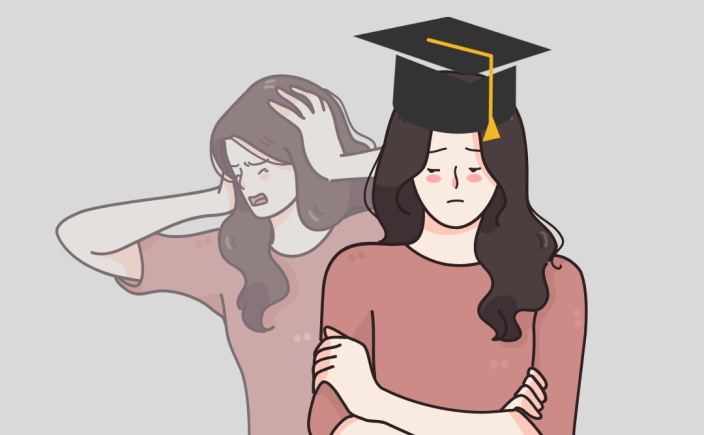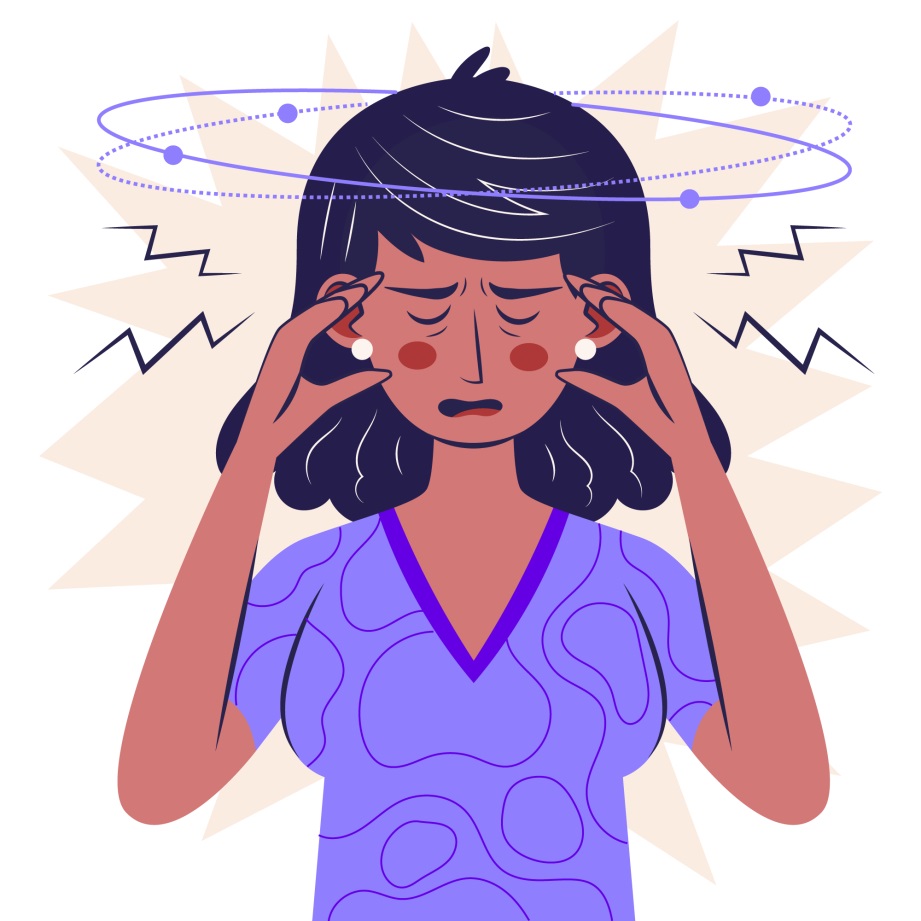
Anxiety: Generalized Anxiety Disorder – Chronic Worry

Anxiety: Generalized Anxiety Disorder – Chronic Worry

By: Michelle Cocone

Do you ever find yourself worrying about everything all the time? You find that you can’t seem to find a way to let go, the worries always get in the way. If you are experiencing the following symptoms then you may have generalized anxiety disorder.

Generalized anxiety disorder is when you have immense worry and anxiety which affects your everyday life. Not to be confused with worrying because everyone worries about things or events occurring in their life. The difference is that one knows how to let it go or even worry about it for a bit and move on. For those experiencing generalized anxiety disorders, they don’t have a way of letting it go; it’s all they are constantly thinking about.

It may sound like:

What if I can’t get my laundry done? What if I can’t find a job? Will I be able to pay the bills on time? What if I fail in school? What if I get rejected? What if people don’t like me?

Notice how many of these worrisome are “what if” questions. It could be that you are worrying about situations/problems that haven’t yet occurred. This is one of the symptoms of this anxiety disorder- you fear the unknown which makes you worry constantly. You’ll find that you won’t be able to relax. For example, many students worry about picking and starting college. People with this disorder can also find themselves to be indecisive because they are scared to make the wrong choice.

What if I pick the wrong university? What if I fail out of my classes? What if I don’t like the people there? What if it’s too hard for me to manage?

At the end of the day we are human, we all make mistakes. We can’t be perfect all the time. In order to continue growing and be healthy, we have to sometimes make the wrong choices and learn from them. Our mistakes are what help us progress. If we are constantly worrying, then we can’t go anywhere, we’re stuck. Other symptoms you might be experiencing are: constant fatigue, muscle aches, overthinking, unable to relax, and irritability.

Generalized anxiety disorders in children are expressed differently than in adults. Children worry about being accepted, having good grades, being good at sports, making friends, being included in social outings, trying to make everything perfect, and seeking approval from their parents. This affects their mental health and everyday life routine.

Generalized anxiety disorder in adults, is more severe. Adults tend to worry about being financially stable, buying a house, not having credit card debt, having good credit, finding a good job, finding a romantic partner, and starting a family. Anxiety can be overwhelming, however. We have to remember that it’s not normal to chronically worry all the time. It’s really unhealthy and leads to poor mental health. Worrying about everything won’t make the situation better. It might actually worsen your health.

If you or someone you know is struggling with generalized anxiety disorder, please contact our psychotherapy offices in New York or New Jersey to talk to one of our licensed professional psychologists, psychiatrists, psychiatric nurse practitioners, or psychotherapists at Arista Counseling and Psychotherapy. Contact our Paramus, NJ, or Manhattan, NY offices respectively, at (201) – 368-3700 or (212)-722-1920 to set up an appointment. For more information, please visit https://www.counselingpsychotherapynjny.com/

References

Generalized anxiety disorder (GAD). Johns Hopkins Medicine. (2024a, April 16). https://www.hopkinsmedicine.org/health/conditions-and-diseases/generalized-anxiety-disorder

U.S. Department of Health and Human Services. (n.d.-a). Generalized anxiety disorder: When worry gets out of Control. National Institute of Mental Health. https://www.nimh.nih.gov/health/publications/generalized-anxiety-disorder-gad

Self-Love: Learning to Love YourSELF

Self-Love: Learning to Love YourSELF

By: Michelle Cocone

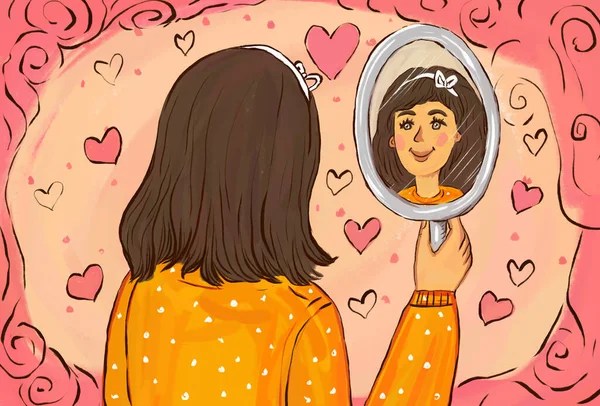
February is known to be the month of love, spreading love to our loved ones. We spend a lot of time trying to share that love that we often forget about ourselves. It’s important to learn how to love yourself. It helps us lead a healthier life and have better mental health. When we don’t love ourselves, it takes a toll on us, possibly leading to depression, anxiety, or an eating disorder. There are many ways to show love to ourselves, here are a couple ways.

Shift Your Perspective

  • Focusing on the bad aspects of ourselves won’t lead to anywhere good
  • Shift your perspective towards a more positive outlook
  • Don’t always see the cons, recognize the pros as well, they need love too

Affirmations

  • Write out a list of what you like + love about yourself
  • Tell yourself that you appreciate all parts of  your body/personality
  • Embrace the beauty of it all
  • Remember your body does plenty of work to keep you going every day
  • Keep telling yourself all these affirmations throughout the low points you may have

Practice Self-Love

  • Focus on the hobbies that you enjoy
  • Pour yourself  into becoming better at your hobbies
  • Be kind to yourself, you only have one body, so take care of it
  • Learn to forgive yourself when you haven’t accomplished everything you hoped for
  • Learn to forgive yourself when you aren’t kind to yourself
  • It’s okay to say “No.” You don’t have to please others all the time.

The most important relationship you can have is with yourself.  You may have heard this saying once or twice but it’s true, “Learn to love yourself first so you can spread love to others.”  Make time to focus and nourish your own self. It doesn’t all get done in one day. As long as you work on yourself a little bit every day that’s all that matters.

If you or someone you know is struggling with self-love, please contact our psychotherapy offices in New York or New Jersey to talk to one of our licensed professional psychologists, psychiatrists, psychiatric nurse practitioners, or psychotherapists at Arista Counseling and Psychotherapy. Contact our Paramus, NJ or Manhattan, NY offices respectively, at (201) – 368-3700 or (212)-722-1920 to set up an appointment. For more information, please visit https://www.counselingpsychotherapynjny.com/

References

Improving every area of your life starts with self-love. Improving Every Area of Your Life Starts with Self-Love | Tony Robbins. (n.d.). https://www.tonyrobbins.com/ultimate-relationship-guide/how-to-fall-in-love-with-yourself?srsltid=AfmBOoq4CvACby5hWenBdEGAH5zBgxAPOtKzEvtobHDRZ6cGfT9MaFtn


Pomlett, M. (2020, December 21). Learn how to self-love. Psychological Health Care. https://www.psychologicalhealthcare.com.au/blog/learn-how-to-self-love/

Eating Disorder: The Hunger for Healing

Eating Disorder: The Hunger for Healing

By: Areeza Malik

What Are Eating Disorders?

Eating disorders are more than just an obsession with food or weight. They are complex mental health conditions that involve disordered eating behaviors, distressing thoughts about food, body image, and often dangerous physical consequences. These disorders can affect anyone, regardless of age, gender, or background. While they frequently start with an obsession with food, weight, or exercise, they are usually driven by deeper emotional and psychological struggles.

The most common eating disorders include:

  • Anorexia Nervosa
  • Bulimia Nervosa
  • Binge Eating Disorder
  • Avoidant / Restrictive Food Intake Disorder

Recognizing the Signs of an Eating Disorder

  • Physical signs:
  • Sudden weight loss/weight fluctuations
  • Hair thinning or loss
  • Cold intolerance
  • Brittle nails and dry skin
  • Fatigue
  • Dizziness
  • Digestive issues
  • Emotional signs:
  • Intense fear of weight gain
  • Obsession with food, dieting, and body size
  • Feelings of shame and guilt
  • Social withdrawal
  • Behavioral signs:
  • Skipping meals or making excuses to avoid eating
  • Excessive exercise, calorie counting, and weight checking
  • Binge eating episodes
  • Strict food categorization

The Path to Recovery

The road to recovery from an eating disorder has its twists and turns. It’s a journey that requires patience, self-compassion, and professional support. Recovery is about letting go of negative beliefs around food and body image. It’s about changing from control to kindness, from limiting yourself to nourishing the body, and from being alone to building connections. There will be setbacks, but each small step forward counts. Surround yourself with support, embrace mindful eating, and recognize and challenge negative thoughts.

Healing goes beyond changing your eating habits; it involves rebuilding confidence, changing your mindset and learning to trust your body. Living a life where food is a source of strength rather than stress is important. While the path is challenging, it leads to freedom, self-love, and true recovery.

If you or someone you know needs support for an eating disorder, please contact our psychotherapy offices in New York or New Jersey to talk to one of our licensed professional psychologists, psychiatrists, psychiatric nurse practitioners, or psychotherapists at Arista Counseling & Psychotherapy. Contact our offices at (201) 368-3700 or (212) 722-1920 to set up an appointment. For more information, please visit http://www.counselingpsychotherapynjny.com/

References:

Strand, C. (2024, September 3). Eating disorders – early detection & treatment are key to recovery. Rural Minds. https://www.ruralminds.org/rural-minds-blog/eating-disorders-early-detection-amp-treatment-are-key-to-recovery?gad_source=1&gclid=CjwKCAiAtYy9BhBcEiwANWQQLzonikibaqE1awaP74y1A36Q08Bi1gpuzldje_C0HH_PfC1xzxcG5xoCgvIQAvD_BwE


Relationships and Money: Money problems could be affecting your relationship

Relationships and Money: Money problems could be affecting your relationship

By: Michelle Cocone

Money doesn’t usually get discussed in relationships until it becomes a hardship. When it does occur, you and your partner might find yourselves in a repetitive argument, leading to stress. According to Psychology Today, about 70% of the population in the U.S. is married; they might face money problems throughout their marriage. It’s not uncommon to have differences in handling money as people are raised differently. It’s never too late to discuss finances with your partner to improve your relationship moving forward. As well as it’s never too early to establish financial goals to promote a healthy relationship. There are three key questions to discuss with your partner about money problems.

  • What did your parents teach you about money?
  • What are your financial goals?
  • What are your fears about money?

Typically the information we have about managing money we learn from our parents. If your parents taught you how to keep track of bills, save money, and credit card management, then you have a good understanding of how to deal with money. Whereas some people had parents who were always late on bills, lost track, didn’t save money, and probably didn’t manage money well. Talk to your partner about financial goals and how you can combine them to fit both your needs. Remember you are a team with your partner and you are working together to improve your financial situation. Discuss the fears you have about money, which is where the money problems could be coming from. Set up a time to sit down and discuss creating a spending plan that works for both of you. Discuss how to divide the finances to help establish a baseline. Additionally, use any money left over to spend quality time as this will help relieve stress about money. Good communication about money problems will improve relationships and help avoid any anxiety/stress. When a couple suffers from anxiety or stress about financial hardship in their relationship, they may benefit from therapy to address the underlying psychological issues.

If you or someone you know is struggling with anxiety or stress about financial hardship, please contact our psychotherapy offices in New York or New Jersey to talk to one of our licensed professional psychologists, psychiatrists, psychiatric nurse practitioners, or psychotherapists at Arista Counseling and Psychotherapy. Contact our Paramus, NJ, or Manhattan, NY offices respectively, at (201) – 368-3700 or (212)-722-1920 to set up an appointment. For more information, please visit https://www.counselingpsychotherapynjny.com/

References

Klontz, B., & Gresham, M. (2015). Happy couples: How to avoid money arguments. American Psychological Association. https://www.apa.org/topics/money/conflict

Langabeer, J. (2022, December 7). The psychological impact of money on relationships. Psychology Today. https://www.psychologytoday.com/us/blog/how-make-better-choices/202212/the-psychological-impact-money-relationships

Work-Life Balance

Work-Life Balance

By: Josette DeFranco

Are you feeling overwhelmed due to the lack of balance in your work and personal life?

Work-life balance is important because it affects you, your family, and others. You need the time and energy to participate in your own personal interests, family, and community activities. A workplace that supports employees’ well-being and allows their employees to focus on their mental health is an excellent way for them to avoid burnout.

Here are some healthy work-life balance tips:

  • Take breaks
  • Set boundaries
  • Learn to say no
  • Prioritize your mental health
  • Set goals
  • Practice Mindfulness
  • Create a flexible work schedule
  • Seek support

It is important to acknowledge how this balance can benefit you. It’s easy to get caught up in your job and neglect your wants and needs. These are just a couple ways having a work-life balance can help you; create healthier workplace relationships, improve your mental health, enhance your physical health, and have better productivity at work.

If you, your child, or someone you know is experiencing back-to-school anxiety, social anxiety, or other anxiety disorders or mental health issues, please contact our psychotherapy offices in New York or New Jersey to talk to one of our licensed professional psychologists, psychiatrist, psychiatric nurse practitioners, or psychotherapists at Arista Counseling & Psychotherapy. Contact our Paramus, NJ or Manhattan offices respectively, at 201-368-3700 or 212-722-1920 to set up an appointment. Please visit http://www.counselingpsychotherapynjny.com/ for more information.

Sources:

https://www.psychologytoday.com/us/blog/presence-of-mind/201509/hows-your-work-life-balance

https://www.timedoctor.com/blog/work-life-balance-tips

Relationships & Long Distance: Strategies to Succeed

Relationships & Long Distance: Strategies to Succeed

By Caroline Buchanan

One of the ultimate tests for a romantic relationship is maintaining the relationship despite the distance. As a result, this could lead to distinct challenges and obstacles. While research from 2018 suggests that couples who live farther than an hour apart tend to break up, at least 60% of partnerships still make their long distance relationship succeed. What are these people probably doing to make it work? The best answer seems to be making the distance work for your relationship, and not working around it (Psych Central). There are strategies that can be implemented to help manage and avoid these common roadblocks.

Strategies:

  • Communication

Your communication method may be the key difference in whether your relationship lasts or falls apart. Phone calls or video calls should be used for heartfelt conversations or heavier discussions. Arguments in text based conversations can lead to misinterpreting the intention behind a message. Use texting mainly for casual contact such as “good morning” and “enjoy your day” type messages.           

  • Acknowledging Fear-based behaviors

 Long distance relationships tend to bring out fears: Fear that the other partner doesn’t care anymore or is going to leave you for someone else. While it’s not uncommon to feel these fears, it is important to recognize these negative thinking patterns. If you are open and clear in your communication with your partner, this may help prevent or subside fears. Let your partner clarify situations that may be bothersome to you.

  • Intimacy

 If you both are comfortable in your relationship, you could imitate the physical connection and enjoy pleasure together by trying erotic conversations, video sex, or phone sex. Make sure you are open and honest about your expectations in engaging in these activities.

While it requires intent and effort, maintaining love in a long-distance relationship is possible. Take the time to think about seeking the help of a mental health professional if you’re experiencing challenges or feeling anxiety in your relationship. This would help you develop specific skills to be able to establish secure bonds.

If you or someone you know is struggling in a long distance relationship, please contact our psychotherapy offices in New York or New Jersey to talk to one of our licensed professional psychologists, psychiatrists, psychiatric nurse practitioners, or psychotherapists at Arista Counseling & Psychotherapy. Contact our Paramus, NJ or Manhattan, NY offices respectively, at (201) 368-3700 or (212) 722-1920 to set up an appointment. For more information, please visit http://www.counselingpsychotherapynjny.com/

https://psychcentral.com/lib/how-to-make-long-distance-relationships-work

Post-Grad Depression

Depression/Post-College

By: Ingrid Guevara

Everyone knows and acknowledges that depression during college occurs. Statistics show that twenty-seven percent of college students had been diagnosed with depression and twenty-three percent said that depression impacted their academic performance negatively.  When it comes to post-grad students research shows that around twenty percent of student graduating experience depression. Post-grad depression is seen as situational depression. Situational depression is depression caused by a stressful or traumatic event. Post-Grad depression is caused by; pressure of finding a job, moving back in with parents, feeling a failure to launch, changes in friendships (friends scattering, not seeing them), student debt, comparison with friends and being overwhelmed by next steps and changes. Signs of post-grad depression are; lack of motivation, feeling worthless or guilty, loneliness, overwhelm (especially related to the next steps), feeling sad or down, isolation or wanting to isolate oneself, not enjoying activities that were previously enjoyed, poor sleep, appetite change, lower than usual frustration tolerance, feeling sluggish or super jittery and intense fear or expectation things will not go well in the future. Post-grad depression like any depression can really hinder your life so seeking help is suggested in order to properly cope with it. It is also suggested; avoiding comparing yourself with others, practice self-kindness and self-love, reach out to friends,  get some exercise/movement, don’t be too hard on yourself, recognize that transitions are difficult, find a support group/networking group, take care of yourself and confide in trusted family and friends. Depression is common when life is stressful and one feels pressure therefore, it is okay because always remember you are not alone.

If you or someone you know is struggling with their mental health, please contact our psychotherapy offices in New York or New Jersey to talk to one of our licensed professional psychologists, psychiatrists, psychiatric nurse practitioners, or psychotherapists at Arista Counseling & Psychotherapy. Contact our Paramus, NJ or Manhattan, NY offices respectively, at (201) 368-3700 or (212) 722-1920 to set up an appointment. For more information, please visit http://www.counselingpsychotherapynjny.com/

References

https://www.ncbi.nlm.nih.gov/pmc/articles/PMC9091131/

Shopping Addiction? Can’t Save Money? That May Be A Real Issue

Shopping Addiction? Can’t Save Money? That May Be A Real Issue

By Erika Ortiz

             Most people like to spend and buy things, but some take that splurging a bit to the max and do it any opportunity possible. Shopping makes some feel good, however; some get this “high” feeling since the brain releases endorphins and dopamine as they shop. It’s one thing to shop while on a budget, while it’s another to shop with no budget in mind. All of the spending, unnecessary buying, and accumulation of debt is an actual issue called shopping addiction. It is imperative to break down shopping addiction and the different types. First, there is impulse buying which is buying something you did not plan on purchasing in the first place. It can range from buying a chocolate bar from the grocery store while waiting in line or buying your 50th pair of shoes. Compulsive buying is when you plan your shopping, but to an extreme and on unnecessary items. Compulsive buying is usually where the shopping addiction behavior occurs most. For example, say you did not do so well on an exam or had a bad day at work, your immediate solution is to go shopping afterward to make yourself feel better. Another type is bargain shoppers who think they are getting a steal price or great deal. They are still spending a lot instead of saving. Finally, there is bulimic shopping or circular shopping. These people buy and return just for fun; even though they are staying within their budget, they are wasting a lot of time and energy.

           Shopping addiction can be due to stress, loneliness, sadness, the need to fill a void, lack of control, avoidance of reality, depression, anxiety, etc. Nonetheless, this is a severe problem that needs an urgent solution because shopping addiction can lead to issues in relationships, growing debt, constant overspending, and even lying about spending. One way to help with this issue is to create a budget and try sticking with it. There are many resources online that can be great budgeting tools. It is critical to immediately get help if you have a very severe case of shopping addiction. Seek a mental health professional who can help you get to the root of the issue and understand what you are going through. Remember that there is hope and you can get through this.

If you or someone you know is struggling with a shopping addiction please contact our psychotherapy offices in New York or New Jersey to talk to one of our licensed professional psychologists, psychiatrists, psychiatric nurse practitioners, or psychotherapists at Arista Counseling & Psychotherapy. Contact our Paramus, NJ or Manhattan, NY offices respectively at (201) 368-3700 or (212) 722-1920 to set up an appointment. For more information, please visit https://www.counselingpsychotherapynjny.com

Sources

https://www.ramseysolutions.com/budgeting/shopping-addiction

Emotionally Abusive Relationship: How to Spot the Signs

Emotionally Abusive Relationship: How to Spot the Signs

By Erika Ortiz

Abuse of any kind must never be tolerated. Whether it is from your boss, spouse, family member, or friend, it should not be taken lightly and must be acted upon quickly before it can escalate to serious issues. However, some forms of abuse are difficult to distinguish and can be especially hard to come to terms with when the abuser is a significant other such as a spouse or boyfriend/girlfriend. Physical abuse is a well-known form of abuse; however, emotional abuse has a subtle component, making it very tricky to catch. Here are some signs that you are in an emotionally abusive relationship:

Controlling and manipulative- Your partner may make you feel bad for going out or give you a curfew when you’re out with friends.

Gaslighting- Your partner can make you believe points in their arguments or things you have “said” that never happened.

Humiliation and embarrassment- They may insult you, make fun, and make you feel bad about yourself in front of others.

Silent treatment/Stonewalling- After an argument, they may “shut down” to make you feel abandoned and cut communication.

Threats- They may flat-out threaten you in any way, shape, or form possible.

There is quite a lengthy list of signs of emotional abuse. However, it is crucial to be proactive and seek help. These issues can cause or result in depression, anxiety, suicide, and PTSD. It can even lead to physical abuse if it hasn’t already occurred. Please seek professional help immediately if you see any signs of abuse or feel unsafe or unwell.

If you or someone you know is experiencing an emotionally abusive relationship or signs of it, please contact our psychotherapy offices in New York or New Jersey to talk to one of our licensed professional psychologists, psychiatrists, psychiatric nurse practitioners, or psychotherapists at Arista Counseling & Psychotherapy. Contact our Paramus, NJ or Manhattan, NY offices respectively at (201) 368-3700 or (212) 722-1920 to set up an appointment. For more information, please visit https://www.counselingpsychotherapynjny.com

 Sources

https://www.webmd.com/sex-relationships/signs-emotionally-abusive-relationship

https://www.healthline.com/health/signs-of-mental-abuse#control-and-shame

Stress: Managing Work Related Stress

Stress: Managing Work Related Stress

By: Julissa Acebo

The Health and Safety Executive (HSE) defines work related stress as: “The adverse reaction people have to excessive pressure of work or other types of demands placed on them.” While stress at work is common, you’re not powerless to the effects. Effectively coping with job stress can benefit your professional and personal life.


Psychological symptoms include, but are not limited to: Irritability or outbursts of anger, low productivity accompanied by feelings of low achievement, and low mood.


Physical symptoms include, but are not limited to: Headaches and/or backaches, insomnia or loss of sleep leading to tiredness, consuming too much caffeine or alcohol, and regular or lingering colds.


Managing Work Stress Tips:

  1. Identify stress triggers
    • For at least a week record the situations, events and people who cause you to have a negative physical, mental or emotional response
    • For example, you might notice persistent causes of stress such as a long commute or an uncomfortable workspace
  2. Improve time management skills
    • Create a daily schedule and stick with it
    • Avoid the urge to multitask
  3. Know when to step back and take a break (don’t overwork yourself)
    • To avoid the negative effects of chronic stress and burnout, we need time to replenish and return to our pre-stress level of functioning
  4. Set boundaries
    • Set boundaries between work and your personal life (i.e., not checking email in the evenings or weekends)

If you or someone you know is experiencing Work Related Stress please contact our psychotherapy offices in New York or New Jersey to talk to one of our licensed professional psychologists, psychiatrists, psychiatric nurse practitioners, or psychotherapists at Arista Counseling & Psychotherapy. Contact our Paramus, NJ or Manhattan, NY offices respectively at (201) 368-3700 or (212) 722-1920 to set up an appointment. For more information, please visit https://www.counselingpsychotherapynjny.com

Sources:
https://www.mayoclinic.org/healthy-lifestyle/stress-management/in-depth/coping-with-stress/art-20048369
https://www.apa.org/topics/healthy-workplaces/work-stress