Oppositional Defiant Disorder: What Is It?

Oppositional Defiant Disorder: What Is It?

By Madison Gesualdo

Oppositional defiant disorder (ODD), as defined by the Diagnostic and Statistical Manual of Mental Disorders-Fifth Edition, is a type of conduct disorder in which an individual exhibits frequent patterns of irritable mood, defiant behavior, and vindictiveness. ODD can be specified as mild, moderate, or severe depending on whether the symptoms of the disorder occur only in one setting, at least two settings, or three or more settings, respectively. For an official diagnosis of ODD, individuals must meet the diagnostic threshold of the behavior lasting at least six (6) months, and being evidenced by at least four (4) symptoms of the disorder; additionally, the individual’s disturbance in behavior must exist within the context of social distress, and negatively impact his or her social, educational, or occupational functioning. The individual’s behavior must not also occur as a result of a psychotic, depressive, substance use, or bipolar disorder, and must not fall under the category of disruptive mood dysregulation disorder. Once all of these criteria are met, a diagnosis of ODD can be made.

Symptoms of Oppositional Defiant Disorder:

The DSM-5 mandates that, as part of the diagnostic criteria for ODD, an individual must exhibit four (4) or more of the following symptoms. It is important to note that these symptoms should be frequent and persistent, exceeding the normal limit of this type of behavior in individuals. Symptoms of ODD include:

  • Frequent loss of temper
  • Is often touchy or easily annoyed
  • Is often angry and resentful
  • Often argues with authority figures (or, for children and adolescents, with adults)
  • Often does not comply with rules or requests from authority figures
  • Often deliberately annoys others
  • Often blames others for his or her mistakes or misbehavior
  • Has been spiteful or vindictive at least twice within the past six (6) months

If you or someone you know is struggling with oppositional defiant disorder or with mental health in general, please contact our psychotherapy offices in New York or New Jersey to talk to one of our licensed professional psychologists, psychiatrists, psychiatric nurse practitioners, or psychotherapists at Arista Counseling & Psychotherapy. Contact our Paramus, NJ or Manhattan, NY offices respectively, at (201) 368-3700 or (212) 722-1920 to set up an appointment. For more information, please visit http://www.counselingpsychotherapynjny.com/

References:

American Psychiatric Association. (2013). Disruptive, impulse control, and conduct disorders. In Diagnostic and statistical manual of mental disorders (5th ed.). https://doi.org/10.1176/appi.books.9780890425596

Passive Aggressiveness: Origins and How to Respond

Passive Aggressiveness: Origins and How to Respond

By Crystal Tsui

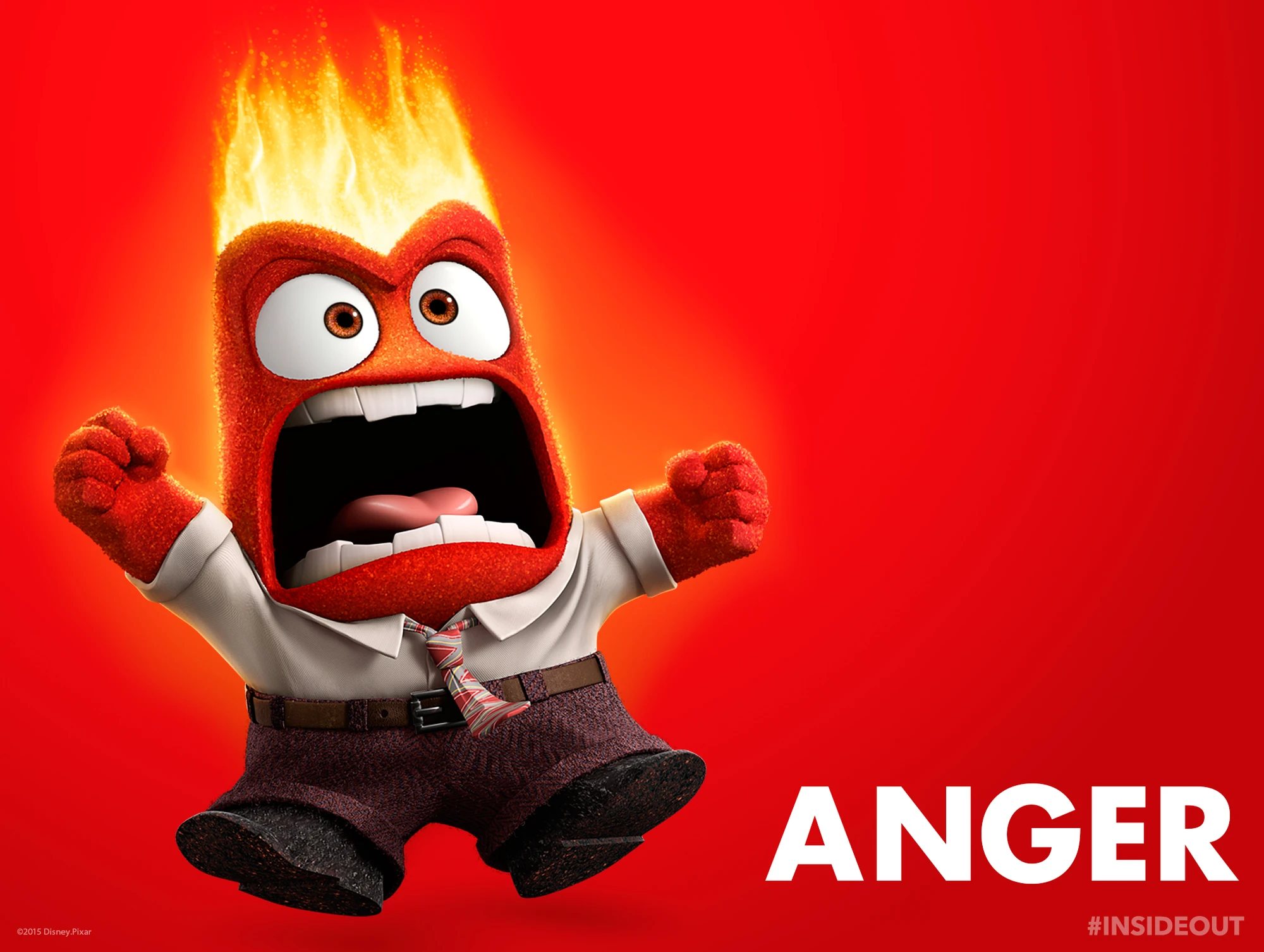
At one point or another, we have all seen or engaged in passive aggressive behaviors, whether it’s giving the silent treatment, making subtle insults, or sending one of those “as per my last email” emails. We do this because we are suppressing our anger or frustration from someone or something. Fear and anger are controlled by a region in the brain called the amygdala. Passive aggressiveness stems from that basic emotion of anger.

Anger is neither good nor bad. It is a basic, spontaneous, neurophysiological part of human emotion. As children, we were often scolded or punished for expressing anger. For example, throwing a temper tantrum is considered unacceptable. So at a young age, we started to perceive anger as taboo. As a result, we learned to suppress our feelings and engage in an indirect expression of hostility through subtle acts.

Children are most likely to act in a passive aggressive manner. Nonetheless, children are the most susceptible to change. Teaching our children that anger is just like every other emotion and directing their anger towards a positive, productive activity will help the child grow into an adult knowing how to manage their emotions properly. Some positive activities may include writing, exercising, drawing, meditating, and listening to music. These activities provide a form of distraction that can alleviate one’s mood, by stimulating another part of the brain that is not associated with the amygdala.

However, adults act this way as well because it’s easier to be passive than to be assertive and emotionally open. When children are taught to suppress their anger and they mature into an adult, it’s harder for them to stand up for themselves and to confront their source of anger.

It is best to avoid raising your voice, lecturing, or knee-jerk consequences that can exacerbate the situation. If an individual is trying to express their anger through communication, it is best to listen instead of reprimanding them for being angry.

When someone is passive-aggressive towards you, fight the urge to mirror their behavior. Instead confront the behavior because when passive-aggressive behavior is confronted directly and assertively, the hidden anger is weakened. Assertive communication and being emotionally open, no matter how hard it is, is the most effective way to acknowledge and accept anger. This builds a foundation for lifelong emotional intelligence and strong, secure relationships.

If you or someone you know has difficulty managing their anger, please contact our psychotherapy offices in New York or New Jersey to talk to one of our licensed professional psychologists, psychiatrists, psychiatric nurse practitioners, or psychotherapists at Arista Counseling & Psychotherapy. Contact our Paramus, NJ or Manhattan, NY offices respectively, at (201) 368-3700 or (212) 722-1920 to set up an appointment. For more information, please visit http://www.counselingpsychotherapynjny.com/ .

Sources:

https://www.psychologytoday.com/us/blog/passive-aggressive-diaries/201712/the-angry-smile-responding-passive-aggressive-behavior

https://www.psychologytoday.com/us/blog/passive-aggressive-diaries/201709/how-respond-effectively-young-persons-anger

https://www.verywellmind.com/what-is-passive-aggressive-behavior-2795481

https://vignette.wikia.nocookie.net/pixar/images/7/7a/Io_Anger_standard2.jpg/revision/latest/scale-to-width-down/2000?cb=20150425021210

Memory in Children: Do Games Help Improve Memory in Children

Memory in Children: Games Help Improve Memory in Children

By Crystal Tsui

There are many types of memory; episodic, working, procedural, sensory, and so on. But for children, the most important type of memory that they should be exercising is working memory. This is because working memory, a form of short term memory, is where information is consciously stored in the mind at any given moment. We use working memory to be able to remember something long enough to do something with the information.

How does this apply to children? Well, children with better working memory can:

  • Apply previously learned information to new situations
  • Stay focused and on-task
  • Follow complex and multi-step directions

Their attitudes change and they are better-behaved and less likely to daydream and act out during class.

A study in Japan studied eight year old students completing a 10 minute task every day for two months. The students had to recall the second number in a four number sequence and the results showed that there was a 12% increase on their IQ scores than the control group. The study also reports the results on adults had the same effect, although not as dramatic. In conclusion, yes, memory games do improve working memory in children.

Here is a link to an article that lists a bunch of games you can play with children and it includes directions for each game. https://childhood101.com/short-term-memory-games/

If you or someone you know has trouble with attention, please contact our psychotherapy offices in New York or New Jersey to talk to one of our licensed professional psychologists, psychiatrists, psychiatric nurse practitioners, or psychotherapists at Arista Counseling & Psychotherapy. Contact our Paramus, NJ or Manhattan, NY offices respectively, at (201) 368-3700 or (212) 722-1920 to set up an appointment. For more information, please visit http://www.counselingpsychotherapynjny.com/ .

Citations:

https://childhood101.com/short-term-memory-games/

https://thecornerstoneforteachers.com/working-memory-games/

https://www.health.com/syndication/healthy-woman-collapses-rare-brain-condition-icu

http://www.sweetadditions.net/wp-content/uploads/2011/05/Memory-Games.jpg


Conduct Disorder

Conduct Disorder

By: Leah Flanzman

Conduct disorder is a behavioral disorder seen in children who display behaviors that deviate from societal norms and violate a number of social rules. Conduct disorder will typically present itself before the age of 16, and can have both genetic and environmental influences. According to the Diagnostic and Statistical Manual of Mental Disorders IV (DSM IV-TR), this disorder is being increasingly diagnosed in more and more children throughout the United States. In the past few years, prevalence rates of children exhibiting symptoms of conduct disorder skyrocketed to as high as 10%.

Conduct disorder is typically divided into two types, childhood onset and adolescent onset, which are distinguished from one another by the age at which symptoms begin appearing. Childhood onset conduct disorder is diagnosed before 10 years of age, and adolescent onset is diagnosed if the symptoms arise after 10 years of age. Childhood onset is believed to be the more serious condition between the two and more resistant to treatment

The symptoms of conduct disorder can be broken down into four main categories. A child or adolescent is likely to have conduct disorder if they consistently display aggressive conduct, deceitful behavior, destructive behavior, or a violation of rules. Examples of aggressive conduct can include intimidating or bullying other children, physically harming people or animals with malicious intentions, or using a weapon. Deceitful behavior can be seen through lying, stealing, or breaking and entering.   Individuals will display destructive behaviors by intentionally destroying or vandalizing properties, and individuals will violate rules by skipping school, running away, or prematurely abusing drugs and alcohol.

A distinction lies in how the symptoms of conduct disorder are manifested between the genders, as it is more frequently diagnosed in boys. Boys are more likely to fight, steal, vandalize school property, and break school rules, whereas girls are more likely to lie, run away from home, use drugs, and engage in early sexual activity. Conduct disorder is unique in the fact that it is not always recognized as a mental illness, so treatment is commonly neglected. Early intervention for Conduct Disorder yields the greatest possibility for an improved long-term outcome so if symptoms begin to arise, seeking help immediately can be extremely beneficial.

If you or a person you know is struggling with conduct disorder, it may be beneficial to have them contact a mental health professional and receive therapy for their illnesses. The psychologists, psychiatrists, and therapists at Arista Counseling and Psychiatric Services can help.  Contact the Bergen County, NJ or Manhattan offices at (201) 368-3700 or (212) 722-1920.  Visit http://www.acenterfortherapy.com for more information.