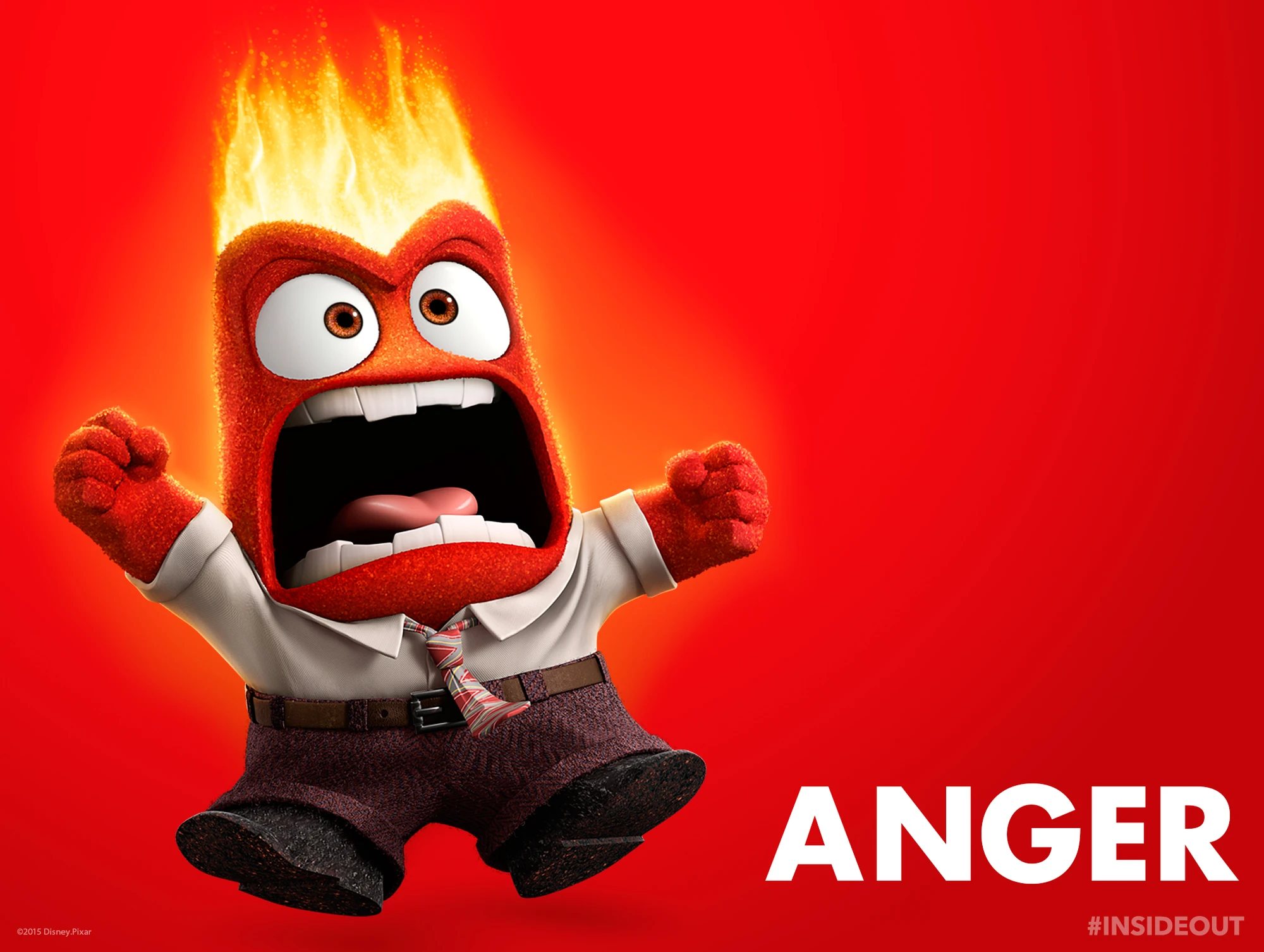
Anger in Children

By: Maryellen Van Atter

Children experience anger. This is an expected part of growing up and learning how to navigate life’s situations. However, when anger becomes overwhelming and distressing for your child and for your family it may be indicative of a greater issue. If your child has trouble controlling their tantrums or frequently experiences anger, you may consider addressing the emotion and helping your child control their anger.

Though every child is different, there are some warning signs that your child’s anger is out of control. These include the child displaying behavior that is dangerous to themselves or others, the child’s teachers reporting that the behavior is out of control, the behavior alienating the child from their peers at school and preventing social interaction (birthday party attendance, etc.), and the behavior disrupting home life. Additionally, parents should observe if their child feels badly about him or herself as a result of their inability to control their anger. This illustrates that the child is experiencing distress because of the lack of control over their emotions, and is a sign that their anger is beyond what is normal or expected for a child their age.

There are many different causes for this behavior. These causes may include anxiety, learning disabilities, trauma, sensory processing issues, or general distress. Triggers are also an important thing for parents to recognize if they are worried about their child’s anger. Identifying triggers or situations which result in anger can help discern the cause of the anger and ways in which it can be effectively managed. Psychotherapy and cognitive behavioral therapy are two treatment methods which professionals use to help a child manage their anger and teach the child coping mechanisms and emotional regulation.


If you or someone you know is struggling with a child’s anger expression, Arista Counseling and Psychotherapy can help. Please contact us in Paramus, NJ at 201-368-3700 or in Manhattan, NY at 212-996-3939 to arrange an appointment. For more information about our services, please visit http://www.counselingpsychotherapynjny.com/


Sources:

https://www.yalemedicine.org/conditions/anger-issues-in-children-and-teens/

https://www.psychologytoday.com/us/blog/growing-friendships/201806/children-s-anger-management-strategies-work

https://www.greatschools.org/gk/articles/anger-overload/

https://childmind.org/article/is-my-childs-anger-normal/

Seasonal Affective Disorder

Seasonal Affective Disorder (S.A.D)

By Tatyana A. Reed

As the weather seems to slow down and we shift from bright sunny days to cold winter nights, some of us may notice a sudden change of mood that comes with this weather shift. This change of mood is called Seasonal Affective Disorder (S.A.D). According to National Institute of Mental Health (NIMH), “S.A.D is a type of depression that comes and goes with the seasons, typically starting in the late fall and early winter and going away during the spring and summer. Depressive episodes linked to the summer can occur, but are much less common than winter episodes of SAD.”

Signs & Symptoms

  • Feeling depressed most of the day, nearly every day
  • Feeling hopeless or worthless
  • Having low energy
  • Losing interest in activities you once enjoyed
  • Having problems with sleep
  • Experiencing changes in your appetite or weight
  • Feeling sluggish or agitated
  • Having difficulty concentrating
  • Having frequent thoughts of death or suicide.

Causes

  • People with SAD may have trouble regulating seratonin, which is one of the key neurotransmitters involved in mood.
  • People with SAD may overproduce the hormone melatonin.
  • People with SAD also may produce less Vitamin D.


Getting Treated

  • Medication: if someone suffers from S.A.D they can be helped by taking Selective Serotonin Reuptake Inhibitors (SSRIs). However, like all medication there are side effects, make sure to speak with your doctor about this first.
  • Light therapy: the feelings of S.A.D can be lessoned by sitting in front of a light box that emits 10,000 lux of cool- white- fluorescent light for 20-60 minutes. The light is said to replace the loss of light from daylight savings
  • Therapy: it is best to talk with a psychologist, counselor, or someone in the mental health field when feeling different types of emotions that may be negative such as sadness or anger. Seeking help is the first step to eliminating S.A.D.

If you or a person you know is struggling with S.A.D, it may be beneficial to contact a mental health professional and receive therapy. The psychologists, psychiatrists, and therapists at Arista Counseling and Psychiatric Services can help.  Contact the Bergen County, NJ or Manhattan offices at (201) 368-3700 or (212) 722-1920.  Visit http://www.acenterfortherapy.com for more information.

References:

Koblenz, Jessica. “11 Things About Seasonal Affective Disorder That Psychologists Wish You Knew.” Reader’s Digest, www.readersdigest.ca/health/conditions/seasonal-affective-disorder-facts/. (PHOTO)

National Mental Health Institute. “Seasonal Affective Disorder.” National Institute of Mental Health, U.S. Department of Health and Human Services, http://www.nimh.nih.gov/health/topics/seasonal-affective-disorder/index.shtml.


Personality Psychology: The Big Five O.C.E.A.N.

Personality Psychology: The Big Five O.C.E.A.N.

By Crystal Tsui

You may have seen quizzes online that can help determine your personality. Most of the quizzes online revolve around the basis of five core personality traits. Fiske, Norman, Smith, Goldberg, and McCrae & Costa were the leading researchers that brought evidence of the big five traits. The five traits are scaled on a spectrum, for example if a person was rated low in Neuroticism; they were rated high in Emotional Stability. The five traits are categorized as:

  • Openness: high levels of imagination, insight, tend to be adventurous, creative
  • Conscientiousness: high levels of thoughtfulness, goal-directed behaviors, good impulse controls, and organized
  • Extroversion: high levels of excitability, sociability, talkativeness, assertiveness, and high amounts of emotional expressiveness.
  • Agreeableness: high levels of trust, altruism, kindness, affection, and other prosocial behaviors
  • Neuroticism: high levels of sadness, moodiness, and emotional instability. They tend not to handle stress well.

These five traits have been found to be universal. One study showed that people in more than 50 different cultures found that the five dimensions could be accurately used to describe personality. Also, the five dimensions have biological and environmental origins that can influence the change of personality.

Another study showed that our five factors change over time. It showed that agreeableness and conscientiousness increased, but extroversion, neuroticism, and openness generally decrease as a person ages. Sex also contributes to the five factors as well. Women tend to score higher in both agreeableness and neuroticism. Even though sex differences have been found, it does not, by itself, demonstrate that the sexes are innately different in personality, although that is a possibility.

Frank Sulloway, a psychologist who focused on birth order, found that personality traits correlate with the order of individuals’ birth. He found that firstborns are statistically more conscientious, more socially dominant, less agreeable, and less open to new ideas compared to those born later. This could be due to firstborns caring for their younger siblings at a young age.

The Big Five is not based on any underlying theory; it is merely an empirical finding, meaning that the underlying causes behind them are unknown.

If you or someone you know is dealing with borderline personality disorder, dissociative identity disorder or any other personality disorders, please contact our psychotherapy offices in New York or New Jersey to talk to one of our licensed professional psychologists, psychiatrists, psychiatric nurse practitioners, or psychotherapists at Arista Counseling & Psychotherapy. Contact our Paramus, NJ or Manhattan, NY offices respectively, at (201) 368-3700 or (212) 722-1920 to set up an appointment. For more information, please visit http://www.counselingpsychotherapynjny.com/ .

Sources:

https://www.verywellmind.com/the-big-five-personality-dimensions-2795422

https://www.mentalhelp.net/psychological-testing/big-five-personality-traits/

https://blog.adioma.com/wp-content/uploads/2018/11/big-five-personality-traits-infographic.png

Bullying: Impact of Bullying on Children’s Mental Health

Bullying: Impact of Bullying on Children’s Mental Health

By Lauren Hernandez

            National media has created a frenzy of coverage surrounding Wisconsin’s controversial ordinances which fine parents if their children are bullies in school. Some may disagree with this new policy; however, others believe this harsh measure will help to eliminate bullying among school children.

Bullying can be physical, emotional, or verbal, and is a pattern of harmful, humiliating behaviors directed towards people who seem vulnerable to the bully. Oftentimes bullying happens in school, but with the rise of technology, cyberbullying is also becoming a problem. Children who are victims of bullying are typically vulnerable to mistreatment because they may be smaller, weaker, younger, and fearful of the bully; however, this description is general and does not apply to everyone. Bullies use their power, whether that is physical strength, popularity, or intimidation to harm others. Bullies tend to demonstrate signs of aggression or hostility beginning around 2 years old. It has been found that bullies have mental health issues such as lack of emotional understanding, lack of prosocial behavior, and increased rates of hostility as well as insecurity. Additionally, bullies typically have difficult relationships with their parents, teachers, and peers.

Victims of bullying not only suffer from physical consequences, but being bullied negatively impacts their mental health and overall well-being.  These detrimental social and emotional abuses can foster the development of mental health disorders such as anxiety or depression.  Victims of bullying often experience feelings of low self-esteem, isolation and loneliness. Some children create somatic symptoms such as headaches, stomachaches and other complaints which might not be valid, in order to prevent attending school. Victims of bullying generally stop liking school because they associate it with the threat of a bully. Incidents of bullying should immediately be reported to a school official, parent, or other adult that can help the victim and resolve the situation.

It is important to recognize that in most cases both the bully and the victim are suffering from mental health issues and they would benefit from treatment by a school counselor, psychologist or psychiatric nurse practitioner.

If you or someone you know who may be suffering from bullying, depression, or anxiety, please contact our psychotherapy offices in New York or New Jersey to talk to one of our licensed professional psychologists, psychiatrists, psychiatric nurse practitioners, or psychotherapists at Arista Counseling & Psychotherapy. Contact our Paramus, NJ or Manhattan, NY offices respectively, at (201) 368-3700 or (212) 722-1920 to set up an appointment. For more information, please visit http://www.counselingpsychotherapynjny.com/ .


Sources:

https://www.psychologytoday.com/us/basics/bullying

https://www.psychologytoday.com/us/blog/resilience-bullying/201906/can-wisconsin-get-rid-bullies-fining-their-parents

https://www.psychologytoday.com/us/articles/199509/big-bad-bully

Image Source:

https://www.bing.com/images/search?view=detailV2&id=E96397A385D68EA2836ABF172145323D4ACC382E&thid=OIP.yGetJrSKLf9RfOX94w0QPwHaFj&mediaurl=http%3A%2F%2Fwww.scholastic.com%2Fcontent%2Fdam%2Fteachers%2Fcollections%2F17-18%2Fbullying-prevention-collections-4-3.jpg&exph=1125&expw=1500&q=bullying&selectedindex=10&ajaxhist=0&vt=0&eim=1,2,6


Passive Aggressiveness: Origins and How to Respond

Passive Aggressiveness: Origins and How to Respond

By Crystal Tsui

At one point or another, we have all seen or engaged in passive aggressive behaviors, whether it’s giving the silent treatment, making subtle insults, or sending one of those “as per my last email” emails. We do this because we are suppressing our anger or frustration from someone or something. Fear and anger are controlled by a region in the brain called the amygdala. Passive aggressiveness stems from that basic emotion of anger.

Anger is neither good nor bad. It is a basic, spontaneous, neurophysiological part of human emotion. As children, we were often scolded or punished for expressing anger. For example, throwing a temper tantrum is considered unacceptable. So at a young age, we started to perceive anger as taboo. As a result, we learned to suppress our feelings and engage in an indirect expression of hostility through subtle acts.

Children are most likely to act in a passive aggressive manner. Nonetheless, children are the most susceptible to change. Teaching our children that anger is just like every other emotion and directing their anger towards a positive, productive activity will help the child grow into an adult knowing how to manage their emotions properly. Some positive activities may include writing, exercising, drawing, meditating, and listening to music. These activities provide a form of distraction that can alleviate one’s mood, by stimulating another part of the brain that is not associated with the amygdala.

However, adults act this way as well because it’s easier to be passive than to be assertive and emotionally open. When children are taught to suppress their anger and they mature into an adult, it’s harder for them to stand up for themselves and to confront their source of anger.

It is best to avoid raising your voice, lecturing, or knee-jerk consequences that can exacerbate the situation. If an individual is trying to express their anger through communication, it is best to listen instead of reprimanding them for being angry.

When someone is passive-aggressive towards you, fight the urge to mirror their behavior. Instead confront the behavior because when passive-aggressive behavior is confronted directly and assertively, the hidden anger is weakened. Assertive communication and being emotionally open, no matter how hard it is, is the most effective way to acknowledge and accept anger. This builds a foundation for lifelong emotional intelligence and strong, secure relationships.

If you or someone you know has difficulty managing their anger, please contact our psychotherapy offices in New York or New Jersey to talk to one of our licensed professional psychologists, psychiatrists, psychiatric nurse practitioners, or psychotherapists at Arista Counseling & Psychotherapy. Contact our Paramus, NJ or Manhattan, NY offices respectively, at (201) 368-3700 or (212) 722-1920 to set up an appointment. For more information, please visit http://www.counselingpsychotherapynjny.com/ .

Sources:

https://www.psychologytoday.com/us/blog/passive-aggressive-diaries/201712/the-angry-smile-responding-passive-aggressive-behavior

https://www.psychologytoday.com/us/blog/passive-aggressive-diaries/201709/how-respond-effectively-young-persons-anger

https://www.verywellmind.com/what-is-passive-aggressive-behavior-2795481

https://vignette.wikia.nocookie.net/pixar/images/7/7a/Io_Anger_standard2.jpg/revision/latest/scale-to-width-down/2000?cb=20150425021210