Anxiety in Athletes

Anxiety in Athletes

By Fiona McDermut

            Anxiety disorders are quite common in recent times, and can interfere with completing simple daily tasks. One population in which anxiety disorders can be particularly concerning is student athletes. Student athletes experience a tremendous amount of pressure coming from multiple facets of life. This includes pressure to perform/compete well, pressure to attend athletic training daily, pressure to maintain a healthy/fit figure, and the pressure to keep up with academic assignments. Competition and a moderate level of stress have proven to be beneficial to performance in many circumstances, but the overwhelming stress that often results from being a student athlete can be debilitating and may impact success.

            Although athletes may be at an increased risk for anxiety disorders, they often find that their schedules are too busy to seek help. In order to perform physically to one’s fullest potential, mental health is just as important as physical health. Anxiety can cause both mental and physiological symptoms that can impact athletic performance.

These symptoms include:

  • Feeling powerless
  • Feeling weak or tired
  • Increased heart rate
  • Rapid breathing
  • Trembling

            While decreasing the level of competition and pressure for student athletes may be a lost cause, there are ways to help deal with the feelings of anxiety that accompany this. First and foremost, it is crucial to allow yourself to take a day off when the pressure becomes too overwhelming. Do something that makes you happy, or simply give your body and mind a day of relaxation. This is especially important if you are injured, or not feeling well mentally or physically.

            If feelings of anxiety persist, it can be helpful to seek therapy. Therapy sessions provide an outlet to share emotions, as well as a professional who can help to manage anxiety. Some of the main treatments for anxiety include Cognitive Behavioral Therapy, Psychotherapy, and medication (mainly SSRIs and antidepressants). A mental health professional will work with your personal needs to establish the most effective treatment plan.

If you or someone you know is struggling with anxiety, please contact our psychotherapy offices in New York or New Jersey to talk to one of our licensed professional psychologists, psychiatrists, psychiatric nurse practitioners, or psychotherapists at Arista Counseling & Psychotherapy. Contact our Paramus, NJ or Manhattan, NY offices respectively, at (201) 368-3700 or (212) 722-1920 to set up an appointment. For more information, please visit http://www.counselingpsychotherapynjny.com/

Sources:

https://www.ncaa.org/sports/2014/10/8/mind-body-and-sport-anxiety-disorders.aspx

Image Source:

https://www.cnbc.com/2021/09/13/heres-impact-of-ncaa-letting-college-athletes-profit-off-their-marketability.html

Anxiety in Elementary School Students

Anxiety in Elementary School Students

By Kim Simone

Symptoms of Anxiety

Elementary school students may present with different symptoms of anxiety each day before, during, and after school. Physical manifestations of anxiety may include stomachaches, restlessness, heart palpitations, and complaints of not feeling well enough to attend school. These children often have difficulty falling and staying asleep and may refuse to attend school in the morning. While in the classroom, these students may show difficulty concentrating, show excessive preoccupation with performance, or may perform poorly as a result of excess worry.

Types of Anxiety Presented

Separation anxiety is characterized by excessive worry about being separated from caregivers and commonly affects students of young ages. Social anxiety is another disorder that can be found in children, impacting their ability to participate in the classroom and socialize with their classmates. Another disorder is generalized anxiety disorder (GAD) which affects students who worry about a wide variety of school issues. For instance, students with GAD may struggle with academic perfectionism. Although typically harder to identify in a school setting at a young age, young students may present with symptoms of obsessive-compulsive disorder. Students with this disorder may perform compulsive rituals or behaviors to ease their anxiety. Other anxiety disorders that may affect a student are selective mutism and specific phobias. These often impact academic and social performance.

Treatment Options

Psychotherapy can help children struggling with anxiety. Cognitive behavioral therapy (CBT) is the most commonly used treatment option. This therapy focuses on negative patterns of thoughts and addresses how thoughts affect the way the child feels. Parents of children with anxiety disorders can benefit from speaking to a child psychologist about how they can help. Medications may also be used to ease symptoms for a wide-variety of anxiety disorders. Treatment for anxiety disorders can be done through in-person services and virtual options, which can provide the necessary help to improve daily functioning.

If you or someone you know is struggling with anxiety, please contact our psychotherapy offices in New York or New Jersey to talk to one of our licensed professional psychologists, psychiatrists, psychiatric nurse practitioners, or psychotherapists at Arista Counseling & Psychotherapy. Contact our Paramus, NJ or Manhattan, NY offices respectively, at (201) 368-3700 or (212) 722-1920 to set up an appointment. For more information, please visit http://www.counselingpsychotherapynjny.com/

Sources:

https://childmind.org/article/classroom-anxiety-in-children/

Therapy for Anxiety Disorders

https://www.psychologytoday.com/us/basics/anxiety/children-and-anxiety#:~:text=They%20may%20be%20overly%20or,enough%20to%20go%20to%20school.

Image Source:

Body Dysmorphic Disorder-Beautiful In Your Own Skin Month

Body Dysmorphic Disorder-Beautiful In Your Own Skin Month

By Fiona McDermut

            In light of the start of “beautiful in your own skin” month, it is important to recognize that many struggle with body image satisfaction. Not all people look in the mirror and feel content with what they see. Even if those around you do not understand your body-related concerns, your feelings are totally valid and can be helped with treatment.

            Body dysmorphic disorder (body dysmorphia) is a mental illness characterized by a hyper fixation on perceived defects in one’s appearance. This interferes with day-to-day life because one may spend a large amount of time worrying or attempting to adjust the perceived flaw. These behaviors usually result in obsessive body comparison to others, avoidance of social interaction, and frequent negative body-checking (looking in the mirror repeatedly at disliked body parts). Unfortunately, many have associated their own happiness with how closely their bodies align with current beauty standards portrayed in the media. As one lets these thoughts progress, they can worsen, and possibly be a precursor to an eating disorder or other disorders associated with body dissatisfaction such as depression and obsessive compulsive disorder.

            While many believe that cosmetic surgery will fix their perceived flaws, research has shown that such surgeries do not improve psychological symptoms of body dysmorphic disorder. The first step to resolving the issue is recognizing that you have a warped view of what you look like. If you or someone you know experiences this, it can be very beneficial to seek psychological/psychiatric assistance. Professionals in the field will be able to decide the best way to treat these disordered thoughts. The most common treatment for body dysmorphia is cognitive behavioral therapy (CBT). Other possible treatments include hypnotherapy, exposure therapy, acceptance and commitment therapy (ACT), and the prescription of antidepressant medication in order to decrease the feelings of dissatisfaction.

            Working with a professional is important in situations like these, but it is still important to remind yourself that your perceived flaws are only noticed by you, and likely not those around you. Nobody is perfect, but with the constant pressure of modern media to be thin, our flaws often appear to be more apparent to ourselves than they are to others. The practice of mindfulness exercises may also help to focus your mind on what you have learned to love about yourself, and of course, do not be afraid to seek help when necessary.

If you or someone you know is struggling with body dysmorphic disorder, please contact our psychotherapy offices in New York or New Jersey to talk to one of our licensed professional psychologists, psychiatrists, psychiatric nurse practitioners, or psychotherapists at Arista Counseling & Psychotherapy. Contact our Paramus, NJ or Manhattan, NY offices respectively, at (201) 368-3700 or (212) 722-1920 to set up an appointment. For more information, please visit http://www.counselingpsychotherapynjny.com/

Sources:

https://www.psychologytoday.com/us/blog/the-couch/201507/whats-the-best-way-deal-negative-body-image

https://www.psychologytoday.com/us/blog/shrink/201409/how-stop-hating-your-body

https://www.sciencedirect.com/science/article/abs/pii/S1740144507000988

Image source: https://www.additudemag.com/adhd-related-body-dysmorphic-disorder/

Anxiety: Generalized Anxiety Disorder (GAD): Signs, Symptoms, and Treatment

Anxiety: Generalized Anxiety Disorder (GAD): Signs, Symptoms, and Treatment

By Celine Bennion

Generalized Anxiety Disorder (GAD) is a common anxiety disorder in the United States, currently impacting 3.1% of the population; as many as 5.7% of U.S. adults report experiencing this disorder at some point in their lives. GAD is characterized by feelings of excessive worry which have no particular trigger. This anxiety can be felt about school, work, social interactions, or even common, everyday events. These behavior patterns and cognitive issues become disordered when they begin to disrupt normal functioning.

Symptoms of GAD include the following: restlessness, being wound-up or on-edge, fatigue, trouble concentrating, irritability, muscle tension, and sleeping problems including difficulty falling/staying asleep or unsatisfying sleep. At least three of these symptoms must be present for at least six months for a patient to be diagnosed with GAD.

Treatment:

Cognitive Behavior Therapy (CBT) is a type of therapy that is particularly helpful in treating anxiety disorders, including GAD. This therapy involves teaching patients different ways to approach anxiety inducing situations by changing how they think, behave, and react to them. It also helps to implement social skills in patients.

Medications are another form of treatment for GAD. It should be noted, however, that medications are used to help decrease symptoms of a disorder and do not cure it entirely. Anti-anxiety and anti-depressant medications are commonly used to treat GAD. Anti-depressants work for both depression and anxiety by altering chemicals in the brain, specifically serotonin and norepinephrine. They help to regulate mood and relieve symptoms associated with these disorders. Selective serotonin reuptake inhibitors (SSRIs) and serotonin norepinephrine reuptake inhibitors (SNRIs) are the most commonly used anti-depressants. Anti-anxiety medications, such as benzodiazepines, are effective in treating anxiety symptoms quickly. They are often used as a second option when anti-depressants are not enough to relieve symptoms.

If you or someone you know is seeking therapy for an anxiety disorder, please contact our psychotherapy offices in New York or New Jersey to talk to one of our licensed professional psychologists, psychiatrists, psychiatric nurse practitioners, or psychotherapists at Arista Counseling & Psychotherapy. Contact our Paramus, NJ or Manhattan, NY offices respectively, at (201) 368-3700 or (212) 722-1920 to set up an appointment. For more information, please visit http://www.counselingpsychotherapynjny.com/

Sources:

https://www.nimh.nih.gov/health/topics/anxiety-disorders

https://adaa.org/understanding-anxiety/generalized-anxiety-disorder-gad

https://adaa.org/blog/category/generalized-anxiety-disorder-gad (photo)

Anxiety and Tests

Anxiety and Tests

 As universities are opening up and students are returning back to the classroom, students may feel increases in test anxiety as they return to an academic setting. While some anxiety may be a good motivator for studying, a crippling amount of anxiety can result in a decrease in grades and an increased risk of mental health issues. Here are some tips to conquer testing anxiety.

  • Study Smarter, Not Harder: Make sure you’re prepared for the test. Don’t cram and don’t spend too long stressing over the subject. Ask friends and family for help, and set goals to help you reach your potential in different subjects.
  • Focus on the positives: Negativity can be a self-fulfilling prophecy. If you tell yourself you’ll do poorly, you’ll end up not having the motivation to study and thus do poorly. Practice positive self-talk and set realistic goals for yourself.
  • Build Good Habits: Manage your time wisely. Make sure to get enough sleep the day before the test and eat something nutritious the morning of the test.
  • Do Relaxation Exercises: There are a number of ways to alleviate physical symptoms. Do breathing exercises, count backwards from one hundred, and meditate. Find out which relaxation technique works best for you.

            As everyone returns to the classroom there will be an adjustment period. Be proactive in helping your test anxiety and practice the methods that work best for you.

If you or someone you know is seeking therapy for an anxiety disorder, please contact our psychotherapy offices in New York or New Jersey to talk to one of our licensed professional psychologists, psychiatrists, psychiatric nurse practitioners, or psychotherapists at Arista Counseling & Psychotherapy. Contact our Paramus, NJ or Manhattan, NY offices respectively, at (201) 368-3700 or (212) 722-1920 to set up an appointment. For more information, please visit http://www.counselingpsychotherapynjny.com/

SOURCE: https://www.therapistaid.com/therapy-guide/treating-test-anxiety#references

Mindfulness: Its Effects on Anxiety and Depression

Mindfulness: Its Effects on Anxiety and Depression

By: Stacey Rodriguez

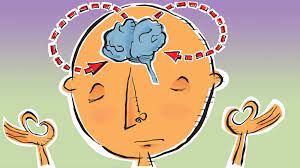
Mindfulness, derived from Buddhist teachings, is a practice which fosters introspective awareness. It’s main principles consist of actively experiencing the present moment, as well as practicing radical acceptance. Radical acceptance is a distress tolerance skill, which is implemented by openly recognizing thoughts and experiences without the tension of subjective or negative perception. Central facets of radical acceptance include self compassion and validation. This perspective emphasizes defusion, which is the process of separating the mind from its thoughts; the act of perceiving oneself as the observer of one’s thoughts, rather than identifying with them, allows individuals to healthily process emotions while remaining grounded and rational. Mindfulness is a defining feature of several modern therapeutic approaches, such as dialectical behavioral therapy (DBT) and mindfulness based cognitive therapy (MBCT). DBT is a form of cognitive therapy, in which the approach focuses on recognizing maladaptive behavioral patterns and core beliefs. Similarly, MBCT uses cognitive behavioral therapy supplemented by mindfulness meditative practices, in order to help individuals become aware of their thoughts and feelings all while avoiding the loop of negativity. 

Practicing mindfulness has proven to have an abundance of promising effects on the mind and body. Overall, it has shown to significantly reduce anxiety and depression. Methodical data suggests that the practice influences stress pathways, and even modifies structure and activity in regions associated with attention and emotion regulation in the brain. Additionally, studies have found mindfulness to have the same moderate effect on treating depression as does medication, as well as moderate effects on anxiety and pain. 

Some mindful activities include:

  • Journaling
  • Practicing breathing techniques
  • Mediation
  • Yoga

If you or someone you know is seeking therapy for depression or anxiety, please contact our psychotherapy offices in New York or New Jersey to talk to one of our licensed professional psychologists, psychiatrists, psychiatric nurse practitioners, or psychotherapists at Arista Counseling & Psychotherapy. Contact our Paramus, NJ or Manhattan, NY offices respectively, at (201) 368-3700 or (212) 722-1920 to set up an appointment. For more information, please visit http://www.counselingpsychotherapynjny.com/

Source:https://www.apa.org/topics/mindfulness/meditation#:~:text=Researchers%20reviewed%20more%20than%20200,%2C%20pain%2C%20smoking%20and%20addiction.

https://www.apa.org/monitor/2015/03/cover-mindfulness

Image source: https://news.harvard.edu/gazette/story/2018/04/harvard-researchers-study-how-mindfulness-may-change-the-brain-in-depressed-patients/

Low Maintenance Might be a Bad Thing

By Katie Weinstein

In our society low maintenance is always seen as a good or neutral thing. People who are low maintenance are seen as flexible, nice, and easy going. If you are low maintenance meaning you can walk out the door without spending an hour doing your hair and makeup that is great, but if you are a low maintenance friend or partner out of fear of asking people to meet your needs, it is time to set boundaries and begin advocating for yourself.

Some people become high maintenance because their parents downplayed their feelings or were not able to meet the needs of their child for reasons such as working multiple jobs, having another child who was high-need, or suffering from an addiction problem. Other people become high need because peers labeled them as dramatic or they were excluded in school so learned to become an easy friend so they shut down their needs. As a result, people learn to be low maintenance so that they take up as little space as possible. In reality, if you’re low maintenance as a result of fear of asking people to meet your emotional needs and coming across as needy, it can take a toll on you.

It is important to first start with identifying what your needs are and what makes you happy. You also need to remind yourself that your needs are valid and it is normal to ask things of people. You are not being overly sensitive or dramatic. While it might seem horrifying to ask people for things, build up the confidence to set boundaries and tell people how you feel. True friends or partners will stick around even if it takes some getting used to. It is also important to tell yourself a new narrative about your needs. Instead of telling yourself that you are dramatic, tell yourself you are advocating for yourself. Once you stop being so low maintenance your confidence will improve, you will build better relationships, and people will stop using you. It is important to get as much in a relationship as you give. If you need help identifying your needs, building your confidence, or advocating for yourself, therapy might be a great option for you.

https://www.psychologytoday.com/us/blog/between-the-generations/202101/are-you-too-low-maintenance?collection=1151944

https://www.psychologytoday.com/us/blog/sexual-self/202104/why-some-people-feel-sad-after-sex

If you or someone you know is low maintenance and seeking therapy, please contact our psychotherapy offices in New York or New Jersey to talk to one of our licensed professional psychologists, psychiatrists, psychiatric nurse practitioners, or psychotherapists at Arista Counseling & Psychotherapy. Contact our Paramus, NJ or Manhattan, NY offices respectively, at (201) 368-3700 or (212) 722-1920 to set up an appointment. For more information, please visit http://www.counselingpsychotherapynjny.com/

Discipline and the Effects of Yelling at a Child

By Katie Weinstein

When it comes to verbal abuse, many people disregard it as a form of abuse because it is not as concrete as physical or sexual abuse, and it is more difficult to draw the line between verbal abuse and scolding. However, the effects of yelling and verbal abuse are just as detrimental and intense as any other type of abuse and can lead to depression and anxiety.

Being yelled at frequently increases the activity of the amygdala, which is the area of the brain that is responsible for emotions. This is because loud noises are signaled to the brain as a warning sign for danger. The amygdala increases stress hormones in the body, which increases muscular tension. These signals tell the body to fight, flight, or freeze, but none of these options are okay when a parent is yelling at a child since it isn’t acceptable to run away from a caregiver or fight them, which leaves the body to be in a stress condition with no purpose or function.  

There are long term effects of yelling at a child frequently since the brain develops neuronal pathways according to our experiences. If the child is conditioned to frequently respond to stressful situations, the child will develop pathways that activate a stress response quickly. Since negative interactions impact a person more than positive interactions, it affects our expectations and self-esteem drastically, especially if the yelling involves name calling, as well as behavior. One might think that yelling would get a child not engage in a specific behavior, but in reality yelling increases bad behavior due to stress and increased aggression as a result of a hyperactive amygdala, which may cause the parent to yell more. Since the child is constantly stressed, they are at risk for mental health problems such as anxiety and depression. Additionally, since yelling is not an effective communication style, the child may not learn to properly communicate, which can affect the child’s relationships in the future, leading to more problems down the road.

If you or someone you know is experiencing trauma from verbal abuse please contact our psychotherapy offices in New York or New Jersey to talk to one of our licensed professional psychologists, psychiatrists, psychiatric nurse practitioners, or psychotherapists at Arista Counseling & Psychotherapy. Contact our Paramus, NJ or Manhattan, NY offices respectively, at (201) 368-3700 or (212) 722-1920 to set up an appointment. For more information, please visit http://www.counselingpsychotherapynjny.com/

https://optimistminds.com/psychological-effects-of-being-yelled-at/

The Problem with Yelling

https://www.healthline.com/health/parenting/effects-of-yelling-at-kids

Procrastinating before bed? This might be why

By Katie Weinstein

Revenge bedtime procrastination is defined as the decision to sacrifice sleep for leisure activities. The reason it is called “revenge” bedtime procrastination is to get back at the day time hours for stealing away free time. Many people are tired when going to bed and intend to go to sleep, but chose to binge shows on Netflix or scroll through hours of Tik Toks without an external reason to stay awake, meaning there is an intention-behavior gap. 

Since revenge bedtime procrastination is still a relatively new idea in sleep science, the underlying psychology explaining this phenomenon is still being debated. One explanation is that daytime workload depletes our capacity for self-control, so we can’t fight our urge to stay awake to participate in leisure activities even though it means we will be better rested for the next day. Another explanation might be that some people are naturally “night owls” and are forced to adapt to an early schedule, so this is their way of finding time to recover from stress. A third explanation might be that, during the pandemic, domestic and work lives are blurred as people work overtime hours and do not divide work time from leisure time. 

The reason that it is important to be aware of revenge bedtime procrastination is because sleep is essential for our physical and mental health. Sleep deprivation can cause daytime sleepiness, which harms productivity, thinking, and memory as well causing physical effects such as insufficient immune function and increased susceptibility to cardiovascular disease and diabetes. 

In order to prevent revenge bedtime procrastination, try putting away technology 30 minutes before bed, create a regular bedtime routine, avoid caffeine late in the afternoon, and find time for leisure activities during the day. It is also important to recognize when you need help managing your procrastination and your sleep problems.

If you or someone you know is struggling with revenge bedtime procrastination or other types of sleep problems, please contact our psychotherapy offices in New York or New Jersey to talk to one of our licensed professional psychologists, psychiatrists, psychiatric nurse practitioners, or psychotherapists at Arista Counseling & Psychotherapy. Contact our Paramus, NJ or Manhattan, NY offices respectively, at (201) 368-3700 or (212) 722-1920 to set up an appointment. For more information, please visit http://www.counselingpsychotherapynjny.com/

What Is “Revenge Bedtime Procrastination”?

https://www.medicalnewstoday.com/articles/revenge-bedtime-procrastination-a-plight-of-our-times#Tips-for-better-sleep

Loneliness During Covid-19

By Eleanor Kim

As we round out one year of stay at home orders and self-quarantine measures due to the novel coronavirus, many are reflecting on their time at home and their mental health during this period. While every individual’s experience over this past year has been unique, one experience seems to be universal-loneliness. Folks around the world were left to deal with their own fears and anxieties regarding the virus and general health and safety of loved ones without the usual group of support from family and friends. This experience was exacerbated for those that were left to face the effects of COVID-19 on their own as unforeseen circumstances forced individuals into isolation.

A recent study found that 65% of participants felt increased feelings of loneliness since the official declaration of the pandemic. In that same study, 76% reported feelings of anxiety, 58% reported a loss of feelings of connectedness, and 78% reported feelings of depression. These feelings of loneliness have far reaching effects as another study found a link between loneliness and heart problems, diabetes, stroke, memory complaints, drug abuse risk, and elevated blood pressure. Other issues include trouble sleeping, negative relationships with food, and an increased reliance on maladaptive coping skills such as drinking and gambling. Loneliness is not a new condition; however, the magnitude in which it is presenting itself is alarming and deserving of a closer watch, especially among younger and older generations.

Now more than ever, it is crucial that individuals strengthen the relationship that they have with themselves. Each emotion that has presented itself during this past year is valid and expected during such a trying and unknown time. It is recommended that individuals welcome these feelings and try their best not to avoid or deny such states of mind. The effects of coronavirus and the impact it has had on the physical and mental wellbeing of people around the world unfortunately will continue to be felt as we trek towards the “new normal” and sense of global stability. It is essential that individuals remind themselves that they are not alone during these times of loneliness and that there are resources available to help cope with any feelings of unrest or isolation.

Online services such as Zoom or Cisco Webex offer opportunities for groups to interact in a virtual setting that will help simulate a sense of community and togetherness. Socially-distanced gatherings may be an option for those who are able to meet in an outdoor or well ventilated area, weather permitting. Experts recommend limiting time spent on social media as excessive time spent on these apps and websites could instill feelings of frustration, anxiety, and comparison with others. Should these feelings of loneliness and isolation persist, telehealth is available for those who may wish to speak to mental health professionals throughout these difficult times.

If you or someone you know is feeling lonely or isolated, please contact our psychotherapy offices in New York or New Jersey to talk to one of our licensed professional psychologists, psychiatrists, psychiatric nurse practitioners, or psychotherapists at Arista Counseling & Psychotherapy. Contact our Paramus, NJ or Manhattan, NY offices respectively, at (201) 368-3700 or (212) 722-1920 to set up an appointment. For more information, please visit http://www.counselingpsychotherapynjny.com/ .

References:

https://www.sharp.com/health-news/managing-loneliness-during-covid-19.cfm

https://www.medicalnewstoday.com/articles/alarming-covid-19-study-shows-80-of-respondents-report-significant-symptoms-of-depression#Making-things-better

Image Source:

https://lifesupportscounselling.com.au/wp-content/uploads/2020/05/loneliness-in-lockdown.jpg