Insomnia: How to Regain Control of Your Sleep!

By: Lauren Hernandez

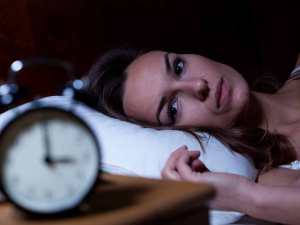
            Insomnia is one of the most prevalent sleep disorders within the United States. People with insomnia struggle to fall asleep, have difficulty staying asleep, or wake up too early. Insomnia is a side effect caused by daily stressors, travel, or other major or minor life events, and can also be caused by other sleeping problems such as sleep apnea. Short term insomnia can be relieved through changes in your lifestyle and habits, including exercise to relieve stress and tension, and meditation or a hot bath to relax and unwind from a busy day. Additionally, changing your bedroom environment to avoid stimulating activities and maintaining a regular sleep schedule will help you fall asleep faster and stay asleep longer. For those with long term insomnia, lasting more than three weeks, it is suggested you visit a psychologist or psychiatric nurse practitioner as there are therapies and medications which can help reduce difficulty sleeping.


If you or someone you know is struggling with insomnia, please contact our psychotherapy offices in New York or New Jersey to talk to one of our licensed professional psychologists, psychiatrists, psychiatric nurse practitioners, or psychotherapists at Arista Counseling & Psychotherapy. Contact our Paramus, NJ or Manhattan, NY offices respectively, at (201) 368-3700 or (212) 722-1920 to set up an appointment. For more information, please visit http://www.counselingpsychotherapynjny.com/ .


Source:

https://www.nami.org/Learn-More/Mental-Health-Conditions/Related-Conditions/Sleep-Disorders

Image Source:

https://www.saga.co.uk/contentlibrary/saga/publishing/verticals/health-and-wellbeing/wellbeing/insomniaistock_52736834_medium768x576


Anorexia Nervosa: How to Spot the Signs

By: Lauren Hernandez

People with anorexia nervosa have a perception of themselves as overweight although typically they are extremely underweight. It is common for a person to have more than one mental disorder such as depression and anxiety which accompany anorexia nervosa.

Major symptoms:

  • Fear of gaining weight
  • Extreme thinness (emaciation)
  • Drastic restricted eating patterns
  • Denial of their extremely low body weight
  • Dry and yellowish skin
  • Fine hair all over the body (lanugo)

If you see a friend exhibiting these behaviors and symptoms, it is best to reach out to an adult or medical professional. It is imperative that people with eating disorders seek treatment early on so that total recovery is possible.

You are not alone.

If you or someone you know is struggling with an eating disorder, please contact our psychotherapy offices in New York or New Jersey to talk to one of our licensed professional psychologists, psychiatrists, psychiatric nurse practitioners, or psychotherapists at Arista Counseling & Psychotherapy. Contact our Paramus, NJ or Manhattan, NY offices respectively, at (201) 368-3700 or (212) 722-1920 to set up an appointment. For more information, please visit http://www.counselingpsychotherapynjny.com/ .


Source:

https://www.nimh.nih.gov/health/topics/eating-disorders/index.shtml


Image Source:

https://www.bing.com/images/search?view=detailV2&id=3D24C7C89D97AF44EB55FE5DCC57C2B982550B0A&thid=OIP.LWLWV8Px_CgM_wXxP5oyugHaFj&mediaurl=http%3A%2F%2Fimage.slidesharecdn.com%2Fanorexia3c-121028074613-phpapp02%2F95%2Fanorexia-slideshare-1-638.jpg%3Fcb%3D1351410841&exph=479&expw=638&q=anorexia+pic&selectedindex=0&ajaxhist=0&vt=0&eim=1,2,6

Anxiety: Test Taking

Anxiety: Test Taking

By Toniann Seals

Many students are exceptional in class, but find themselves below average on tests (both in class and standardized). How can the student who is continuously participating, going to extra tutoring sessions and always asking questions failing tests? There is a chance they are suffering from test taking anxiety.

Symptoms of test anxiety

While testing:

  • Shaking
  • Nausea
  • Forgetfulness
  • Hot flashes

Effects of test anxiety

  • Feelings of not being good enough
  • Feeling as though you are a failure
  • Negative thoughts
  • Lack of self esteem

Overcoming test anxiety is something that can be handled with a professional, however there are ways you can help yourself in the meantime.

Coping mechanisms

  • Begin studying early so you feel more confident and less anxious
  • Have open communication with your teacher so they understand what you are going through
  • Get enough sleep the night before
  • Meditation can help anxiety
  • Create affirmations and positive thoughts where you picture yourself doing well

If you or someone you know is dealing with anxiety speak with one of our licensed professional psychologists, psychiatrists, psychiatric nurse practitioners, and psychotherapists. Contact us at our Paramus, NJ or Manhattan, NY offices at (201) 368-3700 or (212) 722-1920 respectively to set up an appointment. For more information, visit http://www.counselingpsychotherapynjny.com/.

Source:

https://www.mayoclinic.org/diseases-conditions/generalized-anxiety-disorder/expert-answers/test-anxiety/faq-20058195

(Image) https://www.psycom.net/test-anxiety-quiz-assessment/

Social Anxiety: Phone Calls

Social Anxiety: Phone Calls

By Toniann Seals

Does calling a restaurant to order food make you sick to your stomach? Do you have a fear of jobs whose expectations include answering phones? There is a good chance that you may have some form of social anxiety in relation to phone call phobias.

While you are on the phone do you:

  • Shake?
  • Feel your heart racing?
  • Feel anxious?

Ways to handle a call and address issues when you suffer from social anxiety disorder:

  • Practice your call in a mirror
    • Talk to yourself before you talk to someone else.
  • Write a script
    • It is okay to have exactly what you want to say right in front of you. This can alleviate your social anxiety.
  • Post it notes
    • If you are doing a phone interview or at work, write a cheat sheet with common phone numbers, email addresses, resume details and facts that will come up frequently.
  • Speak slowly and calmly
    • Remind yourself that you do not need to rush. Take your time!
  • Let an incoming call go to voicemail
    • Voicemail is an option for a reason. If you are feeling exceptionally worried, take a moment and let it go to voicemail. You can always call back when you are ready.

If you or someone you know suffers from social anxiety speak with one of our licensed professional psychologists, psychiatrists, psychiatric nurse practitioners, and psychotherapists. Contact us at our Paramus, NJ or Manhattan, NY offices at (201) 368-3700 or (212) 722-1920 respectively to set up an appointment. For more information, visit http://www.counselingpsychotherapynjny.com/.

Sources:

https://www.verywellmind.com/afraid-making-phone-calls-tips-3024317

(Image) https://www.theatlantic.com/technology/archive/2016/04/the-life-and-death-of-the-prank-phone-call/476340/

Depression in Children: What are the Signs?

By: Sally Santos

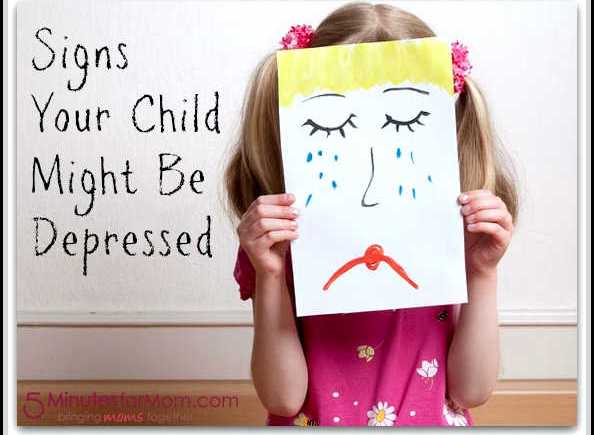
In children the most common mental health disorder is depression. When a child is going through depression it may affect their mental and physical health. As mentioned in a Psychology Today article the symptoms “must also interfere with the child’s functioning in normal daily activities.” Since children are still young they are not able to communicate their feelings well to others. Children with depression can be helped that’s why it is important for parents, caregivers and teachers to recognize the signs of depression. Some of the symptoms are:

  • Angry outburst
  • Anxiety
  • Decreased in energy
  • Feelings of hopelessness
  • Lack of concentration
  • Weight loss
  • Insomnia
  • Refusal to go to school

According to the National Alliance of Mental Health “Once a young person has experienced a major depression, he or she is at risk of developing another depression within the next five years.”

Sources:

https://www.psychologytoday.com/us/blog/alphabet-kids/201009/20-signs-and-symptoms-childhoodteen-depression

https://www.psychologytoday.com/us/blog/alphabet-kids/201009/depressing-news-about-childhood-and-adolescent-depression

Image:

https://www.anxietymedications.net/childhood-depression-symptoms-and-signs-to-diagnose-stress-on-kids/

If you are a parent and are concerned about your child having depression call the licensed psychologists, psychiatrists, psychiatric nurse practitioners, and psychotherapists at Arista Counseling & Psychotherapy can assist you. Contact our Paramus, NJ or Manhattan, NY offices respectively, at (201) 368-3700 or (212) 722-1920 to set up an appointment. For more information, visit http://www.counselingpsychotherapynjny.com/