Effects of Sexual Assault

Effects of Sexual Assault

By Toniann Seals

Sexual assault is a tragedy that unfortunately happens to many victims. Statistics say that, “in the U.S., one in three women and one in six men experienced some form of contact sexual violence in their lifetime.” This number is far too high and the reality is that despite the movements created to end it, it continues to have a large impact on many people’s lives.

Facts:

  • “91% of victims of rape and sexual assault are female, and nine percent are male.”
  • “The lifetime cost of rape per victim is $122,461.”
  • “81% of women and 35% of men report significant short- or long-term impacts such as Post-Traumatic Stress Disorder (PTSD).”

Sexual assault affects both the victim and their family. A few of the mental health issues that the victims could develop are anxiety, depression, obsessive thoughts and paranoia. If sexual assault has affected your life, it is important to remember that it is never the victim’s fault and there are people here to help.

If you or someone you know is a victim of sexual assault speak with one of our licensed professional psychologists, psychiatrists, psychiatric nurse practitioners, and psychotherapists. Contact us at our Paramus, NJ or Manhattan, NY offices at (201) 368-3700 or (212) 722-1920 respectively to set up an appointment. For more information, visit http://www.counselingpsychotherapynjny.com/.

Sources:

Click to access NISVS-StateReportBook.pdf

Click to access rsarp00.pdf

Click to access NISVS_Report2010-a.pdf

Click to access nsvrc_talking-points_lifetime-economic-burden_0.pdf

Image:

https://www.indiatoday.in/technology/features/story/hashtag-metoo-trending-on-twitter-facebook-what-is-it-and-why-is-everyone-talking-about-it-1066951-2017-10-18

Suicide: Fighting Suicidal Thoughts

By: Sally Santos

If you are someone who is suffering with suicidal thoughts, you should be aware that most people that have attempted to commit suicide but did not succeed feel relieved that they did not succeed in ending their life. When things get tough sometimes your mind starts racing and you feel overwhelmed with emotions. Suicide doesn’t just happen on its own, it is led by many social risk factors some of them being:

  • Gender
  • Age
  • Marital status
  • Employment status
  • Lack of social support

Many people who have attempted to commit suicide will say that they were experiencing very intense feelings of hopelessness. They felt like they had lost control of their lives and that nothing is going to get better. But that is not true. In that moment it may feel hopeless but there are ways to help you feel better. You do not have to feel like you have to fight your battles alone. In order to steer away from those thoughts it is important to keep in mind a plan just in case your thoughts become too overwhelming. It is recommended to make a list of all the positive things that you have in your life such as:

  • Read a favorite book or listen to your favorite music
  • Write down positive things about yourself or the favorite aspects of your life
  • Try to get a goodnights sleep
  • Have a list of people you trust to call in case you want to talk

Always note that you can discuss how you have been feeling with a healthcare provider. They can provide you with the advice and help that you need in order to achieve a faster and healthy recovery. Lastly, as mentioned in an article in Psychology Today it’s important to “remember that you have not always felt this way and that you will not always feel this way”. The emotions and thoughts that you have now are temporary not permanent.

Article: https://www.psychologytoday.com/us/blog/hide-and-seek/201204/fighting-suicidal-thoughts

Image: https://www.teepublic.com/sticker/1813639-suicide-prevention-awareness-butterfly-ribbon

If you or someone you know is thinking about suicide, contact our psychotherapy offices in New York or New Jersey to talk to one of our licensed professional psychologists, psychiatrists, psychiatric nurse practitioners, and psychotherapists at Arista Counseling & Psychotherapy. Contact our Paramus, NJ or Manhattan, NY offices respectively, at (201) 368-3700 or (212) 722-1920 to set up an appointment. For more information, visit http://www.counselingpsychotherapynjny.com/.


Assertiveness and Anxiety: How Expressing Yourself Can Lead to a Happier Self

By: Sanjita Ekhelikar

“Communication is key” is a phrase we are all familiar with, yet many struggle with actually acting on it. The most effective form of communication is through assertiveness, which involves expressing one’s views in a straightforward manner, and in standing up for one’s needs while still being considerate of others. This differs from aggressiveness in that it does not involve being outwardly emotional or insulting to others, and differs from passivity in that the individual clearly states their feelings and desires. Being assertive involves open communication, which can be difficult to engage in, especially for people struggling with anxiety. However, through practicing and learning assertiveness, people with anxiety can actually feel less worry and more confident in themselves.

Anxiety describes the uncomfortable feelings of turmoil and dread that one might have in anticipation that results in physical sensations such as rapid heartbeat, sweating, and rumination. For many who struggle with anxiety, the thought of being assertive with others makes them anxious. They often worry that being assertive will come off as being mean, creating conflict, and being inconsiderate. Therefore, many choose passive communication, and never voice their views or feelings. This worsens their state of worry, as they are not properly understood by those around them and can easily be taken advantage of. They are often misunderstood which increases their worry. Others often take advantage of them because of their meek manner and visible anxiety.

Contrary to what those with anxiety believe, assertiveness can actually help them feel better. Often times, those with anxiety create situations in their mind about everything that will go wrong if they voice themselves to another person. However, such a form of open communication can create a better understanding between two people. It allows the person with anxiety to be properly understood, to dispel the fearful thoughts in their head, and become more confident in themselves and their views.

How can people with anxiety begin working towards being more assertive? By stating their views using “I,” individuals can avoid putting blame on others by expressing their own opinions. In addition, reminding themselves that their fears are not rational and that it is their anxiety talking to them can help them become increasingly comfortable with being assertive. Finally, practice makes perfect – keep trying and speak up!

If you or someone you know is suffering from anxiety, please contact our psychotherapy offices in New York or New Jersey to talk to one of our licensed professional psychologists, psychiatrists, psychiatric nurse practitioners, or psychotherapists at Arista Counseling & Psychotherapy. Contact our Paramus, NJ or Manhattan, NY offices respectively, at (201) 368-3700 or (212) 722-1920 to set up an appointment. For more information, please visit http://www.counselingpsychotherapynjny.com/.

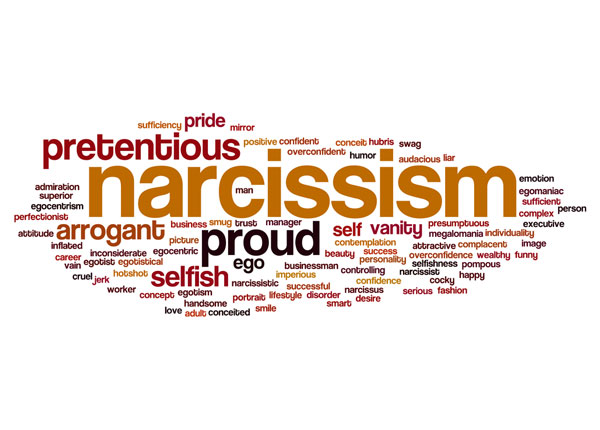
Narcissistic Personality Disorder

Isabelle Kreydin

You’ve heard about bipolar personality obsessive-compulsive disorder, paranoia disorder, and probably a handful of other ones. One of the less uncommon and less discussed one is narcissistic personality disorder. This is a mental condition in which a person has an inflated sense of their own importance, a deep need for excessive attention and admiration, troubled relationships, and a lack of empathy for others.

What lies behind the disorder? Behind the mask of extreme confidence, arrogance and/or pompousness there is a fragile self-esteem that’s vulnerable to the slightest criticism, insult, or contempt. They may find their relationships unfulfilling, and others may not enjoy being around them when they feel the persons need for superiority which can lead to actions and words of disrespect.

Why does this disorder get diagnosed? Most believe that the causes are due to genetics as well as social factors, and the person’s early development such as family, personal temperament, school system, and learned coping skills to deal with stress.

What are some more possible symptoms? It’s their way or the highway, they won’t ever be wrong in situations, and if they admit to be wrong, they will put another down just in order to convince themselves that they are in the right, they can have ease lying; they can charm, falsely accuse, mooch, betray, mirror, compete, destroy, and manipulate easily. They are known also to commonly abuse drugs, alcohol or nicotine.

What problems does this disorder cause? It causes unstable and trouble in relationships, work, school or financial affairs. People with narcissistic personality disorder may be generally unhappy, and may take this out on another human and gain the personality trait that is sadistic.

How can we help the issue? After acceptance, treatment of this personality disorder typically involves long-term therapy, possible medication, and continuing to relate better with others in relationships, working towards empathy, understanding the cause of ones emotions and what drives one to compete and distrust, practicing tolerance, and trying to release ones desire for unattainable goals and ideal conditions.If you or a person you know is struggling with a narcissistic personality disorder, or any personality disorder, it may be beneficial to have them contact a mental health professional and receive therapy for their illnesses. The psychologists, psychiatrists, and therapists at Arista Counseling and Psychiatric Services can help.  Contact the Bergen County, NJ or Manhattan offices at (201) 368-3700 or (212) 722-1920.  Visit http://www.acenterfortherapy.com for more information.

To find out more information, visit: https://www.mayoclinic.org/diseases-conditions/narcissistic-personality-disorder/symptoms-causes/syc-20366662

Post-Traumatic Stress Disorder

PTSD

By: Cassie Sieradzky

Post-Traumatic Stress Disorder (PTSD) is classified in the DSM-5 as a trauma and stress related disorder. PTSD is commonly triggered after a traumatic event, such as violent personal assaults, natural or unnatural disasters, accidents, or military combat. PTSD is frequently comorbid with depression, substance abuse, or anxiety disorders. For PTSD to be diagnosed, symptoms must be present for at least 1 month and they must create distress in the individual and impact daily functioning.

First, an individual must be exposed to death, threatened death, actual or threatened serious injury, or actual or threatened sexual violence, in the following way: direct exposure, witnessing the trauma, or learning that a relative or close friend was exposed to a trauma.

One intrusion symptom must also be present. The intrusion symptoms include unwanted upsetting memories, nightmares, flashbacks, emotional distress after exposure to traumatic reminders, and physical reactivity after exposure to traumatic reminders. Avoidance of trauma-related stimuli after the trauma occurred is also a symptom of PTSD. For example, an individual may avoid trauma-related thoughts or feelings or situations that remind them of the trauma. Two symptoms of negative changes in thought are also required for a diagnosis. An individual with PTSD may experience an inability to recall key features of the trauma, overly negative thoughts or assumptions about oneself or the world, exaggerated blame of self or others for causing the trauma, negative affect, decreased interest in activities, and/or feelings of isolation. Lastly, to be diagnosed with post-traumatic stress disorder, the individual must experience alterations in reactions and behaviors, such as irritability/aggression, risky or destructive behavior, hypervigilance, heightened startle reaction, difficulty concentrating, or difficulty sleeping.

If you or a loved one appears to be suffering from post-traumatic stress disorder, the licensed psychologists, psychiatrists, psychiatric nurse practitioners, and psychotherapists at Arista Counseling & Psychotherapy can assist you. Contact our Paramus, NJ or Manhattan, NY offices respectively, at (201) 368-3700 or (212) 722-1920 to set up an appointment. For more information, visit http://www.counselingpsychotherapynjny.com/

DSM-5 Criteria for PTSD. (2018, March 14). Retrieved April 02, 2018, from
https://www.brainline.org/article/dsm-5-criteria-ptsd

Post-Traumatic Stress Disorder. (n.d.). Retrieved April 02, 2018, from https://www.psychologytoday.com/us/conditions/post-traumatic-stress-disorder