Unexpected and Unwanted Pregnancy: The Psychological Effects of a Pregnancy One is Not Ready For

By: Rebecca Fernandez

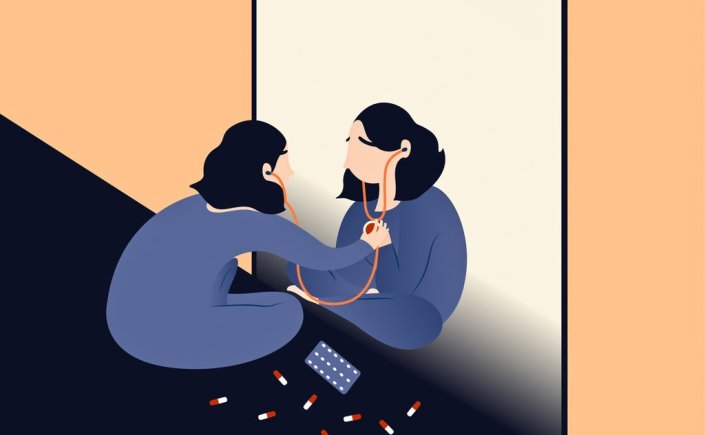
Unexpected and unwanted pregnancies can end in one of three ways. The first: The pregnant woman carries the fetus to term and keeps the child, putting her previous life on hold to raise a child into a life that is not ready for them. The second: the pregnant woman carries the fetus to term and gives the child up for adoption after birth – at which point she may have grown extremely attached to them. Finally, the third: the pregnant woman undergoes an abortion.

While none of the above options are desirable, it is important to note that none of them are any more emotionally destructive than the others. Thus, contrary to many pro-life arguments, abortion isn’t a particular source of trauma. Rather, abortion is a solution to the broader traumatic issue of unexpected and unwanted pregnancy.

The impossible choice can leave a woman feeling helpless and alone. All of the options can be painful and traumatic. Whether the specific thoughts and feelings revolve around the woman losing her previous life and anticipated future to take care of a child, losing a child that she grew attached to throughout her pregnancy, or undergoing an abortion and losing the opportunity to raise a child because she isn’t ready, the lasting effects – grief and otherwise – can remain for a very long time. The different regrets – what-ifs, guilt, sorrow, grief, self-hatred, self-doubt, etc. – stemming from any of these choices all have the potential to linger for the rest of the woman’s life.

For anyone presented with this impossible crossroads, the most important thing to remember is that whatever decision you make is valid. There is no magic solution, and the best one of the three options varies with each individual woman’s situation. All of the options can lead to pain and trauma. To move forward with life after this point, it is important to work through your feelings by talking to friends or loved ones. Speaking with a therapist can be extremely beneficial as well. You are not alone – help is out there.

If you or someone you know is struggling with mental health after an unexpected or unwanted pregnancy, please contact our psychotherapy offices in New York or New Jersey to talk to one of our licensed professional psychologists, psychiatrists, psychiatric nurse practitioners, or psychotherapists at Arista Counseling & Psychotherapy. Contact our Paramus, NJ or Manhattan, NY offices respectively, at (201) 368-3700 or (212) 722-1920 to set up an appointment. For more information, please visit http://www.counselingpsychotherapynjny.com/

https://www.psychologytoday.com/us/articles/199707/the-effects-abortion

https://www.psychologytoday.com/us/articles/200811/abortion-and-the-emotions-it-brings

https://www.guttmacher.org/gpr/2006/08/abortion-and-mental-health-myths-and-realities#

Mindfulness: Its Effects on Anxiety and Depression

Mindfulness: Its Effects on Anxiety and Depression

By: Stacey Rodriguez

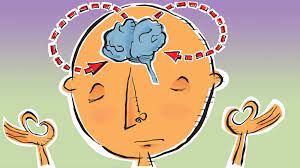
Mindfulness, derived from Buddhist teachings, is a practice which fosters introspective awareness. It’s main principles consist of actively experiencing the present moment, as well as practicing radical acceptance. Radical acceptance is a distress tolerance skill, which is implemented by openly recognizing thoughts and experiences without the tension of subjective or negative perception. Central facets of radical acceptance include self compassion and validation. This perspective emphasizes defusion, which is the process of separating the mind from its thoughts; the act of perceiving oneself as the observer of one’s thoughts, rather than identifying with them, allows individuals to healthily process emotions while remaining grounded and rational. Mindfulness is a defining feature of several modern therapeutic approaches, such as dialectical behavioral therapy (DBT) and mindfulness based cognitive therapy (MBCT). DBT is a form of cognitive therapy, in which the approach focuses on recognizing maladaptive behavioral patterns and core beliefs. Similarly, MBCT uses cognitive behavioral therapy supplemented by mindfulness meditative practices, in order to help individuals become aware of their thoughts and feelings all while avoiding the loop of negativity. 

Practicing mindfulness has proven to have an abundance of promising effects on the mind and body. Overall, it has shown to significantly reduce anxiety and depression. Methodical data suggests that the practice influences stress pathways, and even modifies structure and activity in regions associated with attention and emotion regulation in the brain. Additionally, studies have found mindfulness to have the same moderate effect on treating depression as does medication, as well as moderate effects on anxiety and pain. 

Some mindful activities include:

  • Journaling
  • Practicing breathing techniques
  • Mediation
  • Yoga

If you or someone you know is seeking therapy for depression or anxiety, please contact our psychotherapy offices in New York or New Jersey to talk to one of our licensed professional psychologists, psychiatrists, psychiatric nurse practitioners, or psychotherapists at Arista Counseling & Psychotherapy. Contact our Paramus, NJ or Manhattan, NY offices respectively, at (201) 368-3700 or (212) 722-1920 to set up an appointment. For more information, please visit http://www.counselingpsychotherapynjny.com/

Source:https://www.apa.org/topics/mindfulness/meditation#:~:text=Researchers%20reviewed%20more%20than%20200,%2C%20pain%2C%20smoking%20and%20addiction.

https://www.apa.org/monitor/2015/03/cover-mindfulness

Image source: https://news.harvard.edu/gazette/story/2018/04/harvard-researchers-study-how-mindfulness-may-change-the-brain-in-depressed-patients/

Laziness: The Harmful Effects of the Term “Lazy” on Mental Health

By: Rebecca Fernandez

               “Lazy” is a common uncomplimentary term in modern vocabulary for when someone is unproductive. Think back to a time a group member failed to pull their weight in a group project, or a time someone procrastinated severely, leaving everything for the last minute and creating a poor final product. Consider even a time where you witnessed someone who, by early afternoon, was seemingly unable to bring themselves to get out of bed to start the day.

Whether it was yourself or someone else that you imagined, it’s easy to write off everyone in those examples as lazy. However, there’s a major issue with doing that – “laziness” is often not the cause of these situations. Rather, many mental health conditions can create issues that simulate behaviors identical to laziness.

Take, for example, disorders such as attention deficit hyperactivity disorder (ADHD), depression and other mood disorders, insomnia and other sleep disorders, and anxiety disorders including obsessive compulsive disorder (OCD) and generalized anxiety disorder (GAD). Each of these conditions can negatively impact a person’s ability to be productive, making them appear lazy. People with ADHD can often find themselves imagining all of the tasks they could be engaging in at once and becoming so overwhelmed they feel almost paralyzed. People with depression and other mood disorders often lack the mental energy to accomplish anything. Similarly, people with insomnia and other sleep disorders often lack the physical energy to accomplish anything. People with GAD may have a crippling fear that they won’t be good enough at something, preventing them from attempting to do the task in question. People with OCD may have a crippling (rational or irrational) fear that something bad will happen if they do specific things, preventing them from doing those things.

               All of these explanations are generalized and therefore may not apply to everyone with each listed disorder, or be the only applicable factor for each disorder’s effect on laziness. However, if you or someone you know has been consistently labeled as lazy, remember that “laziness” is often more than how it appears on the surface, and that actively struggling with mental health does not make a person a failure.

If you or someone you know is exhibiting signs of “laziness” as described above that are getting in the way of day-to-day life, please contact our psychotherapy offices in New York or New Jersey to talk to one of our licensed professional psychologists, psychiatrists, psychiatric nurse practitioners, or psychotherapists at Arista Counseling & Psychotherapy. Contact our Paramus, NJ or Manhattan, NY offices respectively, at (201) 368-3700 or (212) 722-1920 to set up an appointment. For more information, please visit http://www.counselingpsychotherapynjny.com/

https://www.psychologytoday.com/us/blog/hide-and-seek/201410/the-psychology-laziness

Relationships; How to Recognize a Toxic Relationship

Relationships; How to Recognize a Toxic Relationship

By: Priya Desai

A toxic relationship can be hard to identify, especially when you are in the relationship. There are many instances where the people closest to you will notice first that the relationship you are in is not good for you. Here are signs of a toxic relationship that can help you identify if you are in one.

Signs of a toxic relationship:

  • Lack of trust

When you are in a relationship, both partners should have trust in each other. Trust varies from being loyal to your partner to trusting that they have the best interest in their mind when they are thinking about the relationship. Trust is the foundation of a relationship and without it, it can’t work.

  • Hostile communication

Hostile communication includes verbal abuse and physical abuse. This can be name calling, yelling, constant interruption, or throwing and breaking things.

  • Controlling behaviors

Your partner has no right to control your actions or beliefs. This can include telling you what’s right, secluding you from your closest friends/family, and requiring access to your personal social media accounts and phone.

  • All take, no give

If you feel as if your partner is not doing anything for you, but you are consistently taking orders from him/her, this is another big red flag. This includes always being the first one to text and always being the one to make plans to hang out with your partner. The feelings should be reciprocated all the time.

If you or someone you know is in a toxic relationship, please contact our psychotherapy offices in New York or New Jersey to talk to one of our licensed professional psychologists, psychiatrists, psychiatric nurse practitioners, or psychotherapists at Arista Counseling & Psychotherapy. Contact our Paramus, NJ or Manhattan, NY offices respectively, at (201) 368-3700 or (212) 722-1920 to set up an appointment. For more information, please visit http://www.counselingpsychotherapynjny.com/

Citation: https://www.insider.com/toxic-relationship

https://www.healthline.com/health/toxic-relationship

Image Citation : https://www.google.com/search?q=toxic+relationship&sxsrf=AOaemvK-hHlQGKKmgsC6m_XxK_UptZleNA:1631133605274&source=lnms&tbm=isch&sa=X&sqi=2&ved=2ahUKEwjX3_2YnvDyAhUaQfEDHao0DBMQ_AUoAXoECAEQAw&biw=794&bih=639#imgrc=TKmtKNeDMzkEOM

Social Anxiety; Going Back to Normalcy After the Pandemic 

By Jillian Hoff

As everyone starts to go back to their lives before the pandemic it is important to recognize that some individuals will feel uncomfortable after being in quarantine for so long. Some people will most likely feel some amount of social anxiety when going back out. It is important to recognize that most people are going to feel anxious when returning back to normalcy. Most people will just feel these emotions a different degree. Social anxiety is more than just feeling nervous. It could occur when a person feels as though they are being judged or being put down by the people around them when that isn’t the case. This will be normal as people go back to socializing in any type of setting. One major issue society might have would be to relearn social behaviors. Some things that we previously would not have thought about doing became common actions for us during the pandemic. Things like making facial expressions under our masks or talking during a meeting because that is what we got used to doing, is not going to be acceptable behavior when one’s in person.

It is important not to rush into socializing in person. Start by having in-person meetings or work once or twice a week and slowly add more days after you are comfortable. If you have an event that you need to go to, try planning a solution in advance that will make you most comfortable to be there. You can also practice mindfulness and deep breathing exercises as a way to gain some control over your anxiety. However, what is most important is to realize that everyone is getting back to normalcy and that others will feel the same way as you do.

If you or someone you know is seeking therapy for social anxiety, please contact our psychotherapy offices in New York or New Jersey to talk to one of our licensed professional psychologists, psychiatrists, psychiatric nurse practitioners, or psychotherapists at Arista Counseling & Psychotherapy. Contact our Paramus, NJ or Manhattan, NY offices respectively, at (201) 368-3700 or (212) 722-1920 to set up an appointment. For more information, please visit http://www.counselingpsychotherapynjny.com/

Sources:

https://www.mprnews.org/story/2021/06/21/the-19th-explains-how-to-manage-postpandemic-social-anxiety

https://www.cedars-sinai.org/newsroom/managing-post-pandemic-social-anxiety/

https://tulsaworld.com/opinion/columnists/cartoon-post-pandemic-anxiety/article_453797b8-8804-11eb-a763-3371541a6ae8.html

Hypochondria during the COVID-19 Pandemic

Hypochondria during the COVID-19 Pandemic

By: Jaylyn Senise

Hypochondria, or the anxiety surrounding one’s health, is characterized by the fear of contracting a disease or illness. This anxiety is more common than one would expect, especially within these current times of COVID-19 where it has been heightened. Prior to the COVID-19 outbreak, according to MedicalNewsToday, approximately 4-6% of the world population deals with clinically significant hypochondria. Today, some people may begin to feel anxious given the highly contagious nature of the disease in addition to the lack of information regarding the future of the disease. Oftentimes, this may lead to physical symptoms that emerge due to the stress associated with being exposed to someone sick or contracting a disease.  With the coronavirus pandemic, hypochondria may be intensified because some of the most common symptoms such as coughing and sore throat are common and may be due to other more common colds other than COVID-19.

Some signs of hypochondria include worrying that you have serious illnesses given minor symptoms, being easily panicked regarding their health status, being preoccupied by one’s wellbeing, and avoiding people and activities in fear of risk. Proper treatment for hypochondria includes behavioral stress management programs, Cognitive Behavioral Therapy, and visiting specialists for anxiety. The usage of antidepressants, for example Prozac and Luvox, and antianxiety medications are advised to control the effects of hypochondria.

If you or someone you know is experiencing hypochondria, please contact our psychotherapy offices in New York or New Jersey to talk to one of our licensed professional psychologists, psychiatrists, psychiatric nurse practitioners, or psychotherapists at Arista Counseling & Psychotherapy. Contact our Paramus, NJ or Manhattan, NY offices respectively, at (201) 368-3700 or (212) 722-1920 to set up an appointment. For more information, please visit http://www.counselingpsychotherapynjny.com/

Sources

https://www.medicalnewstoday.com/articles/hypochondria-and-covid-19

https://www.webmd.com/anxiety-panic/features/worried-sick-help-for-hypochondria

https://www.nytimes.com/ 2018/06/18/well/a-new-approach-to-treating-hypochondria.html

Image Source

https://www.google.com/url?sa=i&url=https%3A%2F%2Fwww.nytimes.com%2F2018%2F06%2F18%2Fwell%2Fa-new-approach-to-treating-hypochondria.html&psig=AOvVaw0M9bcHwiRGDUvI2RSlNcmG&ust=1625755773112000&source=images&cd=vfe&ved=0CAoQjRxqFwoTCIC39a6a0fECFQAAAAAdAAAAABAK

Anxiety: Back to School Anxiety

Anxiety: Back to School Anxiety

By: Hallie Katzman

Although going back to school can be very exciting for children, some kids experience high levels of stress and anxiety associated with the end of summer and the beginning of the new school year. 7.1% of children between the ages of 3 and 17 years old have diagnosed anxiety. Anxiety disorders can be characterized by feelings of tension, intrusive or worried thoughts and physical symptoms such as sweating or a rapid heartbeat. These feelings can be heightened by stressful situations, such the transitional period of going back to school after summer vacation. Children can experience many types of anxiety related to going back to school such as separation anxiety, generalized anxiety, obsessive compulsive disorder, panic disorder or social phobias and specific back to school anxiety.

These anxiety disorders can be treated through therapy plans to help manage or reduce the child’s symptoms through techniques such as rehearsing a school day. Additionally, mental health professionals can also advise the child’s parents of different techniques to help their child ease their back to school anxiety. Family, friends and teachers can help to create a supportive environment for the child when they go back to school to make the transition easier and less anxiety provoking. If the back to school anxiety persists longer than the first couple weeks of typical jitters and is causing distress to the child’s daily life, then meeting with a therapist would be beneficial to help them better manage symptoms.

               If you, your child or someone you know is experiencing back to school anxiety or other anxiety disorders or mental health issues, please contact our psychotherapy offices in New York or New Jersey to talk to one of our licensed professional psychologists, psychiatrist, psychiatric nurse practitioners, or psychotherapists at Arista Counseling & Psychotherapy. Contact our Paramus, NJ or Manhattan offices respectively, at 201-368-3700 or 212-722-1920 to set up an appointment. Please visit http://www.counselingpsychotherapynjny.com/ for more information.

Sources: https://childmind.org/article/back-school-anxiety/

https://nyulangone.org/conditions/anxiety-disorders-in-children/types

https://www.apa.org/topics/anxiety#:~:text=Anxiety%20is%20an%20emotion%20characterized,recurring%20intrusive%20thoughts%20or%20concerns.

https://www.cdc.gov/childrensmentalhealth/features/anxiety-depression-children.html

Image source: https://www.anxietycanada.com/articles/helping-your-child-cope-with-back-to-school-anxiety/

Munchausen’s Syndrome

By Charlotte Arehart

Munchausen’s syndrome is a factitious disorder where the individual continuously pretends to have various ailments and illnesses to seek medical attention for them. There are several other versions of Munchausen’s syndrome, including Munchausen through proxy as well as Munchausen through the internet. Munchausen’s syndrome is a mental illness that often comes along with other mental difficulties such as depression and anxiety.

Since Munchausen’s syndrome is a factitious disorder, it can be difficult to diagnose sometimes. After all, the patient is likely to be lying about their symptoms and illnesses. There are a few things that may hint that a patient has Munchausen’s syndrome, such as inconsistent medical history, constantly changing or unclear symptoms, predictable relapses, extensive medical knowledge, new symptoms after a negative test or undesired test results, symptoms are only present when the patient is being watched or is near people, and seeking treatment in many different places.

Many times in the news we hear about cases of Munchausen’s syndrome by proxy, which is when a caregiver or parent pretends that their child is afflicted by ailments. There are many famous cases of Munchausen’s syndrome by proxy, such as the case of Gypsy Rose Blanchard. In cases of Munchausen’s syndrome by internet, the individual attends online support groups pretending to be afflicted with the struggle that those who are attending the meetings are actually experiencing. This could be either to mock those who are attending, or simply for attention.

It is important that medical staff keeps an eye out for those who may be experiencing Munchausen’s Syndrome, since it can be difficult to spot. Those who are suffering from Munchausen’s Syndrome or Munchausen’s Syndrome by proxy should seek mental health treatment as soon as possible.

If you or someone you know is struggling with Munchausen’s syndrome, please contact our psychotherapy offices in New York or New Jersey to talk to one of our licensed professional psychologists, psychiatrists, psychiatric nurse practitioners, or psychotherapists at Arista Counseling & Psychotherapy. Contact our Paramus, NJ or Manhattan, NY offices respectively, at (201) 368-3700 or (212) 722-1920 to set up an appointment. For more information, please visit http://www.counselingpsychotherapynjny.com/

Sources:

https://www.webmd.com/mental-health/munchausen-syndrome

https://www.ncbi.nlm.nih.gov/pmc/articles/PMC3554979/

https://10faq.com/health/munchausen-syndrome-symptoms/?utm_source=7017173049&utm_campaign=6449781305&utm_medium=78641056298&utm_content=78641056298&utm_term=munchausen%20syndrome&gclid=CjwKCAjwieuGBhAsEiwA1Ly_nQk9C1zizAwKaVlu7DhBKde8bnBOPK7v4QhwG7rYBc-ZZj3av-254BoCzqAQAvD_BwE

Image Source: https://healthproadvice.com/mental-health/An-Understanding-of-Munchausen-Syndrome

Low Maintenance Might be a Bad Thing

By Katie Weinstein

In our society low maintenance is always seen as a good or neutral thing. People who are low maintenance are seen as flexible, nice, and easy going. If you are low maintenance meaning you can walk out the door without spending an hour doing your hair and makeup that is great, but if you are a low maintenance friend or partner out of fear of asking people to meet your needs, it is time to set boundaries and begin advocating for yourself.

Some people become high maintenance because their parents downplayed their feelings or were not able to meet the needs of their child for reasons such as working multiple jobs, having another child who was high-need, or suffering from an addiction problem. Other people become high need because peers labeled them as dramatic or they were excluded in school so learned to become an easy friend so they shut down their needs. As a result, people learn to be low maintenance so that they take up as little space as possible. In reality, if you’re low maintenance as a result of fear of asking people to meet your emotional needs and coming across as needy, it can take a toll on you.

It is important to first start with identifying what your needs are and what makes you happy. You also need to remind yourself that your needs are valid and it is normal to ask things of people. You are not being overly sensitive or dramatic. While it might seem horrifying to ask people for things, build up the confidence to set boundaries and tell people how you feel. True friends or partners will stick around even if it takes some getting used to. It is also important to tell yourself a new narrative about your needs. Instead of telling yourself that you are dramatic, tell yourself you are advocating for yourself. Once you stop being so low maintenance your confidence will improve, you will build better relationships, and people will stop using you. It is important to get as much in a relationship as you give. If you need help identifying your needs, building your confidence, or advocating for yourself, therapy might be a great option for you.

https://www.psychologytoday.com/us/blog/between-the-generations/202101/are-you-too-low-maintenance?collection=1151944

https://www.psychologytoday.com/us/blog/sexual-self/202104/why-some-people-feel-sad-after-sex

If you or someone you know is low maintenance and seeking therapy, please contact our psychotherapy offices in New York or New Jersey to talk to one of our licensed professional psychologists, psychiatrists, psychiatric nurse practitioners, or psychotherapists at Arista Counseling & Psychotherapy. Contact our Paramus, NJ or Manhattan, NY offices respectively, at (201) 368-3700 or (212) 722-1920 to set up an appointment. For more information, please visit http://www.counselingpsychotherapynjny.com/

Discipline and the Effects of Yelling at a Child

By Katie Weinstein

When it comes to verbal abuse, many people disregard it as a form of abuse because it is not as concrete as physical or sexual abuse, and it is more difficult to draw the line between verbal abuse and scolding. However, the effects of yelling and verbal abuse are just as detrimental and intense as any other type of abuse and can lead to depression and anxiety.

Being yelled at frequently increases the activity of the amygdala, which is the area of the brain that is responsible for emotions. This is because loud noises are signaled to the brain as a warning sign for danger. The amygdala increases stress hormones in the body, which increases muscular tension. These signals tell the body to fight, flight, or freeze, but none of these options are okay when a parent is yelling at a child since it isn’t acceptable to run away from a caregiver or fight them, which leaves the body to be in a stress condition with no purpose or function.  

There are long term effects of yelling at a child frequently since the brain develops neuronal pathways according to our experiences. If the child is conditioned to frequently respond to stressful situations, the child will develop pathways that activate a stress response quickly. Since negative interactions impact a person more than positive interactions, it affects our expectations and self-esteem drastically, especially if the yelling involves name calling, as well as behavior. One might think that yelling would get a child not engage in a specific behavior, but in reality yelling increases bad behavior due to stress and increased aggression as a result of a hyperactive amygdala, which may cause the parent to yell more. Since the child is constantly stressed, they are at risk for mental health problems such as anxiety and depression. Additionally, since yelling is not an effective communication style, the child may not learn to properly communicate, which can affect the child’s relationships in the future, leading to more problems down the road.

If you or someone you know is experiencing trauma from verbal abuse please contact our psychotherapy offices in New York or New Jersey to talk to one of our licensed professional psychologists, psychiatrists, psychiatric nurse practitioners, or psychotherapists at Arista Counseling & Psychotherapy. Contact our Paramus, NJ or Manhattan, NY offices respectively, at (201) 368-3700 or (212) 722-1920 to set up an appointment. For more information, please visit http://www.counselingpsychotherapynjny.com/

https://optimistminds.com/psychological-effects-of-being-yelled-at/

The Problem with Yelling

https://www.healthline.com/health/parenting/effects-of-yelling-at-kids