COVID-19: How to Cope with Stress During COVID-19

COVID-19: How to Cope with Stress During COVID-19

By: Alexa Greenbaum

In crisis situations, it is normal to feel overwhelmed with emotions. The COVID-19 pandemic can feel threatening, as there are many unknowns. For example, published information from reputable sources, such as in the media, news, articles, journals, government officials, and specialists in relevant fields of work often contradict one another. It is important to note that everyone deals with stress differently, nonetheless, focusing on being resilient in response to COVID-19 will help minimize stressors and allow growth from traumatic experiences.

In this time of many uncertainties and conflicting information, it can be difficult to be calm. Feeling a lack of control, fears, and ruminating on stressors can escalate undesirable emotions. These stressors can feel or be traumatic and as a result, especially in isolation, cause people to consciously think about how COVID-19 is stressful.

It is difficult to stay calm but to subside unwanted stress, taking a step back and identifying your fears and putting emotions into perspective is a great way to start the process of becoming resilient to chaotic situations. It is important to understand and accept that there are a number of things that are out of control in life and emotions cannot prevent stressful situations. As a result, growth is associated with reflection and cognitive processing.

In effort to overcome stress about COVID-19, some pathways to resilience include focusing on positive relationships, positive emotions, and hardiness. Connecting and not isolating yourself by supporting loved-ones, focusing on what is in your control, and connecting with larger social networks such as your communities can provide emotional and instrumental support. Communicating with others can also elicit positive emotions such as laughter and optimism and can influence the belief that one can grow from negative events.

Taking care of yourself during a time of crisis is of upmost importance. To do so, take time to unwind and give yourself a break from looking at the news, create a routine, and take care of your body and mental health.

If you or someone you know is experiencing uncontrollable stress from COVID-19 or another crisis, please contact our psychotherapy offices in New York or New Jersey to talk to one of our licensed professional psychologists, psychiatrists, psychiatric nurse practitioners, or psychotherapists at Arista Counseling & Psychotherapy. Contact our Paramus, NJ or Manhattan, NY offices respectively, at (201) 368-3700 or (212) 722-1920 to set up an appointment. For more information, please visit http://www.counselingpsychotherapynjny.com/ .

Sources:

https://www.cdc.gov/coronavirus/2019-ncov/daily-life-coping/managing-stress-anxiety.html

https://yalehealth.yale.edu/covid-19-managing-stress

https://www.forbes.com/sites/amymorin/2017/05/13/6-ways-to-stop-stressing-about-things-you-cant-control/#7529342630db

Image Source:

https://www.nysut.org/news/2020/april/stress-management

COVID-19: Parenting in a Stressful Time

COVID-19: Parenting in a Stressful Time

By: Alexa Greenbaum

Parenting in confinement during COVID-19 has many challenges. For many, the home has become the office and the classroom, making it more difficult to be productive and motivated. During this stressful time in isolation, it can be very difficult to keep children occupied while also working remotely, dealing with finances, and navigating the danger of the coronavirus. However, by creating structure, setting boundaries, and encouraging open communication, parents can improve their family dynamic.

Parents are having to take on more responsibilities than ever before. Especially in a very uncertain time, it is normal for children and parents to feel anxious, stressed, and overwhelmed. As a result, many parents and children are reacting to today’s stressors by acting out or regressing to behaviors long outgrown. Due to the additional stressors that come with COVID-19, parents are taking on too much which is causing parents to feel stressed, frustrated, and resentful. According to the APA’s Stress in America survey, “73% of parents report family responsibilities as a significant source of stress.” This can erode the feeling of mutual support and respect that is crucial to a healthy relationship.

To help, creating some structure in your life, such as a routine and designating a workspace for children to do their schoolwork and homework can be an effective way to set boundaries and help a family cope with stress. Thanking your child for allowing you to do your work, is an effective tool as it positively reinforces your child to continue giving you the space you need to be productive.

Sharing and designating daily responsibilities can improve the quality of a parent’s relationship with their children. Working together as a family and designating different tasks is something you and your children can control, and it teaches children to focus on those things they can control when feeling stressed.

To help parents create a healthy family dynamic in the climate of COVID-19, the way parents talk to their kids may need to be readjusted as well. Initiating regular open conversations with their kids. Giving your children your undivided attention can help a family work together to better understand, acknowledge, and address any stressors children are experiencing. Calming your children’s fears is important.

Take advantage of this time together, it can be an opportunity for your relationship with your kids to grow, but don’t forget to take care of yourself! For support, discussing experiences with friends, relatives, or a telehealth mental health professional can be helpful. At Arista Counseling, we have a multitude of different therapists that can help you.

If you or someone you know is looking for support, please contact our psychotherapy offices in New York or New Jersey to talk to one of our licensed professional psychologists, psychiatrists, psychiatric nurse practitioners, or psychotherapists at Arista Counseling & Psychotherapy. Contact our Paramus, NJ or Manhattan, NY offices respectively, at (201) 368-3700 or (212) 722-1920 to set up an appointment. For more information, please visit http://www.counselingpsychotherapynjny.com/ .

Sources:

https://www.apa.org/topics/covid-19/parenting-during-pandemic

https://www.apa.org/helpcenter/managing-stress

https://www.psychologytoday.com/us/blog/little-house-calls/202003/parenting-during-covid-19

Image Source:

https://www.parkview.com/community/dashboard/dealing-with-parenting-stress-during-covid-19

COVID-19 and Suicide

By: Isabelle Siegel

The COVID-19 epidemic quickly became an international crisis, impacting each and every one of us to varying degrees. Even for those of us who do not personally know someone affected with COVID-19, the mental health toll that the virus is taking is pervasive. In fact, calls to one national mental health hotline have increased by 1000% in April alone. 

One unfortunate secondary consequence of COVID-19 and its effects on public mental health is increased suicide risk: It is predicted that the suicide rate will drastically increase in the coming months. This is likely the result of the anxiety surrounding COVID-19, coupled with resulting economic stress and social distancing.

National Anxiety

The threat of COVID-19 serves as an immense stressor, having the potential to increase the rates of onset of mental health conditions and/or to exacerbate pre-existing mental health conditions. According to the Washington Post, nearly half of Americans cited COVID-19 as being harmful to their mental health.

Economic Stress

COVID-19 has brought about an unprecedented economic crisis, with unemployment rates skyrocketing. Previous research has documented that suicide rates tend to increase by 1.6% for each percentage point increase in the unemployment rate. This means that with current unemployment rates estimated at around 15%, we may see a 24% increase in suicide rates.

Social Distancing

Increased suicide rates may also be an unintended consequence of social distancing measures. Ironically, what is keeping us physically safe and healthy may be putting our mental health at risk. Humans require connection to survive, especially in times of duress. In times of forced isolation, it is only natural that the risk of suicide will increase. Social distancing measures are also limiting access to community and religious support systems, as well as to mental health care—all of which have been demonstrated to lower suicide risk. 

How can suicide risk be addressed in the era of COVID-19?

Despite the stress associated with the COVID-19 crisis, measures can still be taken to lower suicide risk through awareness of risk factors, increased access to teletherapy, and maintaining social connections (via Zoom, FaceTime, etc.).

If you or a loved one appears to be at risk for anxiety, depression, or suicide, the licensed psychologists, psychiatrists, psychiatric nurse practitioners, and psychotherapists at Arista Counseling & Psychotherapy can assist you. Contact our Paramus, NJ or Manhattan, NY offices respectively, at (201) 368-3700 or (212) 722-1920 to set up an appointment. For more information, visit http://www.counselingpsychotherapynjny.com/

The Less Talked-About Side of OCD: Obsessive Compulsive Disorder

By: Isabelle Siegel

When thinking about OCD (Obsessive Compulsive Disorder), most people instinctively think of those who care about cleanliness and tidiness. In fact, it is not uncommon to use the phrase “I’m so OCD” to imply that one agonizes over neatness and order. This perception of OCD is not without reason, as many people with OCD do obsess over germs, contamination, and order and engage in excessive hand washing, cleaning, and ordering.

However, it is important to note that this is not the reality for many other sufferers of OCD. OCD is a wide-ranging disorder involving the presence of obsessions—“repeated thoughts, urges, or mental images that cause anxiety”—and compulsions—repetitive behaviors performed to relieve the anxiety. These obsessions can take nearly any form, with contamination and order being only two of them. Some other common obsessions include thoughts about: losing control or going insane, harming oneself or others, unwanted sexual ideas or images, and/or religion. For example, it is well-documented that people with OCD may experience intrusive thoughts about homosexuality, pedophilia, violence and aggression, and/or suicide.

Many people with these less talked-about OCD “themes” take longer to realize that they have OCD because their symptoms are not in line with the stereotypical hand washing and tidying. These individuals often engage in different compulsive behaviors to alleviate anxiety. These behaviors may include mental compulsions such as repeated checking and rumination (that is, repetitively reviewing and evaluating one’s thoughts and their meanings). For example, the individual who obsesses about violence and aggression may repeatedly check that he/she has not unintentionally harmed those around him/her.

It is ultimately important to acknowledge this less talked-about side of OCD in order to encourage sufferers to acknowledge their symptoms and to guide them to get the treatment and help that they need. 

If you or a loved one appears to be suffering from OCD, the licensed psychologists, psychiatrists, psychiatric nurse practitioners, and psychotherapists at Arista Counseling & Psychotherapy can assist you. Contact our Paramus, NJ or Manhattan, NY offices respectively, at (201) 368-3700 or (212) 722-1920 to set up an appointment. For more information, visit http://www.counselingpsychotherapynjny.com/

Sources:
https://www.nimh.nih.gov/health/topics/obsessive-compulsive-disorder-ocd/index.shtml
https://iocdf.org/about-ocd/
https://www.psychologytoday.com/us/blog/overcoming-self-sabotage/201002/rumination-problem-solving-gone-wrong
Image Source:
https://www.helpguide.org/articles/anxiety/obssessive-compulsive-disorder-ocd.htm

Social Anxiety Disorder: More Than Just Being Shy

By: Gabriella Phillip

Social Anxiety Disorder, also known as social phobia, is a mental health condition involving an intense, persistent fear of being watched or judged by others. The fear that people with social anxiety experience in social situations is so strong that they often feel as though it is beyond their control. Social Anxiety Disorder affects around 15 million American adults and is the second most commonly diagnosed anxiety disorder following specific phobia.

Common symptoms for people with social phobia include

  • being extremely anxious around other people,
  • being self-conscious in front of others,
  • being very afraid of being embarrassed in front of other people
  • being the focus of other people’s judgment
  • worrying for days or weeks before a social event
  • having a difficult time cultivating friendships
  • avoiding places where other people will be present

Bodily symptoms for people with social anxiety include

  • heavy sweating
  • trembling
  • nausea
  • blushing
  • having difficulty speaking

Social phobia sometimes runs in families, but no one knows for sure why some people have it, while others don’t. When chemicals in the brain are not at a certain level it can cause a person to have social phobia. Social anxiety usually begins during childhood/ teenage years, typically around age 13. A doctor can tell if the person has this disorder if symptoms are present for at least 6 months. This disorder should be treated in a timely manner to help spare those diagnosed from years of unpleasant feelings and anxiety.

Treatment can help people with social phobia feel less anxious and fearful. Two types of treatments used for Social Anxiety Disorder are psychotherapy, or talk therapy, and medication that’s safe and effective, often used in combination. Cognitive behavior therapy is an effective type of psychotherapy used for anxiety related disorders. Medication used to treat Social phobia include selective reuptake inhibitors (SSRIs), antidepressants, anti-anxiety medicines, and beta blockers. It’s important to choose a method of treatment that is best suited towards your individual needs.

If you or someone you know is struggling with Social Anxiety Disorder, Arista Counseling and Psychotherapy can help. Please contact our psychotherapy offices in New York or New Jersey to talk to one of our licensed professional psychologists, psychiatrists, psychiatric nurse practitioners, or psychotherapists. Contact our Paramus, NJ or Manhattan, NY offices respectively, at (201) 368-3700 or (212) 722-1920 to set up an appointment. For more information, please visit http://www.counselingpsychotherapynjny.com/ .


Sources

https://www.nimh.nih.gov/health/publications/social-anxiety-disorder-more-than-just-shyness/index.shtml

https://www.verywellmind.com/difference-between-shyness-and-social-anxiety-disorder-3024431


PTSD in Refugee and Unaccompanied Children:

By: Luz Melendez

Post-traumatic stress disorder (PTSD) is a disorder that can occur to someone after being exposed to one or more traumatic events. These traumatic events can vary from a natural disaster, war/combat, serious injury, sexual violence, and/or exposure to death threats. After experiencing a trauma there can be an emotional reaction to these events which can include fear, helplessness, and even horror. There may also be distressing memories of the traumatic event which can be recurrent and involuntary. In order to be diagnosed with PTSD, symptoms have to last for more than a month and be persistent. (American Psychiatric Association, 2013).

One population that is less talked about when it comes to PTSD is children, but more specifically refugee or asylum seeking children. The current population of children with PTSD in the U.S. is about 5% and among refugee children in the U.S. it’s about 54%. These children are experiencing hunger, extreme poverty, bombings, abductions, sexual assault, and even witnessing deaths. These stressors can often co-occur making everyday life very difficult for them. The effects of these events are causing developmental regression, clinginess, repetitive play of the trauma/s, anxiety, depression, ACES, and mood changes. One effect that is very important is how the brain is being affected by these traumas. PTSD is developed in two key regions of the brain, the amygdala and the prefrontal cortex. The amygdala reacts too strongly while the prefrontal cortex impedes the ability to regulate a threat response. It’s the perfect storm that leads to hyperarousal, hyper vigilance, and sleep deprivation which are big issues when it comes to children. Children’s brains are growing and developing and these traumas are stunting the global developmental growth of these children’s brains.

Often PTSD in refugee or asylum seeking children, if left untreated/undiagnosed, can and will lead to life long-lasting effects. In the situation these children are in, it’s difficult to not only diagnose them but to properly treat them. Many if not all have witnessed one or more of the stressors mentioned above and these children are out in the world not only having their lives completely change but having their mental health deteriorate. Thankfully some host countries who take in refugees, screen them and try to help them adjust to their now new lives and overcome barriers that come with accessing physical and mental health care. This also includes overcoming the stigma that refugees have of seeking mental health care. Like mentioned before only some host countries do this, others are still fixing their processing of refugees.


If you or someone you know is struggling with PTSD, Arista Counseling and Psychotherapy can help. Please contact our psychotherapy offices in New York or New Jersey to talk to one of our licensed professional psychologists, psychiatrists, psychiatric nurse practitioners, or psychotherapists at Arista Counseling & Psychotherapy. Contact our Paramus, NJ or Manhattan, NY offices respectively, at (201) 368-3700 or (212) 722-1920 to set up an appointment. For more information, please visit http://www.counselingpsychotherapynjny.com/ .


Reference:

American Psychiatric Association. (2013). Diagnostic and statistical manual of mental disorders (5th ed). Arlington, VA: American Psychiatric Association.

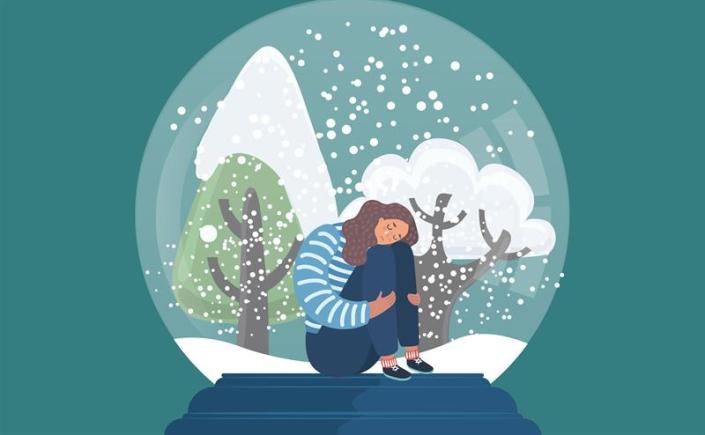
Depression: Have a Case of the Winter Blues? Understanding Seasonal Affective Disorder


By: Keely Fell

Can’t seem to shake the winter blues? Nearly five percent of adults are experiencing symptoms that align with major depressive disorder with recurring seasonal pattern, which is more commonly known as Seasonal Affective Disorder. According to the Diagnostic and Statistical Manual of Mental Disorders, Fifth Edition (DSM-V), an individual who is experiencing “two major depressive episodes in the last two years” that show relations to the time of year, and experience full remissions at other times they may be experiencing Seasonal Affective Disorder (SAD).

It is also important to understand what is happening in the body and why an individual is experiencing such symptoms. When an individual is experiencing these symptoms, often it can be as a result of the lack of natural light due to the shorter periods of daylight during the winter season. With the lack of light, the human brain slows down the production of serotonin, and increases the production of melatonin which leaves individuals feeling drowsy. Melatonin production increase is caused by darkness, which is why we get sleepy when the sun goes down. The regulation of these chemicals is what helps create your body’s specific circadian rhythm. When this system is affected it can cause a feeling of lethargy and or restlessness.

Here are some tips and tricks to shaking those winter blues:

  1. Take a few minutes during your day to get outside Whether that’s during your lunch break or walking to pick up the mail, going outside during daylight will increase the serotonin production in your brain.
  2. Light Therapy During the dark winter months, if these symptoms are taking over you can try light therapy. Light therapy allows for the brain to think it’s being exposed to sunlight. People who use light therapy typically invest in a light box (if interested Harvard Health has many they recommend) which delivers around 10,000 lux, compared to a standard sunny day that ranges 50,000 lux or above. They recommend that, you sit in front of the light box for no more than 30 minutes a day. This allows for the brain to regulate its circadian rhythms by allowing the retinas to be stimulated. Light therapy does not work for everyone.
  3. Talk Therapy If these symptoms persist and are affecting your day talk therapy is also affective. Reaching out to a psychologist, psychiatrist, psychiatric nurse practitioner, or psychotherapist to come up with symptom relief is another big way to combat these symptoms. Symptom relief may include the use of antidepressants, or various therapeutic methods.


If you or someone you know has Seasonal Affective Disorder or seems to have the symptoms of SAD, and needs help, please contact our psychotherapy offices in New York or New Jersey to talk to one of our licensed professional psychologists, psychiatrists, psychiatric nurse practitioners, or psychotherapists at Arista Counseling & Psychotherapy. Contact our Paramus, NJ or Manhattan, NY offices respectively, at (201) 368-3700 or (212) 722-1920 to set up an appointment. For more information, please visit http://www.counselingpsychotherapynjny.com/ .

Sources:

https://www.nimh.nih.gov/health/topics/seasonal-affective-disorder/index.shtml

https://www.health.harvard.edu/blog/seasonal-affective-disorder-bring-on-the-light-201212215663

https://www.psychiatry.org/patients-families/depression/seasonal-affective-disorder


Body Dysmorphic Disorder

By Gabriella Phillip

Body Dysmorphic disorder, or BDD, is a psychiatric disorder in which a person is preoccupied with an imagined or minor physical defect that other people usually don’t notice. BDD has various features that are similar to that of obsessive-compulsive disorders and eating disorders. Patients diagnosed with obsessive-compulsive disorder, or OCD, have distressing thoughts and images that they aren’t able to control. Emotional distress that can result from this can cause a person to perform particular rituals or compulsions. Regarding BDD, the person’s persistent preoccupation with his/her perceived physical defect can lead to ritualistic behaviors including constantly looking in the mirror or skin picking. Similarly to eating disorders, like anorexia nervosa and bulimia nervosa, Body Dysmorphic Disorder involves a concern with body image. However, while eating disorder patients are concerned with body weight, those diagnosed with BDD are worried about a specific area or part of the body.

Body Dysmorphia affects approximately 2% of the general population; however, BDD usually goes undiagnosed so the number of people who actually have the disorder could potentially be much greater. Those with body dysmorphia oftentimes feel a significant amount of shame regarding their perceived flaws which may hinder them from seeking treatment. BDD prevalence differs by gender, as women are reported to have higher rates of this disorder than men. Factors such as living with a pre-existing mental condition like depression or anxiety or experiencing bullying or abuse during childhood or adolescence can increase the risk of Body Dysmorphic Disorder. The typical onset for BDD is between the ages twelve and seventeen, around the time when adolescents go through puberty and certain bodily changes.

Social media platforms like Instagram oftentimes feed us an interminable supply of filtered and unrealistic depictions of different people and their lives. It’s easy to compare yourself to well edited pictures of models, celebrities, and even friends online, making you feel as though you don’t measure up as you are. Also, various forms of bullying like body shaming or slut shaming can occur online and can easily result in distorted body image and low self-esteem. Those with BDD sometimes choose to socially isolate themselves due to high level of shame related to their bodily appearance. While social media doesn’t necessarily cause body dysmorphia, it can serve as a trigger for those already predisposed to the disorder, or could possibly worsen existing symptoms. The main treatments used for BDD are cognitive behavioral therapy (CBT) and antidepressant medication, specifically serotonin reuptake inhibitors (SSRIs). Many patients use therapy and medication simultaneously. These treatments are meant to help reduce obsessive compulsive behaviors, improve stress level management involved in these behaviors, and aid patients in viewing themselves in a more loving and less judgmental light.

If you or someone you know is struggling with Body Dysmorphic Disorder, Arista Counseling and Psychotherapy can help. Please contact our psychotherapy offices in New York or New Jersey to talk to one of our licensed professional psychologists, psychiatrists, psychiatric nurse practitioners, or psychotherapists at Arista Counseling & Psychotherapy. Contact our Paramus, NJ or Manhattan, NY offices respectively, at (201) 368-3700 or (212) 722-1920 to set up an appointment. For more information, please visit http://www.counselingpsychotherapynjny.com/ .


Pain: Chronic Pain is a Fundamental Health Issue

By Gabriella Phillip

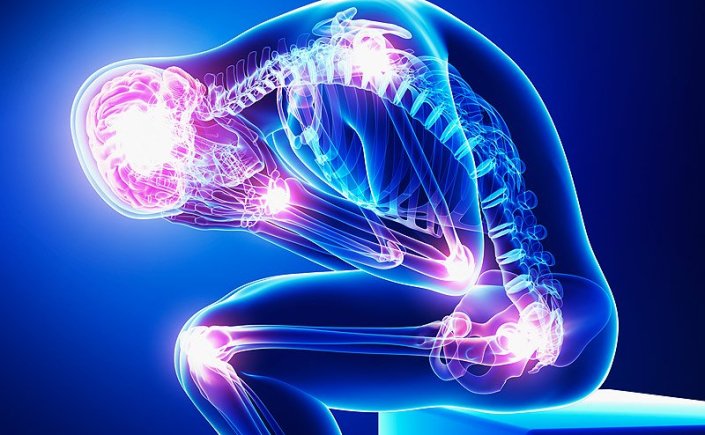
According to The International Association for the Study of Pain, pain is an unpleasant sensory and emotional experience associated with actual or potential tissue damage. When someone is injured, pain sensors immediately send signals to the brain. Although regular pain, like cramps or a headache, can be relieved in a rather short period of time, chronic pain involves the brain receiving pain signals a while after the onset of pain or the original injury.

One in five people live with chronic pain and the frequency of chronic pain increases as we get older. Many elderly people are experiencing pain that oftentimes goes undiagnosed. In addition, research shows that patients with dementia are being severely untreated for their experience with pain. Even though it’s a fundamental human right to have proper access to pain management, most elderly people are receiving quite inadequate care from health facilities, making it harder for them to cope and go about their daily lives with severe chronic pain.

Chronic pain can strongly impact or contribute to the formation of serious mental health issues including anxiety and depression. Current research from Neuroscience Research Australia shows that patients living with chronic pain have lower levels of glutamate, a significant chemical messenger that aids emotional regulation. Therefore, it’s possible for people with chronic pain to undergo certain personality changes like being more tired than usual, feeling unmotivated, or worrying on a more frequent basis than before. Around half of people suffering from chronic pain also have mental health conditions. The daily demands of learning to live with chronic pain can help generate anxiety, depression and other mood disorders.

If you or someone you know is struggling with Chronic Pain and its mental health effects, Arista Counseling and Psychotherapy can help. Please contact our psychotherapy offices in New York or New Jersey to talk to one of our licensed professional psychologists, psychiatrists, psychiatric nurse practitioners, or psychotherapists at Arista Counseling & Psychotherapy. Contact our Paramus, NJ or Manhattan, NY offices respectively, at (201) 368-3700 or (212) 722-1920 to set up an appointment. For more information, please visit http://www.counselingpsychotherapynjny.com/ .

CBT & DBT

Image result for cbt and dbt therapy

CBT & DBT

By: Vanessa Munera

When it comes to psychotherapy, there are different types. Psychotherapy is also known as “talk therapy”. According to the American Psychiatric Association, “Psychotherapy is a way to help people with a broad variety of mental illnesses and emotional difficulties”. This is when an individual speaks with a therapist or psychologist in a safe and confidential environment. During these talk sessions, you are able to explore and understand your feelings and behaviors, and develop coping skills. In fact, research studies have found that individual psychotherapy can be effective at improving symptoms in a wide array of mental illnesses, making it both popular and versatile treatment. There are different types of psychotherapy that can assist people. The most common types of psychotherapy are Cognitive Behavioral Therapy (CBT) and Dialectical Behavioral Therapy (DBT).

Cognitive Behavioral Therapy or CBT, is a form of therapy that consists of focusing on exploring relationships among a person’s thoughts, feelings and behaviors. This type of therapy helps patients gain control over and accept unwanted thoughts and feelings so that they can better manage harmful or unwanted behaviors. CBT is usually used to treat conditions related to anxiety, depression, substance abuse, eating disorders, and social skills. As a matter of fact, Cognitive Behavioral Therapy has been shown to be an effective treatment for these conditions, as well as improving brain functioning. CBT can benefit people at any age, such as a child, adolescent, and adult.

Dialectical Behavioral Therapy, or DBT, is a type of therapy that was originally designed to help individuals with borderline personality disorder (BPD). Over time, this type of therapy has been adapted to help treat people with multiple different mental illnesses, but it is mostly used to treat patients who have BPD as a primary diagnosis. Although DBT is a form of CBT, it has one big exception: it emphasizes validation and accepting uncomfortable thoughts, feelings and behaviors instead of struggling with them. DBT allows patients to come in terms with their troubling thoughts, emotions, or behaviors that they have been struggling with. Studies of Dialectical Behavior Therapy have shown effective long-term improvements for those suffering from mental illness. DBT also helps lower the frequency and severity of dangerous behaviors, utilizes positive reinforcement to promote change, and helps individuals translate what they learned in therapy to everyday life.


References:

https://www.nami.org/learn-more/treatment/psychotherapy

https://manhattanpsychologygroup.com/difference-dbt-cbt-therapies/

https://www.psychiatry.org/patients-families/psychotherapy