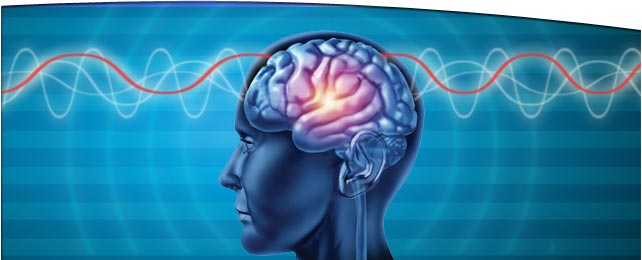
Depression: Can it be Effectively Treated in Adolescents without Medication?

By Samantha Glosser

Although antidepressant medications are typically seen as the first course of treatment for adolescents diagnosed with depression, many families do not want their kids to begin taking medication. This could be because of personal values and beliefs or because they cannot afford medication. In addition, almost half of all adolescents who begin treatment with medications eventually discontinue use due to the side effects or because they feel that it is not benefiting them enough. If you decide that medication isn’t right for your child, there are other options that are effective. One clinically proven method used to treat depression in adolescents is cognitive-behavioral therapy (CBT).

CBT is a short-term, goal-orientated therapy that focuses on changing patterns of thinking and behaviors that contribute to the patient’s issues. For example, your teenager may feel depressed because they are distorting the importance of certain events. This could start as simply getting a D on their final. However, their thoughts soon begin to spiral, and they begin to think that with this D on their transcript they will never be able to get into college or get a good job. CBT works by challenging this maladaptive thought pattern and teaches patients to replace these thoughts and consider alternative viewpoints. Recent studies have shown that CBT can be just as effective in treating depression as antidepressant medications and will lead to increased moods in adolescents. If you and your child have come to the decision that medication is not right for them, cognitive-behavioral therapy is an effective treatment plan that just might be the right fit for your needs.

If you or someone you know appears to be suffering from attention-deficit/hyperactivity disorder (ADHD), licensed psychologists, psychiatrists, psychiatric nurse practitioners, and psychotherapists at Arista Counseling & Psychotherapy can assist you. Contact our Paramus, NJ or Manhattan, NY offices respectively, at (201) 368-3700 or (212) 722-1920 to set up an appointment. For more information, please visit http://www.counselingpsychotherapynjny.com/.

Martin, B. (2018, April 04). In-Depth: Cognitive Behavioral Therapy. Retrieved from https://psychcentral.com/lib/in-depth-cognitive-behavioral-therapy/?li_source=LI&li_medium=popular17.

Wood, J. (2018, January 21). For Teens, CBT in Primary Care Can Be Cost-Effective Versus Meds. Retrieved from https://psychcentral.com/news/2018/01/20/cognitive-behavioral-therapy-cost-effective-for-teens-who-decline-antidepressants/131463.html.

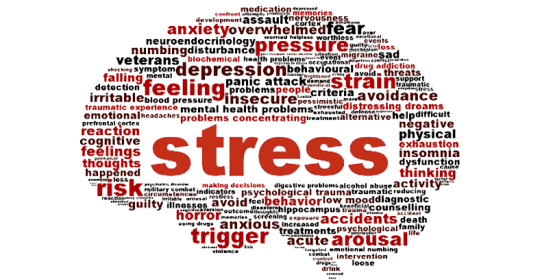
Stress: The Detrimental Effects of Stress on the Body

By: Charleene Polanco

Stress is something that everyone experiences at some point in their lives. Stress is defined as a physical, mental, or emotional strain or tension, and whether it is about taking a final exam for class, going off to college for the first time, or work-related, stress can affect the way we perform. If gone unchecked, stress can lead to a variety of negative consequences on the body, which will be discussed. Stress has been linked to a number of physical and emotional disorders, like depression, anxiety, heart attacks and stroke. A constant high level of stress, can lead to immune system disturbances, which can cause an increase in your body’s susceptibility to infections. Stress can also have direct effects on the skin leading to rashes and hives.

Unlike rashes and hives, which are visible, stress can affect various systems, organs, and tissues within the body, signs that are not seen, and are, therefore, much harder to notice. Some parts of the body affected by stress are the nervous and cardiovascular systems. When stressed, the nervous system signals the body’s adrenal glands to secrete adrenalin and cortisol. Since both of these hormones cause high blood pressure, a person who is under constant stress, also has elevated blood pressure which can lead to heart problems in the future. Even if a stress episode is considered to be minor, repeated minor stress episodes can negatively impact a person’s cardiovascular system by causing inflammations in the coronary arteries. This can eventually cause heart attacks. In order to prevent the negative consequences of untreated high levels of stress, it is important to recognize the symptoms. There are multiple symptoms of stress, some of which include, frequent headaches, cold hands/feet, dry mouth, heartburn, depression, forgetfulness, and rapid or mumbled speech.

If you or someone you know is suffering from stress, please contact our psychotherapy offices in New York or New Jersey to talk to one of our licensed professional psychologists, psychiatrists, psychiatric nurse practitioners, or psychotherapists at Arista Counseling & Psychotherapy. Contact our Paramus, NJ or Manhattan, NY offices respectively, at (201) 368-3700 or (212) 722-1920 to set up an appointment. For more information, please visit http://www.counselingpsychotherapynjny.com/.

Source:

“Stress Effects.” Common Signs and Symptoms of Stress, The American Institute of Stress, 4 Jan. 2017.

Coping With Stress

By: Dianna Gomez


Whether you are a prestigious lawyer or currently unemployed, one thing that all people have in common is that, at one point or another, we have all felt what it’s like to be stressed. The stress may be caused by totally different situations, but at the end of the day those feelings have been felt by us all. You may be asking yourself, “So what simple steps can I take to help myself next time I do feel overwhelmed with stress?” Whether you are a busy college student with 4 exams to study for, an overworked single mom with 2 jobs trying to put food on the table, or a very successful business person with tons of responsibilities, stress can be an issue in anyone’s life.

Here are 5 things you can do to decrease the amount of stress in your life:

#1. Determine Where the Stress is Coming From

  • Is your stress work-related? Is it constantly being caused by the same people in your life? Finding the root of the problem gives you better direction when aiming to correct it.

#2. Eat Healthy

  • For some people, a typical reaction to stress is to “eat your feelings” and turn to comfort foods that are more often than not foods that are processed and high in fat, sugar, or carbs. Although doing this may help you feel better for the short term, it definitely doesn’t help you in the long term which is more important. In fact, it can create problems in the long term that not only don’t help your stress, but add to it as well.

#3. Exercise

  • Go for a walk in the park, take a kick-boxing class, do a few laps in the pool. Get those endorphins flowing!

#4. Make Time for Yourself

  • We all have busy lives – places to be, people to see but nothing is more important than how you feel mentally. Whether it is 10 short minutes or an hour each day, take the time you have to do something you love and to be away from the chaos.

#5. You Can’t Fix What You Can’t Control

  • While you can’t control how your boss acts, what your mother-in-law says, or the current state of the economy, you can control things that you do. If you can’t control it, don’t let it control you!


If either you or anybody you know may be suffering from excessive amount of stress, the licensed psychologists, psychiatrists, psychiatric nurse practitioners, and psychotherapists at Arista Counseling & Psychotherapy can help you. Contact our Paramus, NJ or Manhattan, NY offices respectively, at (201)-368-3700 or (212)-722-1920 to set up an appointment. For more information, visit us at https://www.counselingpsychotherapynjny.com/.


Neurofeedback

Leah Flanzman

There has recently been a great deal of discussion on a psychological treatment called neurofeedback. Neurofeedback assists people in consciously controlling their brain waves by attaching subjects to an EEG machine that extracts various brain-activity components and feeds them back to the patient.  The most common protocols used in neurofeedback training are alpha, beta, theta, and alpha/theta protocols.  The way that you select the placement of electrodes on a patients head depends on their specific brain functions and specific symptoms.  The goal is to allow the subject to assess their progress and adjust their brain waves accordingly to achieve optimal performance.  However, the effectiveness and practicality of the treatment is under debate.

According to the Basic and Clinical Neuroscience journal, many studies conducted on neurofeedback therapy reveal methodological limitations that question its effectiveness. For example, with the alpha treatment protocols, it remains unknown exactly how many treatment sessions are necessary before patients can consciously possess the ability to control their alpha waves.  Once an optimal performance is achieved, it’s difficult to study the long-term effects of these treatments, in other words how long the effects last without feedback.

The pros of neurofeedback are that it’s a safe and non-invasive procedure that has been proven effective in treating certain disorders such as ADHD, anxiety, depression, epilepsy, insomnia, drug addictions, and learning disabilities. Despite this, more scientific evidence of its effectiveness must be conducted before we can consider it a valid treatment.  It’s also important to keep in mind that it’s a very expensive procedure that is not covered by many insurance companies, and is very time consuming to complete.

If you or someone you know thinks they have ADHD, anxiety, depression, or drug addictions, or learning disabilities, the psychologists, psychiatrists, and psychotherapists at Arista Counseling and Psychiatric Services can help.  Contact the Bergen County, NJ or Manhattan offices at (201) 368-3700 or (212) 722-1920.  Visit http://www.counselingpsychotherapynjny.com for more information.

FOMO: The Fear of Missing Out

Leah Flanzman

Every college student or young adult has spent a Saturday night curled up on the couch in sweatpants with a pint of ice cream; scrolling through Instagram when they see their friends having the time of their lives out on the town.  At that moment, they are hit with a pang of regret on deciding to spend the night in.  Their mind immediately starts forming a million possibilities of jokes being formed and memories being made without them, and they instantly assume they are missing the greatest night ever.  This common phenomenon is called FOMO, or the fear of missing out.

In modern times, Millenials are connected to each other’s lives through their social media presence on platforms such as Instagram, Snapchat, Twitter, and Facebook.  It has become seemingly impossible to remain in the dark about your friend’s whereabouts, which is why FOMO is such an emerging issue.  If you remained in ignorant bliss about what everybody in your phone was up to, there would be no fear of missing out, as the seed of wonder would never be planted.  FOMO triggers the thought that you’re the only person in the world not living their best life in that moment, and can be extremely damaging to your mental health.

FOMO can also be present in a situation where you have to choose between two options, as you cannot be two different places at once.  Let’s say you were invited to Sally’s party and Billy’s party on the same day.  You choose to go to Sally’s party but while you’re there, you see a friend who went to Billy’s party having the best time on their Snapchat story.  This causes a buildup of anxiety from the thought that you could be having more fun if you had made a different decision.  FOMO causes people to develop the attitude that something bigger and better is always around the corner, which is an unproductive, unhealthy mindset.

If you or someone you know is struggling with FOMO that is leading to anxiety, the psychologists, psychiatrists, and psychotherapists at Arista Counseling and Psychiatric Services can help.  Contact the Bergen County, NJ or Manhattan offices at (201) 368-3700 or (212) 722-1920.  Visit http://www.acenterfortherapy.com for more information.

Body Dysmorphic Disorder

Body Dysmorphic Disorder: What is it?

By: Cassie Sieradzky

Body dysmorphic disorder is an intense and distressing preoccupation with an imagined or slight defect in body appearance. Individuals with body dysmorphic disorder ruminate on their perceived defect for an excessive amount of time. Some body dysmorphic disorder sufferers may have a minor physical abnormality, but the preoccupation with it is out of proportion.

A common feature among those with body dysmorphic disorder is the tendency to engage in a compulsive or repetitive behavior. Common compulsive or repetitive behaviors include, checking of mirrors, excessive grooming and make-up application, excessive exercise, repeatedly asking other people how they look, compulsive buying of beauty products, and persistent seeking of cosmetic surgery. Sufferers often feel they are unable to control the behaviors. This can be detrimental to daily functioning and cause significant distress.

Although body dysmorphic disorder is seen in both men and women, the disorder is often manifested differently between the genders. Men with body dysmorphic disorder are more likely to demonstrate a preoccupation with their genitals, muscles, and thinning hair. Women with body dysmorphic disorder are more likely to have a co-morbid eating disorder, and have a greater preoccupation with weight, hips, breasts, legs, and excessive body hair. They are also more likely to hide perceived defects with make-up, check mirrors, or pick at their skin.

If you or a loved one appears to be suffering from body dysmorphic disorder, the licensed psychologists, psychiatrists, psychiatric nurse practitioners, and psychotherapists at Arista Counseling & Psychotherapy can assist you. Contact our Paramus, NJ or Manhattan, NY offices respectively, at (201) 368-3700 or (212) 722-1920 to set up an appointment. For more information, visit http://www.counselingpsychotherapynjny.com/


Griffiths, M. D. (2015, August 13). Body Dysmorphic Disorder. Retrieved May 8, 2018, from https://www.psychologytoday.com/us/blog/in-excess/201508/body-dysmorphic-disorder

Obsessive-Compulsive Disorder

OCD: SIGNS & SYMPTOMS

By: Cassie Sieradzky

Obsessive-Compulsive Disorder (OCD) is a disorder where the individual has uncontrollable, reoccurring thoughts (obsessions) and behaviors (compulsions) that they feel unable to control. Obsessive-compulsive disorder can affect adults, adolescents, and children. Most people are diagnosed around age 19, typically with an earlier age of onset in boys than in girls. Risk factors for developing OCD include close relatives with this disorder as well as exposure to abuse/trauma in childhood. People diagnosed with OCD may have symptoms of obsessions, compulsions, or both. This can be disruptive to all facets of life, such as work, school, and personal relationships.

Obsessions are repeated thoughts, urges, or mental images that cause anxiety. Examples of obsessions include fear of germs or contamination, unwanted taboo thoughts involving sex/ religion/ harm, aggressive thoughts towards others or self, and a need to have things in a perfect order.

Compulsions are repetitive behaviors that a person with OCD feels the urge to do in response to an obsessive thought, typically to ease the anxiety. Compulsions include excessive cleaning and/or handwashing, arranging things in a very particular way, repeatedly checking on things (checking to see if the door is locked or that the oven is off), and compulsive counting.

OCD is typically treated with medication, psychotherapy or a combination of the two.

If you or a loved one appears to be suffering from obsessive-compulsive disorder, licensed psychologists, psychiatrists, psychiatric nurse practitioners, and psychotherapists at Arista Counseling & Psychotherapy can assist you. Contact our Paramus, NJ or Manhattan, NY offices respectively, at (201) 368-3700 or (212) 722-1920 to set up an appointment. For more information, visit http://www.counselingpsychotherapynjny.com/

Obsessive-Compulsive Disorder. (n.d.). Retrieved April 16, 2018, from https://www.nimh.nih.gov/health/topics/obsessive-compulsive-disorder-ocd/index.shtml

Oppositional Defiant Disorder

Oppositional Defiant Disorder: DSM-5

By: Cassie Sieradzky

Oppositional defiant disorder is characterized by a pattern of angry/irritable mood swings, argumentative/defiant behavior, and vindictiveness. For a diagnosis to be warranted, symptoms must be present for at least 6 months and the individual must display at least 4 symptoms. The behaviors are associated with distress to the individual or those in their immediate circle, such as family or friends. The individual’s behavior may also negatively impact important areas of daily functioning, such as school or work.

A common symptom in individuals with oppositional defiant disorder is an angry/irritable mood. For example, they may often lose their temper, be touchy or easily annoyed, or are commonly angry and resentful. Argumentative/defiant behavior is also a core symptom of this disorder. Someone with oppositional defiant disorder may argue with authority figures or, for children and adolescents, with adults. They may often actively defy or refuse to comply with requests from authority figures or with rules. Additionally, they may deliberately annoy others and blame people for their mistakes or misbehavior. Vindictiveness or spitefulness at least twice within the past 6 months is also a symptom of oppositional defiant disorder.

The diagnosis must be developmentally appropriate. For children younger than 5, the behavior should occur on most days for a period of at least 6 months, while individuals 5 years or older should exhibit symptoms at least once per week for at least 6 months. The disorder varies by severity as to whether the condition is mild, moderate, or severe. Mild oppositional defiant disorder is diagnosed when symptoms are confined to only one setting, moderate severity is diagnosed when symptoms are present in at least two settings, and severe oppositional defiant disorder is diagnosed when symptoms are present in three or more settings.

If you or a loved one appears to be suffering from oppositional defiant disorder, licensed psychologists, psychiatrists, psychiatric nurse practitioners, and psychotherapists at Arista Counseling & Psychotherapy can assist you. Contact our Paramus, NJ or Manhattan, NY offices respectively, at (201) 368-3700 or (212) 722-1920 to set up an appointment. For more information, visit http://www.counselingpsychotherapynjny.com/

Oppositional Defiant Disorder DSM V – Pearson Clinical NA. (n.d.). Retrieved March 27, 2018, from http://www.bing.com/cr?IG=2282EE88A8B54A4EBBE6371B24777ECE&CID=16FD8C7C2F796F5D053A87C32ED66EB9&rd=1&h=V2GxYeJJUKwraVQBc2bMHklhpE-eVv00fBjh-V2nxkY&v=1&r=http://images.pearsonclinical.com/images/assets/basc-3/basc3resources/DSM5_DiagnosticCriteria_OppositionalDefiantDisorder.pdf&p=DevEx,5064.1

Social Anxiety Disorder

Signs and Symptoms of Social Anxiety Disorder:

By: Cassie Sieradzky

Social anxiety disorder is characterized by severe anxiety and excessive self-consciousness in everyday social situations. An individual with social anxiety disorder may have a persistent, intense, and chronic fear of being watched and judged by others, which can interfere with their daily functioning. Social anxiety disorder can be limited to only one type of situation, such as a fear of speaking or performing in public, or whenever an individual is around other people. The feared situation is avoided or endured with extreme anxiety and distress. In addition, they often experience low self-esteem and depression and have a hard time making or keeping friends.

Physical symptoms such as blushing, profuse sweating, upset stomach, and trembling often accompany the intense stress of social anxiety disorder. These visible symptoms intensify the fear of disapproval and often become an additional focus of fear. As people with social anxiety disorder worry about experiencing the physical symptoms, the greater their chances are of developing them.

About seven percent of the U.S. population is estimated to have social anxiety disorder within a 12-month period. Social anxiety disorder occurs twice as often in women than men and typically begins in childhood or early adolescence. Social anxiety disorder often runs in families and may be comorbid with depression or other anxiety disorders, such as panic disorder or obsessive-compulsive disorder. It is not uncommon for individuals with social anxiety disorder to self-medicate with alcohol or other drugs, which can lead to addiction.

Cognitive-behavioral therapy is a form of psychotherapy that is very effective in treating social anxiety. CBT and behavioral therapy are used to reduce anxiety by managing negative beliefs or behaviors that help maintain the disorder. Medications, in conjunction with psychotherapy, can also play a role in treatment.

If you or a loved one appears to be suffering from social anxiety disorder, licensed psychologists, psychiatrists, psychiatric nurse practitioners, and psychotherapists at Arista Counseling & Psychotherapy can assist you. Contact our Paramus, NJ or Manhattan, NY offices respectively, at (201) 368-3700 or (212) 722-1920 to set up an appointment. For more information, visit http://www.counselingpsychotherapynjny.com/

Social Anxiety Disorder (Social Phobia). (n.d.). Retrieved March 26, 2018, from https://www.psychologytoday.com/us/conditions/social-anxiety-disorder-social-phobia

Skin-Picking/Excoriation Disorder: An Obsessive Compulsive Disorder

OCD: Skin-Picking/Excoriation

Written by: Jinal Kapadia

Obsessive Compulsive Disorder (OCD) is a common, long-lasting disorder in which a person has uncontrollable, reoccurring thoughts (obsessions) and behaviors (compulsions) that he or she feels the urge to repeat over and over. There are many different types of OCD disorders, but one disorder in particular deals with skin picking; it is called Excoriation.

Excoriation disorder affects around 1.4% of the general population, and its symptoms appear most commonly during adolescence, around the onset of puberty. This disorder, sometimes referred to as chronic skin-picking or dermatillomania, is characterized by repeated picking at one’s own skin resulting in skin lesions and sometimes significant disruption in one’s life.

In order to be diagnosed with Excoriation disorder, a person must exhibit the behavior of picking one’s skin that results in skin lesions and repeated attempt to stop this behavior. These symptoms must cause clinically significant distress or impairment, can not be caused by a medical or dermatological condition or substance, and can not be better explained by another psychiatric disorder.

The treatment for Excoriation disorder is similar to the treatment for general Obsessive Compulsive Disorder in the sense that both suggest the use of medication, specifically selective serotonin reuptake inhibitors (SSRIs), and cognitive-behavioral therapy (CBT) to reduce the obsessive thoughts and compulsive behaviors of the person suffering from the disorder.

If you or someone you know has Excoriation disorder or seems to have the symptoms of Excoriation disorder, and needs help, please contact our psychotherapy offices in New York or New Jersey to talk to one of our licensed professional psychologists, psychiatrists, psychiatric nurse practitioners, or psychotherapists at Arista Counseling & Psychotherapy. Contact our Paramus, NJ or Manhattan, NY offices respectively, at (201) 368-3700 or (212) 722-1920 to set up an appointment. For more information, please visit http://www.counselingpsychotherapynjny.com/.

Sources:

Mentalhealthamerica.com. (2018). Excoriation Disorder (Skin Picking or Dermatillomania). [online] Available at: http://www.mentalhealthamerica.net/conditions/excoriation-disorder-skin-picking-or-dermatillomania [Accessed 10 Jan. 2018].

Mghocd.org. (2015). Excoriation. [online] Available at: https://mghocd.org/clinical-services/excoriation/ [Accessed 10 Jan. 2018].

Nimh.nih.gov. (2016). NIMH » Obsessive-Compulsive Disorder. [online] Available at: https://www.nimh.nih.gov/health/topics/obsessive-compulsive-disorder-ocd/index.shtml [Accessed 10 Jan. 2018].