Insomnia

By: Dianna Gomez

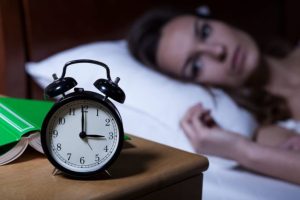
Insomnia is a condition that makes it very difficult for a person to fall asleep and stay asleep throughout the night. Insomnia can be caused by medical conditions such as hyperthyroidism, or for psychological reasons such as anxiety, depression or intrusive thoughts. In addition to these possibilities, the type of lifestyle an individual chooses to live can also be responsible for creating symptoms of insomnia. There are a few things that people who experience insomnia tend to do that may be worsening their symptoms without them even knowing. Some examples of these lifestyle habits include:

  1. Taking Mid-Day Naps
  • Whether it is short or long, sleeping in the middle of the day can increase a person’s chances of having difficulty sleeping through the night. If you can, try to avoid taking naps all together.
  1. Sleeping In Late
  • When a person is lacking sleep, it isn’t uncommon for them to attempt to fix the problem by sleeping in later the next morning to make up for their “lost hours.” However, by doing so, you are confusing your body clock which then makes it difficult to fall asleep at a regular time again the following night. This can quickly create a vicious cycle that is even harder to break.
  1. Taking Your Work Home With You
  • Regardless of what your occupation is, almost everybody has hectic daily schedules. When people are feeling behind on their work, they often decide to put in a little “over-time” by bringing their work home with them. By doing this, you make the process of “winding down” at night harder as your mind is kept wide awake and pre-occupied when it shouldn’t be.
  1. Using Electronics
  • Especially in today’s generation, it is extremely common for people to use their phones or laptops while lying in bed right before they intend to fall sleep. The problem with this, however, is that bright screens like those on our electronics actually stimulate the brain more and cause you to stay awake. This then makes it more difficult to fall asleep for the night.
  1. Working Irregular Hours
  • If you have a job that has you on various different “shifts,” sleeping may become a problem for you. If a person doesn’t stay on a regimented time schedule, their body clock cannot decipher when it should be waking up to take on a new day or winding down to get ready for bed.


If you have already tried reversing these lifestyle habits and still regularly experience symptoms of insomnia, the licensed psychologists, psychiatrists, psychiatric nurse practitioners, and psychotherapists at Arista Counseling & Psychotherapy can help you. Contact our Paramus, NJ or Manhattan, NY offices respectively, at (201)-368-3700 or (212)-722-1920 to set up an appointment. For more information, visit us at https://www.counselingpsychotherapynjny.com/.



Anxiety: Social Anxiety Disorder

By: Charleene Polanco

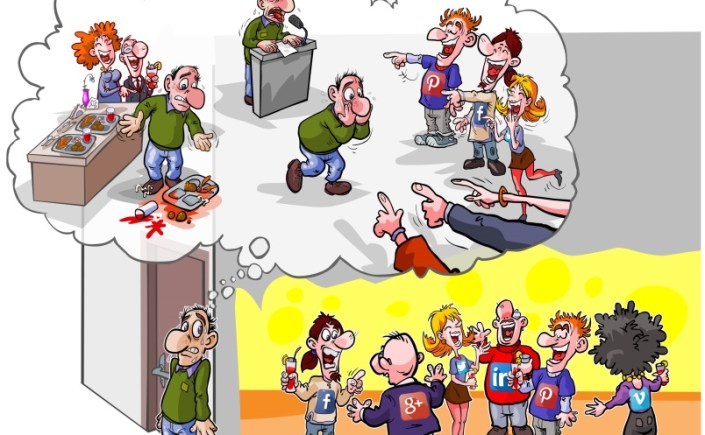
Social anxiety disorder is characterized by an intense fear of being rejected by people. Many people feel some level of anxiety when they are placed into unknown social situations. However, those suffering from social anxiety disorder may avoid socializing altogether, because they cannot handle being judged or seen in a negative way by others. A person with social anxiety disorder, can experience anxiety during many different situations like; going on a date, eating in front of people, making eye contact, public speaking, or going to parties. Some of the symptoms of social anxiety include:

  • Rapid heartbeat
  • Uneasy stomach/diarrhea
  • Muscle tension
  • Lightheadedness
  • Sweating

Social anxiety can cripple a person’s life, because normal everyday interactions are triggers of anxiety and discomfort. This is why many people who suffer from social anxiety disorder choose to isolate themselves from everyone. In order to reduce the fear of rejection, people with social anxiety disorder are encouraged to be exposed to social situations, not run away from them. Although being around others is what brings them distress, socializing is also what allows people with social anxiety to change the way they think about social engagements. Instead of having negative perceptions about the way people view them, the more they socialize and are accepted by others, the more socially anxious people see that those perceptions are not true.

If you or someone you know is suffering from social anxiety, please contact our psychotherapy offices in New York or New Jersey to talk to one of our licensed professional psychologists, psychiatrists, psychiatric nurse practitioners, or psychotherapists at Arista Counseling & Psychotherapy. Contact our Paramus, NJ or Manhattan, NY offices respectively, at (201) 368-3700 or (212) 722-1920 to set up an appointment. For more information, please visit http://www.counselingpsychotherapynjny.com/.

Sources:

Anxiety and Depression Association of America. (2018). Social Anxiety Disorder. Retrieved October 01, 2018, from https://adaa.org/understanding-anxiety/social-anxiety-disorder

Nordqvist, C. (2018, February 05). What’s to Know About Social Anxiety Disorder? Retrieved October 01, 2018, from https://www.medicalnewstoday.com/articles/176891.php

WebMD. (2018). What Is Social Anxiety Disorder? Retrieved October 01, 2018, from https://www.webmd.com/anxiety-panic/guide/mental-health-social-anxiety-disorder#1


What is Trichotillomania?

By Stephanie Osuba

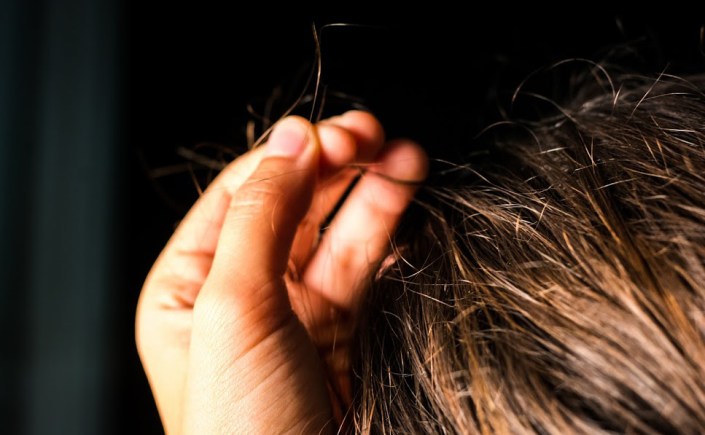
Trichotillomania is a hair pulling disorder categorized in the Obsessive Compulsive and Related Disorders section in the DSM-5. It is one of the other Body Focused Repetitive Behaviors (BFRBs) – along with excoriation (skin picking) and onychophagia (nail biting) – in which the individual will pull, pick or bite at various parts of the body resulting in damage.  Symptoms include recurring hair pulling, hair loss, and related stress and impairment because of the behavior. The disorder is not considered self-mutilation like cutting or burning because the behavior is not intentional and research suggests that there is no connection between the disorder and unresolved trauma. Often people are ashamed of the behavior and their resulting appearance because of it and try their hardest to stop. Comorbidities include, tic disorders, mood disorders, and anxiety disorders, although, trichotillomania can also occur in the absence of any other psychopathology.  The regular age of onset is between the ages of 11 and 13, however, baby trichotillomania is a rare phenomenon that seems to go away as the child grows older. Research also suggests that the disorder is primarily genetic as it appears in the first relatives of people with trichotillomania than it does in the general population.

Available treatments include cognitive behavioral therapy (CBT) and habit reversal training (HRT) with adjunctive dialectal behavioral therapy (DBT) and acceptance and commitment therapy (ACT). These therapies help the person to be aware of the pattern of the behavior and helps to identify triggers to pulling. It also teaches methods to redirect that urge to pull into a new healthy pattern of behavior in order to reduce or eliminate the urge. While there is no FDA-approved medication specifically for BFRBs, research is being conducted. OCD medication such as selective serotonin reuptake inhibitors (SSRIs) and anafranil can help alleviate symptoms as well.

Sources: Deibler, M. W., Psy. D. (n.d.). Trichotillomania (TTM) and related Body-Focused Repetitive Behaviors (BFRBs). Retrieved from http://www.thecenterforemotionalhealth.com/trichotillomania-and-related-disorders

Zwolinski, R., LMHC. (2013, October 03). Cause And Treatment Of Trichotillomania. Retrieved from https://blogs.psychcentral.com/therapy-soup/2012/04/cause-and-treatment-of-trichotillomania/

If you or someone you know appears to be suffering from trichotillomania, the licensed psychologists, psychiatrists, psychiatric nurse practitioners, and psychotherapists at Arista Counseling & Psychotherapy can assist you. Contact our Paramus, NJ or Manhattan, NY offices respectively, at (201) 368-3700 or (212) 722-1920 to set up an appointment. For more information, visit http://www.counselingpsychotherapynjny.com/.

Psychopaths and Sociopaths

By Stephanie Osuba

People often tend to use the terms psychopath and sociopath interchangeably while both disorders are listed under the category of antisocial personality disorders in the DSM-5, there are some distinctions. Shared traits between the two include: a disregard for the law, morality, and human rights; not feeling any remorse; and having violent tendencies.

The first major distinction is that psychopaths are born, while sociopaths are made. Psychopaths are a product of genetics and, from research, they have a physiological defect that leads to an underdevelopment of the part of the brain responsible for impulse control and emotion (the amygdala). Sociopaths, on the other hand, are a result of a history of repeated childhood trauma and physical or emotional abuse. Because of this distinction, sociopaths are capable of forming attachments and feeling empathy in very restricted situations. They are more emotional in that they are nervous and easily agitated. They are prone to emotional outbursts and exhibit fits of rage. Crimes committed by sociopaths are often spontaneous, messy, and unorganized.

Psychopaths are exceptionally dangerous. They are completely incapable of forming attachments to anything and have absolutely no remorse for the things they do. They simply do not feel. Psychopaths are excellent manipulators who mimic emotion to get people to trust them. They are often very successful, smart, and charismatic which leads others to believe that they are normal. Some psychopaths even have families and other long-term relationships with people who are unaware of their diagnosis. Crimes committed by psychopaths are meticulous, premeditated, and often have a contingency in place. Even the violent ones. Psychopaths make up at least 40% of all serial killers.

Source: Bonn, S. A., Ph. D. (2014, January 22). How to Tell a Sociopath from a Psychopath. Retrieved from https://www.psychologytoday.com/us/blog/wicked-deeds/201401/how-tell-sociopath-psychopath 

If you or someone you know appears to be exhibiting signs of psychopathy or sociopathy, the licensed psychologists, psychiatrists, psychiatric nurse practitioners, and psychotherapists at Arista Counseling & Psychotherapy can assist you. Contact our Paramus, NJ or Manhattan, NY offices respectively, at (201) 368-3700 or (212) 722-1920 to set up an appointment. For more information, visit http://www.counselingpsychotherapynjny.com/.

Panic Attacks and Anxiety

By: Dianna Gomez

Panic. Worry. Fear. Helplessness. What is wrong with me? Why am I feeling like this? Why is my heart beating out of my chest? Am I dying? Why can’t I make it stop?!

For some of us, these emotions are all too familiar. Anxiety can be a scary thing, especially when you’re not totally up-to-date on what exactly it is. What are you to do when you feel like your whole world is crashing down around you and there’s nothing you can do to stop it? Well, have no fear because I have a few helpful tips to share!


Here are 5 things that you can do to calm yourself down when suffering from an anxiety attack:

  • Take Deep Breathes

Inhale. Exhale. Tell yourself that although it may not feel like it right now, everything will be okay.

  •  Talk Yourself Down

Repeat a calming/kind phrase to yourself OUT LOUD. Remind yourself that you are safe, loved, and never alone.

  • Seek Help

Sometimes we tend to insist that we can get through tough times all on our own, but there is no shame in asking for help. Whether it be a neutral professional, a loved one or someone you trust, find someone with whom you can talk out your troubles.

  • Use Music and Visuals

Never underestimate the power of calming music and visuals. Whether it be classical music, peaceful nature videos/sounds, or your favorite John Mayer song – let the music play and your worries float away!

  • Put Your Anxiety on Ice

Create sensory stimulation by gently sticking both of your hands into a bowl of very cold water with ice. The more ice the better.


If either you or anybody you know suffers from anxiety, the licensed psychologists, psychiatrists, psychiatric nurse practitioners, and psychotherapists at Arista Counseling & Psychotherapy can help you. Contact our Paramus, NJ or Manhattan, NY offices respectively, at (201)-368-3700 or (212)-722-1920 to set up an appointment. For more information, visit us at https://www.counselingpsychotherapynjny.com/.


Anxiety: Test Anxiety

By: Charleene Polanco

Have you ever had a moment of extreme panic, right before the beginning of a test? How about feeling like you are about to faint, or excessive sweat during an exam? If these symptoms describe your test-taking experience, then you might be suffering from test anxiety.

Test anxiety is defined as a psychological condition where people experience severe distress and anxiety during exams. Some causes of test anxiety are fear of failure and lack of preparation. A fear of failure can result from wanting to perform well. One who associates their self-worth with a test’s outcome, can feel devastated when the grade is not what he or she expected. This creates a vicious cycle, where because the person is afraid of feeling worthless, when they fail, they become anxious while taking the exam.  As a result, their performance level on tests drops. Lack of preparation is another cause of test anxiety, which occurs when students do not study properly for an exam. For those who like to wait until the night before an exam, to cram five chapters worth of information into their brain, tests are a constant source of anxiety and stress.

Symptoms of test anxiety can be split up into three categories; physical, emotional, and behavioral/cognitive symptoms. Some physical symptoms include headaches, nausea, excessive sweating, and rapid heartbeat. Emotional symptoms can be expressed as feelings of anger, fear, helplessness, and disappointment.  Behavioral/cognitive symptoms are difficulty concentrating and negative thinking.

To help manage test anxiety, here are some tips;

  • Properly prepare for exams
  • Develop good test-taking skills
  • Engage in relaxation techniques, like taking deep slow breaths
  • Keep a positive mindset

If you or someone you know is suffering from test anxiety, please contact our psychotherapy offices in New York or New Jersey to talk to one of our licensed professional psychologists, psychiatrists, psychiatric nurse practitioners, or psychotherapists at Arista Counseling & Psychotherapy. Contact our Paramus, NJ or Manhattan, NY offices respectively, at (201) 368-3700 or (212) 722-1920 to set up an appointment. For more information, please visit http://www.counselingpsychotherapynjny.com/.

Source:

“Test Anxiety.” Anxiety and Depression Association of America, ADAA, Anxiety and Depression Association of America , 2018, adaa.org/living-with-anxiety/children/test-anxiety

Stress: The Detrimental Effects of Stress on the Body

By: Charleene Polanco

Stress is something that everyone experiences at some point in their lives. Stress is defined as a physical, mental, or emotional strain or tension, and whether it is about taking a final exam for class, going off to college for the first time, or work-related, stress can affect the way we perform. If gone unchecked, stress can lead to a variety of negative consequences on the body, which will be discussed. Stress has been linked to a number of physical and emotional disorders, like depression, anxiety, heart attacks and stroke. A constant high level of stress, can lead to immune system disturbances, which can cause an increase in your body’s susceptibility to infections. Stress can also have direct effects on the skin leading to rashes and hives.

Unlike rashes and hives, which are visible, stress can affect various systems, organs, and tissues within the body, signs that are not seen, and are, therefore, much harder to notice. Some parts of the body affected by stress are the nervous and cardiovascular systems. When stressed, the nervous system signals the body’s adrenal glands to secrete adrenalin and cortisol. Since both of these hormones cause high blood pressure, a person who is under constant stress, also has elevated blood pressure which can lead to heart problems in the future. Even if a stress episode is considered to be minor, repeated minor stress episodes can negatively impact a person’s cardiovascular system by causing inflammations in the coronary arteries. This can eventually cause heart attacks. In order to prevent the negative consequences of untreated high levels of stress, it is important to recognize the symptoms. There are multiple symptoms of stress, some of which include, frequent headaches, cold hands/feet, dry mouth, heartburn, depression, forgetfulness, and rapid or mumbled speech.

If you or someone you know is suffering from stress, please contact our psychotherapy offices in New York or New Jersey to talk to one of our licensed professional psychologists, psychiatrists, psychiatric nurse practitioners, or psychotherapists at Arista Counseling & Psychotherapy. Contact our Paramus, NJ or Manhattan, NY offices respectively, at (201) 368-3700 or (212) 722-1920 to set up an appointment. For more information, please visit http://www.counselingpsychotherapynjny.com/.

Source:

“Stress Effects.” Common Signs and Symptoms of Stress, The American Institute of Stress, 4 Jan. 2017.

Communication Differences Between Genders


By: Dianna Gomez

Where would the world be without communication? Whether it be conscious or unconscious, we communicate in one way or another with those around us every minute of every day. We communicate in the work place, in relationships, with our friends and family – sometimes even when passing by strangers walking down the street. You would think that with the amount of communicating we do as a human species on a daily basis, we would have it all down to a “ T ” by now but that is far from the truth. Every once in a while we experience miscommunication and other frustrations related to interacting with the people around us. In order to improve the quality of communication in one’s own life, it is important to begin by understanding the different methods of communication between each gender. There are so many fundamental differences regarding the way in which men and women behave and think when it comes to communication. On average, women tend to speak more than men and when each gender is communicating, they do so for different reasons and from different perspectives.

Here is a list of these differences:

  1. Reasons For Talking
  • Men believe that communication should always have a clear purpose. Whether there is a problem in need of a solution or a specific question needing an answer, men use communication to get to the bottom of any topic of conversation in the most efficient way possible. On the other hand, a woman views communication as a way to discover how she may feel about something. Women like to lay all the potential pros and cons out on the table and discuss each more thoroughly. When it comes to relationships, communication is a way in which women increase intimacy with their significant others. They share their thoughts to rid themselves of any negative feelings they may be having.

2. How Much Should Be Said

  • Similarly to the first point, men always put productivity and efficiency at the very top of their lists. When telling a story, men only share the details that are absolutely necessary to get to the point. Women tend to share as much detail as possible, even if it isn’t necessarily needed. This is often times why men may interrupt women half way through an explanation when they have already received the point that is ultimately trying to be made.

3. What Does It Mean To “Listen?

  • When a woman first initiates a conversation with a man, she assumes they are doing so to obtain some type of advice or assistance. They automatically think to themselves “what can we actually do about this?” From the woman’s perspective, having the conversation all on it’s own is a way of finding a solution to any problem. Women just want to feel like they are being heard and understood, and if they feel this is happening any problem will already feel partially solved.

Communication is so important in every aspect of our lives. Especially when it comes to having relationships with significant others, if these fundamental differences aren’t already understood, there will be many disagreements and arguments about things that there wouldn’t be otherwise. Regardless of what gender you are, the next time you find yourself feeling frustrated when communicating with the opposite sex, take a step back and try to see the situation from their point of view. If this is done over a long enough period of time, you will find that life will soon go a lot smoother in all areas of your life.


If you or anybody you know may be having trouble with communication or may be having relationship problems they can’t seem to resolve, the licensed psychologists, psychiatrists, psychiatric nurse practitioners, and psychotherapists at Arista Counseling & Psychotherapy can assist you. Contact our Paramus, NJ or Manhattan, NY offices respectively, at (201) 368-3700 or (212) 722-1920 to set up an appointment. For more information, visit us at http://www.counselingpsychotherapynjny.com/.

Depression

By: Dianna Gomez

Similar to most mental health illnesses, depression does not discriminate. Depression doesn’t take into consideration what age, race, gender, sexual orientation, socioeconomic status or religion a person is. In fact, not only does depression affect both men AND women, it may be experienced differently by each group as well. In general, depression is more commonly found in women then it is found in men. When it comes to women specifically, the higher rates of depression have been linked to biological, hormonal, life cycle, and psychosocial factors. It has been shown that hormones directly affect emotions and mood through brain chemistry. A time when women are especially at risk is after giving birth when physical and hormonal changes, as well as new responsibilities for their new born baby can be overwhelming. Postpartum Depression can also occur in new mothers and must be attended to immediately. When speaking about their depression, women are more likely to describe their experiences as feelings of sadness, worthlessness, and/or guilt.

When men are depressed, they are more likely to describe their experiences as having feelings of fatigue, loss of interest in things once enjoyed, irritability, sleep issues, etc. In attempt to relieve themselves of their depression, men are more likely to bury themselves in their work and find ways to keep themselves preoccupied so they aren’t forced to confront their feelings head on. They may also participate in risky or reckless behaviors. Alcohol and substance use is another coping mechanism that men usually turn to. This is usually followed by episodes of anger and aggression.

Depression is one of the most common mental disorders in the United States. Despite this, there is still no known cause for this debilitating illness. That is why it is absolutely crucial that professional help is sought out.

If either you or someone you know may be suffering from depression, the licensed psychologists, psychiatrists, psychiatric nurse practitioners, and psychotherapists at Arista Counseling & Psychotherapy can help you. Contact our Paramus, NJ or Manhattan, NY offices respectively, at (201)-368-3700 or (212)-722-1920 to set up an appointment. For more information, visit us at https://www.counselingpsychotherapynjny.com/.
Coping With Stress

By: Dianna Gomez


Whether you are a prestigious lawyer or currently unemployed, one thing that all people have in common is that, at one point or another, we have all felt what it’s like to be stressed. The stress may be caused by totally different situations, but at the end of the day those feelings have been felt by us all. You may be asking yourself, “So what simple steps can I take to help myself next time I do feel overwhelmed with stress?” Whether you are a busy college student with 4 exams to study for, an overworked single mom with 2 jobs trying to put food on the table, or a very successful business person with tons of responsibilities, stress can be an issue in anyone’s life.

Here are 5 things you can do to decrease the amount of stress in your life:

#1. Determine Where the Stress is Coming From

  • Is your stress work-related? Is it constantly being caused by the same people in your life? Finding the root of the problem gives you better direction when aiming to correct it.

#2. Eat Healthy

  • For some people, a typical reaction to stress is to “eat your feelings” and turn to comfort foods that are more often than not foods that are processed and high in fat, sugar, or carbs. Although doing this may help you feel better for the short term, it definitely doesn’t help you in the long term which is more important. In fact, it can create problems in the long term that not only don’t help your stress, but add to it as well.

#3. Exercise

  • Go for a walk in the park, take a kick-boxing class, do a few laps in the pool. Get those endorphins flowing!

#4. Make Time for Yourself

  • We all have busy lives – places to be, people to see but nothing is more important than how you feel mentally. Whether it is 10 short minutes or an hour each day, take the time you have to do something you love and to be away from the chaos.

#5. You Can’t Fix What You Can’t Control

  • While you can’t control how your boss acts, what your mother-in-law says, or the current state of the economy, you can control things that you do. If you can’t control it, don’t let it control you!


If either you or anybody you know may be suffering from excessive amount of stress, the licensed psychologists, psychiatrists, psychiatric nurse practitioners, and psychotherapists at Arista Counseling & Psychotherapy can help you. Contact our Paramus, NJ or Manhattan, NY offices respectively, at (201)-368-3700 or (212)-722-1920 to set up an appointment. For more information, visit us at https://www.counselingpsychotherapynjny.com/.