Do you ever feel down, or not like your usual self during the shorter days in the fall and winter, and then begin to feel better in the spring and summer with longer daylight hours? This can be a sign of seasonal affective disorder (SAD), also known as seasonal depression. So what exactly is SAD? According to Mayo Clinic, it is a mood disorder characterized by depression that occurs in climates where there is less sunlight at certain times of the year. These mood changes begin and end when the seasons change. This can affect the way you think, feel, and handle daily activities.
Winter-Pattern SAD or Winter Depression
More common
Symptoms start in the late fall or early winter and go away during the spring and summer
Symptoms include oversleeping, overeating, weight gain, and social withdrawal
Summer-Pattern SAD or Summer Depression
Less common
Depressive episodes during the spring and summer months
Symptoms include trouble sleeping, poor appetite, anxiety, and episodes of violent behavior
If you or someone you know is experiencing Seasonal Affective Disorder (SAD), please contact our psychotherapy offices in New York or New Jersey to talk to one of our licensed professional psychologists, psychiatrists, psychiatric nurse practitioners, or psychotherapists at Arista Counseling & Psychotherapy. Contact our Paramus, NJ or Manhattan, NY offices respectively at (201) 368-3700 or (212) 722-1920 to set up an appointment. For more information, please visit https://www.counselingpsychotherapynjny.com
Bipolar disorder is a psychiatric health disorder that causes changes to an individual’s mood, energy, and their ability to function. Bipolar disorder is accompanied by mood episodes that can last distinct periods of times, such as days or weeks. This disorder is common among families where 80% to 90% of individuals with bipolar disorder have a relative with the same diagnosis.
Mood episodes are categorized as manic, hypomanic, or depressive. A manic or hypomanic episode is when the individual is abnormally happy or in an irritable mood for an extended period of time, that is at least one week. These episodes can also include a decreased need for sleep, faster speech, uncontrollable racing thoughts, distractibility, and/or increased risky behavior. To be considered an episode, these behaviors must represent a change from the individual’s usual behavior and the symptoms must be severe enough to cause dysfunction at work or in social activities.
A hypomanic episode is less severe than a manic episode. The symptoms need to only last for at least four days and they do not cause dysfunction in daily life. A depressive episode must be at least two weeks long and include an intense feeling of sadness, loss of interest in activities, feelings of worthlessness, increased or decreased sleep, restlessness, and/or difficulty concentrating. These symptoms must also be a change from the individual’s usual behavior.
There are three types of bipolar disorders which include: bipolar I, bipolar II, and cyclothymic disorder.
Bipolar I
Bipolar I disorder is when the individual has had at least one manic episode that may be followed by a hypomanic or a major depressive episode.
Bipolar II
Bipolar II disorder is when the individual has had at least one major depressive episode and one hypomanic episode, but has never experienced a manic episode.
Cyclothymic Disorder
Cyclothymic disorder is when the individual has had at least two years, in adolescence, where there have been many periods of hypomania and depressive symptoms.
Bipolar disorder is a serious mental health condition that is treatable with medications and psychotherapy, so it is important to seek treatment from a mental health professional if you experience any of these symptoms.
If you or someone you know is experiencing manic, hypomanic, and/or depressive episodes please contact our psychotherapy offices in New York or New Jersey to talk to one of our licensed professional psychologists, psychiatrists, psychiatric nurse practitioners, or psychotherapists at Arista Counseling & Psychotherapy. Contact our Paramus, NJ or Manhattan, NY offices respectively at (201) 368-3700 or (212) 722-1920 to set up an appointment. For more information, please visit https://www.counselingpsychotherapynjny.com
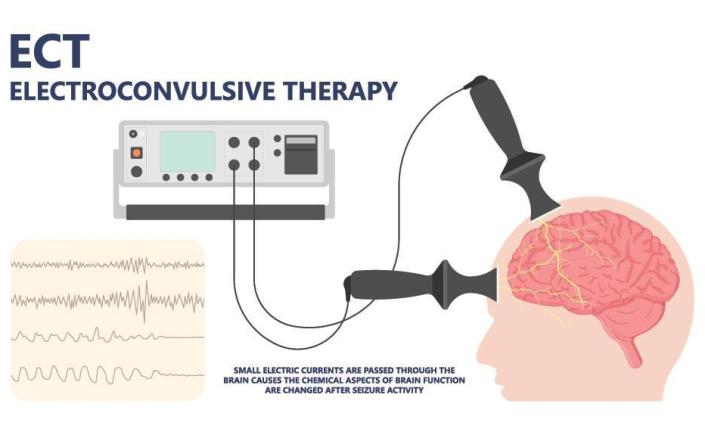
Electroconvulsive Therapy (ECT) has been and remains as one of the most controversial, yet effective, forms of therapy. But how did this idea come along and how does it work? How has the procedure changed throughout the years?
The idea of inducing a seizure to aide a patient was first thought of in the late 1920s by a scientist named Meduna. The main purpose of ECT at the time was to treat patients with schizophrenia. After successfully treating over 100 patients through a chemically induced seizure, two other scientists with the names of Ugo Cerletti and Lucio Bini decided to conduct the first electrically induced seizure.
Almost a century later, ECT is still widely used throughout the world. ECT is mostly used when other treatments are found to be unsuccessful, such as therapy and medication. It can treat severe depression, treatment-resistant depression, severe mania, catatonia, and agitation and aggression in people with dementia. Over the years, the ECT procedure has greatly changed in order to ensure the patient’s safety and to reduce side effects.
The general procedure of ECT includes:
General anesthesia – makes you unconscious and unaware of the procedure
A brief physical exam
An intravenous line (IV) inserted
Electrode pads placed on the head
Muscle relaxant – helps minimize the seizure and prevent injury
Monitoring the patient’s brain, heart, blood pressure, and oxygen
Mouth guard – helps to protect the teeth and tongue from injury
With all of these features in place, the patient can relax and be completely unaware of the procedure. After ECT, the patient is put into a recovery room where they will be monitored for any potential issues. It usually takes a total of 6-12 treatments for the patient to see results. Even after symptoms improve, the patient will have to continually visit their therapist in order to keep up with the progress that they have made.
If you or someone you know is struggling with depression and/or mania please contact our psychotherapy offices in New York or New Jersey to talk to one of our licensed professional psychologists, psychiatrists, psychiatric nurse practitioners, or psychotherapists at Arista Counseling & Psychotherapy. Contact our Paramus, NJ or Manhattan, NY offices respectively at (201) 368-3700 or (212) 722-1920 to set up an appointment. For more information, please visit https://www.counselingpsychotherapynjny.com/
Signs of eating disorders oftentimes go unrecognized by those around the struggling individual. While eating disorders such as anorexia nervosa, bulimia nervosa, and binge eating disorder each have their own risks, it is critical to know that they can be fatal if left untreated for a certain period of time. Fortunately, eating disorders can be treated by mental health care providers. Supportively encouraging an individual struggling with an eating disorder to seek treatment can save their life.
Warning signs may include but are not limited to:
Behavioral Signs:
Skipping meals
Withdrawal from friends and activities
Refusal to eat certain foods
Expressing preoccupation with food, weight, nutrition, etc.
Consuming only small portions of food at a time
Emotional Signs:
Extreme concern with body shape and size
Extreme mood swings
Physical Signs:
Noticeable fluctuations in weight
Dizziness and fainting
Feeling cold regularly
Difficulties concentrating
Stomach cramps and other gastrointestinal issues
Seeking Treatment
It is important to seek help as soon as warning signs appear given that the chance for recovery from an eating disorder increases the earlier it is detected, diagnosed, and treated. Cognitive Behavioral Therapy (CBT) is a commonly used psychotherapeutic approach for eating disorder treatment. It emphasizes the interaction between an individual’s thoughts, feelings, and behaviors. The approach is centered on shifting negative thoughts and behaviors to more positive thoughts and healthier alternatives.
The treatment for different eating disorders such as anorexia nervosa, bulimia nervosa, and binge eating disorder vary. During treatment, a mental health care provider can screen and treat for other underlying issues, such as anxiety and depression, as these can influence treatment outcomes. Medications can be an effective treatment option when combined with psychotherapy in treating individuals struggling with an eating disorder. Supportively encouraging an individual to seek treatment for an eating disorder can be lifesaving.
If you or someone you know is struggling with an eating disorder, please contact our psychotherapy offices in New York or New Jersey to talk to one of our licensed professional psychologists, psychiatrists, psychiatric nurse practitioners, or psychotherapists at Arista Counseling & Psychotherapy. Contact our Paramus, NJ or Manhattan, NY offices respectively, at (201) 368-3700 or (212) 722-1920 to set up an appointment. For more information, please visit http://www.counselingpsychotherapynjny.com.
Anxiety disorders are quite common in recent times, and can interfere with completing simple daily tasks. One population in which anxiety disorders can be particularly concerning is student athletes. Student athletes experience a tremendous amount of pressure coming from multiple facets of life. This includes pressure to perform/compete well, pressure to attend athletic training daily, pressure to maintain a healthy/fit figure, and the pressure to keep up with academic assignments. Competition and a moderate level of stress have proven to be beneficial to performance in many circumstances, but the overwhelming stress that often results from being a student athlete can be debilitating and may impact success.
Although athletes may be at an increased risk for anxiety disorders, they often find that their schedules are too busy to seek help. In order to perform physically to one’s fullest potential, mental health is just as important as physical health. Anxiety can cause both mental and physiological symptoms that can impact athletic performance.
These symptoms include:
Feeling powerless
Feeling weak or tired
Increased heart rate
Rapid breathing
Trembling
While decreasing the level of competition and pressure for student athletes may be a lost cause, there are ways to help deal with the feelings of anxiety that accompany this. First and foremost, it is crucial to allow yourself to take a day off when the pressure becomes too overwhelming. Do something that makes you happy, or simply give your body and mind a day of relaxation. This is especially important if you are injured, or not feeling well mentally or physically.
If feelings of anxiety persist, it can be helpful to seek therapy. Therapy sessions provide an outlet to share emotions, as well as a professional who can help to manage anxiety. Some of the main treatments for anxiety include Cognitive Behavioral Therapy, Psychotherapy, and medication (mainly SSRIs and antidepressants). A mental health professional will work with your personal needs to establish the most effective treatment plan.
If you or someone you know is struggling with anxiety, please contact our psychotherapy offices in New York or New Jersey to talk to one of our licensed professional psychologists, psychiatrists, psychiatric nurse practitioners, or psychotherapists at Arista Counseling & Psychotherapy. Contact our Paramus, NJ or Manhattan, NY offices respectively, at (201) 368-3700 or (212) 722-1920 to set up an appointment. For more information, please visit http://www.counselingpsychotherapynjny.com/
Body Image: The Role of Body Dissatisfaction on Self-Esteem
By Kim Simone
Body dissatisfaction is characterized by an individual’s persistent negative thoughts and feelings about his or her body. It is commonly influenced by external factors such as societal norms and perceived pressure from other individuals. High levels of body dissatisfaction can lead to low self-esteem and ultimately lead to harmful eating and exercising behaviors.
On the contrary, having a positive body image is associated with self-acceptance, higher self-esteem, and having healthier practices in regards to eating and exercising.
The Four Primary Elements of Body Image:
Perceptual body image: the way you see your body
Cognitive body image: the way you think about your body
Affective body image: the way you feel about your body (often characterized by satisfaction or dissatisfaction)
Behavioral body image: the behaviors you engage in as a result of your body image (may include unhealthy eating behaviors and exercising habits)
Body dissatisfaction fluctuates throughout the lifespan and is correlated with lower levels of self-esteem. These concerns are linked with poor self-concept, which not only affects physical and mental health, but also impacts individuals socially and academically. Since body dissatisfaction often leads to low self-esteem, individuals may be at risk for developing more serious disorders. A poor self-concept, and consequently a poor body image, may influence eating behaviors, making individuals more at risk for developing an eating disorder.
Given that the chance for recovery from an eating disorder increases the earlier it is detected, diagnosed, and treated, it is important to seek help as soon as warning signs appear. Cognitive Behavioral Therapy (CBT) is a commonly used psychotherapeutic approach for eating disorder treatment. The approach emphasizes having the individual understand the interaction and inter relatedness between his or her thoughts, feelings, and behaviors. This therapy focuses on shifting negative thoughts and behaviors to more positive thoughts and healthier alternatives. Furthermore, a mental health care provider can screen and treat for other underlying issues, such as anxiety and depression, as these can influence treatment outcomes.
If you or someone you know is struggling with body dissatisfaction, self-esteem, and/or eating disorders, please contact our psychotherapy offices in New York or New Jersey to talk to one of our licensed professional psychologists, psychiatrists, psychiatric nurse practitioners, or psychotherapists at Arista Counseling & Psychotherapy. Contact our Paramus, NJ or Manhattan, NY offices respectively, at (201) 368-3700 or (212) 722-1920 to set up an appointment. For more information, please visit http://www.counselingpsychotherapynjny.com/
Alcohol Use Disorder is characterized by disordered drinking that leads to significant distress and changes in behavior. One of the strongest predictors of alcoholism is family history, as genetics can attribute to one’s predisposition to alcoholism. Underlying psychological disorders contribute to alcoholism as well as people turn to substances to numb pain. Socially speaking, one’s environment can lead to alcoholism if the environment favors a culture of drinking.
Addiction is a controlling disease and when mixed with depression, treatment can become even more complex. Depression is a common co-occurring disorder with at least 30%-40% of alcoholics experiencing a depressive disorder. Depression is a mood disorder which can generate persistent feelings of sadness, worthlessness, and pessimism, disrupting everyday life. The combination of addiction and depression is especially harmful as the conditions fuel each other.
Depression Contributing to Alcoholism
Substances like alcohol can be appealing to those suffering from depression, as alcohol’s sedating effects offer an escape from overwhelming feelings of sadness. This form of self-medication can temporarily relieve depressive symptoms, but this is not a permanent solution. Over time, the feelings of sadness linger despite the sedating effects of alcohol, leading those struggling with depression to increase their alcohol intake to suppress the pain. This dangerous cycle contributes to a substance abuse disorder.
Alcoholism Contributing to Depression
Alcohol releases neurotransmitters in the brain, resulting in the euphoric feeling of being drunk. As alcohol users consistently chase this high, the copious amount of alcohol is simultaneously limiting the brain’s ability to sustain neurotransmitters at normal levels. This disruption in the nervous system impacts one’s mood; therefore, when there is a reduction of neurotransmitters a person may feel symptoms of depression. Additionally, alcohol increases the duration and severity of depressive episodes and increases the likelihood of suicidal thoughts.
Drinking alcohol also alters behavior and fuels acts of impulse. The consequences of one’s drunken actions may be overwhelming leading to feelings of sadness and shame. Heavy drinking can disrupt relationships and interfere with work, damaging one’s social sphere. The constant ramifications from drinking can easily contribute to depression as well.
Treatment for Co-Disorders
In some cases, removing alcohol from the equation is enough to relieve symptoms of depression. In other cases, therapy, rehabilitation, and medications may be necessary. It is important to note that medication alone will not effectively treat co-occurring depression and addiction. Therapy is required in order to understand what originally contributed to one’s depression/addiction. Gaining a deeper understanding to one’s emotions and history could help prevent a relapse in the future. Additionally, confiding in others and sharing stories of similar nature reminds people that they are not alone in their struggles, fostering a sense of community. With a little bit of help, it is possible to break the dangerous cycle of alcohol and depression.
If you or someone you know is seeking therapy for depression and/or addiction, please contact our psychotherapy offices in New York or New Jersey to talk to one of our licensed professional psychologists, psychiatrists, psychiatric nurse practitioners, or psychotherapists at Arista Counseling & Psychotherapy. Contact our Paramus, NJ or Manhattan, NY offices respectively, at (201) 368-3700 or (212) 722-1920 to set up an appointment. For more information, please visit http://www.counselingpsychotherapynjny.com/
Managing Countertransference in Mental Health Professionals
By Fiona McDermut
Although mental health professionals are trained to treat a variety of disorders and psychological distress, we cannot discount their own psychological reactions. Therapists are human too, and they experience similar ups and downs to the people seeking their help. Additionally, many therapists feel a secondary wave of emotions when they can strongly identify with a client’s obstacles. For many people, it is difficult to react to others without involving personal emotions—it is no different for psychologists. In the world of mental health, this reaction based on personal mentality is known as countertransference.
A therapist’s ability to work objectively with a client is dependent on the management of their own countertransference. Although therapists may develop strong emotional opinions about situations in their clients’ lives, it is important to always decide what is in the best interest of the clients.
Some examples of countertransference in practice include:
Disclosing too much personal information to a patient
Having unclear boundaries in the patient-doctor relationship
Being overly supportive or critical of the client
Any other actions in which the therapist allows their personal emotions to interfere with providing proper treatment
Identifying with a patient’s strife is not necessarily a bad thing. It is important for mental health professionals to feel empathy, and to fully understand a client’s situation in order to develop a comforting therapeutic environment. However, this becomes unproductive when this empathy turns into extreme distress in the therapist and/or interferes with providing high quality care.
Luckily, there are two main ways in which mental health professionals regularly work on managing countertransference:
Participating in individual or group supervision or consultation with other therapists
Seeking therapy of their own which provides an outlet to discuss and handle personal emotional needs without projecting it onto the patient.
The role of the therapist is ultimately to help the patient, not create more stressors in the client’s life. If the therapist or patient feels that this cannot be done successfully, it may become necessary to terminate the relationship and pursue treatment with a new therapist.
If you or someone you know is experiencing countertransference, please contact our psychotherapy offices in New York or New Jersey to talk to one of our licensed professional psychologists, psychiatrists, psychiatric nurse practitioners, or psychotherapists at Arista Counseling & Psychotherapy. Contact our Paramus, NJ or Manhattan, NY offices respectively, at (201) 368-3700 or (212) 722-1920 to set up an appointment. For more information, please visit http://www.counselingpsychotherapynjny.com/
Body Dysmorphic Disorder-Beautiful In Your Own Skin Month
By Fiona McDermut
In light of the start of “beautiful in your own skin” month, it is important to recognize that many struggle with body image satisfaction. Not all people look in the mirror and feel content with what they see. Even if those around you do not understand your body-related concerns, your feelings are totally valid and can be helped with treatment.
Body dysmorphic disorder (body dysmorphia) is a mental illness characterized by a hyper fixation on perceived defects in one’s appearance. This interferes with day-to-day life because one may spend a large amount of time worrying or attempting to adjust the perceived flaw. These behaviors usually result in obsessive body comparison to others, avoidance of social interaction, and frequent negative body-checking (looking in the mirror repeatedly at disliked body parts). Unfortunately, many have associated their own happiness with how closely their bodies align with current beauty standards portrayed in the media. As one lets these thoughts progress, they can worsen, and possibly be a precursor to an eating disorder or other disorders associated with body dissatisfaction such as depression and obsessive compulsive disorder.
While many believe that cosmetic surgery will fix their perceived flaws, research has shown that such surgeries do not improve psychological symptoms of body dysmorphic disorder. The first step to resolving the issue is recognizing that you have a warped view of what you look like. If you or someone you know experiences this, it can be very beneficial to seek psychological/psychiatric assistance. Professionals in the field will be able to decide the best way to treat these disordered thoughts. The most common treatment for body dysmorphia is cognitive behavioral therapy (CBT). Other possible treatments include hypnotherapy, exposure therapy, acceptance and commitment therapy (ACT), and the prescription of antidepressant medication in order to decrease the feelings of dissatisfaction.
Working with a professional is important in situations like these, but it is still important to remind yourself that your perceived flaws are only noticed by you, and likely not those around you. Nobody is perfect, but with the constant pressure of modern media to be thin, our flaws often appear to be more apparent to ourselves than they are to others. The practice of mindfulness exercises may also help to focus your mind on what you have learned to love about yourself, and of course, do not be afraid to seek help when necessary.
If you or someone you know is struggling with body dysmorphic disorder, please contact our psychotherapy offices in New York or New Jersey to talk to one of our licensed professional psychologists, psychiatrists, psychiatric nurse practitioners, or psychotherapists at Arista Counseling & Psychotherapy. Contact our Paramus, NJ or Manhattan, NY offices respectively, at (201) 368-3700 or (212) 722-1920 to set up an appointment. For more information, please visit http://www.counselingpsychotherapynjny.com/
Maternal Mental Health Month: Postpartum Depression
By Fiona McDermut
As we come to the end of Maternal Mental Health Month, it is important to recognize postpartum depression which affects one in ten new mothers. Postpartum depression is characterized by significant depressive symptoms following child birth. This is caused by the dramatic drop of hormone levels in the mother. Unfortunately, nearly half of these women are never diagnosed and therefore, never properly treated.
It is crucial to be able to identify what is normal after child birth. It is completely normal to have occasional bouts of sadness due to fluctuation in hormones, also known as “baby blues”. Many women also experience anxious thoughts as a new mother. This is frequent because of the newfound responsibility of being a parent combined with excitement and restlessness. Although these symptoms are not pleasant, they are extremely common and can go away on their own or with simple self-help techniques. Some easy self-help techniques include exercise, listening to music, exposure to morning light, and even physical touch such as more frequent hugs!
On the other hand, worrisome results of childbirth include major depressive disorder (MDD) and psychosis. Although the symptoms of MDD (sadness, lack of pleasure, loss of interest, etc.) are similar to normal feelings after childbirth, if these symptoms persist for more than two weeks, it is no longer something to brush off.
The two main treatments of postpartum depression include psychotherapy and anti-depressant medication. Cognitive behavioral therapy (CBT) and interpersonal therapy (IPT) have shown to be the most effective methods of psychotherapy treatment. Many find that the most effective results come from a combination of psychotherapy and medication. While there are many options for treatment, the best course of action is to get new mothers who are suffering from these symptoms in touch with a psychiatric professional as soon as possible, and to work with the doctor directly to select the most effective treatment plan for each individual.
If you or someone you know is struggling with postpartum depression, please contact our psychotherapy offices in New York or New Jersey to talk to one of our licensed professional psychologists, psychiatrists, psychiatric nurse practitioners, or psychotherapists at Arista Counseling & Psychotherapy. Contact our Paramus, NJ or Manhattan, NY offices respectively, at (201) 368-3700 or (212) 722-1920 to set up an appointment. For more information, please visit http://www.counselingpsychotherapynjny.com/