Drug Overdose: Frequency of Non-Substance Related Mental Health Disorders Among Drug Overdose Deaths

Drug Overdose: Frequency of Non-Substance Related Mental Health Disorders Among Drug Overdose Deaths

By Madison Gesualdo

Fatal drug overdoses in the United States have been on the rise in recent years, with the Center for Disease Control (CDC) reporting nearly 108,000 drug overdose deaths in 2022. However, a new study by the CDC suggests that screening and treatment for non-substance related mental health disorders, which frequently exhibit comorbidity with substance use disorders, may help lower the rate of overdoses in the United States.

The CDC found that approximately one in five individuals (22%) who died of a drug overdose in 2022 had a co-occurring, non-substance-related mental health disorder, with depression, anxiety, and bipolar disorders being the most prevalent. Additionally, it was reported that nearly 25% of these individuals had at least one opportunity for intervention with these disorders shortly before their death, including but not limited to visits to emergency departments and the locations where they were actively being treated at for their substance use disorder. With respect to this data, the CDC emphasizes the importance of integrating more screening practices for non-substance-related mental health disorders during interventions in individuals suffering from substance use disorders in order to improve mental health among these individuals and, potentially, decrease the amount of fatal overdoses.

Help and treatment are available to individuals with substance use disorders. Below are some of the many resources available to assist individuals with the screening and treatment of these disorders:

If you or someone you know is struggling with drug addiction and abuse or with mental health, please contact our psychotherapy offices in New York or New Jersey to talk to one of our licensed professional psychologists, psychiatrists, psychiatric nurse practitioners, or psychotherapists at Arista Counseling & Psychotherapy. Contact our Paramus, NJ or Manhattan, NY offices respectively, at (201) 368-3700 or (212) 722-1920 to set up an appointment. For more information, please visit http://www.counselingpsychotherapynjny.com/

References:

Dinwiddie, A.T., Gupta, S., Mattson, C.L., O’Donnell, J., & Seth, P. (2024, August 29). Reported non–substance-related mental health disorders among persons who died of drug overdose — United States, 2022. MMWR Morb Mortal Wkly Rep 2024;73:747–753. http://dx.doi.org/10.15585/mmwr.mm7334a3

Drug Enforcement Administration. (n.d.) Recovery resources. United States Drug Enforcement Administration. https://www.dea.gov/recovery-resources

Alcohol Abuse among College Students

Alcohol Abuse among College Students

By Melissa Rodriguez

College students undergo many feelings and emotions during the semester. They may feel excitement, anxiety, stress, depression, and so much more. These feelings can lead to alcohol abuse in college students. College students are more likely to be exposed to alcohol, which can lead to them wanting to partake in drinking and abusing alcohol with peers. When college students are stressed they go to parties and they may be exposed to alcohol there. They may be stressed or overwhelmed with assignments and exams and they may want to drink the stress away. According to the National Institute on Alcohol Abuse and Alcoholism, some students who go to college develop established drinking habits. According to the 2022 National Survey on Drug Use and Health, within full-time college students ages 18-22, 49.0% consumed alcohol and 28.9% engaged in binge drinking in just one month. Peers of students may also pressure them into trying or consuming alcohol, and with peer pressure it can be hard for students to say no as they fear they may get bullied or judged.

Abusing alcohol in college can also affect brain development in young adults. Many college students who take part in drinking and abusing alcohol still have developing brains. Brain development can last through ages 21-25. This may put young college students at a greater risk for alcohol poisoning, which can damage the development of the brain. Alcohol can cause brain cell shrinkage, nerve cell death, and grey matter decline. It is important to learn about the dangers of alcohol to better protect yourself and those around you from abusing the substance.

If you or someone you know is dealing with alcohol abuse, please speak with one of our licensed professional psychologists, psychiatrists, psychiatric nurse practitioners, and psychotherapists. Contact us at our Paramus, NJ or Manhattan, NY offices at (201) 368-3700 or (212) 722-1920 respectively to set up an appointment. For more information, visit http://www.counselingpsychotherapynjny.com/.

Sources:

https://www.niaaa.nih.gov/publications/brochures-and-fact-sheets/college-drinking

https://www.stanfordchildrens.org/en/topic/default?id=the-dangers-of-binge-drinking-1-1924

Social Media Addiction

Social Media Addiction

By: Nicole Cutaia

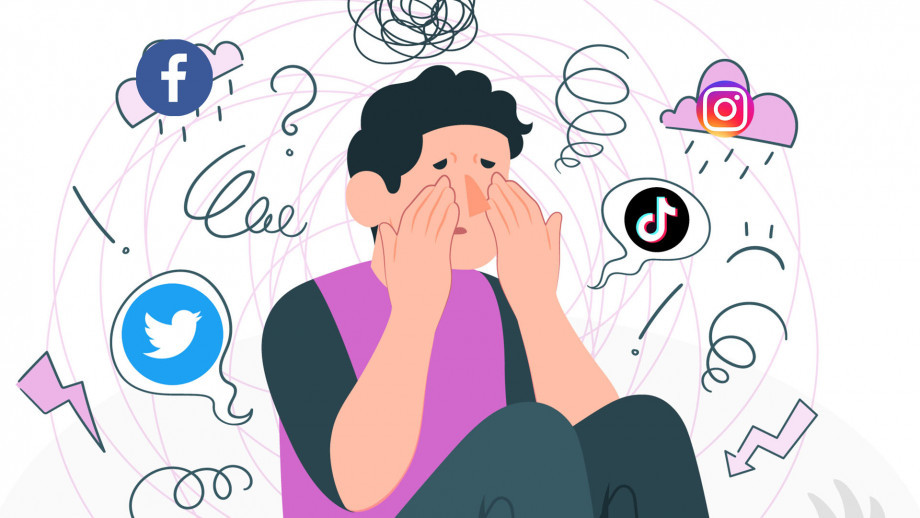
Social media is the digital technology that allows ideas and information to be made, shared and exchanged. People use social media as a way to connect with friends, express their creativity, and learn new things. Some popular social media platforms used today are Instagram, TikTok, YouTube, Twitter, and Facebook. Unfortunately, some individuals abuse social media to the point where it’s not a positive experience, but rather a negative one. Scrolling on social media platforms for hours daily has become a routine for some.

We now see that social media and technology addiction is most dangerous to children because it affects their learning abilities at school. The compulsion has grown to be so threatening that various school districts have banned the usage of smartphones on school grounds. Hopefully, there will be more effective ways to control this addiction before it leads to more negative outcomes.

If you or someone you know is struggling with their mental health or addiction, please contact our psychotherapy offices in New York or New Jersey to talk to one of our licensed professional psychologists, psychiatrists, psychiatric nurse practitioners, or psychotherapists at Arista Counseling & Psychotherapy. Contact our Paramus, NJ, or Manhattan, NY offices respectively, at (201) 368-3700 or (212) 722-1920 to set up an appointment. For more information, please visit https://aristapsychiatrypsychotherapy.com/

Anxiety: How to Cope with Back-to-school Anxiety

Anxiety: How to Cope with Back-to-school Anxiety

By: Josette DeFranco

The first few weeks before school is back in session have greatly affected children and college students. Believe it or not, back-to-school anxiety is common and a manageable issue. Anxiety can impact a student’s concentration, memory, and ability to be engaged in activities. Also, another area being affected by back-to-school anxiety is social development. School is a main scene for socialization allowing students to build relationships and develop effective communication skills. Managing back-to-school anxiety is great for academic performance. Dealing with anxiety can help prevent social isolation, low self-esteem, and difficulty in forming healthy peer relationships.

There are many ways to make the change much easier and less stressful. Below are a few tips to help manage back-to-school anxiety.

  • Practice self-care
  • Create a support system
  • Focus on the positive
  • Rehearse the drop-off
  • Visit the school
  • Take deep breaths

If you or someone you know is struggling with their mental health, please contact our psychotherapy offices in New York or New Jersey to talk to one of our licensed professional psychologists, psychiatrists, psychiatric nurse practitioners, or psychotherapists at Arista Counseling & Psychotherapy. Contact our Paramus, NJ or Manhattan, NY offices respectively, at (201) 368-3700 or (212) 722-1920 to set up an appointment. For more information, please visit https://aristapsychiatrypsychotherapy.com/

Sources:

https://adaa.org/learn-from-us/from-the-experts/blog-posts/consumer/7-tips-addressing-back-school-anxiety

Freshman Year of College: Life Transitions & Mental Wellness

Freshman Year of College: Life Transitions & Mental Wellness

By: Kristen Thauer

Everyone who has attended college or university knows that the first year can be daunting. For many American teenagers, the transition to college has become increasingly fraught with anxiety. Some are excited to meet new people, attend interesting classes and move away from home. Others may worry about the financial hardships and potential isolation that comes with moving away from friends and family. Tuition costs have skyrocketed over the past few decades. The college experience our parents or even grandparents had seems like a distant memory.

While college is an incredible opportunity for growth, not only academically but socially and emotionally, many do struggle with the transition. Transferring colleges has become increasingly common as many students end up feeling as though their first choice was not the right fit. These experiences can sometimes make it more difficult to foster new friendships and a sense of community on campus. Unfortunately, many colleges have seen a dip in student engagement since COVID-19, meaning less and less students are going to club meetings, sporting events and even class.

 Many of these hardships students are facing today are caused by an uptick in mental health concerns. According to the American College Health Association’s database, 36% of college students have been diagnosed with depression and 26% of students have been diagnosed with anxiety. Regardless of the many factors that may be at play, students need mental health support both on and off campus. Reaching out for therapy in your college years can be a helpful and transformative experience as you navigate this life transition. There is no reason to suffer alone!

https://www.acha.org/ACHA/Resources/Topics/MentalHealth.aspx

If you or someone you know is struggling with their mental health, please contact our psychotherapy offices in New York or New Jersey to talk to one of our licensed professional psychologists, psychiatrists, psychiatric nurse practitioners, or psychotherapists at Arista Counseling & Psychotherapy. Contact our Paramus, NJ or Manhattan, NY offices respectively, at (201) 368-3700 or (212) 722-1920 to set up an appointment. For more information, please visit https://aristapsychiatrypsychotherapy.com/

Alcoholism: Codependency and Effects on Family

Alcoholism: Codependency and Effects on Family

By: Maddie Rhodes

Alcoholism, or Alcohol Use Disorder, has drastic effects on the individual, and it also takes a toll on the people surrounding them including their family, friends, and colleagues. Alcoholism always has a financial tie and can easily create instability within a family.

Alcoholism can result in martial conflict, stress, and domestic violence. It is important for a family member or friend to consider their own mental health when supporting someone who has Alcohol Use Disorder (AUD). A risk that spouses face when put in this situation is codependency, focusing all of their efforts onto their partner or family member. This forms an unhealthy relationship and may lead to them blaming themselves for the addiction.

 It also has detrimental effects on children living in the household. According to the American Academy of Child and Adolescent Psychiatry (AACAP), 1 in every 5 adult Americans resided with a relative who misused alcohol during their adolescence. They often face strong feelings of anger, anxiety, and confusion with some struggling with friendships, school, and mental health. Living via an alcoholic puts the child at a higher likelihood of developing AUD. It is important to set boundaries with the individual, for example, how much alcohol you are comfortable having in the house.

Considerations:

  • Learn about AUD and how it may affect your loved one
  • Try to avoid enabling them
  • Remove yourself from dangerous situations
  • Have an open conversation
  • Speak to a therapist or licensed professional

If you or someone you know is interested is dealing with Alcoholism or is an individual close to someone with Alcoholism, please contact our psychotherapy offices in New York or New Jersey to talk to one of our licensed professional psychologists, psychiatrists, psychiatric nurse practitioners, or psychotherapists at Arista Counseling & Psychotherapy. Contact our Paramus, NJ or Manhattan, NY offices respectively, at (201) 368-3700 or (212) 722-1920 to set up an appointment. For more information, please visit https://www.counselingpsychotherapynjny.com/

Sources:

https://www.aacap.org/AACAP/Families_and_Youth/Facts_for_Families/FFF-Guide/Children-Of-Alcoholics-017.aspx

https://americanaddictioncenters.org/alcohol/support-recovery/family

Telehealth versus in person therapy: Which is right for you?

Telehealth versus in person therapy: Which is right for you?

By: Kristen Thauer

COVID-19 has undoubtedly changed the way in which healthcare operates. Many different
industries have been permanently impacted by the pandemic. Psychological
counseling has quickly turned into a telehealth industry. Some practitioners
see their clients fully virtually. For many, getting on a zoom call for forty
five minutes to an hour versus commutes to the therapy office is much easier
and less stressful. Whether it is a packed work schedule or a physical ailment,
telehealth has now made therapy more accessible for many. Despite the
convenient nature of telehealth, many argue that sitting behind a screen does
not have the same impact as a face to face interaction may have. It is no secret that human communication involves much more than verbal speech. Sometimes body
communication conveys far more about a depressed patient than words ever can.
Another commonly brought up issue regarding telehealth is the cold nature of
staring at a computer screen. Many have argued that in order for a healthy
client patient rapport to flourish, client and practitioner must meet in
person. There is no doubt that a generational divide is present: millennials
and generation Z may prefer to meet virtually, while older generations are more
comfortable with an in person session. Regardless of which you prefer, being in
therapy can be beneficial no matter the circumstance.

In person therapy can also be an escape for many, away from the stressors of home or work.

For those with familial issues, it is not always safe to be in session while at home.
Additionally, Wi-Fi and computers do fail on occasion, which can be incredibly
distracting and even distressing for some clients. Despite this, the American
Psychological Association has ruled telehealth therapy to be just as effective
as in person therapy according to the research.


If you or someone you know is interested is dealing with an eating disorder, please
contact our psychotherapy offices in New York or New Jersey to talk to one of
our licensed professional psychologists, psychiatrists, psychiatric nurse
practitioners, or psychotherapists at Arista Counseling & Psychotherapy.
Contact our Paramus, NJ or Manhattan, NY offices respectively, at (201) 368-3700
or (212) 722-1920 to set up an appointment. For more information, please visit
 http://www.counselingpsychotherapynjny.com/


https://www.google.com/imgres?q=teleheALTH%20THERAPY&imgurl=https%3A%2F%2Fwww.peacefulwaypsychology.com%2Fwp-content%2Fuploads%2F2022%2F04%2Fshutterstock_1727526499-500×286.jpg&imgrefurl=https%3A%2F%2Fwww.peacefulwaypsychology.com%2Fsuccessful-telehealth-therapy%2F&docid=_Vp4YRlYOO2ljM&tbnid=5fH4YmBvtgTK-M&vet=12ahUKEwiKuaf_06mHAxW1FVkFHcldC9UQM3oECBgQAA..i&w=500&h=286&hcb=2&ved=2ahUKEwiKuaf_06mHAxW1FVkFHcldC9UQM3oECBgQAA

Sources: https://www.apa.org/monitor/2022/10/future-of-telehealthhttps://www.ncbi.nlm.nih.gov/pmc/articles/PMC8956990/

Eating Disorder: Supporting a Loved One with an Eating Disorder


Eating Disorder:
Supporting a loved one with an eating disorder

By: Maya Weisberg

When someone you know is struggling with an eating disorder,
you may feel at a loss for how to help them. Afraid to say the wrong thing or
push your loved one farther away, you may hold back and say nothing even when
you know they need help and support. While there is nothing you can say that
will magically cure them, there are certain things you can say and do to help.
There are also certain things you should not say or do.


If you start to notice signs that your loved one may be
dealing with an eating disorder, gently encourage them to seek out professional
help. You may face resistance at this suggestion and your loved one may even
get angry with you for suggesting they need help. Remind yourself that they are
not truly angry with you; they are just taking out their frustration on you.
Hold your ground and continue to encourage them when you can, emphasizing that
you only want to help them live their happiest life. 


Outside of professional help, there are several things you
can do that may help alleviate some of the suffering your loved one is
experiencing. First is assuring them that they are not to blame for their
eating disorder nor are they one entity with their eating disorder. Reminding
them that the eating disorder is something they have, not something they are,
is often something that they need to hear. Second, it is important to make sure
that you do not discuss diets, weight, or body shape. Talking about these
things, even if you think it is in a positive light, can be triggering and may
reinforce the eating disorder.  A third action is to help your loved one during meal times. This can take the form of eating with them, helping them stay busy after a meal so they cannot dwell on
it, or making sure that nutrition information is hidden away. Offering to go
grocery shopping or cooking for/with your loved one may also be helpful. Lastly,
if your loved one is responsive, ask them what they would like you to do. Every
eating disorder is different so it’s important to get direct feedback and suggestions
from your loved one.


Sometimes your loved one may reject any outright help from
you. In these cases there are still things you personally can do that may help
even if it’s not explicit. The first is to educate yourself on eating
disorders. Learn about the misconceptions and causes of eating disorders as
well as what the experience is like of living with an eating disorder.  There are many internet resources as well as books and podcasts. Educating yourself will enable you to better understand what
your loved one is experiencing and how you can help. Think about if there are
any behaviors you do that may be enabling an eating disorder. These behaviors
may not be obvious at first but even just talking about how you were so busy
today that you didn’t have time to each lunch can be triggering. Commenting on
a the body of a person you each know is another example of a behavior that may
enable the eating disorder. As you educate yourself, these types of behaviors
will become more apparent to you. Lastly, remember to take care of your own
mental health. Without taking care of yourself, you cannot effectively help
someone else.


If you or someone you know is interested is dealing with an eating disorder, please
contact our psychotherapy offices in New York or New Jersey to talk to one of
our licensed professional psychologists, psychiatrists, psychiatric nurse
practitioners, or psychotherapists at Arista Counseling & Psychotherapy.
Contact our Paramus, NJ or Manhattan, NY offices respectively, at (201) 368-3700
or (212) 722-1920 to set up an appointment. For more information, please visit
 http://www.counselingpsychotherapynjny.com/


Source:
https://www.beateatingdisorders.org.uk/get-information-and-support/support-someone-else/tips-for-supporting-somebody-with-an-eating-disorder/

Domestic Violence and Sports

Domestic Violence and Sports
By: Camillia Ghavami


When we watch sports games many of us feel passionate about whether our teams win or lose. Many find excitement in watching their favorite teams battle it out for the win, others may be terrified.


Tubi’s famous Super Bowl commercial in 2023, that made it seem like someone was changing the channel, is an example of the fear many women live in while watching sports games. Some may have laughed the prank off with their families, while those in more aggressive households were met with terrifying outbursts of violence. One woman described her experience with her boyfriend violently screaming at her to find the remote and then punching a hole in a wall. Another woman who worked at a sports bar described the whole bar screaming profanities at her.

The reaction to this commercial is bringing to light a relationship few know about between sports and domestic violence. More and more studies are showing that there is a relationship between domestic violence and the wins and losses of professional football teams. Empirical analyses show that in the US, there are more domestic violence arrests on Sundays when there are NFL games than on Sundays when there are no games played. This relationship is not just found in the US. In England, domestic violence reports rose by 38% when the national soccer team lost. Even when the team won, domestic violence still rose by 26%. The biggest cause of this rise in domestic violence might have to do with whether the team wins or loses. One study found upset losses (a team loses when it was predicted to win by 4 or more points) led to a 10% increase in domestic violence by men while the rise in violence after other types of losses (like when the games were expected to be close) were small. This rise in violence is even larger when the games are more important.

The problem of domestic abuse is an epidemic that runs rampant in this country. 1 in 3 women and 1 in 4 men have experienced any form of physical violence done by an intimate partner. Additionally, 1 in 7 women and 1 in 25 men have been injured by an intimate partner. While of course all these instances were not done in reaction to a sports game, imagine if during the next big sports game, famous athletes came together and denounced domestic violence. Maybe this would lead to a new turn in our culture, where the possibility of someone changing the channel during the Super Bowl is not met with violence.


If you or someone you know is suffering from domestic violence, please contact our psychotherapy offices in New York or New Jersey to talk to one of our licensed professional psychologists, psychiatrists, psychiatric nurse practitioners, or psychotherapists at Arista Counseling & Psychotherapy. Contact our Paramus, NJ or Manhattan, NY offices respectively, at (201) 368-3700 or (212) 722-1920 to set up an appointment. For more information, please visit http://www.counselingpsychotherapynjny.com/

References:
https://www.ncbi.nlm.nih.gov/pmc/articles/PMC3712874/
https://www.psychologytoday.com/us/blog/making-sense-chaos/202009/nfl-losses-are-associated-increased-domestic-violence
https://trinitonian.com/2023/03/02/how-sports-culture-is-connected-to-domestic-violence-and-abuse/#:~:text=According%20to%20a%20study%20conducted,when%20no%20games%20are%20played
https://ncadv.org/STATISTICS
https://www.themarysue.com/that-viral-tubi-superbowl-commercial-had-some-real-life-consequences-that-cant-be-ignored/


Throwing Up: The Fear of Throw Up

By Caroline Buchanan

The fear of throw up, also referred to as emetophobia, is a specific phobia that revolves around the fear of vomiting, seeing vomit, watching other people vomit, or feeling sick. Emetophobia tends to leave people in a state of anxiety, overtaking their thoughts and engaging in behaviors that impact their everyday life. For example, you may avoid crowded places, traveling, eating out, or closely monitor your own health in an attempt to reduce the distress you may feel. While this anxiety can feel overwhelming and unbearable at times, this condition can be managed by a therapist.

What causes emetophobia?

Specific phobias tend to develop after a specific incident. As a result of this incident, an association is created between a thing – an object, situation, or an event – and a fear (Psych Central). Specifically in the context of emetophobia, this could involve getting sick in public, someone vomiting on you, having a bad case of food poisoning, or seeing someone else throw up. Emetophobia can also develop without a clear cause, causing experts to believe that genetics and the environment play a role. Regardless of whether you can pinpoint an incident or not, this anxiety can still be managed.

How can emetophobia be managed?

Exposure therapy is considered to be one of the most effective treatments. In this type of therapy, your therapist will expose you to your fear at a slow rate. This could involve trying a new food at a restaurant or spinning around until you feel nauseous. With these actions, you will be provided with techniques to help you cope with these feelings of anxiety. The goal is that the more you are exposed to your fear, the more you feel comfortable with it. Talk therapy and cognitive behavioral therapy (CBT)can also be used to help learn how to identify and challenge negative thought patterns in your anxiety. While it may take some time to find the right therapist and techniques for you, it is worth it to alleviate the distress in your life.

If you or someone you know is suffering from emetophobia, please contact our psychotherapy offices in New York or New Jersey to talk to one of our licensed professional psychologists, psychiatrists, psychiatric nurse practitioners, or psychotherapists at Arista Counseling & Psychotherapy. Contact our Paramus, NJ or Manhattan, NY offices respectively, at (201) 368-3700 or (212) 722-1920 to set up an appointment. For more information, please visit http://www.counselingpsychotherapynjny.com/

https://www.healthline.com/health/emetophobia#outlook