Depression: Have a Case of the Winter Blues? Understanding Seasonal Affective Disorder


By: Keely Fell

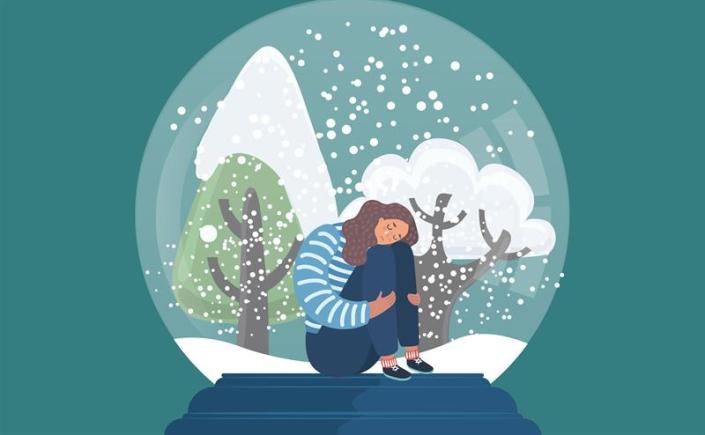
Can’t seem to shake the winter blues? Nearly five percent of adults are experiencing symptoms that align with major depressive disorder with recurring seasonal pattern, which is more commonly known as Seasonal Affective Disorder. According to the Diagnostic and Statistical Manual of Mental Disorders, Fifth Edition (DSM-V), an individual who is experiencing “two major depressive episodes in the last two years” that show relations to the time of year, and experience full remissions at other times they may be experiencing Seasonal Affective Disorder (SAD).

It is also important to understand what is happening in the body and why an individual is experiencing such symptoms. When an individual is experiencing these symptoms, often it can be as a result of the lack of natural light due to the shorter periods of daylight during the winter season. With the lack of light, the human brain slows down the production of serotonin, and increases the production of melatonin which leaves individuals feeling drowsy. Melatonin production increase is caused by darkness, which is why we get sleepy when the sun goes down. The regulation of these chemicals is what helps create your body’s specific circadian rhythm. When this system is affected it can cause a feeling of lethargy and or restlessness.

Here are some tips and tricks to shaking those winter blues:

  1. Take a few minutes during your day to get outside Whether that’s during your lunch break or walking to pick up the mail, going outside during daylight will increase the serotonin production in your brain.
  2. Light Therapy During the dark winter months, if these symptoms are taking over you can try light therapy. Light therapy allows for the brain to think it’s being exposed to sunlight. People who use light therapy typically invest in a light box (if interested Harvard Health has many they recommend) which delivers around 10,000 lux, compared to a standard sunny day that ranges 50,000 lux or above. They recommend that, you sit in front of the light box for no more than 30 minutes a day. This allows for the brain to regulate its circadian rhythms by allowing the retinas to be stimulated. Light therapy does not work for everyone.
  3. Talk Therapy If these symptoms persist and are affecting your day talk therapy is also affective. Reaching out to a psychologist, psychiatrist, psychiatric nurse practitioner, or psychotherapist to come up with symptom relief is another big way to combat these symptoms. Symptom relief may include the use of antidepressants, or various therapeutic methods.


If you or someone you know has Seasonal Affective Disorder or seems to have the symptoms of SAD, and needs help, please contact our psychotherapy offices in New York or New Jersey to talk to one of our licensed professional psychologists, psychiatrists, psychiatric nurse practitioners, or psychotherapists at Arista Counseling & Psychotherapy. Contact our Paramus, NJ or Manhattan, NY offices respectively, at (201) 368-3700 or (212) 722-1920 to set up an appointment. For more information, please visit http://www.counselingpsychotherapynjny.com/ .

Sources:

https://www.nimh.nih.gov/health/topics/seasonal-affective-disorder/index.shtml

https://www.health.harvard.edu/blog/seasonal-affective-disorder-bring-on-the-light-201212215663

https://www.psychiatry.org/patients-families/depression/seasonal-affective-disorder


Body Dysmorphic Disorder

By Gabriella Phillip

Body Dysmorphic disorder, or BDD, is a psychiatric disorder in which a person is preoccupied with an imagined or minor physical defect that other people usually don’t notice. BDD has various features that are similar to that of obsessive-compulsive disorders and eating disorders. Patients diagnosed with obsessive-compulsive disorder, or OCD, have distressing thoughts and images that they aren’t able to control. Emotional distress that can result from this can cause a person to perform particular rituals or compulsions. Regarding BDD, the person’s persistent preoccupation with his/her perceived physical defect can lead to ritualistic behaviors including constantly looking in the mirror or skin picking. Similarly to eating disorders, like anorexia nervosa and bulimia nervosa, Body Dysmorphic Disorder involves a concern with body image. However, while eating disorder patients are concerned with body weight, those diagnosed with BDD are worried about a specific area or part of the body.

Body Dysmorphia affects approximately 2% of the general population; however, BDD usually goes undiagnosed so the number of people who actually have the disorder could potentially be much greater. Those with body dysmorphia oftentimes feel a significant amount of shame regarding their perceived flaws which may hinder them from seeking treatment. BDD prevalence differs by gender, as women are reported to have higher rates of this disorder than men. Factors such as living with a pre-existing mental condition like depression or anxiety or experiencing bullying or abuse during childhood or adolescence can increase the risk of Body Dysmorphic Disorder. The typical onset for BDD is between the ages twelve and seventeen, around the time when adolescents go through puberty and certain bodily changes.

Social media platforms like Instagram oftentimes feed us an interminable supply of filtered and unrealistic depictions of different people and their lives. It’s easy to compare yourself to well edited pictures of models, celebrities, and even friends online, making you feel as though you don’t measure up as you are. Also, various forms of bullying like body shaming or slut shaming can occur online and can easily result in distorted body image and low self-esteem. Those with BDD sometimes choose to socially isolate themselves due to high level of shame related to their bodily appearance. While social media doesn’t necessarily cause body dysmorphia, it can serve as a trigger for those already predisposed to the disorder, or could possibly worsen existing symptoms. The main treatments used for BDD are cognitive behavioral therapy (CBT) and antidepressant medication, specifically serotonin reuptake inhibitors (SSRIs). Many patients use therapy and medication simultaneously. These treatments are meant to help reduce obsessive compulsive behaviors, improve stress level management involved in these behaviors, and aid patients in viewing themselves in a more loving and less judgmental light.

If you or someone you know is struggling with Body Dysmorphic Disorder, Arista Counseling and Psychotherapy can help. Please contact our psychotherapy offices in New York or New Jersey to talk to one of our licensed professional psychologists, psychiatrists, psychiatric nurse practitioners, or psychotherapists at Arista Counseling & Psychotherapy. Contact our Paramus, NJ or Manhattan, NY offices respectively, at (201) 368-3700 or (212) 722-1920 to set up an appointment. For more information, please visit http://www.counselingpsychotherapynjny.com/ .


Pain: Chronic Pain is a Fundamental Health Issue

By Gabriella Phillip

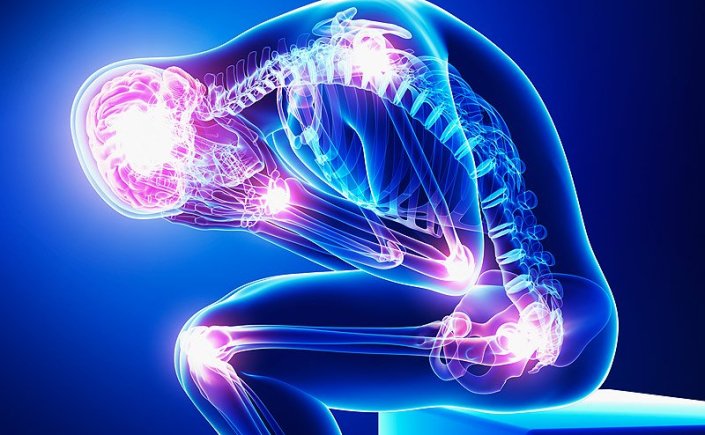
According to The International Association for the Study of Pain, pain is an unpleasant sensory and emotional experience associated with actual or potential tissue damage. When someone is injured, pain sensors immediately send signals to the brain. Although regular pain, like cramps or a headache, can be relieved in a rather short period of time, chronic pain involves the brain receiving pain signals a while after the onset of pain or the original injury.

One in five people live with chronic pain and the frequency of chronic pain increases as we get older. Many elderly people are experiencing pain that oftentimes goes undiagnosed. In addition, research shows that patients with dementia are being severely untreated for their experience with pain. Even though it’s a fundamental human right to have proper access to pain management, most elderly people are receiving quite inadequate care from health facilities, making it harder for them to cope and go about their daily lives with severe chronic pain.

Chronic pain can strongly impact or contribute to the formation of serious mental health issues including anxiety and depression. Current research from Neuroscience Research Australia shows that patients living with chronic pain have lower levels of glutamate, a significant chemical messenger that aids emotional regulation. Therefore, it’s possible for people with chronic pain to undergo certain personality changes like being more tired than usual, feeling unmotivated, or worrying on a more frequent basis than before. Around half of people suffering from chronic pain also have mental health conditions. The daily demands of learning to live with chronic pain can help generate anxiety, depression and other mood disorders.

If you or someone you know is struggling with Chronic Pain and its mental health effects, Arista Counseling and Psychotherapy can help. Please contact our psychotherapy offices in New York or New Jersey to talk to one of our licensed professional psychologists, psychiatrists, psychiatric nurse practitioners, or psychotherapists at Arista Counseling & Psychotherapy. Contact our Paramus, NJ or Manhattan, NY offices respectively, at (201) 368-3700 or (212) 722-1920 to set up an appointment. For more information, please visit http://www.counselingpsychotherapynjny.com/ .

Child Abuse and Its Effects

Image result for child abuse


Child Abuse and Its Effects

By: Vanessa Munera


Child abuse is when a parent or caregiver, acts upon or fails to act, causing injury, death, emotional harm, or risk of serious harm to a child. There are many different forms of child maltreatment which include physical abuse, neglect, sexual abuse, exploitation, and emotional abuse. In fact, many research studies have demonstrated over and over again that child abuse and neglect can result in permanent changes to the developing brain of a child. These changes in the brain structure can appear to be significant enough to potentially cause psychological and emotional problems later in adulthood. Changes can even result in physiological disorders and/or substance abuse.

The negative effects in the brain structure due to abuse and neglect are:

  1. Size in hippocampus is decreased. This is very important for learning and memory.

2. Size of the corpus callosum is decreased. This affects for emotion, impulses, and arousal, as well as communicating between the right and left hemispheres.

3. Size of the cerebellum is decreased. This can affect motor skills and coordination.

4.Decreased volume in the prefrontal cortex. This can affect behavior, balancing emotions and perception.

5. Too much activity in the amygdala, which is responsible for processing emotions and determining reactions to potentially stressful or dangerous situations.

6. Cortisol levels are either too high or too low, which can harm and cause negative effects to the body.

Child abuse can affect brain structure and disrupt chemical functions. However, child maltreatment can also affect the way a child behaves, socially interacts, and emotion regulation. These effects include:

  1. Feeling fearful most or all of the time
  2. Learning Deficits
  3. Unable to relax and constantly on alert, no matter the situation
  4. Can develop depression or an anxiety disorder, and/or both
  5. Social situations are more challenging
  6. Weak ability to process positive feedback
  7. Delay of developmental milestones in a timely fashion


If you or someone you love is struggling with the effects of child abuse, please contact our psychotherapy offices in New York or New Jersey to talk to one of our licensed professional psychologists, psychiatrists, psychiatric nurse practitioners, or psychotherapists at Arista Counseling and Psychotherapy. Contact our Paramus, NJ or Manhattan, NY offices respectively, at (201) 368-3700 or (212) 722-1920 to set up an appointment. For more information, please visit http://www.counselingpsychotherapynjny.com/. 

References:


https://www.verywellmind.com/childhood-abuse-changes-the-brain-2330401


Eating Disorders During the Holidays

By: Maryellen Van Atter

Eating disorders are psychological disorders characterized by abnormal or disturbed eating habits. There are different kinds of eating disorders, but two prevalent ones are Anorexia Nervosa and Bulimia Nervosa. Individuals with Anorexia Nervosa restrict their food intake with the goal of reducing their weight, and have an intense fear of gaining weight. Individuals with Bulimia Nervosa engage in binge-eating sessions followed by self-induced vomiting, and experience a lack of control over their behaviors and a fear of weight gain. These disorders are very serious and can lead to physical health problems, such as poor circulation and muscle weakness. Eating disorders are also associated with other psychological disorders, such as depression and anxiety.

Eating disorders can be especially difficult during the holiday season. For many, the holiday season puts an additional emphasis on food. Holidays gatherings involve a plethora of food, and this can be extremely difficult for those with eating disorders. The emphasis of food can amplify their concerns and increase their symptom experience, worsening their mental health. This may lead to isolation or feelings of anxiety and guilt. While holidays should be about valuing the positive relationships in your life, this meaning can be lost when there is a focus on food.

There are many treatments that can help those with Anorexia and Bulimia manage their symptoms and establish healthy eating habits. One such treatment is psychotherapy, or talk therapy. There are many variations of this therapy which are successful at treating eating disorders. One is cognitive behavioral therapy (CBT) which is aimed at changing distorted thought patterns to result in healthy behavior. Another is acceptance and commitment therapy (ACT), where patients identify a value or goal and then commit to doing the actions which make that goal possible. When eating disorders are accompanied by symptoms of depression or anxiety, psychiatric medication may be prescribed to assist in the management of those symptoms.

Additionally, there are steps that one can take to prevent the relapse or worsening of disordered eating during the holiday season. If you or a loved one is suffering from an eating disorder, try to shift the focus during the holidays from food to activities, such as decorating, caroling, or playing games. This can ease the negative emotions of those suffering from eating disorders and help them feel more comfortable. It is also important to remind loved ones that it is okay to seek extra help during this difficult season.

If you or someone you know is struggling with disordered eating, Arista Counseling and Psychotherapy can help. Please contact us in Paramus, NJ at 201-368-3700 or in Manhattan, NY at 212-996-3939 to arrange an appointment. For more information about our services, please visit http://www.counselingpsychotherapynjny.com/

Sources:

https://www.nationaleatingdisorders.org/learn/by-eating-disorder/anorexia

https://www.nationaleatingdisorders.org/learn/by-eating-disorder/bulimia

https://centerforchange.com/coping-loved-ones-eating-disorder-holidays/

https://www.nationaleatingdisorders.org/types-treatment

https://www.sedig.org/physical-complications


CBT & DBT

Image result for cbt and dbt therapy

CBT & DBT

By: Vanessa Munera

When it comes to psychotherapy, there are different types. Psychotherapy is also known as “talk therapy”. According to the American Psychiatric Association, “Psychotherapy is a way to help people with a broad variety of mental illnesses and emotional difficulties”. This is when an individual speaks with a therapist or psychologist in a safe and confidential environment. During these talk sessions, you are able to explore and understand your feelings and behaviors, and develop coping skills. In fact, research studies have found that individual psychotherapy can be effective at improving symptoms in a wide array of mental illnesses, making it both popular and versatile treatment. There are different types of psychotherapy that can assist people. The most common types of psychotherapy are Cognitive Behavioral Therapy (CBT) and Dialectical Behavioral Therapy (DBT).

Cognitive Behavioral Therapy or CBT, is a form of therapy that consists of focusing on exploring relationships among a person’s thoughts, feelings and behaviors. This type of therapy helps patients gain control over and accept unwanted thoughts and feelings so that they can better manage harmful or unwanted behaviors. CBT is usually used to treat conditions related to anxiety, depression, substance abuse, eating disorders, and social skills. As a matter of fact, Cognitive Behavioral Therapy has been shown to be an effective treatment for these conditions, as well as improving brain functioning. CBT can benefit people at any age, such as a child, adolescent, and adult.

Dialectical Behavioral Therapy, or DBT, is a type of therapy that was originally designed to help individuals with borderline personality disorder (BPD). Over time, this type of therapy has been adapted to help treat people with multiple different mental illnesses, but it is mostly used to treat patients who have BPD as a primary diagnosis. Although DBT is a form of CBT, it has one big exception: it emphasizes validation and accepting uncomfortable thoughts, feelings and behaviors instead of struggling with them. DBT allows patients to come in terms with their troubling thoughts, emotions, or behaviors that they have been struggling with. Studies of Dialectical Behavior Therapy have shown effective long-term improvements for those suffering from mental illness. DBT also helps lower the frequency and severity of dangerous behaviors, utilizes positive reinforcement to promote change, and helps individuals translate what they learned in therapy to everyday life.


References:

https://www.nami.org/learn-more/treatment/psychotherapy

https://manhattanpsychologygroup.com/difference-dbt-cbt-therapies/

https://www.psychiatry.org/patients-families/psychotherapy

Vape and E-Cigarette Addiction

By: Maryellen Van Atter


E-cigarette devices, such as the Juul, are more prevalent than ever. These devices were originally created to help established smokers stop smoking traditional cigarettes. However, because of their ease of use, portability, and sweet taste/smell, they have become popular with a generation of teens who have never smoked traditional cigarettes. This is concerning because of the plethora of health concerns surrounding the devices. They still contain nicotine, which is highly addictive. Nicotine is shown to raise blood pressure and spike adrenaline and heartrate, which can lead to increased risk of heart attack. Vaping has been linked to severe respiratory illnesses, and it may be related to pulmonary disease. It can worsen asthma, cause nausea, and irritate the mouth and throat.

While these physical health effects are often discussed, there is less discussion about the mental effects of nicotine addiction. Those who smoke have a lifetime prevalence of major depressive disorder which is more than double the prevalence in those who do not smoke. Some research has gone even farther and said that smoking may change neurotransmitter activity in the brain, leading to increased risk of depression. Despite this, the devices are still popular. While it is possible to vape something that does not contain nicotine, it is uncommon and teens often are not entirely aware of what is in what they are inhaling.

The percentage of teens that vape is increasing. Studies have found that 42.5% of high school seniors report vaping in their lifetime; this is dangerous behavior. However, it is important to remember that blame is unhelpful in helping a teen to kick their vaping habit. Similarly, reminding a teen about the risk of cancer and family addiction histories is not an effective way to get them to quit. Teens will respond best to calm conversations and discussions about how their vaping may be affecting them and the things that they consider important, such as school, extracurriculars, and sleep. Helping someone stop smoking is no easy job and it is not something that has to be done alone.

Addiction is a serious mental health concern and the sooner addiction can be treated, the better. There are both psychological and physical symptoms associated with addiction. There are many effective, FDA approved treatments for smoking cessation. These treatments include hypnotherapy, which uses guided relaxation and focused attention to change behaviors, cognitive behavioral therapy, which aims to discover the root of behaviors and works to change attitudes surrounding the behavior, psychotherapy, or talk therapy, and motivational interviewing, which aims to illuminate differences between a patient’s goals and their behaviors. There is no shame in seeking out therapy to assist in quitting smoking or helping a loved one quit smoking, and it is best to seek help as soon as the problem is recognized. The longer one waits, the more established addictive behaviors become.


If you or someone you know is struggling with a vaping addiction, Arista Counseling and Psychotherapy can help. Please contact us in Paramus, NJ at 201-368-3700 or in Manhattan, NY at 212-996-3939 to arrange an appointment. For more information about our services, please visit http://www.counselingpsychotherapynjny.com/

Sources:

https://www.safetyandhealthmagazine.com/articles/print/17921-number-of-teens-vaping-hits-record-high-survey-shows

https://www.psycom.net/mental-health-wellbeing/juuling-teenagers-vaping/

https://www.yalemedicine.org/stories/teen-vaping/

https://www.drugabuse.gov/publications/research-reports/tobacco-nicotine-e-cigarettes/what-are-treatments-tobacco-dependence

https://www.medscape.com/answers/287555-158503/what-is-the-association-between-nicotine-addiction-and-depression

https://psychcentral.com/lib/can-smoking-cause-depression/


Postpartum Depression

By: Maryellen Van Atter

          Postpartum depression is the experience of depressive symptoms (such as fatigue, changes in eating habits, and a loss of interest in activities once found enjoyable) after giving birth. Though commonly known as postpartum depression, it is now often referred to by the new name of peripartum depression. This name change indicates that the depression can onset during pregnancy or after childbirth. In addition to symptoms of depression, parents may also suffer from feelings that they are a bad parent, fear of harming the child, or a lack of interest in the child. It is also important to note that both men and women can suffer from peripartum depression; fathers may struggle with the changes that come along with a new child, and the symptoms of peripartum depression are not contingent on giving physical birth to a child. It is estimated that 4% of fathers experience peripartum depression in the first year after their child’s birth and that one in seven women will experience peripartum depression.

            Peripartum depression is different from the ‘baby blues’. Many new mothers will feel despondent, anxious, or restless in the first week or two after giving birth; this is due to the variety of biological, financial, and emotional changes which occur after having a child. This is called the baby blues. However, these feelings will not interfere with daily activities and will pass within ten days. If these symptoms persist, or if they do interfere with daily activities and functioning, it is likely that the problem is something more serious such as peripartum depression. It’s important to seek treatment for these symptoms as soon as you’re aware of them. Many parents feel a stigma against reporting these feelings, but this should not be the case: experiencing peripartum depression does not mean that you are a bad parent or that you do not love your child. It is a psychological condition which many people experience and it can be resolved with proper treatment.

Peripartum depression can be treated through therapy and through medication. Common treatments include psychotherapy (also known as talk therapy), cognitive behavioral therapy, and antidepressant medication. Medication should always be managed by a professional, especially if being administered to a mother who may be breastfeeding. These treatments have been proven effective in many studies and are able to help with symptoms of peripartum, or postpartum, depression.


If you or someone you know is struggling with peripartum depression, Arista Counseling and Psychotherapy can help. Please contact us in Paramus, NJ at 201-368-3700 or in Manhattan, NY at 212-996-3939 to arrange an appointment. For more information about our services, please visit http://www.counselingpsychotherapynjny.com/


Sources:

https://www.aafp.org/afp/2016/0515/p852.html

https://www.psycom.net/depression.central.post-partum.html

https://www.webmd.com/depression/postpartum-depression/news/20190320/fda-approves-first-drug-for-postpartum-depression#2

https://www.webmd.com/depression/postpartum-depression/understanding-postpartum-depression-treatment#3

https://www.ncbi.nlm.nih.gov/pmc/articles/PMC3039003/

https://www.psychiatry.org/patients-families/postpartum-depression/what-is-postpartum-depression

Obesity and Mental Health

           By: Maryellen Van Atter

      Obesity has become a global epidemic. It is a health problem which occurs when one has an abnormal percentage of body fat in relation to their height. Though obesity is often seen negatively, it is important to recognize that it is often not a self-inflicted condition which can result from a variety of factors including genetics, behavior, and environment.

Obesity can cause changes in your mental health. Some common psychological disorders which may be brought on by obesity include depression, eating disorders, anxiety, low self-esteem, and distorted body image. Some studies have found striking results, such as that those who are severely obese are 3-4 times more likely to suffer with depression. Despite these serious concerns, it may be difficult for those suffering from obesity to seek out mental health care because of the stigmatization of obesity.

Cognitive behavioral therapy is a therapy which changes client attitudes and behaviors by focusing on thoughts, beliefs, and way of thinking. This therapy is one of the most effective and well-known forms of therapy, and is effective in treating many mental health conditions including those associated with obesity. Additionally, family-based therapies have been shown to help treat obesity and assist clients, especially children with obesity. One of the goals is to develop healthy habits. Having a clear mind and good mental health is an important part of coping with obesity and changing your physical health.


If you or someone you know is struggling with the emotional effects of obesity, Arista Counseling and Psychotherapy can help. Please contact us in Paramus, NJ at 201-368-3700 or in Manhattan, NY at 212-996-3939 to arrange an appointment. For more information about our services, please visit http://www.counselingpsychotherapynjny.com/


Sources:

https://www.ncbi.nlm.nih.gov/pmc/articles/PMC3233636/

https://www.ncbi.nlm.nih.gov/pmc/articles/PMC3388583/

https://www.ncbi.nlm.nih.gov/pmc/articles/PMC3065663/

https://psychcentral.com/lib/obhttp://www.jlgh.org/Past-Issues/Volume-4—Issue-4/Behavioral-and-Psychological-Factors-in-Obesity.aspxesity-and-mental-health

Anxiety and Bullying

Image result for anxiety and bullying


Anxiety and Bullying

By: Vanessa Munera

Being bullied is not an easy thing to handle. It can be a traumatic experience for teens that are being targeted. Those who are bullied experience impacts in their lives such as feeling lonely, anxious, isolated, and vulnerable. Unfortunately, when a bully moves on to the next target, these consequences of bullying linger longer for the victim. After prolonged exposure, victims of bullying can develop adverse effects. These victims will experience depression, eating disorders, and thoughts of suicide. In addition, victims of bullying can develop some sort of anxiety disorder. The top four major anxiety disorders victims of bullying can experience are Post-Traumatic Stress Disorder (PTSD), generalized anxiety disorder (GAD), panic attacks and social anxiety disorder.

  1. Post-Traumatic Stress Disorder (PTSD): this occurs after a traumatic or life-threatening event. PTSD can develop due to events such as a car accidents or losing a close relative. This disorder can also show up after repeated abuse or even bullying. Children who are bullied may experience nightmares, flashbacks, withdraw from others, or are easily startled. Kids, who undergo long term and abusive bullying, have increased chances of developing PTSD.

2. Generalized Anxiety Disorder (GAD): Kids with GAD are often tormented with worries and fear that distract them for their daily life activities. Those with generalized anxiety have a constant feeling that something bad is going to happen. This is not uncommon with victims of bullying. With GAD, physical symptoms may appear such as insomnia, stomachaches, fatigue, and restlessness.

3. Panic Attacks: Those who suffer from panic disorders must deal with unpredictable and repeated attacks. When suffering from a panic attack, the attack is usually with no warning and can cause physically symptoms. These symptoms include sweating, chest pain, and rapid or irregular heartbeats. In fact, a part of the brain called the amygdala plays a pivotal role in panic attacks. When left untreated, the sufferer will begin to avoid going out or things they once enjoyed, in order to prevent another panic attack.

4. Social Anxiety Disorder: People who suffer from social anxiety fear being humiliated or seen negatively by others. Those with this disorder often worry that the way they look or act cause others to mock them. This can cause sufferers to avoid social gatherings to avoid being humiliated. In fact victims of bullying often develop social anxiety due to the repeated shame and public humiliation they experienced.

If you or a loved one appears to be suffering from an Anxiety Disorder, the licensed psychologists, psychiatrists, psychiatric nurse practitioners, and psychotherapists at Arista Counseling & Psychotherapy can assist you. Contact our Paramus, NJ or Manhattan, NY offices respectively, at (201) 368-3700 or (212) 722-1920 to set up an appointment. For more information, visit http://www.counselingpsychotherapynjny.com/


References:

https://www.verywellfamily.com/bullying-and-anxiety-connection-460631

https://www.stopbullying.gov/blog