Depression During The Holidays

Depression during the Holidays

By: Diane Ulloa

Social isolation is one of the biggest predictors of depression and social media has made it so you can watch all your friends and family celebrate from thousands of miles away. According to the American Psychological Association around 38% of people surveyed said their stress unfortunately increased during the holiday season which can lead to physical illness, depression, anxiety, and substance misuse. It is very common to experience depression or anxiety during the holiday season due to the loss of a family member. Stress also accompanies buying gifts, alongside with social anxiety that comes with extended family reunions. People battling with anxiety or depression can feel overwhelmed when they are met with the unrealistic expectations of the holiday season and with financial burdens that may come during this time.

To combat these obstacles, which get in the way of family fun, one can set realistic expectations of the holiday parties, and realistic expectations of one’s own self. You can do this by taking these steps:

  1. Pace yourself: Do not take on more responsibilities than you can handle and this can also be for food and drinking.
  2. Live and enjoy the present: don’t set yourself up for disappointment by comparing the good ol’ days of the past with the present.
  3. Try to find holiday activities that won’t strain your pockets: going on a drive to look at the beautiful lights in a nearby neighborhood, window shopping, and watching good holiday movies.
  4. Make time for yourself, and make time to take your mental health into account. Surrounding yourself with caring people that can understand your daily battles can be very beneficial.
  5. Be careful not to overspend: overspending can lead to depression or anxiety later on down the road.
  6. If you are lonely, try volunteering time to help others, this could be volunteering at your local place of worship or perhaps at a homeless shelter.

If you or someone you know is struggling with their mental health, or has seasonal depression please contact our psychotherapy offices in New York or New Jersey to talk to one of our licensed professional psychologists, psychiatrists, psychiatric nurse practitioners, or psychotherapists at Arista Counseling & Psychotherapy. Contact our Paramus, NJ or Manhattan, NY offices respectively, at (201) 368-3700 or (212) 722-1920 to set up an appointment. For more information, please visit http://www.counselingpsychotherapynjny.com/

Sources: https://www.webmd.com/depression/holiday-depression-stress

Stress: How your financial situation could be affecting your life

Stress: How your financial situation could be affecting your life

By: Diane Ulloa
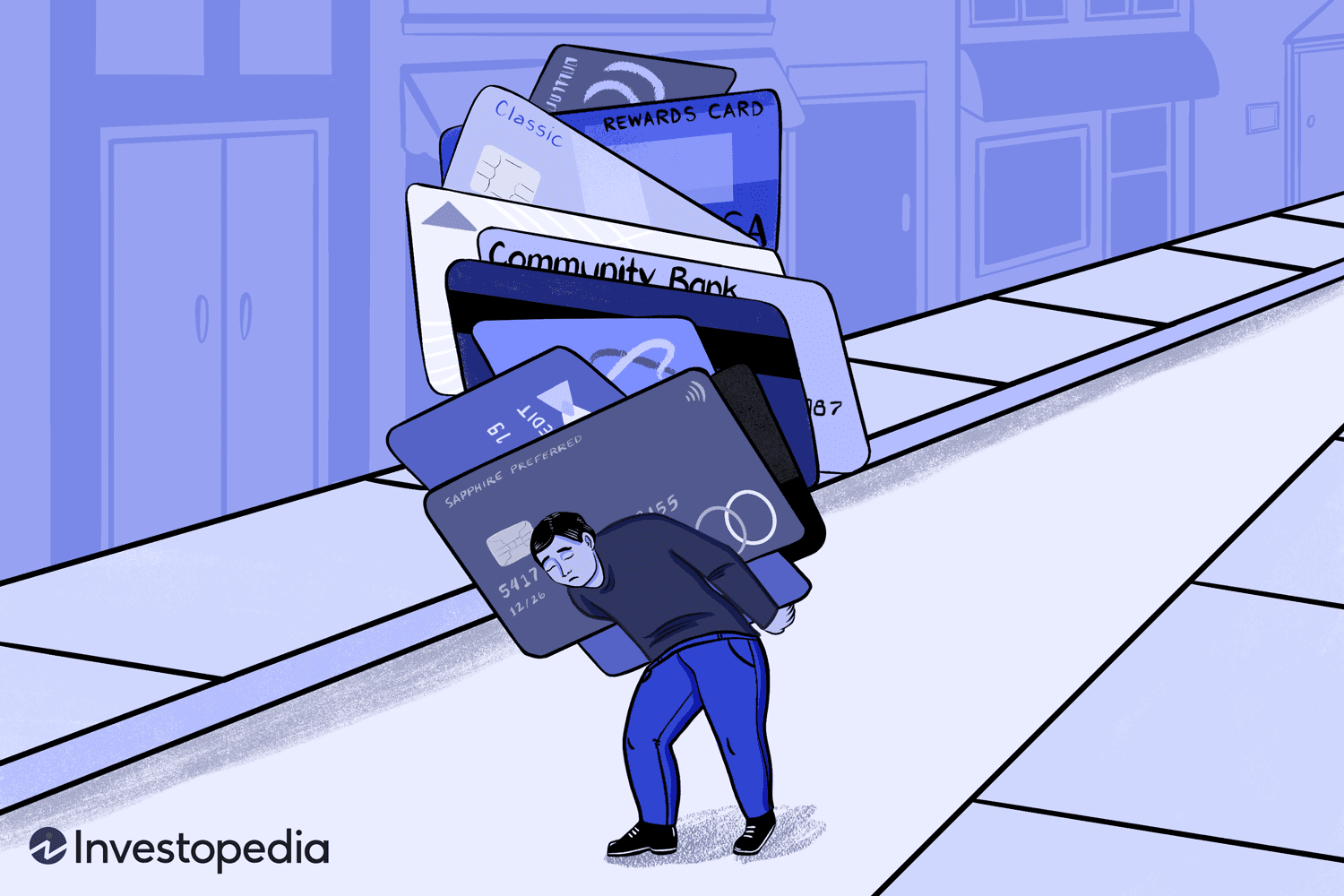
In the past two decades alone, student debt and loans have reached approximately $1.6 trillion which slightly surpassed credit card debt in America which stands at $1.03 trillion in the second quarter of 2023 according to the Federal Reserve Bank of New York. “In addition to poverty, financial debt and loans are significantly associated with increased psychological distress and poor mental health status.” (From: Ryu S, fan L. The Relationship Between Financial Worries and Psychological Distress Among U.S. Adults) As financial debt accumulates, a person may find themselves withdrawing from hanging out with friends or family and becoming avoidant of places, people, and even their financial struggles. If someone continuously avoids their bills they continue to accumulate and seeing the amount of the accumulated bills can take a serious toll on a person’s mental health.

Other problems may also emerge when someone is experiencing anxiety due to financial stress, these could include poor sleeping habits, overspending, avoidance, and poor eating habits. Someone that has a spending problem or someone who is in financial worry would benefit from speaking to a therapist who would help them cope with their unhealthy habits in better ways. A therapist can help in creating a patient budget and manage their money in better ways including a personalized budgeting plan or setting up financial goals. A therapist can also help individuals identify the underlying causes of their financial stress and develop strategies for managing it. Along with anxiety and stress, financial worry can cause feelings of shame and guilt and a therapist is able to provide a safe, non-judgmental space to explore these feelings and how to develop strategies to overcome them. A person may also experience difficulty in communicating their financial struggles and/or negative beliefs and behaviors related to money with their loved ones. A therapist can aid in more effective communication with loved ones about financial struggles and challenge negative beliefs related to money by developing more positive patterns of thought and behavior related to finances. Additionally, an individual who suffered financial trauma such as bankruptcy, foreclosure, or identity theft may benefit from therapy in order to address the emotional and psychological impact of these experiences.

If you or someone you know is struggling with their mental health, or has anxiety/stress please contact our psychotherapy offices in New York or New Jersey to talk to one of our licensed professional psychologists, psychiatrists, psychiatric nurse practitioners, or psychotherapists at Arista Counseling & Psychotherapy. Contact our Paramus, NJ or Manhattan, NY offices respectively, at (201) 368-3700 or (212) 722-1920 to set up an appointment. For more information, please visit http://www.counselingpsychotherapynjny.com/

Sources

https://www.lendingtree.com/credit-cards/credit-card-debt-statistics/

Ryu S, Fan L. The Relationship Between Financial Worries and Psychological Distress Among U.S. Adults. J Fam Econ Issues. 2023;44(1):16-33. doi: 10.1007/s10834-022-09820-9. Epub 2022 Feb 1. PMID: 35125855; PMCID: PMC8806009.

Types Of Therapy For Financial Stress And Money Issues

mantracare.org

Bulimia and Binge Eating Disorder: Similarities and Differences

Bulimia and Binge Eating Disorder: Similarities and Differences

By: Diane Ulloa
Bulimia as categorized by the DSM V under bulimia nervosa is a diagnosis assigned to individuals who recurrently overeat and use inappropriate measures to prevent weight gain afterwards, such as purging, fasting or exercising excessively. A criterion would include, “Recurrent inappropriate compensatory behaviors in order to prevent weight gain such as self-induced vomiting; misuse of laxatives, diuretics, or other medications; fasting or excessive exercise” (National Library of Medicine).
There are 5 criterion for binge eating disorder that include:

  1. Eating in a discrete period of time (within 2 hour periods), an amount of food that is larger than most people would eat in a similar period of time under similar circumstances. A feeling that one cannot stop eating or control what or how much one is eating. . Eating until feeling uncomfortably full, eating large amounts of food when not feeling physically hungry.
  2. Recurrent inappropriate compensatory behaviors in order to prevent weight gain such as self-induced vomiting; misuse of laxatives, diuretics, or other medications; fasting or excessive exercise
  3. The binge eating and inappropriate compensatory behaviors occur, on average, at least twice a week for 3 months.
  4. Self-evaluation is unjustifiably influenced by body shape and weight.
  5. The disturbance does not occur exclusively during episodes of anorexia nervosa.

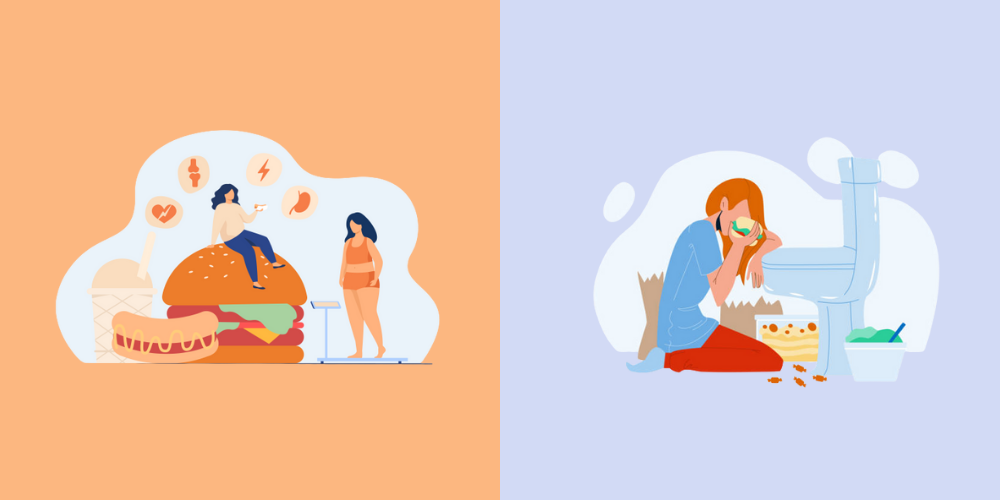
Both have the shared behavior of binge eating food, but what is binge eating? When someone cannot control their eating and they eat much more food than they would normally eat in one sitting often to the point of major discomfort. Oftentimes binging happens when one is not hungry and many report binge eating home alone, or at night when no one is up or around to see them. People may binge eat as a coping mechanism when they are stressed, anxious, bored, or experiencing any other negative emotion. For those struggling with bulimia, binging and then purging can be a way of coping with those negative emotions. For someone who struggles with binge eating disorder, binging can also be a way to self-soothe or distract in the presence of very difficult emotions. Many people who engage in these behaviors have feelings of social isolation and anxiety, and many have reported feeling hopeless and helpless.
What’s the difference? The main difference is that bulimia nervosa is characterized by purging after binge eating. While everyone has very different reasons and experiences, often those who struggle with bulimia also struggle with gaining weight and often have a distorted body image. As opposed to those with binge eating disorders who may feel uncomfortable in their bodies, but do not have as strong preoccupation with their body image, or weight, as those with bulimia.  

If you or someone you know is struggling with their mental health, bulimia nervosa, or binge eating disorder please contact our psychotherapy offices in New York or New Jersey to talk to one of our licensed professional psychologists, psychiatrists, psychiatric nurse practitioners, or psychotherapists at Arista Counseling & Psychotherapy. Contact our Paramus, NJ or Manhattan, NY offices respectively, at (201) 368-3700 or (212) 722-1920 to set up an appointment. For more information, please visit http://www.counselingpsychotherapynjny.com/

Sources:

Substance Abuse and Mental Health Services Administration. DSM-5 Changes: Implications for Child Serious Emotional Disturbance [Internet]. Rockville (MD): Substance Abuse and Mental Health Services Administration (US); 2016 Jun. Table 20, DSM-IV to DSM-5 Bulimia Nervosa Comparison. Available from: https://www.ncbi.nlm.nih.gov/books/NBK519712/table/ch3.t16/
Berkman ND, Brownley KA, Peat CM, et al. Management and Outcomes of Binge-Eating Disorder [Internet]. Rockville (MD): Agency for Healthcare Research and Quality (US); 2015 Dec. (Comparative Effectiveness Reviews, No. 160.) Table 1, DSM-IV and DSM-5 diagnostic criteria for binge-eating disorder. Available from: https://www.ncbi.nlm.nih.gov/books/NBK338301/table/introduction.t1/

https://www.centralcoasttreatmentcenter.com/blog-1/bulimia-v-binge-eating-disorder

PTSD and Memory Loss

PTSD and Memory Loss

By: Diane Ulloa

PTSD causes feelings of intense, disturbing thoughts and feelings related to their experience that last long after the traumatic event has ended. People with PTSD may relive their traumatic event(s) through flashbacks or nightmares and they may feel sadness, fear, or anger. They may also feel detached or estranged from other people (American Psychiatric Association). PTSD also has the ability to cause memory loss whether it be short-term or long-term, both can be affected. Four steps to fix PTSD related memory loss would be:

  1. Get treatment, therapy and medication are two of the most common treatment options for PTSD. Medication and therapy such as Cognitive Behavioral Therapy [CBT] or prolonged exposure therapy have been shown to be effective in managing PTSD.
  2.  Stay Active. By staying physically active and mentally active through brain games or learning new skills, one can help keep their brain sharp and active.
  3. Prioritize Sleep, good sleep appears to be essential for memory consolidation and processing.
  4. Use Memory Aids, which are tools that are designed to help accommodate people who experience memory difficulties which could include calendars, notepads, and alarm clocks. (healthline.com)

The types of behavioral therapy that can aid in this memory loss and other symptoms caused by PTSD are:

  • Cognitive Therapy: A type of talk therapy that helps people with PTSD recognize the cognitive patterns that are keeping them stuck, this is often paired with exposure therapy.
  • Exposure Therapy: Helps people with PTSD safely face both situations and memories that they find frightening so they can learn to cope with them effectively. This kind of therapy can be particularly helpful for flashbacks and nightmares.
  • Eye Movement Desensitization and Reprocessing (EMDR): Combines exposure therapy with a series of guided eye movements that help you process traumatic memories and change how people with PTSD react to them. (Mayoclinic.org)

Primary treatment is psychotherapy, but medication could also be prescribed as needed. Medication may include antidepressants, anti-anxiety medications, and prazosin which has the ability to reduce or suppress nightmares in some people with PTSD.

If you or someone you know is struggling with their mental health and/or PTSD (memory loss) please contact our psychotherapy offices in New York or New Jersey to talk to one of our licensed professional psychologists, psychiatrists, psychiatric nurse practitioners, or psychotherapists at Arista Counseling & Psychotherapy. Contact our Paramus, NJ or Manhattan, NY offices respectively, at (201) 368-3700 or (212) 722-1920 to set up an appointment. For more information, please visit http://www.counselingpsychotherapynjny.com/

Sources:

https://www.psychiatry.org/patients-families/ptsd/what-is-ptsd#:~:text=People%20with%20PTSD%20have%20intense,or%20estranged%20from%20other%20people.

https://www.healthline.com/health/mental-health/memory-loss-and-ptsd#causation

https://www.mayoclinic.org/diseases-conditions/post-traumatic-stress-disorder/diagnosis-treatment/drc-20355973#:~:text=For%20PTSD%2C%20cognitive%20therapy%20often,helpful%20for%20flashbacks%20and%20nightmares.

Marijuana/Cannabis Addiction, That Can’t Happen, Right?

Marijuana/Cannabis Addiction, That Can’t Happen, Right?

By: Diane Ulloa                                                                                      

 Cannabis use has been growing as a result of recently imposed laws. Cannabis use disorder or cannabis addiction has grown tremendously in the past few decades. Apart from the glamorization of Cannabis use in popular movies and TV shows, Cannabis has been shown to aid in medicinal practice in order to alleviate patients’ painful side effects from chemotherapy. Cannabis has also been found to alleviate symptoms in people with Tourette syndrome. Despite the common misconception that people cannot become addicted to Cannabis use, “approximately one in ten people who use marijuana will become addicted. When they start before the age of 18, the rate of addiction rises to one in six.” (samhsa.gov) “Marijuana use, especially frequently (daily or nearly daily) and in high doses, can cause disorientation and sometimes unpleasant thoughts or feelings of anxiety and paranoia.” Alongside these side effects, cannabis use can also lead to disassociation or temporary psychosis which is when the user does not know what is real and is experiencing hallucinations, paranoia. It can also have long-lasting detrimental mental disorders including schizophrenia (cdc.gov). Users know they are addicted if:

  • They use more marijuana than intended
  • Trying but failing to quit using marijuana
  • Spending a lot of time using marijuana
  • Craving marijuana
  • Using marijuana even though it causes problems at home, school, or work
  • Continued marijuana use despite social or relationship problems
  • Giving up important activities with friends and family in favor of using marijuana
  • Using marijuana in high-risk situations, such as while driving a car
  • Continued use of marijuana despite physical and psychological problems
  • Needing to use more marijuana to get the same high
  • Experiencing withdrawal symptoms when stopping marijuana use

Navigating cannabis addiction can be difficult without help. Cognitive Behavioral Therapy [CBT] has been shown to tackle the psychological effects of addiction and is considered the most effective form of treating addiction. One approach is called motivational interviewing which helps to turn ambivalence towards quitting into energy to quit. By combining motivational enhancement therapy and CBT, a user can gain a sense of control and clarity that was kept from them because of their addiction.

If you or someone you know is struggling with their mental health and/or a cannabis addiction, please contact our psychotherapy offices in New York or New Jersey to talk to one of our licensed professional psychologists, psychiatrists, psychiatric nurse practitioners, or psychotherapists at Arista Counseling & Psychotherapy. Contact our Paramus, NJ or Manhattan, NY offices respectively, at (201) 368-3700 or (212) 722-1920 to set up an appointment. For more information, please visit http://www.counselingpsychotherapynjny.com/

Sources: https://www.samhsa.gov/marijuana

https://www.cdc.gov/marijuana/health-effects/mental-health.html https://www.yalemedicine.org/conditions/marijuana-use-        disorder#:~:text=Behavioral%20therapies%20may%20help%20treat,tangible%20r        ewards%20for%20positive%20behaviors.

Post-Grad Depression

Depression/Post-College

By: Ingrid Guevara

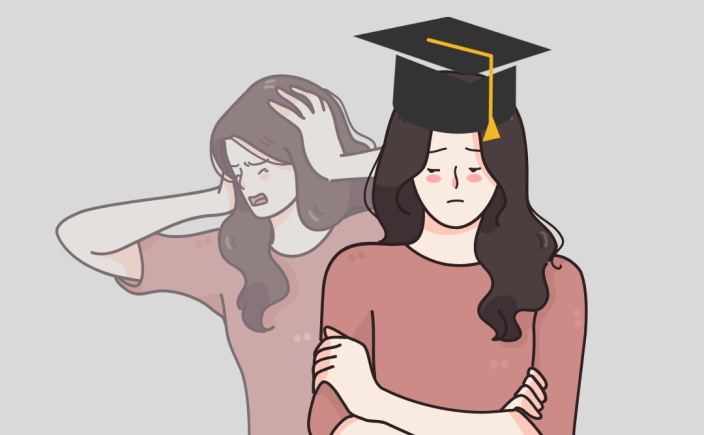
Everyone knows and acknowledges that depression during college occurs. Statistics show that twenty-seven percent of college students had been diagnosed with depression and twenty-three percent said that depression impacted their academic performance negatively.  When it comes to post-grad students research shows that around twenty percent of student graduating experience depression. Post-grad depression is seen as situational depression. Situational depression is depression caused by a stressful or traumatic event. Post-Grad depression is caused by; pressure of finding a job, moving back in with parents, feeling a failure to launch, changes in friendships (friends scattering, not seeing them), student debt, comparison with friends and being overwhelmed by next steps and changes. Signs of post-grad depression are; lack of motivation, feeling worthless or guilty, loneliness, overwhelm (especially related to the next steps), feeling sad or down, isolation or wanting to isolate oneself, not enjoying activities that were previously enjoyed, poor sleep, appetite change, lower than usual frustration tolerance, feeling sluggish or super jittery and intense fear or expectation things will not go well in the future. Post-grad depression like any depression can really hinder your life so seeking help is suggested in order to properly cope with it. It is also suggested; avoiding comparing yourself with others, practice self-kindness and self-love, reach out to friends,  get some exercise/movement, don’t be too hard on yourself, recognize that transitions are difficult, find a support group/networking group, take care of yourself and confide in trusted family and friends. Depression is common when life is stressful and one feels pressure therefore, it is okay because always remember you are not alone.

If you or someone you know is struggling with their mental health, please contact our psychotherapy offices in New York or New Jersey to talk to one of our licensed professional psychologists, psychiatrists, psychiatric nurse practitioners, or psychotherapists at Arista Counseling & Psychotherapy. Contact our Paramus, NJ or Manhattan, NY offices respectively, at (201) 368-3700 or (212) 722-1920 to set up an appointment. For more information, please visit http://www.counselingpsychotherapynjny.com/

References

https://www.ncbi.nlm.nih.gov/pmc/articles/PMC9091131/

Anxiety: How to Cope with School and Work Stress

Anxiety: How to Cope with School and Work Stress

By: Diane Ulloa

For many students attending college and working at the same time, it may be difficult to manage one responsibility after the other. For some, this may be a necessity as college tuitions in the U.S. have grown tremendously since the early 2000’s. Working and going to school may be a hassle because it is difficult to create a good flow of work-life balance. The stress and/or anxiety associated with both school and work can be caused by many factors including homework, time management, test taking/assignments, sleep disruption, etc. A study done in a private Midwestern college concluded, “Work-life balance is an important antecedent of college students’ mental health.”(Sprung & Rogers 2021) They also advocated for institutions to place heavier emphasis on work-life balance and its connection with the mental health of students. To cope with these stressors, students can approach their activities head-on as opposed to skipping class or staying in bed all day; putting things off is actually shown to cause more anxiety overtime. Students can also practice self-care such as good sleep hygiene and a consistent sleep schedule or a limit on daily caffeine intake. Another way would be to set up a good schedule for better time management skills; knowing what your week consists of can aid in managing anxiety associated with stressors like assignments, or tests, or your next scheduled shift. Seeking out resources such as therapy, earlier on have positive outcomes for dealing with anxiety caused by stress.

If you or someone you know is struggling with mental health and/or anxiety please contact our psychotherapy offices in New Jersey to talk to one of our licensed professional psychologists, psychiatrists, psychiatric nurse practitioners, or psychotherapists at Arista Psychotherapy & Psychiatric Services. Contact our NJ offices respectively at (201)368-3700 to set up an appointment. For more information, please visit https://counselingpsychotherapynjny.com

Sources:

  1. Justin M. Sprung & Anna Rogers (2021) Work-life balance as a predictor of college student anxiety and depression, Journal of American College Health, 69:7, 775-782, DOI: 10.1080/07448481.2019.1706540
  2. https://www.health.harvard.edu/blog/anxiety-in-college-what-we-know-and-how-to-cope-2019052816729

ADHD: What Symptoms Should You Look for?

ADHD: What Symptoms should you look for?

By: Diane Ulloa

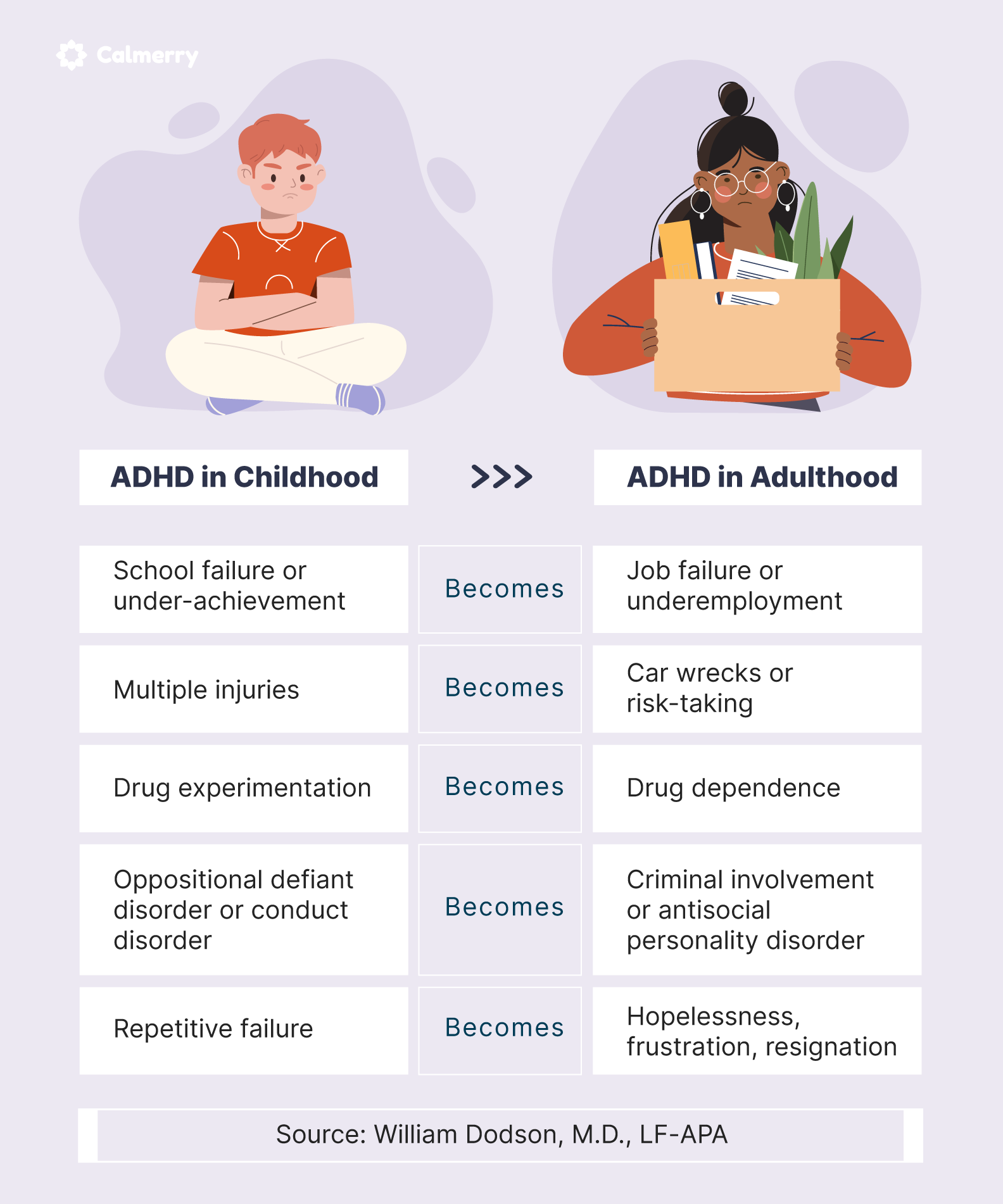
For many people who have ADHD it is difficult for them to pinpoint a specific action or reaction that is attributed to their neurodivergent mind. For many, ADHD comes with difficulty towards staying focused or forgetfulness. For others, it can be expressed differently. Sometimes it is shown in how one manages their money or perhaps one’s emotions in a traffic jam or impatience waiting in line. There are many symptoms that can be explained by ADHD diagnosis. If someone is struggling with ADHD but is unaware of how to identify it, they can look for these symptoms:

  • Impulsiveness
  • Disorganization
  • Problems prioritizing
  • Poor time management skills
  • Problems focusing on a task
  • Trouble multitasking
  • Excessive activity or restlessness
  • Poor planning
  • Low frustration tolerance
  • Frequent moodswings
  • Problems following through and completing tasks
  • Hot temper
  • Trouble coping with stress

Although it may feel like everyone and anyone has these symptoms, ADHD is diagnosed when the symptoms are severe and interfere with everyday activities.

Patients with ADHD generally also have another mental health disorder such as depression or anxiety. Psychotherapy helps people manage these symptoms and uses Cognitive-behavioral therapy [CBT] which is one of the most commonly used treatments for patients with ADHD. CBT is also considered to be the most effective psychotherapy. CBT for ADHD involves changing people’s thoughts, attitudes, and behaviors to better deal with everyday situations. Psychotherapy gives people with ADHD tailored support and advice, and improved communication skills, along with the opportunity to develop coping skills for stress and many situations that will occur in daily life.

If you or someone you know is struggling with mental health please contact our psychotherapy offices in New Jersey to talk to one of our licensed professional psychologists, psychiatrists, psychiatric nurse practitioners, or psychotherapists at Arista Psychotherapy & Psychiatric Services. Contact our NJ offices respectively at (201)368-3700 to set up an appointment. For more information, please visit https://counselingpsychotherapynjny.com

Sources: https://www.mayoclinic.org/diseases-conditions/adult-adhd/symptoms-causes/syc-20350878

https://www.nytimes.com/2023/08/30/business/women-adhd-money.htmlhttps://www.medicalnewstoday.com/articles/adhd-psychotherapy#Types

Hypnotherapy : What is Hypnotherapy ?

By : Kamila Diaz

    In order to create a more elevated state of consciousness or mindfulness, hypnotherapy, also known as guided hypnosis, employs relaxation, and concentrated attention. It induces a “trance” or altered state of consciousness in the subject.

With the aim of using one’s mind to help lessen of alleviate a number of problems, such as mental stress, phobias, and harmful, destructive, or risky habits (such as smoking, binge eating and/or drinking), this type of therapy is classified as alternative medicine. The goal of hypnotherapy is to influence a person’s behavior in a favorable way while they are asleep or unconscious.

Hypnosis can be used as a form of suggestion therapy or for patient analysis.

Suggestion Therapy: In a hypnotic condition, a person is more receptive to suggestions during a suggestion therapy session. Hypnotherapy can therefore aid certain people in altering particular behaviors, such as quitting smoking or c hewing their nails. Additionally, it can aid in altering one’s perceptions and feelings; also it is very effective in the management of pain.

Analysis: This method makes use of the relaxed state to investigate a potential psychological cause of a disorder or symptom, such as an unconscious recall of a painful previous experience. Once the trauma is acknowledged, psychotherapy can treat it.

If you or someone you know is struggling with your mental health please contact our psychotherapy offices in New Jersey to talk to one of our licensed professional psychologists, psychiatrists, psychiatric nurse practitioners, or psychotherapists at Arista Psychotherapy & Psychiatric Services. Contact our NJ offices respectively at (201)368-3700 to set up an appointment. For more information, please visit https://counselingpsychotherapynjny.com

Healthy Romantic Relationships

Healthy Romantic Relationships

By: Arya Patel

            Healthy romantic relationships have many characteristics to keep the relationship stable. Some important characteristics are mutual respect, good communication, self-confidence, shared responsibility, and problem solving. Mutual respect means that each person values who the other person is and understands the other person’s boundaries. Good communication means having honest conversations and being open to speak about difficult topics. Self-confidence in relationships means when dating partners have confidence in themselves; it can help their relationships with others. It shows that they are calm and comfortable enough to allow others to express their feeling without judgement.

            Shared responsibility means taking turns doing the different tasks around the house and in any other matter. Some examples are arranging for meals whether for restaurant reservations, take-out, or cooking, making social arrangements with family and friends, plan weekend activities and vacations, walk the dog, take out the trash, clean the house, pay bills, etc. The last characteristic is problem solving. Dating partners can learn to solve problems and identify new solutions by breaking a problem into smaller parts or by talking through the situation.

These are some characteristics which can help to keep relationships stable.

If you or someone you know is struggling with unhealthy romantic relationships, contact our psychotherapy offices in New York or New Jersey to talk to one of our licensed professional psychologists, psychiatrists, psychiatric nurse practitioners, or psychotherapists at Arista Psychotherapy & Psychiatric Services. Contact our Manhattan, NY or Paramus, NJ offices respectively at (201)368-3700 or (212)722-1920 to set up an appointment. For more information, please visit https://counselingpsychotherapynjny.com

References:

https://youth.gov/youth-topics/teen-dating-violence/characteristics

https://www.lyrahealth.com/blog/sharing-responsibilities-is-there-an-equitable-solution/