Insomnia: Stress, Anger, and Anxiety

Insomnia: Stress, Anger, and Anxiety

By: Isabella Favuzza

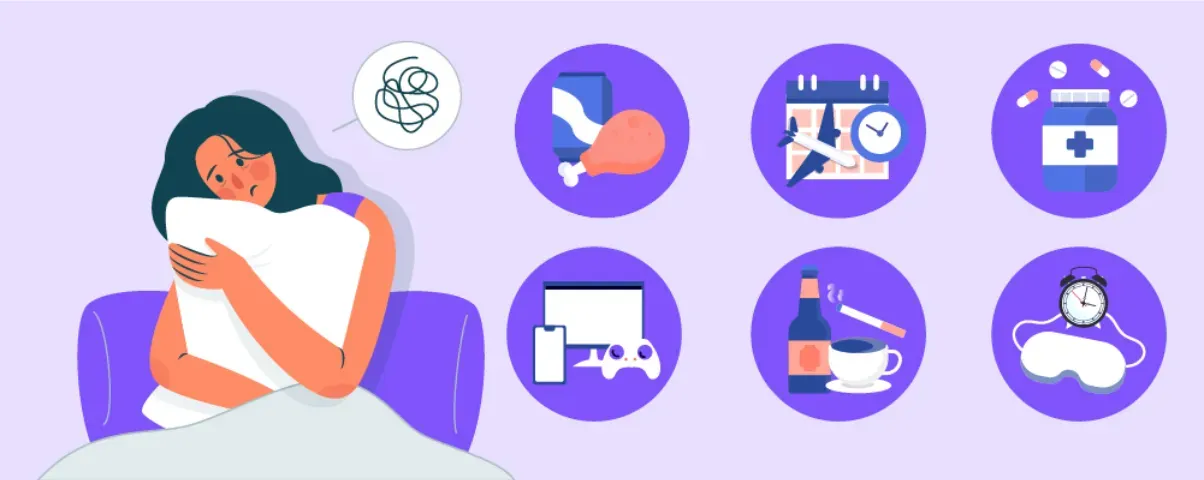
Numerous individuals lay in bed each night, staring at the ceiling, consumed with thoughts of the past, present, or future. These anxious thoughts may concern life’s stresses and prevent good-quality sleep. The human body requires 7-9 hours of quality rest to function properly and perform daily tasks. A lack of rest negatively affects one’s quality of life due to moodiness, delayed responses, drowsiness, impaired memory, etc. Insomnia is a common sleep disorder that affects 10% of the population, ranging from children to adults. Those suffering from insomnia frequently have difficulty falling asleep, remaining asleep, or receiving good-quality sleep. Insomnia can affect those enduring challenging situations like mental health conditions, life transitions or circumstances, medical conditions, etc. Although insomnia typically isn’t dangerous, it can lead to additional stress, irritability, and anxiety.

For some, insomnia is a minor inconvenience; however, others find it detrimental due to its excruciating symptoms. Psychologists and psychiatrists can offer life-altering support to reduce and even eliminate these chronic symptoms. Psychologists perform hypnosis, which provides deep relaxation by placing one in a trance-like state to clear the mind of anxiety and stress and induce sleep. Individuals can learn these techniques to perform self-hypnosis in the comfort of their own homes. Psychiatrists prescribe hypnotic and sedative medications to psychically rid the mind of undesirable thoughts. Ultimately, the support of psychologists and psychiatrists can reduce insomnia and drastically improve one’s quality of life.

If you or someone you know is struggling with insomnia please contact our psychotherapy offices in New York or New Jersey to talk to one of our licensed professional psychologists, psychiatrists, psychiatric nurse practitioners, or psychotherapists at Arista Counseling & Psychotherapy. Contact our Paramus, NJ or Manhattan, NY offices respectively, at (201) 368-3700 or (212) 722-1920 to set up an appointment. For more information, please visit http://www.counselingpsychotherapynjny.com/

Source:

https://my.clevelandclinic.org/health/diseases/12119-insomnia

OCD & Obsessions

OCD & Obsessions by Nicole Sanchez

Obsessive compulsive disorder is comprised of a pattern of unwanted thoughts and or fears known as obsessions. These obsessions lead one to do repetitive behaviors, also called obsessions. These obsessions and compulsions interfere with much of one’s daily activities and can cause a lot of distress. Ultimately, one feels driven to carry out compulsive acts to reduce their stress. Examples of common content of obsessional thoughts include the fear of contamination, disturbing sexual thoughts or images, religious and blasphemous thoughts, or ritualized hand washing. Ordering things in a particular way, repeated cleaning of objects or repeatedly checking locks, appliances etc. Compulsions can even include the need to constantly seek approval or reassurance. Often there are peole with OCD that recognize or suspect their obsessional thoughts are not realistic though some may think they could be true.  Even if they are aware of their intrusive thoughts are not realistic, people struggling with OCS have difficulty disengaging from the obsessive thoughts or stopping the compulsive behaviors.

Cognitive behavioral therapy (CBT) is a type of psychotherapy that is effective for many of those that struggle with OCD. Exposure and response prevention (ERP) is a part of CBT therapy which involves exposing a person over time to the feared object or obsession, such as dirt. Then one learns ways not to do their compulsive rituals. ERP takes time and practice, but it has been proven to help those struggling with OCD improve their life quality once they learn to manage their symptoms. Patients with mild to moderate OCD symptoms are usually treated with either CBT or medication depending on their preference. It also depends on their cognitive abilities, level of insight and the presence or absence of associated psychiatric conditions, as well as treatment availability. Hypnosis has often also been used to successfully eliminate OCD symptoms. Hypnosis is a relatively short treatment of several sessions which helps the person rid themselves of harmful, repetitive behaviors.

If you or someone you know is having mental health difficulties and/ or experiencing symptoms of OCD, please contact our psychotherapy offices in New Jersey to talk to one of our licensed professional psychologists, psychiatrists, psychiatric nurse practitioners, or psychotherapists at Arista Counseling & Psychotherapy. Contact our offices at (201) 368-3700 or (212) 722-1920 to set up an appointment. For more information, please visit http://www.counselingpsychotherapynjny.com/

https://www.mayoclinic.org/diseases-conditions/obsessive-compulsive-disorder/symptoms-causes/syc-20354432

https://www.psychiatry.org/patients-families/obsessive-compulsive-disorder/what-is-obsessive-compulsive-disorder

https://www.webmd.com/mental-health/obsessive-compulsive-disorder

Schizophrenia and Psychosis

Schizophrenia and Psychosis   By: Nicole Sanchez

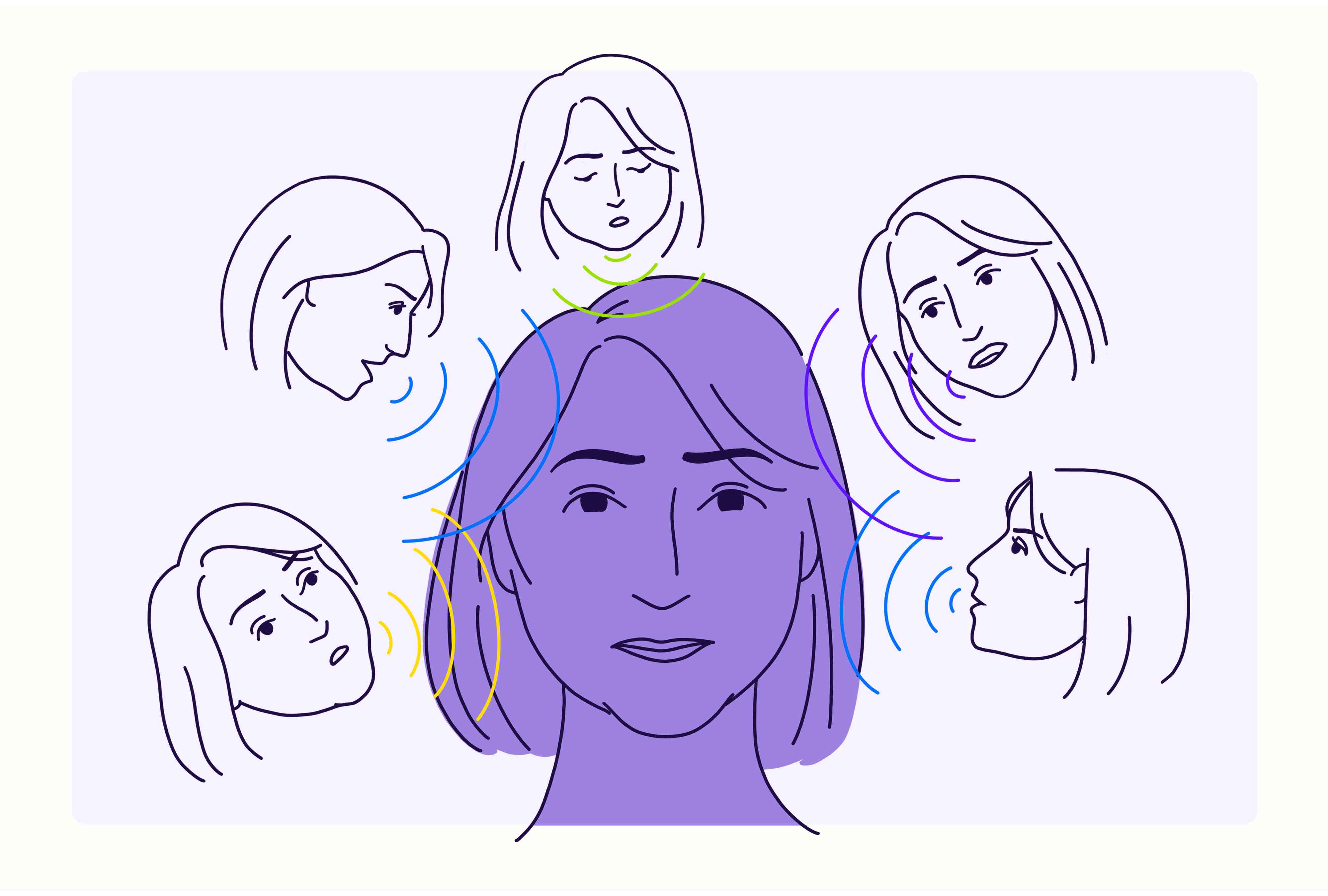
Schizophrenia is a severe mental disorder that impacts the way a person thinks, acts, expresses emotions, and perceives reality. Schizophrenia isn’t as common as other mental illnesses, however it can be the most chronic and disabling.Psychosis refers to symptoms categorized by a loss of touch with reality that comes from a disruption in the way one’s brain processes information. During a psychotic episode a person’s thoughts and perceptions are distorted, and may have difficulty differentiating what is real and what is not is not. Symptoms fall into three major categories which are positive, negative, and disorganized. Positive symptoms include hallucinations, such as hearing or seeing things that do not exist, paranoia and distorted perceptions, beliefs and behaviors. Negative symptoms include the loss or decrease in the ability to speak, express emotion or find pleasure. Disorganized symptoms include confused and disordered thinking and speech, difficulties with logical thinking and sometimes bizarre behavior or abnormal movements.

While there is no cure for schizophrenia, many patients do well on medication and these have minimal symptoms. There are numerous anti-psychotic medications that are effective in not only reducing the psychotic symptoms present in the acute phase of the illness, but also in helping limit the potential for future episodes. Psychological treatments such as cognitive behavioral therapy or supportive psychotherapy may aid in the reduction of symptoms and help enhance overall functioning by reducing stress, or improving social skills.

If you or someone you know is having mental health difficulties and/ or experiencing symptoms of schizophrenia, please contact our psychotherapy offices in New Jersey to talk to one of our licensed professional psychologists, psychiatrists, psychiatric nurse practitioners, or psychotherapists at Arista Counseling & Psychotherapy. Contact our offices at (201) 368-3700 or (212) 722-1920 to set up an appointment. For more information, please visit http://www.counselingpsychotherapynjny.com/

https://www.mayoclinic.org/diseases-conditions/schizophrenia/symptoms-causes/syc-20354443

https://www.samhsa.gov/mental-health/schizophrenia

https://www.webmd.com/schizophrenia/mental-health-schizophrenia

Child Therapy: Behavioral Issues

Child Therapy: Behavioral Issues

By: Isabella Favuzza

Many assume that children are naïve; however, they are quite receptive to social cues and environmental issues. Children typically sense unpleasant emotions from surrounding adults and internalize these feelings due to an inability to discuss complex situations. Children who experience these larger-than-life moments for their age may resort to behavioral defiance. There are numerous environmental stressors that lead to behavioral outbursts, such as divorce, separation, lack of friends, etc. These stressors may cause aggression, lack of empathy, refusal to adjust behavior, school disruptions, lack of social opportunities, or self-injury. A psychologist assists children challenged with complex obstacles and channels these undesirable emotions into positive, constructive thoughts.

Behavioral therapy identifies unwanted behaviors and enables children to understand said behaviors and their root causes. Children can understand complex issues in latent terms and cope with or adjust their actions to make healthy choices. There are various types of therapeutic techniques to communicate these feelings and provide greater insight. Play therapy involves toys that engage the child while acting out distressing situations. During exposure therapy, the psychologist discusses troublesome triggers and explores solutions if or when a child encounters them. Clinical reconstruction enables children to transform negative, destructive thoughts into positive emotions through therapeutic exercises. Ultimately, behavioral therapy utilizes reinforcement of pleasant actions, trigger identification, and therapeutic techniques to prevent outbursts while modeling proper behavior.

If you or your child is struggling with behavioral issues or mental health please contact our psychotherapy offices in New York or New Jersey to talk to one of our licensed professional psychologists, psychiatrists, psychiatric nurse practitioners, or psychotherapists at Arista Counseling & Psychotherapy. Contact our Paramus, NJ or Manhattan, NY offices respectively, at (201) 368-3700 or (212) 722-1920 to set up an appointment. For more information, please visit http://www.counselingpsychotherapynjny.com/

Source:

https://www.lumierechild.com/blog/does-your-child-need-behavioral-therapy

Depression vs. Grief: Are you depressed or are you just grieving?

Depression vs. Grief: Are you depressed or are you just grieving?

By, Maro Mikhaeil

Did you experience a loss of some kind, whether it was a loved one, a job, a pet, or even a relationship? Often times, individuals will think that they are experiencing depression when that may not be the case at all. In fact, depression does not solely occur when a traumatic event has occurred but may occur due to genetics or even your environment. However, it may be hard for individuals to distinguish grieving from depression due to the similarities. This is why psychologists or psychiatrists will often ask for your history to determine treatment. Grieving and depression are both characterized by intense feelings of sadness and may have the same cause of trauma and loss. Some individuals may experience both depression and bereavement, commonly known as a process of grief, which causes significant symptoms and functional impairment and is worse than either depression or bereavement alone.

The Differences between Depression and Grief

Depression is characterized by a variety of depressive disorders, such as disruptive mood dysregulation disorder, major depressive disorder, premenstrual dysphoric disorder, substance-induced depressive disorder, medication-induced depressive disorder, and other unspecified and specified depressive disorders. Major depressive disorder is the most common and known type of depressive disorder, as it is the classic condition amongst all the other depressive disorders. It is characterized by depressive episodes that have been occurring for at least 2 weeks and/or longer, which is longer than the grieving process. Major depressive disorder is also more persistent and has more obvious characteristics because individuals will be feeling depressive symptoms everywhere, as opposed to bereavement, which is more of a fluctuating state and varies from person to person. Bereavement entails this grieving process where these negative feelings are accompanied by positive feelings, and as time passes, the wave of negative emotions will spread further and further apart. The grieving process and the associated feelings will also come to an end as the individual fully visualizes their loss through a good recollection rather than a more devastating one.

Treatment options

Despite the differences between the two, major depressive disorder and bereavement are both treatable. Psychotherapy, also known as talk therapy, can definitely treat both major depressive disorder and bereavement. Antidepressants, antipsychotics, and anxiolytics can also target the symptoms of major depressive disorder, and people find them useful in conjunction with psychotherapy.

All in all, it’s important to be mindful of all the similarities and differences and to take action when needed. Your mental health is just as important as your health; you should not let it derail your life, as there is a way out. Remember that you are not alone, as individuals all over the world are experiencing what you may be experiencing right now.

If you or someone you know is experiencing grief or depression, please contact our psychotherapy offices in New York or New Jersey to talk to one of our licensed professional psychologists, psychiatrists, psychiatric nurse practitioners, or psychotherapists at Arista Counseling & Psychotherapy. Contact our Paramus, NJ or Manhattan, NY offices respectively at (201) 368-3700 or (212) 722-1920 to set up an appointment. For more information, please visit https://www.counselingpsychotherapynjny.com

Sources:

https://www.ncbi.nlm.nih.gov/pmc/articles/PMC2691160/#:~:text=Most%20bereaved%20individuals%20experience%20intense,both%20bereavement%20and%20major%20depression.

https://www.verywellmind.com/grief-and-depression-1067237

Diagnostic and Statistical Manual of Mental Disorders Fifth Edition by the American Psychiatric Association (DSM-IV)

Divorce Therapy: Former Couples & Children

Divorce Therapy: Former Couples & Children

By: Isabella Favuzza

A divorce marks a challenging time in most people’s lives, especially for the former couple’s children. The couple’s emotions can range from relief and gratitude to grief and fury. The former couple may subconsciously pass these emotions onto their children, creating an unhealthy or unstable home environment. The children may also internalize these feelings, causing behavioral outbursts. Although the former couple no longer loves one another, they do love their children and must work together to ease the transition. Therapeutic services enable the former couple to mutually come together, operating as a united front for the sake of the children.

Many are accustomed to marital counseling to solve issues and prevent a divorce. However, divorce counseling has gained popularity as former couples are unsure of the next steps as parents. Although the former couple has separated, they love the children unconditionally and strive to provide a warm, healthy home free of tension. A psychologist allows the couple to disclose their thought on parenting and next steps without a heated argument. The therapist acts as a guide to put aside the former couple’s unwanted feelings toward each other and create a resolution that benefits the children. The therapist provides insight and parenting styles that ease the effects of the divorce on the children. Ultimately, divorce counseling allows the former couple to put their emotions aside and unite when deciding on parenting styles, communication, living arrangements, etc.

If you or your partner is struggling with divorce or mental health please contact our psychotherapy offices in New York or New Jersey to talk to one of our licensed professional psychologists, psychiatrists, psychiatric nurse practitioners, or psychotherapists at Arista Counseling & Psychotherapy. Contact our Paramus, NJ or Manhattan, NY offices respectively, at (201) 368-3700 or (212) 722-1920 to set up an appointment. For more information, please visit http://www.counselingpsychotherapynjny.com/

Source:

https://www.aamft.org/Consumer_Updates/Children_and_Divorce.aspx

Suicide: Passive Versus Active Suicidal Ideation

Passive Versus Active Suicidal Ideation

By: Dyami Efroimson

Experiencing suicidal thoughts is an exhausting experience that many experience on a day to day basis. The consistent pondering of, preoccupation with, and desire to commit suicide is describe using the term suicidal ideation. This concept can be divided into categories; passive suicidal ideation and active suicidal ideation.

Active suicidal ideation involves not only contemplating suicide but devising a plan to do that one intends to follow through on. One who is experiencing this may discuss in detail how they would commit suicide if they were to do so. It is not simple a fleeting thought about ending your life, it is the deep desire and intent to kill yourself. Treatment for active suicidal ideation typically includes hospitalization in an attempt to prevent the individual from inflicting harm on themselves. During this time they will meet with psychiatrists and therapist that will evaluate the severity of their suicidal ideation and how to move forward with treatment. It is important for them to have a support system that can be by their side as they learn to love life again.

Passive suicidal ideation includes having no motivation to continue living and often experience intrusive thoughts about ending their life, but do not actually have a plan to do so. However, if gone untreated, these thoughts can progress into active suicidal ideation. The main difference between passive and active suicidal ideation is the intent; with passive there is not intent to commit suicide, with active there is. If one is experiencing these thoughts, the best way to move forward is to be evaluated by a mental health professional and take each day that you stay alive as a tiny victory.

Suicidal ideation is a spectrum. It can range from simply questioning what it would be like to die, to devising a step by step plan as to how you are going to end your life. Regardless of where on the spectrum one’s ideation falls, it is important to seek help to find the source of why these suicidal thoughts are occurring, whether it be a mental illness or a particular event in your life that triggered it.

If you or someone you know is struggling with suicidal thoughts please contact our psychotherapy offices in New York or New Jersey to talk to one of our licensed professional psychologists, psychiatrist, psychiatric nurse practitioners, or psychotherapists at Arista Counseling and Psychotherapy. Contact our Paramus, NJ or Manhattan, NY offices respectively, at (201) 368-3700 or (212) 722-1920 to set up an appointment. For more information, please visit http://www.counselingpsychotherapynjny.com/

https://www.theswaddle.com/suicidal-ideation-exists-on-a-spectrum-and-might-involve-no-plans-to-die

https://pubmed.ncbi.nlm.nih.gov/33351435

Relationship Trauma

Relationship Trauma

Amelia Amen

Relationship trauma develops from consistent unhealthy and abusive behaviors that occur between individuals in an intimate relationship. Trauma can arise from physical, emotional, verbal, financial, or sexual abuse. Leaving a toxic relationship may have long-lasting effects on an individual who endured abuse. There are many factors that can cause a development of abuse in relationships. An individual may desire to have control and power over their partner, lack of empathy, causing substance abuse and stress to form. There are many more examples of how relationship abuse may form. A victim of relationship abuse may not recognize that they are traumatized and thus can lead to living with untreated trauma.

 Signs of relationship trauma include:

  • Guilt and shame                                             
  • Trust issues
  • Intrusive/Triggering thoughts
  • Nightmares and flashbacks
  • Difficulty building healthy relationships
  • Isolation from loved ones, interests/hobbies, education, and work

               When the effects of trauma begin to impact an individual’s well-being, seeking professional help is an effective resource to consider. Talking to a therapist about traumatic events that occurred in a relationship is a healthy beginning for the healing process. A safe environment is provided in therapy where building healthy coping mechanisms, trust, developing a support system, managing triggers, and more positive outcomes are prioritized.

If you or someone you know is seeking treatment for relationship or general trauma, please contact our psychotherapy offices in New York or New Jersey to talk to one of our licensed professional psychologists, psychiatrists, psychiatric nurse practitioners, or psychotherapists at Arista Psychotherapy & Psychiatric Services. Contact our Manhattan, NY or Paramus, NJ offices respectively at (201) 368-3700 or (212) 722-1920 to set up an appointment. For more information, please visit https://www.counselingpsychotherapynjny.com

Additional Support: Domestic Violence Hotline 1-800-799-7233 or text START to 88788

Sources: https://www.medicalnewstoday.com/articles/how-to-let-go-of-the-past

Marriage Therapy: Couples

Marriage Therapy: Couples

By: Isabella Favuzza

A marriage is similar to a long, winding road with hills and valleys. All couples experience upward and downward periods due to life’s challenges. However, couples must actively choose to continue traveling down that road to maintain a healthy relationship. Marital partners may encounter various relationship stressors, such as psychical or mental concerns, financial issues, deciding whether to start a family, infidelity, etc. These stressors can lead to arguments as each individual feels passionately about these topics. Marriage counseling enables couples to strengthen or rebuild their relationship.

A marriage counselor or therapist helps a couple work through these concerns and regain control of their relationship through their love for one another. A psychologist creates a safe space for both individuals to disclose personal issues that are negatively affecting the relationship. When learning about these issues, the therapist remains neutral to support the relationship rather than a sole party. This space improves communication as both partners express their thoughts, concerns, and emotions regarding specific situations. This newly found communication also enables individuals to gain a deeper understanding of their partner and provides a new perspective. Discouraging marital concerns with a therapist aids the couple to resolve conflict without adding fuel to the fire with anger or resentment. Therapy provides the essential foundation for couples to solve future conflicts with a specific set of tools, rather than sweeping issues under the rug. Ultimately, marriage counseling enables couples to deepen their bond and find their way back to each other by shaping respect, improving intimacy, and rebuilding trust.

If you or your partner is struggling with marital issues or mental health please contact our psychotherapy offices in New York or New Jersey to talk to one of our licensed professional psychologists, psychiatrists, psychiatric nurse practitioners, or psychotherapists at Arista Counseling & Psychotherapy. Contact our Paramus, NJ or Manhattan, NY offices respectively, at (201) 368-3700 or (212) 722-1920 to set up an appointment. For more information, please visit http://www.counselingpsychotherapynjny.com/

Source:

https://www.forbes.com/health/mind/does-marriage-counseling-work

Anger Management: Relationships

Anger Management: Relationships

By: Isabella Favuzza

A romantic relationship is synonymous with a roller coaster; there are ups and downs and unexpected twists and turns. Those downward periods are associated with bumps that must be navigated together as a couple. These bumps may cause arguments as each individual feels passionately about situations, opinions, etc. Arguments are normal and healthy within a relationship, as partners must express themselves to one another; however, if one individual feels frightened or intimidated due to intense rage, counseling services can be of service. These spouts of fury are known as dysfunctional anger because they do not provide a function during the argumentative stage and cause one’s partner to feel attacked and fearful. Dysfunctional behaviors like extreme rage or fury can be damaging to a relationship, as one individual feels terrified to disclose their feelings and becomes emotionally distant from their partner.

This anger can be diminished and prevented with proper therapeutic treatments. A psychologist can aid couples in overcoming bumps in the road by allowing each individual to communicate their emotions toward one another in a safe environment and dissect the cause of anger during arguments. Psychologists are clinically trained to find the root cause of these behaviors to manage anger and provide relief for the couple. Anger management therapy enables individuals to release their destructive mannerisms and adapt positive life-enhancing reactions to improve the relationship. These treatments also allow the couple to communicate their emotions effectively and have functional arguments to solve problems together as a unit, ultimately preserving the relationship.

If you or your partner is struggling with anger or violence please contact our psychotherapy offices in New York or New Jersey to talk to one of our licensed professional psychologists, psychiatrists, psychiatric nurse practitioners, or psychotherapists at Arista Counseling & Psychotherapy. Contact our Paramus, NJ or Manhattan, NY offices respectively, at (201) 368-3700 or (212) 722-1920 to set up an appointment. For more information, please visit http://www.counselingpsychotherapynjny.com/

Source:

https://www.harrymotro.com/couples-anger-management