By: Mara Gonzalez
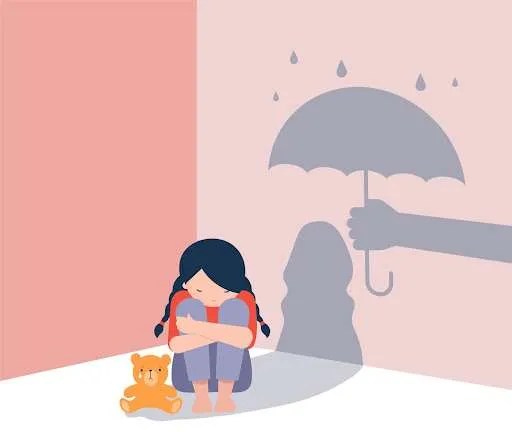
There are many misconceptions about trauma, one being that adults tend to forget about their childhood trauma as they get older. But unfortunately, that is not true for every adult that experienced trauma. Trauma is an overstressing experience that can significantly affects a person’s life for a long time. Trauma is a result of an event, a saying, or an action that created a significantly negative impact on a person’s life. Childhood trauma, also categorized as adverse childhood experiences (ACES), is a type of trauma that happened in the early years of life, and in which adults now can still struggle moving on from those childhood events. Another misconception is that trauma is the same as PTSD (Post-Traumatic Stress Disorder) but that is not the case. A traumatic event is the cause of PTSD but not everyone deals with PTSD after a traumatic event. PTSD is a serious case because it affects many aspects of the survivor’s life, not just psychologically.
So How Can Childhood Trauma Affect Adulthood?
An adult that had adverse childhood experiences in stress and trauma might be at risk of developing physical and psychological issues. Some of the mental health illnesses might be major depression disorder, PTSD, substances abuse, anxiety disorders, and many more. Other factors that are affected by childhood trauma in an adults life is difficulty in maintaining relationships, having emotional regulation issues, alter in brain development, and irregular sleep (insomnia). The symptoms of childhood trauma in adults and its effects may not just go away on its own, which is why it’s important to treat those symptoms with the adequate form of care.
One appropriate form of care for dealing with childhood trauma as an adult can be group therapy. In group therapy, patients share their stories with others in hopes that they encounter someone with similar challenges and to reduce feelings of isolations. Even though childhood trauma is complex, they’re ways to cope and manage the symptoms and effects affectively. Remember, it’s never too late to seek help and start the journey toward recovery.
If you or someone you know is struggling with mental health, please contact our psychotherapy offices in New York or New Jersey to talk to one of our licensed professional psychologists, psychiatrists, psychiatric nurse practitioners, or psychotherapists at Arista Counseling and Psychotherapy. Contact our Paramus, NJ, or Manhattan, NY offices respectively, at (201) – 368-3700 or (212)-722-1920 to set up an appointment. For more information, please visit https://www.counselingpsychotherapynjny.com/

 CounselingRx