Relationship Trauma

Relationship Trauma

Amelia Amen

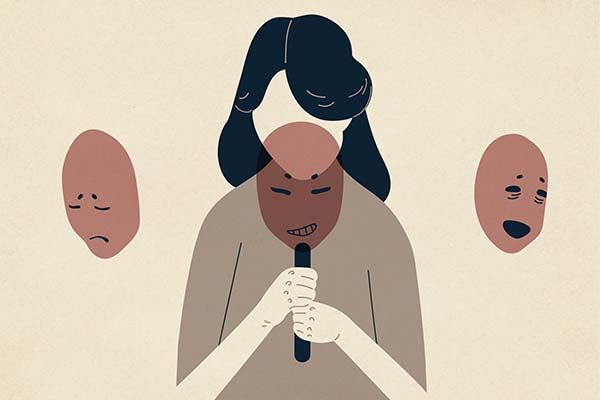
Relationship trauma develops from consistent unhealthy and abusive behaviors that occur between individuals in an intimate relationship. Trauma can arise from physical, emotional, verbal, financial, or sexual abuse. Leaving a toxic relationship may have long-lasting effects on an individual who endured abuse. There are many factors that can cause a development of abuse in relationships. An individual may desire to have control and power over their partner, lack of empathy, causing substance abuse and stress to form. There are many more examples of how relationship abuse may form. A victim of relationship abuse may not recognize that they are traumatized and thus can lead to living with untreated trauma.

 Signs of relationship trauma include:

  • Guilt and shame                                             
  • Trust issues
  • Intrusive/Triggering thoughts
  • Nightmares and flashbacks
  • Difficulty building healthy relationships
  • Isolation from loved ones, interests/hobbies, education, and work

               When the effects of trauma begin to impact an individual’s well-being, seeking professional help is an effective resource to consider. Talking to a therapist about traumatic events that occurred in a relationship is a healthy beginning for the healing process. A safe environment is provided in therapy where building healthy coping mechanisms, trust, developing a support system, managing triggers, and more positive outcomes are prioritized.

If you or someone you know is seeking treatment for relationship or general trauma, please contact our psychotherapy offices in New York or New Jersey to talk to one of our licensed professional psychologists, psychiatrists, psychiatric nurse practitioners, or psychotherapists at Arista Psychotherapy & Psychiatric Services. Contact our Manhattan, NY or Paramus, NJ offices respectively at (201) 368-3700 or (212) 722-1920 to set up an appointment. For more information, please visit https://www.counselingpsychotherapynjny.com

Additional Support: Domestic Violence Hotline 1-800-799-7233 or text START to 88788

Sources: https://www.medicalnewstoday.com/articles/how-to-let-go-of-the-past

Marriage Therapy: Couples

Marriage Therapy: Couples

By: Isabella Favuzza

A marriage is similar to a long, winding road with hills and valleys. All couples experience upward and downward periods due to life’s challenges. However, couples must actively choose to continue traveling down that road to maintain a healthy relationship. Marital partners may encounter various relationship stressors, such as psychical or mental concerns, financial issues, deciding whether to start a family, infidelity, etc. These stressors can lead to arguments as each individual feels passionately about these topics. Marriage counseling enables couples to strengthen or rebuild their relationship.

A marriage counselor or therapist helps a couple work through these concerns and regain control of their relationship through their love for one another. A psychologist creates a safe space for both individuals to disclose personal issues that are negatively affecting the relationship. When learning about these issues, the therapist remains neutral to support the relationship rather than a sole party. This space improves communication as both partners express their thoughts, concerns, and emotions regarding specific situations. This newly found communication also enables individuals to gain a deeper understanding of their partner and provides a new perspective. Discouraging marital concerns with a therapist aids the couple to resolve conflict without adding fuel to the fire with anger or resentment. Therapy provides the essential foundation for couples to solve future conflicts with a specific set of tools, rather than sweeping issues under the rug. Ultimately, marriage counseling enables couples to deepen their bond and find their way back to each other by shaping respect, improving intimacy, and rebuilding trust.

If you or your partner is struggling with marital issues or mental health please contact our psychotherapy offices in New York or New Jersey to talk to one of our licensed professional psychologists, psychiatrists, psychiatric nurse practitioners, or psychotherapists at Arista Counseling & Psychotherapy. Contact our Paramus, NJ or Manhattan, NY offices respectively, at (201) 368-3700 or (212) 722-1920 to set up an appointment. For more information, please visit http://www.counselingpsychotherapynjny.com/

Source:

https://www.forbes.com/health/mind/does-marriage-counseling-work

Anger Management: Relationships

Anger Management: Relationships

By: Isabella Favuzza

A romantic relationship is synonymous with a roller coaster; there are ups and downs and unexpected twists and turns. Those downward periods are associated with bumps that must be navigated together as a couple. These bumps may cause arguments as each individual feels passionately about situations, opinions, etc. Arguments are normal and healthy within a relationship, as partners must express themselves to one another; however, if one individual feels frightened or intimidated due to intense rage, counseling services can be of service. These spouts of fury are known as dysfunctional anger because they do not provide a function during the argumentative stage and cause one’s partner to feel attacked and fearful. Dysfunctional behaviors like extreme rage or fury can be damaging to a relationship, as one individual feels terrified to disclose their feelings and becomes emotionally distant from their partner.

This anger can be diminished and prevented with proper therapeutic treatments. A psychologist can aid couples in overcoming bumps in the road by allowing each individual to communicate their emotions toward one another in a safe environment and dissect the cause of anger during arguments. Psychologists are clinically trained to find the root cause of these behaviors to manage anger and provide relief for the couple. Anger management therapy enables individuals to release their destructive mannerisms and adapt positive life-enhancing reactions to improve the relationship. These treatments also allow the couple to communicate their emotions effectively and have functional arguments to solve problems together as a unit, ultimately preserving the relationship.

If you or your partner is struggling with anger or violence please contact our psychotherapy offices in New York or New Jersey to talk to one of our licensed professional psychologists, psychiatrists, psychiatric nurse practitioners, or psychotherapists at Arista Counseling & Psychotherapy. Contact our Paramus, NJ or Manhattan, NY offices respectively, at (201) 368-3700 or (212) 722-1920 to set up an appointment. For more information, please visit http://www.counselingpsychotherapynjny.com/

Source:

https://www.harrymotro.com/couples-anger-management

Depression: What Does Your Messy Room Say About You?

Depression: What Does Your Messy Room Say About You?

By, Maro Mikhaeil

Are you struggling with maintaining a clean room? A messy room may represent a disorganized mind and high stress levels. FMRI scans have shown that disorganization and clutter negatively impacts the way our brains work. Some may even go as far to say that it can be seen as a depressive episode. Depression has been shown to make it hard for individuals to take care of themselves physically, especially when it comes down to cleaning their bedrooms. Individuals with depression also demonstrate lack of motivation doing their daily tasks. It can take significantly more energy and effort to accomplish even the smallest tasks.

What exactly is depression?

Depression is characterized as a mood disorder that causes one to feel constantly low or sad and may even affect your interest to do certain activities. Symptoms in depression can vary from mild to severe and there are psychological scales that can assess the severity of the illness. Depression can affect anyone even children and adolescents and risk factors ranges from brain chemistry to genetics to environmental factors and even to personality. For instance, you can experience extreme lows, which may lead to depression if you receive a poor score on an exam for which you have been studying and expected a higher score.

Is depression treatable?

Depression is in fact treatable and can be treated by the following ways:

  1. Psychotherapy, also known as talk therapy in which focuses on one’s feelings and past experiences. It may help to talk to someone about your low moments.
  2. Medications like antidepressants, antipsychotics, and anxiolytics may help with symptoms
  3. Hypnotherapy, also known as hypnosis which puts you in a trance-like state to relax you and helps reduce anxiety and stress

And more!

Although cleaning one’s room may be difficult for individuals who are depressed, there is certainly a way through it. Perhaps try cleaning just a small part of your room each day until the entire space is clean. Having your room cleaned might help your depression even more, since a clean environment is proven to improve mood and reduce stress.

If you or someone you know is struggling with depression or mental health, please contact our psychotherapy offices in New York or New Jersey to talk to one of our licensed professional psychologists, psychiatrists, psychiatric nurse practitioners, or psychotherapists at Arista Counseling & Psychotherapy. Contact our Paramus, NJ or Manhattan, NY offices respectively, at (201) 368-3700 or (212) 722-1920 to set up an appointment. For more information, please visit http://www.counselingpsychotherapynjny.com/

Sources:

https://www.psychiatry.org/patients-families/depression/what-is-depression#section_2

https://www1.racgp.org.au/newsgp/clinical/what-does-clutter-do-to-your-brain-and-body

https://www.webmd.com/balance/ss/slideshow-clutter-affects-health

ADHD in Women and Girls                                         

By: Nicole Sanchez

ADHD In Women and Girls  By: Nicole Sanchez

Attention-deficit/hyperactivity disorder (ADHD) is considered a chronic disorder and is known to impact the individual in many aspects of their life including interpersonal relationships, academic and professional achievements, and daily functioning. Symptoms of ADHD include inattention, hyperactivity and impulsivity. ADHD can lead to lowered self-esteem and social function in children when not appropriately treated. Adults with ADHD may experience poor self-worth, sensitivity towards criticism, and increased self-criticism possibly stemming from higher levels of criticism throughout life.

Women and girls experience the same general symptoms as boys and men, but the way they express the symptoms can appear different. This difference in expression has historically been one of the reasons girls and women are underdiagnosed. Often when diagnosing, clinicians look for the male model of ADHD symptoms that focuses on impulsiveness. It is important to note that girls and women often demonstrate symptoms of inattention, overly sociable behavior, forgetfulness, talkativeness, or even difficulties with time management.

Cognitive behavioral therapy (CBT) is a talking therapy that is able to help individuals struggling with ADHD manage their problems by changing the way they think and behave. This treatment tries to reconstruct how someone feels about a situation, which would in turn potentially change their behavior and mitigate these ADHD symptoms. Often the therapist works with the parent of an ADHd child to help them improve his or her behavior.

If you or someone you know is having mental health difficulties and/ or experiencing symptoms of ADHD, please contact our psychotherapy offices in New Jersey to talk to one of our licensed professional psychologists, psychiatrists, psychiatric nurse practitioners, or psychotherapists at Arista Counseling & Psychotherapy. Contact our offices at (201) 368-3700 or (212) 722-1920 to set up an appointment. For more information, please visit http://www.counselingpsychotherapynjny.com/

https://www.columbiadoctors.org/news/adhd-different-women

https://www.webmd.com/add-adhd/ss/slideshow-adhd-women-girls

Bipolar Disorder: The Impact on Family Dynamics

Bipolar Disorder: The Impact on Family Dynamics

By, Maro Mikhaeil

Living with a family member who has a mental illness is never fun. Especially when it comes to bipolar disorder, which is a disorder where the individual will have frequent highs and lows. This can sometimes be hard on the family members as they witness their loved one struggle and take it out on the family. Individuals with bipolar disorder often go through many hardships and, unfortunately, may not always want to seek help. This can lead to broken families and trauma for other family members. Some individuals may even go undiagnosed, which leads to more devastating consequences that will derail their lives in significant ways.

Types of Bipolar Disorder:

There are two types of Bipolar Disorder: Bipolar Disorder I and Bipolar Disorder II. Bipolar Disorder I is more severe than Bipolar Disorder II and usually is characterized by several days of insomnia because of mania. Mania is characterized by increased energy, excessively high moods, extreme irritability, racing thoughts, distractibility, spending sprees, and denial that anything is wrong.  As for Bipolar Disorder II, the disorder is characterized as experiencing hypomanic episodes, but it is also accompanied by severe depression-like symptoms just as severe as Bipolar Disorder I. These disorders are treatable with medications and psychotherapy. Medications may include mood stabilizers, antidepressants, and antipsychotics to manage elevated mood and depressed episodes.

What can I do to help a loved one with bipolar disorder?

Although it can be tough to be around someone with bipolar disorder, it is also important to understand the illness and seek out a professional that can help. A person with bipolar disorder usually feels isolated because of the condition and faces obstacles on a daily basis. Supporting a family member who may be suffering from this condition is essential for their recovery. Keep in mind that people with bipolar disorder can still lead fulfilling lives, but strongly depends on their support system and their willingness to get help.

If you or someone you know is struggling with bipolar disorder or has a family member with the disorder, please contact our psychotherapy offices in New York or New Jersey to talk to one of our licensed professional psychologists, psychiatrists, psychiatric nurse practitioners, or psychotherapists at Arista Counseling & Psychotherapy. Contact our Paramus, NJ, or Manhattan, NY, offices, respectively, at (201) 368-3700 or (212) 722-1920 to set up an appointment. For more information, please visit http://www.counselingpsychotherapynjny.com/.

Sources:

https://www.healthline.com/health/bipolar-disorder/bipolar-1-vs-bipolar-2#treatment

https://www.heretohelp.bc.ca/infosheet/bipolar-disorder-effects-on-the-family

Addiction: Drug Abuse

Addiction: Drug Abuse

By: Isabella Favuzza

Many partake in recreational drug use, assuming addiction is nearly impossible due to occasional drug use in social settings. However, more than 70% of individuals who use drugs recreationally develop an addiction and experience negative consequences associated with said addiction. These behaviors involve compulsiveness, the inability to stop using the drug, undesirable emotions, withdrawal, etc. These unpleasant symptoms and behaviors can also negatively affect the addict’s relationships with work, loved ones, etc. A majority of addicts desire to stop using drugs but find it extremely challenging as the drug creates a physical and neurological dependence. No one wants to become a drug addict; however, drug use neurologically alters the brain, making it burdensome to quit.

Counseling services can identify the triggers leading to continued drug use, provide intensive intervention, supply vital behavioral strategies, offer peer support, and reduce the risk of relapse. Psychotherapy, or talk therapy, can help addicts cope with feelings of guilt, shame, anger, sorrow, etc. A psychologist can also provide intensive care to assist with drug detoxification and withdrawal symptoms that can be grueling to experience by oneself. Therapy provides addicts with behavioral and cognitive tools to cope with triggers, understand past drug abuse, and maintain sobriety. Ultimately, therapy enables drug addicts to reclaim their livelihood and relationships with loved ones by relinquishing the negative consequences of drug abuse.

If you or someone you know is struggling with drug addiction or abuse, please contact our psychotherapy offices in New York or New Jersey to talk to one of our licensed professional psychologists, psychiatrists, psychiatric nurse practitioners, or psychotherapists at Arista Counseling & Psychotherapy. Contact our Paramus, NJ or Manhattan, NY offices respectively, at (201) 368-3700 or (212) 722-1920 to set up an appointment. For more information, please visit http://www.counselingpsychotherapynjny.com/

Source:

https://www.hanleycenter.org/five-big-benefits-of-counseling-in-drug-addiction/#:~:text=Counseling%20provides%20additional%20benefits%20to,recovery%2C%20and%20reducing%20the%20risk

Smoking Cessation

Smoking Cessation

Amelia Amen

               Efforts to quit smoking can be a challenging process for individuals who have developed a dependency on nicotine. When an individual tries to remove smoking from their daily routine, they may be prone to experiencing withdrawals. Such withdrawals include irritability, headaches, difficulty concentrating, and a strong craving for nicotine. According to the Centers for Disease Control and Prevention, smoking is one of the leading preventable causes of death in the U.S and often causes diseases such as lung cancer, heart disease, diabetes, and more.

               Hypnosis has been found to be a successful technique which aids in smoking cessation and other harmful behaviors. Hypnosis focuses on reducing and changing negative habits and developing self-control over certain emotions and behavior. It can be a source of treatment for helping the smoker to remove many unwanted behaviors and habits. In the case of nicotine addiction, hypnosis is used to diminish the craving within the mind. Hypnosis targets the parts of our minds that can be the root cause of the motivation to smoke. The desire to smoke is often triggered by stress and anxiety, finishing a meal, going to a social event, driving, boredom, and more. Hypnosis is a collaborative process between the therapist and patient. Hypnosis only works when the patient wants to learn hypnosis. Eventually, the therapist teaches the patient how to achieve a state of hypnosis so they will be able to substitute positive messages for the prior negative ones which will help achieve their goal to stop smoking.

               When a therapist performs hypnosis, he or she will guide the individual into a meditative state. Within this state of mind, the therapist may compare the odor of cigarette smoke to an unpleasant one such as truck exhaust. Another suggestion a therapist may make is that smoking will do nothing but poison your body, and how you should protect your body from such poisons. Our methods were taught to us by Dr. Herbert Spiegel of Columbia University, he is well known for his smoking cessation hypnosis technique. One of the goals of hypnosis is to help the patient become receptive of new ideas and thoughts about smoking. Although hypnosis is an effective way to aid smoking cessation, it is important to keep in mind that it will be most effective with continuous sessions along with the commitment of quitting.

If you or someone you know is seeking hypnosis to stop smoking or other negative behaviors that are troubling you, please contact our psychotherapy offices in New York or New Jersey to talk to one of our licensed professional psychologists, psychiatrists, psychiatric nurse practitioners, or psychotherapists at Arista Psychotherapy & Psychiatric Services. Contact our Manhattan, NY or Paramus, NJ offices respectively at (201) 368-3700 or (212) 722-1920 to set up an appointment. For more information, please visit https://www.counselingpsychotherapynjny.com

Source: https://www.cdc.gov/tobacco/data_statistics/fact_sheets/fast_facts/index.htm#:~:text=Cigarette%20smoking%20remains%20the%20leading,death%20in%20the%20United%20States.