Marijuana/Cannabis Addiction, That Can’t Happen, Right?

Marijuana/Cannabis Addiction, That Can’t Happen, Right?

By: Diane Ulloa                                                                                      

 Cannabis use has been growing as a result of recently imposed laws. Cannabis use disorder or cannabis addiction has grown tremendously in the past few decades. Apart from the glamorization of Cannabis use in popular movies and TV shows, Cannabis has been shown to aid in medicinal practice in order to alleviate patients’ painful side effects from chemotherapy. Cannabis has also been found to alleviate symptoms in people with Tourette syndrome. Despite the common misconception that people cannot become addicted to Cannabis use, “approximately one in ten people who use marijuana will become addicted. When they start before the age of 18, the rate of addiction rises to one in six.” (samhsa.gov) “Marijuana use, especially frequently (daily or nearly daily) and in high doses, can cause disorientation and sometimes unpleasant thoughts or feelings of anxiety and paranoia.” Alongside these side effects, cannabis use can also lead to disassociation or temporary psychosis which is when the user does not know what is real and is experiencing hallucinations, paranoia. It can also have long-lasting detrimental mental disorders including schizophrenia (cdc.gov). Users know they are addicted if:

  • They use more marijuana than intended
  • Trying but failing to quit using marijuana
  • Spending a lot of time using marijuana
  • Craving marijuana
  • Using marijuana even though it causes problems at home, school, or work
  • Continued marijuana use despite social or relationship problems
  • Giving up important activities with friends and family in favor of using marijuana
  • Using marijuana in high-risk situations, such as while driving a car
  • Continued use of marijuana despite physical and psychological problems
  • Needing to use more marijuana to get the same high
  • Experiencing withdrawal symptoms when stopping marijuana use

Navigating cannabis addiction can be difficult without help. Cognitive Behavioral Therapy [CBT] has been shown to tackle the psychological effects of addiction and is considered the most effective form of treating addiction. One approach is called motivational interviewing which helps to turn ambivalence towards quitting into energy to quit. By combining motivational enhancement therapy and CBT, a user can gain a sense of control and clarity that was kept from them because of their addiction.

If you or someone you know is struggling with their mental health and/or a cannabis addiction, please contact our psychotherapy offices in New York or New Jersey to talk to one of our licensed professional psychologists, psychiatrists, psychiatric nurse practitioners, or psychotherapists at Arista Counseling & Psychotherapy. Contact our Paramus, NJ or Manhattan, NY offices respectively, at (201) 368-3700 or (212) 722-1920 to set up an appointment. For more information, please visit http://www.counselingpsychotherapynjny.com/

Sources: https://www.samhsa.gov/marijuana

https://www.cdc.gov/marijuana/health-effects/mental-health.html https://www.yalemedicine.org/conditions/marijuana-use-        disorder#:~:text=Behavioral%20therapies%20may%20help%20treat,tangible%20r        ewards%20for%20positive%20behaviors.

Post-Grad Depression

Depression/Post-College

By: Ingrid Guevara

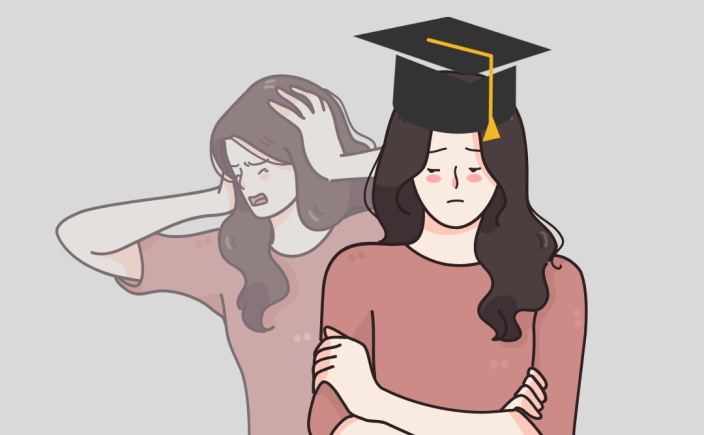
Everyone knows and acknowledges that depression during college occurs. Statistics show that twenty-seven percent of college students had been diagnosed with depression and twenty-three percent said that depression impacted their academic performance negatively.  When it comes to post-grad students research shows that around twenty percent of student graduating experience depression. Post-grad depression is seen as situational depression. Situational depression is depression caused by a stressful or traumatic event. Post-Grad depression is caused by; pressure of finding a job, moving back in with parents, feeling a failure to launch, changes in friendships (friends scattering, not seeing them), student debt, comparison with friends and being overwhelmed by next steps and changes. Signs of post-grad depression are; lack of motivation, feeling worthless or guilty, loneliness, overwhelm (especially related to the next steps), feeling sad or down, isolation or wanting to isolate oneself, not enjoying activities that were previously enjoyed, poor sleep, appetite change, lower than usual frustration tolerance, feeling sluggish or super jittery and intense fear or expectation things will not go well in the future. Post-grad depression like any depression can really hinder your life so seeking help is suggested in order to properly cope with it. It is also suggested; avoiding comparing yourself with others, practice self-kindness and self-love, reach out to friends,  get some exercise/movement, don’t be too hard on yourself, recognize that transitions are difficult, find a support group/networking group, take care of yourself and confide in trusted family and friends. Depression is common when life is stressful and one feels pressure therefore, it is okay because always remember you are not alone.

If you or someone you know is struggling with their mental health, please contact our psychotherapy offices in New York or New Jersey to talk to one of our licensed professional psychologists, psychiatrists, psychiatric nurse practitioners, or psychotherapists at Arista Counseling & Psychotherapy. Contact our Paramus, NJ or Manhattan, NY offices respectively, at (201) 368-3700 or (212) 722-1920 to set up an appointment. For more information, please visit http://www.counselingpsychotherapynjny.com/

References

https://www.ncbi.nlm.nih.gov/pmc/articles/PMC9091131/

Anxiety: How to Cope with School and Work Stress

Anxiety: How to Cope with School and Work Stress

By: Diane Ulloa

For many students attending college and working at the same time, it may be difficult to manage one responsibility after the other. For some, this may be a necessity as college tuitions in the U.S. have grown tremendously since the early 2000’s. Working and going to school may be a hassle because it is difficult to create a good flow of work-life balance. The stress and/or anxiety associated with both school and work can be caused by many factors including homework, time management, test taking/assignments, sleep disruption, etc. A study done in a private Midwestern college concluded, “Work-life balance is an important antecedent of college students’ mental health.”(Sprung & Rogers 2021) They also advocated for institutions to place heavier emphasis on work-life balance and its connection with the mental health of students. To cope with these stressors, students can approach their activities head-on as opposed to skipping class or staying in bed all day; putting things off is actually shown to cause more anxiety overtime. Students can also practice self-care such as good sleep hygiene and a consistent sleep schedule or a limit on daily caffeine intake. Another way would be to set up a good schedule for better time management skills; knowing what your week consists of can aid in managing anxiety associated with stressors like assignments, or tests, or your next scheduled shift. Seeking out resources such as therapy, earlier on have positive outcomes for dealing with anxiety caused by stress.

If you or someone you know is struggling with mental health and/or anxiety please contact our psychotherapy offices in New Jersey to talk to one of our licensed professional psychologists, psychiatrists, psychiatric nurse practitioners, or psychotherapists at Arista Psychotherapy & Psychiatric Services. Contact our NJ offices respectively at (201)368-3700 to set up an appointment. For more information, please visit https://counselingpsychotherapynjny.com

Sources:

  1. Justin M. Sprung & Anna Rogers (2021) Work-life balance as a predictor of college student anxiety and depression, Journal of American College Health, 69:7, 775-782, DOI: 10.1080/07448481.2019.1706540
  2. https://www.health.harvard.edu/blog/anxiety-in-college-what-we-know-and-how-to-cope-2019052816729

ADHD: What Symptoms Should You Look for?

ADHD: What Symptoms should you look for?

By: Diane Ulloa

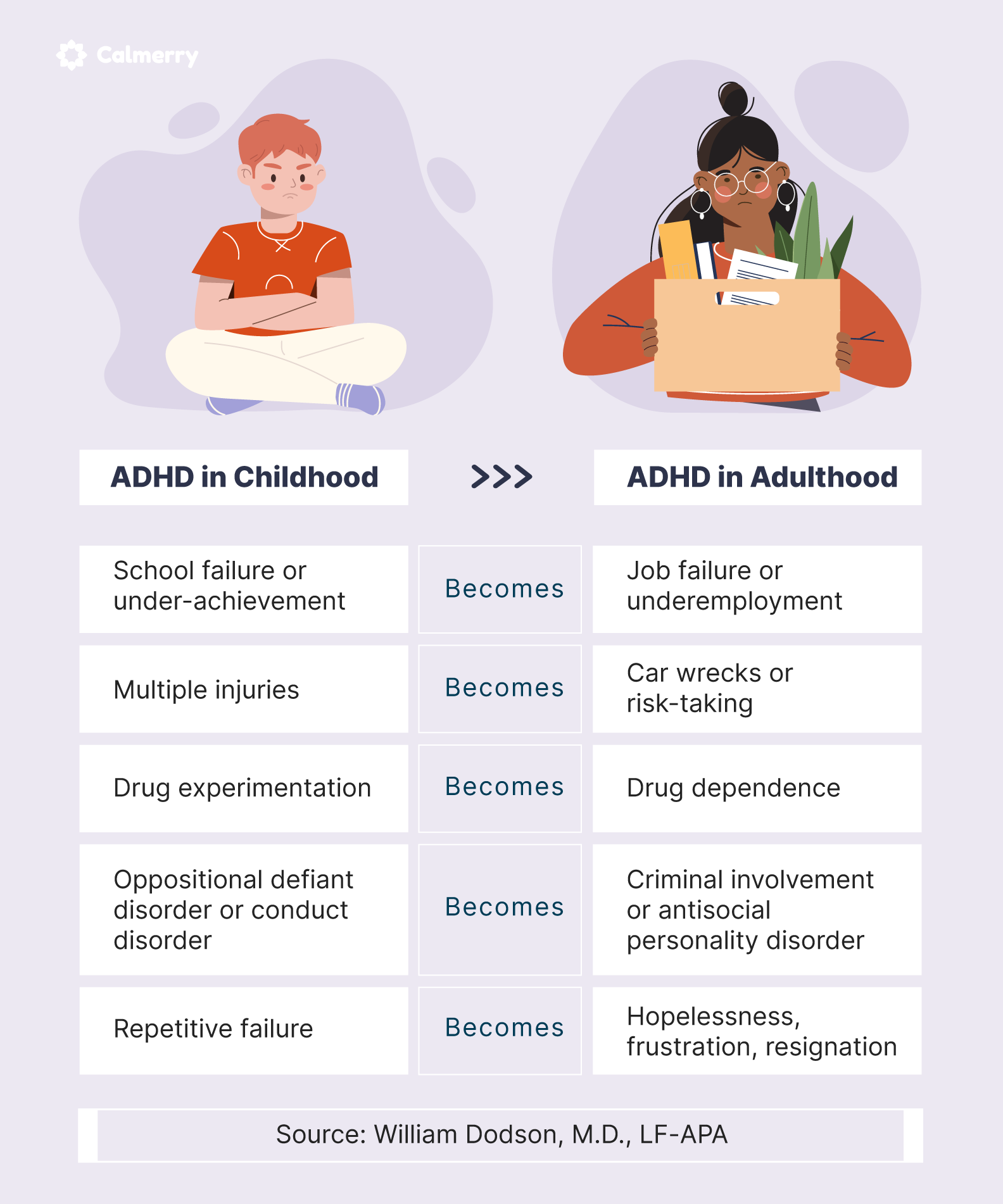
For many people who have ADHD it is difficult for them to pinpoint a specific action or reaction that is attributed to their neurodivergent mind. For many, ADHD comes with difficulty towards staying focused or forgetfulness. For others, it can be expressed differently. Sometimes it is shown in how one manages their money or perhaps one’s emotions in a traffic jam or impatience waiting in line. There are many symptoms that can be explained by ADHD diagnosis. If someone is struggling with ADHD but is unaware of how to identify it, they can look for these symptoms:

  • Impulsiveness
  • Disorganization
  • Problems prioritizing
  • Poor time management skills
  • Problems focusing on a task
  • Trouble multitasking
  • Excessive activity or restlessness
  • Poor planning
  • Low frustration tolerance
  • Frequent moodswings
  • Problems following through and completing tasks
  • Hot temper
  • Trouble coping with stress

Although it may feel like everyone and anyone has these symptoms, ADHD is diagnosed when the symptoms are severe and interfere with everyday activities.

Patients with ADHD generally also have another mental health disorder such as depression or anxiety. Psychotherapy helps people manage these symptoms and uses Cognitive-behavioral therapy [CBT] which is one of the most commonly used treatments for patients with ADHD. CBT is also considered to be the most effective psychotherapy. CBT for ADHD involves changing people’s thoughts, attitudes, and behaviors to better deal with everyday situations. Psychotherapy gives people with ADHD tailored support and advice, and improved communication skills, along with the opportunity to develop coping skills for stress and many situations that will occur in daily life.

If you or someone you know is struggling with mental health please contact our psychotherapy offices in New Jersey to talk to one of our licensed professional psychologists, psychiatrists, psychiatric nurse practitioners, or psychotherapists at Arista Psychotherapy & Psychiatric Services. Contact our NJ offices respectively at (201)368-3700 to set up an appointment. For more information, please visit https://counselingpsychotherapynjny.com

Sources: https://www.mayoclinic.org/diseases-conditions/adult-adhd/symptoms-causes/syc-20350878

https://www.nytimes.com/2023/08/30/business/women-adhd-money.htmlhttps://www.medicalnewstoday.com/articles/adhd-psychotherapy#Types

Hypnotherapy : What is Hypnotherapy ?

By : Kamila Diaz

    In order to create a more elevated state of consciousness or mindfulness, hypnotherapy, also known as guided hypnosis, employs relaxation, and concentrated attention. It induces a “trance” or altered state of consciousness in the subject.

With the aim of using one’s mind to help lessen of alleviate a number of problems, such as mental stress, phobias, and harmful, destructive, or risky habits (such as smoking, binge eating and/or drinking), this type of therapy is classified as alternative medicine. The goal of hypnotherapy is to influence a person’s behavior in a favorable way while they are asleep or unconscious.

Hypnosis can be used as a form of suggestion therapy or for patient analysis.

Suggestion Therapy: In a hypnotic condition, a person is more receptive to suggestions during a suggestion therapy session. Hypnotherapy can therefore aid certain people in altering particular behaviors, such as quitting smoking or c hewing their nails. Additionally, it can aid in altering one’s perceptions and feelings; also it is very effective in the management of pain.

Analysis: This method makes use of the relaxed state to investigate a potential psychological cause of a disorder or symptom, such as an unconscious recall of a painful previous experience. Once the trauma is acknowledged, psychotherapy can treat it.

If you or someone you know is struggling with your mental health please contact our psychotherapy offices in New Jersey to talk to one of our licensed professional psychologists, psychiatrists, psychiatric nurse practitioners, or psychotherapists at Arista Psychotherapy & Psychiatric Services. Contact our NJ offices respectively at (201)368-3700 to set up an appointment. For more information, please visit https://counselingpsychotherapynjny.com

Healthy Romantic Relationships

Healthy Romantic Relationships

By: Arya Patel

            Healthy romantic relationships have many characteristics to keep the relationship stable. Some important characteristics are mutual respect, good communication, self-confidence, shared responsibility, and problem solving. Mutual respect means that each person values who the other person is and understands the other person’s boundaries. Good communication means having honest conversations and being open to speak about difficult topics. Self-confidence in relationships means when dating partners have confidence in themselves; it can help their relationships with others. It shows that they are calm and comfortable enough to allow others to express their feeling without judgement.

            Shared responsibility means taking turns doing the different tasks around the house and in any other matter. Some examples are arranging for meals whether for restaurant reservations, take-out, or cooking, making social arrangements with family and friends, plan weekend activities and vacations, walk the dog, take out the trash, clean the house, pay bills, etc. The last characteristic is problem solving. Dating partners can learn to solve problems and identify new solutions by breaking a problem into smaller parts or by talking through the situation.

These are some characteristics which can help to keep relationships stable.

If you or someone you know is struggling with unhealthy romantic relationships, contact our psychotherapy offices in New York or New Jersey to talk to one of our licensed professional psychologists, psychiatrists, psychiatric nurse practitioners, or psychotherapists at Arista Psychotherapy & Psychiatric Services. Contact our Manhattan, NY or Paramus, NJ offices respectively at (201)368-3700 or (212)722-1920 to set up an appointment. For more information, please visit https://counselingpsychotherapynjny.com

References:

https://youth.gov/youth-topics/teen-dating-violence/characteristics

https://www.lyrahealth.com/blog/sharing-responsibilities-is-there-an-equitable-solution/

Toxic Relationships and their effects on Mental Health

      Mental Health/ Toxic Relationships

By: Ingrid Guevara

A relationship where the behaviors of one person in the relationship are emotionally and, in some cases physically damaging to the other, is what is defined as a toxic relationship. In a toxic relationship you see behaviors like: constant belittlement, guilt-tripping, extreme jealousy, blaming and using manipulation to fulfill personal desires. Such behaviors take a tremendous toll on a person’s mental health. Toxic relationships lead to decline in self-esteem, energy levels and your overall happiness. Being in a toxic relationship creates feelings of insecurities and self -doubt which also leads the person to live in extreme caution while in the relationship. Realizing that a relationship is toxic is a crucial step in prioritizing and protecting your mental health. Then comes taking steps to setting boundaries, seeking support from loved ones or professionals and engaging in activities that bring you joy, all things that promote healing and personal growth. Always keep in mind that everyone deserves a nurturing and healthy relationship. It is okay to step away from relationships that negatively affect your mental health because your mental health is crucial and should always be put first.

If you or someone you know is struggling with their mental health, please contact our psychotherapy offices in New York or New Jersey to talk to one of our licensed professional psychologists, psychiatrists, psychiatric nurse practitioners, or psychotherapists at Arista Counseling & Psychotherapy. Contact our Paramus, NJ or Manhattan, NY offices respectively, at (201) 368-3700 or (212) 722-1920 to set up an appointment. For more information, please visit http://www.counselingpsychotherapynjny.com/

References: