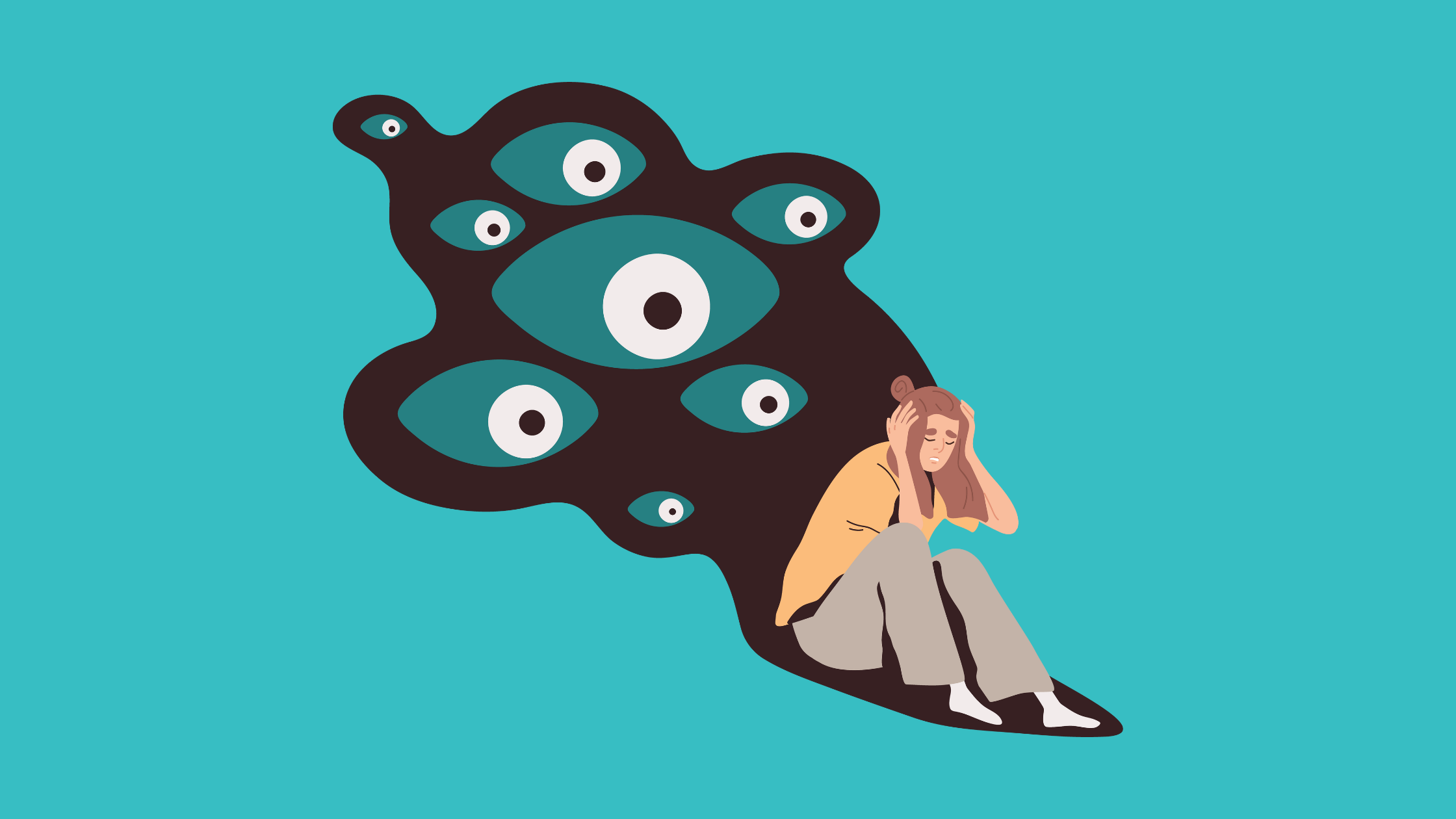
Anxiety: Identifying and Coping With Triggers in the New Year

By: Seunghee (Sunny) Rhew

It’s New Year’s Eve. You’re frantically scribbling last-minute resolutions on a scrap of paper, hoping that somehow the clock striking midnight will transform you into a brand-new person with a clean slate. But as you write these big, ambitious goals, a familiar pressure starts to build in your chest. Your mind races: Will I actually be able to do all of this? Am I taking on too much? What if I disappoint myself again?

The questions multiply, pulling you back into memories of the past year—every misstep, every abandoned plan, every moment you felt less than who you wanted to be. Suddenly you’re not just thinking about resolutions anymore. You’re questioning your life choices, your abilities, even your purpose. That’s exactly how anxiety tends to show up: quietly at first, then all at once, flooding your mind with what-ifs and worst-case scenarios.

But the start of a new year doesn’t have to trigger panic or self-doubt. It can be an opportunity to understand your anxiety with more compassion and to build healthier, calmer routines. One of the most effective ways to do that is by practicing mindfulness and grounding—skills that help bring you back into the present moment instead of spiraling into the future or the past!

Some common triggers of anxiety are:

  • Health issues
  • Negative thinking
  • Financial concerns
  • Social events
  • Conflicts with friends, families, and partners
  • Medication
  • Not having a significant other
  • Skipping meals
  • Worries about the future

Some exercises you can do to combat these triggers include…

  • 5-4-3-2-1 Method: Identify 5 things you see, 4 you can touch, 3 you hear, 2 you smell, and 1 that you can taste.
  • 4-7-8 Breathing Exercise: Breathe in through your nose for 4 counts, hold your breath for 7 counts, and exhale through your mouth for 8 counts.
  • Repeat positive statements to yourself: Reciting daily affirmations about yourself might sound like “I am capable,” “I am worthy of love,” “I am safe in this moment,” or “Everything is going to be okay.”

If you or someone you know is struggling with mental health, please contact our psychotherapy offices in New York or New Jersey to talk to one of our licensed professional psychologists, psychiatrists, psychiatric nurse practitioners, or psychotherapists at Arista Counseling and Psychotherapy. Contact our Paramus, NJ, or Manhattan, NY offices respectively, at (201) 368-3700 or (212) 722-1920 to set up an appointment. For more information, please visit https://www.counselingpsychotherapynjny.com/.

Sources:

https://www.calm.com/blog/how-to-be-more-present

https://www.healthline.com/health/anxiety/anxiety-triggers#identifying-triggers

Healthy Lifestyle: Promoting Mental Health

Healthy Lifestyle: Promoting Mental Health

By: Maria Koutsothanasis

Maintaining a healthy lifestyle through regular exercise and a balanced diet offers significant benefits for mental health. Physical activity and proper nutrition can enhance mood, reduce stress, and promote overall well-being, improving mental and emotional stability.

The Role of Exercise in Mental Health

Exercise is an effective way to boost overall mental health. When we engage in physical activity, the brain releases dopamine and serotonin; neurotransmitters that play key roles in elevating mood, improving cognition, and reducing feelings of anxiety and depression. Regular exercise also helps to lower cortisol levels, the body’s stress hormone, which can help reduce overall stress.

Exercise can also improve sleep quality, which is crucial for emotional well-being. A good night’s rest enhances cognitive function, memory, and emotional regulation. Additionally, accomplishing exercise goals can increase self-esteem and a positive body image, further supporting mental health.

The Impact of Diet on Mental Health

Diet plays an equally important role in mental health. Food provides essential nutrients that support brain function and emotional stability. Food can be a fuel to the body. Healthy and nutrient-filled foods can produce serotonin and dopamine and regulate them. A balanced diet helps stabilize blood sugar levels and prevent energy crashes, which can lead to irritability and fatigue. Foods rich in fiber and probiotics, such as fruits and vegetables, play a key role in emotional regulation.

Exercise and diet together can increase overall mental health. Regular physical activity is a natural treatment for feelings of anxiety and depression. A well-balanced diet provides the energy and nutrients needed to fuel physical activity. Incorporating regular exercise and a healthy diet into daily life can significantly enhance physical and mental health. These habits not only improve mood, reduce stress, and boost self-esteem, but they also support emotional resilience.

If you or someone you know is struggling with depression, anxiety, eating disorders, or other mental health issues, please contact our psychotherapy offices in New York or New Jersey to talk to one of our licensed professional psychologists, psychiatrists, psychiatric nurse practitioners, or psychotherapists at Arista Counseling & Psychiatric Services. Contact our Paramus, NJ or Manhattan, NY offices respectively, at (201) 368-3700 or (212) 722-1920 to set up an appointment. For more information, please visit http://www.counselingpsychotherapynjny.com/

Diet and mental health. Mental Health Foundation. (n.d.). https://www.mentalhealth.org.uk/explore-mental-health/a-z-topics/diet-and-mental-health

Lifestyle to support mental health. Psychiatry.org – Lifestyle to Support Mental Health. (n.d.). https://www.psychiatry.org/patients-families/lifestyle-to-support-mental-health

Understanding the effects of a healthy lifestyle on Mental Health. Penn State Health News. (2021, May 3). https://pennstatehealthnews.org/topics/may-2021-one-group-blog-mental-health/

Mindfulness: Living in the Present

Mindfulness: Living in the Present

By: Maria Koutsothanasis

Oftentimes it is easy to feel disconnected or distracted by living in the present. With work, school, or other obligations, it is easy to lose sight of the present time. Dwelling on the past or worrying about the future causes increased feelings of stress and depression. Mindfulness can help refocus on the present events to create a calmer and more focused life.

What is mindfulness?

Mindfulness is the practice of being fully focused on the present moment. By observing your thoughts and emotions, and removing judgment, mindfulness allows you to stay present and create a deeper connection and understanding of yourself.

Mindfulness decreases stress and promotes overall emotional well-being and balance.

  1. Reduces stress and anxiety:

    Mindfulness calms the mind and body by shifting attention away from thoughts that increase stress. Mindfulness interventions such as meditation can lower cortisol levels (a stress hormone) and help people manage anxiety better.

    2. Boosts mental health:

      Mindfulness reduces symptoms of depression, anxiety, and PTSD. It promotes a greater sense of resilience and breaks a cycle of negativity. Through mindfulness, you can manage stress and have control over your mental well-being.

      3. Improves physical health:

      Mindfulness is not only good for the mind but also the body. Regular mindfulness practices have been linked to lower blood pressure, improved sleep, and an overall stronger immune system.

      How to Practice Mindfulness

      1. Mindful Breathing:

          Spending a few minutes a day focusing on your breath calms your mind and helps reduce mental clutter. If you begin to feel anxious, focusing on breathing can reduce these feelings.

          2. Engage in Gratitude:

          Reflecting on things in your life that you are grateful for is a way to shift the perspective of your life in a positive way.

          3. Being present:

          Training your mind to stay present on the tasks that you currently engage in is a way to increase focus, reduce stress, and improve overall satisfaction in life.

          Mindfulness does not require major life changes. It is about being fully present in the moments that make up your day. Incorporating these small changes in your life can lead to reduced stress, improved emotional resilience, and a deeper sense of fulfillment. The small shifts can transform how you experience the world around you and how you feel internally.

          If you or someone you know is struggling with anxiety, depression, PTSD, or other mental health issues, please contact our psychotherapy offices in New York or New Jersey to talk to one of our licensed professional psychologists, psychiatrists, psychiatric nurse practitioners, or psychotherapists at Arista Counseling & Psychiatric Services. Contact our Paramus, NJ or Manhattan, NY offices respectively, at (201) 368-3700 or (212) 722-1920 to set up an appointment. For more information, please visit http://www.counselingpsychotherapynjny.com/

          U.S. Department of Health and Human Services. (2024, June 18). Mindfulness for your health. National Institutes of Health. https://newsinhealth.nih.gov/2021/06/mindfulness-your-health

          Matthews, K. (2023, June 29). Health benefits of mindfulness: 1stCallHEALTH: Primary care providers. 1stCallHEALTH. https://1stcallhealth.com/health-benefits-of-mindfulness/


          Sleep Deprivation Psychosis

          Sleep Deprivation Psychosis

          By Madison Gesualdo

          Remember that episode of Law and Order: Special Victims Unit where Sarah Hyland gave us an Oscar-worthy performance as a genius prep school student, Jennifer Banks, who attacked her roommate because of their academic rivalry? During the trial, the defense was able to prove diminished capacity on Jennifer’s behalf, meaning that Jennifer’s impaired mental state at the time of the crime prevented her from fully controlling her violent actions. Jennifer, who had been taking a form of modafinil that allowed her to stay awake for six consecutive days before she committed her crime, was suffering from sleep deprivation psychosis. Because the defense was able to prove this, she was able to plead guilty to her crime on a lesser charge and was only sentenced to seven years in prison at the conclusion of the episode.

          Let’s talk about sleep deprivation psychosis from a clinical standpoint. On the show, it is mentioned that being awake for 17 hours is similar to having a blood-alcohol content (BAC) of 0.05% – that’s legally impaired in the state of Utah, even though the federal limit is 0.08%. The National Institute for Occupational Safety and Health corroborates this finding, adding that being awake for 24 hours is the equivalent of having a BAC of 0.10%. Now, imagine Jennifer’s psychological state after being awake for 144 hours without a minute of sleep, running off of a stimulant drug designed to block dopamine receptors and consequently increase the body’s overall levels of dopamine. It’s no wonder that her memory of the encounter with her roommate was hazy at best.

          According to a 2018 study published in Frontiers in Psychiatry, sleep-loss developments such as hallucinations and perceptual distortions can occur in individuals with no history whatsoever of psychiatric issues. This study essentially found that the more time a person spends awake, the more he or she will progress towards a state of psychosis. Symptoms such as anxiety, disorientation, and depersonalization began after 24 – 48 hours without sleep, evolving into disordered thinking and complex hallucinations after 48 – 90 hours without sleep. Once a person reached the 72 hour-mark without sleep, the study claimed, his or her psychological state resembled that of toxic delirium or acute psychosis.

          If an individual is experiencing insomnia, anxiety, depression, or any other conditions that can lead to a deficiency in proper sleep, he or she should seek help immediately. A wide variety of intervention methods and medications are available to help gradually regulate an individual’s sleep-wake cycle and prevent cognitive impairment resulting from sleep deprivation. Make sure to speak with a mental health professional to see what options are available to you.

          If you or someone you know is struggling with sleep, anxiety, or mental health, please contact our psychotherapy offices in New York or New Jersey to talk to one of our licensed professional psychologists, psychiatrists, psychiatric nurse practitioners, or psychotherapists at Arista Counseling & Psychotherapy. Contact our Paramus, NJ or Manhattan, NY offices respectively, at (201) 368-3700 or (212) 722-1920 to set up an appointment. For more information, please visit https://aristapsychiatrypsychotherapy.com/

          References:

          Davis, C. (Writer). (2009). Hothouse (Season 10, Episode 12). [TV series episode]. In D. Wolf (Executive producer), Law & order: Special victims unit. Hulu. https://hulu.com

          National Institute for Occupational Safety and Health (2020, March 31). Impairments due to sleep deprivation are similar to impairments due to alcohol intoxication. U.S. Centers for Disease Control and Prevention. https://www.cdc.gov/niosh/work-hour-training-for-nurses/longhours/mod3/08.html#print

          Waters, F., Chiu, V., Atkinson, A., & Blom, J.D. (2018). Severe sleep deprivation causes hallucinations and a gradual progression toward psychosis with increasing time awake. Frontiers in Psychiatry, 9, 303. https://doi.org/10.3389/fpsyt.2018.00303

          Stress: Does Job Stress Contribute to Mental Illness

          Stress: Does Job Stress Contribute to Mental Illness

          By Josette DeFranco

          Work stress is not often addressed. We tend to take on many tasks, leading to feeling overwhelmed physically and mentally. For some, work is a routine and many find working under stress helps them concentrate. On the other hand, some people don’t work as much and try to maintain a slower pace. In either circumstance, work can cause severe stress. Stress in the workplace can lead to decreased productivity and burnout. It is important to note how our body feels so we can find signs earlier that our mental and physical health needs a break.

          Some negative effects of stress in the workplace manifest in various ways such as a lack of motivation, reduced job satisfaction, physical and mental health problems, and interpersonal conflicts. If you notice you are feeling more fatigue, irritability, or apathy it may be best to give yourself a break. Job stress can lead to some mental illnesses like depression and anxiety. Stress prepares your body for a defensive action, like an alarm for the brain. It impacts your nervous system releasing hormones that help sharpen your senses and tense your muscles. You may have heard of something called the “flight or fight response.” This is important because it helps you defend against situations your body finds threatening. If stressful situations go without being addressed it will keep your body in a state of activation. Some ways to help alleviate job stress are to ensure that the workload is in line with workers’ capabilities and resources, allow yourself to take a break, create boundaries, provide opportunities for social interactions among workers, and establish work schedules that accommodate your responsibilities outside the job.

          If you or someone you know is struggling with their mental health, please contact our psychotherapy offices in New York or New Jersey to talk to one of our licensed professional psychologists, psychiatrists, psychiatric nurse practitioners, or psychotherapists at Arista Counseling & Psychotherapy. Contact our Paramus, NJ or Manhattan, NY offices respectively, at (201) 368-3700 or (212) 722-1920 to set up an appointment. For more information, please visit https://aristapsychiatrypsychotherapy.com/

          Resources:

          https://business.talkspace.com/articles/the-negative-effects-of-stress-in-the-workplace#:~:text=The%20effects%20of%20work%20stress,%2C%20interpersonal%20conflicts%2C%20and%20more.

          https://www.cdc.gov/niosh/docs/99-101/default.html#Job%20Stress%20and%20Health

          Work-Life Balance

          Work-Life Balance

          By: Josette DeFranco

          Are you feeling overwhelmed due to the lack of balance in your work and personal life?

          Work-life balance is important because it affects you, your family, and others. You need the time and energy to participate in your own personal interests, family, and community activities. A workplace that supports employees’ well-being and allows their employees to focus on their mental health is an excellent way for them to avoid burnout.

          Here are some healthy work-life balance tips:

          • Take breaks
          • Set boundaries
          • Learn to say no
          • Prioritize your mental health
          • Set goals
          • Practice Mindfulness
          • Create a flexible work schedule
          • Seek support

          It is important to acknowledge how this balance can benefit you. It’s easy to get caught up in your job and neglect your wants and needs. These are just a couple ways having a work-life balance can help you; create healthier workplace relationships, improve your mental health, enhance your physical health, and have better productivity at work.

          If you, your child, or someone you know is experiencing back-to-school anxiety, social anxiety, or other anxiety disorders or mental health issues, please contact our psychotherapy offices in New York or New Jersey to talk to one of our licensed professional psychologists, psychiatrist, psychiatric nurse practitioners, or psychotherapists at Arista Counseling & Psychotherapy. Contact our Paramus, NJ or Manhattan offices respectively, at 201-368-3700 or 212-722-1920 to set up an appointment. Please visit http://www.counselingpsychotherapynjny.com/ for more information.

          Sources:

          https://www.psychologytoday.com/us/blog/presence-of-mind/201509/hows-your-work-life-balance

          https://www.timedoctor.com/blog/work-life-balance-tips