Postoperative Cognitive Dysfunction

Postoperative Cognitive Dysfunction

By Madison Gesualdo

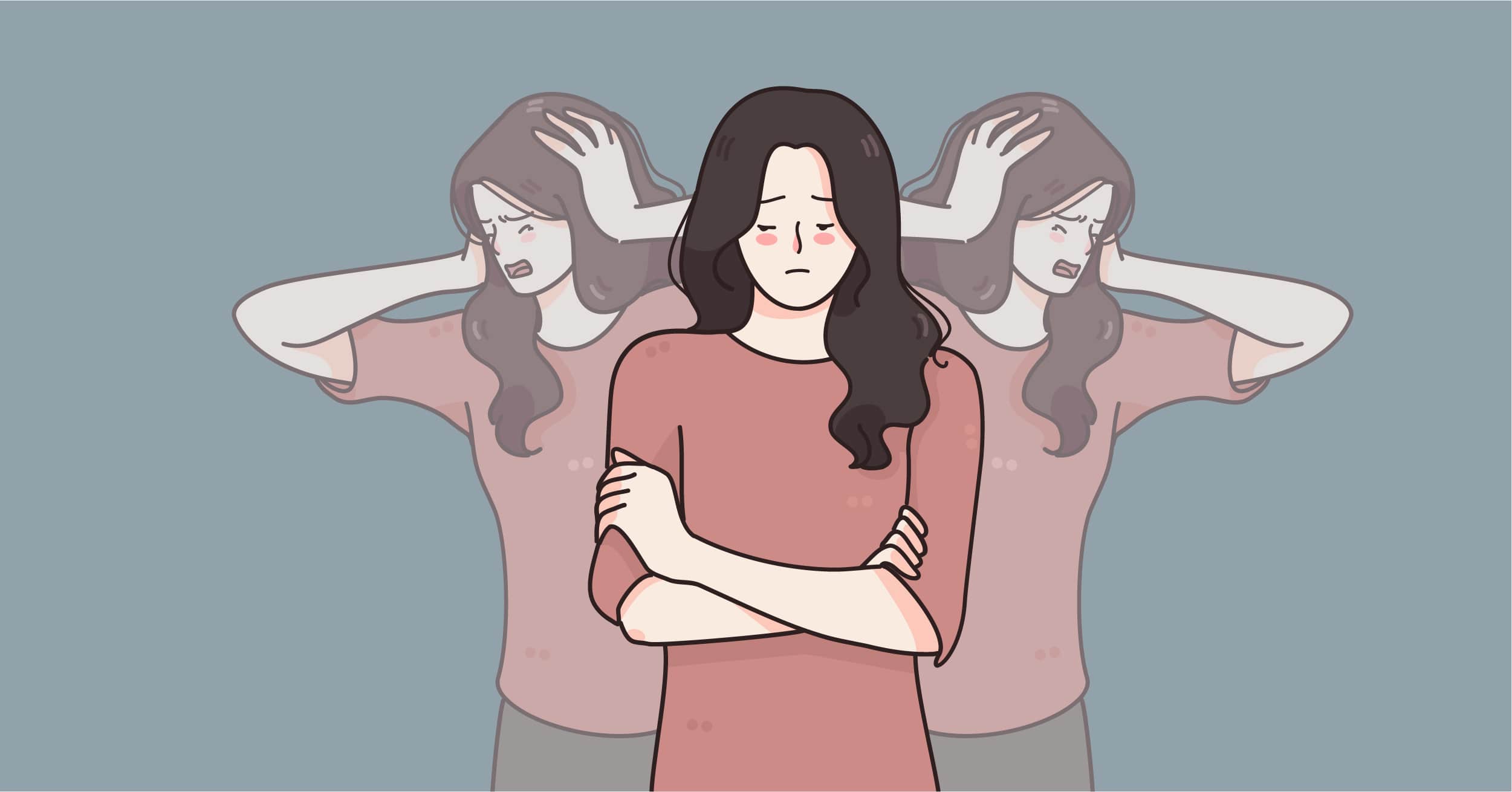
Postoperative cognitive dysfunction (POCD) refers to a decline in neurocognitive function from a patient’s baseline functioning that occurs in individuals who undergo surgical processes and are put under anesthesia. Postoperative cognitive dysfunction complicates a patient’s central nervous system, delaying their neurocognitive recovery process as a whole. Individuals who endure POCD typically experience issues with their attention span, memory, learning, perception, executive functioning, and motor skills. POCD is not to be confused with postoperative delirium; while postoperative delirium is an acute state of neurocognitive functioning lasting approximately 1-3 days post-surgery, POCD typically persists longer, lasting weeks, months, or in some cases, years.

While POCD is not yet a formal psychiatric diagnosis, it is characterized by the DSM-5 as a mild neurological disorder, falling under the cognitive impairment classification. POCD occurs in roughly 10-54% of patients within the first few weeks of surgery.

A variety of risk factors for POCD have been identified, including advanced age, severity of the surgery being performed, type and amount of anesthesia being used, electrolyte imbalance, and pre-existing conditions (such as dementia and diabetes). These factors are examples of factors that would put a patient at higher risk for suffering from POCD after his or her surgery.

Although no specific treatment exists for postoperative cognitive dysfunction, different treatment methods have proven to reduce the effects of the condition. These methods include, but are not limited to:

  • Anti-inflammatory drugs
  • Biologically active substances
  • Surgical techniques and anesthesia best suited to fit the specific patient being operated on
  • Improving a person’s cognitive functioning prior to surgery

If you or someone you know is struggling with mental health issues, please contact our psychotherapy offices in New York or New Jersey to talk to one of our licensed professional psychologists, psychiatrists, psychiatric nurse practitioners, or psychotherapists at Arista Counseling & Psychiatric Services. Contact our Paramus, NJ or Manhattan, NY offices respectively, at (201) 368-3700 or (212) 722-1920 to set up an appointment. For more information, please visit http://www.counselingpsychotherapynjny.com/

References:

Brodier, E. A., & Cibelli, M. (2021). Postoperative cognitive dysfunction in clinical practice. BJA Education, 21(2), 75–82. https://doi.org/10.1016/j.bjae.2020.10.004

Spriano, P. (2024, September 9). What do we know about postoperative cognitive dysfunction? Medscape Medical News. https://www.medscape.com/viewarticle/what-do-we-know-about-postoperative-cognitive-dysfunction-2024a1000g9b?ecd=WNL_trdalrt_pos1_240909_etid6816496&uac=445328CY&impID=6816496

Zhao, Q., Wan, H., Pan, H., & Xu, Y. (2024). Postoperative cognitive dysfunction-current research progress. Frontiers in Behavioral Neuroscience, 18, 1328790. https://doi.org/10.3389/fnbeh.2024.1328790

Depression: Do Genetics Play a Role in Depression

Depression: Do Genetics Play a Role in Depression

By: Josette DeFranco

Major depressive disorder is a condition that affects many individuals. Major depressive disorder can range from being clinically mild and short-lasting to recurring over and over again, to being highly chronic and treatment-resistant. Depression is known to run in families indicating that there are genetic factors. It can be a combination of life experiences and environment. Genetics plays a mild role in depression. Also, families with certain genetic patterns lived eight years shorter than average. As depression may range from transient to debilitating it is expected that many different sets of genetic alterations are involved. Some genes are associated with weight and body, neuron development, and brain inflammation and another group is associated with proteins that tell the immune system which cells are friendly and which are not. This means that our genetics can not only influence our physical characteristics but also how our brain functions and our immune system interacts and identifies with different cells in the body. Your environment can modify the genetic factors that play a role in depression.

If you are concerned about a strong history of depression in the family and are scared about it affecting you or your future children a study suggests that even with a high tendency for depression, psychotherapy or behavioral activation therapy can reduce it. Individuals need to understand the life-changing impact their environment can have on their mental health. Our emotions are generated by our thinking which may serve as an influence on our behaviors. You may have had genetic roots of depression, a difficult upbringing, or a terrible tragedy that has currently occurred but if you change your thinking then your emotions will change as well.

If you or someone you know is struggling with their mental health, please contact our psychotherapy offices in New York or New Jersey to talk to one of our licensed professional psychologists, psychiatrists, psychiatric nurse practitioners, or psychotherapists at Arista Counseling & Psychotherapy. Contact our Paramus, NJ or Manhattan, NY offices respectively, at (201) 368-3700 or (212) 722-1920 to set up an appointment. For more information, please visit https://aristapsychiatrypsychotherapy.com/

Sources:

https://www.psychologytoday.com/us/blog/the-athletes-way/201603/depression-new-research-shows-genetics-are-not-destiny

https://www.psychologytoday.com/us/blog/psychiatry-the-people/201804/massive-study-clarifies-genetic-risks-major-depression

https://www.psychologytoday.com/us/blog/the-three-minute-therapist/202007/overcoming-genetically-based-depression

Sleep Deprivation Psychosis

Sleep Deprivation Psychosis

By Madison Gesualdo

Remember that episode of Law and Order: Special Victims Unit where Sarah Hyland gave us an Oscar-worthy performance as a genius prep school student, Jennifer Banks, who attacked her roommate because of their academic rivalry? During the trial, the defense was able to prove diminished capacity on Jennifer’s behalf, meaning that Jennifer’s impaired mental state at the time of the crime prevented her from fully controlling her violent actions. Jennifer, who had been taking a form of modafinil that allowed her to stay awake for six consecutive days before she committed her crime, was suffering from sleep deprivation psychosis. Because the defense was able to prove this, she was able to plead guilty to her crime on a lesser charge and was only sentenced to seven years in prison at the conclusion of the episode.

Let’s talk about sleep deprivation psychosis from a clinical standpoint. On the show, it is mentioned that being awake for 17 hours is similar to having a blood-alcohol content (BAC) of 0.05% – that’s legally impaired in the state of Utah, even though the federal limit is 0.08%. The National Institute for Occupational Safety and Health corroborates this finding, adding that being awake for 24 hours is the equivalent of having a BAC of 0.10%. Now, imagine Jennifer’s psychological state after being awake for 144 hours without a minute of sleep, running off of a stimulant drug designed to block dopamine receptors and consequently increase the body’s overall levels of dopamine. It’s no wonder that her memory of the encounter with her roommate was hazy at best.

According to a 2018 study published in Frontiers in Psychiatry, sleep-loss developments such as hallucinations and perceptual distortions can occur in individuals with no history whatsoever of psychiatric issues. This study essentially found that the more time a person spends awake, the more he or she will progress towards a state of psychosis. Symptoms such as anxiety, disorientation, and depersonalization began after 24 – 48 hours without sleep, evolving into disordered thinking and complex hallucinations after 48 – 90 hours without sleep. Once a person reached the 72 hour-mark without sleep, the study claimed, his or her psychological state resembled that of toxic delirium or acute psychosis.

If an individual is experiencing insomnia, anxiety, depression, or any other conditions that can lead to a deficiency in proper sleep, he or she should seek help immediately. A wide variety of intervention methods and medications are available to help gradually regulate an individual’s sleep-wake cycle and prevent cognitive impairment resulting from sleep deprivation. Make sure to speak with a mental health professional to see what options are available to you.

If you or someone you know is struggling with sleep, anxiety, or mental health, please contact our psychotherapy offices in New York or New Jersey to talk to one of our licensed professional psychologists, psychiatrists, psychiatric nurse practitioners, or psychotherapists at Arista Counseling & Psychotherapy. Contact our Paramus, NJ or Manhattan, NY offices respectively, at (201) 368-3700 or (212) 722-1920 to set up an appointment. For more information, please visit https://aristapsychiatrypsychotherapy.com/

References:

Davis, C. (Writer). (2009). Hothouse (Season 10, Episode 12). [TV series episode]. In D. Wolf (Executive producer), Law & order: Special victims unit. Hulu. https://hulu.com

National Institute for Occupational Safety and Health (2020, March 31). Impairments due to sleep deprivation are similar to impairments due to alcohol intoxication. U.S. Centers for Disease Control and Prevention. https://www.cdc.gov/niosh/work-hour-training-for-nurses/longhours/mod3/08.html#print

Waters, F., Chiu, V., Atkinson, A., & Blom, J.D. (2018). Severe sleep deprivation causes hallucinations and a gradual progression toward psychosis with increasing time awake. Frontiers in Psychiatry, 9, 303. https://doi.org/10.3389/fpsyt.2018.00303

Tardive Dyskinesia

Tardive Dyskinesia

By Madison Gesualdo

Tardive dyskinesia is a syndrome in which a person exhibits repetitive, involuntary muscle movements. This syndrome directly affects the central nervous system and is typically seen in patients who are prescribed antipsychotic drugs, usually for bipolar disorder and schizophrenia. Tardive dyskinesia is chronic, with the Diagnostic and Statistical Manual of Mental Disorders Fifth Edition mandating that symptoms must persist for at least a month after an individual discontinues his or her medication in order to be officially diagnosed.

Neuroleptic drugs, also known as antipsychotics, are the most common inducers of tardive dyskinesia. Antipsychotics are often prescribed to patients with bipolar disorder and schizophrenia in order to reduce symptoms such as hallucinations, delusions, and disorganized thinking. These drugs successfully work by blocking receptors in the nervous system – specifically D2 dopamine receptors in the midbrain and forebrain – and consequently lowering dopamine levels within an individual. This is crucial for individuals diagnosed with bipolar disorder or schizophrenia because overactivity of dopamine in the brain can alter brain chemistry, leading to many of the psychotic symptoms associated with these disorders. Thus, antipsychotic medications are able to help assuage some of these symptoms by regulating an individual’s dopamine levels.

Like most medications, neuroleptic drugs have the potential for negative side effects. A person who has been taking neuroleptic drugs for an extended period of time may start experiencing abnormal involuntary movements, contractions, tics, tremors, and restlessness. All of these actions, in the context of long-term antipsychotic use, encompass tardive dyskinesia. These symptoms occur as the result of dopamine receptors having been blocked for too long; blockade of these receptors prevents fluid communication between nerve cells, resulting in a lack of stable movements in an individual.

If an individual finds that he or she is experiencing medication-induced tardive dyskinesia, he or she should consider talking to a doctor about stopping or switching the current medication that is causing it. Additionally, deep brain stimulation can also be utilized as a solution. This procedure employs a neurostimulating device that sends electrical signals into the brain to stimulate the blocked dopamine receptors and encourage movement.

Tardive dyskinesia should not be disregarded, as there are plenty of methods of intervention that can help reduce symptoms within an individual and make the condition more manageable. Make sure to consult with a healthcare provider about a treatment plan if you or a loved one is experiencing this condition.

If you or someone you know is struggling with their mental health, please contact our psychotherapy offices in New York or New Jersey to talk to one of our licensed professional psychologists, psychiatrists, psychiatric nurse practitioners, or psychotherapists at Arista Counseling & Psychotherapy. Contact our Paramus, NJ or Manhattan, NY offices respectively, at (201) 368-3700 or (212) 722-1920 to set up an appointment. For more information, please visit https://aristapsychiatrypsychotherapy.com/

References:

Allarakha, S. (n.d.) Why do antipsychotics cause tardive dyskinesia? MedicineNet. www.medicinenet.com/why_do_antipsychotics_cause_tardive_dyskinesia/article.htm

Ameer, M.A., Patel, P., & Saadabadi, A. Neuroleptic Medications. [Updated 2024 Feb 21]. In: StatPearls [Internet]. Treasure Island (FL): StatPearls Publishing; 2024 Jan-. Available from: https://www.ncbi.nlm.nih.gov/books/NBK459150/

American Psychiatric Association. (2013). Diagnostic and statistical manual of mental disorders (5th ed.). https://doi.org/10.1176/appi.books.9780890425596

Bhandari, S. (2023, January 12). What is tardive dyskinesia? WebMD. https://www.webmd.com/mental-health/tardive-dyskinesia

Cornett, E.M., Novitch, M., Kaye, A.D., Kata, V., & Kaye, A.M. (2017) Medication-induced tardive dyskinesia: A review and update. The Ochsner Journal, 17(2), 162-174. https://www.ochsnerjournal.org/content/17/2/162/tab-article-info

The Centre for Addiction and Mental Health. (n.d.) Antipsychotic medication. CAMH. www.camh.ca/en/health-info/mental-illness-and-addiction-index/antipsychotic-medication#header.

Vasan, S., & Padhy, R.K. Tardive Dyskinesia. [Updated 2023 Apr 24]. In: StatPearls [Internet]. Treasure Island (FL): StatPearls Publishing; 2024 Jan-. Available from: https://www.ncbi.nlm.nih.gov/books/NBK448207/

Caretaker: How to Take Care of Yourself When Taking Care of a Loved One

 Caretaker: How to Take Care of Yourself When Taking Care of a Loved One

By: Josette DeFranco

Participating in caregiving can come with a lot of stress and responsibility. Many individuals believe that they have to handle it all on their own which can lead to exhaustion and anxiety. Family caregivers at any age have reported that they experience a terrible sleep schedule, poor eating habits, failure to stay active, and failure to make medical appointments for themselves. If you are experiencing this, it is okay to let go of the load you are carrying and know that you are not alone. Caregiving can be an emotional roller coaster that may trigger the same hormonal and neural mechanisms that cause stress chemistry. However, it is noted that those who are caregiving for a loved one find this a rewarding experience.

Here are some tips to help you take care of yourself:

  • Prioritize sleep
  • Eat well
  • Acknowledge your feelings
  • Set boundaries
  • Take on fewer tasks
  • Ask for help
  • Practice Mindfulness
  • Treat yourself
  • Let go of guilt
  • Be honest with yourself

Here is a reminder that self-care isn’t selfish. To take care of others you have to take care of yourself first. Caring for you is the most important tip because we can’t share our assistance if we lack it in ourselves. Be kind to yourself. You may tell yourself “I never do anything right” or “There’s no way I can find time for myself.” Our brains are a reflection of us meaning your brain will start to believe what you are saying. Instead, try positive affirmations like “I am doing a good job at taking care of my parents” or “I will take at least 15 minutes for myself each day.”

If you or someone you know is struggling with their mental health, please contact our psychotherapy offices in New York or New Jersey to talk to one of our licensed professional psychologists, psychiatrists, psychiatric nurse practitioners, or psychotherapists at Arista Counseling & Psychotherapy. Contact our Paramus, NJ or Manhattan, NY offices respectively, at (201) 368-3700 or (212) 722-1920 to set up an appointment. For more information, please visit https://aristapsychiatrypsychotherapy.com/

Sources:

https://www.caregiver.org/resource/taking-care-you-self-care-family-caregivers/

Insomnia: Effect on Workplace Productivity

Insomnia: Effect on Workplace Productivity

By Madison Gesualdo

It’s barely 1 P.M. during the work day and you’re already dozing off at your desk, wondering how on Earth you’ll stay awake for the next few hours. To any observer, you might appear as yet another lazy employee “sleeping on the job.” However, no one knows about the preceding circumstances leading up to your lapse in energy, and no one except you knows about the tossing and turning you experienced the night before that, ultimately, led to yet another sleepless night.

Insomnia is a sleep disorder in which an individual has difficulty falling asleep or staying asleep. The disorder becomes chronic when these habits persist, becoming a regular pattern in the individual’s daily life. According to a 2024 survey conducted by the American Academy of Sleep Medicine, roughly 12% of adults in the United States self-reported being diagnosed with chronic insomnia. This statistic does not account for any currently undiagnosed cases of chronic insomnia in the United States, or for diagnosed cases that survey participants chose not to self-report. While one might speculate that a sleepless night resulting from insomnia may just cause general drowsiness and prompt a few yawns the following day, the effects of insomnia, specifically on workplace productivity, far exceed this assumption.

Insomnia can cause a severe deficit in workplace productivity, with sleep deprivation yielding a significant decline in job performance. Individuals who suffer from chronic insomnia report experiencing impaired thinking, emotional emptiness, and slowed physical reactions during their workday, as well as extreme fatigue that causes delays and errors in work assignments and tasks.

A wide range of resources are available to treat insomnia. Some of these include:

  • Cognitive behavioral therapy (CBT): Can help reduce anxiety about not being able to sleep
  • Relaxation/meditation therapy: Can help train you to relax your body and fall asleep more easily
  • Stimulus control therapy: Can help regulate your sleep-wake cycle and eliminate potential distractions encountered when falling asleep
  • Medication: Prescription medications, such as benzodiazepines, can help sedate the central nervous system and relax the body, making it easier to fall asleep

If you or someone you know is struggling with insomnia or trouble sleeping, please contact our psychotherapy offices in New York or New Jersey to talk to one of our licensed professional psychologists, psychiatrists, psychiatric nurse practitioners, or psychotherapists at Arista Counseling & Psychotherapy. Contact our Paramus, NJ or Manhattan, NY offices respectively, at (201) 368-3700 or (212) 722-1920 to set up an appointment. For more information, please visit http://www.counselingpsychotherapynjny.com/

References:

American Academy of Sleep Medicine. (n.d.) Survey shows 12% of Americans have been diagnosed with insomnia. American Academy of Sleep Medicine. https://aasm.org/survey-shows-12-of-americans-have-been-diagnosed-with-chronic-insomnia/#:~:text=Survey%20shows%2012%25%20of%20Americans%20have%20been%20diagnosed%20with%20chronic%20insomnia

National Heart, Lung, and Blood Institute. (n.d.) Insomnia: Treatment. National Institute of Health. https://www.nhlbi.nih.gov/health/insomnia/treatment

Newsom, R. & Wright, H. (2023, November 3). The link between sleep and job performance. Sleep Foundation. https://www.sleepfoundation.org/sleep-hygiene/good-sleep-and-job-performance

Oppositional Defiant Disorder: What Is It?

Oppositional Defiant Disorder: What Is It?

By Madison Gesualdo

Oppositional defiant disorder (ODD), as defined by the Diagnostic and Statistical Manual of Mental Disorders-Fifth Edition, is a type of conduct disorder in which an individual exhibits frequent patterns of irritable mood, defiant behavior, and vindictiveness. ODD can be specified as mild, moderate, or severe depending on whether the symptoms of the disorder occur only in one setting, at least two settings, or three or more settings, respectively. For an official diagnosis of ODD, individuals must meet the diagnostic threshold of the behavior lasting at least six (6) months, and being evidenced by at least four (4) symptoms of the disorder; additionally, the individual’s disturbance in behavior must exist within the context of social distress, and negatively impact his or her social, educational, or occupational functioning. The individual’s behavior must not also occur as a result of a psychotic, depressive, substance use, or bipolar disorder, and must not fall under the category of disruptive mood dysregulation disorder. Once all of these criteria are met, a diagnosis of ODD can be made.

Symptoms of Oppositional Defiant Disorder:

The DSM-5 mandates that, as part of the diagnostic criteria for ODD, an individual must exhibit four (4) or more of the following symptoms. It is important to note that these symptoms should be frequent and persistent, exceeding the normal limit of this type of behavior in individuals. Symptoms of ODD include:

  • Frequent loss of temper
  • Is often touchy or easily annoyed
  • Is often angry and resentful
  • Often argues with authority figures (or, for children and adolescents, with adults)
  • Often does not comply with rules or requests from authority figures
  • Often deliberately annoys others
  • Often blames others for his or her mistakes or misbehavior
  • Has been spiteful or vindictive at least twice within the past six (6) months

If you or someone you know is struggling with oppositional defiant disorder or with mental health in general, please contact our psychotherapy offices in New York or New Jersey to talk to one of our licensed professional psychologists, psychiatrists, psychiatric nurse practitioners, or psychotherapists at Arista Counseling & Psychotherapy. Contact our Paramus, NJ or Manhattan, NY offices respectively, at (201) 368-3700 or (212) 722-1920 to set up an appointment. For more information, please visit http://www.counselingpsychotherapynjny.com/

References:

American Psychiatric Association. (2013). Disruptive, impulse control, and conduct disorders. In Diagnostic and statistical manual of mental disorders (5th ed.). https://doi.org/10.1176/appi.books.9780890425596

Work-Life Balance

Work-Life Balance

By: Josette DeFranco

Are you feeling overwhelmed due to the lack of balance in your work and personal life?

Work-life balance is important because it affects you, your family, and others. You need the time and energy to participate in your own personal interests, family, and community activities. A workplace that supports employees’ well-being and allows their employees to focus on their mental health is an excellent way for them to avoid burnout.

Here are some healthy work-life balance tips:

  • Take breaks
  • Set boundaries
  • Learn to say no
  • Prioritize your mental health
  • Set goals
  • Practice Mindfulness
  • Create a flexible work schedule
  • Seek support

It is important to acknowledge how this balance can benefit you. It’s easy to get caught up in your job and neglect your wants and needs. These are just a couple ways having a work-life balance can help you; create healthier workplace relationships, improve your mental health, enhance your physical health, and have better productivity at work.

If you, your child, or someone you know is experiencing back-to-school anxiety, social anxiety, or other anxiety disorders or mental health issues, please contact our psychotherapy offices in New York or New Jersey to talk to one of our licensed professional psychologists, psychiatrist, psychiatric nurse practitioners, or psychotherapists at Arista Counseling & Psychotherapy. Contact our Paramus, NJ or Manhattan offices respectively, at 201-368-3700 or 212-722-1920 to set up an appointment. Please visit http://www.counselingpsychotherapynjny.com/ for more information.

Sources:

https://www.psychologytoday.com/us/blog/presence-of-mind/201509/hows-your-work-life-balance

https://www.timedoctor.com/blog/work-life-balance-tips

How to Help Children Cope with Grief and Loss

How to Help Children Cope with Grief and Loss

By: Josette DeFranco

A question you don’t hear enough but should be asked more is “What is grief?” Grief is the terrible pain that accompanies loss. Since grief is a reflection of our love, it can feel suffocating. There is no time limit for healing the pain that comes along with loss. Many individuals try to suppress their pain and agony causing them to feel guilt and stagnant. Many individuals may experience grief in short passes where the feeling of distress and sadness comes and goes. Meanwhile, others may experience grief for a long period, such as months or years. It’s important to remind yourself and others that you can grieve at your own pace.

In addition, children experience grief and loss in many different ways. Children are like sponges; they take in information through observation and learned behavior. Although they are young they have deep feelings and can understand their own emotions more than it is perceived. When children grieve it can be a confusing time for them and parents. Do you tell the truth? Or do you rationalize and give simple answers such as “Grandpa is just sleeping.” Being present with them allows you to grieve as well. When children see that their parents can be vulnerable and compassionate it allows them to express themselves and be who they really are.

Here are a couple of ways to help children cope with grief:

  • You can tell children the truth, even though you might not include all the specific information. Mentioning to them that Grandpa is sleeping may cause them to feel afraid to go to sleep or telling them he is in heaven may make them pack their belongings and find heaven. Be clear, honest, and simple.
  • Allow them to ask questions. You can’t protect them from the truth but you can give them your empathetic support and love.
  • Attending the funeral or keeping children home. Ask your child and allow them to decide. If they say yes, have someone who will be present with them and can keep them occupied in case being around sad adults gets overwhelming. If they say no, you can offer another way to remember or honor the person such as showing pictures or lighting a candle.
  • Give reassurance.

If you or someone you know is struggling with their mental health, please contact our psychotherapy offices in New York or New Jersey to talk to one of our licensed professional psychologists, psychiatrists, psychiatric nurse practitioners, or psychotherapists at Arista Counseling & Psychotherapy. Contact our Paramus, NJ, or Manhattan, NY offices respectively, at (201) 368-3700 or (212) 722-1920 to set up an appointment. For more information, please visit https://aristapsychiatrypsychotherapy.com/

Sources:

https://www.psychologytoday.com/us/blog/playful-parenting/202301/how-to-help-children-cope-with-death-and-grief

https://www.psychologytoday.com/us/blog/tales-of-grief/201903/when-children-grieve

https://www.psychologytoday.com/us/basics/grief

Social Anxiety: The Impact of Social Media on Social Anxiety

Social Anxiety: The Impact of Social Media on Social Anxiety

By: Josette DeFranco

Social anxiety is very common and can be a part of your everyday living whether it is online or offline. Social anxiety means you have persistent fears about being in social situations. Social media has become society’s major way of communicating. It has allowed users to create their own distinctive profiles and content to share with others. It has been found that social media use has caused unrealistic goals and expectations. This can create low self-esteem and a lack of in-person interactions. This may lead to anxiety because you may feel like you don’t live up to your social media image. Nonetheless, it may cause you to feel judged by your choices or appearance. It is important to pay attention to your emotions when logged onto social media and to remember that others experience similar thoughts.

Should you take a break from social media?

Social media can affect individuals differently. However, if you notice social media is causing damage to your mental health, self-esteem, social interactions, and making your moods worse then you may want to consider a social media break. Having a social media break even for a week or a month could enhance your mental state, allowing you to reflect and focus on your mental health needs. It has been noticed that individuals felt more grounded and less anxious, isolated, and depressed.

If you or someone you know is struggling with their mental health, please contact our psychotherapy offices in New York or New Jersey to talk to one of our licensed professional psychologists, psychiatrists, psychiatric nurse practitioners, or psychotherapists at Arista Counseling & Psychotherapy. Contact our Paramus, NJ or Manhattan, NY offices respectively, at (201) 368-3700 or (212) 722-1920 to set up an appointment. For more information, please visit https://aristapsychiatrypsychotherapy.com/

Sources:

https://www.sciencedirect.com/science/article/pii/S245195882100018X

https://www.psychologytoday.com/us/blog/thriving-with-the-challenges/202208/a-social-media-vacation-is-waiting-for-you