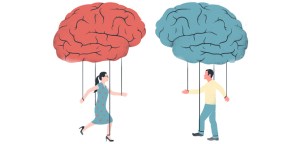
Sexual Assault: Why Survivors Don’t Come Forward Sooner

By Samantha Glosser

If you watch the news or are an avid social media consumer, you have probably heard about various claims of sexual assault against public and political figures, where the victim did not immediately come forward. We recently saw this with Dr. Christine Blasey Ford, who publicly accused U.S. Supreme Court nominee, Brett Kavanaugh, of sexually assaulting her as a teenager. Situations like Dr. Ford’s have opened up a discussion about one important question: why do survivors wait so long to report an assault? Research shows that it is a normal response for survivors of sexual assault to take time before reporting the assault, if they report at all. This may not make sense to you, as you are probably wondering why they wouldn’t want justice or revenge on their abuser. However, there are numerous reasons that compel survivors to prolong or withhold disclosing that they were sexually abused.

  1. Fear of being victimized a second time. Reporting a sexual assault often leads to new and added traumas from peers, family members, police officers, lawyers, etc. This feeling often comes from having to relive the experience or from people indicating that the victim caused the sexual assault by asking questions like, “What were you wearing at the time of the attack?”
  2. Lack of support. Lack of support is a multi-faceted issue. Survivors find it hard to report if they are not surrounded by loved ones who support them. However, even with this support, individuals still refrain from reporting because they know that our society has a tendency to blame the victim for the sexual assault. A lack of support can even come from other survivors of sexual assault. Typically, other survivors are seen as a source of comfort. However, some will dismiss another person’s assault with statements like, “What’s the big deal? It happens to all of us. Get over it.”
  3. Decline in functioning after the assault. Survivors of sexual assault experience intense feelings of shame, worthlessness, and self-loathing which can quickly bring on depression and anxiety. It is difficult for survivors to contemplate a course of action after the assault when they can barely figure out how to make it through the day. In the midst of these emotions, survivors want to forget and pretend that the assault did not occur.
  4. Vague memories of the attack. In some cases, victims of sexual assault were drugged by their abuser or previously inebriated. Both of these situations can lead to victims only having a vague memory of the attack. In addition, the trauma endured by some victims is so severe it causes them to dissociate, which also leads to vague memories. When individuals do not have a vivid recollection of the event, they may be scared to come forward because they fear others will not believe them, or in some cases because they do not believe their own memories.

If you or someone you know is a survivor of sexual assault, the licensed psychologists, psychiatrists, psychiatric nurse practitioners, and psychotherapists at Arista Counseling & Psychotherapy can assist you. Contact our Paramus, NJ or Manhattan, NY offices respectively, at (201) 368-3700 or (212) 722-1920 to set up an appointment. For more information, visit http://www.counselingpsychotherapynjny.com/.

Source: https://blogs.psychcentral.com/psychology-women/2018/10/6-big-reasons-women-dont-report-sexual-abuse-right-away/

Body Image: Body Dysmorphic Disorder Treatment

By Samantha Glosser

Body dysmorphic disorder, sometimes referred to as body dysmorphia or BDD, is a mental disorder characterized by preoccupation with imagined or markedly exaggerated imperfections or defects in one’s physical appearance. Those suffering from body dysmorphic disorder spend a significant amount of time every day obsessing over their appearance and engaging in repetitive compulsive behaviors in an attempt to avoid anxiety, distress, and hide their imperfections. Signs and symptoms include constantly checking one’s appearance, excessive grooming, over-exercising, picking skin, pulling hair, using makeup or clothing to camouflage one’s appearance, or even getting plastic surgery. Body dysmorphic disorder leads to significant impairment in daily functioning and quality of life. However, there are treatment options available.

Cognitive-behavioral therapy (CBT). CBT is short-term, goal-oriented therapy. In body dysmorphic disorder, CBT is used to decrease compulsive behaviors and the negative thoughts about one’s appearance. This is achieved through techniques such as cognitive restructuring and mind reading. Cognitive restructuring teaches the patient to challenge irrational thoughts about their bodies and replace them with more realistic and adaptive thoughts. In addition to their own negative thoughts, individuals diagnosed with body dysmorphic disorder also believe others hold the same negative thoughts about them. Mind reading allows patients to understand that other people do not share these thoughts about them and provides realistic alternatives. For example, that person staring at them at the mall was probably admiring their outfit. Another frequently used technique is exposure therapy. This requires patients to create a hierarchy of anxiety-provoking situations which they are then exposed to in order to overcome anxiety and distress.

Psychiatric medications. Research has also shown that antidepressant medications are an effective treatment for body dysmorphic disorder, specifically selective serotonin reuptake inhibitors (SSRI’s). SSRI’s that are commonly used for the treatment of body dysmorphic disorder include Lexapro, Prozac, Paxil, and Zoloft, among others. SSRI’s help to reduce obsessional thinking, compulsive behaviors, and depression, a common comorbid disorder among individuals diagnosed with body dysmorphic disorder.

If you or someone you know appears to be suffering from body dysmorphic disorder, or other problems associated with negative body image, the licensed psychologists, psychiatrists, psychiatric nurse practitioners, and psychotherapists at Arista Counseling & Psychotherapy can assist you. Contact our Paramus, NJ or Manhattan, NY offices respectively, at (201) 368-3700 or (212) 722-1920 to set up an appointment. For more information, visit http://www.counselingpsychotherapynjny.com/


Source: Tartakovsky, M. (2016, July 17). Demystifying treatment for body dysmorphic disorder. Retrieved from https://psychcentral.com/lib/demystifying-treatment-for-body-dysmorphic-disorder/

Bipolar Disorder

By: Dianna Gomez

Bipolar Disorder, also known as “Manic-Depressive,” is a disorder of the brain that causes a person to experience sudden shifts in mood, energy/activity levels, and disrupts their ability to function fully each day. The changes in mood range from a person feeling extremely “up” and energized which are known as manic episodes to feeling extremely “down” and sad which is known as depressive episodes. There are multiple forms of Bipolar Disorder, however, the two main types of the disorder are Bipolar I and Bipolar II. Regardless of the type a person has, he or she still suffers from very similar symptoms. Bipolar I Disorder is defined by manic episodes/symptoms that are either so severe the individual needs to be hospitalized immediately or the episode itself has lasted for at least 7 days. Depressive episodes occur in people with this type of Bipolar as well and these episodes can last up to at least 2 weeks at a time. Bipolar II Disorder is defined by a certain pattern of depressive episodes followed by some hypo-manic episodes. The only difference between manic and hypo-manic is that hypo-manic episodes are not as intense as full on manic ones. More specifically, when a person is having a manic episode they can experience the following symptoms:

  • Feeling “jumpy” or “weird”
  • Having trouble sleeping
  • Talk really fast about a lot of different things
  • Racing thoughts
  • Participating in risky behaviors (ex: spending all your money)

On the other hand, when a person is going through a depressive episode, he or she can experience the following symptoms:

  • Sleeping too much or not enough
  • Not being able to enjoy things
  • Trouble concentrating
  • Eating too much or not enough
  • Thinking about death and/or suicide

Luckily, there are several forms of treatment that a person suffering from Bipolar Disorder can seek out to help them live a more normal and stable lifestyle. Methods of treatment include: medications (mood stabilizers, sleep medications, antidepressants, and atypical anti-psychotics), psychotherapy (cognitive behavioral therapy, family-focused therapy, and interpersonal therapy), or a combination of both. Even while taking medications some mood swings may still occur. This makes it especially important that there is a close and honest patient-doctor relationship in order to manage the disorder in the most efficient way possible. In addition to these, there is also electroconvulsive therapy or “ECT,” and keeping a lifestyle chart. When keeping the lifestyle chart, the patient records their daily symptoms, sleep patterns, and other important life events.


If you or anyone you know may suffer from either Bipolar I Disorder or Bipolar II Disorder, the licensed psychologists, psychiatrists, psychiatric nurse practitioners, and psychotherapists at Arista Counseling & Psychotherapy can assist you. Contact our Paramus, NJ or Manhattan, NY offices respectively, at (201) 368-3700 or (212) 722-1920 to set up an appointment. For more information, visit us at http://www.counselingpsychotherapynjny.com/.

Alcohol Use Disorder

By Samantha Glosser

Alcohol use disorder, more commonly known as alcoholism, is a pattern of alcohol use that results in impairment and distress in your daily life. Short term effects of alcohol use disorder include memory loss, hangovers, and blackouts. However, the long term effects are much more serious and include the following: stomach ailments, heart problems, brain damage, memory loss, liver cirrhosis, and cancer. Alcohol use disorder is also linked to increased chances of dying from automobile accidents, homicide and suicide, as well as increased rates of unemployment, domestic violence, and legal problems.

Cravings for alcohol, drinking in spite of it causing personal problems, an inability to stop drinking, and building up a tolerance to alcohol are common symptoms of alcohol use disorder. Alcohol use disorder can be diagnosed if two or more of the following are present in a twelve-month period (the severity of addiction is based on how many symptoms are present):

  • Drinking more or for a longer period than intended.
  • Feeling the need or trying to cut back on drinking.
  • Spending a lot of time drinking and recovering from the short-term effects of drinking.
  • Craving the use of alcohol.
  • Failing to perform responsibilities due to drinking.
  • Continuing to use alcohol even though it is creating relationship problems.
  • Ceasing participation in important activities to drink more.
  • Drinking before or during potentially dangerous activities (such as driving).
  • Continuing drinking despite its relation to physical and mental health conditions.
  • Developing a tolerance for alcohol.
  • Experiencing withdraw symptoms when reducing or stopping alcohol intake.

There are numerous treatment options available to individuals struggling with alcohol use disorder, such as detoxification, Alcoholics Anonymous (AA), inpatient/outpatient treatment programs, and medication. There are also different methods to recovery, such as abstinence (completely quitting) or just cutting down on alcohol intake. Finding the right treatment options depends on the individual, which is why it is recommended to seek guidance from a trained professional.

If you or someone you know appears to be suffering from alcohol use disorder, the licensed psychologists, psychiatrists, psychiatric nurse practitioners, and psychotherapists at Arista Counseling & Psychotherapy can assist you. Contact our Paramus, NJ or Manhattan, NY offices respectively, at (201) 368-3700 or (212) 722-1920 to set up an appointment. For more information, visit http://www.counselingpsychotherapynjny.com/

Source: Alcohol Use Disorder. (n.d.). Retrieved from https://www.psychologytoday.com/us/conditions/alcohol-use-disorder

Insomnia

By: Dianna Gomez

Insomnia is a condition that makes it very difficult for a person to fall asleep and stay asleep throughout the night. Insomnia can be caused by medical conditions such as hyperthyroidism, or for psychological reasons such as anxiety, depression or intrusive thoughts. In addition to these possibilities, the type of lifestyle an individual chooses to live can also be responsible for creating symptoms of insomnia. There are a few things that people who experience insomnia tend to do that may be worsening their symptoms without them even knowing. Some examples of these lifestyle habits include:

  1. Taking Mid-Day Naps
  • Whether it is short or long, sleeping in the middle of the day can increase a person’s chances of having difficulty sleeping through the night. If you can, try to avoid taking naps all together.
  1. Sleeping In Late
  • When a person is lacking sleep, it isn’t uncommon for them to attempt to fix the problem by sleeping in later the next morning to make up for their “lost hours.” However, by doing so, you are confusing your body clock which then makes it difficult to fall asleep at a regular time again the following night. This can quickly create a vicious cycle that is even harder to break.
  1. Taking Your Work Home With You
  • Regardless of what your occupation is, almost everybody has hectic daily schedules. When people are feeling behind on their work, they often decide to put in a little “over-time” by bringing their work home with them. By doing this, you make the process of “winding down” at night harder as your mind is kept wide awake and pre-occupied when it shouldn’t be.
  1. Using Electronics
  • Especially in today’s generation, it is extremely common for people to use their phones or laptops while lying in bed right before they intend to fall sleep. The problem with this, however, is that bright screens like those on our electronics actually stimulate the brain more and cause you to stay awake. This then makes it more difficult to fall asleep for the night.
  1. Working Irregular Hours
  • If you have a job that has you on various different “shifts,” sleeping may become a problem for you. If a person doesn’t stay on a regimented time schedule, their body clock cannot decipher when it should be waking up to take on a new day or winding down to get ready for bed.


If you have already tried reversing these lifestyle habits and still regularly experience symptoms of insomnia, the licensed psychologists, psychiatrists, psychiatric nurse practitioners, and psychotherapists at Arista Counseling & Psychotherapy can help you. Contact our Paramus, NJ or Manhattan, NY offices respectively, at (201)-368-3700 or (212)-722-1920 to set up an appointment. For more information, visit us at https://www.counselingpsychotherapynjny.com/.


Postpartum Depression

By Samantha Glosser

“I thought postpartum depression meant you were sobbing every single day and incapable of looking after a child. But there are different shades of it and depths of it, which is why I think it’s so important for women to talk about. It was a trying time. I felt like a failure.” -Gwyneth Paltrow

Postpartum depression can begin as early as a few weeks after giving birth, and it affects one in seven women. Symptoms of postpartum depression include the following: depressed mood or mood swings, excessive crying, difficulty bonding with the baby, withdrawal from loved ones, loss of appetite or an increased appetite, inability to sleep or sleeping too much, fatigue or loss of energy, anxiety, fear of not being a good mother, thoughts of harming yourself or your baby, and recurrent thoughts of death and suicide. These symptoms typically interfere with your life and your ability to raise and connect with your child. Although it is not certain what causes postpartum depression, it is most likely due to a combination of hormones and emotional processing deep in the brain.

As noted by Gwyneth Paltrow, an actress using her fame to shed light on the severity of this disorder, postpartum depression is not one size fits all; every woman experiences it differently and experiences symptoms at different severities. This is why it is important for women to be open and honest about their experiences with postpartum depression. Women often feel a lot of shame when they have postpartum depression, because they do not understand why they are feeling this way or what they are feeling. They feel like they are alone in these feelings. However, this is not the case. Other famous mothers such as Brooke Shields and Marie Osmond, like Paltrow, are using their platforms to share their struggles with postpartum depression and let women know that they are not alone and that they should not feel ashamed, which is opening up the doorway to treatment for all women. Postpartum depression can be effectively treated with psychotherapy, support groups, and psychiatric medication if needed. These treatments are the most efficient way for you to feel better and connect with your child.

If you or someone you know appears to be suffering from postpartum depression, the licensed psychologists, psychiatrists, psychiatric nurse practitioners, and psychotherapists at Arista Counseling & Psychotherapy can assist you. Contact our Paramus, NJ or Manhattan, NY offices respectively, at (201) 368-3700 or (212) 722-1920 to set up an appointment. For more information, visit http://www.counselingpsychotherapynjny.com/.

Source: Layton, M. J. (2016, January 26). Task force urges doctors to screen new moms for depression. Retrieved from http://www.northjersey.com/story/news/2016/01/26/task-force-urges-doctors-to-screen-new-moms-for-depression/94422958/

Borderline Personality Disorder (BPD)

By: Estephani Diaz

Borderline Personality Disorder is a complex disorder with no certain explanation as to what causes it. This disorder is so uncommon, that it only affects about 5% of our population. It is considered to be a combination of schizophrenia, anxiety, impulsiveness, severe mood swings, etc. In order to be diagnosed with Borderline Personality Disorder, also known as BPD, you must have at least five out of the nine symptoms listed below:

  1. Perceived or real fears of abandonment
  2. Intense mood swings, severe depression or anxiety
  3. Impulsiveness
  4. Unstable intense relationships
  5. Self-injurious and suicidal behaviors
  6. Chronic feelings of emptiness
  7. Inappropriate, intense anger and rage
  8. Unstable sense of self
  9. Dissociation and feelings of detachment

Any combination of the symptoms above, can lead to family problems, ruin relationships, and cause anxiety, depression, and/or anger. BPD can last from a year to a lifetime. Those with BPD are recommended to seek talk therapy or group therapy. Medications can also be used, however, they would only be needed if one has a severe case of depression and/or mood swings. If help is not found, people with BPD have a high chance of abusing drugs, committing suicide, or worsening relationships with loved ones.

If you or someone you know is suffering from Borderline Personality Disorder, please contact our psychotherapy offices in New York or New Jersey to talk to one of our licensed professional psychologists, psychiatrists, psychiatric nurse practitioners, or psychotherapists at Arista Counseling & Psychotherapy. Contact our Paramus, NJ or Manhattan, NY offices respectively, at (201) 368-3700 or (212) 722-1920 to set up an appointment. For more information, please visit http://www.counselingpsychotherapynjny.com/.

Isolation vs. Loneliness: How They Both Affect Your Mental Health

By Stephanie Osuba

People are constantly throwing around the terms introvert or extrovert to describe their personalities. For example, a common thing for an introvert to do would be to cancel plans and spend the night alone, and chalk it up to being an introvert. Not that there is anything wrong with some people thriving without the company of others or needing some time to recharge alone. However, when does isolation become dangerous for your mental health? How often is it okay? And how is it related to feelings of loneliness?

The difference between isolation and loneliness is a physical one. To isolate yourself would be to physically separate yourself from the company of other people, intentionally or not. Loneliness is the internal feeling of being alone. That’s why when people are isolated, they don’t necessarily feel alone and in the same way, people who are constantly surrounded by others, like celebrities, can feel incredibly lonely. A recent study in the journal Health Psychology has found a relationship between isolation and loneliness: when one is more physically isolated, it produces more feelings of loneliness and vice versa. Both of these finding have been related to a higher risk of depression and mortality.

Tips on how to enjoy your “me time,” and also protect your mental health:

  • Set a Time Frame: How many times do you want to socialize a week? Or a month? Everyone’s answer to this is different, but try to stick to your number. It’s important to know what your social boundaries are, but also not to fall into a pattern of isolation.
  • Talk to Your Closest Friends: Your friends can often be the people who help you navigate social situations and hold you to social commitments. They are also the people that won’t overstep your social boundaries and to whom you can talk about anything with.
  • Volunteer or Join Clubs: Get out in the community and get to know the people in your neighborhood. Volunteer for a cause you believe in or join a local club that tailors to your interests. It’s a great way to meet new people and can help fill your “social quota” for the month.

If you or someone you know is experiencing mental health issues due to isolation or loneliness, please contact our psychotherapy offices in New York or New Jersey to talk to one of our licensed professional psychologists, psychiatrists, psychiatric nurse practitioners, or psychotherapists at Arista Counseling & Psychotherapy. Contact our Paramus, NJ or Manhattan, NY offices respectively, at (201) 368-3700 or (212) 722-1920 to set up an appointment. For more information, please visit http://www.counselingpsychotherapynjny.com/.

Source: Plata, M., Psy D. (2018, August 29). When Isolating Yourself Becomes Dangerous. Retrieved from https://www.psychologytoday.com/us/blog/the-gen-y-psy/201808/when-isolating-yourself-becomes-dangerous.

Communication Differences Between Genders


By: Dianna Gomez

Where would the world be without communication? Whether it be conscious or unconscious, we communicate in one way or another with those around us every minute of every day. We communicate in the work place, in relationships, with our friends and family – sometimes even when passing by strangers walking down the street. You would think that with the amount of communicating we do as a human species on a daily basis, we would have it all down to a “ T ” by now but that is far from the truth. Every once in a while we experience miscommunication and other frustrations related to interacting with the people around us. In order to improve the quality of communication in one’s own life, it is important to begin by understanding the different methods of communication between each gender. There are so many fundamental differences regarding the way in which men and women behave and think when it comes to communication. On average, women tend to speak more than men and when each gender is communicating, they do so for different reasons and from different perspectives.

Here is a list of these differences:

  1. Reasons For Talking
  • Men believe that communication should always have a clear purpose. Whether there is a problem in need of a solution or a specific question needing an answer, men use communication to get to the bottom of any topic of conversation in the most efficient way possible. On the other hand, a woman views communication as a way to discover how she may feel about something. Women like to lay all the potential pros and cons out on the table and discuss each more thoroughly. When it comes to relationships, communication is a way in which women increase intimacy with their significant others. They share their thoughts to rid themselves of any negative feelings they may be having.

2. How Much Should Be Said

  • Similarly to the first point, men always put productivity and efficiency at the very top of their lists. When telling a story, men only share the details that are absolutely necessary to get to the point. Women tend to share as much detail as possible, even if it isn’t necessarily needed. This is often times why men may interrupt women half way through an explanation when they have already received the point that is ultimately trying to be made.

3. What Does It Mean To “Listen?

  • When a woman first initiates a conversation with a man, she assumes they are doing so to obtain some type of advice or assistance. They automatically think to themselves “what can we actually do about this?” From the woman’s perspective, having the conversation all on it’s own is a way of finding a solution to any problem. Women just want to feel like they are being heard and understood, and if they feel this is happening any problem will already feel partially solved.

Communication is so important in every aspect of our lives. Especially when it comes to having relationships with significant others, if these fundamental differences aren’t already understood, there will be many disagreements and arguments about things that there wouldn’t be otherwise. Regardless of what gender you are, the next time you find yourself feeling frustrated when communicating with the opposite sex, take a step back and try to see the situation from their point of view. If this is done over a long enough period of time, you will find that life will soon go a lot smoother in all areas of your life.


If you or anybody you know may be having trouble with communication or may be having relationship problems they can’t seem to resolve, the licensed psychologists, psychiatrists, psychiatric nurse practitioners, and psychotherapists at Arista Counseling & Psychotherapy can assist you. Contact our Paramus, NJ or Manhattan, NY offices respectively, at (201) 368-3700 or (212) 722-1920 to set up an appointment. For more information, visit us at http://www.counselingpsychotherapynjny.com/.

ADHD: How Medication Helps Your Children

By Samantha Glosser

Stimulant drugs, such as Adderall and Ritalin, have been used for numerous years as the frontline treatment of attention-deficit/hyperactivity disorder (ADHD) in children. ADHD is a disorder characterized by the following symptoms: inattentiveness, distractibility, hyperactivity, and impulsivity. The five to seven percent of children diagnosed with ADHD have difficulty concentrating, become disruptive and defiant, and have a hard time getting along with family members, peers, and teachers. These behaviors are clinically proven to improve with the use of stimulant drugs.

Treatment with stimulant drugs can improve classroom performance and behavior in children diagnosed with ADHD. But how does the medication do this? The medication works by targeting and improving specific cognitive processes, such as working memory, which is your ability to hold and manipulate information in your mind. Stimulants help kids store more information in their working memory, while also helping them to inhibit negative behaviors (i.e., raising their hand when they know the answer instead of shouting it out). Improvement of these cognitive processes also helps to increase attention span, which allows kids to stay on task for longer periods of time. If you believe medication is not the best option for your child, behavioral treatment and parent training can also be beneficial in improving these cognitive processes. Children can be trained to improve their self-control and sustain concentration.

If you or someone you know appears to be suffering from attention-deficit/hyperactivity disorder (ADHD), licensed psychologists, psychiatrists, psychiatric nurse practitioners, and psychotherapists at Arista Counseling & Psychotherapy can assist you. Contact our Paramus, NJ or Manhattan, NY offices respectively, at (201) 368-3700 or (212) 722-1920 to set up an appointment. For more information, visit http://www.counselingpsychotherapynjny.com/.

Nauret, R. (2018, July 31). Study Probes How ADHD Meds Improve Cognition & Behavior in Kids. Retrieved from https://psychcentral.com/news/2018/07/31/study-probes-how-adhd-meds-improve-cognition-behavior-in-kids/137456.html

ADHD. (n.d.). Retrieved from https://www.psychologytoday.com/us/basics/adhd