Suicide: What is Suicide Grief?

Suicide: What is Suicide Grief

By Lynette Rivas

At some point in almost everyone’s life, they will experience losing a loved one, which can then be followed by grief. But what about losing your loved one to suicide? This type of grief is known as suicide grief, where an individual feels both despair and guilt after losing a loved one to suicide.

It is important to note that not everyone experiences grief in the same way or for the same amount of time. The intensity and the complexity of grief are determined by the relationship with the person that died, how the death occurred, any existing coping strategies, and if support is available. 

Suicide grief can be a period of intense emotions for some people. These include emotions such as shock, guilt, anger, confusion, and/or despair. These emotions can even be accompanied by nightmares, flashbacks, social withdrawal, difficulty concentrating, and/or loss of interest. Anyone that is experiencing grief should keep in mind that it is important to:

  • Keep in touch – reaching out to loved ones, friends, and spiritual leaders
  • Grieve in your own manner – everyone does not grieve in the same way
  • Do not rush yourself – grieving can be as short as a few days to as long as a couple of months

If the grief is too much to bear and becomes too intense, then it is time to turn to a mental health provider for help. Unresolved grief can become difficult over time to the point where the individual is no longer able to go back to their normal life. If the individual thinks that they might be unusually depressed, it is important that they seek professional mental health help.

If you or someone you know is struggling with grief please contact our psychotherapy offices in New York or New Jersey to talk to one of our licensed professional psychologists, psychiatrists, psychiatric nurse practitioners, or psychotherapists at Arista Counseling & Psychotherapy. Contact our Paramus, NJ or Manhattan, NY offices respectively at (201) 368-3700 or (212) 722-1920 to set up an appointment. For more information, please visit https://www.counselingpsychotherapynjny.com/

Sources:

https://www.mayoclinic.org/healthy-lifestyle/end-of-life/in-depth/suicide/art-20044900

https://www.beyondblue.org.au/the-facts/suicide-prevention/after-a-suicide-loss/suicide-and-grief#:~:text=Grief%20in%20response%20to%20suicide,the%20stigma%20associated%20with%20suicide.

Image Source:

https://time.com/6117708/grief-isolation/

Anxiety in Young Adults During COVID-19

Anxiety in Young Adults During COVID-19

By Jackie Molan

Since the onset of the COVID-19 pandemic, rates of anxiety have sharply increased, especially in the young adult population (ages 18-24). Young adults are particularly susceptible to pandemic anxiety because they experienced enough “normal,” pre-COVID life to understand the current uncertainty of their own futures and the future state of the world.

Potential Anxiety Risk Factors

New studies have provided evidence that certain traits present in childhood and adolescence can lead to anxiety in young adulthood. One of these traits is behavioral inhibition, a childhood temperament characterized by nervousness and fear in response to new people and situations. Those who display behavioral inhibition during childhood are more likely to experience worry dysregulation – inadequate worry management skills – during adolescence. Worry dysregulation is a strong predictor of anxiety later in life, which can be brought on by a stressful life event. Therefore, the onset of the COVID-19 pandemic likely triggered anxiety in young adults who demonstrated this pattern of temperaments earlier in life.

Causes of Pandemic Anxiety

For young adults, the pandemic has interfered with their school, work, home, and social lives, leading to a significant upending of usual routines. Maintaining a daily routine often provides comfort, so it can be anxiety-inducing when this is lost due to external factors. Further, many people are experiencing “reentry anxiety” as more places reopen without mask mandates. It is difficult to navigate reentering society when there is lingering anxiety about future variants, vaccines, and mandates.

Steps to Improve Anxiety

The following are steps you can take to improve COVID-related anxiety:

  • Make time for stress reduction and self-care – This can be as simple as taking a walk or finding a few minutes during the day to meditate.
  • Follow a daily routine – Routines may be different than they were pre-COVID, but they can still be helpful.
  • Distinguish work/school life from home life – Even though you may be spending more time in your house than before, you can set boundaries to make work/school feel separate from home. Try designating certain times, or even rooms in the house, to leisure activities.
  • Seek help from a mental health professional.

Anxiety can feel like an uphill battle, but seeking help from a mental health professional can provide you with the resources you need to cope with post-COVID life.

If you or someone you know is seeking therapy for pandemic-related anxiety, please contact our psychotherapy offices in New York or New Jersey to talk to one of our licensed professional psychologists, psychiatrists, psychiatric nurse practitioners, or psychotherapists at Arista Counseling & Psychotherapy. Contact our Paramus, NJ or Manhattan, NY offices respectively, at (201) 368-3700 or (212) 722-1920 to set up an appointment. For more information, please visit http://www.counselingpsychotherapynjny.com/

Sources:

https://www.nimh.nih.gov/news/science-news/2021/study-identifies-risk-factors-for-elevated-anxiety-in-young-adults-during-covid-19-pandemic

https://psychcentral.com/coronavirus/coronavirus-overview

https://www.nytimes.com/2020/08/13/health/Covid-mental-health-anxiety.html

https://stayprepared.sg/mymentalhealth/articles/impact-of-covid-19-on-mental-health/

The Evolution of Electroconvulsive Therapy

The Evolution of Electroconvulsive Therapy

By Lynette Rivas

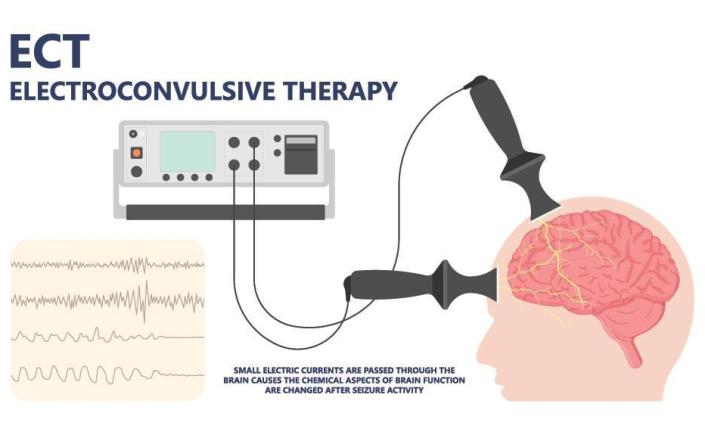
Electroconvulsive Therapy (ECT) has been and remains as one of the most controversial, yet effective, forms of therapy. But how did this idea come along and how does it work? How has the procedure changed throughout the years?

The idea of inducing a seizure to aide a patient was first thought of in the late 1920s by a scientist named Meduna. The main purpose of ECT at the time was to treat patients with schizophrenia. After successfully treating over 100 patients through a chemically induced seizure, two other scientists with the names of Ugo Cerletti and Lucio Bini decided to conduct the first electrically induced seizure.

Almost a century later, ECT is still widely used throughout the world. ECT is mostly used when other treatments are found to be unsuccessful, such as therapy and medication.  It can treat severe depression, treatment-resistant depression, severe mania, catatonia, and agitation and aggression in people with dementia. Over the years, the ECT procedure has greatly changed in order to ensure the patient’s safety and to reduce side effects.

The general procedure of ECT includes:

  • General anesthesia – makes you unconscious and unaware of the procedure
  • A brief physical exam
  • An intravenous line (IV) inserted
  • Electrode pads placed on the head
  • Muscle relaxant – helps minimize the seizure and prevent injury
  • Monitoring the patient’s brain, heart, blood pressure, and oxygen
  • Mouth guard – helps to protect the teeth and tongue from injury

With all of these features in place, the patient can relax and be completely unaware of the procedure. After ECT, the patient is put into a recovery room where they will be monitored for any potential issues. It usually takes a total of 6-12 treatments for the patient to see results. Even after symptoms improve, the patient will have to continually visit their therapist in order to keep up with the progress that they have made.

If you or someone you know is struggling with depression and/or mania please contact our psychotherapy offices in New York or New Jersey to talk to one of our licensed professional psychologists, psychiatrists, psychiatric nurse practitioners, or psychotherapists at Arista Counseling & Psychotherapy. Contact our Paramus, NJ or Manhattan, NY offices respectively at (201) 368-3700 or (212) 722-1920 to set up an appointment. For more information, please visit https://www.counselingpsychotherapynjny.com/

Sources:

https://www.mayoclinic.org/tests-procedures/electroconvulsive-therapy/about/pac-20393894

https://www.ncbi.nlm.nih.gov/pmc/articles/PMC6323557/

https://www.shutterstock.com/search/electroconvulsive-therapy

Alcohol Addiction: How to Support a Loved One with a Drinking Problem

Alcohol Addiction: How to Support a Loved One with a Drinking Problem

By Jackie Molan

Alcohol addiction is a very difficult problem to deal with, not only for the person struggling with it, but also for their loved ones. Since addiction and the subsequent recovery process tend to occur over a period of many years, it is important to understand how to support those we care about who are struggling with alcohol addiction.

Preparing for the Conversation

If you are concerned that a loved one is misusing alcohol, the first step is to do your own research about alcohol use disorder. Once you understand the signs, symptoms, and types of treatments, it will be easier to have an informed discussion with the person struggling. Give plenty of thought to what you want to say, and aim to start the discussion when the person is sober and you are both in a private space with limited likelihood for interruptions. You should avoid using terms with stigma attached, like “alcoholic,” and try to use “I” statements as much as possible to avoid sounding accusatory. For example, instead of saying “You have a problem and need to get help,” say “I care about you and am concerned for your health.”

The Conversation

It is often difficult for people to admit that they have an alcohol problem. Therefore, their first instinct might be to defend themselves and become argumentative. It is important that you stay as calm as possible and remind them that you are coming from a place of genuine care and concern. Offer to help them make a plan and take steps toward recovery, like calling a therapist to schedule an appointment. Remember that you cannot force them to go to treatment if they are unwilling, but initiating a conversation can be a good first step which might help them become more open to the idea. Many people will try to achieve sobriety on their own first, but ultimately, professional mental health treatment is the most effective way to confront alcohol addiction. 

Personal Considerations

While supporting someone with alcohol addiction issues, it is essential to remember to care for yourself as well. Set boundaries to prevent codependence, or becoming more invested in your loved one’s health than your own life. Discuss their comfort level with having alcohol in the house or having others drink in front of them. Above all, remain interested and invested in their recovery process. Support them in situations where they are involuntarily exposed to alcohol, and ask them about their treatment. Your support can be an incredibly meaningful piece in their journey to recovery.

If you or someone you know is struggling with addiction, please contact our psychotherapy offices in New York or New Jersey to talk to one of our licensed professional psychologists, psychiatrists, psychiatric nurse practitioners, or psychotherapists at Arista Counseling & Psychotherapy. Contact our Paramus, NJ or Manhattan, NY offices respectively, at (201) 368-3700 or (212) 722-1920 to set up an appointment. For more information, please visit http://www.counselingpsychotherapynjny.com/

Sources:

https://www.psychologytoday.com/us/basics/alcohol#supporting-someone-with-a-drinking-problem

https://www.healthline.com/health/most-important-things-you-can-do-help-alcoholic#takeaway

https://americanaddictioncenters.org/alcoholism-treatment/loving-an-addict

Eating Disorders: Recognizing Signs in Others

Eating Disorders: Recognizing Signs in Others

By Kim Simone

Warning Signs of Eating Disorders

Signs of eating disorders oftentimes go unrecognized by those around the struggling individual. While eating disorders such as anorexia nervosa, bulimia nervosa, and binge eating disorder each have their own risks, it is critical to know that they can be fatal if left untreated for a certain period of time. Fortunately, eating disorders can be treated by mental health care providers. Supportively encouraging an individual struggling with an eating disorder to seek treatment can save their life.

Warning signs may include but are not limited to:

Behavioral Signs:

  • Skipping meals
  • Withdrawal from friends and activities
  • Refusal to eat certain foods
  • Expressing preoccupation with food, weight, nutrition, etc.
  • Consuming only small portions of food at a time

Emotional Signs:

  • Extreme concern with body shape and size
  • Extreme mood swings

Physical Signs:

  • Noticeable fluctuations in weight
  • Dizziness and fainting
  • Feeling cold regularly
  • Difficulties concentrating
  • Stomach cramps and other gastrointestinal issues

Seeking Treatment

It is important to seek help as soon as warning signs appear given that the chance for recovery from an eating disorder increases the earlier it is detected, diagnosed, and treated. Cognitive Behavioral Therapy (CBT) is a commonly used psychotherapeutic approach for eating disorder treatment. It emphasizes the interaction between an individual’s thoughts, feelings, and behaviors. The approach is centered on shifting negative thoughts and behaviors to more positive thoughts and healthier alternatives.

The treatment for different eating disorders such as anorexia nervosa, bulimia nervosa, and binge eating disorder vary. During treatment, a mental health care provider can screen and treat for other underlying issues, such as anxiety and depression, as these can influence treatment outcomes. Medications can be an effective treatment option when combined with psychotherapy in treating individuals struggling with an eating disorder. Supportively encouraging an individual to seek treatment for an eating disorder can be lifesaving.

If you or someone you know is struggling with an eating disorder, please contact our psychotherapy offices in New York or New Jersey to talk to one of our licensed professional psychologists, psychiatrists, psychiatric nurse practitioners, or psychotherapists at Arista Counseling & Psychotherapy. Contact our Paramus, NJ or Manhattan, NY offices respectively, at (201) 368-3700 or (212) 722-1920 to set up an appointment. For more information, please visit http://www.counselingpsychotherapynjny.com.

Sources:

Warning Signs And Symptoms

https://www.yourhealthinmind.org/mental-illnesses-disorders/eating-disorders/treatment

Image Source:

https://integrativelifecenter.com/how-diet-culture-influences-eating-disorders/

Anxiety in Athletes

Anxiety in Athletes

By Fiona McDermut

            Anxiety disorders are quite common in recent times, and can interfere with completing simple daily tasks. One population in which anxiety disorders can be particularly concerning is student athletes. Student athletes experience a tremendous amount of pressure coming from multiple facets of life. This includes pressure to perform/compete well, pressure to attend athletic training daily, pressure to maintain a healthy/fit figure, and the pressure to keep up with academic assignments. Competition and a moderate level of stress have proven to be beneficial to performance in many circumstances, but the overwhelming stress that often results from being a student athlete can be debilitating and may impact success.

            Although athletes may be at an increased risk for anxiety disorders, they often find that their schedules are too busy to seek help. In order to perform physically to one’s fullest potential, mental health is just as important as physical health. Anxiety can cause both mental and physiological symptoms that can impact athletic performance.

These symptoms include:

  • Feeling powerless
  • Feeling weak or tired
  • Increased heart rate
  • Rapid breathing
  • Trembling

            While decreasing the level of competition and pressure for student athletes may be a lost cause, there are ways to help deal with the feelings of anxiety that accompany this. First and foremost, it is crucial to allow yourself to take a day off when the pressure becomes too overwhelming. Do something that makes you happy, or simply give your body and mind a day of relaxation. This is especially important if you are injured, or not feeling well mentally or physically.

            If feelings of anxiety persist, it can be helpful to seek therapy. Therapy sessions provide an outlet to share emotions, as well as a professional who can help to manage anxiety. Some of the main treatments for anxiety include Cognitive Behavioral Therapy, Psychotherapy, and medication (mainly SSRIs and antidepressants). A mental health professional will work with your personal needs to establish the most effective treatment plan.

If you or someone you know is struggling with anxiety, please contact our psychotherapy offices in New York or New Jersey to talk to one of our licensed professional psychologists, psychiatrists, psychiatric nurse practitioners, or psychotherapists at Arista Counseling & Psychotherapy. Contact our Paramus, NJ or Manhattan, NY offices respectively, at (201) 368-3700 or (212) 722-1920 to set up an appointment. For more information, please visit http://www.counselingpsychotherapynjny.com/

Sources:

https://www.ncaa.org/sports/2014/10/8/mind-body-and-sport-anxiety-disorders.aspx

Image Source:

https://www.cnbc.com/2021/09/13/heres-impact-of-ncaa-letting-college-athletes-profit-off-their-marketability.html

Post-Traumatic Stress Disorder: The Aftermath of a School Shooting

Post-Traumatic Stress Disorder: The Aftermath of a School Shooting

By Fiona McDermut

            After yet another school shooting in the United States left 19 children dead, many parents in grief, and a multitude of survivors in agony, it is time we recognize the impact that is left on the survivors of such devastating events. Although children are known to be particularly resilient, such impactful experiences may lead to post-traumatic stress disorder (PTSD).

            In children, PTSD symptoms are often overlooked or confused with other psychiatric disorders. These symptoms may include restlessness, fidgety behavior, trouble focusing or staying organized, reliving traumatic events through thought or play, nightmares, inconsistent sleep patterns, intense fear or sadness, angry outbursts, avoiding topics associated with the traumatic event, and feelings of denial. These emotions may be triggered by something that reminds the child of the event.

            Such devastating events are hard for anyone to understand, especially a child. If your child has experienced trauma, the symptoms can be best treated if they get in contact with a mental healthcare provider as soon as possible. Even if the child is not ready to talk about the events, many psychologists and psychotherapists can understand the situation by observing the child’s behaviors. Multi modal psychotherapy including cognitive behavioral therapy is frequently used in these situations. In certain situations, your child’s therapist may recommend the addition of safe and helpful medication.

            School should be a safe space for children, but after recent events, apprehensiveness in regard to attending school is understandable. If you or your child is experiencing extreme persistent fear following the recent events, your child will benefit from meeting with a mental health professional to get necessary treatment for his or her symptoms.

            If you or someone you know is struggling with post-traumatic stress disorder, please contact our psychotherapy offices in New York or New Jersey to talk to one of our licensed professional psychologists, psychiatrists, psychiatric nurse practitioners, or psychotherapists at Arista Counseling & Psychotherapy. Contact our Paramus, NJ or Manhattan, NY offices respectively, at (201) 368-3700 or (212) 722-1920 to set up an appointment. For more information, please visit http://www.counselingpsychotherapynjny.com/

Sources:

https://www.cdc.gov/childrensmentalhealth/ptsd.html

Image Source:

https://www.unicef.org/parenting/how-talk-your-children-about-conflict-and-war

Body Image: The Role of Body Dissatisfaction on Self-Esteem

Body Image: The Role of Body Dissatisfaction on Self-Esteem

By Kim Simone

Body dissatisfaction is characterized by an individual’s persistent negative thoughts and feelings about his or her body. It is commonly influenced by external factors such as societal norms and perceived pressure from other individuals. High levels of body dissatisfaction can lead to low self-esteem and ultimately lead to harmful eating and exercising behaviors.

On the contrary, having a positive body image is associated with self-acceptance, higher self-esteem, and having healthier practices in regards to eating and exercising.

The Four Primary Elements of Body Image:

  1. Perceptual body image:  the way you see your body
  2. Cognitive body image:  the way you think about your body
  3. Affective body image: the way you feel about your body (often characterized by satisfaction or dissatisfaction)
  4. Behavioral body image: the behaviors you engage in as a result of your body image (may include unhealthy eating behaviors and exercising habits)

Body dissatisfaction fluctuates throughout the lifespan and is correlated with lower levels of self-esteem. These concerns are linked with poor self-concept, which not only affects physical and mental health, but also impacts individuals socially and academically. Since body dissatisfaction often leads to low self-esteem, individuals may be at risk for developing more serious disorders. A poor self-concept, and consequently a poor body image, may influence eating behaviors, making individuals more at risk for developing an eating disorder.

Given that the chance for recovery from an eating disorder increases the earlier it is detected, diagnosed, and treated, it is important to seek help as soon as warning signs appear. Cognitive Behavioral Therapy (CBT) is a commonly used psychotherapeutic approach for eating disorder treatment. The approach emphasizes having the individual understand the interaction and inter relatedness between his or her thoughts, feelings, and behaviors. This therapy focuses on shifting negative thoughts and behaviors to more positive thoughts and healthier alternatives. Furthermore, a mental health care provider can screen and treat for other underlying issues, such as anxiety and depression, as these can influence treatment outcomes.  

If you or someone you know is struggling with body dissatisfaction, self-esteem, and/or eating disorders, please contact our psychotherapy offices in New York or New Jersey to talk to one of our licensed professional psychologists, psychiatrists, psychiatric nurse practitioners, or psychotherapists at Arista Counseling & Psychotherapy. Contact our Paramus, NJ or Manhattan, NY offices respectively, at (201) 368-3700 or (212) 722-1920 to set up an appointment. For more information, please visit http://www.counselingpsychotherapynjny.com/

Sources:

https://nedc.com.au/eating-disorders/eating-disorders-explained/body-image/

https://psycnet.apa.org/record/2012-14627-021

https://www.waldenu.edu/online-masters-programs/ms-in-clinical-mental-health-counseling/resource/what-is-body-dissatisfaction-and-how-does-it-lead-to-eating-disorders

Image Source:

https://img.huffingtonpost.com/asset/5bb5f917210000d501c88483.jpeg?ops=scalefit_720_noupscale&format=webp

Depression: Identifying Signs of Depression in Someone Close to You

Identifying Signs of Depression in Someone Close to You

By Fiona McDermut

            Understanding the signs and symptoms of mental illness is not a simple task, especially when it comes to someone you care about. Even when the signs of mental illness are identified, it is difficult to decide what to do next. The COVID-19 pandemic prompted a 25% increase in cases of depression in the world. In a time of great distress for many, it is vital to look out for the people we love.

            If you suspect that someone you know may be struggling with depression, it is crucial to look out for the following signs:

  • Loss of interest
  • Extreme loss or increase in appetite
  • Fatigue
  • Hopelessness
  • Suicidal thoughts or behaviors
  • Irritability
  • Changes in sleep patterns
  • Physical symptoms such as headaches, stomachaches, and sexual dysfunction

            Some of these signs may seem obvious, but many who struggle with depression may cut themselves off from the social world. This makes it difficult to detect the warning signs of mental illness. Therefore, it is important to check in on the people you care about, especially during a time in which the majority of social interactions have been cut off, limited, or turned to strictly virtual contact. If someone you know is struggling with symptoms of depression, it may be necessary to seek medical help. There are many causes of depression, many types of depression, and many treatment methods. A mental health care professional will be able to identify the key factors that go into developing a treatment plan that works best for each individual in need.

The following methods are used to treat people with depression:

  • Cognitive Behavioral Therapy
  • Hypnosis
  • Antidepressant medication
  • Brain stimulation therapy

            Admitting that one needs help is not an easy task. Therefore, providing support, comfort, and assistance for a loved one can make a tremendous difference in one’s mental health outcomes. Simply having one strong social connection has been shown to have multiple health benefits. Most people are not trained in the treatment of depression, but everyone is capable of spending time with those they love and guiding them through the process of recovery.

If you or someone you know is struggling with depression, please contact our psychotherapy offices in New York or New Jersey to talk to one of our licensed professional psychologists, psychiatrists, psychiatric nurse practitioners, or psychotherapists at Arista Counseling & Psychotherapy. Contact our Paramus, NJ or Manhattan, NY offices respectively, at (201) 368-3700 or (212) 722-1920 to set up an appointment. For more information, please visit http://www.counselingpsychotherapynjny.com/

Sources:

https://www.who.int/news/item/02-03-2022-covid-19-pandemic-triggers-25-increase-in-prevalence-of-anxiety-and-depression-worldwide#:~:text=COVID%2D19%20pandemic%20triggers%2025,of%20anxiety%20and%20depression%20worldwide

https://www.healthline.com/health/depression/recognizing-symptoms#lostinterest

Image Source: https://ggsc.s3.amazonaws.com/images/uploads/How_Friends_Help_You_Regulate_Your_Emotions.jpg

The Link between Alcoholism and Depression

By Jenna Chiavelli

Alcoholism and Depression

Alcohol Use Disorder is characterized by disordered drinking that leads to significant distress and changes in behavior. One of the strongest predictors of alcoholism is family history, as genetics can attribute to one’s predisposition to alcoholism. Underlying psychological disorders contribute to alcoholism as well as people turn to substances to numb pain. Socially speaking, one’s environment can lead to alcoholism if the environment favors a culture of drinking.

Addiction is a controlling disease and when mixed with depression, treatment can become even more complex. Depression is a common co-occurring disorder with at least 30%-40% of alcoholics experiencing a depressive disorder. Depression is a mood disorder which can generate persistent feelings of sadness, worthlessness, and pessimism, disrupting everyday life. The combination of addiction and depression is especially harmful as the conditions fuel each other.

Depression Contributing to Alcoholism

Substances like alcohol can be appealing to those suffering from depression, as alcohol’s sedating effects offer an escape from overwhelming feelings of sadness. This form of self-medication can temporarily relieve depressive symptoms, but this is not a permanent solution. Over time, the feelings of sadness linger despite the sedating effects of alcohol, leading those struggling with depression to increase their alcohol intake to suppress the pain. This dangerous cycle contributes to a substance abuse disorder.

Alcoholism Contributing to Depression

Alcohol releases neurotransmitters in the brain, resulting in the euphoric feeling of being drunk. As alcohol users consistently chase this high, the copious amount of alcohol is simultaneously limiting the brain’s ability to sustain neurotransmitters at normal levels. This disruption in the nervous system impacts one’s mood; therefore, when there is a reduction of neurotransmitters a person may feel symptoms of depression. Additionally, alcohol increases the duration and severity of depressive episodes and increases the likelihood of suicidal thoughts. 

Drinking alcohol also alters behavior and fuels acts of impulse. The consequences of one’s drunken actions may be overwhelming leading to feelings of sadness and shame. Heavy drinking can disrupt relationships and interfere with work, damaging one’s social sphere. The constant ramifications from drinking can easily contribute to depression as well.

Treatment for Co-Disorders

In some cases, removing alcohol from the equation is enough to relieve symptoms of depression. In other cases, therapy, rehabilitation, and medications may be necessary. It is important to note that medication alone will not effectively treat co-occurring depression and addiction. Therapy is required in order to understand what originally contributed to one’s depression/addiction. Gaining a deeper understanding to one’s emotions and history could help prevent a relapse in the future. Additionally, confiding in others and sharing stories of similar nature reminds people that they are not alone in their struggles, fostering a sense of community. With a little bit of help, it is possible to break the dangerous cycle of alcohol and depression.

If you or someone you know is seeking therapy for depression and/or addiction, please contact our psychotherapy offices in New York or New Jersey to talk to one of our licensed professional psychologists, psychiatrists, psychiatric nurse practitioners, or psychotherapists at Arista Counseling & Psychotherapy. Contact our Paramus, NJ or Manhattan, NY offices respectively, at (201) 368-3700 or (212) 722-1920 to set up an appointment. For more information, please visit http://www.counselingpsychotherapynjny.com/

Sources

https://www.addictioncenter.com/alcohol/alcohol-depression/#:~:text=At%20least%2030%25%2D40,of%20the%20symptoms%20of%20depression.

https://www.psychologytoday.com/us/blog/addiction-recovery/202102/healing-depression-and-addiction

https://www.psychologytoday.com/us/basics/alcohol

Image