College Stress

By: Charleene Polanco

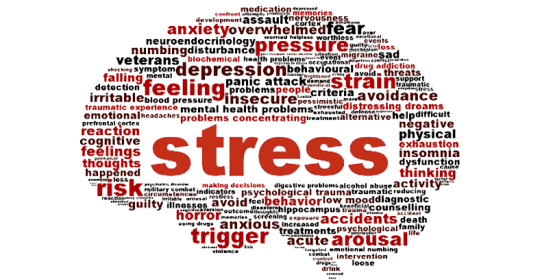
Change is a natural part of life. Some people gladly welcome change and growth, while others tend to panic when the stability of what they are used to is gone. College is one of the biggest transitions a person can experience, because it is a time for independence. Leaving the safety of your house, parents, and friends is necessary to have new experiences and make connections. College introduces a change in lifestyle, greater workload, different responsibilities, and new relationships. With all of these changes, many students experience college stress because they are unable to effectively handle the different aspects of their lives. College stress is more common than we think, with six out of ten students experiencing stress to the point of it becoming detrimental to their college lives. The symptoms of college stress include headaches, fatigue, depression, anxiety, and an inability to cope.  The more serious symptoms of college stress are suicidal thoughts, drug/alcohol abuse, social withdrawal, physically violent outbursts, and uncontrollable crying.

Since stress is so prevalent among college students, there are many tips available to help reduce and cope with stress. It is recommended that college students seek out stress management resources. On college campuses, there are many resources available to students, which can help them manage their lives. Counseling services are one of the many resources designed to hear student’s problems and provide them with solutions. If a person is uncomfortable with contacting counseling services, they can start out by talking to a trusted friend, advisor, or family. However, if you are experiencing the more serious symptoms of college stress, it is highly encouraged that you seek out counseling services or other professional resources.

If you or someone you know is suffering from college stress, please contact our psychotherapy offices in New York or New Jersey to talk to one of our licensed professional psychologists, psychiatrists, psychiatric nurse practitioners, or psychotherapists at Arista Counseling & Psychotherapy. Contact our Paramus, NJ or Manhattan, NY offices respectively, at (201) 368-3700 or (212) 722-1920 to set up an appointment. For more information, please visit http://www.counselingpsychotherapynjny.com/.

Sources:

NYU. “Stress.” Stress, NYU, www.nyu.edu/life/safety-health-wellness/live-well-nyu/priority-areas/stress.html

“Student Guide to Balancing Stress.” Best Colleges, Best Colleges , 28 June 2018, www.bestcolleges.com/resources/balancing-stress/.


Alcoholism: A Life Altering Disorder

By: Charleene Polanco

According to Mayo Clinic, alcoholism, also known as alcohol use disorder, is defined as an alcohol use pattern that involves the inability to control ones drinking. For many who are on track to become an alcoholic, it seems pretty easy to keep convincing themselves that they have the ability to quit whenever they want. However, when he or she realizes their alcohol tolerance has increased, and that he or she experiences withdrawal symptoms when not drinking, an alcohol use disorder has developed. The common symptoms of alcoholism include:

  • Uncontrolled alcohol consumption
  • Using alcohol in unsafe situations, such as driving
  • Failure to fulfill major school or work obligations because of repeated alcohol use
  • Craving/ urges to drink alcohol
  • Withdrawal symptoms like nausea, sweating, and shaking
  • Unsuccessful attempts to cut down on the amount of alcohol consumed

Alcoholism is an important issue, because it affects a huge number of the American population. As many as 18 million Americans suffer from alcoholism, and about 100,000 die as a result. Alcoholism is also associated with other social and domestic problems, like job absenteeism and spousal/child abuse. With such a significant portion of the U.S. population suffering from this terrible disorder, and its effects on the individual and loved ones, it is imperative that a person seek help when afflicted with alcohol use disorder.

If you or someone you know is suffering from alcohol use disorder, please contact our psychotherapy offices in New York or New Jersey to talk to one of our licensed professional psychologists, psychiatrists, psychiatric nurse practitioners, or psychotherapists at Arista Counseling & Psychotherapy. Contact our Paramus, NJ or Manhattan, NY offices respectively, at (201) 368-3700 or (212) 722-1920 to set up an appointment. For more information, please visit http://www.counselingpsychotherapynjny.com/.


Sources:

Mayo Clinic. (2018, July 11). Alcohol use disorder. Retrieved October 9, 2018, from https://www.mayoclinic.org/diseases-conditions/alcohol-use-disorder/symptoms-causes/syc-20369243

WebMD. (2018). Understanding Alcohol Use Disorder — the Basics. Retrieved October 9, 2018, from https://www.webmd.com/mental-health/addiction/understanding-alcohol-abuse-basics#1


Self-esteem

By: Charleene Polanco

Have you ever experienced a time in your life when you felt that, “you weren’t good enough?” If you have, self-esteem is at the core of this feeling, because it involves perceptions one has of oneself. These perceptions eventually become beliefs about self-worth and value. That is why self-esteem is so important in a person’s life, because how people think of themselves, is what drives them towards or away from certain actions. High self-esteem is often associated with multiple accomplishments in life. This is because people with high self-esteem, believe that they are worthy of the opportunities they get, and, therefore, make the most out of them. One the other hand, those with low self-esteem, constantly believe that they are not good enough. When an opportunity presents itself to them, people with low self-esteem feel like they do not deserve it, and do not perform their best. This is why low self-esteem is associated with depression and anxiety. If you are suffering from low self-esteem, here are a couple of tips available to raise self-esteem:

  • Identify triggers of low self-esteem: if you are able to recognize the places or people that lower your self-esteem, you are able to avoid or prepare for them. This way, learning experiences come from each event.
  • Avoid negative self-talk: if you do not think negatively about yourself, you are able to feel better and attempt things you would normally avoid.
  • Connect with loved ones: family members and friends can be great emotional support because people who care about you, will also make you feel loved and wanted. Nurture these feelings so that eventually you are able to see yourself as they do, and will slowly learn how to love yourself a little more each day.

If you or someone you know is suffering from low self-esteem, please contact our psychotherapy offices in New York or New Jersey to talk to one of our licensed professional psychologists, psychiatrists, psychiatric nurse practitioners, or psychotherapists at Arista Counseling & Psychotherapy. Contact our Paramus, NJ or Manhattan, NY offices respectively, at (201) 368-3700 or (212) 722-1920 to set up an appointment. For more information, please visit http://www.counselingpsychotherapynjny.com/.

Sources:

Gross, S. J. (2016, July 17). How To Raise Your Self-Esteem. Retrieved October 8, 2018, from https://psychcentral.com/lib/how-to-raise-your-self-esteem/

Mind for Better Mental Health. (2013). How to increase your Self-esteem. Retrieved October 8, 2018, from https://www.mind.org.uk/information-support/types-of-mental-health-problems/self-esteem/#.W9cKgY2WyM8


Anxiety: Social Anxiety Disorder

By: Charleene Polanco

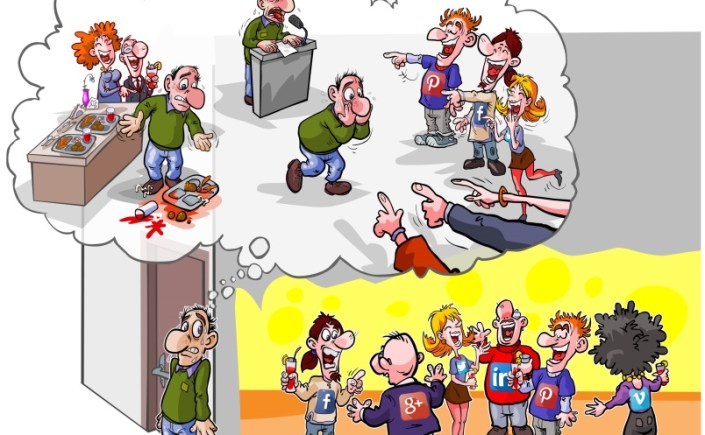
Social anxiety disorder is characterized by an intense fear of being rejected by people. Many people feel some level of anxiety when they are placed into unknown social situations. However, those suffering from social anxiety disorder may avoid socializing altogether, because they cannot handle being judged or seen in a negative way by others. A person with social anxiety disorder, can experience anxiety during many different situations like; going on a date, eating in front of people, making eye contact, public speaking, or going to parties. Some of the symptoms of social anxiety include:

  • Rapid heartbeat
  • Uneasy stomach/diarrhea
  • Muscle tension
  • Lightheadedness
  • Sweating

Social anxiety can cripple a person’s life, because normal everyday interactions are triggers of anxiety and discomfort. This is why many people who suffer from social anxiety disorder choose to isolate themselves from everyone. In order to reduce the fear of rejection, people with social anxiety disorder are encouraged to be exposed to social situations, not run away from them. Although being around others is what brings them distress, socializing is also what allows people with social anxiety to change the way they think about social engagements. Instead of having negative perceptions about the way people view them, the more they socialize and are accepted by others, the more socially anxious people see that those perceptions are not true.

If you or someone you know is suffering from social anxiety, please contact our psychotherapy offices in New York or New Jersey to talk to one of our licensed professional psychologists, psychiatrists, psychiatric nurse practitioners, or psychotherapists at Arista Counseling & Psychotherapy. Contact our Paramus, NJ or Manhattan, NY offices respectively, at (201) 368-3700 or (212) 722-1920 to set up an appointment. For more information, please visit http://www.counselingpsychotherapynjny.com/.

Sources:

Anxiety and Depression Association of America. (2018). Social Anxiety Disorder. Retrieved October 01, 2018, from https://adaa.org/understanding-anxiety/social-anxiety-disorder

Nordqvist, C. (2018, February 05). What’s to Know About Social Anxiety Disorder? Retrieved October 01, 2018, from https://www.medicalnewstoday.com/articles/176891.php

WebMD. (2018). What Is Social Anxiety Disorder? Retrieved October 01, 2018, from https://www.webmd.com/anxiety-panic/guide/mental-health-social-anxiety-disorder#1


Panic Attacks and Anxiety

By: Dianna Gomez

Panic. Worry. Fear. Helplessness. What is wrong with me? Why am I feeling like this? Why is my heart beating out of my chest? Am I dying? Why can’t I make it stop?!

For some of us, these emotions are all too familiar. Anxiety can be a scary thing, especially when you’re not totally up-to-date on what exactly it is. What are you to do when you feel like your whole world is crashing down around you and there’s nothing you can do to stop it? Well, have no fear because I have a few helpful tips to share!


Here are 5 things that you can do to calm yourself down when suffering from an anxiety attack:

  • Take Deep Breathes

Inhale. Exhale. Tell yourself that although it may not feel like it right now, everything will be okay.

  •  Talk Yourself Down

Repeat a calming/kind phrase to yourself OUT LOUD. Remind yourself that you are safe, loved, and never alone.

  • Seek Help

Sometimes we tend to insist that we can get through tough times all on our own, but there is no shame in asking for help. Whether it be a neutral professional, a loved one or someone you trust, find someone with whom you can talk out your troubles.

  • Use Music and Visuals

Never underestimate the power of calming music and visuals. Whether it be classical music, peaceful nature videos/sounds, or your favorite John Mayer song – let the music play and your worries float away!

  • Put Your Anxiety on Ice

Create sensory stimulation by gently sticking both of your hands into a bowl of very cold water with ice. The more ice the better.


If either you or anybody you know suffers from anxiety, the licensed psychologists, psychiatrists, psychiatric nurse practitioners, and psychotherapists at Arista Counseling & Psychotherapy can help you. Contact our Paramus, NJ or Manhattan, NY offices respectively, at (201)-368-3700 or (212)-722-1920 to set up an appointment. For more information, visit us at https://www.counselingpsychotherapynjny.com/.


Anxiety: Test Anxiety

By: Charleene Polanco

Have you ever had a moment of extreme panic, right before the beginning of a test? How about feeling like you are about to faint, or excessive sweat during an exam? If these symptoms describe your test-taking experience, then you might be suffering from test anxiety.

Test anxiety is defined as a psychological condition where people experience severe distress and anxiety during exams. Some causes of test anxiety are fear of failure and lack of preparation. A fear of failure can result from wanting to perform well. One who associates their self-worth with a test’s outcome, can feel devastated when the grade is not what he or she expected. This creates a vicious cycle, where because the person is afraid of feeling worthless, when they fail, they become anxious while taking the exam.  As a result, their performance level on tests drops. Lack of preparation is another cause of test anxiety, which occurs when students do not study properly for an exam. For those who like to wait until the night before an exam, to cram five chapters worth of information into their brain, tests are a constant source of anxiety and stress.

Symptoms of test anxiety can be split up into three categories; physical, emotional, and behavioral/cognitive symptoms. Some physical symptoms include headaches, nausea, excessive sweating, and rapid heartbeat. Emotional symptoms can be expressed as feelings of anger, fear, helplessness, and disappointment.  Behavioral/cognitive symptoms are difficulty concentrating and negative thinking.

To help manage test anxiety, here are some tips;

  • Properly prepare for exams
  • Develop good test-taking skills
  • Engage in relaxation techniques, like taking deep slow breaths
  • Keep a positive mindset

If you or someone you know is suffering from test anxiety, please contact our psychotherapy offices in New York or New Jersey to talk to one of our licensed professional psychologists, psychiatrists, psychiatric nurse practitioners, or psychotherapists at Arista Counseling & Psychotherapy. Contact our Paramus, NJ or Manhattan, NY offices respectively, at (201) 368-3700 or (212) 722-1920 to set up an appointment. For more information, please visit http://www.counselingpsychotherapynjny.com/.

Source:

“Test Anxiety.” Anxiety and Depression Association of America, ADAA, Anxiety and Depression Association of America , 2018, adaa.org/living-with-anxiety/children/test-anxiety

Stress: The Detrimental Effects of Stress on the Body

By: Charleene Polanco

Stress is something that everyone experiences at some point in their lives. Stress is defined as a physical, mental, or emotional strain or tension, and whether it is about taking a final exam for class, going off to college for the first time, or work-related, stress can affect the way we perform. If gone unchecked, stress can lead to a variety of negative consequences on the body, which will be discussed. Stress has been linked to a number of physical and emotional disorders, like depression, anxiety, heart attacks and stroke. A constant high level of stress, can lead to immune system disturbances, which can cause an increase in your body’s susceptibility to infections. Stress can also have direct effects on the skin leading to rashes and hives.

Unlike rashes and hives, which are visible, stress can affect various systems, organs, and tissues within the body, signs that are not seen, and are, therefore, much harder to notice. Some parts of the body affected by stress are the nervous and cardiovascular systems. When stressed, the nervous system signals the body’s adrenal glands to secrete adrenalin and cortisol. Since both of these hormones cause high blood pressure, a person who is under constant stress, also has elevated blood pressure which can lead to heart problems in the future. Even if a stress episode is considered to be minor, repeated minor stress episodes can negatively impact a person’s cardiovascular system by causing inflammations in the coronary arteries. This can eventually cause heart attacks. In order to prevent the negative consequences of untreated high levels of stress, it is important to recognize the symptoms. There are multiple symptoms of stress, some of which include, frequent headaches, cold hands/feet, dry mouth, heartburn, depression, forgetfulness, and rapid or mumbled speech.

If you or someone you know is suffering from stress, please contact our psychotherapy offices in New York or New Jersey to talk to one of our licensed professional psychologists, psychiatrists, psychiatric nurse practitioners, or psychotherapists at Arista Counseling & Psychotherapy. Contact our Paramus, NJ or Manhattan, NY offices respectively, at (201) 368-3700 or (212) 722-1920 to set up an appointment. For more information, please visit http://www.counselingpsychotherapynjny.com/.

Source:

“Stress Effects.” Common Signs and Symptoms of Stress, The American Institute of Stress, 4 Jan. 2017.

Stress: The Endless Pressures on the Brain

By: Sanjita Ekhelikar

A common factor that unites all people is experiencing stress. Stress is the way that our bodies react to various situations including pressure, threats, challenges, or barriers. All individuals experience this in some form in their work, home, or school settings, some to a greater degree than others. We live in a world where we often encourage those around us to do more, work harder and longer, and essentially take on more stressors. This is a very dangerous situation, as stress can be very harmful to our brains.

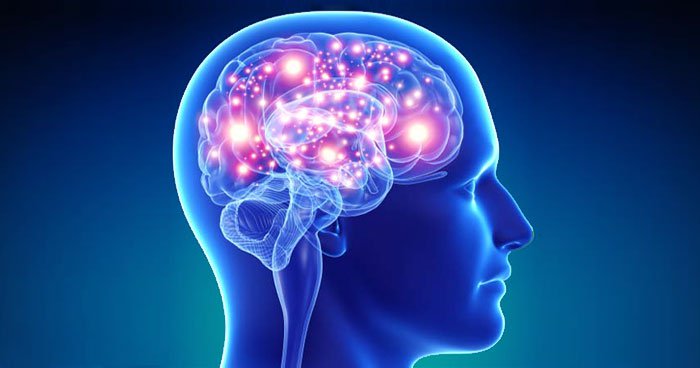
There are numerous impacts that prolonged stress can have on our brains. When a stressor is present, the body has several physical reactions, including increased heart rate, sweating, raised levels of epinephrine, and constricted blood vessels. In our brains, a signaling pathway is activated involving the hippocampus and pituitary gland which results in the release of the hormone glucocorticoid, a stress hormone. This hormone is generally regulated by the body, released in fixed amounts when we wake up and is necessary for our body to operate. However, when stress is chronic and the brain pathway is activated excessively, glucocorticoids can inhibit growth, bone formation, and the immune response. They are linked to mental illnesses like depression and anxiety, destroying neurons, impairing memory, and slowing down cognitive function.

As stress is faced recurrently, the brain learns to acclimate to the body being in constant states of elevated tension and anxiety. The circuitry of neurons and connections of synapses changes to adapt to the higher levels of glucocorticoids. Additionally, people exposed to more stress noted to have a larger amygdala in the brain, which is the region responsible for processing threatening and emotional situations. A larger amygdala indicates that the individual is more susceptible to stressors and is unable to recover from them well. Finally, such individuals were also seen to have a smaller hippocampus and prefrontal cortex, both responsible for decision making and rational thinking.

It is evident that the stressful lifestyles that many of us live can have a severe adverse impact on our brains and health, most invisible to the eye but nevertheless perilous. Instead of endorsing demanding lives and tiring jobs, which can have negative consequences, we should be inspiring people to learn how to relax and take time for themselves. People should be urged to engage in activities such as meditation, pursue hobbies, spending time with loved ones, and give their brains a break from the stressors and anxiety that are continuously causing pressure.

If you or someone you know is suffering from excessive stress and/or mental illness, please contact our psychotherapy offices in New York or New Jersey to talk to one of our licensed professional psychologists, psychiatrists, psychiatric nurse practitioners, or psychotherapists at Arista Counseling & Psychotherapy. Contact our Paramus, NJ or Manhattan, NY offices respectively, at (201) 368-3700 or (212) 722-1920 to set up an appointment. For more information, please visit http://www.counselingpsychotherapynjny.com/.

Neurofeedback

Leah Flanzman

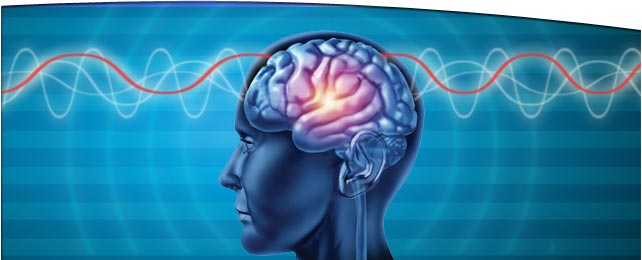
There has recently been a great deal of discussion on a psychological treatment called neurofeedback. Neurofeedback assists people in consciously controlling their brain waves by attaching subjects to an EEG machine that extracts various brain-activity components and feeds them back to the patient.  The most common protocols used in neurofeedback training are alpha, beta, theta, and alpha/theta protocols.  The way that you select the placement of electrodes on a patients head depends on their specific brain functions and specific symptoms.  The goal is to allow the subject to assess their progress and adjust their brain waves accordingly to achieve optimal performance.  However, the effectiveness and practicality of the treatment is under debate.

According to the Basic and Clinical Neuroscience journal, many studies conducted on neurofeedback therapy reveal methodological limitations that question its effectiveness. For example, with the alpha treatment protocols, it remains unknown exactly how many treatment sessions are necessary before patients can consciously possess the ability to control their alpha waves.  Once an optimal performance is achieved, it’s difficult to study the long-term effects of these treatments, in other words how long the effects last without feedback.

The pros of neurofeedback are that it’s a safe and non-invasive procedure that has been proven effective in treating certain disorders such as ADHD, anxiety, depression, epilepsy, insomnia, drug addictions, and learning disabilities. Despite this, more scientific evidence of its effectiveness must be conducted before we can consider it a valid treatment.  It’s also important to keep in mind that it’s a very expensive procedure that is not covered by many insurance companies, and is very time consuming to complete.

If you or someone you know thinks they have ADHD, anxiety, depression, or drug addictions, or learning disabilities, the psychologists, psychiatrists, and psychotherapists at Arista Counseling and Psychiatric Services can help.  Contact the Bergen County, NJ or Manhattan offices at (201) 368-3700 or (212) 722-1920.  Visit http://www.counselingpsychotherapynjny.com for more information.

Neuroplasticity

Neuroplasticity

By: Leah Flanzman

The human brain has the power to grow, mold, and adapt to the course of your life in order to best cater to your overall happiness and well-being. This concept is known as neuroplasticity, and occurs when the brain alters its physical structure and changes its circuits so we can better imagine, remember, feel, experience pain, dream, and learn.  Neuroplasticity is similar to the popular expression “it’s like riding a bike.”  Once you acquire a skill, your neurons kick into gear and remember their specific pathways so that each time this skill is performed, they are pre-programmed on what to do.  These pathways strengthen over time as new synapses form maximizing these skills.

Neuroplasticity can be a valuable tool for rewiring how your mind thinks and reacts to certain situations. It can foster increased happiness by retraining your brain to strengthen pathways that promote happiness as an alternative to worry or stress in light of certain situations.  The activities that you choose to do can alter the structure of your brain.  For example, if you are stuck in a funk, doing something positively stimulating for the brain will train it to associate the negative feelings with happier ones.  Your moldable brain will remember the pathways it took to achieve happiness and the next time you experience sadness, it will automatically kick into positivity gear.   Additionally, you can trick your brain into happiness pathways by imagining yourself in your desired mood.  Your brain lacks the capability to distinguish between imagination and reality so if you visualize a desired image of happiness long enough, your brain will believe it to be true and trigger the emotion.

When your brain fills up with neural connections that are relevant to your life, the ones that are unnecessary will begin to deteriorate. Your clever mind can form creative ways to suppress depressive thoughts and shine light on positive thoughts so your unproductive nature fades into the background.  Options that can help you in your quest to mold your brain towards greater happiness include:

  • Cognitive behavioral therapy
  • Mindfulness based cognitive therapy
  • Visualization
  • Relaxation
  • Hypnosis
  • Nurturance
  • Stimulation

If you or someone you know thinks they could benefit from therapy that aids in restructuring their brain to think positively, please contact our psychotherapy offices in New York or New Jersey to talk to one of our licensed professional psychologists, psychiatrists, psychiatric nurse practitioners, or psychotherapists at Arista Counseling & Psychotherapy. Contact our Paramus, NJ or Manhattan, NY offices respectively, at (201) 368-3700 or (212) 722-1920 to set up an appointment. For more information, please visit http://www.counselingpsychotherapynjny.com/.