Post-Grad Depression

Depression/Post-College

By: Ingrid Guevara

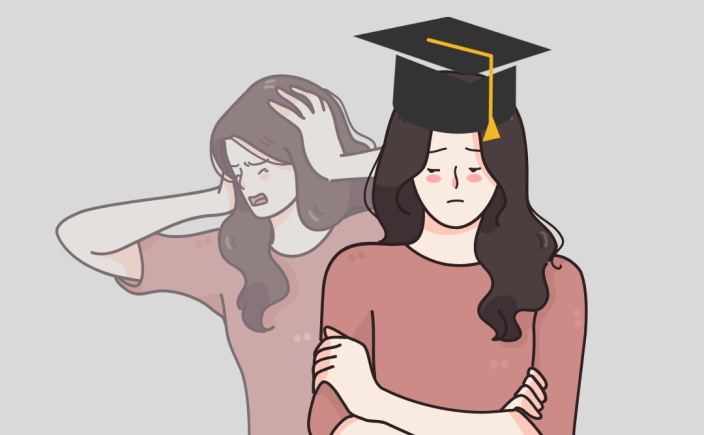
Everyone knows and acknowledges that depression during college occurs. Statistics show that twenty-seven percent of college students had been diagnosed with depression and twenty-three percent said that depression impacted their academic performance negatively.  When it comes to post-grad students research shows that around twenty percent of student graduating experience depression. Post-grad depression is seen as situational depression. Situational depression is depression caused by a stressful or traumatic event. Post-Grad depression is caused by; pressure of finding a job, moving back in with parents, feeling a failure to launch, changes in friendships (friends scattering, not seeing them), student debt, comparison with friends and being overwhelmed by next steps and changes. Signs of post-grad depression are; lack of motivation, feeling worthless or guilty, loneliness, overwhelm (especially related to the next steps), feeling sad or down, isolation or wanting to isolate oneself, not enjoying activities that were previously enjoyed, poor sleep, appetite change, lower than usual frustration tolerance, feeling sluggish or super jittery and intense fear or expectation things will not go well in the future. Post-grad depression like any depression can really hinder your life so seeking help is suggested in order to properly cope with it. It is also suggested; avoiding comparing yourself with others, practice self-kindness and self-love, reach out to friends,  get some exercise/movement, don’t be too hard on yourself, recognize that transitions are difficult, find a support group/networking group, take care of yourself and confide in trusted family and friends. Depression is common when life is stressful and one feels pressure therefore, it is okay because always remember you are not alone.

If you or someone you know is struggling with their mental health, please contact our psychotherapy offices in New York or New Jersey to talk to one of our licensed professional psychologists, psychiatrists, psychiatric nurse practitioners, or psychotherapists at Arista Counseling & Psychotherapy. Contact our Paramus, NJ or Manhattan, NY offices respectively, at (201) 368-3700 or (212) 722-1920 to set up an appointment. For more information, please visit http://www.counselingpsychotherapynjny.com/

References

https://www.ncbi.nlm.nih.gov/pmc/articles/PMC9091131/

Healthy Romantic Relationships

Healthy Romantic Relationships

By: Arya Patel

            Healthy romantic relationships have many characteristics to keep the relationship stable. Some important characteristics are mutual respect, good communication, self-confidence, shared responsibility, and problem solving. Mutual respect means that each person values who the other person is and understands the other person’s boundaries. Good communication means having honest conversations and being open to speak about difficult topics. Self-confidence in relationships means when dating partners have confidence in themselves; it can help their relationships with others. It shows that they are calm and comfortable enough to allow others to express their feeling without judgement.

            Shared responsibility means taking turns doing the different tasks around the house and in any other matter. Some examples are arranging for meals whether for restaurant reservations, take-out, or cooking, making social arrangements with family and friends, plan weekend activities and vacations, walk the dog, take out the trash, clean the house, pay bills, etc. The last characteristic is problem solving. Dating partners can learn to solve problems and identify new solutions by breaking a problem into smaller parts or by talking through the situation.

These are some characteristics which can help to keep relationships stable.

If you or someone you know is struggling with unhealthy romantic relationships, contact our psychotherapy offices in New York or New Jersey to talk to one of our licensed professional psychologists, psychiatrists, psychiatric nurse practitioners, or psychotherapists at Arista Psychotherapy & Psychiatric Services. Contact our Manhattan, NY or Paramus, NJ offices respectively at (201)368-3700 or (212)722-1920 to set up an appointment. For more information, please visit https://counselingpsychotherapynjny.com

References:

https://youth.gov/youth-topics/teen-dating-violence/characteristics

https://www.lyrahealth.com/blog/sharing-responsibilities-is-there-an-equitable-solution/

Toxic Relationships and their effects on Mental Health

      Mental Health/ Toxic Relationships

By: Ingrid Guevara

A relationship where the behaviors of one person in the relationship are emotionally and, in some cases physically damaging to the other, is what is defined as a toxic relationship. In a toxic relationship you see behaviors like: constant belittlement, guilt-tripping, extreme jealousy, blaming and using manipulation to fulfill personal desires. Such behaviors take a tremendous toll on a person’s mental health. Toxic relationships lead to decline in self-esteem, energy levels and your overall happiness. Being in a toxic relationship creates feelings of insecurities and self -doubt which also leads the person to live in extreme caution while in the relationship. Realizing that a relationship is toxic is a crucial step in prioritizing and protecting your mental health. Then comes taking steps to setting boundaries, seeking support from loved ones or professionals and engaging in activities that bring you joy, all things that promote healing and personal growth. Always keep in mind that everyone deserves a nurturing and healthy relationship. It is okay to step away from relationships that negatively affect your mental health because your mental health is crucial and should always be put first.

If you or someone you know is struggling with their mental health, please contact our psychotherapy offices in New York or New Jersey to talk to one of our licensed professional psychologists, psychiatrists, psychiatric nurse practitioners, or psychotherapists at Arista Counseling & Psychotherapy. Contact our Paramus, NJ or Manhattan, NY offices respectively, at (201) 368-3700 or (212) 722-1920 to set up an appointment. For more information, please visit http://www.counselingpsychotherapynjny.com/

References:

Binge Eating Disorder

Binge Eating Disorder

By: Cosette Verna

Binge eating disorder (BED) is an eating disorder characterized by consuming extreme amounts of food and feeling unable to stop eating. This is different than overeating at a meal- BED is driven by a compulsion to continue eating and being unable to resist the urges, despite extreme fullness and cognitive awareness of overeating.

Behavioral symptoms of BED include (but are not limited to) feeling like eating behaviors are out of control, binging on unusually large amounts of food in a short time frame, eating despite feelings of fullness, eating in secret, deep feelings of shame, disgust, depression, and/or guilt surrounding eating, and eating rapidly during binges.

Emotional and behavioral signs of BED include (but are not limited to) frequent dieting, extreme concern around body weight, disruption in normal eating behaviors, frequent body checking (e.g., obsessively looking in the mirror to check appearance) the development of food rituals (e.g., using particular cutlery, excessive chewing), eating alone out of shame or embarrassment, and feelings of low self-esteem. Physical signs of BED include noticeable weight fluctuations, gastrointestinal pain, and difficulties concentrating.

If you or someone you know is struggling with binge eating disorder, please contact our psychotherapy offices in New York or New Jersey to talk to one of our licensed professional psychologists, psychiatrists, psychiatric nurse practitioners, or psychotherapists at Arista Counseling & Psychotherapy. Contact our Paramus, NJ or Manhattan, NY offices respectively, at (201) 368-3700 or (212) 722-1920 to set up an appointment. For more information, please visit http://www.counselingpsychotherapynjny.com/

References:

https://www.mayoclinic.org/diseases-conditions/binge-eating-disorder/symptoms-causes/syc-20353627

https://www.nationaleatingdisorders.org/learn/by-eating-disorder/bed

Cognitive Behavioral Therapy

Cognitive Behavioral Therapy

What is CBT?

                Cognitive Behavioral Therapy is a type of psychotherapy that focuses on modifying and changing dysfunctional and intrusive thoughts, behaviors, and emotions. CBT is influenced by the idea that thoughts influence behavior; therefore, the job of the psychotherapist is to talk to the patient and help uproot negative and irrational beliefs, and then change them into newer and more positive ones. CBT is distinct from other therapies because it focuses on the present, rather than the past. What are you thinking right now? Are there any harmful thought patterns that usually emerge? What are you thinking when you begin to feel anxious?

                This form of psychotherapy is appropriate for all ages including children, adolescents and adults. A clinician or therapist will likely practice CBT with a patient when the patient is demonstrating severe symptoms of anxiety, stress, and negative and disturbing thoughts or beliefs about their lives. A patient who engages in severe negative self-talk or low self-esteem due to negative beliefs about themselves or about life can tremendously benefit from CBT. Cognitive Behavioral Therapy can also treat patients with conditions such as depression, Post-Traumatic Stress Disorder, phobias, and substance use disorder. CBT is also beneficial for people looking to improve their relationships and overall wanting to engage in a happier, healthier lifestyle.

Depression: Does Social Media Cause Depression?

Depression: Does Social Media Cause Depression?

By: Michelle Chinchilla

Around 4.62 billion of us are engaging on social media platforms. You can like someone’s post or share a picture or video- there is always a new update or post. After endless amounts of scrolling it can be pretty tiring. Social media as a whole can make a person feel so many different ways: meaningful, euphoric, isolated, and even depressed.

What type of depression can social media be caused by?

Social media isn’t inherently harmful to your mental health, especially if it doesn’t replace other forms of healthy social interaction. However, exposure to harmful behavior and rhetoric through social media can impact your mood and even cause depressive symptoms. Comparison, jealousy, addiction, and many more are reasons to feeling down.

Prevention

Do you notice you’re feeling more sad, lonely, isolated, or depressed when you spend time on social media? Or do you walk away feeling recharged, or like you have spent your time meaningfully? If you have an iPhone, consider using the “Screen Time” feature to track how you’re using your phone. When social media becomes too distracting, consider turning off notifications for a while or removing the app from your phone until you feel like you’re in a better place to log in again.

If you or someone you know is struggling with depression, contact our psychotherapy offices in New York or New Jersey to talk to one of our licensed professional psychologists, psychiatrists, psychiatric nurse practitioners, or psychotherapists at Arista Psychotherapy & Psychiatric Services. Contact our Manhattan, NY or Paramus, NJ offices respectively at (201)368-3700 or (212)722-1920 to set up an appointment. For more information, please visit https://counselingpsychotherapynjny.com

Reference: https://psychcentral.com/depression/does-social-media-cause-depression#tips

Anorexia Nervosa

By: Cosette Verna

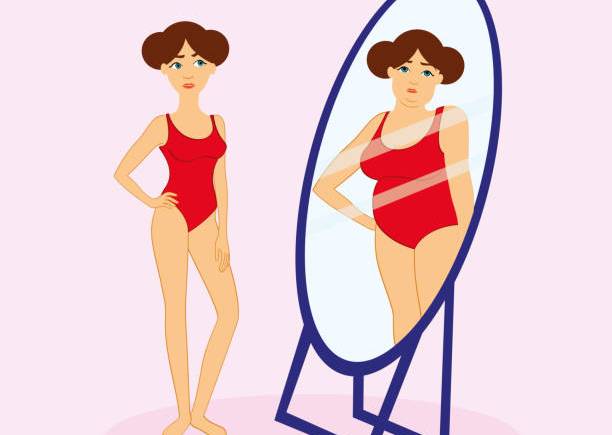
Anorexia Nervosa (anorexia) is an eating disorder characterized by abnormally low body weight, distorted perception of weight, and intense fear of weight gain. These distortions may cause behavioral symptoms in those suffering from anorexia, including excessive exercise, severe restriction of food intake, calorie counting, and abuse of diuretics, laxatives, or enemas.

Anorexia is typically a manifestation of one’s emotional issues and feelings of inadequacy, to which one strives for extreme thinness as a measure of self-worth. Physical symptoms of anorexia include (but are not limited to) extreme weight loss, loss of menstrual cycle, fatigue, insomnia, dizziness/fainting, constipation, hair breakage, irregular heart rhythms, dehydration, growth of body hair, and dry and/or yellowish skin.

Though anorexia is typically associated with extreme low body weight, those suffering from Atypical Anorexia Nervosa are not to be overlooked. Atypical Anorexia Nervosa patients have all the symptoms of anorexia aside from extreme thinness, and have typically been overweight historically. Though they may physically appear to be in a healthy weight range, their body is under extreme stress in order to maintain a weight that is not healthy for the individual. Atypical anorexia is just as serious as anorexia- percentages of those hospitalized with atypical anorexia is similar to hospitalizations from typical anorexia.

If you or someone you know is struggling with anorexia nervosa, please contact our psychotherapy offices in New York or New Jersey to talk to one of our licensed professional psychologists, psychiatrists, psychiatric nurse practitioners, or psychotherapists at Arista Counseling & Psychotherapy. Contact our Paramus, NJ or Manhattan, NY offices respectively, at (201) 368-3700 or (212) 722-1920 to set up an appointment. For more information, please visit http://www.counselingpsychotherapynjny.com/

References:

https://www.mayoclinic.org/diseases-conditions/anorexia-nervosa/symptoms-causes/syc-20353591

https://childmind.org/article/what-is-atypical-anorexia-nervosa/

Emotional Dysregulation Disorder: What is it?

Emotional Dysregulation Disorder: What is it?

By Sherry Yang

Emotional dysregulation disorder (EDD), also known as borderline personality disorder, is a mental illness that is characterized by severe emotional instability. Those with EDD are constantly changing their feelings about themselves and others, and only feel emotions on extreme levels. EDD significantly affects impulsivity, self-image, and relationships. It can be caused by family history, brain structure, or environmental factors such as trauma. Symptoms may include:

  • A pattern of unstable relationships with loved ones
  • Distorted and unstable sense of self
  • Impulsive and possibly dangerous behaviors
  • Self-harming or suicidal thoughts
  • Difficulties controlling anger
  • Feelings of dissociation
  • Intense and unstable moods and emotional episodes
  • Problems with real or perceived abandonment

Although EDD may appear similar to another mental illness, bipolar disorder, these two are notably different. Bipolar disorder causes extreme mood swings with emotional highs and lows; the highs are feelings of mania and the lows are feelings of depression. This disorder does not have as much emphasis on relationships and self-image, which are key to EDD.

If you or someone you know is struggling with emotional dysregulation disorder, please contact our psychotherapy offices in New York or New Jersey to talk to one of our licensed professional psychologists, psychiatrists, psychiatric nurse practitioners, or psychotherapists at Arista Counseling and Psychotherapy. Contact our Paramus, NJ or Manhattan, NY offices respectively at (201)-368-3700 or (212)-722-1920 to set up an appointment. For more information, please visit https://www.counselingpsychotherapynjny.com

References:

https://www.nimh.nih.gov/health/publications/borderline-personality-disorder

https://www.mayoclinic.org/diseases-conditions/bipolar-disorder/symptoms-causes/syc-20355955

Eating Disorders: What Motivates Recovery?

Eating Disorders: What Motivates Recovery

By: Brianna Millier

Eating disorders are complex mental illnesses that can have severe physical, emotional, and social consequences. While the road to recovery may be challenging, understanding the factors that support and motivate recovery is essential for promoting healing and well-being. The motivating factors mentioned should be tailored to meet individual personalities and preferences. In this article, we explore the nature of eating disorders and delve into the evidence-based strategies and supports that can empower individuals along their recovery journey.

The Role of Social Support:

Research published in the International Journal of Eating Disorders highlights the importance of positive social relationships, such as family support, peer networks, and therapeutic alliances. These support systems provide encouragement, understanding, and practical assistance, reinforcing the individual’s motivation to recover. Supporting pro-recovery beliefs and lifestyle changes (e.g., not talking negatively about weight), building hope for the future (e.g., writing inspiring notes), and by discussing and working toward goals that conflict with the ED (e.g., volunteering, having children) are helpful suggestions (Venturo-Conerly et al., 2020). 

Cultivating Self-Compassion:

A review by Tosca Braun et al., highlights self-compassion’s positive impact on body image, self-esteem, and psychological well-being. Practicing self-compassion involves acknowledging and accepting one’s struggles while cultivating a non-judgmental and nurturing attitude towards oneself. Incorporating self-compassion exercises, such as mindfulness and self-affirmation, can strengthen motivation and resilience throughout the recovery journey.

Embracing Individualized Treatment:

Personalized treatment may involve a combination of evidence-based therapies, such as cognitive-behavioral therapy. CBT focuses on challenging distorted thoughts, building coping skills, and promoting self-acceptance. These factors all contribute to motivation and sustained recovery. Family therapy is particularly helpful in treating adolescents and improves communication, reduces blame, and fosters a supportive environment, enhancing the individual’s motivation to engage in treatment and sustain recovery. Participants in one study often described medical professionals as the first people who made them feel heard and understood (Venturo-Conerly et al., 2020). Professionals offer validation and safety while also providing a continuation of specialized support and a means to monitor progress.

If you or someone you know is struggling with an eating disorder, contact our psychotherapy offices in New York or New Jersey to talk to one of our licensed professional psychologists, psychiatrists, psychiatric nurse practitioners, or psychotherapists at Arista Psychotherapy & Psychiatric Services. Contact our Manhattan, NY or Paramus, NJ offices respectively at (201)368-3700 or (212)722-1920 to set up an appointment. For more information, please visit https://counselingpsychotherapynjny.com


References:

https://doi.org/10.1016/j.bodyim.2016.03.003.

https://doi.org/10.1002/eat.23331

Postpartum Depression: New Mothers

Postpartum Depression: New Mothers

By Sherry Yang

Giving birth to a child is a major life change for any new mother. 1 in 9 new moms will experience postpartum depression, which impacts those with a personal or family history of depression or bipolar disorder, as well as those with life factors that have already put them at risk of depression. Affected mothers may have feelings of intense depression and emptiness that significantly interfere with their lives and motherhood for longer than 2 weeks after childbirth. Insecurities, stress, mood swings, and feeling sad or overwhelmed are relatively common, but if these symptoms are severe and do not pass within a few days, they are likely signs of something more serious. Symptoms of postpartum depression may include:

  • Lack of interest or connection with the baby
  • Thoughts of hurting yourself or the baby
  • Feeling worthless, guilty, or like a bad mother
  • Lack of energy, motivation, or focus
  • Self-isolation and loss of interest in activities usually enjoyed
  • Poor eating and sleep patterns
  • Difficulty taking care of yourself or your baby

If left untreated, effects can continue to impact the baby’s childhood, the mother’s later parenting, and their relationship. Some mothers with postpartum depression might avoid seeking help out of embarrassment or guilt for feeling this way after the birth of a new child. However, this absolutely does not mean someone is a bad mother, and reaching out to professionals can provide a path to effective treatment.

If you or someone you know is struggling with postpartum depression, please contact our psychotherapy offices in New York or New Jersey to talk to one of our licensed professional psychologists, psychiatrists, psychiatric nurse practitioners, or psychotherapists at Arista Counseling and Psychotherapy. Contact our Paramus, NJ or Manhattan, NY offices respectively at (201)-368-3700 or (212)-722-1920 to set up an appointment. For more information, please visit https://www.counselingpsychotherapynjny.com

Reference: https://www.womenshealth.gov/mental-health/mental-health-conditions/postpartum-depression