Trauma; why is Complex Trauma technically considered acquired Nero divergent?

Trauma; why is Complex Trauma technically considered acquired Nero divergent?

By Manuela Gomez

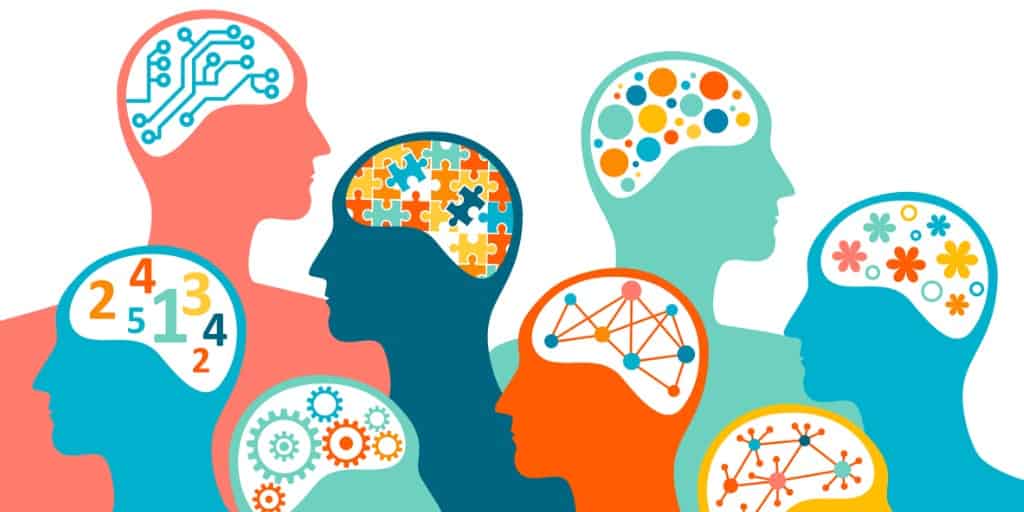
Being neuro divergent means that the brain works a bit differently than the average brain. This may include being diagnosed with ADHD, being on the spectrum for Autism, etc.  Then we have acquired neuro divergence which are differences in the brain which come to be; after birth, traumatic events and, brain injuries.  Once someone goes through a complex trauma it can continue to be prolonged which can cause changes to the hippocampus or prefrontal lobe. If you have experienced complex trauma and feel like you might have acquired nero divergence look for these symptoms:

  • Difficulty managing emotions
  • Very sensitive to sounds, lights or even touch
  • Stress levels are way higher than normal
  • Attention span drastically dropped

It is important to remember that Complex stress doesn’t directly create acquired neuro divergence. It first sets off the changes that can then result in the listed above symptoms which are pre conditions to being Nero divergent. If you believe you may have acquired Nero Divergence, please reach out to a specialist who can help.

Sources: https://complextrauma.org/wp-content/uploads/2019/01/CPTSD-1-Joseph-Spinazzola.pdf

If you or someone you know is struggling with mental health, please contact our psychotherapy offices in New York or New Jersey to talk to one of our licensed professional psychologists, psychiatrists, psychiatric nurse practitioners, or psychotherapists at Arista Counseling and Psychotherapy. Contact our Paramus, NJ, or Manhattan, NY offices respectively, at (201) – 368-3700 or (212)-722-1920 to set up an appointment. For more information, please visit https://www.counselingpsychotherapynjny.com/

Body Dysmorphia; how has social media has affected it?  

Body Dysmorphia; how has social media has affected it?

By Manuela Gomez

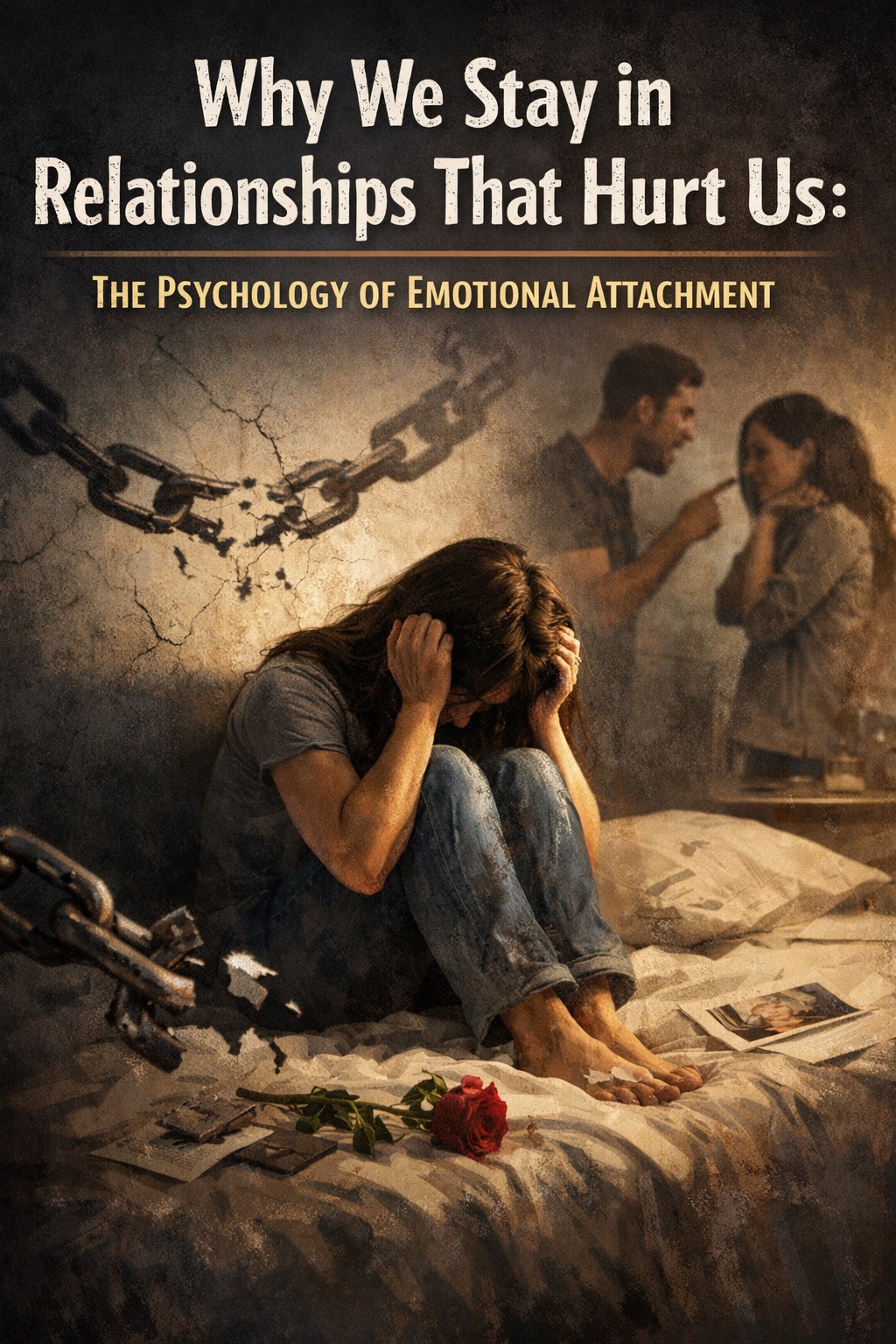
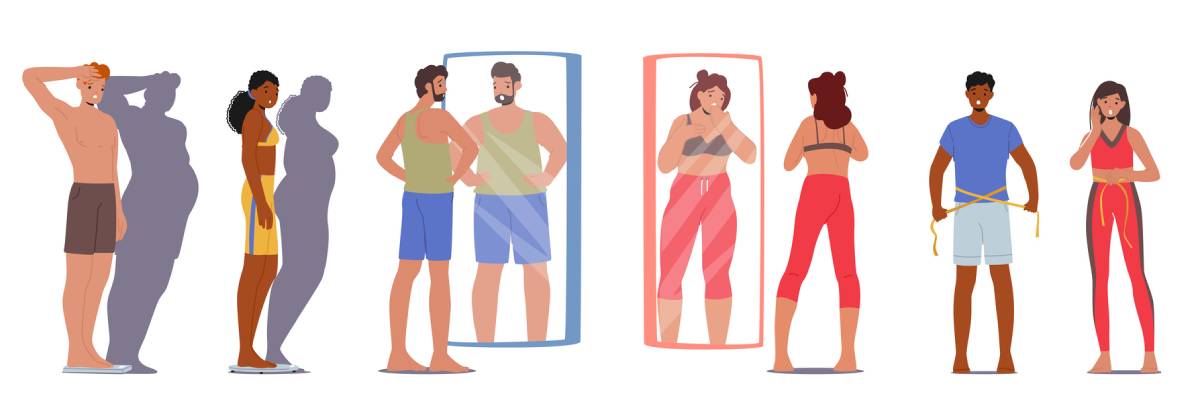
Have you ever stared at yourself in the mirror and realized that your mind isn’t showing you the reality of what you look like? Body Dysmorphia is a mental state in which your mind is busy looking/making up imperfections of your body that no one else can notice.  Although, Body Dysmorphia has been around for a while social media has only made it worse in the recent years. Social media, the addiction in which you start to compare yourself with people you watch and follow. Then you put this expectation of yourself that you should look a certain way. We tend to forget that even social media isn’t portraying the whole truth. According to the article Frontiers, 29% of people with higher social media usage have Body Dysmorphia compared to, 19% of people that have a lower usage. Here are some ways that you can help improve your BD:

  • Replace your negative thoughts with the positive (Ex: I look ugly today- I look and feel amazing)
  • Start changing the habit of analyzing yourself in the mirror every day, stand in front of it and give yourself positive affirmations
  • If you want to change something about your body then do it, but in healthy way
  • Surround yourself with healthy people and habits
  • Less social media time

Body Dysmorphia is not uncommon. It is treatable with the right professional and the effort you put into it. Don’t let your reality get lost because you see what others don’t see.

Source(s): https://www.mayoclinic.org/diseases-conditions/body-dysmorphic-disorder/diagnosis-treatment/drc-20353944

https://www.frontiersin.org/journals/public-health/articles/10.3389/fpubh.2024.1324092/full

If you or someone you know is struggling with mental health, please contact our psychotherapy offices in New York or New Jersey to talk to one of our licensed professional psychologists, psychiatrists, psychiatric nurse practitioners, or psychotherapists at Arista Counseling and Psychotherapy. Contact our Paramus, NJ, or Manhattan, NY offices respectively, at (201) – 368-3700 or (212)-722-1920 to set up an appointment. For more information, please visit https://www.counselingpsychotherapynjny.com/

Anxiety: First Day of College as a Freshman

Anxiety: First Day of College as a Freshman

By Colleen Susanto

Feeling anxious about college is a universal experience. Especially, when someone has just graduated from high school and is starting college. It’s a huge transition for everybody. College is the time where you find yourself and experience the adult life. So, what makes us so anxious about college and how can we overcome it?

Being in a new community can be really intimidating. Trying to fit in and making new friends. Not being able to be with your old friends from high school can make you feel separated. However, one way to avoid that feeling is to socialize. Many colleges offer programs and events and that way, you can meet new people and make friends!

The stress of keeping up with academic expectations can also be very overwhelming. College classes tend to be more work than high school and can feel overwhelming when you are not organized. What you could do is to write down the assignments, deadlines, and exams. Then, you’d feel more organized and plan ahead.

Last but not least, being away from home. First time in college is usually the first time a student is away from their family. They have to carry huge responsibilities, such as financial, independence, time management, and much more. These can be very overwhelming for first timers. You could always contact your family through texts and calls, and stay connected with them. Try talking out your problems with your family or people you know to take some of the burden off you.

If you or someone you know is struggling with mental health, please contact our psychotherapy offices in New York or New Jersey to talk to one of our licensed professional psychologists, psychiatrists, psychiatric nurse practitioners, or psychotherapists at Arista Counseling and Psychotherapy. Contact our Paramus, NJ, or Manhattan, NY offices respectively, at (201)-368-3700 or (212)-722-1920 to set up an appointment. For more information, please visit https://www.counselingpsychotherapynjny.com/

https://truetherapyaz.com/managing-stress-overwhelm-for-first-time-college-students/

Relationships: How to Maintain Long Distance Relationships

Relationships: How to Maintain Long Distance Relationships

By Colleen Susanto

Long distance relationships aren’t easy. We always want to be with the person we love, stay by their side, and spend time with them. Our emotional and mental well-being are very much important and relationships affect these.  A long distance relationship or LDR requires the proper attention for it to keep blooming. It’s easy to feel hopeless, but being in an LDR can bring out the best in partners.

As we all probably know, communication is the key. Whether in an LDR or not, it’s the backbone of a relationship and it becomes more crucial when miles apart. Set clear expectations on how to communicate with your partner. Another key is honesty. In an LDR, transparency matters even more. Talk about your feelings with your partner and open up about how you feel whether you feel sad, insecure, angry, or happy. Hiding emotions creates unnecessary tension between you and your partner.

Just because you are not next to each other, doesn’t mean you can’t share your world. Small gestures help create a sense of connection. You can talk about your daily experiences or send random pictures to make your partner included. Long distance relationships require patience, communication, and trust, but they can be deeply rewarding. When both partners put in the effort, distance can strengthen the bond rather than break it. Remember that it’s not the miles between you, but it’s the love between the two of you that does.

If you or someone you know is struggling with mental health or relationships, please contact our psychotherapy offices in New York or New Jersey to talk to one of our licensed professional psychologists, psychiatrists, psychiatric nurse practitioners, or psychotherapists at Arista Counseling and Psychotherapy. Contact our Paramus, NJ, or Manhattan, NY offices respectively, at (201)-368-3700 or (212)-722-1920 to set up an appointment. For more information, please visit https://www.counselingpsychotherapynjny.com/

https://wellbeing.jhu.edu/blog/2022/07/22/how-to-have-a-healthy-long-distance-relationship/

https://bumble.com/en/the-buzz/longdistancetips

Depression; Treatment

Depression; Treatment

By: Samantha Montague

People with depression need treatment. There are several ways that people with depression can be helped, such as through psychotherapy, medicine, or both simultaneously.

Psychotherapy is speaking with a trained professional about your feelings in order to help manage your thoughts, feelings and behaviors that may be contributing to depression.

Medication is another option for treating depression. Antidepressant medications are used to increase activity of neurotransmitters, chemicals in the brain to relieve the symptoms of depression. These medications are not addictive, and are safe to use when prescribed by a doctor.

With both psychotherapy and medication, a trial and error process may be needed to determine what works best. However, when you find what works for you, treatment helps most depressed people feel better in a matter of weeks. Regardless of the extent to which it is working, in general any treatment is better than no treatment.

Overall, when you are feeling low for a long time, and your problems feel out of your control, remember there is help out there. You are not alone, and can ask for help. If you know someone who you think is depressed, encourage them to ask a responsible adult about treatment. If they don’t ask for help on their own, talk to someone you trust and respect. This is especially critical if there is mention of suicide. 

If you or someone you know is struggling with depression, please contact our psychotherapy offices in New York or New Jersey to talk to one of our licensed professional psychologists, psychiatrists, psychiatric nurse practitioners, or psychotherapists at Arista Counseling and Psychotherapy. Contact our Paramus, NJ, or Manhattan, NY offices respectively, at (201) – 368-3700 or (212)-722-1920 to set up an appointment. For more information, please visit https://www.counselingpsychotherapynjny.com/.

Reference: NIMH

Test Anxiety: How to Relieve That Stress

Test Anxiety: How to Relieve That Stress

By: Maya Gallo

We all know exams can be nerve-wracking, especially when it comes to midterms and finals. Before we get a break, we have an overload of stress that can be overwhelming. You may ask yourself: “How can I be properly prepared for my exams while also staying calm?” Below is a list of tips to help you!

  1. Get organized: Take thorough notes. Make sure you have a calendar with all important dates coming up. Manage your time well so you know how much you can do each day.
  2. Game plan: Have a set time each day tucked away for studying. This way, you will feel better and more prepared for upcoming exams, even if you don’t have any assignments due.
  3. “Me” time: Take time out of your day to do something that you enjoy. Whether this be going for a walk, going to the gym, or listening to music, you deserve a break. You do not want all the studying to stress you out even more.
  4. Take care of your body: You come first. Make healthy choices, food is our fuel. Get plenty of sleep and listen to your body. It is the only one you have!
  5. Be creative: If you have friends in your class, consider calling them to see if they’d like to meet somewhere (like a coffee shop) and study together. Get creative with it, but have fun!

Hope this puts your mind at ease when it gets to that point in the semester. Be sure to use these tips to alleviate your stress. Good luck!

If you or someone you know is struggling with anxiety, please contact our psychotherapy offices in New York or New Jersey to talk to one of our licensed professional psychologists, psychiatrists, psychiatric nurse practitioners, or psychotherapists at Arista Counseling and Psychotherapy. Contact our Paramus, NJ, or Manhattan, NY offices respectively, at (201) – 368-3700 or (212)-722-1920 to set up an appointment. For more information, please visit https://www.counselingpsychotherapynjny.com/

References

Dealing with Exam Stress. (2025). Psychology Today. https://www.psychologytoday.com/us/blog/teen-angst/201405/dealing-exam-stress

Anxiety: Generalized Anxiety Disorder – Chronic Worry

Anxiety: Generalized Anxiety Disorder – Chronic Worry

By: Michelle Cocone

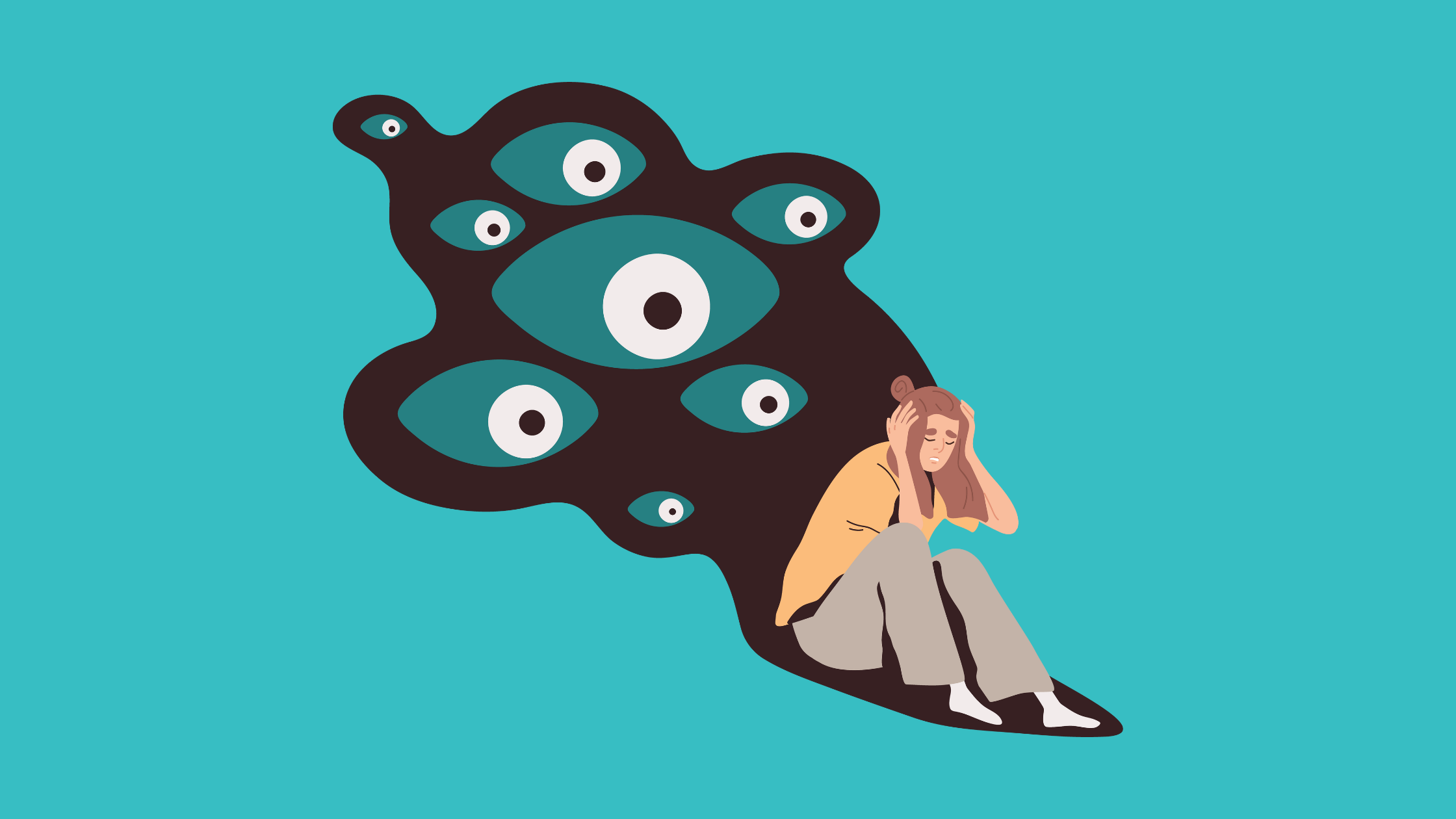
Do you ever find yourself worrying about everything all the time? You find that you can’t seem to find a way to let go, the worries always get in the way. If you are experiencing the following symptoms then you may have generalized anxiety disorder.

Generalized anxiety disorder is when you have immense worry and anxiety which affects your everyday life. Not to be confused with worrying because everyone worries about things or events occurring in their life. The difference is that one knows how to let it go or even worry about it for a bit and move on. For those experiencing generalized anxiety disorders, they don’t have a way of letting it go; it’s all they are constantly thinking about.

It may sound like:

What if I can’t get my laundry done? What if I can’t find a job? Will I be able to pay the bills on time? What if I fail in school? What if I get rejected? What if people don’t like me?

Notice how many of these worrisome are “what if” questions. It could be that you are worrying about situations/problems that haven’t yet occurred. This is one of the symptoms of this anxiety disorder- you fear the unknown which makes you worry constantly. You’ll find that you won’t be able to relax. For example, many students worry about picking and starting college. People with this disorder can also find themselves to be indecisive because they are scared to make the wrong choice.

What if I pick the wrong university? What if I fail out of my classes? What if I don’t like the people there? What if it’s too hard for me to manage?

At the end of the day we are human, we all make mistakes. We can’t be perfect all the time. In order to continue growing and be healthy, we have to sometimes make the wrong choices and learn from them. Our mistakes are what help us progress. If we are constantly worrying, then we can’t go anywhere, we’re stuck. Other symptoms you might be experiencing are: constant fatigue, muscle aches, overthinking, unable to relax, and irritability.

Generalized anxiety disorders in children are expressed differently than in adults. Children worry about being accepted, having good grades, being good at sports, making friends, being included in social outings, trying to make everything perfect, and seeking approval from their parents. This affects their mental health and everyday life routine.

Generalized anxiety disorder in adults, is more severe. Adults tend to worry about being financially stable, buying a house, not having credit card debt, having good credit, finding a good job, finding a romantic partner, and starting a family. Anxiety can be overwhelming, however. We have to remember that it’s not normal to chronically worry all the time. It’s really unhealthy and leads to poor mental health. Worrying about everything won’t make the situation better. It might actually worsen your health.

If you or someone you know is struggling with generalized anxiety disorder, please contact our psychotherapy offices in New York or New Jersey to talk to one of our licensed professional psychologists, psychiatrists, psychiatric nurse practitioners, or psychotherapists at Arista Counseling and Psychotherapy. Contact our Paramus, NJ, or Manhattan, NY offices respectively, at (201) – 368-3700 or (212)-722-1920 to set up an appointment. For more information, please visit https://www.counselingpsychotherapynjny.com/

References

Generalized anxiety disorder (GAD). Johns Hopkins Medicine. (2024a, April 16). https://www.hopkinsmedicine.org/health/conditions-and-diseases/generalized-anxiety-disorder

U.S. Department of Health and Human Services. (n.d.-a). Generalized anxiety disorder: When worry gets out of Control. National Institute of Mental Health. https://www.nimh.nih.gov/health/publications/generalized-anxiety-disorder-gad


Borderline Personality Disorder (BPD): A Simple Guide

Premium Vector | Personality disorder concept

Borderline Personality Disorder (BPD): A Simple Guide

By: Katerina Kostadimas

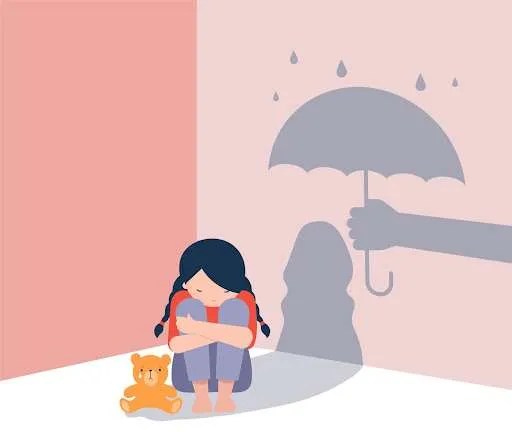
Borderline Personality Disorder (BPD) is a mental health condition that affects the way a person thinks, feels, and interacts with others. People with BPD often struggle with intense emotions, unstable relationships, and a strong fear of abandonment.

What Are The Symptoms of BPD?

BPD symptoms are different for everyone, but common signs include:

  1. Emotional Instability
  2. Fear of abandonment
  3. Unstable Relationships
  4. Impulsive Behaviors
  5. Self-harm or Suicidal Thoughts
  6. Identity Issues
  7. Chronic Feelings of Emptiness
  8. Intense Anger
  9. Paranoia or Dissociation

What Causes BPD?

There is no single cause of BPD, but factors that may contribute include:

  • Genetics
  • Brain Differences
  • Trauma or Childhood

How Is BPD Treated?

BPD is treatable, and many people learn to manage their symptoms with the right help. Some common treatments include:

  • Therapy—Dialectical Behavior Therapy (DBT) has been said to be the most effective treatment. It teaches skills to manage emotions, build healthy relationships, and reduce impulsive behaviors.
  • Medication- While there is no specific medication for borderline personality disorder, some people benefit from antidepressants, mood stabilizers, or antipsychotic medications to manage symptoms.
  • Support System- Having understanding friends, family, or support groups can make a big difference in managing BPD.

If you or someone you love has BPD, know that recovery is possible. With the right treatment and support, people can build stable relationships, manage emotions, and lead fulfilling lives. 

If you or someone you know is struggling with borderline personality disorder, please contact our psychotherapy offices in New York or New Jersey to talk to one of our licensed professional psychologists, psychiatrists, psychiatric nurse practitioners, or psychotherapists at Arista Counseling and Psychotherapy. Contact our Paramus, NJ, or Manhattan, NY offices respectively, at (201) – 368-3700 or (212)-722-1920 to set up an appointment. For more information, please visit https://www.counselingpsychotherapynjny.com/

Reference:

https://www.mayoclinic.org/diseases-conditions/borderline-personality-disorder/symptoms-causes/syc-20370237

Self-Love: Learning to Love YourSELF

Self-Love: Learning to Love YourSELF

By: Michelle Cocone

February is known to be the month of love, spreading love to our loved ones. We spend a lot of time trying to share that love that we often forget about ourselves. It’s important to learn how to love yourself. It helps us lead a healthier life and have better mental health. When we don’t love ourselves, it takes a toll on us, possibly leading to depression, anxiety, or an eating disorder. There are many ways to show love to ourselves, here are a couple ways.

Shift Your Perspective

  • Focusing on the bad aspects of ourselves won’t lead to anywhere good
  • Shift your perspective towards a more positive outlook
  • Don’t always see the cons, recognize the pros as well, they need love too

Affirmations

  • Write out a list of what you like + love about yourself
  • Tell yourself that you appreciate all parts of  your body/personality
  • Embrace the beauty of it all
  • Remember your body does plenty of work to keep you going every day
  • Keep telling yourself all these affirmations throughout the low points you may have

Practice Self-Love

  • Focus on the hobbies that you enjoy
  • Pour yourself  into becoming better at your hobbies
  • Be kind to yourself, you only have one body, so take care of it
  • Learn to forgive yourself when you haven’t accomplished everything you hoped for
  • Learn to forgive yourself when you aren’t kind to yourself
  • It’s okay to say “No.” You don’t have to please others all the time.

The most important relationship you can have is with yourself.  You may have heard this saying once or twice but it’s true, “Learn to love yourself first so you can spread love to others.”  Make time to focus and nourish your own self. It doesn’t all get done in one day. As long as you work on yourself a little bit every day that’s all that matters.

If you or someone you know is struggling with self-love, please contact our psychotherapy offices in New York or New Jersey to talk to one of our licensed professional psychologists, psychiatrists, psychiatric nurse practitioners, or psychotherapists at Arista Counseling and Psychotherapy. Contact our Paramus, NJ or Manhattan, NY offices respectively, at (201) – 368-3700 or (212)-722-1920 to set up an appointment. For more information, please visit https://www.counselingpsychotherapynjny.com/

References

Improving every area of your life starts with self-love. Improving Every Area of Your Life Starts with Self-Love | Tony Robbins. (n.d.). https://www.tonyrobbins.com/ultimate-relationship-guide/how-to-fall-in-love-with-yourself?srsltid=AfmBOoq4CvACby5hWenBdEGAH5zBgxAPOtKzEvtobHDRZ6cGfT9MaFtn


Pomlett, M. (2020, December 21). Learn how to self-love. Psychological Health Care. https://www.psychologicalhealthcare.com.au/blog/learn-how-to-self-love/

Eating Disorder: The Hunger for Healing

Eating Disorder: The Hunger for Healing

By: Areeza Malik

What Are Eating Disorders?

Eating disorders are more than just an obsession with food or weight. They are complex mental health conditions that involve disordered eating behaviors, distressing thoughts about food, body image, and often dangerous physical consequences. These disorders can affect anyone, regardless of age, gender, or background. While they frequently start with an obsession with food, weight, or exercise, they are usually driven by deeper emotional and psychological struggles.

The most common eating disorders include:

  • Anorexia Nervosa
  • Bulimia Nervosa
  • Binge Eating Disorder
  • Avoidant / Restrictive Food Intake Disorder

Recognizing the Signs of an Eating Disorder

  • Physical signs:
  • Sudden weight loss/weight fluctuations
  • Hair thinning or loss
  • Cold intolerance
  • Brittle nails and dry skin
  • Fatigue
  • Dizziness
  • Digestive issues
  • Emotional signs:
  • Intense fear of weight gain
  • Obsession with food, dieting, and body size
  • Feelings of shame and guilt
  • Social withdrawal
  • Behavioral signs:
  • Skipping meals or making excuses to avoid eating
  • Excessive exercise, calorie counting, and weight checking
  • Binge eating episodes
  • Strict food categorization

The Path to Recovery

The road to recovery from an eating disorder has its twists and turns. It’s a journey that requires patience, self-compassion, and professional support. Recovery is about letting go of negative beliefs around food and body image. It’s about changing from control to kindness, from limiting yourself to nourishing the body, and from being alone to building connections. There will be setbacks, but each small step forward counts. Surround yourself with support, embrace mindful eating, and recognize and challenge negative thoughts.

Healing goes beyond changing your eating habits; it involves rebuilding confidence, changing your mindset and learning to trust your body. Living a life where food is a source of strength rather than stress is important. While the path is challenging, it leads to freedom, self-love, and true recovery.

If you or someone you know needs support for an eating disorder, please contact our psychotherapy offices in New York or New Jersey to talk to one of our licensed professional psychologists, psychiatrists, psychiatric nurse practitioners, or psychotherapists at Arista Counseling & Psychotherapy. Contact our offices at (201) 368-3700 or (212) 722-1920 to set up an appointment. For more information, please visit http://www.counselingpsychotherapynjny.com/

References:

Strand, C. (2024, September 3). Eating disorders – early detection & treatment are key to recovery. Rural Minds. https://www.ruralminds.org/rural-minds-blog/eating-disorders-early-detection-amp-treatment-are-key-to-recovery?gad_source=1&gclid=CjwKCAiAtYy9BhBcEiwANWQQLzonikibaqE1awaP74y1A36Q08Bi1gpuzldje_C0HH_PfC1xzxcG5xoCgvIQAvD_BwE