Dissociative Identity Disorder

Dissociative Identity Disorder

By: Nicole Staub

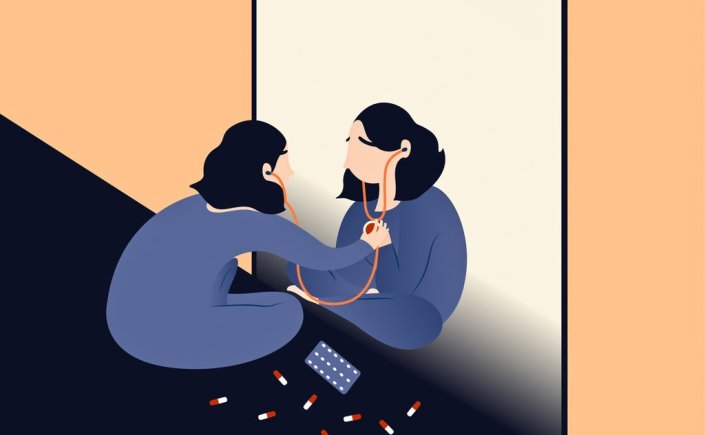
Dissociative Identity Disorder, DID, can happen when kids are in a traumatic situation and they don’t quite know how to handle their emotions so the kid dissociates from the situation and their mind essentially “shuts off”. When a kid dissociates, it means that the kid is disconnecting from their thoughts, feelings, and memories. What dissociating may look like is that the kid will “space out”. They will stare blankly at things, look disconnected from the conversation or whatever is going on around them. There can be a sudden shift in their mood or behavior as well. Dissociating looks like the kid is daydreaming. When someone “shuts off” during an incident, they will compartmentalize the experience and how they feel. This is a way of their body protecting themselves from facing the incident at hand. The type of situations a kid might be in could be emotional, physical, or even sexual abuse. Most of the time, Dissociative Identity Disorder forms when you’re an adolescent. There have been examples of DID in movies or TV shows. However, more likely than not, movies and TV shows portray the disorder incorrectly.

Dissociative Identity Disorder can help kids keep their ability to understand humor, have creativity, and reflection. If someone has DID, it could be hard for their family and friends to notice when someone is switching. People rarely see the symptoms if someone is experiencing DID. One of the symptoms someone may have is “memory gaps”. Memory gaps are considered missing memories. What this means is that someone might not be able to recall important events or details that have happened in their lives because they weren’t present for that memory. A different identity was present for that event and will remember it. If the patient doesn’t know they have the disorder, it can be scary for them to have “memory gaps”. Having Dissociative Identity Disorder in your adult life can become more of a problem if the threats of the incidents are no longer there. If you are an adult and are first seeking help for DID, it could be more a difficult recovery process but not impossible.

To get diagnosed with Dissociative Identity Disorder, you need to experience these criteria:

– The presence of two or more distinct identities or personality states.

– At least two of these identities or personality states recurrently take control of the person’s behavior.

– Inability to recall important personal information that is too extensive to be explained by ordinary forgetfulness.

– The disturbance is not due to the direct psychological effects if a substance (blackouts due to alcohol) or a general medical condition (seizures).

This disorder is treatable. Typically, how the treatment goes is that it is done in three phases. Phase one is about the patients’ stability and safety. Make sure that the patient has healthy coping mechanisms in general and if the patient has thoughts about or has harmed themselves or has had suicidal thoughts. Phase two is to identify the traumatic situation, address it and working through the problem. Finally, phase three is for the patient to not rely on dissociating when difficult situations occur.

If you or someone you know is having mental health difficulties and/ or experiencing symptoms of Dissociative Personality Disorder, please contact our psychotherapy offices in New Jersey to talk to one of our licensed professional psychologists, psychiatrists, psychiatric nurse practitioners, or psychotherapists at Arista Counseling & Psychotherapy. Contact our offices at (201) 368-3700 or (212) 722-1920 to set up an appointment. For more information, please visit http://www.counselingpsychotherapynjny.com/

Source

Dissociative identity disorder: What you need to know | McLean hospital. Understanding Dissociative Identity Disorder. (2024, July 6). https://www.mcleanhospital.org/essential/did

Throwing Up: The Fear of Throw Up

By Caroline Buchanan

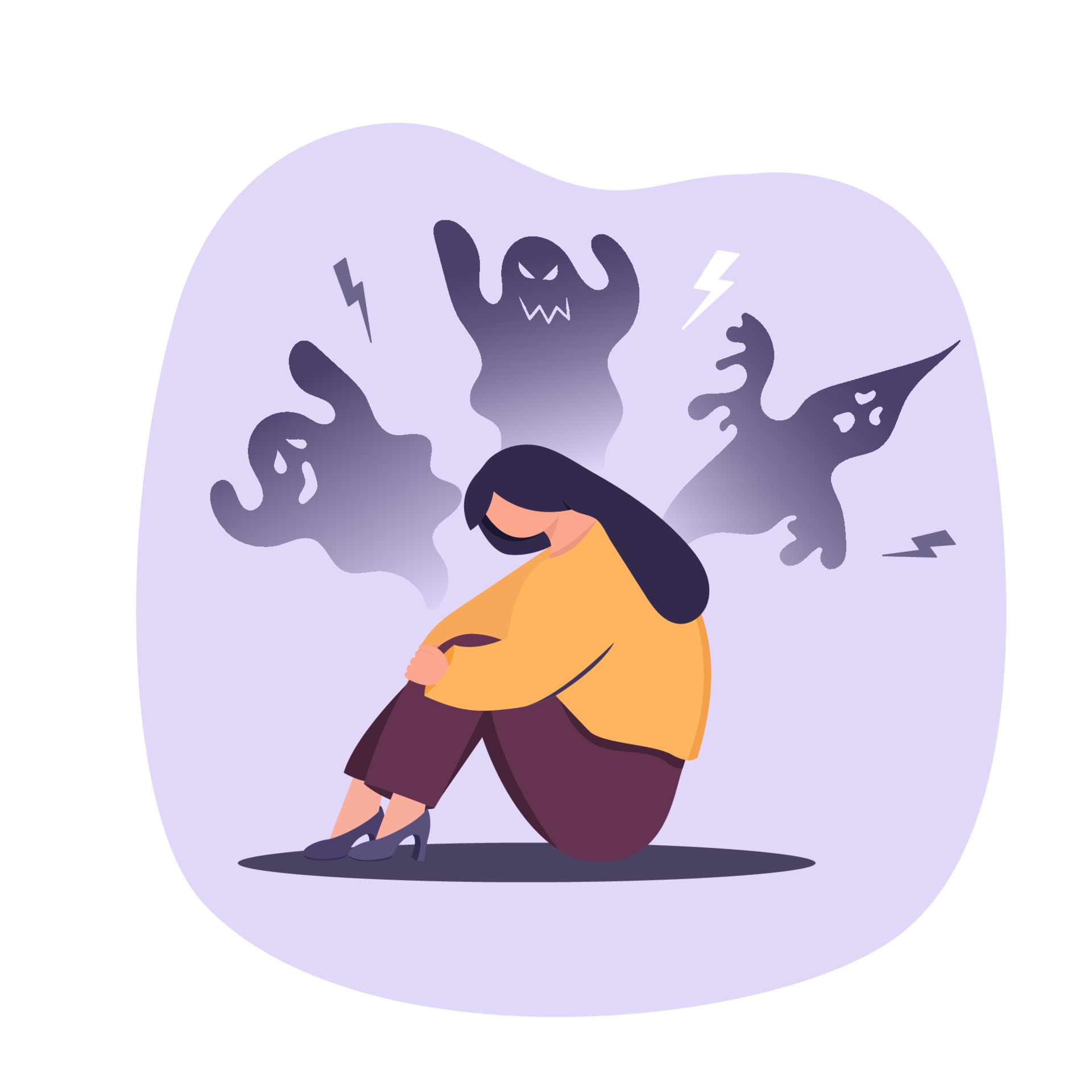
The fear of throw up, also referred to as emetophobia, is a specific phobia that revolves around the fear of vomiting, seeing vomit, watching other people vomit, or feeling sick. Emetophobia tends to leave people in a state of anxiety, overtaking their thoughts and engaging in behaviors that impact their everyday life. For example, you may avoid crowded places, traveling, eating out, or closely monitor your own health in an attempt to reduce the distress you may feel. While this anxiety can feel overwhelming and unbearable at times, this condition can be managed by a therapist.

What causes emetophobia?

Specific phobias tend to develop after a specific incident. As a result of this incident, an association is created between a thing – an object, situation, or an event – and a fear (Psych Central). Specifically in the context of emetophobia, this could involve getting sick in public, someone vomiting on you, having a bad case of food poisoning, or seeing someone else throw up. Emetophobia can also develop without a clear cause, causing experts to believe that genetics and the environment play a role. Regardless of whether you can pinpoint an incident or not, this anxiety can still be managed.

How can emetophobia be managed?

Exposure therapy is considered to be one of the most effective treatments. In this type of therapy, your therapist will expose you to your fear at a slow rate. This could involve trying a new food at a restaurant or spinning around until you feel nauseous. With these actions, you will be provided with techniques to help you cope with these feelings of anxiety. The goal is that the more you are exposed to your fear, the more you feel comfortable with it. Talk therapy and cognitive behavioral therapy (CBT)can also be used to help learn how to identify and challenge negative thought patterns in your anxiety. While it may take some time to find the right therapist and techniques for you, it is worth it to alleviate the distress in your life.

If you or someone you know is suffering from emetophobia, please contact our psychotherapy offices in New York or New Jersey to talk to one of our licensed professional psychologists, psychiatrists, psychiatric nurse practitioners, or psychotherapists at Arista Counseling & Psychotherapy. Contact our Paramus, NJ or Manhattan, NY offices respectively, at (201) 368-3700 or (212) 722-1920 to set up an appointment. For more information, please visit http://www.counselingpsychotherapynjny.com/

https://www.healthline.com/health/emetophobia#outlook

Child Therapy: Behavioral Issues

Child Therapy: Behavioral Issues

By: Isabella Favuzza

Many assume that children are naïve; however, they are quite receptive to social cues and environmental issues. Children typically sense unpleasant emotions from surrounding adults and internalize these feelings due to an inability to discuss complex situations. Children who experience these larger-than-life moments for their age may resort to behavioral defiance. There are numerous environmental stressors that lead to behavioral outbursts, such as divorce, separation, lack of friends, etc. These stressors may cause aggression, lack of empathy, refusal to adjust behavior, school disruptions, lack of social opportunities, or self-injury. A psychologist assists children challenged with complex obstacles and channels these undesirable emotions into positive, constructive thoughts.

Behavioral therapy identifies unwanted behaviors and enables children to understand said behaviors and their root causes. Children can understand complex issues in latent terms and cope with or adjust their actions to make healthy choices. There are various types of therapeutic techniques to communicate these feelings and provide greater insight. Play therapy involves toys that engage the child while acting out distressing situations. During exposure therapy, the psychologist discusses troublesome triggers and explores solutions if or when a child encounters them. Clinical reconstruction enables children to transform negative, destructive thoughts into positive emotions through therapeutic exercises. Ultimately, behavioral therapy utilizes reinforcement of pleasant actions, trigger identification, and therapeutic techniques to prevent outbursts while modeling proper behavior.

If you or your child is struggling with behavioral issues or mental health please contact our psychotherapy offices in New York or New Jersey to talk to one of our licensed professional psychologists, psychiatrists, psychiatric nurse practitioners, or psychotherapists at Arista Counseling & Psychotherapy. Contact our Paramus, NJ or Manhattan, NY offices respectively, at (201) 368-3700 or (212) 722-1920 to set up an appointment. For more information, please visit http://www.counselingpsychotherapynjny.com/

Source:

https://www.lumierechild.com/blog/does-your-child-need-behavioral-therapy

Anger Management: Relationships

Anger Management: Relationships

By: Isabella Favuzza

A romantic relationship is synonymous with a roller coaster; there are ups and downs and unexpected twists and turns. Those downward periods are associated with bumps that must be navigated together as a couple. These bumps may cause arguments as each individual feels passionately about situations, opinions, etc. Arguments are normal and healthy within a relationship, as partners must express themselves to one another; however, if one individual feels frightened or intimidated due to intense rage, counseling services can be of service. These spouts of fury are known as dysfunctional anger because they do not provide a function during the argumentative stage and cause one’s partner to feel attacked and fearful. Dysfunctional behaviors like extreme rage or fury can be damaging to a relationship, as one individual feels terrified to disclose their feelings and becomes emotionally distant from their partner.

This anger can be diminished and prevented with proper therapeutic treatments. A psychologist can aid couples in overcoming bumps in the road by allowing each individual to communicate their emotions toward one another in a safe environment and dissect the cause of anger during arguments. Psychologists are clinically trained to find the root cause of these behaviors to manage anger and provide relief for the couple. Anger management therapy enables individuals to release their destructive mannerisms and adapt positive life-enhancing reactions to improve the relationship. These treatments also allow the couple to communicate their emotions effectively and have functional arguments to solve problems together as a unit, ultimately preserving the relationship.

If you or your partner is struggling with anger or violence please contact our psychotherapy offices in New York or New Jersey to talk to one of our licensed professional psychologists, psychiatrists, psychiatric nurse practitioners, or psychotherapists at Arista Counseling & Psychotherapy. Contact our Paramus, NJ or Manhattan, NY offices respectively, at (201) 368-3700 or (212) 722-1920 to set up an appointment. For more information, please visit http://www.counselingpsychotherapynjny.com/

Source:

https://www.harrymotro.com/couples-anger-management

Bulimia and Binge Eating Disorder: Similarities and Differences

Bulimia and Binge Eating Disorder: Similarities and Differences

By: Diane Ulloa
Bulimia as categorized by the DSM V under bulimia nervosa is a diagnosis assigned to individuals who recurrently overeat and use inappropriate measures to prevent weight gain afterwards, such as purging, fasting or exercising excessively. A criterion would include, “Recurrent inappropriate compensatory behaviors in order to prevent weight gain such as self-induced vomiting; misuse of laxatives, diuretics, or other medications; fasting or excessive exercise” (National Library of Medicine).
There are 5 criterion for binge eating disorder that include:

  1. Eating in a discrete period of time (within 2 hour periods), an amount of food that is larger than most people would eat in a similar period of time under similar circumstances. A feeling that one cannot stop eating or control what or how much one is eating. . Eating until feeling uncomfortably full, eating large amounts of food when not feeling physically hungry.
  2. Recurrent inappropriate compensatory behaviors in order to prevent weight gain such as self-induced vomiting; misuse of laxatives, diuretics, or other medications; fasting or excessive exercise
  3. The binge eating and inappropriate compensatory behaviors occur, on average, at least twice a week for 3 months.
  4. Self-evaluation is unjustifiably influenced by body shape and weight.
  5. The disturbance does not occur exclusively during episodes of anorexia nervosa.

Both have the shared behavior of binge eating food, but what is binge eating? When someone cannot control their eating and they eat much more food than they would normally eat in one sitting often to the point of major discomfort. Oftentimes binging happens when one is not hungry and many report binge eating home alone, or at night when no one is up or around to see them. People may binge eat as a coping mechanism when they are stressed, anxious, bored, or experiencing any other negative emotion. For those struggling with bulimia, binging and then purging can be a way of coping with those negative emotions. For someone who struggles with binge eating disorder, binging can also be a way to self-soothe or distract in the presence of very difficult emotions. Many people who engage in these behaviors have feelings of social isolation and anxiety, and many have reported feeling hopeless and helpless.
What’s the difference? The main difference is that bulimia nervosa is characterized by purging after binge eating. While everyone has very different reasons and experiences, often those who struggle with bulimia also struggle with gaining weight and often have a distorted body image. As opposed to those with binge eating disorders who may feel uncomfortable in their bodies, but do not have as strong preoccupation with their body image, or weight, as those with bulimia.  

If you or someone you know is struggling with their mental health, bulimia nervosa, or binge eating disorder please contact our psychotherapy offices in New York or New Jersey to talk to one of our licensed professional psychologists, psychiatrists, psychiatric nurse practitioners, or psychotherapists at Arista Counseling & Psychotherapy. Contact our Paramus, NJ or Manhattan, NY offices respectively, at (201) 368-3700 or (212) 722-1920 to set up an appointment. For more information, please visit http://www.counselingpsychotherapynjny.com/

Sources:

Substance Abuse and Mental Health Services Administration. DSM-5 Changes: Implications for Child Serious Emotional Disturbance [Internet]. Rockville (MD): Substance Abuse and Mental Health Services Administration (US); 2016 Jun. Table 20, DSM-IV to DSM-5 Bulimia Nervosa Comparison. Available from: https://www.ncbi.nlm.nih.gov/books/NBK519712/table/ch3.t16/
Berkman ND, Brownley KA, Peat CM, et al. Management and Outcomes of Binge-Eating Disorder [Internet]. Rockville (MD): Agency for Healthcare Research and Quality (US); 2015 Dec. (Comparative Effectiveness Reviews, No. 160.) Table 1, DSM-IV and DSM-5 diagnostic criteria for binge-eating disorder. Available from: https://www.ncbi.nlm.nih.gov/books/NBK338301/table/introduction.t1/

https://www.centralcoasttreatmentcenter.com/blog-1/bulimia-v-binge-eating-disorder

Dialectical Behavior Therapy (DBT): a Cognitive Behavioral Approach

Dialectical Behavior Therapy (DBT): a Cognitive Behavioral Approach

By: Jasmyn Cuate

Dialectical behavior therapy (DBT) is a combination of cognitive and behavior therapy, supported by empirical-based evidence that teaches patients skills to cope with and change unhealthy behaviors. The main goals of DBT are to teach people how to live in the moment, develop healthy ways to cope with stress, regulate their emotions, and improve their relationships with others.

DBT focuses on four key areas in therapeutic skills:

  • Mindfulness: focuses on improving your ability to accept and be present in the current moment, helping you use healthy coping skills instead of using negative impulsive behaviors
  • Distress tolerance: teaches you how to feel intense emotions without reacting impulsively or using self-injury or substance abuse to escape from it. Helping you prepare for intense emotions and cope with a more positive long-term outlook
  • Emotion regulation: teaches you how to identify, label, and change your emotions without judging them– learning how your emotions shape your behavior and what obstacles prevent you from managing your emotions, reducing your emotional vulnerability and helps you have more positive emotional experiences
  • Interpersonal effectiveness: allows you to communicate more effectively with others, become more assertive, maintain self-respect and respect for others, while keeping a relationship positive and healthy

DBT goes through a multistage approach where the therapist first treats the patient’s most self-destructive behavior followed by the therapist addressing quality-of-life skills, then focus on improving the patient’s relationships and self-esteem, with the last stage focusing on promoting more joy and relationship connections. Standard comprehensive DBT is often used in the following settings:

  • Individual therapy: with a trained professional, you learn how to apply DBT skills to specific challenges and situations in your life­– patients agree to do homework to practice new skills and fill out diary cards which are completed daily to keep track of their emotions, urges, behaviors, and skills used throughout the week and brought to weekly sessions for the therapist and client to discuss and see if there’s progress being made. Diary cards are designed to record instances of target behaviors, thoughts and urges, and the use of behavioral skills client’s applied to cope with the problem
  • Group skills training: patients have the opportunity to role-play new behavioral skills and interact with others
  • Phone coaching: with DBT, your therapist is available by the phone for in-the-moment support between sessions if you’re in a difficult situation and need guidance

While your therapist works with you through the DBT approach, it can be challenging to stay motivated. Therefore, therapists have consultation groups,which are a group of professionals who met regularly helping one another to navigate potential stressors, monitor their devotion to treatment, develop and increase their skills, and sustain their motivation to work with high-risk, difficult-to-treat clients.

DBT was developed by Marsha Linehan, originally intended to treat borderline personality disorder (BPD) and suicidal behaviors but has been modified to treat other mental health conditions and have been effective in treating:

  • Borderline personality disorder (BPD)
  • Bipolar disorder
  • Substance use or impulsive behaviors
  • Eating disorders
  • Depression
  • Post-traumatic stress disorder (PTSD)
  • Non-suicidal self-injury (NSSI) or suicidal behavior
  • Generalized anxiety disorder (GAD)
  • Attention-deficit/hyperactivity disorder (ADHD)

Overall, DBT offers validation for patients, helping them understand their actions within the context of their personal experiences without necessarily agreeing that their actions are the best approach to solving a problem. This helps patients become more likely to cooperate and work towards self-acceptance and change. The best way to find out if DBT is right for you is to talk with a professional. They will evaluate your symptoms, treatment history, and therapy goals to see if DBT is the best treatment option for you.

If you or someone you know is seeking for dialectical behavior therapy, please contact our psychotherapy offices in New York or New Jersey to talk to one of our licensed professional psychologists, psychiatrists, psychiatric nurse practitioners, or psychotherapists at Arista Counseling & Psychotherapy. Contact our Paramus, NJ or Manhattan, NY offices respectively, at (201) 368-3700 or (212) 722-1920 to set up an appointment. For more information, please visit http://www.counselingpsychotherapynjny.com/

Sources: https://www.webmd.com/mental-health/dialectical-behavioral-therapy https://www.psychologytoday.com/us/therapy-types/dialectical-behavior-therapy

https://www.verywellmind.com/dialectical-behavior-therapy-1067402

https://psychcentral.com/lib/an-overview-of-dialectical-behavior-therapy

Borderline Personality Disorder in Men

Borderline Personality Disorder in Men

By Jenn Peraza

Borderline Personality Disorder (also known as BPD) is a personality disorder that is categorized in the DSM-V by intense fears of abandonment, emotional instability in everyday life and relationships, and a distorted sense of self. Studies have found that while BPD is equally as prevalent in men as it is in woman, statistically speaking, seventy-five percent of people with BPD are female. So why are females most likely to get diagnosed with BPD?

While the criteria for men and women with BPD are the same, men and women are more likely to exhibit different maladaptive behaviors. Women will most likely self-harm through eating disorders and cutting while men will more likely self-harm using substances and head banging. Due to this, men are more likely to end up in prison for violent behavior while women are more likely to seek mental health resources to deal with their self-harm.

There’s also a societal stigma around men receiving mental health help. While women are seen as emotional creatures, men are seen as unemotional and are told to “suck it up” or “man up” when they’re upset. Another factor is that the maladaptive behaviors of BPD are discouraged in women and encouraged in men. Men who have tumultuous relationships, aggressive behavior, and exert violent behavior are more likely praised in society than women who express the same symptoms.
Despite this, it is necessary to clear one’s mind of what is seen as typical behavior for men and to encourage the men in your lives to seek mental health help. By overcoming stigmas, more men can receive the necessary help for BPD and live fulfilling lives.

If you or someone you know is seeking therapy for a personality disorder, please contact our psychotherapy offices in New York or New Jersey to talk to one of our licensed professional psychologists, psychiatrists, psychiatric nurse practitioners, or psychotherapists at Arista Counseling & Psychotherapy. Contact our Paramus, NJ or Manhattan, NY offices respectively, at (201) 368-3700 or (212) 722-1920 to set up an appointment. For more information, please visit http://www.counselingpsychotherapynjny.com/

SOURCE:  https://www.verywellhealth.com/borderline-personality-disorder-in-men-5096081

Hypochondria during the COVID-19 Pandemic

Hypochondria during the COVID-19 Pandemic

By: Jaylyn Senise

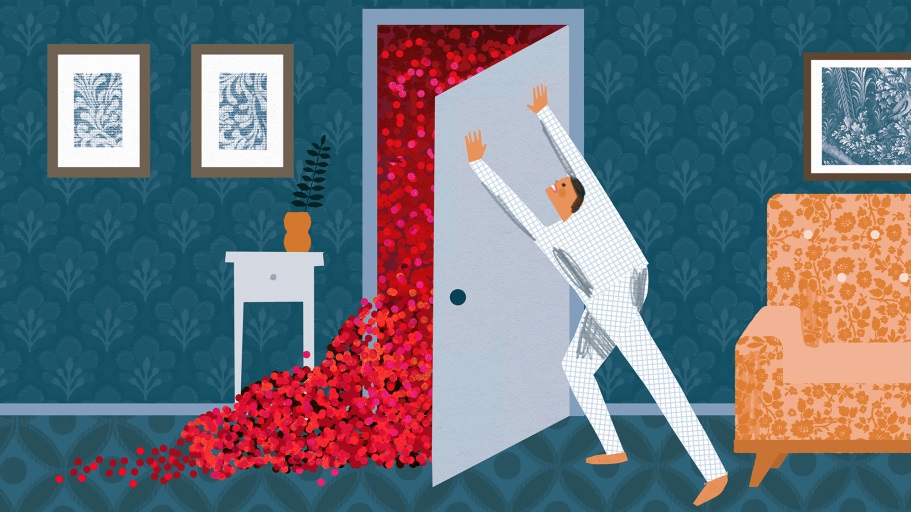
Hypochondria, or the anxiety surrounding one’s health, is characterized by the fear of contracting a disease or illness. This anxiety is more common than one would expect, especially within these current times of COVID-19 where it has been heightened. Prior to the COVID-19 outbreak, according to MedicalNewsToday, approximately 4-6% of the world population deals with clinically significant hypochondria. Today, some people may begin to feel anxious given the highly contagious nature of the disease in addition to the lack of information regarding the future of the disease. Oftentimes, this may lead to physical symptoms that emerge due to the stress associated with being exposed to someone sick or contracting a disease.  With the coronavirus pandemic, hypochondria may be intensified because some of the most common symptoms such as coughing and sore throat are common and may be due to other more common colds other than COVID-19.

Some signs of hypochondria include worrying that you have serious illnesses given minor symptoms, being easily panicked regarding their health status, being preoccupied by one’s wellbeing, and avoiding people and activities in fear of risk. Proper treatment for hypochondria includes behavioral stress management programs, Cognitive Behavioral Therapy, and visiting specialists for anxiety. The usage of antidepressants, for example Prozac and Luvox, and antianxiety medications are advised to control the effects of hypochondria.

If you or someone you know is experiencing hypochondria, please contact our psychotherapy offices in New York or New Jersey to talk to one of our licensed professional psychologists, psychiatrists, psychiatric nurse practitioners, or psychotherapists at Arista Counseling & Psychotherapy. Contact our Paramus, NJ or Manhattan, NY offices respectively, at (201) 368-3700 or (212) 722-1920 to set up an appointment. For more information, please visit http://www.counselingpsychotherapynjny.com/

Sources

https://www.medicalnewstoday.com/articles/hypochondria-and-covid-19

https://www.webmd.com/anxiety-panic/features/worried-sick-help-for-hypochondria

https://www.nytimes.com/ 2018/06/18/well/a-new-approach-to-treating-hypochondria.html

Image Source

https://www.google.com/url?sa=i&url=https%3A%2F%2Fwww.nytimes.com%2F2018%2F06%2F18%2Fwell%2Fa-new-approach-to-treating-hypochondria.html&psig=AOvVaw0M9bcHwiRGDUvI2RSlNcmG&ust=1625755773112000&source=images&cd=vfe&ved=0CAoQjRxqFwoTCIC39a6a0fECFQAAAAAdAAAAABAK

OCD: Life During a Pandemic

By Charlotte Arehart

It seems logical to assume that those struggling with OCD are having a harder time during the COVID-19 pandemic. However, this is not necessarily true. While some people who suffer from OCD are having more troubles, not every person who has OCD is seeing a difference in their symptoms. For example, someone who’s OCD focuses on other infectious agents that are not COVID-19 will probably not see a lot of change in their symptoms. A study done in November of 2020 found that OCD symptoms increased in frequency significantly more in “washers,” or people who are afraid of contamination, than in non-washers with OCD.

Many individuals with OCD are expressing how the pandemic has made other people realize what it is like to obsess over contamination. For some people with OCD, this has been the way they have felt for their entire lives. For many of us, obsessively cleaning and sanitizing things has only become part of our habits because of the pandemic.

One benefit that doctors have been seeing during the pandemic, specifically for OCD treatment, is the fact that online therapy sessions allow the patient to have their session in any setting. Many people who are being treated for OCD use exposure therapy with their therapists to help reduce their symptoms. This involves patients exposing themselves to stimuli that may induce their symptoms in an attempt to reduce their anxiety about these symptoms. With sessions being held on telehealth, patients can move about their environment and even do their therapy in unusual locations that allow them to expose themselves, with professional direction, to their stressors. This would not always be possible in an office setting.

The bottom line is that one cannot assume that an individual with OCD is experiencing worse symptoms due to the pandemic. While this is true some people who are suffering from OCD, not every individual’s stressors include the virus. It is important that someone who is experiencing OCD seeks treatment as soon as possible, before symptoms worsen. OCD can be debilitating if it is extreme. Therapy is an excellent form of treatment for OCD.

If you or someone you know is struggling with OCD, please contact our psychotherapy offices in New York or New Jersey to talk to one of our licensed professional psychologists, psychiatrists, psychiatric nurse practitioners, or psychotherapists at Arista Counseling & Psychotherapy. Contact our Paramus, NJ or Manhattan, NY offices respectively, at (201) 368-3700 or (212) 722-1920 to set up an appointment. For more information, please visit http://www.counselingpsychotherapynjny.com/

Sources:

https://www.columbiapsychiatry.org/news/covid-q-obsessive-compulsive-disorder-ocd

https://www.ncbi.nlm.nih.gov/pmc/articles/PMC7644184/

Image Source: https://www.npr.org/sections/health-shots/2020/06/13/872466613/obsession-or-just-good-hygiene-keeping-the-coronavirus-and-ocd-at-bay

Anxiety, Depression, Eating Disorders, ADHD, Et al: How to Support a Friend with Mental Illness

By: Sarah Cohen

When helping a friend with a mental illness, the first step should be assessment of their symptoms. Sometimes they just might be going through a difficult time, but if certain common symptoms associated with mental health issues persist it is imperative to respond sensitively. Majority of the time, friends will just want to know they have your support and that you care about them. A good way to show your support is by talking to them. If you provide a non-judgmental space for them to speak about their issues it will help encourage them to be open with their problems. Let them lead the conversation and don’t pressure them to reveal information. It can be incredibly difficult and painful to speak about these issues and they might not be ready to share everything. If you aren’t their therapist do not diagnose them or make assumptions about how they are feeling, just listen and show you understand. If someone doesn’t want to speak with you, don’t take it personally, just continue to show them you care about their wellbeing and want to help as much as possible. Just knowing they have support can give them the strength they need to contact someone who can help them.

If a friend is having a crisis, such as a panic attack or suicidal thoughts, you must stay calm. Try not to overwhelm them by asking a lot of questions and confronting them in a public setting. Ask them gently what would be helpful to them right now or reassure them. If they hurt themselves, get first aid as soon as possible. If someone is suicidal, contact the suicide hotline at 800-237-8255 immediately.

The best way to help someone is by connecting them to professional help. By expressing your concern and support you can show them that they can get help and their mental health problems can be treated.

If you or someone you know needs support with their mental illness, please contact our psychotherapy offices in New York or New Jersey to talk to one of our licensed professional psychologists, psychiatrists, psychiatric nurse practitioners, or psychotherapists at Arista Counseling & Psychotherapy. Contact our Paramus, NJ or Manhattan, NY offices respectively, at (201) 368-3700 or (212) 722-1920 to set up an appointment. For more information, please visit http://www.counselingpsychotherapynjny.com/

https://www.mentalhealth.org.uk/publications/supporting-someone-mental-health-problem

https://www.mentalhealth.gov/talk/friends-family-members