Generational or (integrational) trauma is a phrase that you might be hearing recently being thrown around but, do you truly know what it means. It is trauma that can be passed down through generations by epigenetics, when genes change how they work but the DNA sequence stays the same. It can be baggage brought from one generation onto the next. Coming from a family with this type of trauma can cause many negative outcomes which can include Stress. When dealing with your close loved ones, stress can become a common factor in your life. Trying to identify if your family has generational trauma look for these:
Always on edge ( waiting for the other shoe to drop)
The first big step you can take is recognizing that the trauma that you have can be inherited. After identifying the generational trauma you can then start to work on the stress that you have. Your body was in flight or fight mode constantly and now you know why and due to what trauma. According to the American Psychological Association we see how parents after experiencing a traumatic event, can pass on their fear and prevent future generations from finding new ways. Getting professional help can also apply to you; stress can become chronic if not addressed. Help the future generations by breaking this unhealthy cycle.
If you or someone you know is struggling with mental health, please contact our psychotherapy offices in New York or New Jersey to talk to one of our licensed professional psychologists, psychiatrists, psychiatric nurse practitioners, or psychotherapists at Arista Counseling and Psychotherapy. Contact our Paramus, NJ, or Manhattan, NY offices respectively, at (201) – 368-3700 or (212)-722-1920 to set up an appointment. For more information, please visit https://www.counselingpsychotherapynjny.com/
Marilyn Monroe, born Norma Jeane Baker, was a glamorous Hollywood actress who became known for her iconic “blonde bombshell” role in the 50s and 60s. Alluring, radiant, and successful, she presented a seemingly flawless image of femininity and class. What could have driven such a talented young woman to end her own life? And what are the implications for mental health awareness in a society that prioritizes the perfectly curated image over authentic emotional wellbeing?
Beneath the pop culture icon’s surface was a deeply troubled woman with a turbulent childhood. Norma Jeane’s family had a history of mental illness. Her grandmother suffered from manic-depressive illness and died in a psychiatric hospital; her great-grandfather died by suicide. Her own mother was diagnosed as manic-depressive and later as paranoid schizophrenic, being hospitalized several times and eventually institutionalized when Norma Jeane was only 8 years old. As a result, Norma Jeane lived in as many as twelve different foster homes, and was sexually abused by her foster parents in two of them. Despite later creating a character that would captivate the country, Monroe struggled with various mental illnesses and substance abuse throughout adulthood, and would later die from a barbiturate overdose at only 36.
Based on a biographical review written by psychiatrists and clinical psychologists, it is highly suspected that she suffered from Borderline Personality Disorder (BPD). BPD is characterized by unstable moods, impulsivity, a distorted self-image, and trouble with interpersonal relationships. It is also highly probable that she developed Post-Traumatic Stress Disorder (PTSD) due to her childhood abuse. The accumulation of traumas, combined with the presence of BPD, may have led to the development of complex PTSD (cPTSD), which is associated with a high risk of suicide.
Beautiful yet tragic, Marilyn Monroe’s story highlights an important truth: Anyone can be struggling with hidden challenges, no matter how perfect or fine they might seem on the surface. It is crucial to check in on your loved ones to ensure they get the help they need, whether it be therapy, medication, or both. The growing awareness and de-stigmatization of mental health in today’s society have made resources more accessible than ever—offering support that can save lives.
If you or someone you know is struggling, please contact our psychotherapy offices in New York or New Jersey to talk to one of our licensed professional psychologists, psychiatrists, psychiatric nurse practitioners, or psychotherapists at Arista Counseling and Psychotherapy. Contact our Paramus, NJ, or Manhattan, NY offices respectively, at (201) – 368-3700 or (212)-722-1920 to set up an appointment. For more information, please visit https://www.counselingpsychotherapynjny.com/
References:
Dell’Osso, L., Carpita, B., Luche, R. D., Lorenzi, P., & Amatori, G. (2023). The Illness Trajectory in Marilyn Monroe’s Psychological Autopsy: From Autism Spectrum Disorder to Borderline Personality Disorder and Bipolar Disorder with Catatonia. Clinical neuropsychiatry, 20(6), 505–510. https://doi.org/10.36131/cnfioritieditore20230605
Social media offers many advantages, allowing people to stay connected with friends and family regardless of location. It also provides quick and easy access to information, including news and current events. However, despite these benefits, social media can negatively impact mental health. Here are some reasons why.
Fear of Missing out (FOMO): Constantly checking to see what others are doing can lead to feelings of fear and missing out. This can create anxiety and unrealistic expectations about how we “should” be living.
Self-Image: Social media often promotes idealized images using filters to change appearances online. This can affect our mental health by comparing ourselves to others or seeking acceptance from our posts on social media through likes and comments.
Self-Esteem: Watching other people’s seemingly perfect lives can result in feelings of insufficiency and low self-worth.
Cyberbullying: Exposure to harassment and negative comments on social media can lead to feelings of isolation and increased stress.
To help with this, prioritize your well-being. Here are some ways to do that.
Limit Screen Time: Use features on your phone to set daily time limits on social media apps.
Schedule Yourself Screen-Free Time Daily: Set aside part of your day, whether it is during meals, time at the gym, or with friends, where you are completely offline and present.
Put Your Phone on Do Not Disturb: This will help eliminate distractions and checking notifications.
Avoid Social Media Before Bed: The blue light on our phones can disrupt our sleep, which is crucial for our mental health.
If you or someone you know is struggling with mental health, please contact our psychotherapy offices in New York or New Jersey to talk to one of our licensed professional psychologists, psychiatrists, psychiatric nurse practitioners, or psychotherapists at Arista Counseling and Psychotherapy. Contact our Paramus, NJ, or Manhattan, NY offices respectively, at (201) – 368-3700 or (212)-722-1920 to set up an appointment. For more information, please visit https://www.counselingpsychotherapynjny.com/
Do you ever find yourself worrying about everything all the time? You find that you can’t seem to find a way to let go, the worries always get in the way. If you are experiencing the following symptoms then you may have generalized anxiety disorder.
Generalized anxiety disorder is when you have immense worry and anxiety which affects your everyday life. Not to be confused with worrying because everyone worries about things or events occurring in their life. The difference is that one knows how to let it go or even worry about it for a bit and move on. For those experiencing generalized anxiety disorders, they don’t have a way of letting it go; it’s all they are constantly thinking about.
It may sound like:
What if I can’t get my laundry done? What if I can’t find a job? Will I be able to pay the bills on time? What if I fail in school? What if I get rejected? What if people don’t like me?
Notice how many of these worrisome are “what if” questions. It could be that you are worrying about situations/problems that haven’t yet occurred. This is one of the symptoms of this anxiety disorder- you fear the unknown which makes you worry constantly. You’ll find that you won’t be able to relax. For example, many students worry about picking and starting college. People with this disorder can also find themselves to be indecisive because they are scared to make the wrong choice.
What if I pick the wrong university? What if I fail out of my classes? What if I don’t like the people there? What if it’s too hard for me to manage?
At the end of the day we are human, we all make mistakes. We can’t be perfect all the time. In order to continue growing and be healthy, we have to sometimes make the wrong choices and learn from them. Our mistakes are what help us progress. If we are constantly worrying, then we can’t go anywhere, we’re stuck. Other symptoms you might be experiencing are: constant fatigue, muscle aches, overthinking, unable to relax, and irritability.
Generalized anxiety disorders in children are expressed differently than in adults. Children worry about being accepted, having good grades, being good at sports, making friends, being included in social outings, trying to make everything perfect, and seeking approval from their parents. This affects their mental health and everyday life routine.
Generalized anxiety disorder in adults, is more severe. Adults tend to worry about being financially stable, buying a house, not having credit card debt, having good credit, finding a good job, finding a romantic partner, and starting a family. Anxiety can be overwhelming, however. We have to remember that it’s not normal to chronically worry all the time. It’s really unhealthy and leads to poor mental health. Worrying about everything won’t make the situation better. It might actually worsen your health.
If you or someone you know is struggling with generalized anxiety disorder, please contact our psychotherapy offices in New York or New Jersey to talk to one of our licensed professional psychologists, psychiatrists, psychiatric nurse practitioners, or psychotherapists at Arista Counseling and Psychotherapy. Contact our Paramus, NJ, or Manhattan, NY offices respectively, at (201) – 368-3700 or (212)-722-1920 to set up an appointment. For more information, please visit https://www.counselingpsychotherapynjny.com/
Borderline Personality Disorder (BPD): A Simple Guide
By: Katerina Kostadimas
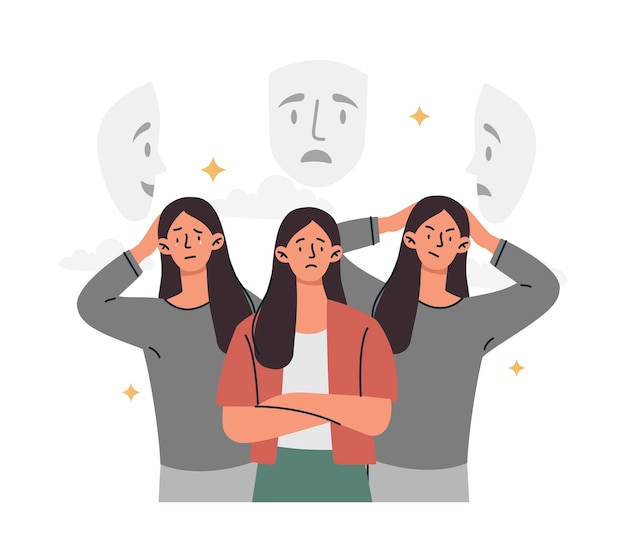
Borderline Personality Disorder (BPD) is a mental health condition that affects the way a person thinks, feels, and interacts with others. People with BPD often struggle with intense emotions, unstable relationships, and a strong fear of abandonment.
What Are The Symptoms of BPD?
BPD symptoms are different for everyone, but common signs include:
Emotional Instability
Fear of abandonment
Unstable Relationships
Impulsive Behaviors
Self-harm or Suicidal Thoughts
Identity Issues
Chronic Feelings of Emptiness
Intense Anger
Paranoia or Dissociation
What Causes BPD?
There is no single cause of BPD, but factors that may contribute include:
Genetics
Brain Differences
Trauma or Childhood
How Is BPD Treated?
BPD is treatable, and many people learn to manage their symptoms with the right help. Some common treatments include:
Therapy—Dialectical Behavior Therapy (DBT) has been said to be the most effective treatment. It teaches skills to manage emotions, build healthy relationships, and reduce impulsive behaviors.
Medication- While there is no specific medication for borderline personality disorder, some people benefit from antidepressants, mood stabilizers, or antipsychotic medications to manage symptoms.
Support System- Having understanding friends, family, or support groups can make a big difference in managing BPD.
If you or someone you love has BPD, know that recovery is possible. With the right treatment and support, people can build stable relationships, manage emotions, and lead fulfilling lives.
If you or someone you know is struggling with borderline personality disorder, please contact our psychotherapy offices in New York or New Jersey to talk to one of our licensed professional psychologists, psychiatrists, psychiatric nurse practitioners, or psychotherapists at Arista Counseling and Psychotherapy. Contact our Paramus, NJ, or Manhattan, NY offices respectively, at (201) – 368-3700 or (212)-722-1920 to set up an appointment. For more information, please visit https://www.counselingpsychotherapynjny.com/
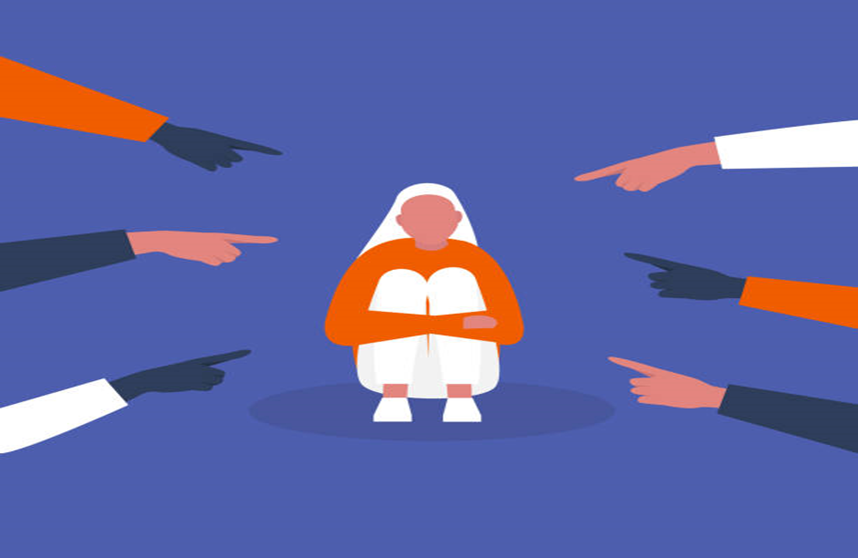
Therapy is a tool that supports individuals struggling with mental health and different aspects of their lives. Despite the growing conversations about mental health, there continues to be stigma surrounding it. Due to the stigma, individuals find it difficult to seek support through therapy due to fear of judgment, shame, or cultural expectations.
Common Misconceptions about Therapy
Therapy is only for “crazy” people. Many people still associate therapy with severe mental illness and believe it’s only for those experiencing extreme mental health conditions. Therapy can benefit any individual, regardless of the severity of their situation. Therapy is about growth, coping with life’s challenges, and improving overall mental well-being.
Therapy takes too long or is not effective. Some fear that therapy is a lengthy process that will not have results. While the length of therapy depends on the individual’s needs, many individuals find that even a few sessions can lead to meaningful improvements. Therapy is not a quick fix, but it is an investment in long-term mental health.
Only “weak” people need therapy. A common misconception is that seeking therapy is a sign of personal weakness. On the contrary, therapy is a sign of strength and courage. Therapy helps individuals confront their emotions and commit to bettering themselves. Many individuals believe therapy to be an invaluable tool for growth; instead, it promotes emotional resilience.
Breaking the Stigma
Breaking the stigma surrounding therapy is essential for creating a more supportive and open environment for society. The idea of seeking therapy can still feel uncomfortable for many individuals due to the misconceptions that treatment is only for those facing serious mental health issues, with therapy often viewed as something reserved for those with severe problems. These misconceptions prevent many from seeking the help they need. By normalizing therapy and highlighting its benefits, an environment can be created where mental health care is as accessible and accepted as physical health care.
If you or someone you know is seeking support, please contact our psychotherapy offices in New York or New Jersey to talk to one of our licensed professional psychologists, psychiatrists, psychiatric nurse practitioners, or psychotherapists at Arista Counseling & Psychiatric Services. Contact our Paramus, NJ or Manhattan, NY offices respectively, at (201) 368-3700 or (212) 722-1920 to set up an appointment. For more information, please visit http://www.counselingpsychotherapynjny.com/
Saporito, J. M., Ryan, C., & Teachman, B. A. (2011). Reducing stigma toward seeking mental health treatment among adolescents. Stigma research and action. https://pmc.ncbi.nlm.nih.gov/articles/PMC3839682/
For many years, therapy has been misunderstood, with many individuals associating it only with severe mental health problems. According to the American Psychological Association, nearly 50% of individuals with mental health issues don’t seek help, partly due to the stigma that therapy is for “broken” people or those in crisis. This narrative discourages people from reaching out, preventing them from using therapy as a preventative measure. Therapy should be seen as a lifeline—an essential tool for maintaining mental wellness, not a last resort.
Therapy is not just for people in crisis; it’s a vital tool for anyone looking to enhance their emotional well-being. Much like going to the gym for physical fitness, therapy helps strengthen your mental resilience. Regular sessions provide a space to understand your thoughts and behaviors, improve emotional regulation, and build coping strategies for life’s challenges. By addressing concerns before they escalate, therapy can prevent issues like anxiety or depression from becoming overwhelming.
Types of Therapy
There are various types of therapy, each suited to different needs:
Cognitive Behavioral Therapy (CBT) – Focuses on changing negative thought patterns.
Dialectical Behavior Therapy (DBT) – Aids in managing intense emotions.
Acceptance and Commitment Therapy (ACT) – encourages individuals to accept their thoughts and feelings without judgment while committing to actions that align with their values.
Couples or Family Therapy – Improves communication and resolves conflicts.
These diverse approaches allow individuals to choose the therapy that best fits their needs, whether they’re struggling with a specific issue or simply seeking personal growth.
The Lifelong Benefits of Therapy
Therapy offers lasting benefits beyond temporary relief. Research from the National Institute of Mental Health shows that therapy can significantly reduce symptoms of anxiety, depression, and other mental health conditions. People who engage in therapy often experience improved emotional resilience, healthier relationships, and better-coping mechanisms. The skills you gain in therapy can help you manage stress, navigate life transitions, and maintain mental balance in the long term.
While therapy can benefit anyone, there are certain signs that indicate it might be time to seek help:
Persistent Feelings of Overwhelm or Stress If daily tasks are becoming increasingly difficult to manage due to stress or anxiety, therapy can help you develop coping skills and regain control.
Significant Mood Changes If you notice consistent changes in your mood, such as prolonged sadness, irritability, or feelings of hopelessness, therapy can help you address underlying emotional issues.
Difficulty Managing Relationships Struggles in personal or professional relationships, marked by ongoing conflict or miscommunication, can be a sign that therapy is needed to improve interpersonal skills and emotional intelligence.
Changes in Behavior If you’ve noticed significant changes in behavior—such as withdrawal from activities, social isolation, or changes in sleeping or eating habits—it’s important to address these shifts with professional support.
Difficulty Coping with Major Life Changes Life events such as a breakup, job loss, or the death of a loved one can trigger emotional
If any of these resonate, therapy could be a helpful resource to regain clarity, manage emotions, and improve your well-being.
If you or someone you love is seeking therapy, please contact our psychotherapy offices in New York or New Jersey to talk to one of our licensed professional psychologists, psychiatrists, psychiatric nurse practitioners, or psychotherapists at Arista Counseling and Psychotherapy. Contact our Paramus, NJ or Manhattan, NY offices respectively, at (201) 368-3700 or (212) 722-1920 to set up an appointment. For more information, please visit http://www.counselingpsychotherapynjny.com/.
References:
American Psychological Association. (n.d.). Why therapy works: Therapy and mental health. American Psychological Association. https://www.apa.org/topics/therapy
Mental Health Services: The Significance of Geography
While numerous mental health services are available today, the abundance and equality of services and resources depend on the location. Some individuals reside in rural landscapes where the nearest healthcare professional, psychiatrist, psychologist, or clinical social worker can be miles and miles away. This can become an issue for individuals who need mental health treatment and assessment in a physical setting. Although telehealth is an alternative option for face-to-face appointments, many may not gravitate toward the technology option.
Depending on the diagnosis, receiving face-to-face treatment and therapy can be the most beneficial to managing the diagnosis. Unfortunately, due to the distance, some individuals would rather decide to not treat their mental illness and continue to live with it. If something is so far out of the way, it may feel like a chore or burden for individuals to attend to instead of viewing it as a resource to benefit their mental stability and mental balance.
Also, the stigma and awareness about mental health depend on where someone lives. Based on the area, the education focused on mental health can be very limited or ample. Therefore, if an individual happens to reside in an area with little to no education toward mental health, the treatment and the services may not normalized and accepted. This unfortunately may then lead to individuals not receiving the assistance they need.
If you or someone you know is having mental health difficulties and/ or experiencing symptoms of any form of inner conflicts, please contact our psychotherapy offices in New Jersey to talk to one of our licensed professional psychologists, psychiatrists, psychiatric nurse practitioners, or psychotherapists at Arista Counseling & Psychotherapy. Contact our offices at (201) 368-3700 or (212) 722-1920 to set up an appointment. For more information, please visit http://www.counselingpsychotherapynjny.com/
On July 13th of this year, a shot was witnessed around the world when a skinny, pale 20-year-old with an AR-15-style rifle climbed onto a roof facing former President Donald Trump’s rally and fired. After the crowd got up from the ground when police said it was safe, but before paramedics could arrive, millions of people already had photos and videos of the incident on their devices and were chasing the story for updates.
Research outlines how witnessing these events through such graphic and detailed media not only makes us afraid and panicked, but also leads us to doubt our society. We start to think that if we scoured the dark web enough, we’d be able to prevent shootings, or that our children’s classmates who are on the fringes of the social scene might just shoot them one day. We may even convince ourselves that we need a gun for our personal safety and survival.
Universally, we consider leaders to be among the most protected and secure people in our country. When we witness political violence firsthand or through videos and photos, we automatically begin to fear for our own safety and security. As psychologist Dr. Zachary Ginder points out, witnessing a violent attack on a government authority—whether in real-time or via video—leads us to question and doubt our “sense of social order, control, trust, safety, and security.”
One thing that the boom of social media has demonstrated, validated by numerous studies, is that we easily obtain extensive video and photo coverage of violent attacks, whether they involve shootings, terrorist attacks, assassination attempts, or others. The ability to see every single moment from every angle of a violent incident, due to continuous media coverage and the ease of sharing on social media, serves to sustain our trauma and panic, according to Roxanne Cohen Silver, a professor of psychological science, medicine, and public health at the University of California, Irvine.
Experts suggest several ways to relieve anxious feelings: avoid listening to and perpetuating conspiracy theories by ensuring that you’re getting your news from reliable sources; take time to establish and maintain regular habits that support your self-care; channel your energy into advocacy and “positive action,” which can help many feel more in control; focus on kindness and positivity; and seek help when needed to process trauma in a healthy way rather than remaining in a traumatic mindset.
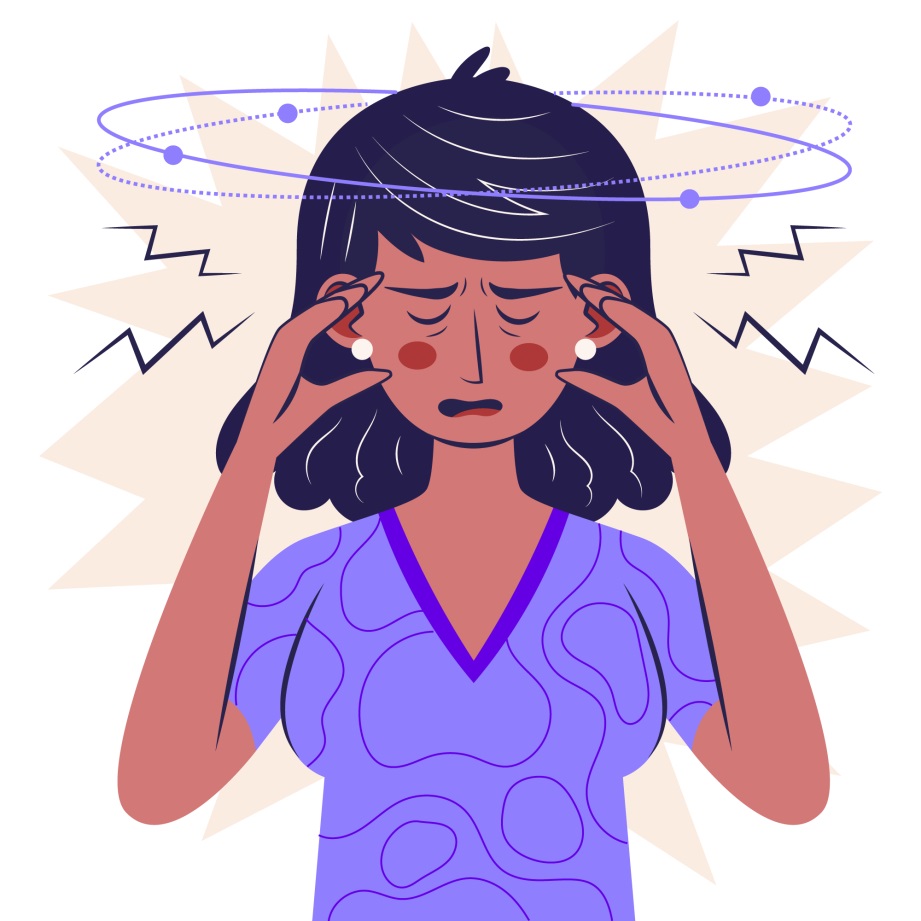
If one’s reaction to trauma is intense, they may experience difficulties such as trouble sleeping, concentrating, irritability, anger, lashing out, or paranoia. Disorders related to traumatic reactions—whether the experience was direct or indirect—include acute stress disorder, depression, generalized anxiety disorder, panic disorder, post-traumatic stress disorder, and substance use disorder.
The other day I was sitting in my college Renaissance History course, learning about the joy, beauty, and creative innovation of an era that spanned three centuries following roughly 1,000 years of life so bleak and horrible that it gained an additional name: the “Dark Ages.” At one point during the lecture, my professor made an off-the-cuff remark about how since every generation spans more or less 20 years, and within that generation, everything that happens in the world is considered “current events,” the 23rd anniversary of the tragic day that is 9/11 is now considered “history.” We all sat there a little shocked and confused because how could over twenty years have passed and how could something discussed so frequently in the United States be considered history?
On the morning of Tuesday, September 11, 2001, first responders flocked by the thousands to the only building complex in the 10048 zip code in Lower Manhattan upon hearing the devastation that was unfolding in New York City. Thousands of therapists (social workers, psychologists, other mental health professionals, and so on) rushed to Manhattan in what psychologist Ghislaine Boulanger described as a “feeding frenzy” of therapists hurrying to help, (some even walking to fire stations and simply standing outside in case someone wanted therapy) all without knowing what helping would entail, all to assist in the efforts taking place in the aftermath of such a traumatic event witnessed live by hundreds of thousands of people. Boulanger, along with psychoanalyst and interfaith chaplain Margaret Klenck, described how at first the mental health professionals on the scene at that time were diving right into “the nitty-gritty” of therapy or “overmedicating people with tranquilizers and antidepressants,” when in reality, Klenck said, they were not depressed. They were traumatized and grieving, so naturally they were crying.
Psychologist Donna Bassin, who was a therapist for victims and their family members following 9/11, noticed that she was “emotionally transformed” by being a therapist during that time. “I started becoming more aware of community trauma, realizing how much people needed each other, not just 45 minutes in the psychotherapy office.” Years of trauma research and research on effective therapeutic practices have proven that most clients do not respond positively to long, detailed, and intense therapy immediately following a traumatic event. Richard McNally, a psychologist at Harvard, remarked how one of the most impactful lessons that were learned due to 9/11 was that people are far more resilient than we, specifically therapists in this case, thought.
As we look back on the past 23 years following a day that caused a loss of life for nearly 3,000 people and injured over 6,000, one lesson is starkly clear: we, as a community and as a nation, are more resilient than we think. We have built a bronze memorial, and etched in its surface the names of every single victim. We have built a new building in its place, 1,792 feet in the air, looking down over not only the historical New York City but also the 70-foot-deep memorial for the buildings. Therapists, first responders, the government, and doctors alike have all discovered new and more effective ways to deal with a country wreaked by terror and tragedy, and have created and discovered new ways to help people, built on the ashes of terror of times past.
Just like the “rebirth” that the Renaissance was, in 2024 we, too, can usher in our own enlightenment.
Psychiatric disorders associated with trauma exposure: PTSD, major depressive disorder, generalized anxiety disorder, panic disorder, and substance abuse disorders.
If you or someone you know is struggling with trauma-related disorders or with mental health in general, please contact our psychotherapy offices in New York or New Jersey to talk to one of our licensed professional psychologists, psychiatrists, psychiatric nurse practitioners, or psychotherapists at Arista Counseling & Psychotherapy. Contact our Paramus, NJ or Manhattan, NY offices respectively, at (201) 368-3700 or (212) 722-1920 to set up an appointment. For more information, please visit http://www.counselingpsychotherapynjny.com/






 CounselingRx