Borderline Personality Disorder (BPD): A Simple Guide

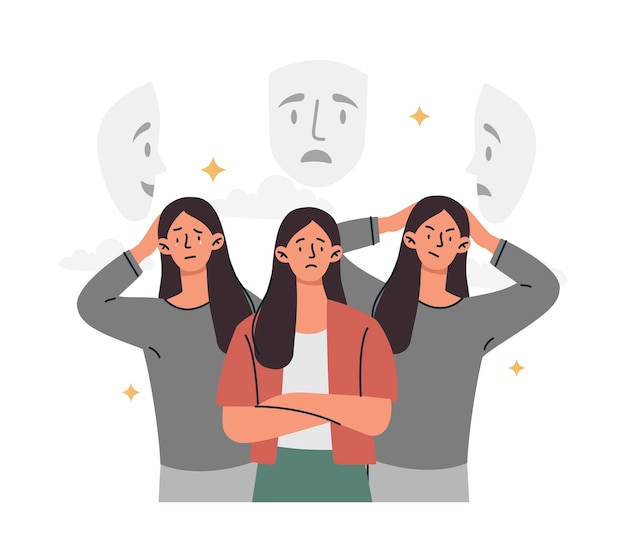
Premium Vector | Personality disorder concept

Borderline Personality Disorder (BPD): A Simple Guide

By: Katerina Kostadimas

Borderline Personality Disorder (BPD) is a mental health condition that affects the way a person thinks, feels, and interacts with others. People with BPD often struggle with intense emotions, unstable relationships, and a strong fear of abandonment.

What Are The Symptoms of BPD?

BPD symptoms are different for everyone, but common signs include:

  1. Emotional Instability
  2. Fear of abandonment
  3. Unstable Relationships
  4. Impulsive Behaviors
  5. Self-harm or Suicidal Thoughts
  6. Identity Issues
  7. Chronic Feelings of Emptiness
  8. Intense Anger
  9. Paranoia or Dissociation

What Causes BPD?

There is no single cause of BPD, but factors that may contribute include:

  • Genetics
  • Brain Differences
  • Trauma or Childhood

How Is BPD Treated?

BPD is treatable, and many people learn to manage their symptoms with the right help. Some common treatments include:

  • Therapy—Dialectical Behavior Therapy (DBT) has been said to be the most effective treatment. It teaches skills to manage emotions, build healthy relationships, and reduce impulsive behaviors.
  • Medication- While there is no specific medication for borderline personality disorder, some people benefit from antidepressants, mood stabilizers, or antipsychotic medications to manage symptoms.
  • Support System- Having understanding friends, family, or support groups can make a big difference in managing BPD.

If you or someone you love has BPD, know that recovery is possible. With the right treatment and support, people can build stable relationships, manage emotions, and lead fulfilling lives. 

If you or someone you know is struggling with borderline personality disorder, please contact our psychotherapy offices in New York or New Jersey to talk to one of our licensed professional psychologists, psychiatrists, psychiatric nurse practitioners, or psychotherapists at Arista Counseling and Psychotherapy. Contact our Paramus, NJ, or Manhattan, NY offices respectively, at (201) – 368-3700 or (212)-722-1920 to set up an appointment. For more information, please visit https://www.counselingpsychotherapynjny.com/

Reference:

https://www.mayoclinic.org/diseases-conditions/borderline-personality-disorder/symptoms-causes/syc-20370237

Self-Love: Learning to Love YourSELF

Self-Love: Learning to Love YourSELF

By: Michelle Cocone

February is known to be the month of love, spreading love to our loved ones. We spend a lot of time trying to share that love that we often forget about ourselves. It’s important to learn how to love yourself. It helps us lead a healthier life and have better mental health. When we don’t love ourselves, it takes a toll on us, possibly leading to depression, anxiety, or an eating disorder. There are many ways to show love to ourselves, here are a couple ways.

Shift Your Perspective

  • Focusing on the bad aspects of ourselves won’t lead to anywhere good
  • Shift your perspective towards a more positive outlook
  • Don’t always see the cons, recognize the pros as well, they need love too

Affirmations

  • Write out a list of what you like + love about yourself
  • Tell yourself that you appreciate all parts of  your body/personality
  • Embrace the beauty of it all
  • Remember your body does plenty of work to keep you going every day
  • Keep telling yourself all these affirmations throughout the low points you may have

Practice Self-Love

  • Focus on the hobbies that you enjoy
  • Pour yourself  into becoming better at your hobbies
  • Be kind to yourself, you only have one body, so take care of it
  • Learn to forgive yourself when you haven’t accomplished everything you hoped for
  • Learn to forgive yourself when you aren’t kind to yourself
  • It’s okay to say “No.” You don’t have to please others all the time.

The most important relationship you can have is with yourself.  You may have heard this saying once or twice but it’s true, “Learn to love yourself first so you can spread love to others.”  Make time to focus and nourish your own self. It doesn’t all get done in one day. As long as you work on yourself a little bit every day that’s all that matters.

If you or someone you know is struggling with self-love, please contact our psychotherapy offices in New York or New Jersey to talk to one of our licensed professional psychologists, psychiatrists, psychiatric nurse practitioners, or psychotherapists at Arista Counseling and Psychotherapy. Contact our Paramus, NJ or Manhattan, NY offices respectively, at (201) – 368-3700 or (212)-722-1920 to set up an appointment. For more information, please visit https://www.counselingpsychotherapynjny.com/

References

Improving every area of your life starts with self-love. Improving Every Area of Your Life Starts with Self-Love | Tony Robbins. (n.d.). https://www.tonyrobbins.com/ultimate-relationship-guide/how-to-fall-in-love-with-yourself?srsltid=AfmBOoq4CvACby5hWenBdEGAH5zBgxAPOtKzEvtobHDRZ6cGfT9MaFtn


Pomlett, M. (2020, December 21). Learn how to self-love. Psychological Health Care. https://www.psychologicalhealthcare.com.au/blog/learn-how-to-self-love/

Eating Disorder: The Hunger for Healing

Eating Disorder: The Hunger for Healing

By: Areeza Malik

What Are Eating Disorders?

Eating disorders are more than just an obsession with food or weight. They are complex mental health conditions that involve disordered eating behaviors, distressing thoughts about food, body image, and often dangerous physical consequences. These disorders can affect anyone, regardless of age, gender, or background. While they frequently start with an obsession with food, weight, or exercise, they are usually driven by deeper emotional and psychological struggles.

The most common eating disorders include:

  • Anorexia Nervosa
  • Bulimia Nervosa
  • Binge Eating Disorder
  • Avoidant / Restrictive Food Intake Disorder

Recognizing the Signs of an Eating Disorder

  • Physical signs:
  • Sudden weight loss/weight fluctuations
  • Hair thinning or loss
  • Cold intolerance
  • Brittle nails and dry skin
  • Fatigue
  • Dizziness
  • Digestive issues
  • Emotional signs:
  • Intense fear of weight gain
  • Obsession with food, dieting, and body size
  • Feelings of shame and guilt
  • Social withdrawal
  • Behavioral signs:
  • Skipping meals or making excuses to avoid eating
  • Excessive exercise, calorie counting, and weight checking
  • Binge eating episodes
  • Strict food categorization

The Path to Recovery

The road to recovery from an eating disorder has its twists and turns. It’s a journey that requires patience, self-compassion, and professional support. Recovery is about letting go of negative beliefs around food and body image. It’s about changing from control to kindness, from limiting yourself to nourishing the body, and from being alone to building connections. There will be setbacks, but each small step forward counts. Surround yourself with support, embrace mindful eating, and recognize and challenge negative thoughts.

Healing goes beyond changing your eating habits; it involves rebuilding confidence, changing your mindset and learning to trust your body. Living a life where food is a source of strength rather than stress is important. While the path is challenging, it leads to freedom, self-love, and true recovery.

If you or someone you know needs support for an eating disorder, please contact our psychotherapy offices in New York or New Jersey to talk to one of our licensed professional psychologists, psychiatrists, psychiatric nurse practitioners, or psychotherapists at Arista Counseling & Psychotherapy. Contact our offices at (201) 368-3700 or (212) 722-1920 to set up an appointment. For more information, please visit http://www.counselingpsychotherapynjny.com/

References:

Strand, C. (2024, September 3). Eating disorders – early detection & treatment are key to recovery. Rural Minds. https://www.ruralminds.org/rural-minds-blog/eating-disorders-early-detection-amp-treatment-are-key-to-recovery?gad_source=1&gclid=CjwKCAiAtYy9BhBcEiwANWQQLzonikibaqE1awaP74y1A36Q08Bi1gpuzldje_C0HH_PfC1xzxcG5xoCgvIQAvD_BwE


Relationships and Money: Money problems could be affecting your relationship

Relationships and Money: Money problems could be affecting your relationship

By: Michelle Cocone

Money doesn’t usually get discussed in relationships until it becomes a hardship. When it does occur, you and your partner might find yourselves in a repetitive argument, leading to stress. According to Psychology Today, about 70% of the population in the U.S. is married; they might face money problems throughout their marriage. It’s not uncommon to have differences in handling money as people are raised differently. It’s never too late to discuss finances with your partner to improve your relationship moving forward. As well as it’s never too early to establish financial goals to promote a healthy relationship. There are three key questions to discuss with your partner about money problems.

  • What did your parents teach you about money?
  • What are your financial goals?
  • What are your fears about money?

Typically the information we have about managing money we learn from our parents. If your parents taught you how to keep track of bills, save money, and credit card management, then you have a good understanding of how to deal with money. Whereas some people had parents who were always late on bills, lost track, didn’t save money, and probably didn’t manage money well. Talk to your partner about financial goals and how you can combine them to fit both your needs. Remember you are a team with your partner and you are working together to improve your financial situation. Discuss the fears you have about money, which is where the money problems could be coming from. Set up a time to sit down and discuss creating a spending plan that works for both of you. Discuss how to divide the finances to help establish a baseline. Additionally, use any money left over to spend quality time as this will help relieve stress about money. Good communication about money problems will improve relationships and help avoid any anxiety/stress. When a couple suffers from anxiety or stress about financial hardship in their relationship, they may benefit from therapy to address the underlying psychological issues.

If you or someone you know is struggling with anxiety or stress about financial hardship, please contact our psychotherapy offices in New York or New Jersey to talk to one of our licensed professional psychologists, psychiatrists, psychiatric nurse practitioners, or psychotherapists at Arista Counseling and Psychotherapy. Contact our Paramus, NJ, or Manhattan, NY offices respectively, at (201) – 368-3700 or (212)-722-1920 to set up an appointment. For more information, please visit https://www.counselingpsychotherapynjny.com/

References

Klontz, B., & Gresham, M. (2015). Happy couples: How to avoid money arguments. American Psychological Association. https://www.apa.org/topics/money/conflict

Langabeer, J. (2022, December 7). The psychological impact of money on relationships. Psychology Today. https://www.psychologytoday.com/us/blog/how-make-better-choices/202212/the-psychological-impact-money-relationships

OCD Rumination vs. Problem Solving: Help Quiet Your Mind

OCD Rumination vs. Problem Solving:  Help Quiet Your Mind

By: Katerina Kostadimas

What is Rumination?

Rumination is a common symptom of Obsessive-Compulsive Disorder (OCD). It refers to the repetitive, excessive, and intrusive thoughts about a specific issue, question, or event. These thoughts can often feel uncomfortable and can involve:

Overanalyzing past actions or decisions.

Trying to “solve” unanswerable questions (e.g. moral, existential, or religious dilemmas).

Seeking certainty about a fear or doubt related to an obsession.

Unlike productive problem-solving, rumination is circular and unhelpful- it doesn’t lead to resolution but instead amplifies distress and reinforces the OCD cycle.

Why do we ruminate?

Rumination is a compulsive response to reduce anxiety or gain assurance about intrusive thoughts or fears. Some reasons include:

  • Seeking Control: This is an attempt to rationalize or figure out answers to uncertain or distressing thoughts.
  • Fear of consequences: People ruminate to ensure they aren’t missing something important or to avoid perceived risks.
  • Perfectionism: A desire to think things through “perfectly” before making a decision or taking action.

However, rumination often worsens anxiety instead of resolving it, making you feel trapped in a cycle of obsession and compulsion.

What to do if you start ruminating?

  1. Recognize and Label the Rumination

Acknowledge when you’re ruminating and remind yourself, “this is rumination, not helpful problem-solving.”

2. Avoid Trying to “Solve” the Thought

-Accept that there is an unknown problem and make a conscious effort to not engage in these types of thoughts.

3. Shift Your Focus to the Present

Engage in grounding techniques (e.g. mindfulness or sensory awareness).

Focus on your current environment rather than the thought.

4. Engage in an Activity

-Distract yourself with meaningful or enjoyable activities that redirect your attention and energy.

5. Seek Professional Help

A trained and licensed mental health professional can provide tools to break the rumination cycle and address underlying OCD patterns.

If you or someone you know is struggling with Obsessive Compulsive Disorder and symptoms such as rumination, please contact our psychotherapy offices in New York or New Jersey to talk to one of our licensed professional psychologists, psychiatrists, psychiatric nurse practitioners, or psychotherapists at Arista Counseling and Psychotherapy. Contact our Paramus, NJ or Manhattan, NY offices respectively, at (201) – 368-3700 or (212)-722-1920 to set up an appointment. For more information, please visit https://www.counselingpsychotherapynjny.com/

References:

Lcpc, D. S., & Staff, O. (2023, August 15). Rumination. The OCD & Anxiety Center. https://theocdandanxietycenter.com/rumination/

Social Media: The Impact on Mental Health

Social Media: The Impact on Mental Health

By: Maria Koutsothanasis


Social media plays a significant role in shaping how we connect, communicate, and even view ourselves. While social media has its benefits, it can also have a detrimental impact on mental health. Social media can negatively affect our mental well-being through constant comparisons, unrealistic expectations, and exposure to harmful content. By being intentional about what we engage with, we can use social media as a tool to enhance our lives and protect our mental well-being.

One of the main drawbacks of social media is the tendency to compare ourselves to others. Platforms such as Instagram and TikTok are often filled with images of people’s “perfect” lives, highlighting their achievements, beauty, and happiness. This can lead to feelings of inadequacy and low self-esteem, especially when we find ourselves measuring our lives against these unrealistic portrayals. Social media comparison can lead to symptoms of anxiety, depression, and even body image issues. The more we focus on the idealized versions of others’ lives, the more likely we are to forget that what we see online isn’t always an accurate reflection of reality.

The positive aspect is that we can decide what content we engage with. By intentionally following accounts that promote positivity, self-love, and well-being, we can counteract the negative effects. Following fitness influencers who focus on health rather than body perfection, or mental health advocates who offer advice and share stories of resilience, can create a more positive environment. By engaging with content that aligns with our values, we can shift our mindset toward growth and self-empowerment.

Social media often highlights negativity, which can significantly affect our mental well-being. Platforms frequently highlight drama, conflicts, and extreme opinions, contributing to constant criticism and judgment. Posts that focus on problems, such as failed relationships, mental health struggles, or societal issues, can evoke anxiety or feelings of hopelessness. Viral content that spreads negativity, such as gossip or inflammatory comments, often gains attention, while positive messages may not receive the same recognition. This constant exposure to pessimism can leave individuals feeling overwhelmed and disconnected from the positive aspects of life.

While social media has its negative aspects, it’s possible to transform how we interact with it to protect our mental health. By being mindful of the content we consume and consciously seeking out positive, uplifting posts, we can create an online environment that nurtures our well-being. Social media can be a powerful tool for connection, education, and personal growth if used intentionally. Ultimately, it is important to remember that we control our social media environment and can shape it to support our mental health.

If you or someone you love is struggling with depression or anxiety, please contact our psychotherapy offices in New York or New Jersey to talk to one of our licensed professional psychologists, psychiatrists, psychiatric nurse practitioners, or psychotherapists at Arista Counseling and Psychotherapy. Contact our Paramus, NJ or Manhattan, NY offices respectively, at (201) 368-3700 or (212) 722-1920 to set up an appointment. For more information, please visit http://www.counselingpsychotherapynjny.com/. 


UC Davis Health. (2024, November 27). Social Media’s impact on our mental health and tips to use it safely. health. https://health.ucdavis.edu/blog/cultivating-health/social-medias-impact-our-mental-health-and-tips-to-use-it-safely/2024/05

ADHD – How to Be Less Overwhelmed

ADHD – How to Be Less Overwhelmed

By: Angy Farhat

ADHD overwhelm often arises when the brain finds it challenging to handle excessive information, numerous tasks, or overwhelming environmental stimuli. This situation is linked to various executive functioning difficulties, such as issues with planning, starting tasks, organizing, prioritizing, managing time, and regulating emotions. Additional factors like sensory overload, frequent task-switching, procrastination, perfectionism, and sleep difficulties can further contribute to this feeling of overwhelm.

When the ADHD brain becomes overstressed, it may react by either shutting down, becoming hyperactive, or spiraling out—much like the body’s response during fight, flight, or freeze situations. Your mind is attempting to cope with the influx of information while trying to process ongoing events. This reaction can manifest in different ways, such as withdrawing, becoming distracted, or feeling irritable. Ultimately, it’s your brain signaling that it has reached its limit.

Experiencing high-stress levels can push you into this uncomfortable state, and it’s important to recognize when that happens. To help reduce overwhelm, we can start by focusing on lowering your stress levels. Stress often stems from feeling overwhelmed or overloaded. Take a moment to examine how much time you spend scrolling through social media, getting distracted by notifications on your devices, or scrambling to meet deadlines. If you’re looking to reduce that overwhelming stress, it’s essential to slow down, identify the areas where you feel most pressured, and make necessary adjustments.

1. Focus on one task at a time: When we multitask, we stress our brains and exhaust ourselves. Multitasking doesn’t really exist in the brain. Instead, opt for single-tasking as often as possible. You may not be able to eliminate all media multitasking habits but, with single-tasking, you’ll feel more productive and less stressed. Plus, you’ll be able to perform better on what you’re doing.

2. Let Go of Perfection: Striving for perfection is an impossible goal that can lead to unnecessary pressure. It’s important to recognize that nobody is perfect. If you’re interested in self-improvement, consider narrowing your focus to one aspect of yourself that you would like to enhance rather than creating an overwhelming list of changes. Think about areas in your life, whether it’s your morning routine, keeping commitments, or meeting project deadlines, where you’d like to experience greater ease. Approach this process with self-compassion, reminding yourself that progress isn’t always linear—two steps forward and one step back still means you’re moving ahead.

3. Prioritize one self-soothing activity per day: It doesn’t matter what this is. What is important is that you create a list of things that help you fill your bucket and feel calm. Repeated stress and ADHD overwhelm wear you down. So, practice self-care in some way each day. Have a quiet cup of tea, a workout at the gym, a walk around the block, and a short meditation. Make a list of 5-10 things that make you feel good and feel grounded. Exercise is very helpful for doing this.

4. Nurture connections: Spending time with people who love and accept you naturally reduces stress. Laughter, lively conversations, sharing fun activities, and feeling supported increase your happy neurochemicals. Plus, when you engage with others, you are more likely to stop thinking about the stressors in your life and pay attention to what’s happening around you. You give yourself a lift and a healthy distraction at the same time.

5. Set realistic expectations for yourself: Instead of concentrating on goals based on compare and despair, use your internal compass to assess how you are doing and what you want. Consider what you can actually handle versus what you think you should do. Rule out items that seem unrealistic or vague; make things as specific as possible. Being more organized is a great goal, but it isn’t precise enough to lead you to do anything differently. Whereas being more organized with your bills, homework, or work presentations are all more exact and will likely result in more success.

If you or someone you love is struggling with ADHD, please contact our psychotherapy offices in New York or New Jersey to talk to one of our licensed professional psychologists, psychiatrists, psychiatric nurse practitioners, or psychotherapists at Arista Counseling and Psychotherapy. Contact our Paramus, NJ or Manhattan, NY offices respectively, at (201) 368-3700 or (212) 722-1920 to set up an appointment. For more information, please visit http://www.counselingpsychotherapynjny.com/. 

References:

American Psychological Association. (n.d.). ADHD. American Psychological Association. https://www.apa.org/topics/adhd

American Psychological Association. (n.d.). An ADHD diagnosis in adulthood comes with challenges and benefits. Monitor on Psychology. https://www.apa.org/monitor/2023/03/adult-adhd-diagnosis

Beyond BookSmart. (2024, April 24). ADHD overwhelm: Why it happens & how to control it. Beyond BookSmart: ADHD & Executive Function Coaching Online. https://www.beyondbooksmart.com/executive-functioning-strategies-blog/adhd-overwhelm-why-it-happens-how-to-control-it

Healthy Lifestyle: Promoting Mental Health

Healthy Lifestyle: Promoting Mental Health

By: Maria Koutsothanasis

Maintaining a healthy lifestyle through regular exercise and a balanced diet offers significant benefits for mental health. Physical activity and proper nutrition can enhance mood, reduce stress, and promote overall well-being, improving mental and emotional stability.

The Role of Exercise in Mental Health

Exercise is an effective way to boost overall mental health. When we engage in physical activity, the brain releases dopamine and serotonin; neurotransmitters that play key roles in elevating mood, improving cognition, and reducing feelings of anxiety and depression. Regular exercise also helps to lower cortisol levels, the body’s stress hormone, which can help reduce overall stress.

Exercise can also improve sleep quality, which is crucial for emotional well-being. A good night’s rest enhances cognitive function, memory, and emotional regulation. Additionally, accomplishing exercise goals can increase self-esteem and a positive body image, further supporting mental health.

The Impact of Diet on Mental Health

Diet plays an equally important role in mental health. Food provides essential nutrients that support brain function and emotional stability. Food can be a fuel to the body. Healthy and nutrient-filled foods can produce serotonin and dopamine and regulate them. A balanced diet helps stabilize blood sugar levels and prevent energy crashes, which can lead to irritability and fatigue. Foods rich in fiber and probiotics, such as fruits and vegetables, play a key role in emotional regulation.

Exercise and diet together can increase overall mental health. Regular physical activity is a natural treatment for feelings of anxiety and depression. A well-balanced diet provides the energy and nutrients needed to fuel physical activity. Incorporating regular exercise and a healthy diet into daily life can significantly enhance physical and mental health. These habits not only improve mood, reduce stress, and boost self-esteem, but they also support emotional resilience.

If you or someone you know is struggling with depression, anxiety, eating disorders, or other mental health issues, please contact our psychotherapy offices in New York or New Jersey to talk to one of our licensed professional psychologists, psychiatrists, psychiatric nurse practitioners, or psychotherapists at Arista Counseling & Psychiatric Services. Contact our Paramus, NJ or Manhattan, NY offices respectively, at (201) 368-3700 or (212) 722-1920 to set up an appointment. For more information, please visit http://www.counselingpsychotherapynjny.com/

Diet and mental health. Mental Health Foundation. (n.d.). https://www.mentalhealth.org.uk/explore-mental-health/a-z-topics/diet-and-mental-health

Lifestyle to support mental health. Psychiatry.org – Lifestyle to Support Mental Health. (n.d.). https://www.psychiatry.org/patients-families/lifestyle-to-support-mental-health

Understanding the effects of a healthy lifestyle on Mental Health. Penn State Health News. (2021, May 3). https://pennstatehealthnews.org/topics/may-2021-one-group-blog-mental-health/

Mindfulness: Living in the Present

Mindfulness: Living in the Present

By: Maria Koutsothanasis

Oftentimes it is easy to feel disconnected or distracted by living in the present. With work, school, or other obligations, it is easy to lose sight of the present time. Dwelling on the past or worrying about the future causes increased feelings of stress and depression. Mindfulness can help refocus on the present events to create a calmer and more focused life.

What is mindfulness?

Mindfulness is the practice of being fully focused on the present moment. By observing your thoughts and emotions, and removing judgment, mindfulness allows you to stay present and create a deeper connection and understanding of yourself.

Mindfulness decreases stress and promotes overall emotional well-being and balance.

  1. Reduces stress and anxiety:

    Mindfulness calms the mind and body by shifting attention away from thoughts that increase stress. Mindfulness interventions such as meditation can lower cortisol levels (a stress hormone) and help people manage anxiety better.

    2. Boosts mental health:

      Mindfulness reduces symptoms of depression, anxiety, and PTSD. It promotes a greater sense of resilience and breaks a cycle of negativity. Through mindfulness, you can manage stress and have control over your mental well-being.

      3. Improves physical health:

      Mindfulness is not only good for the mind but also the body. Regular mindfulness practices have been linked to lower blood pressure, improved sleep, and an overall stronger immune system.

      How to Practice Mindfulness

      1. Mindful Breathing:

          Spending a few minutes a day focusing on your breath calms your mind and helps reduce mental clutter. If you begin to feel anxious, focusing on breathing can reduce these feelings.

          2. Engage in Gratitude:

          Reflecting on things in your life that you are grateful for is a way to shift the perspective of your life in a positive way.

          3. Being present:

          Training your mind to stay present on the tasks that you currently engage in is a way to increase focus, reduce stress, and improve overall satisfaction in life.

          Mindfulness does not require major life changes. It is about being fully present in the moments that make up your day. Incorporating these small changes in your life can lead to reduced stress, improved emotional resilience, and a deeper sense of fulfillment. The small shifts can transform how you experience the world around you and how you feel internally.

          If you or someone you know is struggling with anxiety, depression, PTSD, or other mental health issues, please contact our psychotherapy offices in New York or New Jersey to talk to one of our licensed professional psychologists, psychiatrists, psychiatric nurse practitioners, or psychotherapists at Arista Counseling & Psychiatric Services. Contact our Paramus, NJ or Manhattan, NY offices respectively, at (201) 368-3700 or (212) 722-1920 to set up an appointment. For more information, please visit http://www.counselingpsychotherapynjny.com/

          U.S. Department of Health and Human Services. (2024, June 18). Mindfulness for your health. National Institutes of Health. https://newsinhealth.nih.gov/2021/06/mindfulness-your-health

          Matthews, K. (2023, June 29). Health benefits of mindfulness: 1stCallHEALTH: Primary care providers. 1stCallHEALTH. https://1stcallhealth.com/health-benefits-of-mindfulness/


          Pink Cocaine: What to Know

          Pink Cocaine: What to Know

          By Madison Gesualdo

          There have been a lot of unfortunate headlines in the news recently, with two of the most prominent being the P. Diddy case and the recent death of One Direction star Liam Payne. Both of these unfortunate developments have a common denominator: they involve the presence of a designer drug commonly referred to as “pink cocaine.”

          Pink cocaine, better known to certain users by its street name of tusi, very rarely contains actual cocaine. It is a synthetic substance that can contain a wide variety of drugs including methamphetamine, methylenedioxymethamphetamine (MDMA), opioids, and occasionally cocaine. The one drug that typically is consistently included in pink cocaine is ketamine. The mixture is usually dyed pink using dye or food coloring, yielding its pink color and name. All of the drugs in the mixture are, essentially, crushed up to form a concoction that users can snort. The ratios of the different drugs in pink cocaine can be adjusted on a user-by-user basis so that the drug is ultimately tailored to fit the desires of each individual user. Therefore, there is no universal formula for the making of pink cocaine.

          With the many different formulas of pink cocaine come the many variations in the effects it can have on users. Depending on how much of a certain drug is present in pink cocaine, users of this drug can experience the following potential symptoms:

          • Confusion
          • Hallucinations/delusions
          • Nausea
          • Agitation
          • High blood pressure
          • Shallow breathing
          • Changes in breathing pattern
          • Low body temperature
          • Seizures
          • Changes in sleep patterns
          • Changes in personality
          • Issues with memory/attention
          • Depression and anxiety

          Although this is a fairly new designer drug, it is still contains several highly addictive and dangerous substances. If you or a loved one is suffering from substance use or abuse, it is important to get necessary help to prevent future use of drugs like this and the lasting effects that drug use can have.

          If you or someone you know is struggling with substance abuse, addiction, or other mental health issues, please contact our psychotherapy offices in New York or New Jersey to talk to one of our licensed professional psychologists, psychiatrists, psychiatric nurse practitioners, or psychotherapists at Arista Counseling & Psychiatric Services. Contact our Paramus, NJ or Manhattan, NY offices respectively, at (201) 368-3700 or (212) 722-1920 to set up an appointment. For more information, please visit http://www.counselingpsychotherapynjny.com/

          Glasner, S. (2024, October 30). Pink cocaine is hitting headlines and clubs. Psychology Today. https://www.psychologytoday.com/us/blog/navigating-addiction-recovery/202410/pink-cocaine-is-hitting-headlines-and-clubs

          Juarez, L. (2024, October 22). What is ‘pink cocaine’? Designer drug linked to Liam Payne and named in Diddy lawsuit. ABC7News. https://abc7news.com/post/what-is-pink-cocaine-designer-drug-linked-liam-payne-sean-diddy-combs/15451752/ Wiginton, K. & Begum, J. (2024, May 22). What is pink cocaine? WebMD. https://www.webmd.com/mental-health/addiction/what-is-pink-cocaine