Avoidant/Restrictive Food Intake Disorder: Eating Disorders

Avoidant/Restrictive Food Intake Disorder: Eating Disorders

By: Isabella Favuzza

Many people are extremely critical of the person staring back at them in the mirror. We are our own toughest critics; however, harsh self-objectification may lead to a warped body image. Some may attempt to lose excess body fat or weight to adapt to a distorted self-image, but this obsession builds a negative relationship with food. Avoidant/restrictive food intake disorder (ARFID) causes one to limit their caloric intake and only consume a select few food groups. This disorder is associated with anxiety surrounding the consequences of eating, avoiding food with undesirable tastes, smells, or textures, and losing interest in eating. ARFID is a relatively newly labeled eating disorder, also known to many as selective eating disorder due to its symptoms. Those with ARFID choose a few foods they consider “fine” to consume and eat them sparingly.

Eating sparingly can cause physical symptoms such as constipation, abdominal pain, significant weight loss, and fatigue. ARFID can also lead to behavioral or mental issues like anxiety, depression, insomnia, etc. While the exact cause of this eating disorder is unknown, research suggests it may result from genetics, environmental influences (models or social media), and previous trauma. Psychological treatment can significantly support those with ARFID. Psychologists can identify trauma, anxiety, depression, etc. and help people cope with these grave issues. Psychologists can offer therapeutic techniques to eliminate one’s distorted body image and start the path to recovery. 

If you or someone you know is struggling with an eating disorder, please contact our psychotherapy offices in New York or New Jersey to talk to one of our licensed professional psychologists, psychiatrists, psychiatric nurse practitioners, or psychotherapists at Arista Counseling & Psychotherapy. Contact our Paramus, NJ or Manhattan, NY offices respectively, at (201) 368-3700 or (212) 722-1920 to set up an appointment. For more information, please visit http://www.counselingpsychotherapynjny.com/

Source:

https://my.clevelandclinic.org/health/diseases/24869-arfid-avoidant-restrictive-food-intake-disordern

Anorexia Nervosa: Eating Disorders

Anorexia Nervosa: Eating Disorders

By: Isabella Favuzza
People are typically their own worst critics when viewing their physical appearance. However, obsessive thoughts and actions regarding one’s appearance are mentally and physically harmful. Those with anorexia nervosa are hyper-focused on their “flaws” and live in a constant state of fear regarding weight gain. Anorexia nervosa is an eating disorder characterized by an intense fear of weight gain and extreme measures to rid the body of excess fat. To accomplish this weight loss goal, many restrict their caloric intake, exercise excessively, abuse laxatives or dieting aids, and induce vomiting. Those with anorexia live in fear and utilize these procedures, regardless of the amount of weight lost. Various factors induce anorexia. Western society idolizes thinness, especially within the young female demographic, while some associate self-worth with body weight.

Behavioral and mental symptoms include hunger denial, daily measurements, lying about the amount of food eaten, etc. While these symptoms harm the mind, anorexia also destroys the body due to low body weight, abnormal blood counts, fatigue, yellow skin, dehydration, etc. Anorexia is a detrimental disorder that can result in death due to organ failure and dehydration. Psychological therapy can be life-saving through negative thought reversal and promoting healthy eating patterns. Psychological intervention and cognitive-behavioral therapy support anorexics through mental health regulation and well-balanced nutrition training. Ultimately, proper intervention enables anorexics to regain control of their thoughts and prevent medical complications by maintaining a healthy weight.

If you or someone you know is struggling with an eating disorder, please contact our psychotherapy offices in New York or New Jersey to talk to one of our licensed professional psychologists, psychiatrists, psychiatric nurse practitioners, or psychotherapists at Arista Counseling & Psychotherapy. Contact our Paramus, NJ or Manhattan, NY offices respectively, at (201) 368-3700 or (212) 722-1920 to set up an appointment. For more information, please visit http://www.counselingpsychotherapynjny.com/

Source:

https://www.mayoclinic.org/diseases-conditions/anorexia-nervosa/symptoms-causes/syc-20353591

Child Therapy: Behavioral Issues

Child Therapy: Behavioral Issues

By: Isabella Favuzza

Many assume that children are naïve; however, they are quite receptive to social cues and environmental issues. Children typically sense unpleasant emotions from surrounding adults and internalize these feelings due to an inability to discuss complex situations. Children who experience these larger-than-life moments for their age may resort to behavioral defiance. There are numerous environmental stressors that lead to behavioral outbursts, such as divorce, separation, lack of friends, etc. These stressors may cause aggression, lack of empathy, refusal to adjust behavior, school disruptions, lack of social opportunities, or self-injury. A psychologist assists children challenged with complex obstacles and channels these undesirable emotions into positive, constructive thoughts.

Behavioral therapy identifies unwanted behaviors and enables children to understand said behaviors and their root causes. Children can understand complex issues in latent terms and cope with or adjust their actions to make healthy choices. There are various types of therapeutic techniques to communicate these feelings and provide greater insight. Play therapy involves toys that engage the child while acting out distressing situations. During exposure therapy, the psychologist discusses troublesome triggers and explores solutions if or when a child encounters them. Clinical reconstruction enables children to transform negative, destructive thoughts into positive emotions through therapeutic exercises. Ultimately, behavioral therapy utilizes reinforcement of pleasant actions, trigger identification, and therapeutic techniques to prevent outbursts while modeling proper behavior.

If you or your child is struggling with behavioral issues or mental health please contact our psychotherapy offices in New York or New Jersey to talk to one of our licensed professional psychologists, psychiatrists, psychiatric nurse practitioners, or psychotherapists at Arista Counseling & Psychotherapy. Contact our Paramus, NJ or Manhattan, NY offices respectively, at (201) 368-3700 or (212) 722-1920 to set up an appointment. For more information, please visit http://www.counselingpsychotherapynjny.com/

Source:

https://www.lumierechild.com/blog/does-your-child-need-behavioral-therapy

Divorce Therapy: Former Couples & Children

Divorce Therapy: Former Couples & Children

By: Isabella Favuzza

A divorce marks a challenging time in most people’s lives, especially for the former couple’s children. The couple’s emotions can range from relief and gratitude to grief and fury. The former couple may subconsciously pass these emotions onto their children, creating an unhealthy or unstable home environment. The children may also internalize these feelings, causing behavioral outbursts. Although the former couple no longer loves one another, they do love their children and must work together to ease the transition. Therapeutic services enable the former couple to mutually come together, operating as a united front for the sake of the children.

Many are accustomed to marital counseling to solve issues and prevent a divorce. However, divorce counseling has gained popularity as former couples are unsure of the next steps as parents. Although the former couple has separated, they love the children unconditionally and strive to provide a warm, healthy home free of tension. A psychologist allows the couple to disclose their thought on parenting and next steps without a heated argument. The therapist acts as a guide to put aside the former couple’s unwanted feelings toward each other and create a resolution that benefits the children. The therapist provides insight and parenting styles that ease the effects of the divorce on the children. Ultimately, divorce counseling allows the former couple to put their emotions aside and unite when deciding on parenting styles, communication, living arrangements, etc.

If you or your partner is struggling with divorce or mental health please contact our psychotherapy offices in New York or New Jersey to talk to one of our licensed professional psychologists, psychiatrists, psychiatric nurse practitioners, or psychotherapists at Arista Counseling & Psychotherapy. Contact our Paramus, NJ or Manhattan, NY offices respectively, at (201) 368-3700 or (212) 722-1920 to set up an appointment. For more information, please visit http://www.counselingpsychotherapynjny.com/

Source:

https://www.aamft.org/Consumer_Updates/Children_and_Divorce.aspx

Marriage Therapy: Couples

Marriage Therapy: Couples

By: Isabella Favuzza

A marriage is similar to a long, winding road with hills and valleys. All couples experience upward and downward periods due to life’s challenges. However, couples must actively choose to continue traveling down that road to maintain a healthy relationship. Marital partners may encounter various relationship stressors, such as psychical or mental concerns, financial issues, deciding whether to start a family, infidelity, etc. These stressors can lead to arguments as each individual feels passionately about these topics. Marriage counseling enables couples to strengthen or rebuild their relationship.

A marriage counselor or therapist helps a couple work through these concerns and regain control of their relationship through their love for one another. A psychologist creates a safe space for both individuals to disclose personal issues that are negatively affecting the relationship. When learning about these issues, the therapist remains neutral to support the relationship rather than a sole party. This space improves communication as both partners express their thoughts, concerns, and emotions regarding specific situations. This newly found communication also enables individuals to gain a deeper understanding of their partner and provides a new perspective. Discouraging marital concerns with a therapist aids the couple to resolve conflict without adding fuel to the fire with anger or resentment. Therapy provides the essential foundation for couples to solve future conflicts with a specific set of tools, rather than sweeping issues under the rug. Ultimately, marriage counseling enables couples to deepen their bond and find their way back to each other by shaping respect, improving intimacy, and rebuilding trust.

If you or your partner is struggling with marital issues or mental health please contact our psychotherapy offices in New York or New Jersey to talk to one of our licensed professional psychologists, psychiatrists, psychiatric nurse practitioners, or psychotherapists at Arista Counseling & Psychotherapy. Contact our Paramus, NJ or Manhattan, NY offices respectively, at (201) 368-3700 or (212) 722-1920 to set up an appointment. For more information, please visit http://www.counselingpsychotherapynjny.com/

Source:

https://www.forbes.com/health/mind/does-marriage-counseling-work

Addiction: Drug Abuse

Addiction: Drug Abuse

By: Isabella Favuzza

Many partake in recreational drug use, assuming addiction is nearly impossible due to occasional drug use in social settings. However, more than 70% of individuals who use drugs recreationally develop an addiction and experience negative consequences associated with said addiction. These behaviors involve compulsiveness, the inability to stop using the drug, undesirable emotions, withdrawal, etc. These unpleasant symptoms and behaviors can also negatively affect the addict’s relationships with work, loved ones, etc. A majority of addicts desire to stop using drugs but find it extremely challenging as the drug creates a physical and neurological dependence. No one wants to become a drug addict; however, drug use neurologically alters the brain, making it burdensome to quit.

Counseling services can identify the triggers leading to continued drug use, provide intensive intervention, supply vital behavioral strategies, offer peer support, and reduce the risk of relapse. Psychotherapy, or talk therapy, can help addicts cope with feelings of guilt, shame, anger, sorrow, etc. A psychologist can also provide intensive care to assist with drug detoxification and withdrawal symptoms that can be grueling to experience by oneself. Therapy provides addicts with behavioral and cognitive tools to cope with triggers, understand past drug abuse, and maintain sobriety. Ultimately, therapy enables drug addicts to reclaim their livelihood and relationships with loved ones by relinquishing the negative consequences of drug abuse.

If you or someone you know is struggling with drug addiction or abuse, please contact our psychotherapy offices in New York or New Jersey to talk to one of our licensed professional psychologists, psychiatrists, psychiatric nurse practitioners, or psychotherapists at Arista Counseling & Psychotherapy. Contact our Paramus, NJ or Manhattan, NY offices respectively, at (201) 368-3700 or (212) 722-1920 to set up an appointment. For more information, please visit http://www.counselingpsychotherapynjny.com/

Source:

https://www.hanleycenter.org/five-big-benefits-of-counseling-in-drug-addiction/#:~:text=Counseling%20provides%20additional%20benefits%20to,recovery%2C%20and%20reducing%20the%20risk

Caregiver Stress: Common Signs

By :Mercedes Renter

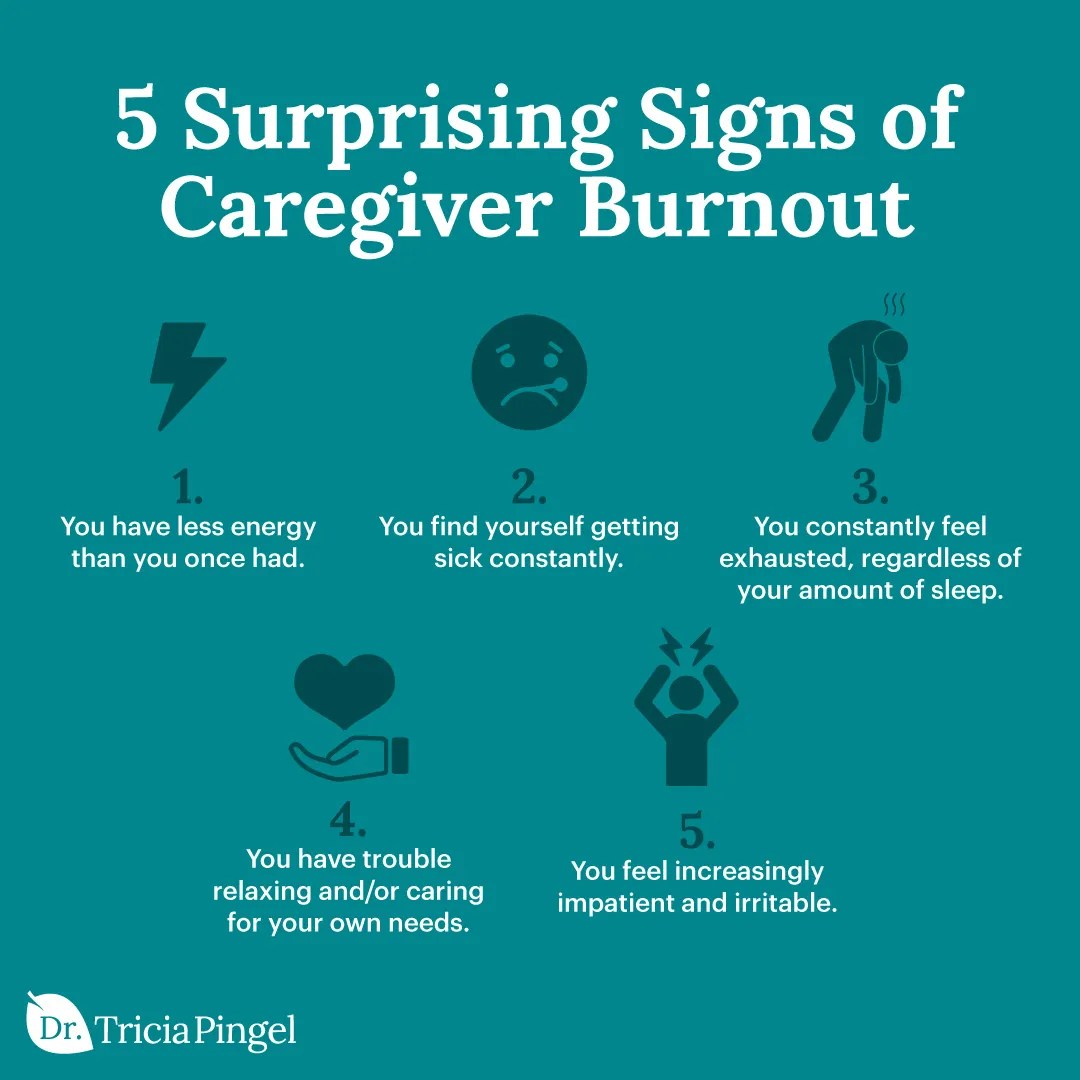
Are you a caretaker who is experiencing an overload of stress due to the emotional and physical strain of care giving? Do you feel like you are experiencing caregiver syndrome, a state of emotional, mental, or physical exhaustion that can affect the ability to give care? There are a few signs if you are experiencing caregiver stress which includes:

  • Feeling overwhelmed / constantly worried / tired too often
  • Getting too much or not enough sleep
  • Gaining/ losing weight
  • Losing interest in activities you used to enjoy
  • Becoming easily irritated or angry
  • Having frequent headaches, bodily pain or other physical problems
  • abusing alcohol or drugs, including prescription medications

The extent of the care should not discourage you if you feel this should be “easy work”. There is no fixed solution to this feeling of stress but there are treatment options available including:

  • Accept Help
  • Focus on what you are able to provide
  • Set realistic goals
  • Get Connected
  • Join a Support Group
  • See your doctor/ seek therapist

Care giving can be rewarding as well as overwhelming. Due to stress being centered on being a care giver, there tends to be a lack of care provided for the care givers. Do not feel you should not be accepting help while trying to provide help. Any individual must care for themselves before caring for a loved one. As the stress becomes continuous it can cause physical and mental health problems for the care giver.

If you or someone you know is struggling with caregiver stress contact our psychotherapy offices in New York or New Jersey to talk to one of our licensed professional psychologists, psychiatrics, psychiatric nurse practitioners, or psychotherapists at Arista Psychotherapy & Psychatric Services. Contact our Manhattan, NY or Paramus, NJ offices respectively at (201) 368-3700 or (212) 722- 1920 to set up an appointment. For more information please visit https://counselingpsychotherapynjny.com

References: https://www.mayoclinic.org/healthy-lifestyle/stress-management/in-depth/caregiver-stress/art-20044784

Anxiety: Social Media Anxiety Disorder

Anxiety: Social Media Anxiety Disorder

Tatyana A. Reed

Social media is very prominent in today’s society and nearly everyone has a social media account; whether it be Facebook, Instagram, Twitter, Tumblr, etc. Although social media can be great for promoting things, it is also negatively promoting an Anxiety Disorder which is also known as Social Media Anxiety Disorder. According to ePainassist.com, “Social Media Anxiety Disorder is a mental illness that is related to generalized social anxiety, which is acquired when social media interferes with the mental and physical health of a human being.” This can mean that the idea of not being able to check your social media can cause you extreme anxiety. Your anxiety may rise because of the number of likes you’re receiving on a picture, the number of repost on your tweet, or just not getting as many views on your story. Since this new form of anxiety is now increasing, ever climbing with more technology, most people have never heard of the disorder. In this article we will delve more deeply into the topic.

According to The Anxiety and Depression Association of America (ADAA), below are some symptoms of Social Media Anxiety Disorder:

  • Lying to others about how much time you spend on social media
  • Unsuccessfully trying to stop or reduce your use of social media
  • Loss of interest in other activities
  • Neglecting work or school to comment on Facebook or Twitter
  • Experiencing withdrawal symptoms when you are unable to access social media
  • Overwhelming need to share things with others on social media sites
  • Having your phone with you 24 hours a day to check your social media sites
  • Severe nervousness or anxiety when you are not able to check your notifications
  • Negative impacts in your personal or professional life due to social media usage

At first glance, the symptoms probably seem like they would have no physical or mental effects on a person. That’s a false assumption. For starters, being on a phone constantly will affect your eyes by drying them out which then leads to headaches and vision issues. Furthermore, sitting on your phone all day, instead of being active, can cause issues with weight, lower back problems, and neck strain. Using social media constantly can also feed into OCD, depression, and feelings of loneliness, according to ADAA. We think social media is all about being able to connect and share happy things with others but many people subconsciously begin to compare their lives or physical selves to others.


If you or a loved one appears to be suffering from SMAD, the licensed psychologists, psychiatrists, psychiatric nurse practitioners, and psychotherapists at Arista Counseling & Psychotherapy can assist you. Contact our Paramus, NJ or Manhattan, NY offices respectively, at (201) 368-3700 or (212) 722-1920 to set up an appointment. For more information, visit http://www.counselingpsychotherapynjny.com/

References:

ePainAssist, Team. “Social Media Anxiety Disorder: Causes: Symptoms: Treatment: Recovery Tips.” EPainAssist, 15 Apr. 2019, http://www.epainassist.com/mental-health/social-media-anxiety-disorder.

Fadar, Sarah. “Social Media Obsession and Anxiety.” Anxiety and Depression Association of America, ADAA, Nov. 2018, adaa.org/social-media-obsession.

n/a, n/a. “Social Media Anxiety Disorder All Occasion.” Zazzle.com, 2009, rlv.zcache.co.uk/social_media_anxiety_disorder_all_occasion-re4d11e0809ba45fbbbf7a966b6e2f527_xvuak_