By Charlotte Arehart
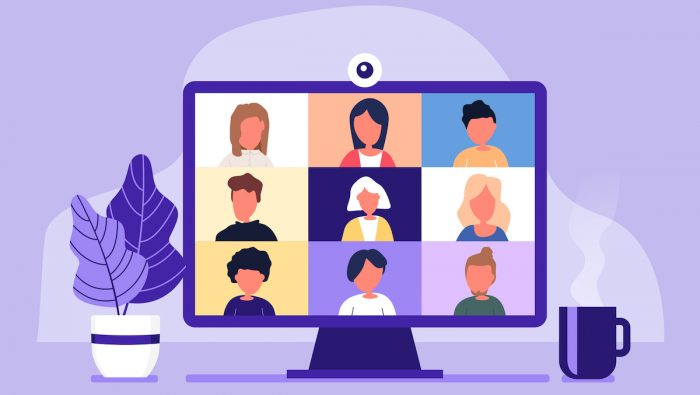
With research showing that the rates of substance abuse are increasing during the COVID-19 pandemic, it is more important than ever for those who are struggling to seek help. Typically, support groups are a great way for those who suffer from substance abuse disorder to seek help. However, with CDC regulations as well as individuals’ anxieties about catching COVID-19, it is difficult for addicts to find support groups. Research has even shown that individuals struggling with substance abuse disorder are at higher risk of contracting the Corona virus than those who do not suffer. Face-to-face interactions are not always possible during the pandemic, especially not in large groups. This has resulted in the dawn of online support groups. The idea is that individuals can get the support that they need in a safe social environment online, perhaps over Zoom, without risking contracting COVID-19. But just like any other major change, online support groups come with its side-effects, whether they be positive or negative.
Online support groups definitely have some benefits for individuals who attend. Some of these include:
- Attendees continue to receive support during pandemic
- Meet new people from across the country
- Protection from the virus
- Discuss issues openly and honestly
While all of these effects seem great at first, there are certainly some negative aspects of attending support groups online, including:
- Online meetings are not as effective as in-person meetings
- Lack of conversation
- Lack of connectivity (not all areas have access to Wi-Fi!)
- Low engagement levels
Ultimately, it is difficult to say whether or not online support groups are outright a good or a bad thing. It ultimately comes down to an individual’s preference. Luckily, with infection rates declining in the United States and social regulations beginning to ease, in-person support groups are likely to begin meeting again soon, if they have not already!
If you or someone you know needs substance abuse support throughout the pandemic, please contact our psychotherapy offices in New York or New Jersey to talk to one of our licensed professional psychologists, psychiatrists, psychiatric nurse practitioners, or psychotherapists at Arista Counseling & Psychotherapy. Contact our Paramus, NJ or Manhattan, NY offices respectively, at (201) 368-3700 or (212) 722-1920 to set up an appointment. For more information, please visit http://www.counselingpsychotherapynjny.com/
Sources:
Image Source: https://www.beyondmybattle.org/support-groups


 CounselingRx