Stress: How your financial situation could be affecting your life

Stress: How your financial situation could be affecting your life

By: Diane Ulloa
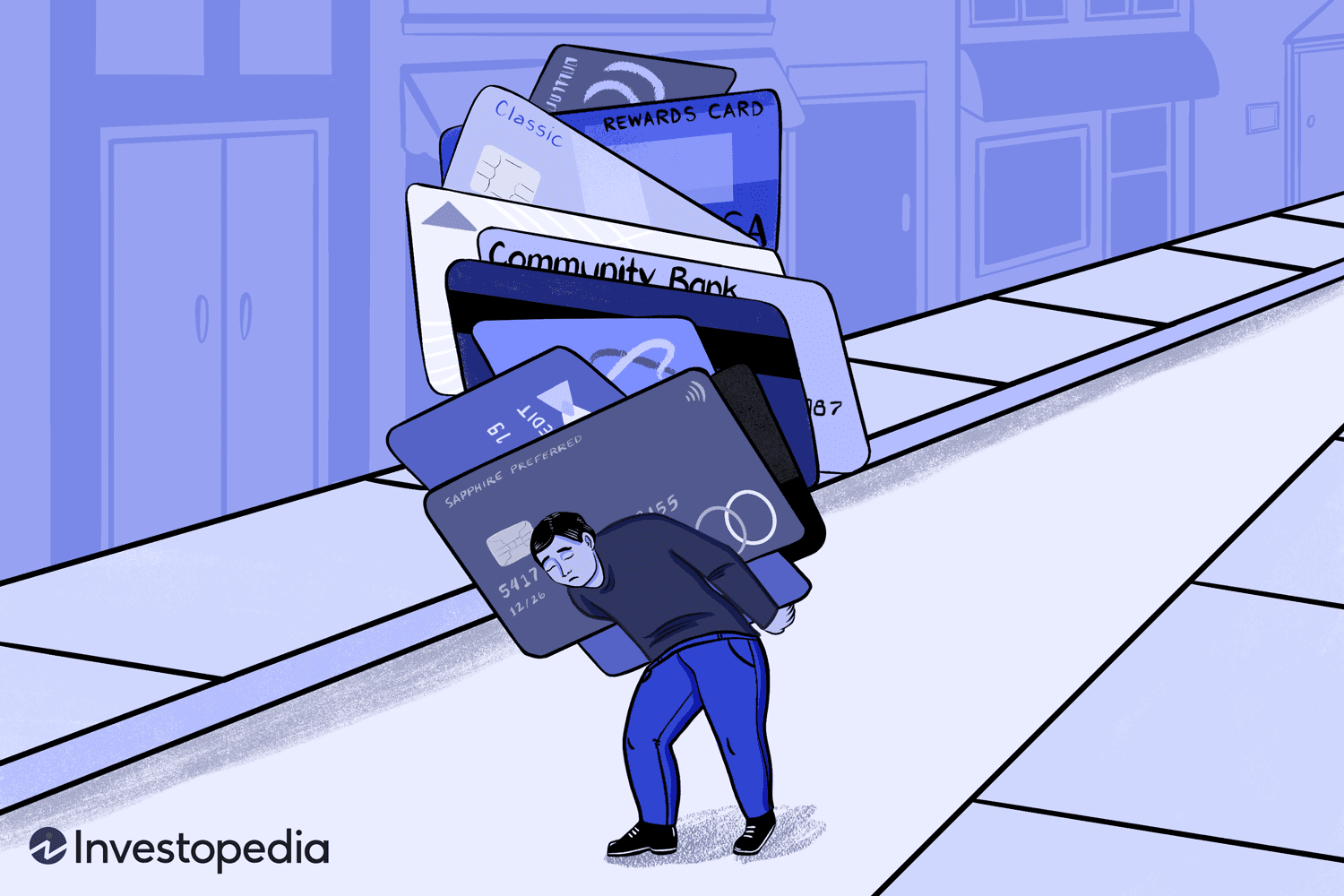
In the past two decades alone, student debt and loans have reached approximately $1.6 trillion which slightly surpassed credit card debt in America which stands at $1.03 trillion in the second quarter of 2023 according to the Federal Reserve Bank of New York. “In addition to poverty, financial debt and loans are significantly associated with increased psychological distress and poor mental health status.” (From: Ryu S, fan L. The Relationship Between Financial Worries and Psychological Distress Among U.S. Adults) As financial debt accumulates, a person may find themselves withdrawing from hanging out with friends or family and becoming avoidant of places, people, and even their financial struggles. If someone continuously avoids their bills they continue to accumulate and seeing the amount of the accumulated bills can take a serious toll on a person’s mental health.

Other problems may also emerge when someone is experiencing anxiety due to financial stress, these could include poor sleeping habits, overspending, avoidance, and poor eating habits. Someone that has a spending problem or someone who is in financial worry would benefit from speaking to a therapist who would help them cope with their unhealthy habits in better ways. A therapist can help in creating a patient budget and manage their money in better ways including a personalized budgeting plan or setting up financial goals. A therapist can also help individuals identify the underlying causes of their financial stress and develop strategies for managing it. Along with anxiety and stress, financial worry can cause feelings of shame and guilt and a therapist is able to provide a safe, non-judgmental space to explore these feelings and how to develop strategies to overcome them. A person may also experience difficulty in communicating their financial struggles and/or negative beliefs and behaviors related to money with their loved ones. A therapist can aid in more effective communication with loved ones about financial struggles and challenge negative beliefs related to money by developing more positive patterns of thought and behavior related to finances. Additionally, an individual who suffered financial trauma such as bankruptcy, foreclosure, or identity theft may benefit from therapy in order to address the emotional and psychological impact of these experiences.

If you or someone you know is struggling with their mental health, or has anxiety/stress please contact our psychotherapy offices in New York or New Jersey to talk to one of our licensed professional psychologists, psychiatrists, psychiatric nurse practitioners, or psychotherapists at Arista Counseling & Psychotherapy. Contact our Paramus, NJ or Manhattan, NY offices respectively, at (201) 368-3700 or (212) 722-1920 to set up an appointment. For more information, please visit http://www.counselingpsychotherapynjny.com/

Sources

https://www.lendingtree.com/credit-cards/credit-card-debt-statistics/

Ryu S, Fan L. The Relationship Between Financial Worries and Psychological Distress Among U.S. Adults. J Fam Econ Issues. 2023;44(1):16-33. doi: 10.1007/s10834-022-09820-9. Epub 2022 Feb 1. PMID: 35125855; PMCID: PMC8806009.

Types Of Therapy For Financial Stress And Money Issues

mantracare.org

Anxiety: How to Cope with School and Work Stress

Anxiety: How to Cope with School and Work Stress

By: Diane Ulloa

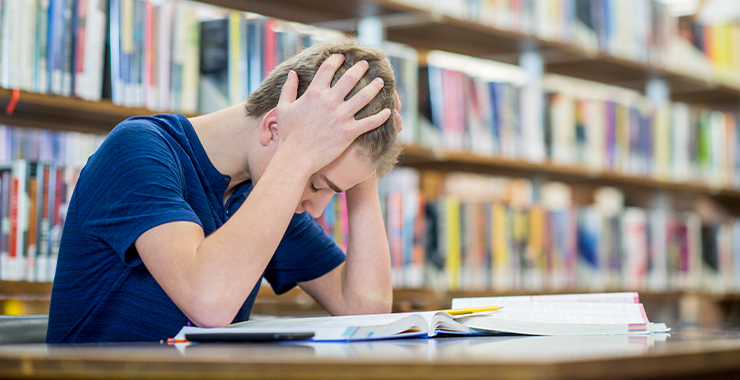
For many students attending college and working at the same time, it may be difficult to manage one responsibility after the other. For some, this may be a necessity as college tuitions in the U.S. have grown tremendously since the early 2000’s. Working and going to school may be a hassle because it is difficult to create a good flow of work-life balance. The stress and/or anxiety associated with both school and work can be caused by many factors including homework, time management, test taking/assignments, sleep disruption, etc. A study done in a private Midwestern college concluded, “Work-life balance is an important antecedent of college students’ mental health.”(Sprung & Rogers 2021) They also advocated for institutions to place heavier emphasis on work-life balance and its connection with the mental health of students. To cope with these stressors, students can approach their activities head-on as opposed to skipping class or staying in bed all day; putting things off is actually shown to cause more anxiety overtime. Students can also practice self-care such as good sleep hygiene and a consistent sleep schedule or a limit on daily caffeine intake. Another way would be to set up a good schedule for better time management skills; knowing what your week consists of can aid in managing anxiety associated with stressors like assignments, or tests, or your next scheduled shift. Seeking out resources such as therapy, earlier on have positive outcomes for dealing with anxiety caused by stress.

If you or someone you know is struggling with mental health and/or anxiety please contact our psychotherapy offices in New Jersey to talk to one of our licensed professional psychologists, psychiatrists, psychiatric nurse practitioners, or psychotherapists at Arista Psychotherapy & Psychiatric Services. Contact our NJ offices respectively at (201)368-3700 to set up an appointment. For more information, please visit https://counselingpsychotherapynjny.com

Sources:

  1. Justin M. Sprung & Anna Rogers (2021) Work-life balance as a predictor of college student anxiety and depression, Journal of American College Health, 69:7, 775-782, DOI: 10.1080/07448481.2019.1706540
  2. https://www.health.harvard.edu/blog/anxiety-in-college-what-we-know-and-how-to-cope-2019052816729

Stress and Academic Performance

How to help children and teens manage their stress

Stress: Stress and Academic Performance

By. Alexis Yennie

Stress affects all of us in various ways; whether it be students studying for an exam or adults and being overloaded with work. Stress can also affect various activities that we do on a daily basis. There are many underlying factors of stress with vary from person to person. In today’s society, children are becoming more stressed than ever. This is due to the constant pressure being put on them to receive the highest grade or even get into a good school. The pressure that is being put on them to balance school life and family/friend’s life can become a huge challenge for many.

There are multiple ways that stress can negatively affect a student’s performance. 1.) High levels of stress can decrease sleep quality; research has found that adolescents need at least eight hours of sleep a night to perform at their best. When they do not get the proper amount of sleep due to stress, this can cause them to have a lack of concentration and the inability to remember correctly. 2.) High levels of stress make students angrier; stress can also be the main reason for an increase in bullying due to irritability and the likelihood of angry outbursts. Directing their stress onto others can also increase bullying. And 3.) High levels of stress can worsen grades; when a student becomes stressed this can take over their ability to focus and can even lead to students dropping out of school.

It is very vital for parents, as well as educators and those supporting them, to become aware/educated about the significant impact stress has on adolescents and young adults. AS a whole, we should be creating a supportive and calm environment so that children succeed at their academic best. Some solutions to overcoming stress amongst adolescents are to conduct wellness checks; such as weekly one-on-one therapy sessions or even group therapy with other students. Also, making health programs available to students to them as needed.

If you or someone you know is struggling with high levels of stress and academic performance or family relationships pertaining to high levels of stress, please contact our psychotherapy offices in New York or New Jersey to talk to one of our licensed professional psychologists, psychiatrists, psychiatric nurse practitioner, or psychotherapist at Arista Counseling and Psychotherapy. Contact our Paramus, NJ or Manhattan, NY offices respectively, at (201)-368-3700 or (212)-722-1920 to set up an appointment. For more information, please visit https://www.counselingpsychotherapynjny.com/

Sources: https://partners.pennfoster.edu/blog/2016/september/3-ways-stress-negatively-affects-student-performance#:~:text=When%20a%20student%20is%20stressed,of%20school%20or%20drop%20classes.&text=As%20research%20shows%2C%20stress%20exhibited,students%20while%20in%20the%20classroom.

Image Source: https://www.apa.org/topics/child-development/stress


Stress: Effects of Stress

Image result for stressed brain

Stress: Effects of Stress

By: Vanessa Munera

When people talk about stress, what exactly is it? Stress is the body’s reaction to any change that requires an adjustment or response. With stress the body reacts to these changes with emotional, physical, and mental responses. Stress could either be presented as a positive or negative outcome in people’s daily lives.

According to Bernstein “Stress can occur in a variety of forms” (2016). Some stress can result in short events such as an argument with a loved one. Furthermore, other stress can manifest due to reoccurring conditions; for example, a demanding job, financial problems, and/ or long term illness. When reoccurring conditions cause stress to be both intense and sustained over a long period of time, it can be considered as “chronic” or “toxic” stress”. While all stress triggers physiological reactions, chronic stress is indeed to be considered a problematic issue that creates significant harm to the brain and the functioning of the body. In fact, “stress continues to be a major American health issue”.

If you have experienced a stressful event, a certain area of the brain called the amygdala, responsible for emotional processing, sends a distress signal to the hypothalamus. The hypothalamus functions as a command center in the brain, communicating with the rest of the body through the nervous system so that person has the energy to fight or flee”. The sympathetic nervous system is responsible for the “fight or flight” response because it provides the body with a burst of energy so that it can respond to perceived dangers. Some of the affects from the “fight or flight” response are increased heart rate, deeper intake of oxygen, heightened senses, and the rush of adrenaline – also known as epinephrine, a hormone secreted by the adrenal gland. Finally a hormone known as cortisol is released to help restore the energy that was lost during the response. When stress is no longer present, your cortisol levels to go back to normal as if nothing happened. In addition cortisol helps regulate metabolism and immune responses.

When dealing with chronic stress, cortisol levels are at a constant high, which eventually causes health problems. Although cortisol is a natural and healthy hormone in the body, constant high levels of it can be bad for your brain. High levels of this hormone can wear down the brain’s ability to function properly. As stated in the article, “it can disrupt synapse regulation, resulting in the loss of sociability and the avoidance of interactions with others” (Bernstein, 2016). In addition, chronic stress can kill brain cells and cause the brain to shrink in size. It has a shrinking effect on the prefrontal cortex which is responsible for memory and learning. Besides chronic stress having effects on the brain, it causes effects to the human body. This type of stress can increase the risk of heart disease, high blood pressure and diabetes. Furthermore, it can affect other systems in the body and cause them to stop working properly. This includes digestive, excretory and reproductive structures and exacerbates already existing illness. Fighting and managing chronic stress can be difficult; however it is not too late to learn how to manage it. Toxic stress can negatively affect the brain but the brain and body can recover from these effects.

If you or someone you know is suffering from chronic stress and are seeking stress management, please do not hesitate to seek help by contacting  Arista Counseling & Psychotherapy, located in New York and New Jersey to speak to licensed professional psychologists, psychiatrists, psychiatric nurse practitioners or psychotherapists. To contact the office in Paramus NJ, call (201) 368-3700. To contact the office in Manhattan, call (212) 722-1920. For more information, please visit http://www.counselingpsychotherapynjny.com/ .


Sources:

https://www.tuw.edu/health/how-stress-affects-the-brain/