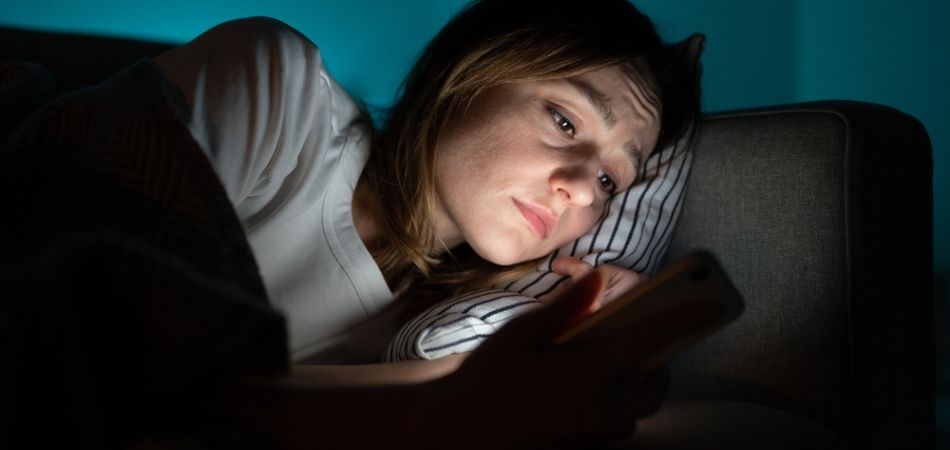
Tik Tok: Is It Actually “Rotting” Your Brain?

By: Nirvana Ramoutar

Have you ever scrolled on Tik Tok or Instagram for far too long and felt completely fatigued after? Research shows that you are not alone. It has been recorded that the more time you spend engaging with social media, the more cognitive challenges may arise. This is due to the overconsumption of short-form content which is repetitive and creates concern on how the brain health of all age groups will be affected. The recent media has coined the term, “Brain Rot” to describe the effects of this overly stimulating content.

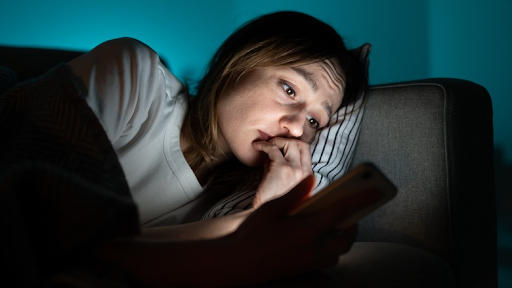
Brain Rot may be linked to behaviors that overtax our brain’s reward system. On Tik Tok, Instagram Reels, YouTube Shorts, etc. there are algorithms that pick up on what videos you like based on your interactions (comments, likes, shares, watch duration). This makes watching videos addictive as the platform is designed to keep us engaged and responsive. As we continue scrolling, our brain creates short bursts of dopamine with each video we like. Over time, this form of constant stimulation can affect your cognitive health.

What are the effects of brain rot?

  • Reduced attention span making it harder to focus on longer, complex tasks
  • Mental fatigue from the overload of information to the brain
  • Decreased memory retention through the constant shift between digital distractions
  • Increased anxiety or stress from repetitive consumption of negative news, also known as “doomscrolling”

A study by Jin Xie was done where 35 published studies based on excessive screen time, internet addiction, doomscrolling, cognitive performance, attention; memory and problem-solving were examined. The main finding was that there were links between high digital engagement and cognitive challenges. For example, short-form video addiction had a significant positive predictive effect on academic procrastination both directly and indirectly. Students would start procrastinating because of their lack of focus due to repetitive scrolling. Screen time was also associated with increased levels of anxiety, depression, and stress among students. It is important to understand that these effects can happen to people of all ages. However, due to adolescents’ developing brains, it can be inferred that overconsumption of social media can be harmful.

Because of the extent of these negative effects, it may be beneficial to promote activities that do not require us to be in front of a screen. Sometimes it is not possible to stop internet use since there are individuals that work online and use online devices in school; however there are steps you can take to maintain cognitive health.

  • Be intentional about what you consume online. If it is negative, try to stay away
  • Take regular breaks by following the 20-20-20 rule by taking a 20 second break for every 20 minutes of screen time to look at something 20 feet away
  • Set screen time limits within apps of use
  • Engage in offline activities
  • Focus on sleeping instead of staring at screens before bed, as it disturbs sleep patterns

Remember you have the ability to control your screen time. As long as you are mindful of your media consumption you can still enjoy the benefits of technology without getting stuck in negative cycles and while keeping your brain and mind healthy.

If you or someone you know is suffering with mental health issues and are in need of treatment, please contact our psychotherapy offices in New York or New Jersey to talk to one of our licensed professional psychologists, psychiatrists, psychiatric nurse practitioners, or psychotherapists at Arista Counseling & Psychotherapy. Contact our Paramus, NJ or Manhattan, NY offices respectively, at (201) 368-3700 or (212) 722-1920 to set up an appointment. For more information, please visit http://www.counselingpsychotherapynjny.com/ .

Sources:

https://pmc.ncbi.nlm.nih.gov/articles/PMC10756502/

https://www.inspirahealthnetwork.org/news/healthy-living/brain-rot-explained-how-digital-overload-affects-your-mind

Source for Picture:https://providenceproject.org/addiction/behavioural/social-media/

Body Dysmorphia; how has social media has affected it?  

Body Dysmorphia; how has social media has affected it?

By Manuela Gomez

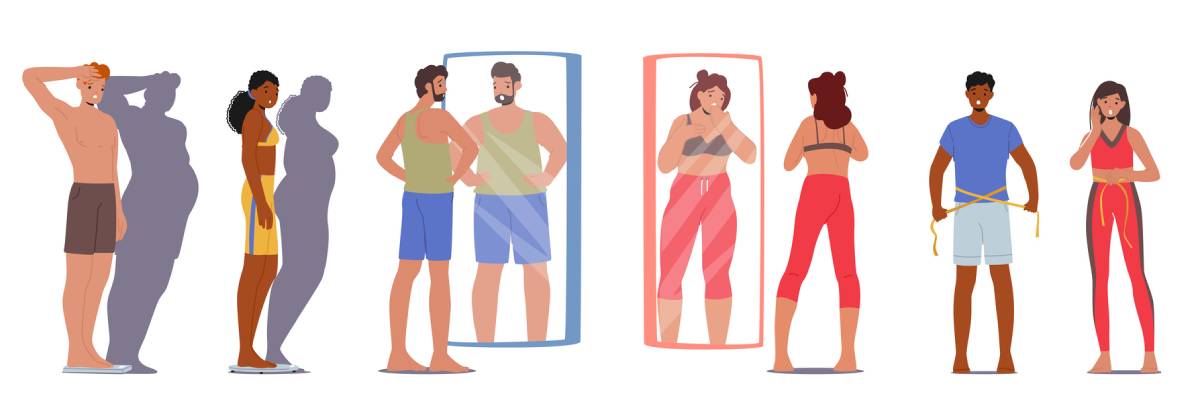
Have you ever stared at yourself in the mirror and realized that your mind isn’t showing you the reality of what you look like? Body Dysmorphia is a mental state in which your mind is busy looking/making up imperfections of your body that no one else can notice.  Although, Body Dysmorphia has been around for a while social media has only made it worse in the recent years. Social media, the addiction in which you start to compare yourself with people you watch and follow. Then you put this expectation of yourself that you should look a certain way. We tend to forget that even social media isn’t portraying the whole truth. According to the article Frontiers, 29% of people with higher social media usage have Body Dysmorphia compared to, 19% of people that have a lower usage. Here are some ways that you can help improve your BD:

  • Replace your negative thoughts with the positive (Ex: I look ugly today- I look and feel amazing)
  • Start changing the habit of analyzing yourself in the mirror every day, stand in front of it and give yourself positive affirmations
  • If you want to change something about your body then do it, but in healthy way
  • Surround yourself with healthy people and habits
  • Less social media time

Body Dysmorphia is not uncommon. It is treatable with the right professional and the effort you put into it. Don’t let your reality get lost because you see what others don’t see.

Source(s): https://www.mayoclinic.org/diseases-conditions/body-dysmorphic-disorder/diagnosis-treatment/drc-20353944

https://www.frontiersin.org/journals/public-health/articles/10.3389/fpubh.2024.1324092/full

If you or someone you know is struggling with mental health, please contact our psychotherapy offices in New York or New Jersey to talk to one of our licensed professional psychologists, psychiatrists, psychiatric nurse practitioners, or psychotherapists at Arista Counseling and Psychotherapy. Contact our Paramus, NJ, or Manhattan, NY offices respectively, at (201) – 368-3700 or (212)-722-1920 to set up an appointment. For more information, please visit https://www.counselingpsychotherapynjny.com/

Self-Esteem: The Impact of Cyberbullying in Teenagers

Self-Esteem: The Impact of Cyberbullying in Teenagers

by: Mara Gonzalez

Now a days, it is common to see teenagers and young adults owning a cellular device. Teenagers are most likely to be on social media accounts in order to stay updated on the latest social news, and celebrity’s lives, watch funny videos, research informational findings, and chat with friends or strangers. Social media is commonly use to keep in contact with an old friend or partner, stay in touch with a friend living far away, and much more. But unfortunately, there is a down side of social media.

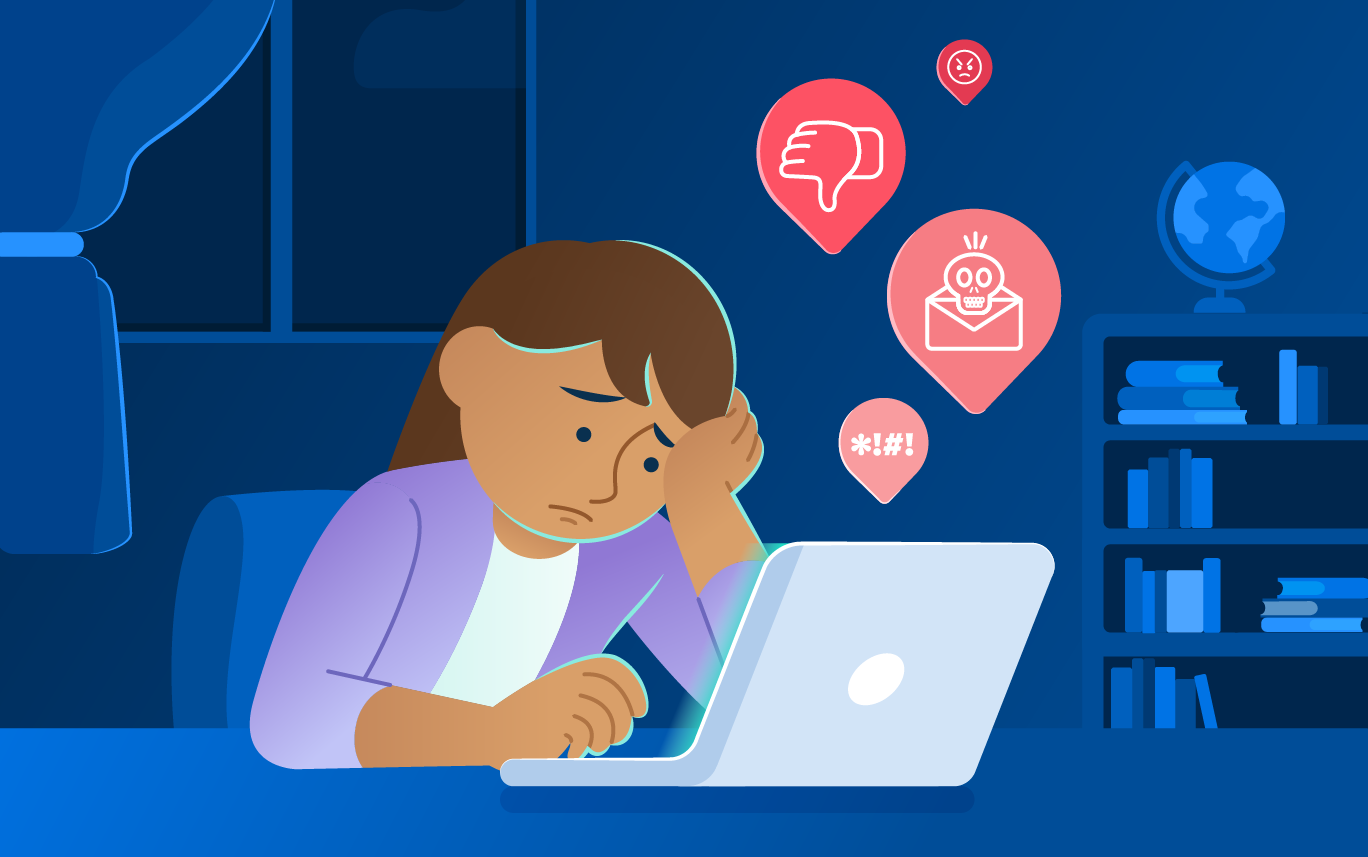
            Cyberbullying has been around since the beginning of messaging applications. Cyberbullying is a form of harassment done to an online user, appearing in different forms like aggressive behavior, blackmail, hateful messages/comments, or breach of privacy. This has been a huge problem in the United States for teenagers and young adult’s self-esteem as some comments can be directed at physical appearances and looks. This can lead to feeling self-conscious about one’s body and style of clothing. Due to hateful messages and comments, teenagers can struggle seeing themselves fit into society’s standards and they start to feel “not good enough”. There have been many cases when teenagers start developing mental disorders like depression, anxiety, suicidal intentions and psychological distress due to cyberbullying.

            Anybody can be a victim of cyberbullying. Cyberbullying can cause irreversible damage to younger online user’s self-esteem and confidence. When using social media, cyberbullies can choose to present their own identity or choose a fake identity, which is more frequently seen online. This means that around 44% of online users do not disclose their identity making it easier to target and cyberbully other online users without sharing who they really are. “Hiding a behind a screen” is an infamous phrase used to describe users that choose to cyberbully others online.

            In order to prevent cyberbullying from continuing to happen, there have been worldwide public campaigns, movements, online activism, victim support, school programs and social media hashtags. Spreading awareness is very important, in the online world, because it helps prevent cyberbullying from continuing causing harm others. Choose to support one another. “Courage is fire and bullying is smoke”- Benjamin Disraeli.

If you or someone you know is struggling with mental health, please contact our psychotherapy offices in New York or New Jersey to talk to one of our licensed professional psychologists, psychiatrists, psychiatric nurse practitioners, or psychotherapists at Arista Counseling and Psychotherapy. Contact our Paramus, NJ, or Manhattan, NY offices respectively, at (201)-368-3700 or (212)-722-1920 to set up an appointment. For more information, please visit https://www.counselingpsychotherapynjny.com/

Doomscrolling: How Mindless Scrolling Impacts Adolescent Mental Health

Doomscrolling: How Mindless Scrolling Impacts Adolescent Mental Health

By: Rachel Wang

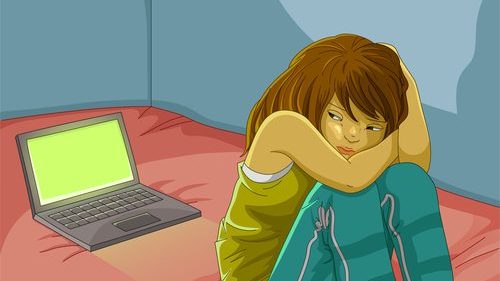
In today’s age, social media scrolling has become increasingly common among the young adult population. Among my college friend group, words like “brainrot” and “doomscrolling” are a regular occurrence, and while often played off as a joke, they also speak to the unhealthy tendency to spend copious amounts of time online. With teenagers spending an average of 8 hours and 39 minutes on screens daily, it’s no wonder that the impact of cell phone use and social media has become a huge concern for teens and parents. 

 On the topic of doomscrolling, TikTok is a major subject of discussion. Compared to other platforms, TikTok’s interface facilitates instantaneous content consumption and creation, and was one of the first platforms to generate a customized feed of audiovisual content tailored for users based on their perceived preferences via the app’s algorithm. In other words, it provides users with endless short videos specifically curated to what the user finds most interesting, making it the perfect addictive app for people with short attention spans. However, TikTok’s compelling interface comes at a cost for its users. It has been shown that a greater number of hours spent scrolling on TikTok—aka passive use—predicted lower life satisfaction, while the number of videos posted—aka active use—predicted higher life satisfaction (Wu et al., 2021). Notably, only about 25% of all TikTok users create 98% of all publicly accessible videos, while nearly half of users (48%) have never posted a video, indicating that the majority of users consume content passively, known as “lurking” (Smith 2024). This means that, for the majority of TikTok users who use the app passively, a greater number of hours spent scrolling predicts lower life satisfaction, making higher screen times a very real cause for concern that is worth addressing.

At the end of the day, social media addiction and doomscrolling are still relatively new concepts, which means research in these areas is still wanting. With the average teenager spending over one-third of their lives on a screen—potentially spending more time on their phones than sleeping—the need for more research in this subfield is self-explanatory. Perhaps, instead of normalizing terms like “doomscrolling” and “brainrot”, we should be funding social media research and encouraging one another to self-reflect and nurture our minds with healthier, real-life habits.

If you or someone you know is struggling with mental health, please contact our psychotherapy offices in New York or New Jersey to talk to one of our licensed professional psychologists, psychiatrists, psychiatric nurse practitioners, or psychotherapists at Arista Counseling and Psychotherapy. Contact our Paramus, NJ, or Manhattan, NY offices respectively, at (201) – 368-3700 or (212)-722-1920 to set up an appointment. For more information, please visit https://www.counselingpsychotherapynjny.com/

sources: Two Years Into the Pandemic, Media Use Has Increased 17% Among Tweens and Teens | Common Sense Media, https://doi.org/10.1037/ppm0000292, TikTok mostly passive consumption platform dominated by active posters, study shows

Effects of Social Media on Mental Health

Effects of Social Media on Mental Health

By: Jessica Radfar

Social media offers many advantages, allowing people to stay connected with friends and family regardless of location. It also provides quick and easy access to information, including news and current events. However, despite these benefits, social media can negatively impact mental health. Here are some reasons why.

  • Fear of Missing out (FOMO): Constantly checking to see what others are doing can lead to feelings of fear and missing out. This can create anxiety and unrealistic expectations about how we “should” be living.  
  • Self-Image: Social media often promotes idealized images using filters to change appearances online. This can affect our mental health by comparing ourselves to others or seeking acceptance from our posts on social media through likes and comments.
  • Self-Esteem: Watching other people’s seemingly perfect lives can result in feelings of insufficiency and low self-worth.
  • Cyberbullying: Exposure to harassment and negative comments on social media can lead to feelings of isolation and increased stress.

To help with this, prioritize your well-being. Here are some ways to do that.

  • Limit Screen Time: Use features on your phone to set daily time limits on social media apps.
  • Schedule Yourself Screen-Free Time Daily: Set aside part of your day, whether it is during meals, time at the gym, or with friends, where you are completely offline and present.
  • Put Your Phone on Do Not Disturb: This will help eliminate distractions and checking notifications.
  • Avoid Social Media Before Bed: The blue light on our phones can disrupt our sleep, which is crucial for our mental health.

If you or someone you know is struggling with mental health, please contact our psychotherapy offices in New York or New Jersey to talk to one of our licensed professional psychologists, psychiatrists, psychiatric nurse practitioners, or psychotherapists at Arista Counseling and Psychotherapy. Contact our Paramus, NJ, or Manhattan, NY offices respectively, at (201) – 368-3700 or (212)-722-1920 to set up an appointment. For more information, please visit https://www.counselingpsychotherapynjny.com/

References

Dalomba, F., About the Author: Frances Dalomba, Author:, A. the, Ead, A., Craine, R., & Paccione-Dyszlewski, M. R. (2022, March 1). Pros and cons of Social Media. Brown University Health. https://www.brownhealth.org/be-well/social-media-good-bad-and-ugly

Hospital, B. (n.d.). 7 ways social media can affect mental health. Butler Hospital. https://www.butler.org/blog/7-ways-social-media-can-affect-mental-health

Social Media: The Impact on Mental Health

Social Media: The Impact on Mental Health

By: Maria Koutsothanasis


Social media plays a significant role in shaping how we connect, communicate, and even view ourselves. While social media has its benefits, it can also have a detrimental impact on mental health. Social media can negatively affect our mental well-being through constant comparisons, unrealistic expectations, and exposure to harmful content. By being intentional about what we engage with, we can use social media as a tool to enhance our lives and protect our mental well-being.

One of the main drawbacks of social media is the tendency to compare ourselves to others. Platforms such as Instagram and TikTok are often filled with images of people’s “perfect” lives, highlighting their achievements, beauty, and happiness. This can lead to feelings of inadequacy and low self-esteem, especially when we find ourselves measuring our lives against these unrealistic portrayals. Social media comparison can lead to symptoms of anxiety, depression, and even body image issues. The more we focus on the idealized versions of others’ lives, the more likely we are to forget that what we see online isn’t always an accurate reflection of reality.

The positive aspect is that we can decide what content we engage with. By intentionally following accounts that promote positivity, self-love, and well-being, we can counteract the negative effects. Following fitness influencers who focus on health rather than body perfection, or mental health advocates who offer advice and share stories of resilience, can create a more positive environment. By engaging with content that aligns with our values, we can shift our mindset toward growth and self-empowerment.

Social media often highlights negativity, which can significantly affect our mental well-being. Platforms frequently highlight drama, conflicts, and extreme opinions, contributing to constant criticism and judgment. Posts that focus on problems, such as failed relationships, mental health struggles, or societal issues, can evoke anxiety or feelings of hopelessness. Viral content that spreads negativity, such as gossip or inflammatory comments, often gains attention, while positive messages may not receive the same recognition. This constant exposure to pessimism can leave individuals feeling overwhelmed and disconnected from the positive aspects of life.

While social media has its negative aspects, it’s possible to transform how we interact with it to protect our mental health. By being mindful of the content we consume and consciously seeking out positive, uplifting posts, we can create an online environment that nurtures our well-being. Social media can be a powerful tool for connection, education, and personal growth if used intentionally. Ultimately, it is important to remember that we control our social media environment and can shape it to support our mental health.

If you or someone you love is struggling with depression or anxiety, please contact our psychotherapy offices in New York or New Jersey to talk to one of our licensed professional psychologists, psychiatrists, psychiatric nurse practitioners, or psychotherapists at Arista Counseling and Psychotherapy. Contact our Paramus, NJ or Manhattan, NY offices respectively, at (201) 368-3700 or (212) 722-1920 to set up an appointment. For more information, please visit http://www.counselingpsychotherapynjny.com/. 


UC Davis Health. (2024, November 27). Social Media’s impact on our mental health and tips to use it safely. health. https://health.ucdavis.edu/blog/cultivating-health/social-medias-impact-our-mental-health-and-tips-to-use-it-safely/2024/05

The Importance of Mental Health: School Systems

By: Nicole Cutaia

The Importance of Mental Health: School Systems

The lives of children and teenagers may appear stress-free, but unfortunately, this is not the case for all children and teenagers. Anxiety and depression among young adults is more common than society believes it to be. Children and teenagers do have their own stress factors in their lives such as school work, their appearances, relationships or friendships, and or extra curricular activities.

Some children and teenagers may come from a household where mental health is overlooked and not openly discussed. That is why it is extremely important that school systems and districts prioritize mental health and related services. Making sure every student within a school is heard and feels as though they belong is extremely vital in creating a safe space.

Other than school counselors, school systems and districts can participate in providing students with school-wide presentations that review mental health. These presentations should incorporate guest speakers as well.

Mental health should be mandatory in health classes. The depth of the curriculum and structure of the material will be dependent on the age and academic level of the students. Children and teenagers should be exposed to information that is appropriate for their age.

Various children and teenagers view their school as a safe place. It is crucial that we make it known to students that their feelings and emotions are normal and valid.

 If you or someone you know is experiencing mental health difficulties, please contact our psychotherapy offices in New Jersey to talk to one of our licensed professional psychologists, psychiatrists, psychiatric nurse practitioners, or psychotherapists at Arista Counseling & Psychotherapy. Contact our offices at (201) 368-3700 or (212) 722-1920 to set up an appointment. For more information, please visit http://www.counselingpsychotherapynjny.com/

Trauma From an Assassination Attempt and the Effects of Social Media

By: Tehila Strulowitz

On July 13th of this year, a shot was witnessed around the world when a skinny, pale 20-year-old with an AR-15-style rifle climbed onto a roof facing former President Donald Trump’s rally and fired. After the crowd got up from the ground when police said it was safe, but before paramedics could arrive, millions of people already had photos and videos of the incident on their devices and were chasing the story for updates.

Research outlines how witnessing these events through such graphic and detailed media not only makes us afraid and panicked, but also leads us to doubt our society. We start to think that if we scoured the dark web enough, we’d be able to prevent shootings, or that our children’s classmates who are on the fringes of the social scene might just shoot them one day. We may even convince ourselves that we need a gun for our personal safety and survival.

Universally, we consider leaders to be among the most protected and secure people in our country. When we witness political violence firsthand or through videos and photos, we automatically begin to fear for our own safety and security. As psychologist Dr. Zachary Ginder points out, witnessing a violent attack on a government authority—whether in real-time or via video—leads us to question and doubt our “sense of social order, control, trust, safety, and security.”

One thing that the boom of social media has demonstrated, validated by numerous studies, is that we easily obtain extensive video and photo coverage of violent attacks, whether they involve shootings, terrorist attacks, assassination attempts, or others. The ability to see every single moment from every angle of a violent incident, due to continuous media coverage and the ease of sharing on social media, serves to sustain our trauma and panic, according to Roxanne Cohen Silver, a professor of psychological science, medicine, and public health at the University of California, Irvine.

Experts suggest several ways to relieve anxious feelings: avoid listening to and perpetuating conspiracy theories by ensuring that you’re getting your news from reliable sources; take time to establish and maintain regular habits that support your self-care; channel your energy into advocacy and “positive action,” which can help many feel more in control; focus on kindness and positivity; and seek help when needed to process trauma in a healthy way rather than remaining in a traumatic mindset.

If one’s reaction to trauma is intense, they may experience difficulties such as trouble sleeping, concentrating, irritability, anger, lashing out, or paranoia. Disorders related to traumatic reactions—whether the experience was direct or indirect—include acute stress disorder, depression, generalized anxiety disorder, panic disorder, post-traumatic stress disorder, and substance use disorder.

Social Anxiety: The Impact of Social Media on Social Anxiety

Social Anxiety: The Impact of Social Media on Social Anxiety

By: Josette DeFranco

Social anxiety is very common and can be a part of your everyday living whether it is online or offline. Social anxiety means you have persistent fears about being in social situations. Social media has become society’s major way of communicating. It has allowed users to create their own distinctive profiles and content to share with others. It has been found that social media use has caused unrealistic goals and expectations. This can create low self-esteem and a lack of in-person interactions. This may lead to anxiety because you may feel like you don’t live up to your social media image. Nonetheless, it may cause you to feel judged by your choices or appearance. It is important to pay attention to your emotions when logged onto social media and to remember that others experience similar thoughts.

Should you take a break from social media?

Social media can affect individuals differently. However, if you notice social media is causing damage to your mental health, self-esteem, social interactions, and making your moods worse then you may want to consider a social media break. Having a social media break even for a week or a month could enhance your mental state, allowing you to reflect and focus on your mental health needs. It has been noticed that individuals felt more grounded and less anxious, isolated, and depressed.

If you or someone you know is struggling with their mental health, please contact our psychotherapy offices in New York or New Jersey to talk to one of our licensed professional psychologists, psychiatrists, psychiatric nurse practitioners, or psychotherapists at Arista Counseling & Psychotherapy. Contact our Paramus, NJ or Manhattan, NY offices respectively, at (201) 368-3700 or (212) 722-1920 to set up an appointment. For more information, please visit https://aristapsychiatrypsychotherapy.com/

Sources:

https://www.sciencedirect.com/science/article/pii/S245195882100018X

https://www.psychologytoday.com/us/blog/thriving-with-the-challenges/202208/a-social-media-vacation-is-waiting-for-you

The Effect of Social Media and Eating Disorders

By: Sarah Cohen

Eating disorders are extremely serious and often deadly illnesses that include severe disturbances in eating behaviors and related thoughts and emotions. There have been numerous studies in which mass media consumption of the “thin ideal body” has been linked to eating disorders among women. Pressure from media has led to women and men internalizing the “thin ideal body” and led to extreme body dissatisfaction which can then lead to eating disorders. While the effect is smaller among men, they are still being subjected to pressure.

Studies have shown “significant change in the weight and size of female and male models portrayed throughout the media in western society and the concept of the ‘perfect or ideal body’.” This explains “why many adolescents are preoccupied with their bodies and dissatisfied with their body image and are willing to try a variety of dangerous weight-loss practices in their quest for the perfect body.”

Most people are usually not aware the amount of manipulation and digital editing done in the fashion industry to create ‘ideal’ female and male bodies. These false images encourage unrealistic and unhealthy standards that are impossible to attain. One study focused on body concerns in girls 16 years old and tried to understand the underlying motivations to be skinny. The element that exerted the largest pressure to be smaller was the media. Another study measured indicators of eating disorders in a population of young Fijian girls after the addition of Western television to their routine. The indicators of eating disorders were exceptionally more prevalent after extended television viewing, demonstrating a negative impact of media. A large component of the data recorded was the theme of subjects describing a new interest in weight loss as a method of modelling themselves after the television characters they viewed.

In order to prevent the effect of social media on disordered eating, here are three tips: choose what media you view and participate in carefully, limit the amount of exposure you have, and test each media’s message for body positivity by asking critical questions about what information they are attempting to spread.

If you or someone you know needs support with their marriage, please contact our psychotherapy offices in New York or New Jersey to talk to one of our licensed professional psychologists, psychiatrists, psychiatric nurse practitioners, or psychotherapists at Arista Counseling & Psychotherapy. Contact our Paramus, NJ or Manhattan, NY offices respectively, at (201) 368-3700 or (212) 722-1920 to set up an appointment. For more information, please visit http://www.counselingpsychotherapynjny.com/ .

https://www.nimh.nih.gov/health/topics/eating-disorders/index.shtml

https://www.ncbi.nlm.nih.gov/pmc/articles/PMC2792687/

https://www.ncbi.nlm.nih.gov/pmc/articles/PMC2792687/

https://www.nationaleatingdisorders.org/media-eating-disorders

Tiggemann M, Gardiner M, Slater A. “I would rather be size 10 than have straight A’s”: A focus group study of adolescent girls’ wish to be thinner. J Adolesc. 2000;23:645–59.

Becker AE, Burwell RA, Gilman SE, Herzog DB, Hamburg P. Eating behaviours and attitudes following exposure to television among ethnic Fijian adolescent girls. Br J Psychiatry. 2002;180:509–14.