Wild Introvert: Could You Be One?

Wild Introvert: Could you be one?

By Rachel Wang

Everyone knows what it means to be either introverted or extroverted: You either gain energy from being alone, or from being around others in social settings. However, not all introverts are the same, and not all extroverts are the same. Some people may fall under what’s known as a “wild introvert”, an unofficial term coined by Dr. Scott Barry Kaufman to describe someone who is both introverted and scores extremely high in openness to experience. 

Wild introverts have a strong inclination toward adventure, novelty, and sensory experiences, often needing time to recharge after engaging in these activities. This concept highlights that introversion is not necessarily synonymous with shyness or a lack of engagement with the world; rather, simply a preference for certain types of stimulation and social interaction. These stimuli are linked to dopamine which explains why research has found that extroverts get so energized and excited from positive social attention. Introverts, on the other hand, just don’t get as worked up about that. And in the case of the wild introvert, they might get energized or excited over other, non-social stimuli, such as those related to intellect, imagination, and new ideas.

So how does one tell if one is a wild introvert or not? If you agree with the following statements, you might just be a wild introvert:

  • I don’t tend to show enthusiasm in social situations, but I light up when the topic changes to one of my genuine interests.
  • On the outside, it may seem like I’m boring and vanilla, but inside my head, there lies a rich, imaginative world.
  • I have a ravenous desire to learn novel and complex things, but I can’t stand events where I am forced to network and meet lots of new people.
  • I generally prefer quiet and low stimulation, but when I feel comfortable/safe, I am a big sensation seeker.

Whether you’re an introvert, extrovert, or wild introvert, the key to being happy is self-acceptance. The best thing you can do for yourself is to live life on your own terms, whether that’s through quiet solitude, partying, or getting lost in a good book.

If you or someone you know is struggling with mental health, please contact our psychotherapy offices in New York or New Jersey to talk to one of our licensed professional psychologists, psychiatrists, psychiatric nurse practitioners, or psychotherapists at Arista Counseling and Psychotherapy. Contact our Paramus, NJ, or Manhattan, NY offices respectively, at (201) – 368-3700 or (212)-722-1920 to set up an appointment. For more information, please visit https://www.counselingpsychotherapynjny.com/

Source: Are You a Wild Introvert? | Psychology Today

Anxiety: Social Anxiety

Anxiety: Social Anxiety

By: Stefani Stojanoska

Social anxiety disorder is a persistent and intense fear of social settings. People who have social anxiety are afraid of being judged by others or humiliated. This disorder can affect an individual’s daily life such as work and school. Being able to do daily things such as eating or using the bathroom can cause an individual to have an intense amount of anxiety.

Here are some symptoms of Social Anxiety Disorder

  1. Avoiding eye contact and speaking in a soft voice
  2. Feeling self-conscious or feeling others are always judging you
  3. Sweating, trembling, shaky voice, and rapid heartbeat when in social settings
  4. Worrying about upcoming events or activities

Some treatments for Social Anxiety Disorder

  1. Cognitive behavioral therapy-This therapy helps individuals learn how to think, behave, and react to social situations to help reduce anxiety
  2. Medications are also helpful for social anxiety. The best types of medications for this disorder are SSRIs and SNRIs. SSRIs increase serotonin levels while SNRIs increase serotonin and norepinephrine levels.
  3. Hypnotherapy is a great way to help reduce anxiety. Individuals who choose hypnotherapy will learn how to get into a state of relaxation. This will allow them to learn how to relax their mind without feeling anxious.

If you or someone you know is struggling with anxiety or their mental health, please contact our psychotherapy offices in New York or New Jersey to talk to one of our licensed professional psychologists, psychiatrists, psychiatric nurse practitioners, or psychotherapists at Arista Counseling & Psychotherapy. Contact our Paramus, NJ, or Manhattan, NY offices respectively, at (201) 368-3700 or (212) 722-1920 to set up an appointment. For more information, please visit https://aristapsychiatrypsychotherapy.com/

Social Anxiety in Back to School Students

Social Anxiety in Back to School Students

By Melissa Rodriguez

Going back to school can be exciting for students of all ages. Along with the feelings of newness and back-to-school excitement, feelings of nervousness and social anxiety can also arise. Students may feel nervous or anxious starting a new school year. All of the new people students will be around and the new environment they are placed in can cause them to feel socially anxious, unsure, or nervous about the new changes. According to the National Institute of Mental Health, about an estimated 31.9% of young people experience at least one anxiety disorder in their lifetime.  

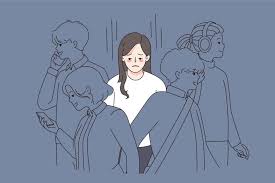
Social anxiety is a fear of social situations. Those with social anxiety are usually more shy, quiet, and overall socially reserved. Some physical symptoms students with social anxiety may feel are: shortness of breath, a churning sensation in the stomach, palpitations, out of body experiences, muscle tension, and feeling lightheaded or dizzy sensations. Some psychological symptoms students may face are: a constant feeling of being judged in social settings, always worrying that you will embarrass or humiliate yourself, having a crippling fear of interacting socially with others, avoiding an event or interaction where you feel you are the center of attention, and constantly being critical of and judging oneself.

If back-to-school anxiety persists longer than the first couple weeks and if you notice that it is causing distress to the daily life of the student, meeting with a therapist may be beneficial to help the student better manage their symptoms and help them go back to school comfortably. This may increase their confidence in school or other social settings, and help them feel more comfortable and confident in their new social environments.  

If you, your child, or someone you know is experiencing back-to-school anxiety, social anxiety, or other anxiety disorders or mental health issues, please contact our psychotherapy offices in New York or New Jersey to talk to one of our licensed professional psychologists, psychiatrist, psychiatric nurse practitioners, or psychotherapists at Arista Counseling & Psychotherapy. Contact our Paramus, NJ or Manhattan offices respectively, at 201-368-3700 or 212-722-1920 to set up an appointment. Please visit http://www.counselingpsychotherapynjny.com/ for more information.

Sources:

https://adaa.org/learn-from-us/from-the-experts/blog-posts/consumer/back-school-anxiety-what-parents-and

Image Source: https://www.educare.net.au/living-with-social-anxiety-personal-stories-and-coping-mechanisms/

Anxiety: Social Anxiety during COVID-19

Anxiety: Social Anxiety during COVID-19

By: Rebecca Collette

As a society, we are accustomed to our regular routines, including spending time in close quarters with others and visiting public places. As we are occupying more time indoors due to COVID-19, there has been an increase in stress and anxiety when we see ourselves having to interact with others in public. This type of anxiety is also referred to as social anxiety; where an individual fears the chance of being judged or rejected by others in social or public settings. Since COVID-19 has introduced some questionable boundaries for social relationships, more individuals are experiencing instances of social anxiety than average. Here are some tips to help manage your anxiety if you’re planning on venturing out!

Set Realistic Expectations – You can’t please everyone! When going out in public, prepare yourself to come into contact with a few uncomfortable situations. If you understand that if you upset someone and can forgive yourself for it, it will only help to decrease your anxiety.

Avoid the Need for Reassurance – Reassurance means you are checking that you are doing everything “right.” With the unpredictability and questionability of the situation that COVID-19 has brought upon us, we cannot expect to be doing everything “right.” You must allow yourself to make mistakes and realize that you cannot please everyone.

Seek Help When Needed – Uncomfortable situations are going to come up. It’s normal to feel uncomfortable when faced with a new problem or situation and it’s not a sign you did something wrong. However, if the anxiety doesn’t go away, you may suffer from social anxiety and should seek professional help.

If you or someone you know needs support with anxiety, please contact our psychotherapy offices in New York or New Jersey to talk to one of our licensed professional psychologists, psychiatrists, psychiatric nurse practitioners, or psychotherapists at Arista Counseling & Psychotherapy. Contact our Paramus, NJ or Manhattan, NY offices respectively, at (201) 368-3700 or (212) 722-1920 to set up an appointment. For more information, please visit http://www.counselingpsychotherapynjny.com/

Source: https://adaa.org/learn-from-us/from-the-experts/blog-posts/consumer/social-anxiety-during-covid-19

Image Source: https//:mentalhealthtoday.co.in/wp-content/uploads/2020/03/20APS-Web-COVID-19-Public-1000×500-1.png

Depression: Social Depression

By: Nicolette Ferrante

Social Anxiety and Depression are two of the most commonly diagnosed mental disorders in the United States.  Social Anxiety Disorder is the fear of being rejected or embarrassing oneself in a social setting. Depression is a mood disorder that causes a persistent, deep feeling of sadness and loss of interest in things someone once enjoyed.  Although these are two separate diagnoses, they can co-occur.

            Social symptoms of depression include avoiding any type of contact with friends/family, not wanting to attend activities involving social interaction and neglecting normal behavior and interests that were once enjoyed. People with social anxiety disorder are six times more likely to develop a mood disorder such as depression. Social Phobias prevent people from making friends, applying for jobs, pursuing relationships and being a part of any social setting at all.

            Avoidance is the only way to cope with social anxiety. They withdraw out of fear of embarrassing themselves or not fitting in. Those with Social Anxiety disorder want to socialize, but the fear is far too much to bring them to. The uncontrollable anxiety and inability to socialize often leads to the feelings of hopelessness, isolation and frustration. Neglecting themselves from social interactions, sometimes leads to depression, due to the loneliness. Not everyone with SAD will experience depression.

                 If you or someone you know needs support with their mental illness, please contact our psychotherapy offices in New York or New Jersey to talk to one of our licensed professional psychologists, psychiatrists, psychiatric nurse practitioners, or psychotherapists at Arista Counseling & Psychotherapy. Contact our Paramus, NJ or Manhattan, NY offices respectively, at (201) 368-3700 or (212) 722-1920 to set up an appointment. For more information, please visit http://www.counselingpsychotherapynjny.com/

Sources:

Social Anxiety and Depression

Separation Anxiety Disorder (SAD) in Children

By: Tamar Asayan

School Phobia is now referred to Separation Anxiety. It can also be known as school refusal or school avoidance because it makes going to school very difficult for children. Separation Anxiety Disorder is when someone has excessive fear or anxiety about leaving their home or an attachment figure. In children, their attachment figure is usually their parents because they see them as a figure of protection and do not want to leave their side. Humans require an attachment to parental figures because they provide love, protection, and care to us. Children attach their deepest fears to their parents because they believe they can make any fear go away.

Children who have separation anxiety have a difficult time sleeping alone, going to school, avoiding play dates, and do anything to stay at home with their parents. They also experience symptoms of dizziness, upset stomach, nausea, vomiting, headaches, and have difficulty sleeping. These symptoms can lead to children not wanting to leave their house even more because the thought of a parent leaving can give symptoms of panic and anxious thoughts.

Separation Anxiety Disorder is more common in children who suffer from parents separating or going through a divorce. Any detachment from a parent is experienced as a life threatening danger to the child. They fear they no longer will be protected and will be left alone by their parents. These feelings of anxiety are relieved when they are safe in the presence of their parents to reassure them that they are not going anywhere. In order for children to overcome their separation anxiety and their fear to attend school it is important to seek help as early as they can.

The best method in treating Separation Anxiety Disorder is by Cognitive Behavioral Therapy (CBT); it helps parents and children learn new coping skills when they are separated from each other. It is also important to make your child feel safe and protected in the environment they are living in and develop trust in their parents that they are not going to leave them.

If you are a parent and are concerned about your child having separation anxiety call the licensed psychologists, psychiatrists, psychiatric nurse practitioners, and psychotherapists at Arista Counseling & Psychotherapy can assist you. Contact our Paramus, NJ or Manhattan, NY offices respectively, at (201) 368-3700 or (212) 722-1920 to set up an appointment. For more information, visit http://www.counselingpsychotherapynjny.com/

Source: https://www.psychologytoday.com/us/blog/inside-out-outside-in/201505/what-is-separation-anxiety 

Image: http://childcarephysicans.com/wp-content/uploads/2013/08/blide.jpeg