Night Terrors: Terror Filled Sleep for Children

Unlike nightmares, night terrors are consistent episodes of intense screaming, crying, trashing, or fear during sleep. These episodes are reoccurring and usually occur in children between the ages of 3-12. About 1 to 6 in 100 children have night terrors, which occur in both boys and girls and children of all races. Night terrors are very rare, occur 3-6% in children, and typically tend to run in families. About 80% of children have a family member who experiences the same thing.

How are night terrors different from nightmares?

  • Nightmares commonly occur during REM sleep, while night terrors do not and will occur during non-REM sleep. You might find that it is hard to wake your child during a night terror episode and they will most likely not remember what occurred the next morning.

Signs & Symptoms:

  • Fast heart rate
  • Fast breathing
  • Sweating
  • Dilated pupils
  • Flailing around in bed
  • Screaming
  • Looks awake but confused
  • Not talking
  • Non-responsive
  • Cannot recognize that a parent is there
  • Acts upset or scared

What causes Night Terrors?

Night terrors are caused by an over-arousal of the central nervous system during sleep. The following factors have been noted in children who have experienced night terrors:

  • Overtired, ill, or stressed
  • Taking new medicine
  • Sleeping in a new environment
  • Not getting enough sleep
  • Having too much caffeine

How can you help your child?

The best way to help your child is to wait it out and make sure they do not get hurt during the night terror episode. Also, it is important to note that it is best to not wake your child during the episode. Waking them during this episode can cause more disorientation and confusion. However, you can help prevent future night terrors by:

  • Reducing the child’s stress
  • Create a bedtime routine that is relaxing and simple
  • Make sure the child gets enough sleep
  • Do not let your child stay up too late

If night terrors occur repeatedly, talk to your child’s doctor to see if further evaluations and/or referrals are needed.

If you are someone you know appears to be suffering from issues linked to night terrors, please contact our psychotherapy offices in New York or New Jersey to talk to one of our licensed professional psychologists, psychiatrists, psychiatric nurse practitioners, or psychotherapists at Arista Counseling & Psychotherapy. Contact our Paramus, NJ or Manhattan, NY offices respectively, at (201)368-3700 or (212)722-1920 to set up an appointment. For more information, please visit http://www.counselingpsychotherapynjny.com/.

Sources: https://kidshealth.org/en/parents/terrors.html

https://www.webmd.com/sleep-disorders/night-terrors

Image: https://www.alaskasleep.com/blog/night-terrors-vs-nightmares-how-to-help-terrified-child

Insomnia: What factors cause it?

By: Elyse Ganss

Insomnia is a sleep disorder that causes an inability to sleep in regular increments. Insomnia can be caused by many issues including medical conditions, biological factors, and psychiatric conditions. Medical causes of insomnia include nasal/allergies, endocrine problems, asthma, neurological conditions, chronic pain, or gastrointestinal problems.

Insomnia can frequently co-occur with mental health disorders. Some psychiatric problems that may impact sleep include depression and anxiety. Depression includes symptoms of hopelessness, sadness, and a lack of energy. Severe depression is correlated with a higher risk for insomnia. Anxiety symptoms include stressful thoughts, general anxiousness, panic, or dread. Anxiety can make it so falling asleep feels impossible as you are consumed by thoughts/fears.

Lifestyle choices like naps, irregular sleeping patterns, and working on a laptop or phone close to when you are going to sleep can cause insomnia as well. Even certain foods and drinks can have a negative impact on your sleep. For example, drinks that have caffeine and are consumed up to 8 hours before going to sleep may cause insomnia.

Seeking therapy for insomnia may be helpful in decreasing symptoms. Typically, therapy will teach the patient how to replace negative thoughts as well as problem solving techniques in order to alleviate sleeping issues. Similarly, certain medications can be prescribed to help restore regular sleeping patterns if the insomnia is severe and has a long-term pattern.

If you or someone you know needs support for insomnia, please contact our psychotherapy offices in New York or New Jersey to talk to one of our licensed professional psychologists, psychiatrists, psychiatric nurse practitioners, or psychotherapists at Arista Counseling & Psychotherapy. Contact our Paramus, NJ or Manhattan, NY offices respectively, at (201) 368-3700 or (212) 722-1920 to set up an appointment. For more information, please visit http://www.counselingpsychotherapynjny.com/ .

Sources:

What Causes Insomnia?

https://www.mayoclinic.org/diseases-conditions/insomnia/symptoms-causes/syc-20355167

Image Source:

https://news.uthscsa.edu/wp-content/uploads

Depression: Burning Out

Depression: Burning Out

By Toniann Seals

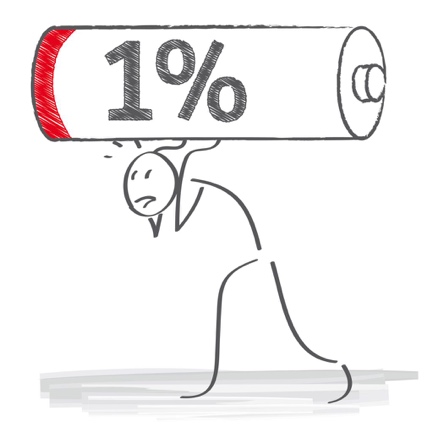
While living in a face paced society burn out is typically inevitable. Maybe you have a stressful job, heavy course load at school or personal/family issues going on. These problems you may face in your lifetime could bring excessive stress and lead to burn out.

Signs of Burn Out:

  • Excessive or too little sleep
  • Not making time for your hobbies
  • Dreading the next day/negative thoughts
  • Overworking

After burn out occurs many people find themselves stuck at a standstill. They are not able to move forward in their work or complete simple daily tasks. Once you notice the signs above, take action immediately to help yourself.

Effects:

  • Lowered Self Esteem
  • Less productivity
  • Feelings of not being enough
  • Lack of happiness

If you or someone you know is suffering from burn out speak with one of our licensed professional psychologists, psychiatrists, psychiatric nurse practitioners, and psychotherapists. Contact us at our Paramus, NJ or Manhattan, NY offices at (201) 368-3700 or (212) 722-1920 respectively to set up an appointment. For more information, visit http://www.counselingpsychotherapynjny.com/.

Image:

http://www.gotoppm.com/stress-burnout-and-saying-no/